Chicago Lakefront Guide: Beaches, Parks & Activities
Chicago's lakefront is one of the great urban waterfronts in the world: 26 miles of free public shoreline, 24 sand beaches, and a continuous trail linking neighborhoods from Edgewater to Hyde Park. This guide covers the best beaches, parks, trails, water activities, and practical rules you need to enjoy it without any surprises.
Plan and book this trip
Tools from our partner Travelpayouts help you compare flights and hotels. If you book through them, we may earn a commission at no extra cost to you.
Flights
Hotels map
TL;DR
- Chicago's lakefront runs 26 miles along Lake Michigan and is entirely free to access, managed by the Chicago Park District.
- There are 24 sand beaches; the official swim season runs from Memorial Day weekend through Labor Day, with lifeguards on duty 11am–7pm daily.
- The 18.5-mile Lakefront Trail is paved and open year-round for walking, jogging, cycling, and skating.
- Swimming outside designated beach areas when lifeguards are on duty is not permitted by the Chicago Park District.
- Late May through early September is peak season; for a broader picture of timing, see the best time to visit Chicago guide.
Understanding Chicago's Lakefront
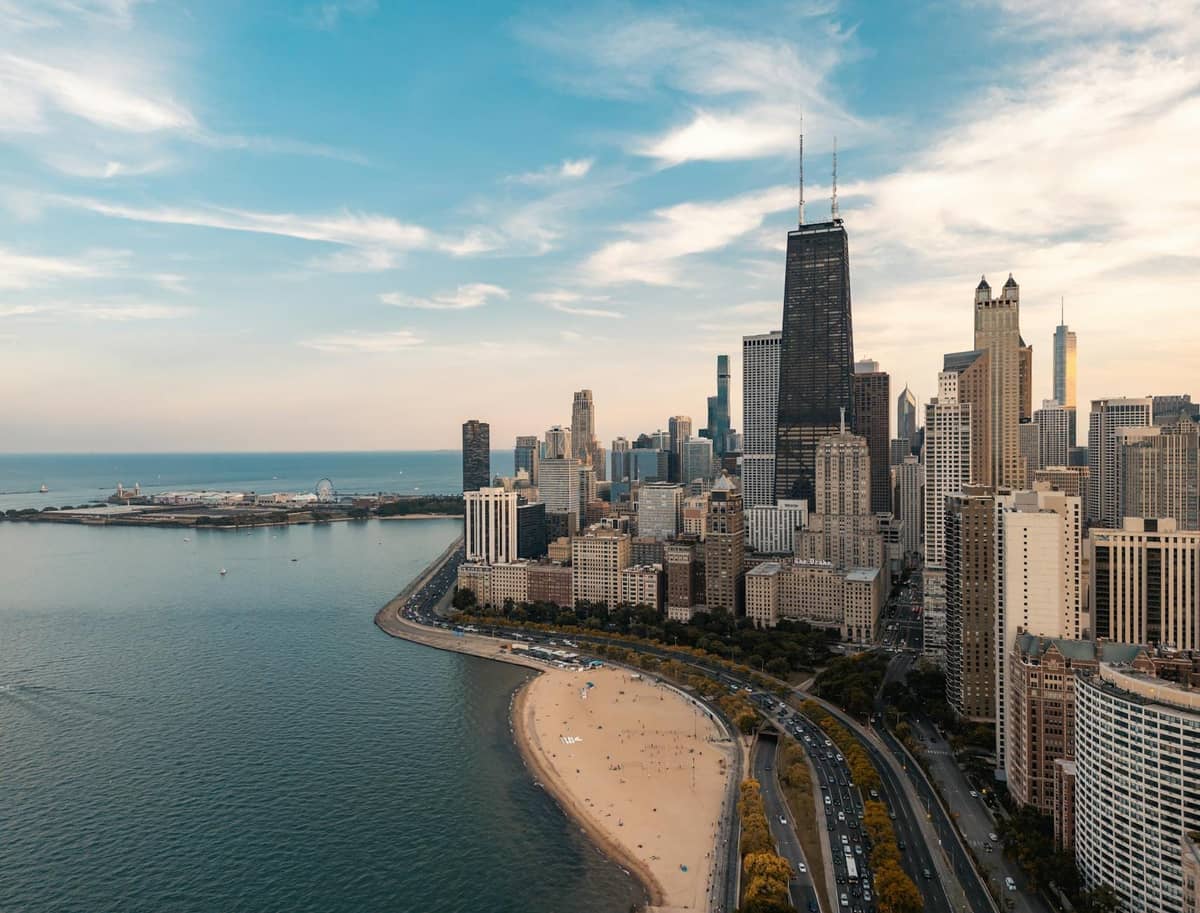
Chicago sits on the southwestern shore of Lake Michigan, and the city's relationship with its waterfront is unlike almost any other major American city. The great majority of the roughly 26-mile shoreline is publicly owned and managed by the Chicago Park District, meaning there are no private beaches, no hotel-exclusive stretches, and no tolls to access it. Whether you're standing at Grant Park downtown or walking through Hyde Park on the South Side, the water is yours to use freely.
The lakefront parks are not a single continuous green strip but rather a chain of distinct parks, beaches, and recreational nodes connected by the Lakefront Trail. Each section has its own character. The stretch from Oak Street Beach south to Museum Campus is the most visited and best served by transit. The North Side beaches from North Avenue to Montrose attract a mix of locals and visitors. Further north and south, the crowds thin significantly and the experience becomes more neighborhood-scale.
ℹ️ Good to know
Beach conditions are updated by the Chicago Park District daily: weather and surf reports come out around 11am, and water quality updates follow around 1:30pm. Check the Park District site before heading out if you plan to swim.
The Best Beaches and When to Go
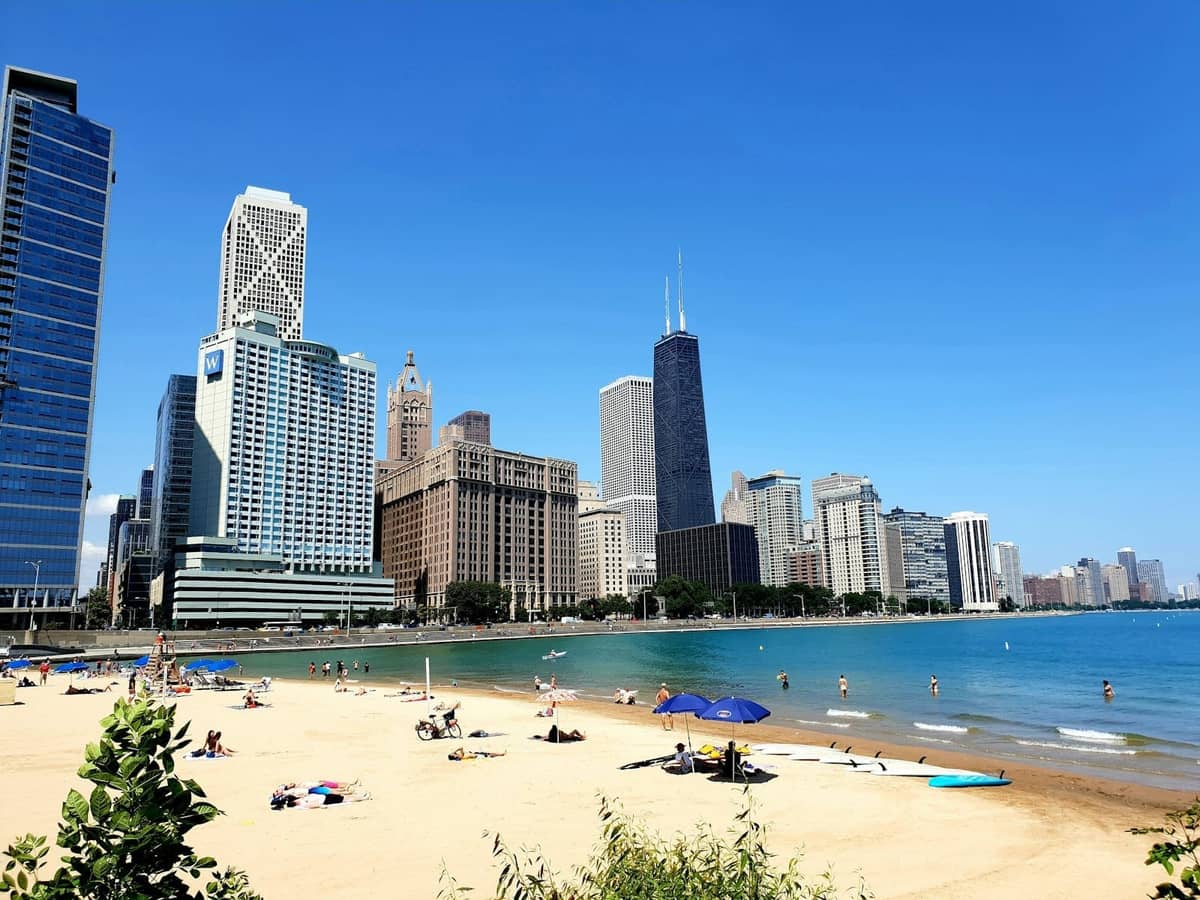
Chicago has 23 designated sand beaches along Lake Michigan, all free to enter. The official swim season runs from the Friday before Memorial Day through Labor Day, with lifeguards on duty from 11am to 7pm every day during that period. Outside those hours and outside that season, swimming is not permitted anywhere along the lakefront under Chicago Park District rules. This is not a soft suggestion: Lake Michigan's currents and drop-offs are unpredictable, and the Park District enforces the restriction.
- Oak Street Beach The most central option, steps from the Magnificent Mile and Gold Coast. Gets very crowded on summer weekends but is walkable from most downtown hotels. Volleyball courts, a café, and strong transit access via the Red Line make it the default pick for visitors with limited time.
- North Avenue Beach A half-mile south of Fullerton, this is the city's most popular beach by attendance. The steamship-shaped beach house has a bar, equipment rentals, and restrooms. Expect shoulder-to-shoulder crowds on hot July weekends. Arrive before 10am or visit on a weekday.
- Montrose Beach Broader and more relaxed than the downtown beaches, Montrose attracts a loyal neighborhood crowd. It has a dog beach on the north end, volleyball nets, and direct access to the Montrose Point Bird Sanctuary — worth combining into one trip.
- Ohio Street Beach (Olive Park) Tucked just north of Navy Pier, this compact beach has some of the best skyline views of any spot on the lakefront. It's smaller and quieter than Oak Street, and genuinely underused given how close it is to downtown.
- South Shore Cultural Center Beach On the far South Side, this beach is attached to the South Shore Cultural Center and its historic clubhouse. Far fewer tourists, good for people who want to experience the lakefront the way most Chicagoans actually use it.
⚠️ What to skip
Lake Michigan looks calm but can be dangerous. Rip currents, sudden drop-offs in depth, and cold water temperatures (often below 60°F / 15°C even in July) catch people off guard. Only swim at designated beaches when lifeguards are present (11am–7pm during beach season).
The Lakefront Trail: Chicago's 18.5-Mile Spine
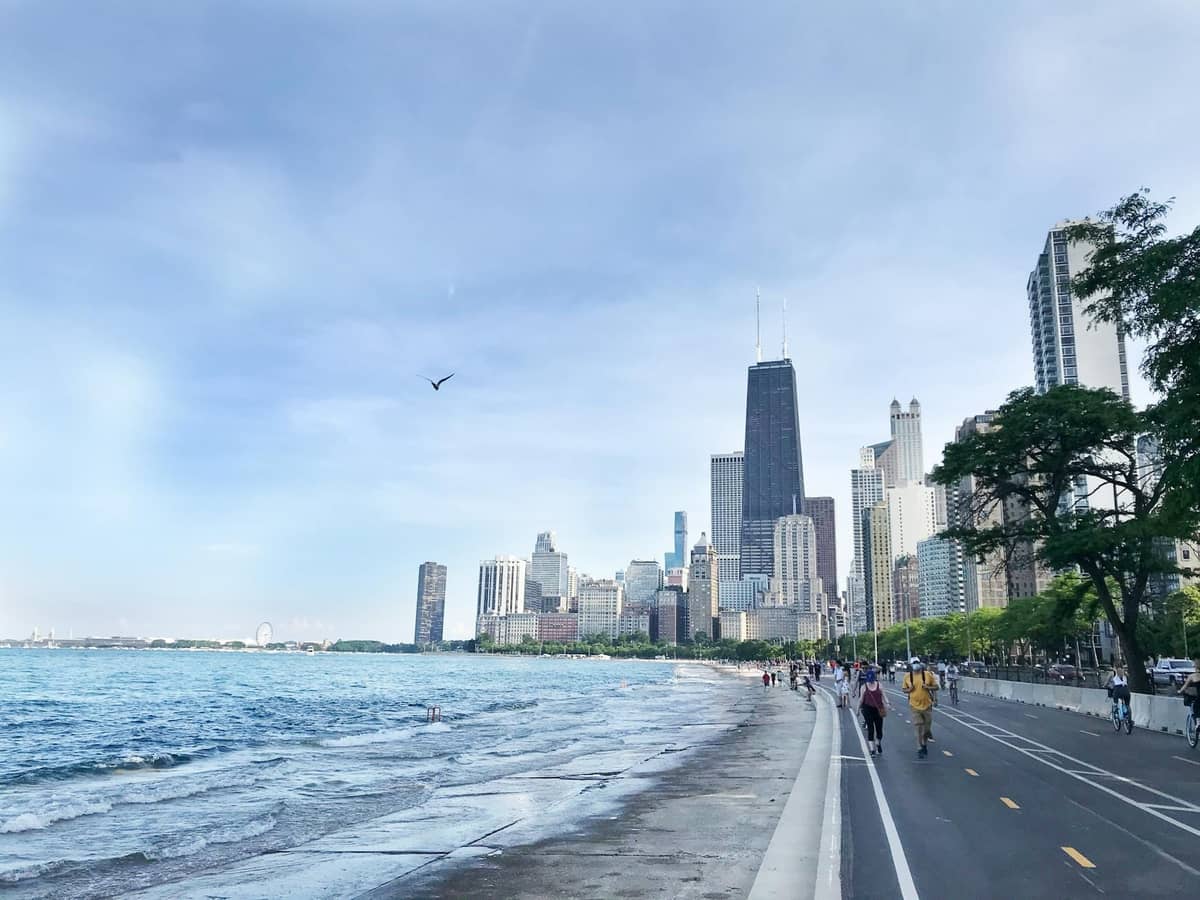
The Lakefront Trail is an 18-mile paved multi-use path that runs almost the entire length of the shoreline, from Kathy Osterman Beach (near Ardmore Avenue) on the north to South Shore Beach (near 71st Street) on the south. It's open year-round, at all hours, and is used by cyclists, joggers, skaters, and walkers. On a warm Saturday morning in July, it is one of the most genuinely active urban spaces you'll find in any American city.
The trail was split into separate pedestrian and cycling lanes along most of its length after years of dangerous conflicts between fast cyclists and walkers. The division is clearly marked, and the separation makes the experience much better for everyone. That said, the stretch between Navy Pier and Oak Street Beach remains one of the most congested sections, especially in summer. If you're cycling, the North Side sections north of Belmont offer faster, less interrupted riding.
Bike rentals are available at multiple Divvy bike-share stations along the trail, making it easy to pick up a bike near one park and drop it off at another. Rates start around $0.20–$0.30 per minute for casual single-trip use, or you can buy a day pass. For longer rides, bringing or renting a dedicated bike from a shop near the trail is more economical.
✨ Pro tip
The best time to ride the full trail is early on a weekday morning, before 8am. You'll have most of the lakefront to yourself, the light off the lake is exceptional, and parking at the beach lots (if you're driving to a trailhead) is easy to find.
Parks, Landmarks, and Attractions Along the Shoreline
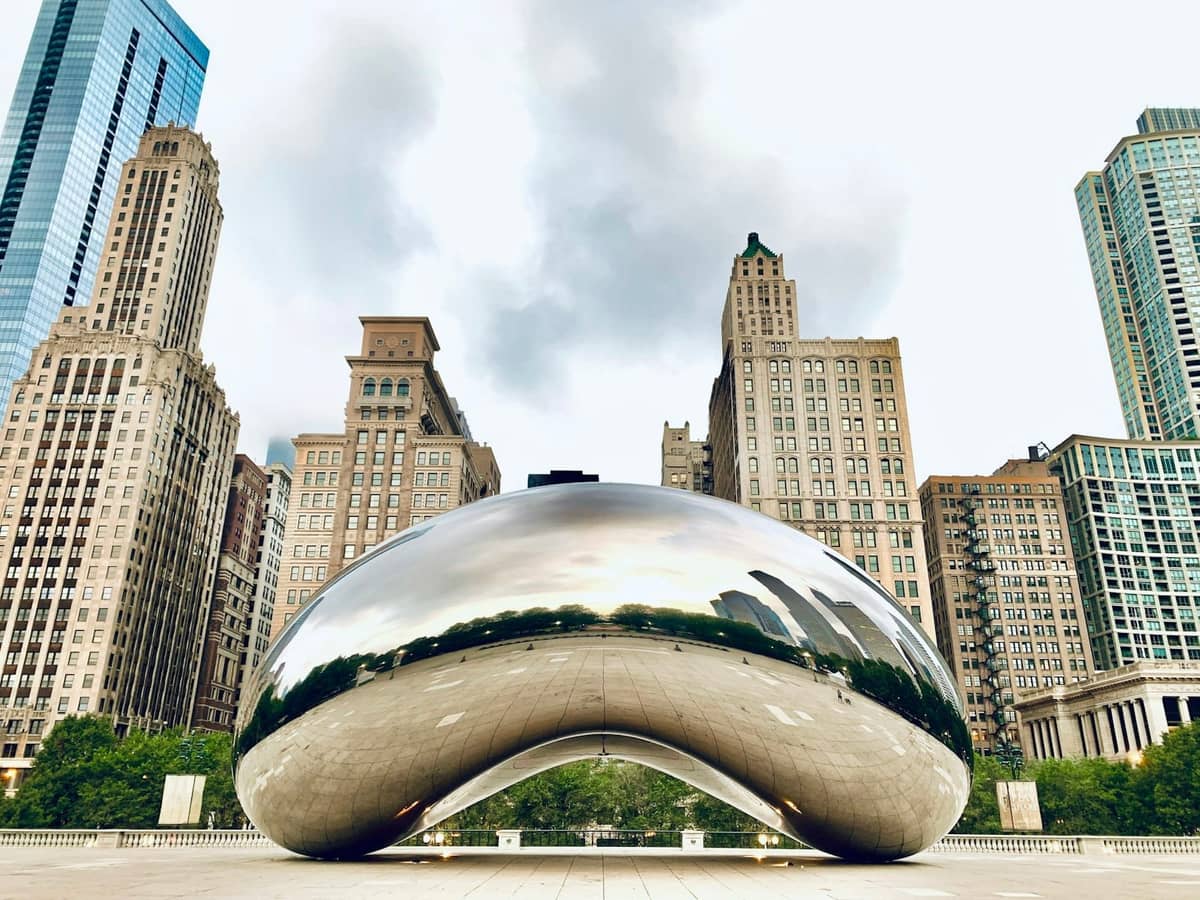
The lakefront is anchored by several major parks and attractions that deserve more than a passing look. Millennium Park sits at the northern edge of Grant Park and contains Cloud Gate, the Crown Fountain, and the Jay Pritzker Pavilion, where free outdoor concerts run through the summer. Grant Park itself stretches south to the Museum Campus, linking the downtown skyline to the waterfront in a way that few cities manage.
The Museum Campus deserves a full day on its own. The Field Museum, Shedd Aquarium, and Adler Planetarium are all within a short walk of each other on a peninsula that juts into the lake. The Adler in particular has one of the best unobstructed views of the downtown skyline you'll find anywhere. The campus is free to walk through even if you don't enter any of the museums.
Further north, Navy Pier is Chicago's most-visited single attraction. It's worth being honest: much of it is touristy and commercial, with overpriced food and retail. But the pier itself extends 3,300 feet into the lake, offers unbeatable skyline panoramas, and hosts the Chicago Children's Museum and the Centennial Wheel. It's hard to skip entirely, especially with kids, but go in knowing what it is.
On the North Side, Montrose Point Bird Sanctuary is a genuine surprise: a small wooded peninsula that attracts hundreds of migratory bird species during spring and fall migration. Birdwatchers come from across the region for it. Adjacent to the beach and accessible by the Lakefront Trail, it's one of the few genuinely quiet spots along the northern lakefront. Combine it with a stop at Montrose Beach for a full afternoon.
Water Activities: Kayaking, Sailing, and Boating
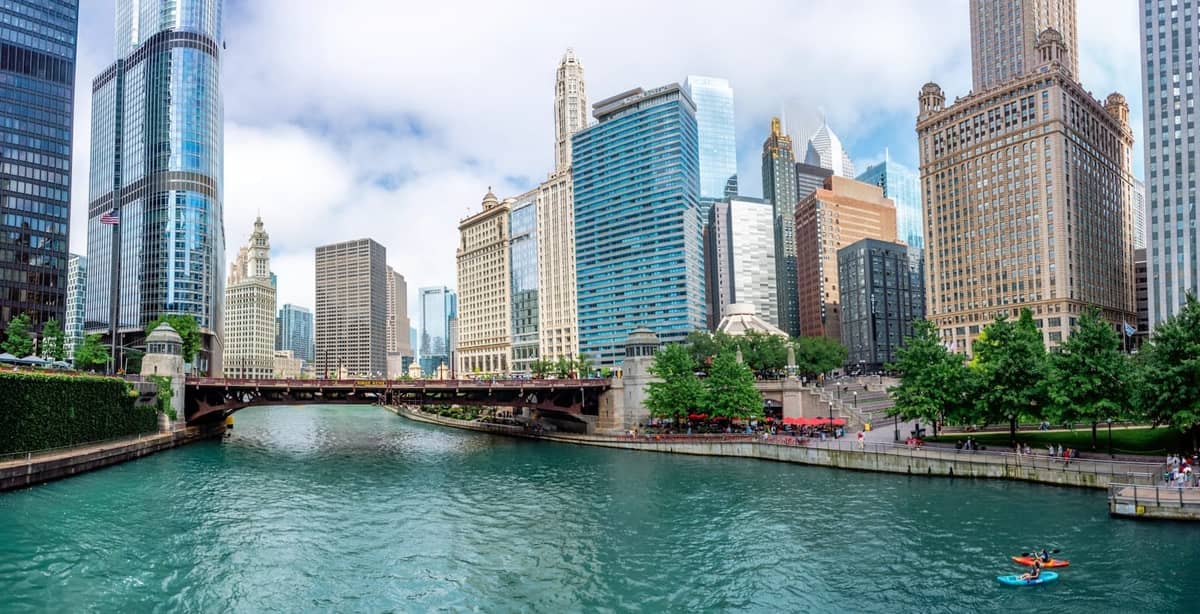
Beyond swimming, the lakefront offers serious water recreation. Kayaking is popular both on the lake (for experienced paddlers) and on the Chicago River, which connects to the lakefront near the river mouth. Several outfitters near the Riverwalk and at Montrose Harbor offer kayak and canoe rentals. Paddling on the open lake requires more experience given wind and wave conditions; the inner harbors are better suited for beginners.
Chicago has a legitimate sailing culture. The city operates several harbors along the lakefront, and the Chicago Park District's sailing program at Burnham Park Harbor and other locations offers lessons for beginners. If you want to experience the lake from the water without the commitment of handling a boat yourself, architecture boat tours on the Chicago River are a natural option: they depart from the Riverwalk, pass through the river locks, and in some cases continue out onto the lake.
- Kayak and canoe rentals: available at Montrose Beach and through Chicago River outfitters near the Riverwalk
- Sailing lessons and rentals: Chicago Park District sailing programs operate out of multiple lakefront harbors
- Architecture boat tours: depart from the Riverwalk near Michigan Avenue; some routes venture onto the lake
- Fishing: permitted from the lakefront with a valid Illinois fishing license for most species; several piers and breakwaters are popular spots
- Stand-up paddleboarding (SUP): increasingly available through rental operators, best done in protected harbor areas
Seasonal Realities: What the Lakefront Looks Like Year-Round
Summer (June through August) is when the lakefront operates at full capacity. Beaches are staffed, concessions are open, and the trail is at its most social. July temperatures average around 75°F (24°C), though humid heat waves pushing into the mid-90s°F (35°C+) are not uncommon. The lake provides genuine cooling relief, which is part of why the beaches get so crowded during heat events. If you're visiting in peak summer and want beach time without the crowds, Tuesday and Wednesday mornings before 11am are your best windows.
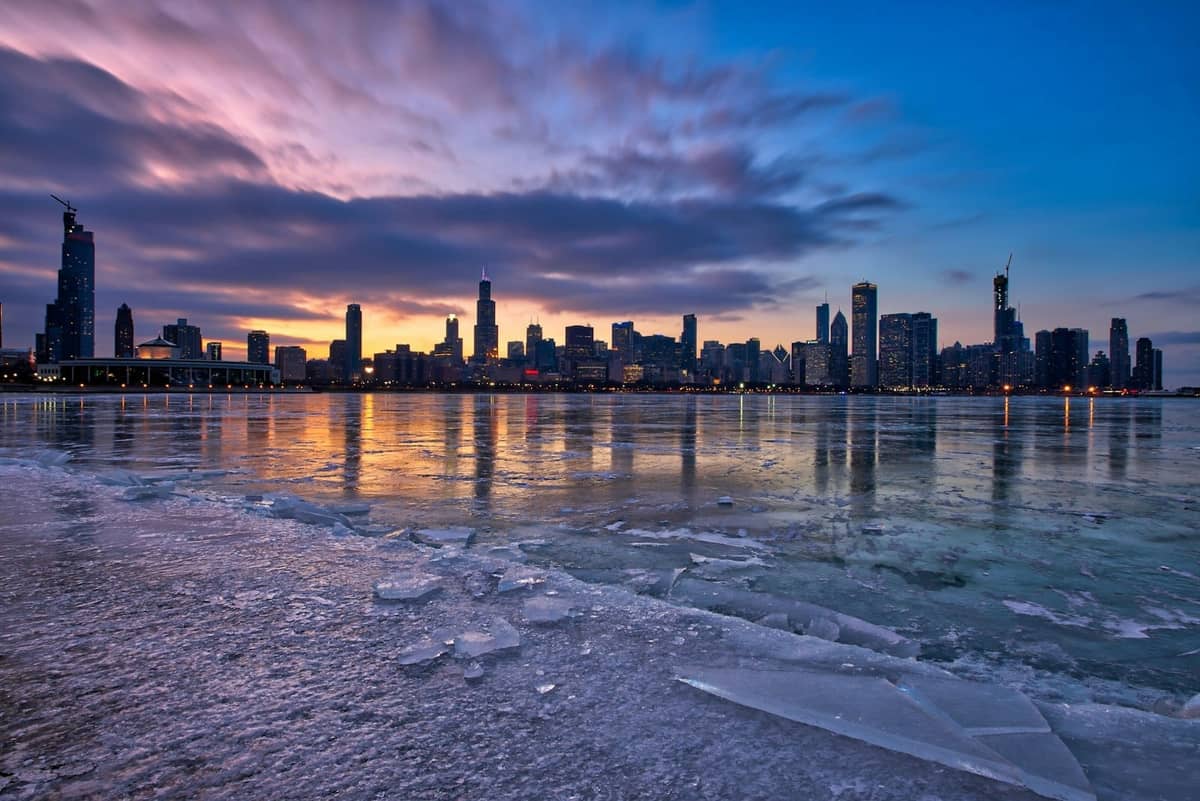
Fall is arguably the best season on the lakefront for most activities short of swimming. September averages around 65°F (18°C), the trail thins out considerably after Labor Day, and the light on the lake in October is exceptional. The winter lakefront is a different world: temperatures regularly drop below 20°F (-7°C), and wind off the lake adds significant chill. But it's not without its appeal. Ice formations along the shore can be striking, the trail remains open, and the emptiness has its own atmosphere.
Spring is unpredictable. March can feel like winter. By mid-May, conditions can be genuinely pleasant, but the water temperature lags significantly behind the air temperature, meaning the lake stays cold (often below 55°F / 13°C) well into June. The beach season officially starts Memorial Day weekend regardless of water temperature, so don't assume warm water just because the calendar says June.
💡 Local tip
The Chicago Park District updates beach water quality results around 1:30pm daily during beach season. High bacteria counts from storm runoff occasionally close specific beaches for swimming even when lifeguards are present. Check before you go, especially after heavy rain.
FAQ
Are Chicago's beaches free to enter?
Yes. All 24 of Chicago's public beaches are managed by the Chicago Park District and are free to access. There are no entry fees, and the lakefront itself is a public resource open to everyone.
When is beach season in Chicago?
The official beach season runs from the Friday before Memorial Day through Labor Day. Lifeguards are on duty from 11am to 7pm daily during this period. Swimming is not permitted at other times or outside designated beach areas.
Can you swim in Lake Michigan year-round in Chicago?
No. The Chicago Park District prohibits swimming outside official beach areas with lifeguards on duty. Outside of beach season (Memorial Day through Labor Day), swimming is not permitted. Water temperatures are also dangerously cold outside summer months.
How long is the Chicago Lakefront Trail and can you cycle it?
The Lakefront Trail is about 18 miles long and runs from Kathy Osterman Beach near Ardmore Avenue on the north to South Shore Beach near 71st Street on the south. It is paved and open year-round. Most sections have separate lanes for cyclists and pedestrians. Divvy bike-share stations are available along the route.
What is the best beach in Chicago for families with kids?
North Avenue Beach is the most equipped, with restrooms, a bar and food service, rental equipment, and easy transit access. Oak Street Beach is closer to downtown hotels. For a quieter experience with more space, Montrose Beach is a better option, especially on weekends.