Montrose Point Bird Sanctuary: Chicago's Premier Urban Birding Destination
A 15-acre pocket of native habitat on Chicago's North Side lakefront, Montrose Point Bird Sanctuary has recorded over 300 bird species and offers free access daily. Known locally as 'The Magic Hedge,' it draws serious birders and casual walkers alike, especially during spring and fall migration seasons.
Quick Facts
- Location
- 4400 N Simonds Dr, Chicago, IL 60640 (within Lincoln Park, North Side)
- Getting There
- CTA Bus #78 (Montrose) eastbound to Lake Shore Drive; CTA Red Line to Wilson, then bus east
- Time Needed
- 1 to 2 hours for casual birding; 3+ hours during peak migration
- Cost
- Free admission; no tickets required
- Best for
- Birders, nature lovers, early morning walkers, photographers
What Is Montrose Point Bird Sanctuary?
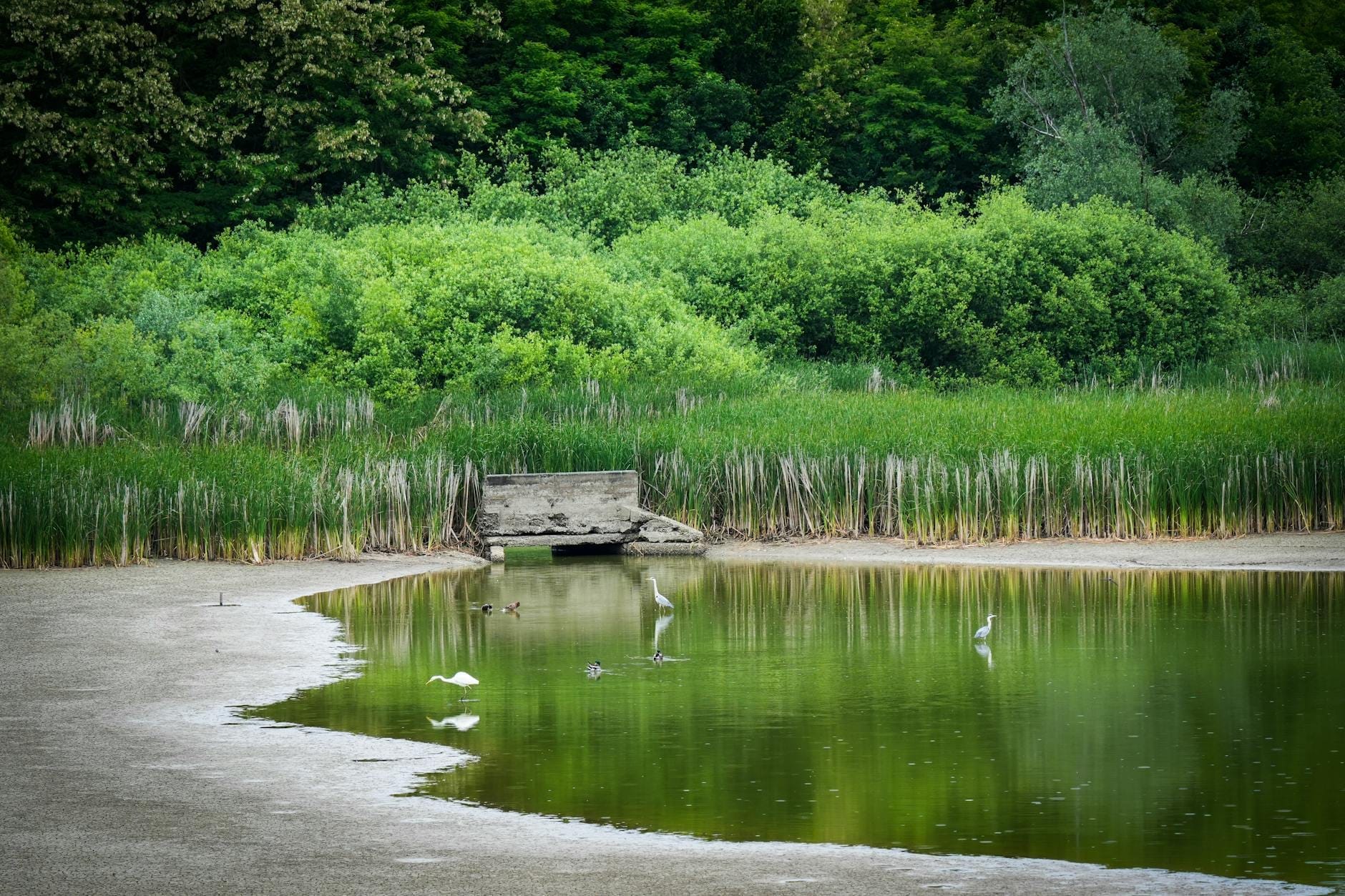
Montrose Point Bird Sanctuary sits on a narrow finger of land jutting into Lake Michigan at the north end of Lincoln Park, roughly five miles north of downtown Chicago. The sanctuary was officially dedicated as a bird sanctuary and natural area within the Chicago Park District system in 2001, though birders had recognized the site's value long before that. Most regulars simply call it 'The Magic Hedge,' a name that honors a dense shrub thicket that once stood here and acted like a magnet for exhausted migrants crossing the lake.
More than 300 bird species have been recorded at and around Montrose Point, including the adjacent Montrose Beach Dunes Natural Area. That count puts it among the most species-rich urban birding sites in the entire Midwest. The location explains why: birds flying across Lake Michigan from Canada or the southern U.S. shore hit land here first, and after an open-water crossing, any patch of vegetation is worth investigating. The result is a concentrated, often dramatic, display of warblers, shorebirds, raptors, and rarities that would be hard to see elsewhere in the city.
ℹ️ Good to know
The sanctuary is part of Lincoln Park, which generally follows Chicago Park District hours of 6:00 a.m. to 11:00 p.m. There is no gate or separate entry point for the bird sanctuary itself. Walk in anytime during park hours.
How the Experience Changes by Time of Day
Arriving at dawn produces the most rewarding visits, particularly during migration. The air smells of lake water and damp soil, and the first hour after sunrise is when songbirds move most actively through the canopy. In spring, the chorus of warblers, thrushes, and sparrows can be surprisingly loud for a site this close to the city. The distant hum of Lake Shore Drive fades quickly once you step onto the inner paths.
Midday visits are quieter in terms of bird activity, but the sanctuary remains pleasant. The light is better for photography on overcast days, and shorebirds along the water's edge are often more active in the late morning. On weekday afternoons, you are likely to share the sanctuary with only a handful of other people, birders or dog walkers cutting through from the beach.
Evening visits before the 11 p.m. close can be atmospheric, especially in summer, with swallows and nighthawks working the sky above the lake. That said, most serious bird watching happens in the first two to three hours of daylight, so if you have to choose, commit to an early start.
Tickets & tours
Hand-picked options from our booking partner. Prices are indicative; availability and final rates are confirmed when you complete your booking.
Go City | Chicago All-Inclusive Pass
From 127 €Instant confirmationFree cancellationiFLY Chicago Lincoln Park indoor skydiving experience
From 126 €Instant confirmationFree cancellationiFLY Chicago Rosemont indoor skydiving tickets
From 117 €Instant confirmationFree cancellationChicago lakefront neighbourhood bike tour
From 18 €Instant confirmationFree cancellation
Migration Seasons: When to Go for the Best Birding
Spring migration, running roughly from late April through late May, is the peak draw. Neotropical warblers, tanagers, orioles, and flycatchers filter through in waves, often concentrated by weather fronts that ground migrants overnight. A cold north wind followed by a clearing sky can produce what birders call a 'fallout,' where the shrubs and trees at Montrose Point fill with dozens of species simultaneously. May mornings after such nights are genuinely spectacular.
Fall migration is longer, stretching from August through October, and while the birds are generally less colorful (many are in dull post-breeding plumage), the diversity is high and shorebird numbers on the beach and dunes can be impressive. Raptor movement in September and October adds another layer, with sharp-shinned hawks, Cooper's hawks, and the occasional merlin or peregrine falcon passing through.
Summer is quieter for migration but the sanctuary still hosts breeding species and regularly attracts lakeshore specialists. Winter visits can surprise you with unusual gulls on the open water and occasional snowy owls in lean lemming years, though the experience is stripped-down compared to spring. Temperatures in January average around -4°C (25°F), so layer up if you plan a winter morning here.
💡 Local tip
Check eBird (ebird.org) for recent sightings at Montrose Point before you visit. Local birders post detailed lists daily during migration, and you can see exactly what was spotted the morning before your trip.
Navigating the Sanctuary: A Practical Walkthrough
From the parking area off Montrose Harbor Drive, follow the paved path south and east toward the point. The main loop trail is short, well-signed, and takes about 20 minutes at a casual pace. An ADA-accessible path connects the parking area to the primary birding area, making the core of the sanctuary reachable for visitors with mobility challenges. The Chicago Park District can be contacted at nature@chicagoparkdistrict.com for specific accessibility questions.
The interior of the sanctuary is dense with native plantings, hawthorns, crabapples, and shrubs that were selected specifically to support migrating birds. Paths branch off the main loop into smaller clearings where you can stand quietly and scan the understory. The outermost tip of the point offers open views over the lake, and this is where hawk watchers set up on fall mornings. To the north, the Montrose Beach Dunes Natural Area extends along the shoreline and is worth a separate walk, particularly for shorebirds in late summer.
Wear shoes you do not mind getting muddy. After rain, the inner paths can be soft, and the dune area is sandy. Bring binoculars if you have them; the distance between paths and perching birds is often just a few meters, but good optics still improve the experience significantly. A light layer is advisable even in summer, as lake breezes keep the point cooler than the surrounding city.
Getting Here
By car, follow Montrose Avenue east across Lake Shore Drive into Lincoln Park, then turn right onto Montrose Harbor Drive (look for the gray bait shop at the corner). The sanctuary entrance is on the left, and street parking is available nearby. By public transit, the CTA #78 Montrose bus runs east from the Red Line Wilson station toward the lakefront, with its eastern terminal near Marine Drive; from there it’s about a 10–15 minute walk to the harbor entrance. For broader context on getting around Chicago, see the getting around Chicago guide.
The Red Line's Wilson station is the closest 'L' stop, approximately 1.3 miles west of the sanctuary. The walk from the station to the point is pleasant but takes about 30 minutes on foot through the Uptown neighborhood and then along Montrose Avenue. A bike from any Divvy station along the lakefront corridor is a practical alternative, and the Lakefront Trail runs directly past the sanctuary entrance.
Montrose Point connects naturally with the broader Chicago Lakefront Trail, which runs 18 miles along the shore and links the sanctuary to other natural areas, beaches, and parks both north and south.
Photography and Practical Tips
The sanctuary's dense vegetation and narrow paths actually work in a photographer's favor: birds are often close, and the background is green rather than urban. Early morning light coming off the lake bathes the eastern edge of the point in soft, warm tones for the first hour after sunrise. A telephoto lens in the 300–500mm range is useful, but even a point-and-shoot or phone camera can capture species that land just feet from the path.
Noise discipline matters here more than at most Chicago attractions. Keep voices low on the inner paths, silence your phone, and move slowly. Birds that would flush instantly in busier parks often hold their ground at Montrose Point because they are too tired from migration to waste energy on alarm responses. This is part of what makes the site so rewarding: genuine proximity to wildlife that elsewhere requires a long hike to achieve.
⚠️ What to skip
Dogs are permitted in parts of Lincoln Park but should be kept on leash near the sanctuary. Unleashed dogs in the bird sanctuary area disturb ground-foraging migrants and can scatter rare species. Check posted signs at the entrance for current rules.
Is It Worth Your Time?
For anyone with an interest in birds or urban ecology, Montrose Point is genuinely one of the most rewarding free experiences in Chicago. The combination of location, habitat design, and migratory geography creates conditions that would not look out of place in a dedicated nature reserve. It earns its reputation.
Casual visitors who have no particular interest in birds can still enjoy the walk, especially combined with a stop at Montrose Beach just to the north, which offers swimming in summer and wide open lake views year-round. The point itself has a quiet, windswept character that feels genuinely separate from the city, even though downtown Chicago is clearly visible to the south.
Who should skip it: visitors looking for a high-energy, interactive attraction will find little here. There are no facilities inside the sanctuary itself, no food vendors, and no programming beyond what nature provides. If you need entertainment infrastructure, the sanctuary is not the right stop. It rewards patience and quiet observation, not spectacle.
If your Chicago trip includes other natural spaces, consider pairing Montrose Point with the broader Lincoln Park to the south, where the conservatory, zoo, and Alfred Caldwell Lily Pool offer complementary natural experiences. For a deeper look at Chicago's green spaces, the Chicago lakefront guide covers the full corridor from north to south.
Insider Tips
- Visit the morning after a strong north or northwest wind in May: weather systems that ground overnight migrants can trigger a fallout at Montrose Point, when dozens of warbler species appear simultaneously in the shrubs. Local birding groups often share alerts on social media the evening before.
- The gray bait shop at the corner of Montrose Harbor Drive is a useful landmark. If you can see it, you are on the right road. The sanctuary entrance is about 200 meters past it on the left.
- The Montrose Beach Dunes Natural Area directly north of the sanctuary is managed separately but worth exploring. Shorebird diversity here in August and September can rival dedicated shorebird destinations, and it is free and uncrowded.
- Chicago Ornithological Society and the Illinois Ornithological Society both organize guided walks to Montrose Point, particularly during peak migration weeks. Joining one gives you access to experienced eyes that can find and identify species you would likely walk past on your own.
- Bring water. There are no vendors or fountains inside the sanctuary, and early morning visits in May can stretch to two or three hours once you start seeing good birds.
Who Is Montrose Point Bird Sanctuary For?
- Birders of any experience level, from beginners to listers chasing rare species
- Nature and landscape photographers looking for close-range wildlife opportunities
- Runners and cyclists using the Lakefront Trail who want a quiet detour from the path
- Solo travelers or couples seeking a reflective, low-cost outdoor experience
- Families with older children who are comfortable walking quietly and observing wildlife
Nearby Attractions
Combine your visit with:
- Bahá'í House of Worship
The Bahá'í House of Worship in Wilmette, Illinois, is one of the most architecturally singular buildings in North America. Free to enter, open daily, and reachable by CTA from downtown Chicago, it rewards visitors with a 135-foot lace-like dome, meditative silence, and an unusual kind of spiritual calm that transcends denomination.
- Brookfield Zoo Chicago
Brookfield Zoo Chicago is one of the largest and most historically significant zoos in the United States, covering 216 acres about 14 miles west of downtown. With more than 511 species, landmark indoor exhibits, and a genuine conservation mission, it rewards a full day of exploration. But it takes planning to get the most out of it.
- Chicago Air and Water Show
Every August, the Chicago Air and Water Show transforms the lakefront into a grandstand for one of the most spectacular free public events in the United States. Fighter jets, military demonstrations, and precision flying teams perform over Lake Michigan while hundreds of thousands of spectators line the shore from Fullerton to Oak Street.
- Chicago Botanic Garden
A living museum spread across 385 acres and nine islands north of Chicago, the Chicago Botanic Garden offers 27 gardens, four natural areas, and six miles of lake shoreline in Glencoe, Illinois. Whether you visit for a single seasonal bloom or spend a full day exploring Japanese landscapes and native prairies, this guide covers everything you need to plan a worthwhile trip.