Chicago in Winter: What To Do, What to Expect, and Whether It's Worth Visiting
Winter in Chicago is genuinely cold, occasionally brutal, and completely worth it. This guide covers the best things to do in Chicago winter — from free ice skating at Millennium Park to world-class museums, holiday markets, and rooftop views — along with honest advice on surviving the weather and keeping costs down.
Plan and book this trip
Tools from our partner Travelpayouts help you compare flights and hotels. If you book through them, we may earn a commission at no extra cost to you.
Flights
Hotels map
TL;DR
- January average highs sit around 31°F (-0.6°C) with windchill often below 0°F — dress in serious layers, not just a heavy coat.
- Major attractions including Skydeck Chicago, the Art Institute of Chicago, and Museum Campus all operate year-round with no weather closures.
- Ice skating is free at Millennium Park (with your own skates, reservation required) and at the Maggie Daley Skating Ribbon — two of the best free winter activities in any U.S. city.
- Christkindlmarket and Lincoln Park ZooLights run from late November into early January, making late November through December the sweet spot for holiday atmosphere.
- Hotels and flights are significantly cheaper in winter — if cold doesn't bother you, it's one of the most affordable times to visit Chicago.
What Chicago Winter Actually Feels Like
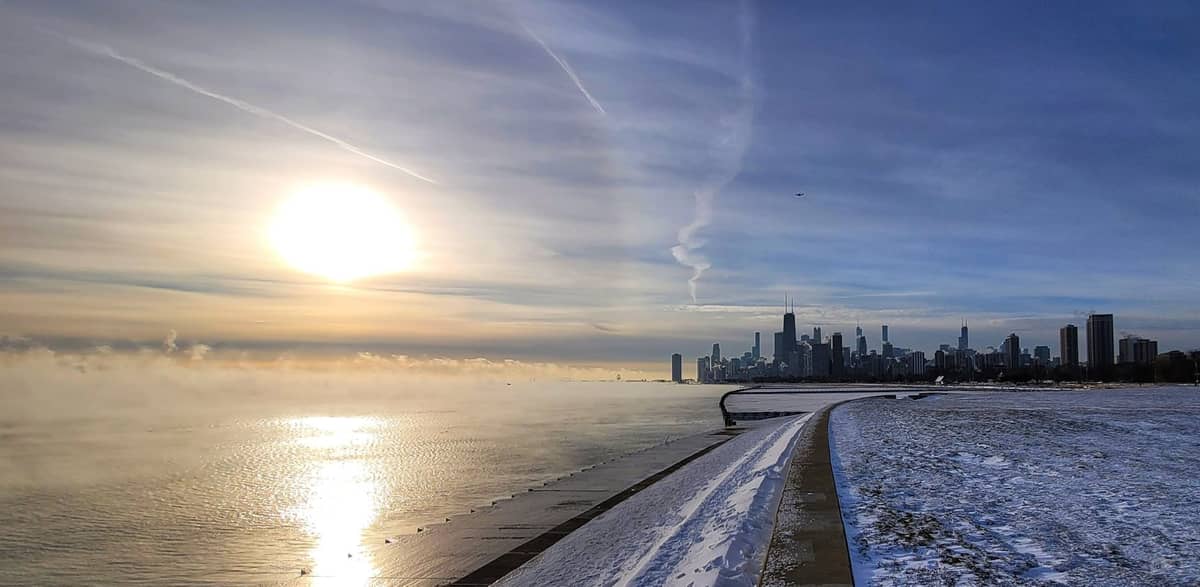
Chicago winters are legitimately cold, and the wind off Lake Michigan makes them feel colder than the thermometer reads. January is the harshest month: average highs around 31°F (-0.6°C), lows near 16.5°F (-8.6°C), and windchill that regularly drops below 0°F (-18°C). Snow is common but rarely crippling — the city averages about 38 inches (97 cm) of snow per year, spread across December through March, and Chicago's infrastructure handles it efficiently.
December is the most manageable entry point. Temperatures hover between the mid-20s and low 40s Fahrenheit, snow is intermittent, and the city is at its most festive. February is typically the most brutal stretch — cold, gray, and with the least going on culturally. If your cold tolerance is low, early December or late March give you the seasonal perks without the worst of it.
⚠️ What to skip
The 'Windy City' nickname is only half the story. Wind off the lake creates a windchill effect that can make 20°F feel like -10°F within seconds of turning a corner. A face covering, windproof outer layer, and insulated boots are not optional — they're essential. The Lakefront Trail and Michigan Avenue in particular funnel wind aggressively.
- December Festive, manageable cold (25–42°F / -4–6°C), Christkindlmarket, ZooLights, holiday shopping on the Magnificent Mile. Best overall month for winter visits.
- January Coldest and quietest month. Hotels at their cheapest. Good for museum marathons and indoor exploration. Requires serious cold-weather gear.
- February Still cold but crowds thin out further and prices stay low. Valentine's Day sees some special restaurant and event offers. Least photogenic month.
- March Winter transitions slowly. St. Patrick's Day (river dyeing, parade) is a major draw — but brings crowds and higher hotel prices that week specifically.
Outdoor Winter Activities Worth Braving the Cold For
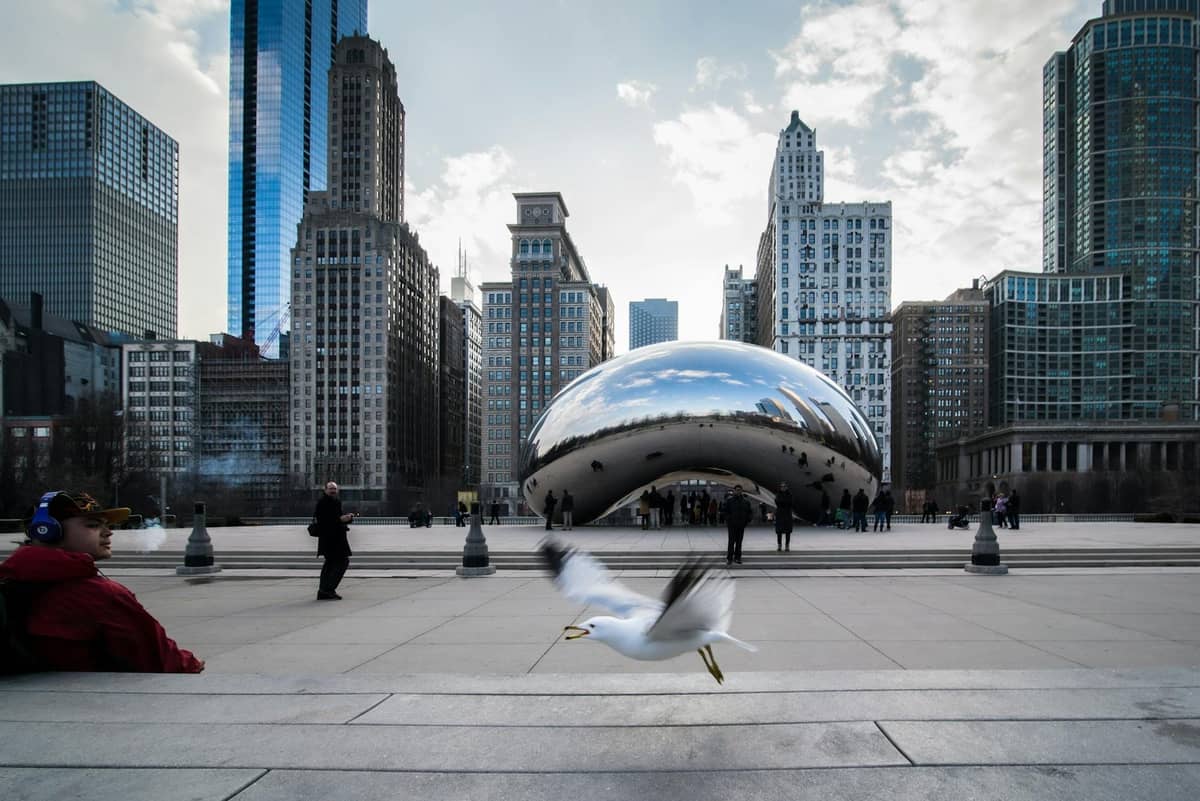
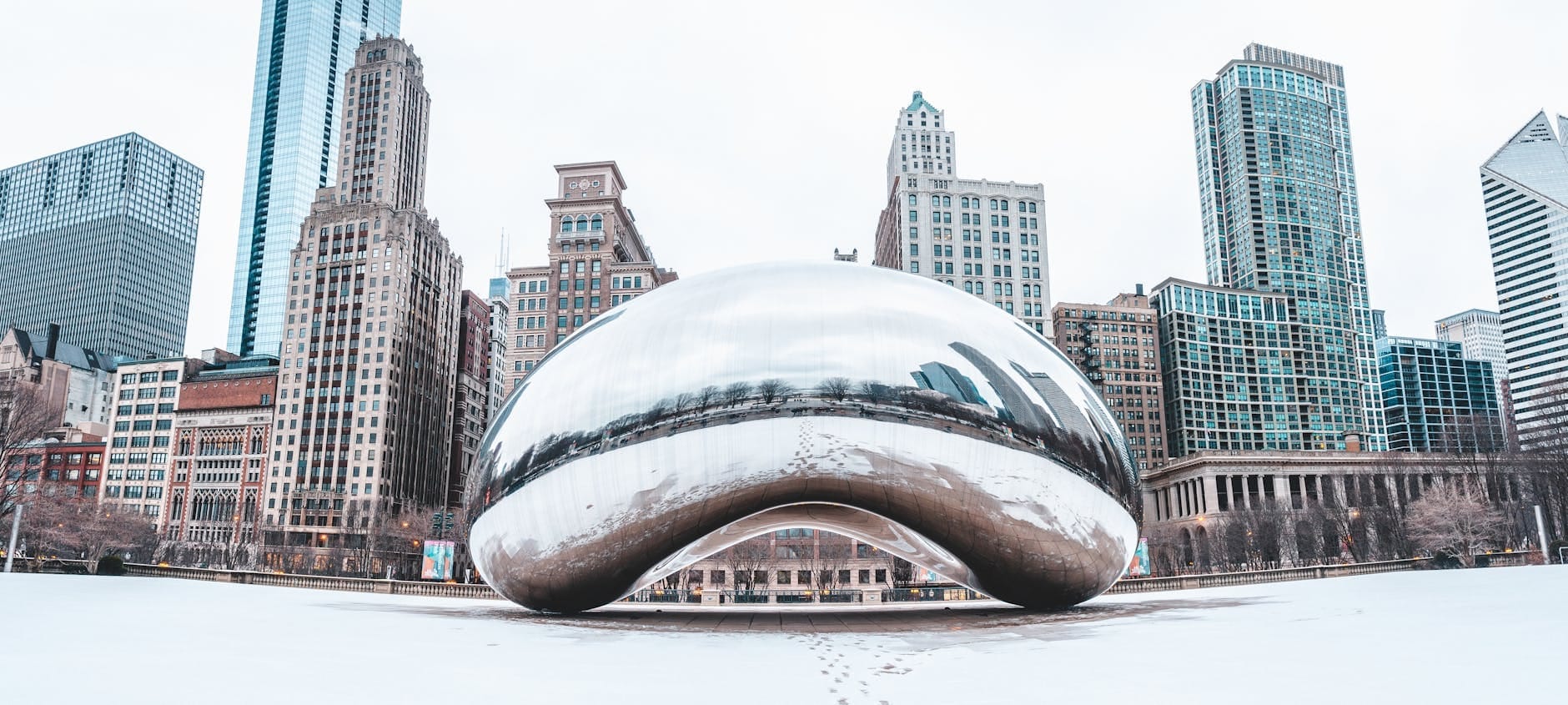
The ice rink at Millennium Park — the McCormick Tribune Ice Rink — is one of the genuinely great free winter experiences in Chicago. Admission is free if you bring your own skates; rentals run around $16–$20. The backdrop of Cloud Gate and the Chicago skyline is hard to beat. The catch: advance reservations are required, and popular weekend sessions book up fast. Check the Chicago Park District site before you go.
Just east of Millennium Park, the Skating Ribbon at Maggie Daley Park typically runs from mid-November through early March, weather permitting. The ribbon-style layout winds through the park's landscape rather than following a standard oval — it's more interesting to skate and less crowded than the Millennium Park rink on most weekday mornings. Same deal: free admission, paid rentals.
For families with kids, the sledding hill at Soldier Field is a legitimate find. The 220-foot slope faces Lake Michigan, it's free to use when conditions allow, and it requires zero equipment beyond warm clothes (though bringing your own sled helps). Gallagher Way in Wrigleyville operates a smaller ice rink typically through mid-February, with recent pricing around $8 with your own skates or $16 with rentals — lower-key than the downtown options and popular with locals.
💡 Local tip
Millennium Park rink reservations open on a rolling basis and fill quickly on weekends. Book your slot online a few days in advance. Weekday mornings (before noon) offer shorter lines, more elbow room on the ice, and better light for photos with Cloud Gate in the background.
Holiday Events and Seasonal Attractions
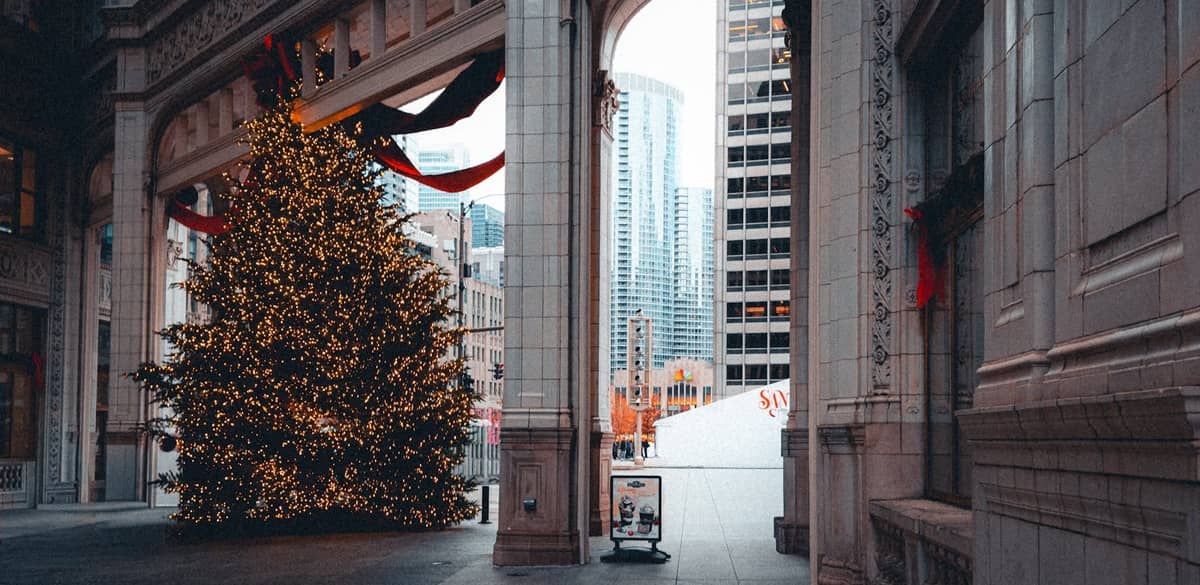
Chicago's Christkindlmarket at Daley Plaza is one of the most authentic German-style holiday markets in North America. The Daley Plaza market usually opens in late November (often around November 21) and runs through Christmas Eve — confirm dates on christkindlmarket.com. Expect wooden stalls selling glühwein, ornaments, strudel, and imported European goods — not a generic holiday market. It gets genuinely crowded on weekends, so a weekday evening visit in early December offers the best atmosphere without the elbow-to-elbow crowds.
Lincoln Park ZooLights transforms the Lincoln Park Zoo into a light installation each winter, usually from late November through early January (confirm dates on lpzoo.org). General admission is free on most nights, though select evenings like BrewLights and Adults' Night require separate tickets. It's a reliable crowd-pleaser for all ages, and because the zoo spans real estate, it never feels as packed as Christkindlmarket even when attendance is high.
Navy Pier Winter WonderFest (usually early December through early January — confirm on navypier.org) offers indoor rides, a multi-story slide, and ice skating under cover — making it the cold-proof option for families with young kids who want the winter carnival experience without standing in sub-zero temperatures. It's ticketed and on the pricier side, but the indoor format is a genuine advantage on brutal days.
The Best Indoor Escapes on Cold Days
Chicago's museum scene is the strongest argument for visiting in winter. Without the summer crowds, the Art Institute of Chicago becomes a genuinely peaceful experience — one of the finest art collections in the world, housed across two connected buildings, and walkable from the CTA Loop stations. Budget at least three hours; the Impressionist galleries and Thorne Miniature Rooms alone take time to do properly.
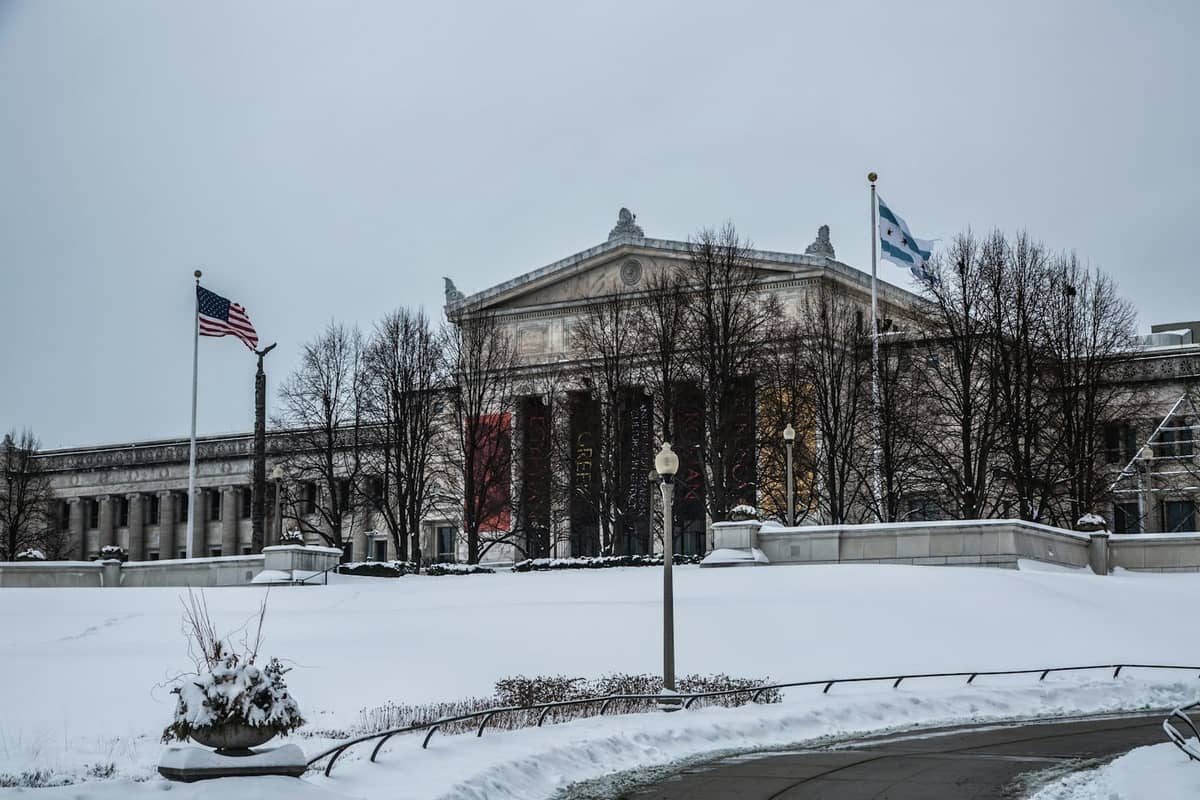
The Field Museum, Shedd Aquarium, and Adler Planetarium cluster together on Museum Campus — all open year-round. Visiting all three in one day is ambitious; two is realistic and less exhausting. If you're doing multiple paid attractions, check whether the Chicago CityPASS saves you money based on your specific itinerary.
- Art Institute of Chicago: world-class permanent collection, minimal winter wait times, café on-site
- Field Museum: natural history at a scale few institutions match, Sue the T. rex is genuinely impressive
- Shedd Aquarium: dolphin shows, beluga whales, solid option for kids and adults alike
- Museum of Science and Industry (Hyde Park): larger, more interactive, requires a separate trip south — worth it for families
- Garfield Park Conservatory: free admission, warm tropical greenhouses, an underrated escape on gray January days
- Lincoln Park Conservatory: smaller, also free, close to the zoo — pair both in one afternoon
For observation decks, winter delivers something summer can't: crisp visibility across the frozen lake. On clear days, Skydeck Chicago on the 103rd floor of Willis Tower offers views that stretch into neighboring states. Online tickets typically run in the mid-$30s to low-$40s for adults; timed entry means no queuing in the cold outside. 360 CHICAGO at 875 N Michigan Avenue is the alternative — slightly lower vantage point but a better direct view down the Magnificent Mile, plus the TILT experience.
✨ Pro tip
Chicago's indoor Pedway system connects a surprising number of Loop buildings, hotels, and transit stations underground — useful for getting between blocks without facing the wind. It won't take you everywhere, but learning a few key entry points can save significant misery on -10°F windchill days.
Getting Around Chicago in Winter
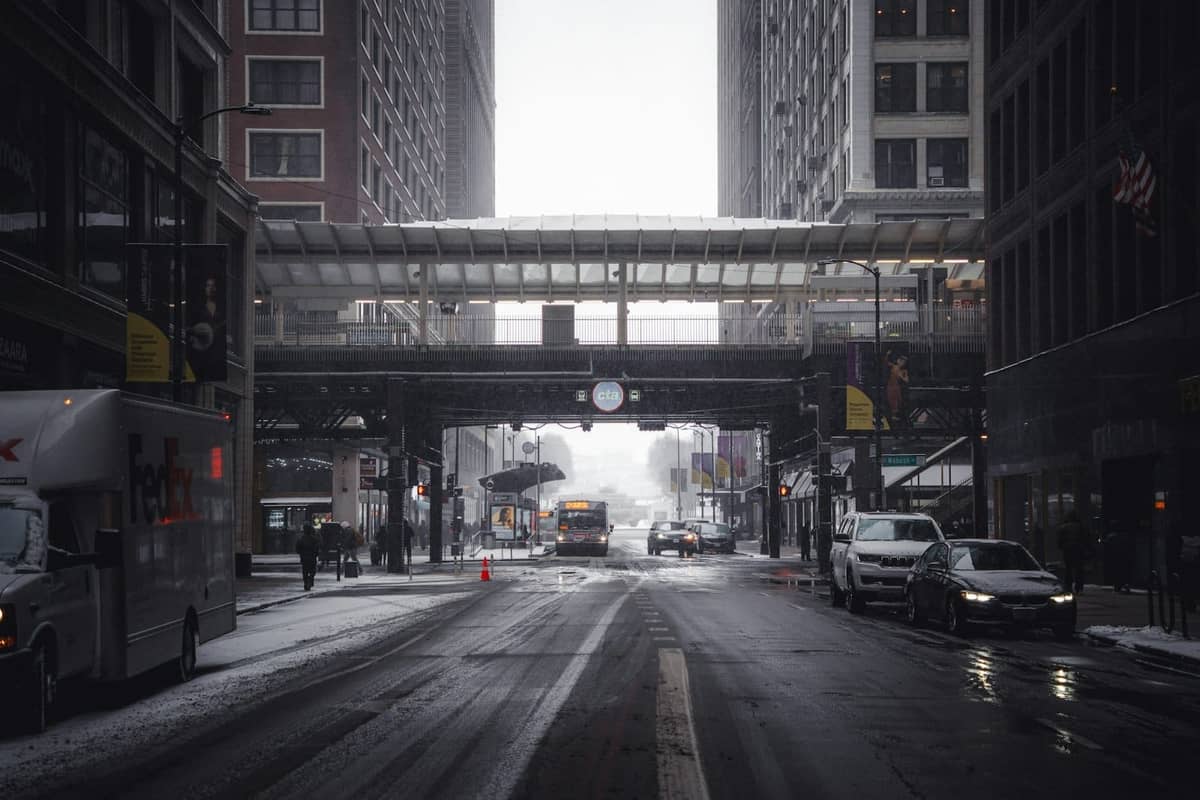
The CTA 'L' train is reliable year-round and is the right answer for most trips. The Blue Line connects O'Hare International Airport (about 17 miles northwest of downtown) to the Loop in 35–45 minutes for a flat fare; the Orange Line connects Midway Airport (10 miles southwest) to the Loop in about 25–30 minutes. Both run 24 hours on these airport-to-Loop routes. For full transit logistics, the complete Chicago transit guide covers routes, fares, and passes in detail.
Walking between attractions is less practical in winter than in summer, particularly along the lakefront where wind exposure is severe. Uber and Lyft operate throughout Chicago with designated pickup zones at both airports. Taxis remain available at major hotels and tourist areas. One practical note: rideshare surge pricing spikes during snowstorms, so if weather is turning, get your return trip booked before conditions worsen.
Is Chicago Worth Visiting in Winter? The Honest Answer
If cold weather genuinely makes you miserable regardless of what's happening around you, December through February in Chicago will not convert you. The cold here is functional and persistent, not the picturesque dusting-of-snow-on-cobblestones version of winter. On a windchill day, walking four blocks from a restaurant to a theater requires real preparation.
That said, for travelers who can handle cold with the right gear, winter in Chicago offers three things no other season matches: lower hotel rates (often 30–50% below summer pricing), no crowds at the city's flagship museums and attractions, and a genuinely festive December atmosphere that rivals any major U.S. city. The architecture looks spectacular against a gray sky and frosted river. Architecture boat tours switch to land-based options in winter but remain available. The restaurant scene in the West Loop and Fulton Market operates at full strength all winter — in fact, securing reservations at top restaurants is far easier in January than in July.
Chicago's theater scene peaks in fall and winter. The Steppenwolf, Goodman, and Second City all run major productions through the cold months — if Chicago theater is on your list, winter is an excellent time to go. The same applies to the blues and jazz club circuit: Buddy Guy's Legends and Green Mill Cocktail Lounge are far more atmospheric when it's 15°F outside and you're warming up inside.
FAQ
How cold does Chicago get in winter and is it safe to visit?
January is the coldest month, with average highs around 31°F (-0.6°C) and lows near 18°F (-7.8°C). Windchill regularly drops below 0°F (-18°C) during cold snaps. Chicago is safe to visit in winter — the city functions normally through even serious cold and snow. The main practical risk is frostbite during extreme windchill if you're underdressed. Pack a windproof outer layer, insulated boots, gloves, and a face covering, and you'll manage fine.
What are the best free things to do in Chicago in winter?
Ice skating at Millennium Park (free with own skates, reservation required) and the Maggie Daley Skating Ribbon (free admission) are the top free outdoor activities. Lincoln Park ZooLights is free on general admission nights. Garfield Park Conservatory and Lincoln Park Conservatory are free and warm. The Chicago Cultural Center, which features stunning Tiffany glass domes, is free year-round. Some museums offer free admission days — check individual websites for schedules.
When do Chicago's winter holiday events take place?
Christkindlmarket at Daley Plaza typically opens in late November (often around November 21) and runs through Christmas Eve. Lincoln Park ZooLights usually runs from late November through early January. Navy Pier Winter WonderFest typically runs from early December through early January. Dates and hours shift year to year — confirm on christkindlmarket.com, lpzoo.org, and navypier.org before booking travel.
Are Chicago museums open in winter?
Yes — all major museums operate year-round. This includes the Art Institute of Chicago, Field Museum, Shedd Aquarium, Adler Planetarium, Museum of Science and Industry, Chicago History Museum, and Museum of Contemporary Art. Winter is actually an ideal time for museums because summer crowds are absent. Verify current hours and ticket prices on each institution's official website before visiting, as hours can vary around major holidays.
Is Chicago cheaper to visit in winter?
Significantly cheaper, yes. Hotel rates in January and February can be 30–50% lower than peak summer pricing. Flight prices to O'Hare and Midway drop considerably outside the holiday travel windows (avoid the week between Christmas and New Year if budget is a priority — that stretch rivals summer pricing). Restaurants are easier to book, tours have more availability, and even observation deck tickets can be had without advance stress. The trade-off is the cold; the savings are real.