Luxury Chicago: Best High-End Hotels, Restaurants & Experiences
Chicago delivers world-class luxury across every category, from lakefront five-star hotels to Michelin-starred tasting menus and private architecture cruises. This guide cuts through the noise to tell you exactly where to stay, eat, and splurge in one of North America's most sophisticated cities.
Plan and book this trip
Tools from our partner Travelpayouts help you compare flights and hotels. If you book through them, we may earn a commission at no extra cost to you.
Flights
Hotels map
TL;DR
- The best chicago downtown hotels for luxury travelers are concentrated along the Magnificent Mile, Streeterville, and the riverfront, with nightly rates typically starting around $500-900+ for flagship properties.
- Late spring (May-June) and early fall (September-October) offer the best balance of weather and hotel value; peak summer weekends command the highest rates. See our best time to visit Chicago guide for seasonal breakdowns.
- Luxury in Chicago is not limited to one ZIP code: high-end properties and experiences spread across the Loop, Gold Coast, River North, and West Loop.
- Star ratings vary significantly by platform; always verify inclusions like spa access, breakfast, and cancellation policies directly with the hotel.
- For a full picture of where to spend your time, pair this guide with our Chicago neighborhoods guide.
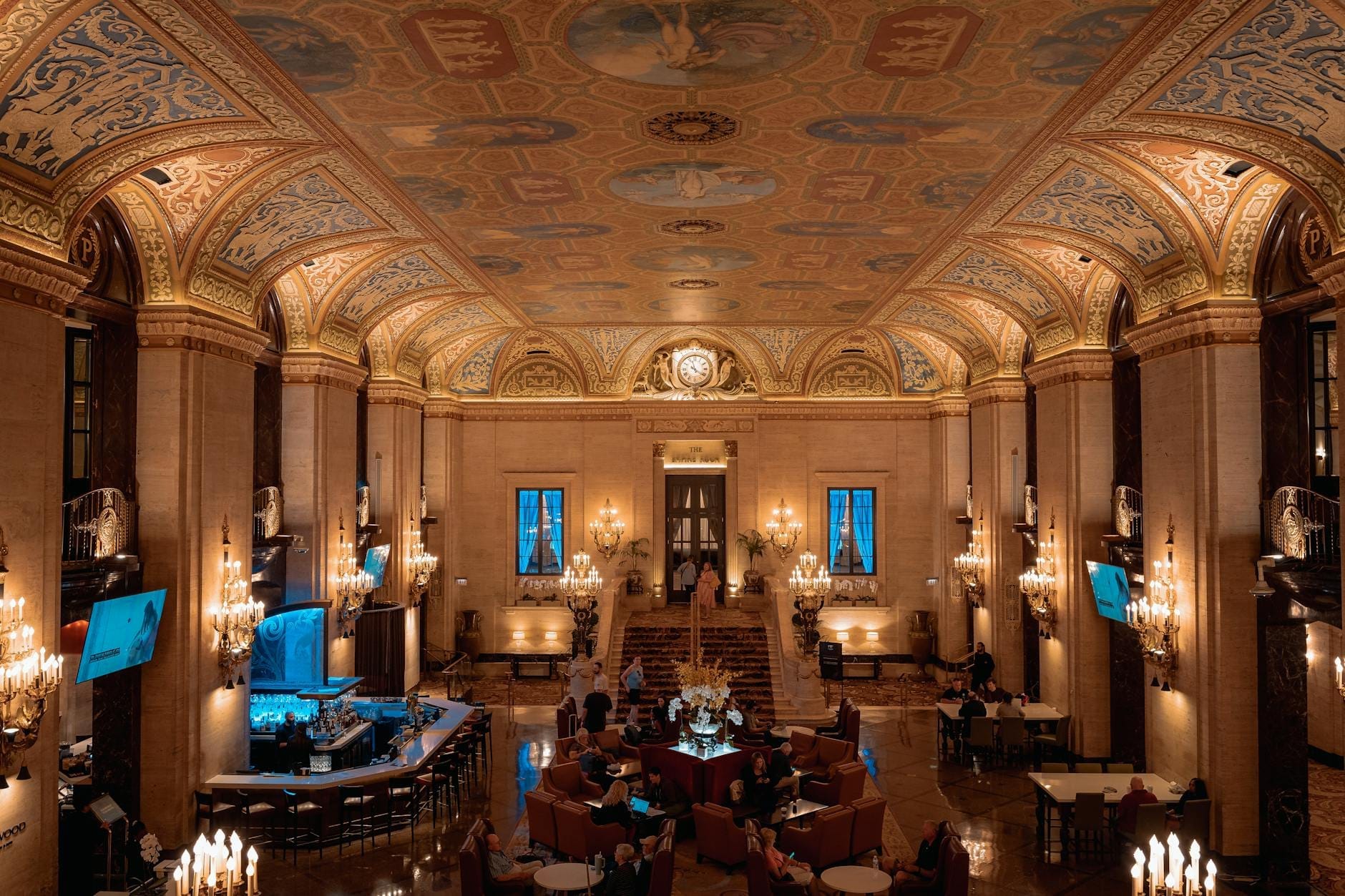
The Luxury Hotel Landscape in Chicago
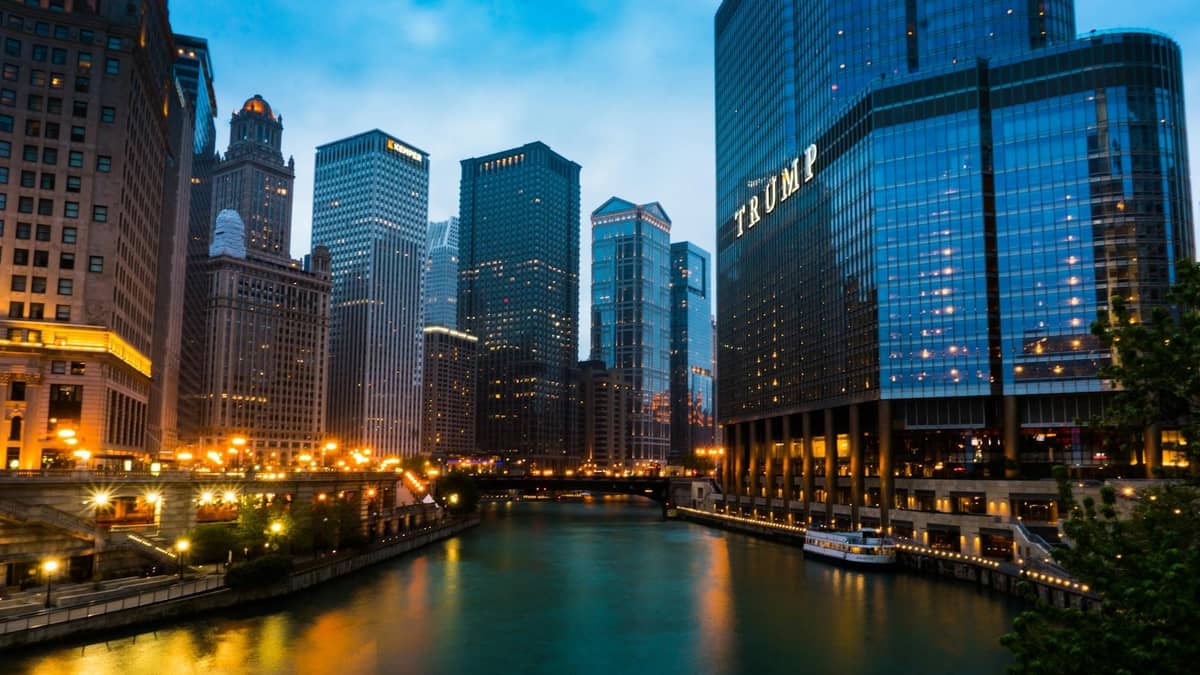
Chicago has a genuinely deep luxury hotel market, not a handful of token five-star properties but a real competitive tier where flagship brands have planted serious flags. The city's geography concentrates most of these hotels in a corridor running from the Loop north through Streeterville and the Magnificent Mile, with a few standouts in River North and the Gold Coast. Understanding this geography matters because your hotel's location shapes your entire trip.
The Magnificent Mile and Streeterville corridor holds some of the most recognizable names. The Four Seasons Hotel Chicago sits at 120 East Delaware Place in the upper floors of a mixed-use tower, with Lake Michigan views from higher rooms and typical summer weekend rates starting around $650-900+ per night for standard rooms. The Peninsula Chicago, a few blocks south on Superior Street, is consistently ranked among the best hotels in North America and draws a loyal repeat clientele for its service standards and spa. The Park Hyatt Chicago at Water Tower Square offers a slightly more contemporary aesthetic at a comparable price point.
On the riverfront, The Langham Chicago occupies the former IBM Building, a Mies van der Rohe-designed tower right on the Chicago River. Summer entry-level rooms often start around $550-800+ per night, and the property's Chuan Spa is one of the best hotel spas in the city. The St. Regis Chicago, in a tower designed by Jeanne Gang, is the newest arrival in this tier and commands attention for its architecture alone. Trump International Hotel and Tower also sits along the river, with direct Riverwalk access and sweeping views from upper floors.
⚠️ What to skip
Star ratings and 'luxury' labels are not standardized across booking platforms. A property rated 5 stars on Hotels.com may carry a different designation on Forbes Travel Guide, which uses its own inspection-based system. Always check Forbes Travel Guide listings and read recent reviews before booking, and verify inclusions like breakfast, spa access, and resort fees directly with the hotel.
The Gold Coast neighborhood, immediately north of the Magnificent Mile, adds the Waldorf Astoria Chicago to the mix. Housed in a landmarked Art Deco tower on Walton Street, it offers a quieter, more residential feel than the busier hotel corridors to the south. If proximity to the shopping and restaurant concentration of the Mag Mile matters less to you than atmosphere, this is worth serious consideration.
Choosing the Right Luxury Hotel for Your Trip
Picking between properties at this price tier comes down to priorities. Are you here for a spa weekend, a business trip with a leisure add-on, an architecture pilgrimage, or a Chicago food tour? Each property has a distinct personality, and at $600-900 per night the wrong choice is a real cost.
- Best for spa and wellness The Langham Chicago (Chuan Spa) and The Peninsula Chicago (Peninsula Spa) are the top two. Both offer full-service facilities with pools, treatment rooms, and fitness centers that go well beyond the typical hotel gym.
- Best for architecture lovers The Langham (Mies van der Rohe's IBM Building) and the St. Regis Chicago (Jeanne Gang's Aqua Tower) put you inside landmark buildings. The views from upper floors of the St. Regis are exceptional.
- Best for families with kids The Four Seasons Chicago has a strong family program and is walking distance from the Magnificent Mile's shops and restaurants. The concierge team here is experienced at arranging family logistics.
- Best for business travel with leisure Park Hyatt Chicago has a central location, strong meeting facilities, and the NoMI Kitchen restaurant for client dinners. It sits directly across from the historic Chicago Water Tower.
- Best for quiet and atmosphere Waldorf Astoria Chicago on Walton Street gets you out of the busiest tourist corridors while keeping you within a short cab or rideshare ride of everything.
💡 Local tip
Book luxury hotels directly through the hotel's own website or by calling the reservations team. Direct bookings often come with room upgrade eligibility, flexible cancellation terms, and loyalty points that third-party platforms don't offer. If you see a lower rate on an OTA, ask the hotel to match it before booking elsewhere.
Seasonality and Pricing: When to Book
Chicago's luxury hotel market follows the city's tourism calendar closely. Late spring (May-June) and early fall (September-October) are the sweet spots: weather is reliably good, major summer festivals have not yet jacked up demand, and rates are somewhat more predictable. Peak summer weekends, particularly during Lollapalooza in early August and major convention weeks, see hotels fully committed with minimal availability. If your dates overlap with a major event at McCormick Place or the United Center, book months in advance or expect significantly inflated rates.
Winter is genuinely underrated for luxury travel to Chicago. Rates at flagship properties often drop meaningfully from November through February (excluding the holiday period around Christmas and New Year), the city is less crowded, and a number of unique seasonal experiences open up. The Chicago Christmas guide covers the Christkindlmarket and holiday programming in detail. A cold-weather long weekend at the Waldorf or Langham, with a spa day and a tasting menu dinner, is a genuinely different and often better-value trip than the same itinerary in July.
High-End Dining: Where to Eat at the Top Tier

Chicago's fine dining scene is serious and competitive. The city has produced a disproportionate number of nationally recognized chefs, and the concentration of Michelin-starred and James Beard Award-winning restaurants in a walkable downtown area is matched only by New York and San Francisco among American cities. For a luxury trip, dining well is not optional, it's core to the experience.
The West Loop and Fulton Market district has become the city's most concentrated fine dining corridor. What was a meatpacking and cold storage zone a decade ago now holds some of the most ambitious restaurants in the Midwest. Dinner for two at a tasting menu restaurant in this district typically runs $300-600+ including wine pairings, and reservations at the most sought-after spots require booking weeks or months ahead. For a broader dining overview across all budgets, the Chicago food guide covers the full landscape.
Hotel restaurants at the top properties are worth considering seriously, not just as a convenience fallback. The Langham's Travelle and the Four Seasons' Adorn Bar and Restaurant have genuine culinary reputations and attract non-hotel guests. The Peninsula's Shanghai Terrace is one of the most distinctive settings for dinner in the city, with an outdoor terrace open in warmer months. Afternoon tea at the Peninsula is a classic Chicago luxury experience that has been running for years and is genuinely worth the cost for the right traveler.
- Reserve fine dining as early as possible: top Chicago restaurants open reservations 30-60 days out and fill quickly, especially on Friday and Saturday evenings
- Dress codes at serious restaurants are generally smart casual to business casual; a small number of older establishments still prefer jackets for dinner
- Many tasting menu restaurants offer bar seating as walk-in only, which can be a legitimate strategy if you miss the reservation window
- Service charges and automatic gratuities are increasingly common at high-end Chicago restaurants; read the bill carefully to avoid double-tipping
- The sommelier at top restaurants is a real resource: many wine lists in this tier run to hundreds of selections and the team can navigate it efficiently for any budget
High-End Experiences Beyond Hotels and Restaurants
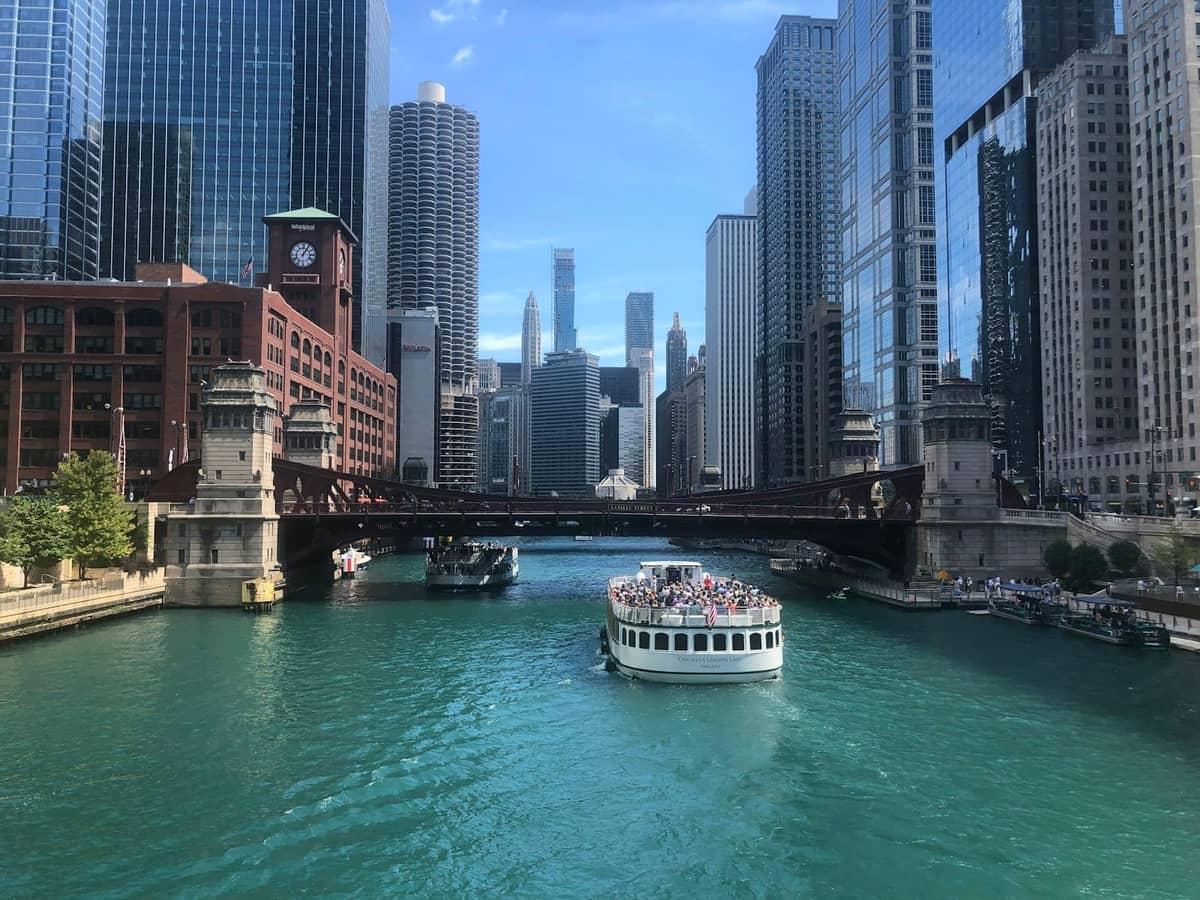
Chicago's luxury experience tier goes well beyond checking into a nice hotel and booking a tasting menu. The city's architecture is a genuine world-class attraction, and exploring it properly is one of the best things you can do here at any budget, but doing it well rewards investment. A private Chicago Architecture Foundation River Cruise or a custom private tour arranged through the Chicago Architecture Center gives you access to expert commentary and flexible pacing that a standard group tour cannot match. Half-day private architecture tours with certified guides typically run $200-400+ per couple depending on format.
For the arts, the Art Institute of Chicago is one of the great art museums in the world, not just a good museum for an American city. Member access and early-opening programs allow you to see the Impressionist and Modern Art galleries before the crowds arrive. The Lyric Opera of Chicago and the Chicago Symphony Orchestra both rank among the best of their kind nationally. Tickets to premium seats at both institutions can exceed $200-300 per person for major performances, and for good reason: the caliber of programming justifies the price. The Chicago theater guide covers the broader performing arts landscape.
✨ Pro tip
For a luxury experience that most visitors completely miss: book a private evening at one of Chicago's lesser-known Frank Lloyd Wright properties, or contact the Glessner House Museum about private rental events. Combining an architectural site visit with a catered dinner is a distinctly Chicago experience that no hotel package replicates.
Chicago's lakefront is a genuine luxury asset that costs nothing to access. The 18-mile Lakefront Trail connects beaches, parks, and cultural institutions in a way that is rare for a major city. Renting a private boat or kayak for a morning on Lake Michigan or the Chicago River, or booking a sunset champagne cruise, delivers a perspective on the city that no rooftop bar can match. Private charter sailboat experiences operate out of Burnham Harbor and Monroe Harbor, with half-day charters typically starting around $400-800 depending on boat size and duration.
Getting Around Like a Luxury Traveler
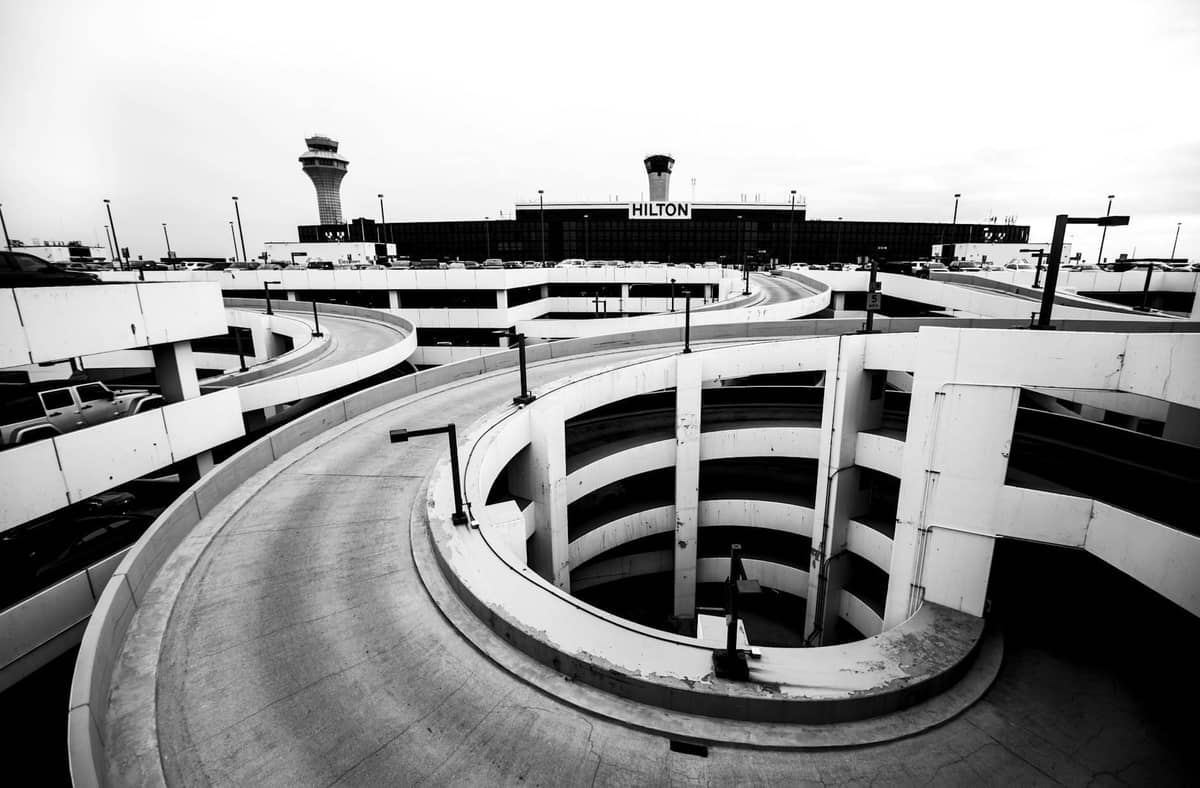
Luxury hotels in Chicago provide concierge car services and maintain relationships with black car companies, and for airport transfers this is genuinely the right call. O'Hare International Airport (ORD) sits about 17 miles northwest of downtown, and travel time varies enormously: 35-45 minutes on the CTA Blue Line regardless of traffic, or 30 minutes to over an hour by car depending on when you travel. A black car transfer from ORD to a luxury hotel downtown typically runs $65-100+. Midway Airport (MDW) is about 10 miles southwest and is faster and cheaper to reach from downtown by both the CTA Orange Line (25-30 minutes) and car.
Within the city, Uber and Lyft are reliable for point-to-point trips, and your hotel concierge can arrange a preferred car service for restaurant runs and late-night returns. The CTA 'L' train is genuinely useful even for luxury travelers: the Red Line and Blue Line run 24 hours, and the Red Line connects the Magnificent Mile area directly to neighborhoods like Wicker Park and Logan Square where some of the best independent restaurants are located. For a full breakdown of transport options, see the getting around Chicago guide.
FAQ
What are the best luxury hotels in downtown Chicago?
The consistently top-rated luxury properties in central Chicago are The Peninsula Chicago, Four Seasons Hotel Chicago, The Langham Chicago, Park Hyatt Chicago, Waldorf Astoria Chicago, and the St. Regis Chicago. Each has a distinct character: the Peninsula and Four Seasons for service tradition, the Langham and St. Regis for architectural distinction, the Waldorf for atmosphere. All have Forbes Travel Guide recognition and nightly rates typically starting at $500-900+ for standard rooms in peak season.
When is the best time to book a luxury hotel in Chicago for value?
The best value windows are November through January (excluding the Christmas-New Year holiday period) and weekdays throughout the year. Summer weekends, particularly during Lollapalooza (early August), major conventions, and holiday weekends, command the highest rates with the least flexibility. Late spring (May-June) and early fall (September-October) offer good weather with more moderate pricing than peak summer.
Are there luxury hotels in Chicago outside the Magnificent Mile area?
Yes. While the Magnificent Mile and Streeterville corridor holds the highest concentration, the Waldorf Astoria Chicago is in the Gold Coast neighborhood on Walton Street, and several boutique luxury properties operate in River North and the West Loop. The definition of the 'downtown' area for luxury hotels effectively stretches from the Loop north through the Gold Coast, a walkable area roughly two miles long.
What is the tipping etiquette at high-end Chicago restaurants?
In Chicago, as throughout the U.S., tipping for table service is expected and typically runs 18-22% on the pre-tax total for standard service, with 25% or more for exceptional service. At high-end restaurants, check the bill first: an increasing number of fine dining establishments add an automatic service charge or hospitality fee of 20-22%, in which case additional tipping is optional. Valet parking tips ($3-5 on return) and hotel concierge tips for significant assistance ($10-20) are also standard.
Do I need a car to experience luxury Chicago?
No. Central Chicago's luxury hotels, restaurants, cultural institutions, and experiences are concentrated in a walkable area or short rideshare trip from each other. The Magnificent Mile, Millennium Park, the Art Institute, the Chicago River Architecture Cruise, and the West Loop dining corridor are all accessible without a rental car. A car is only worth considering if you plan day trips outside the city, such as to the Chicago Botanic Garden or Indiana Dunes National Park.