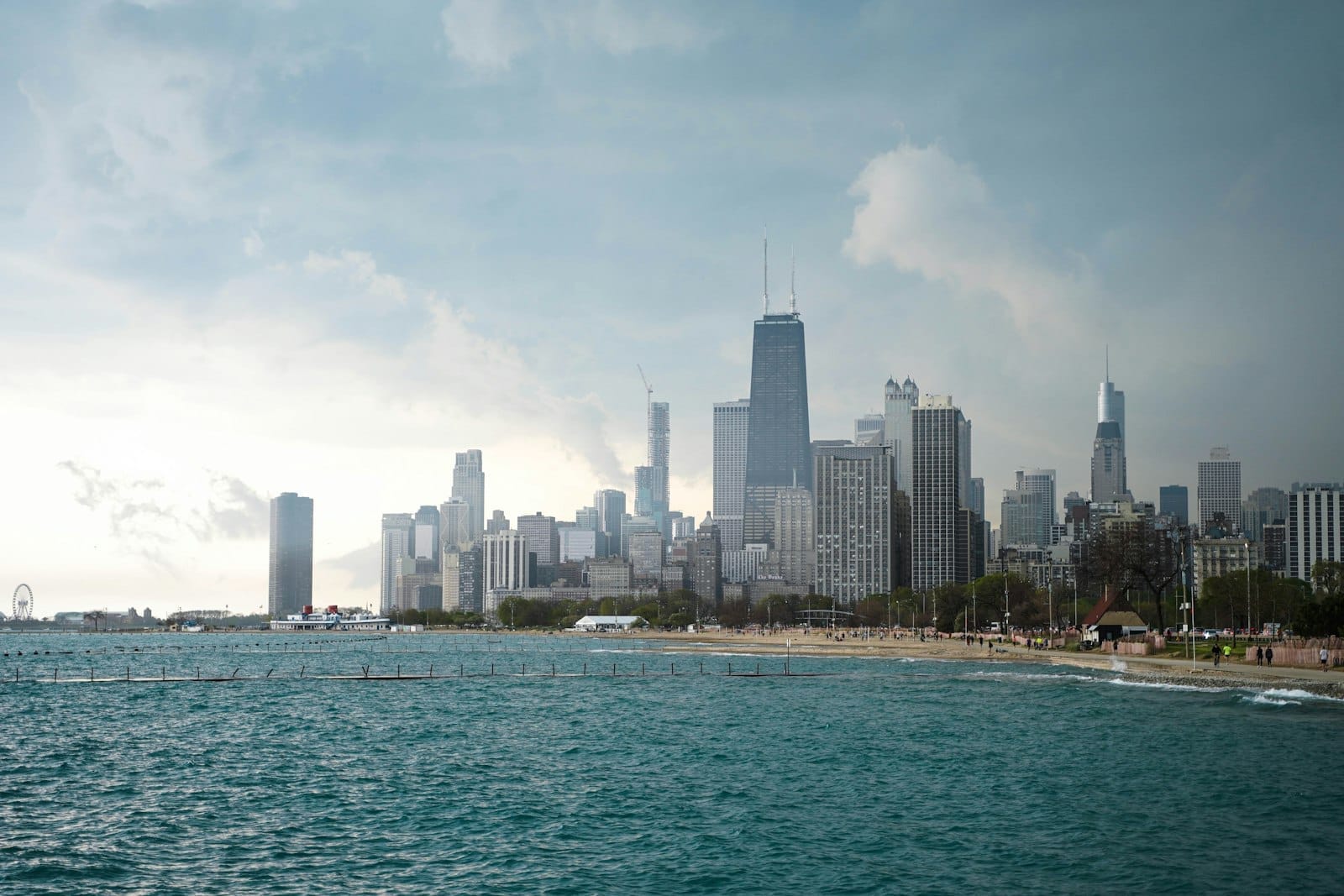
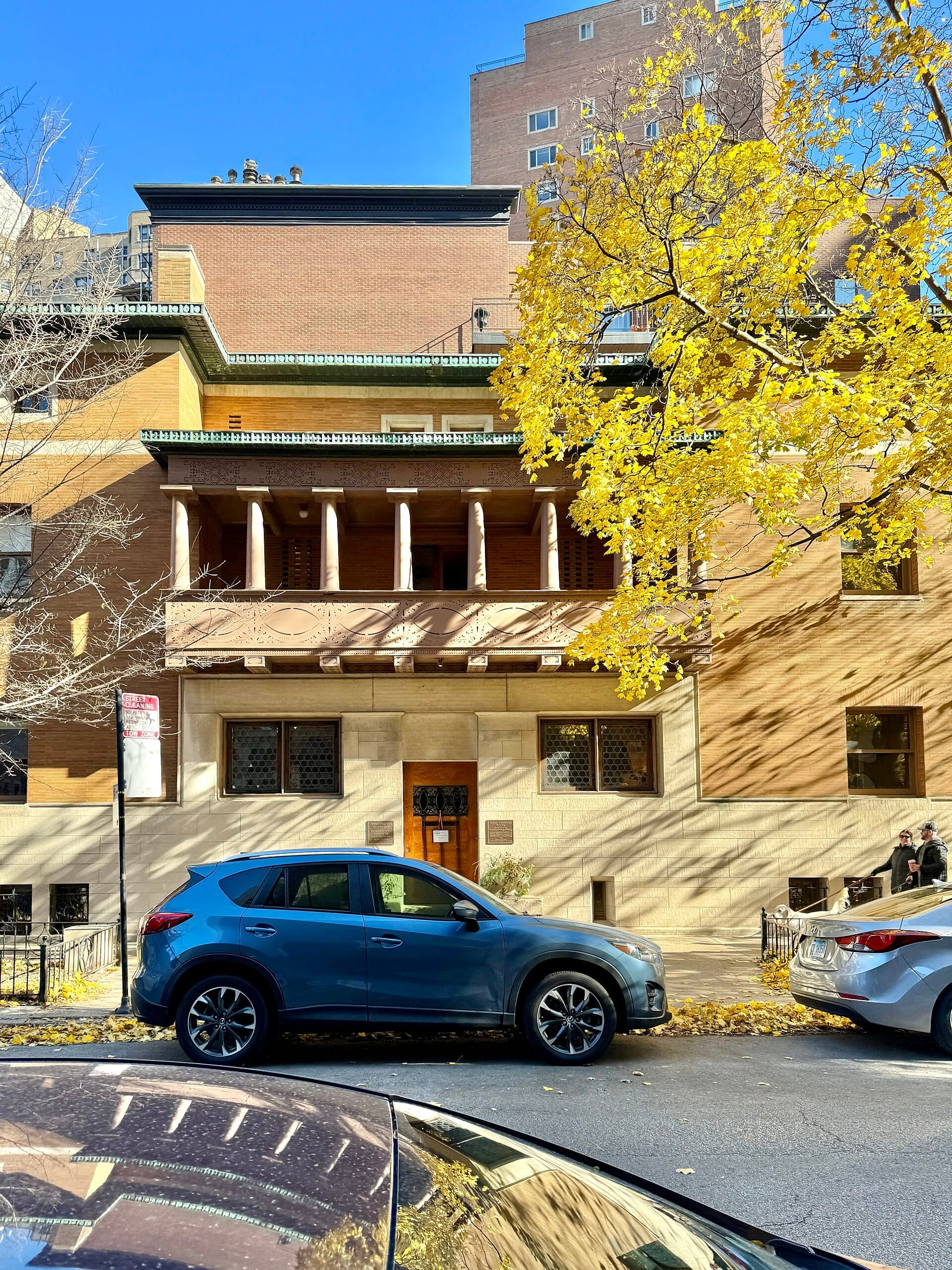
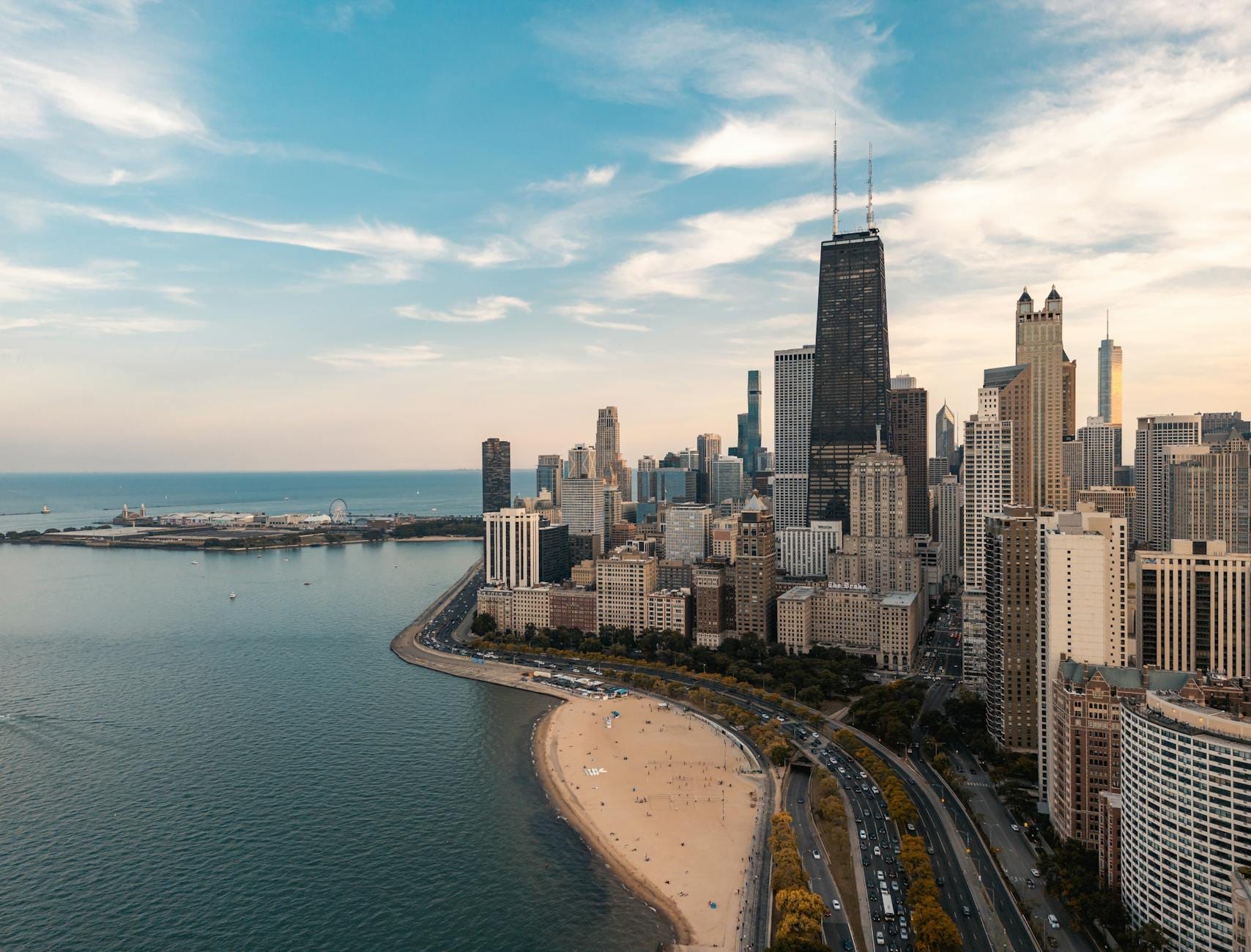
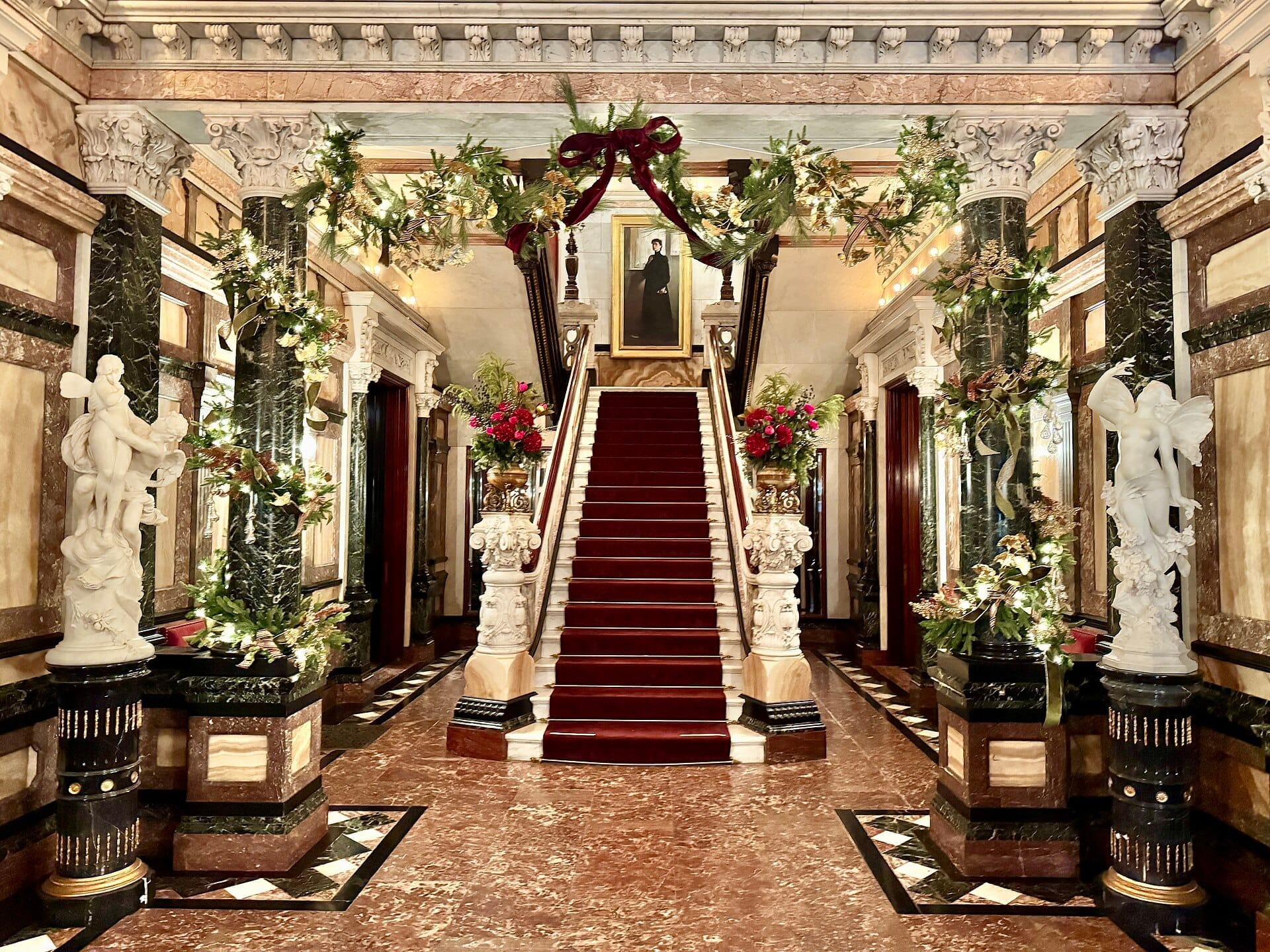
The Gold Coast is Chicago's most storied affluent neighborhood, stretching along the Lake Michigan shoreline just north of downtown. Tree-lined streets of Richardsonian Romanesque townhouses sit beside white-glove high-rises, while Oak Street delivers world-class shopping and Rush Street anchors a lively dining and nightlife corridor.
The Gold Coast is where Chicago has always put its finest foot forward. Gilded Age mansions face the lake, doorman co-ops line streets of mature elms, and the whole neighborhood carries a residential calm that feels improbable given how close it sits to downtown. It is polished, walkable, and quietly confident in a way that few urban neighborhoods manage.
Orientation
The Gold Coast occupies a compact rectangle on Chicago's Near North Side, bordered by Lake Michigan to the east and Clark Street to the west, with North Avenue marking the northern edge and Oak Street (at the base of the Magnificent Mile) forming the southern boundary. In practice, the neighborhood association traces a slightly more detailed polygon: from North Avenue east to Lake Shore Drive, south along the Drive to Bellevue Place, then west to Rush Street, south to Division, and back west to Clark. The result is roughly a 10-block-by-6-block grid of some of the most expensive real estate in the Midwest.
Spatially, the Gold Coast slots neatly between the retail energy of the Magnificent Mile and Streeterville to the south and the greener, more park-oriented blocks of Lincoln Park and Old Town to the north. Lake Shore Drive runs along the eastern edge, and just beyond it sit the beaches and parkland of the lakefront. Understanding that geography is key: the Gold Coast is a narrow strip with open water on one side and the city's commercial corridors pressing in on the other, which is precisely why it has always felt like an enclave rather than a thoroughfare.
The main north-south spines are State Street and Dearborn Street, both quiet at this latitude compared to their downtown incarnations. Rush Street and Division Street form the social heart of the southern end. The numbered east-west streets — Elm, Maple, Schiller, Banks, Goethe — are largely residential and carry almost no through traffic, giving the interior blocks a neighborhood-within-a-city stillness that surprises first-time visitors.
Character and Atmosphere
Early morning in the Gold Coast belongs to dog walkers and joggers heading down to the lakefront path. The interior streets are nearly silent at 7am. Sunlight catches the rusticated stone facades of Richardsonian Romanesque townhouses on Astor Street, and the only sounds are the distant hum of Lake Shore Drive and the occasional Metra horn carrying in from the south. This is not a neighborhood where coffee shops open at 6am to serve a commuter rush.
By mid-morning the pace shifts. Astor Street, running north from Division toward North Avenue, is genuinely one of the best streets to walk in Chicago — not for any single landmark but for the accumulated effect of Gilded Age architecture at eye level. Queen Anne row houses with terracotta detail sit beside Georgian Revival mansions and the occasional Modernist intrusion, all on a tree-canopied block that makes the city feel both grand and intimate. The street has been designated a Chicago Landmark District, and walking it from south to north on a clear afternoon, with low light throwing shadows across the carved stone details, is one of those experiences the city rarely advertises.
Afternoons draw a sharper contrast depending on where you are. Oak Street, running east from the intersection with Michigan Avenue, is all-business: luxury boutiques, a few high-end salons, and the kind of foot traffic that comes with serious shopping money. A block north, Elm Street or Maple Street feel like a different century entirely. Rush Street picks up after 5pm, and by 9pm the bars and restaurants along Rush and Division are among the more animated scenes on the North Side. The Gold Coast does have nightlife, though it skews toward upscale cocktail bars and restaurant dining rather than late-night clubs.
💡 Local tip
Astor Street between Division and North Avenue is a Chicago Landmark District. Walk it on a weekday morning when foot traffic is lightest for the clearest view of the architectural details on the historic mansions.
One honest caveat: the Gold Coast is not a neighborhood with much cultural diversity at street level. It is conspicuously wealthy and the commercial strips reflect that. Travelers looking for neighborhood markets, working-class food traditions, or the kind of layered immigrant culture found in Pilsen or Andersonville won't find it here. What the Gold Coast offers instead is architectural beauty, lakefront access, and the particular pleasure of walking streets that have been well-maintained for over a century.
What to See and Do
Astor Street is the neighborhood's primary architectural showcase, and it rewards slow walking. The houses between Schiller and Burton Place represent the densest concentration of surviving Gilded Age residential architecture in Chicago. The Patterson-McCormick Mansion at 1500 North Astor Street is among the most photographed. Just north, the Archbishop's Residence at 1555 North State Parkway is a large Romanesque Revival structure that dates to 1880 and remains in use by the Archdiocese of Chicago — an unusual case of institutional continuity in a neighborhood where most mansions have been subdivided into condos.
The International Museum of Surgical Science at 1524 North Lake Shore Drive is one of Chicago's genuinely unusual institutions: four floors of medical history inside a 1917 lakefront mansion designed in the style of a French Loire Valley chateau. The collection covers surgical instruments and practices from ancient Egypt to the 20th century. It is quiet, well-curated, and almost never crowded — a useful counterpoint on a day when the bigger museums feel overwhelming.
The eastern edge of the neighborhood opens onto the Lakefront Trail and the beaches that front it. North Avenue Beach, just at the northern boundary, is one of the more social beach scenes in the city, with volleyball courts and a concession building shaped like an ocean liner. Oak Street Beach, at the southern boundary near Michigan Avenue, draws a different crowd — more downtown workers and hotel guests, smaller and more contained. Both are accessible within a short walk from almost anywhere in the neighborhood.
Astor Street Landmark District: Chicago's best-preserved Gilded Age residential streetscape
International Museum of Surgical Science: four floors of medical history in a 1917 lakefront mansion
Oak Street Beach: compact lakefront beach at the neighborhood's southern tip
North Avenue Beach: larger, more social beach scene at the northern boundary
The site of the original Playboy Mansion at 1340 North State Parkway (commonly cited, though some sources give the address as 1340 North State Street) (now private residential)
The Gold Coast sits close enough to the city's major cultural institutions that a day trip into the Loop or down to Museum Campus is straightforward. The Chicago History Museum is just a 10-minute walk north into Lincoln Park and provides excellent context for the neighborhood's own 19th-century origins.
Eating and Drinking
The Gold Coast dining scene is anchored at its southern end, where Oak Street, Rush Street, and the blocks around Division Street concentrate the most active restaurants and bars. Prices skew higher than the Chicago average, and the most prominent spots are the kind of well-lit, well-staffed rooms where expense accounts feel at home. That said, there is enough range within the neighborhood to find a good meal at different price points.
Steakhouses are well-represented, as they tend to be in wealthy Chicago neighborhoods. The intersection of Rush and Walton has historically been one of the city's most restaurant-dense corners. Along Oak Street heading toward Michigan Avenue, the options shift toward European-influenced fine dining and upscale American. Brunch has a strong following on weekends, when the sidewalk tables along these streets fill quickly.
For coffee and lower-key daytime eating, the blocks along State Street between Division and North Avenue have a handful of cafes that serve the residential population rather than tourists. These tend to be quieter and less expensive than anything on Oak Street, and they give a clearer picture of how the neighborhood actually functions on a Tuesday morning.
The bar scene along Rush Street and Division Street is genuinely active Thursday through Saturday. It is a mix of hotel bars, restaurant bar programs, and standalone cocktail spots. Division Street in particular has a reputation for louder, more bar-crawl-oriented nightlife at its western end — something worth knowing if you are trying to find a quiet drink. The spots closer to the lake and on the side streets tend to be calmer.
ℹ️ Good to know
The Gold Coast dining scene is concentrated in the southern third of the neighborhood, around Oak Street, Rush Street, and Division Street. The residential blocks north of Schiller Street have very few commercial options — plan accordingly if you're staying in that area.
For a broader overview of where the Gold Coast fits into Chicago's wider food landscape, the Chicago food guide covers the city's major dining corridors and cuisines in depth.
Getting There and Around
The most useful transit connection for the Gold Coast is the CTA Red Line at Clark/Division, which puts you at the neighborhood's southwest corner. From there, most of the neighborhood is within a 10-15 minute walk heading north or east. The Red Line runs 24 hours and connects directly south to downtown (Chicago/State is one stop away) and north to Wrigleyville and Andersonville. The trip from the Loop takes around 8-10 minutes.
CTA bus Route 151 (Sheridan) runs along Lake Shore Drive with stops at North Avenue, Elm Street, and Oak Street — useful for connecting directly to the lakefront end of the neighborhood without walking through it. Routes 22 (Clark), 36 (Broadway), and 73 (Armitage) all provide additional connections along the western edge. The 151 is particularly convenient for reaching Navy Pier or the Museum Campus without changing lines.
The neighborhood is excellent for cycling. The Lakefront Trail runs along the eastern boundary and provides a traffic-free route north to Lincoln Park or south to Grant Park and Museum Campus. Dearborn Street has dedicated bike facilities for north-south travel through the neighborhood interior. Divvy bike-share stations are well-distributed throughout the Gold Coast, with docks near Clark/Division, along State Street, and at the lakefront.
On foot, the Gold Coast is among the most walkable neighborhoods in Chicago. The grid is regular, the blocks are short, and the streets are generally well-maintained. From Oak Street, the Magnificent Mile is a two-minute walk west. From North Avenue, the Lincoln Park Zoo is about a 10-minute walk northeast through the park. Driving and parking, by contrast, are genuinely difficult: street parking is metered and competitive, and the residential side streets have permit requirements. For visitors, transit or cycling is almost always faster than a car.
⚠️ What to skip
Lake Shore Drive runs along the eastern edge of the neighborhood and has no signalized pedestrian crossings for long stretches. To reach the lakefront beaches from the interior, use the designated pedestrian underpasses at Oak Street and North Avenue rather than attempting to cross the Drive at grade.
Where to Stay
The Gold Coast has a solid selection of hotels, most clustered near the southern end of the neighborhood around Oak Street and along North Michigan Avenue's northern extension. These range from boutique properties on the quieter side streets to full-service luxury hotels that cater to business travelers and upscale leisure visitors. Room rates are among the higher in Chicago outside the Loop itself, but the location justifies the premium for travelers who want lakefront access, walkability to the Magnificent Mile, and a residential character at night.
Travelers who prefer a quieter base should look for properties on the streets north of Division rather than directly on Rush Street, which generates nightlife noise through the weekend. The blocks between Elm and Goethe on the State and Dearborn corridors are the most genuinely residential and calm. For visitors focused primarily on downtown sightseeing, the Gold Coast is marginally farther from the Loop than Streeterville or the Magnificent Mile, but the difference in walking time is small and the neighborhood atmosphere at night is considerably more pleasant.
For a comparison of where the Gold Coast fits against other Chicago neighborhoods for accommodation, the where to stay in Chicago guide breaks down the options by traveler type and budget.
Practical Notes
The Gold Coast is generally considered one of Chicago's safer neighborhoods, with a residential population and active street life through the evening hours. As with any urban area, standard city awareness applies — the blocks around Division Street on weekend nights can get crowded and occasionally rowdy near the bar strips, but this is typical nightlife activity rather than a safety concern. For current, detailed crime statistics, the City of Chicago's public crime data portal provides up-to-date information by community area.
Weather is a genuine consideration year-round. The lakefront location means wind is a constant — in winter, the gap between buildings on the east-west streets channels cold air off Lake Michigan with real force. The Chicago in winter guide covers how to handle the cold properly. Summers are more reliably pleasant, though July and August bring occasional humidity and the possibility of heavy afternoon thunderstorms. The best time to visit Chicago page covers the seasonal tradeoffs in full.
Tipping is standard throughout the neighborhood's restaurants and bars, as it is across Chicago and the United States generally. Budget accordingly: a table-service meal at most Gold Coast restaurants will typically include a 20% tip expectation on top of menu prices that are already on the higher end for the city.
TL;DR
Best for: architecture lovers, lakefront access, upscale dining, and travelers who want a quiet residential base close to downtown
Key streets: Astor Street (architecture), Oak Street (shopping and dining), Rush and Division Streets (restaurants and nightlife)
Transit: CTA Red Line at Clark/Division; bus routes 151, 22, 36, and 72; Divvy bike-share throughout
Worth knowing: the neighborhood is most lively in its southern third — the blocks north of Schiller are genuinely quiet and have few commercial amenities
Not ideal for: budget travelers, visitors seeking cultural diversity at street level, or anyone who wants to avoid upscale pricing across food, drink, and accommodation
Three days is enough time to cover Chicago's iconic skyline, world-class museums, lakefront, and neighborhoods — if you plan it right. This itinerary cuts the guesswork with day-by-day structure, honest timing advice, and the practical details most guides skip.
Chicago's museum scene is one of the strongest in the United States, anchored by institutions that rank among the best in the world. This guide covers the top picks across art, natural history, science, architecture, and cultural heritage, with honest advice on what each one offers and how to plan your visit.
Chicago rewards visitors year-round, but timing your trip makes a real difference. This guide breaks down every season by weather, crowd levels, pricing, and events so you can pick the dates that match what you actually want from the city.
Twenty-four hours in Chicago is genuinely enough to hit the architectural icons, taste the food worth traveling for, and understand why this city earns its reputation. This guide cuts through the noise with a tight, practical sequence that actually works — morning coffee to late-night jazz, no wasted miles.
Navy Pier lights up the lakefront every Independence Day, but Chicago 4th of July celebrations extend far beyond a single pier. This guide covers the best fireworks viewing spots, lake cruises, rooftop bars, daytime activities, and practical logistics for a smooth July 4th in the city.
Chicago is served by two major airports: O'Hare International (ORD) and Midway International (MDW). This guide breaks down the key differences in location, transit connections, airlines, and costs so you can choose the right one before you book.
The Chicago architecture boat tour is one of the city's most rewarding experiences, but not all cruises are equal. This guide breaks down the top operators, ticket prices, departure logistics, and the details most visitors only discover after they've already booked.
Chicago is the most important city in North America for architecture, full stop. This guide covers the essential buildings, the best tours, and the landmarks that explain how a city rebuilt from ashes became the birthplace of the skyscraper.
Chicago is a crucible of modern electric blues and one of the great jazz cities on earth. This guide covers the essential clubs, historic venues, and annual festivals where you can hear world-class live music any night of the week.
Chicago transforms every December into one of the most festive winter cities in the United States. From the authentic German Christkindlmarket at Daley Plaza to the ice skating rinks, dazzling light displays, and world-class theater, this guide covers every key event, practical logistics, and honest advice for making the most of Chicago at Christmas.
Chicago CityPASS promises up to 50% savings on top attractions like Shedd Aquarium, Skydeck Chicago, and the Field Museum. But does it actually deliver? This guide breaks down both pass options, calculates real savings, flags what's missing, and tells you exactly who should buy it and who should pass.
Chicago is the comedy capital of the United States, the city where improv was born and where generations of the world's funniest performers learned their craft. This guide covers the essential stages, late-night clubs, and supporting venues that make Chicago's comedy scene unlike anywhere else.
Chicago deep-dish is one of America's most iconic regional foods, but knowing where to eat it, what to order, and how long to wait makes all the difference. This guide covers the top pizzerias, the difference between stuffed and traditional deep-dish, and practical tips to avoid rookie mistakes.
Chicago's food identity runs far deeper than one famous pizza style. This guide covers every iconic dish you should try, the neighborhoods where each one thrives, honest price expectations, and the seasonal rhythms that shape how the city eats.
Chicago's Prohibition-era crime history is woven into its streets, neighborhoods, and buildings. This guide covers the real locations tied to Al Capone, the St. Valentine's Day Massacre, John Dillinger, and the Chicago Outfit, plus the best tours to bring it all to life.
Chicago rewards the curious traveler who ventures beyond the Bean and Navy Pier. From a Gilded Age cemetery full of architectural masterpieces to a free tropical conservatory on the West Side, these under-the-radar experiences reveal the city's true depth and character.
Summer transforms Chicago into one of America's most energetic cities. From massive free festivals on the lakefront to neighborhood street fairs, world-class beaches, and outdoor concerts, this guide covers everything you need to know to make the most of Chicago from June through August.
Winter in Chicago is genuinely cold, occasionally brutal, and completely worth it. This guide covers the best things to do in Chicago winter — from free ice skating at Millennium Park to world-class museums, holiday markets, and rooftop views — along with honest advice on surviving the weather and keeping costs down.
Chicago's lakefront is one of the great urban waterfronts in the world: 26 miles of free public shoreline, 24 sand beaches, and a continuous trail linking neighborhoods from Edgewater to Hyde Park. This guide covers the best beaches, parks, trails, water activities, and practical rules you need to enjoy it without any surprises.
Lollapalooza takes over Grant Park for four days every summer, drawing around 460,000 people to one of the world's biggest music festivals. This guide covers tickets, the 2026 lineup, on-site logistics, getting there, where to stay, and what first-timers get wrong.
Chicago delivers world-class luxury across every category, from lakefront five-star hotels to Michelin-starred tasting menus and private architecture cruises. This guide cuts through the noise to tell you exactly where to stay, eat, and splurge in one of North America's most sophisticated cities.
The Chicago Marathon draws over a million spectators to 26.2 miles of city streets each October. This guide covers the best places to watch, how to use the CTA to hit multiple spots, Grant Park access rules, and everything you need to know to make race day effortless.
Chicago's 77 community areas each have a distinct personality, and knowing which ones to visit makes all the difference. This guide breaks down the city's best neighborhoods by what they offer, from world-class museums and architecture to street art, jazz clubs, and lakefront beaches.
Chicago's nightlife runs deep and wide, from century-old jazz clubs to basement punch bars in Pilsen. This guide maps the best venues by neighborhood, covers last-call logistics, and tells you where the locals actually drink.
Two iconic observation decks, two very different experiences. This guide breaks down Skydeck Chicago and 360 CHICAGO side by side — heights, ticket prices, signature features, crowd patterns, and honest verdicts — so you can choose the right one for your visit.
Chicago is one of America's great cities, but it does not have to be an expensive one. From free world-class museums and an 18-mile lakefront trail to $2.50 train rides and Italian beef sandwiches under $5, this guide breaks down exactly how to stretch your dollars across every part of the trip.
Chicago's reputation for danger is significantly overblown when it comes to tourist areas. This guide breaks down which neighborhoods are genuinely safe, where to exercise caution, and the practical habits that keep visitors out of trouble.
Chicago is one of the great shopping cities of North America, with options ranging from luxury flagships on Oak Street to independent boutiques in Andersonville and massive outlet malls near O'Hare. This guide breaks down every major district, what you'll actually find there, and how to get around without wasting a day.
Chicago is one of the best American cities to explore alone. The CTA L train connects virtually every major attraction, central neighborhoods are walkable and safe for solo visitors, and the city rewards independent travelers with world-class museums, architecture, food, and free cultural spaces. This guide covers everything you need: safety by area, transit logistics, the best solo-friendly experiences, and practical advice on timing and budgeting your trip.
Chicago is one of only a handful of U.S. cities with teams in all five major men's pro sports leagues. This guide covers every team, every venue, the best seats for your budget, and everything you need to know before game day.
Chicago turns the river green every St. Patrick's Day in one of America's most spectacular civic traditions. This guide covers the river dyeing history, best viewing spots, parade logistics, neighborhood celebrations, and practical tips for making the most of the city's biggest Irish-American holiday.
The Chicago style hot dog is one of the most specific, opinionated, and genuinely great street foods in America. This guide breaks down every topping, the Depression-era origins, the ketchup controversy, and the best stands in the city to try one.
Chicago has one of the richest theater scenes in the world, stretching from grand Loop venues hosting Broadway tours to intimate storefront stages that have shaped American drama for decades. This guide covers the best venues, how to get tickets, and what makes each stage worth your time.
Chicago's skyline is one of the greatest in the world, and the city gives you dozens of ways to take it in. From two competing observation decks to free lakefront viewpoints and rooftop bars, this guide covers every perspective worth seeking out.
Two days in Chicago is enough to hit the architectural landmarks, world-class museums, and legendary food scene — if you plan smart. This guide breaks down exactly how to spend a Chicago weekend, from Saturday morning at Millennium Park to Sunday dinner in the West Loop, with honest tips on what's worth your limited time.
Chicago ranks among the best American cities for families, and not just because of its world-class museums. Free zoos, lakefront beaches, landmark parks, and kid-friendly neighborhoods make it surprisingly affordable and endlessly entertaining. This guide covers the top things to do in Chicago with kids, season by season, with real logistics and honest money-saving advice.
Chicago sits at the center of one of the most day-trip-rich regions in North America. Within two hours you can be hiking sand dunes on Lake Michigan, touring Frank Lloyd Wright's studio, exploring a stunning botanical garden, or catching world-class outdoor music. This guide covers the best destinations within easy reach of the city.
Chicago is one of America's most generous cities when it comes to free attractions. World-class public art, a free zoo, miles of lakefront beaches, always-free museums, and summer festivals that draw millions — all without admission fees.
Chicago has one of the most comprehensive public transit systems in North America, with 'L' trains connecting both major airports to downtown and buses covering nearly every corner of the city. This guide breaks down every option: the CTA, airport transfers, rideshare, taxis, bikes, and water taxis, with honest advice on when each makes sense.
Chicago rewards couples with an extraordinary range of experiences: candlelit jazz clubs, skyline views from the water, world-class art museums, and tranquil gardens tucked inside the city's busiest parks. This guide covers the most romantic things to do in Chicago, organized by mood and moment.
Chicago packs more into one city than almost anywhere in America: world-class museums, a stunning lakefront, boundary-pushing food, and architecture that stops you mid-stride. This guide covers the top things to do in Chicago across every budget, season, and travel style, with honest rankings and practical logistics.
Chicago was ranked among the top U.S. food cities in 2026, and the title is earned. This guide cuts through the deep-dish clichés to show you where locals actually eat: the best neighborhoods by cuisine, standout restaurants by category, booking tips, and honest advice on what to skip.
Choosing where to stay in Chicago shapes your entire trip. This guide breaks down the city's top neighborhoods by location, price, vibe, and transit access, so you can book with confidence whether you're a first-timer or returning visitor.