Chicago Sports Guide: How to Catch a Live Game in the City
Chicago is one of only a handful of U.S. cities with teams in all five major men's pro sports leagues. This guide covers every team, every venue, the best seats for your budget, and everything you need to know before game day.
Plan and book this trip
Tools from our partner Travelpayouts help you compare flights and hotels. If you book through them, we may earn a commission at no extra cost to you.
Flights
Hotels map
TL;DR
- Chicago fields teams in MLB (Cubs and White Sox), NFL (Bears), NBA (Bulls), NHL (Blackhawks), and MLS (Fire), plus a WNBA team (Sky).
- The four main venues are Wrigley Field, Rate Field, United Center, and Soldier Field. Each sits in a distinct neighborhood with a different atmosphere before and after the game. Check our Chicago neighborhoods guide to understand the surrounding areas.
- Baseball season (April-September) overlaps with Chicago's best weather, making Cubs and White Sox games the easiest entry point for first-time visitors.
- Buy tickets through official team sites or verified resellers like SeatGeek or Ticketmaster. Avoid scalpers outside Wrigley Field especially, where markups on big series can be extreme.
- If you're planning a full trip around a game, pair it with the Chicago weekend guide to fill the rest of your itinerary.
Chicago's Pro Sports Landscape: What You're Working With
Chicago is one of 10 U.S. cities with franchises in all five major men's professional sports leagues simultaneously. That means any given weekend between October and April could have a Bulls game, a Blackhawks game, and a Bears game happening within days of each other. The density of options is genuinely unusual, and it means you almost never need to plan a trip specifically around sports. A game will find you.
The six teams to know: the Chicago Cubs and Chicago White Sox in MLB, the Chicago Bears in the NFL, the Chicago Bulls in the NBA, the Chicago Blackhawks in the NHL, Chicago Fire FC in MLS, and the Chicago Sky in the WNBA. Beyond those, the city hosts marquee one-off events including the Chicago Street Course for NASCAR, which has been part of the annual schedule in recent years. For a broader look at what's happening across the city on any given visit, the full Chicago activity guide covers non-sports options to round out a trip.
The Venues: What to Expect at Each Stadium
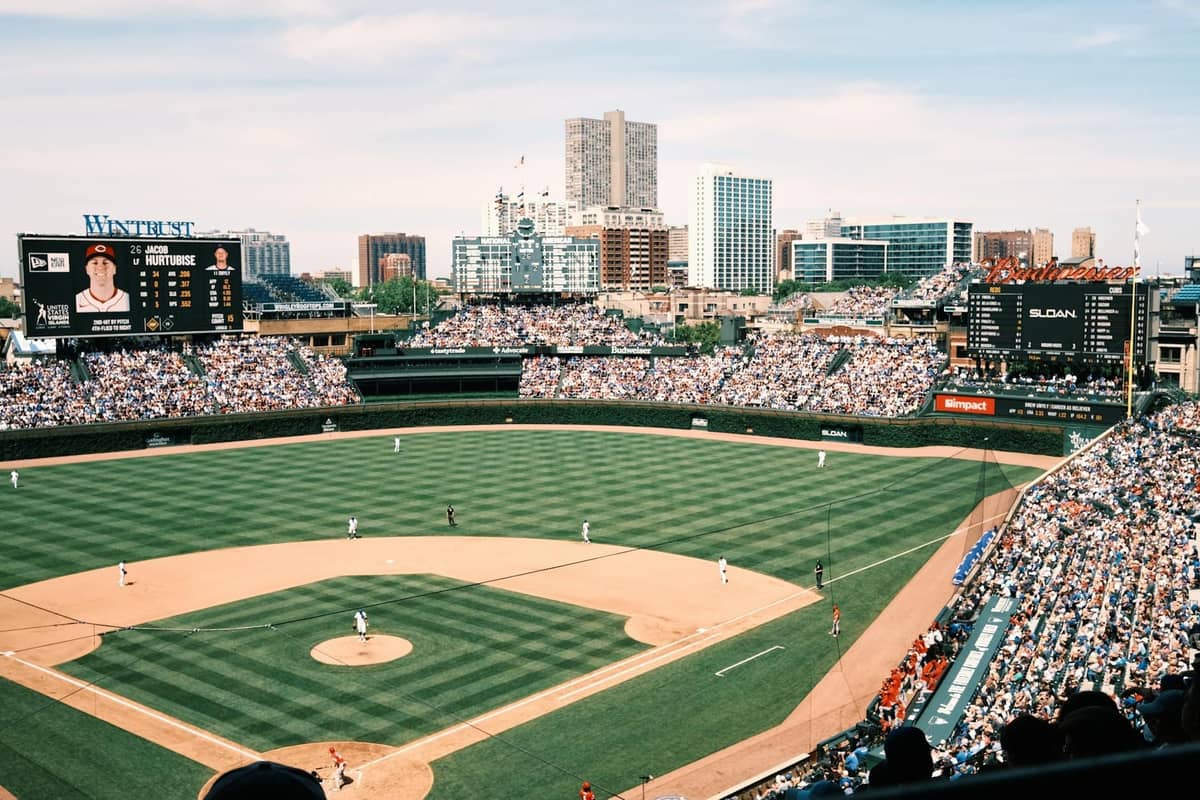
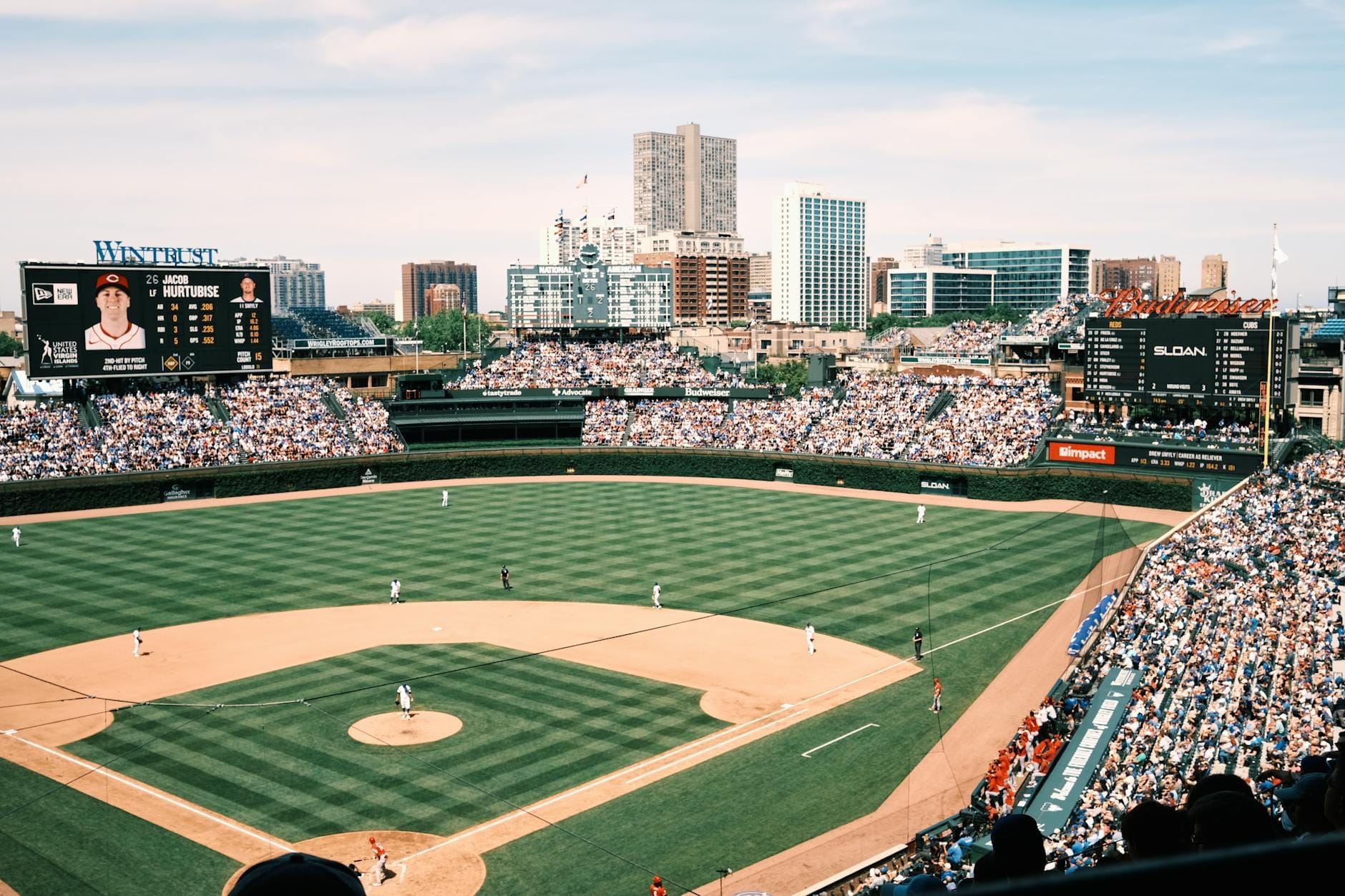
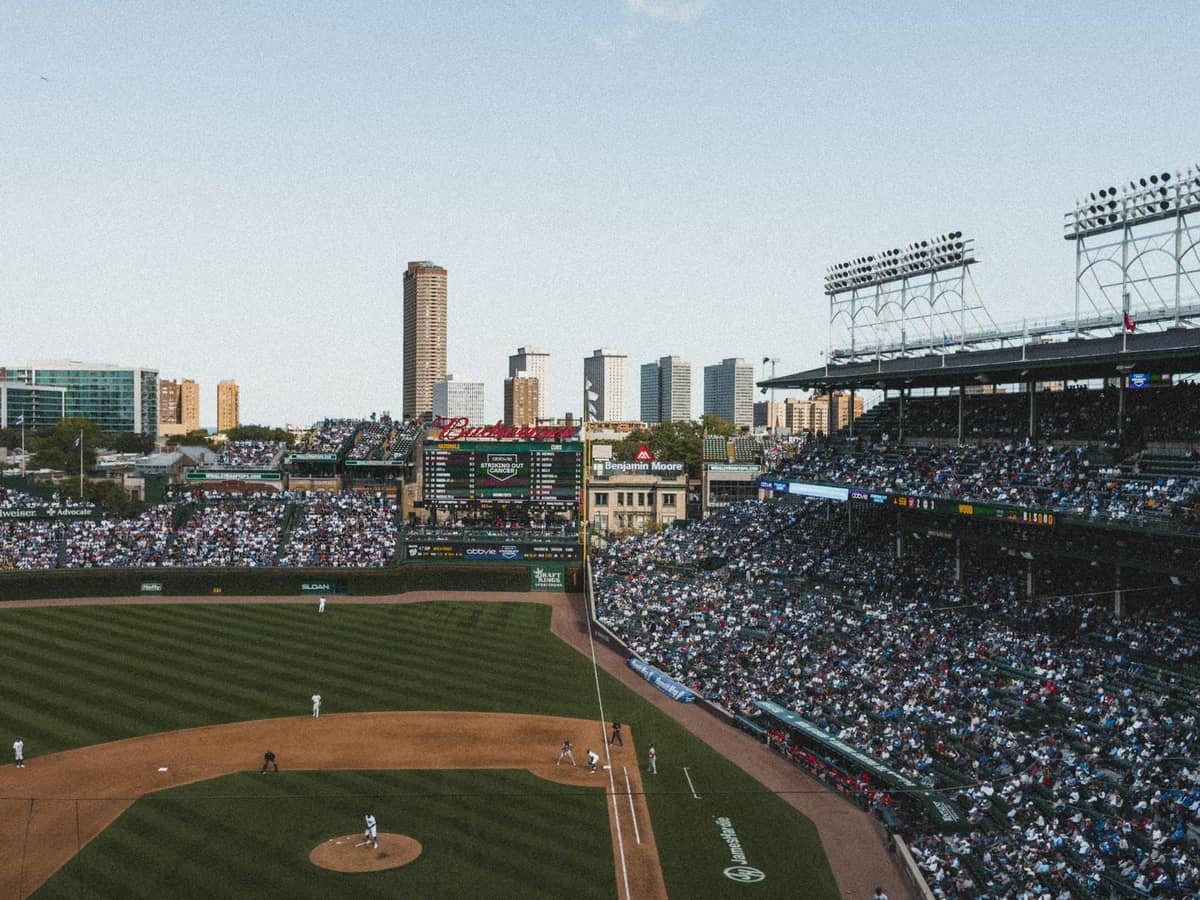
- Wrigley Field (Cubs, MLB) 1060 W Addison St, Wrigleyville. Built in 1914, it is the second-oldest MLB ballpark still in use. The ivy-covered outfield walls and rooftop bleachers on surrounding buildings are iconic. The neighborhood, Wrigleyville, turns into a street party on game days. Arrive 30-45 minutes early to walk the area and grab food on Clark Street before first pitch.
- Rate Field (White Sox, MLB) 333 W 35th St, Bridgeport. A modern ballpark from 1991, located south of the Loop near Chinatown. It gets far less tourist attention than Wrigley, which means easier ticket access, lower resale prices, and a more local crowd. Parking is plentiful and the CTA Red Line stops right at Sox-35th station.
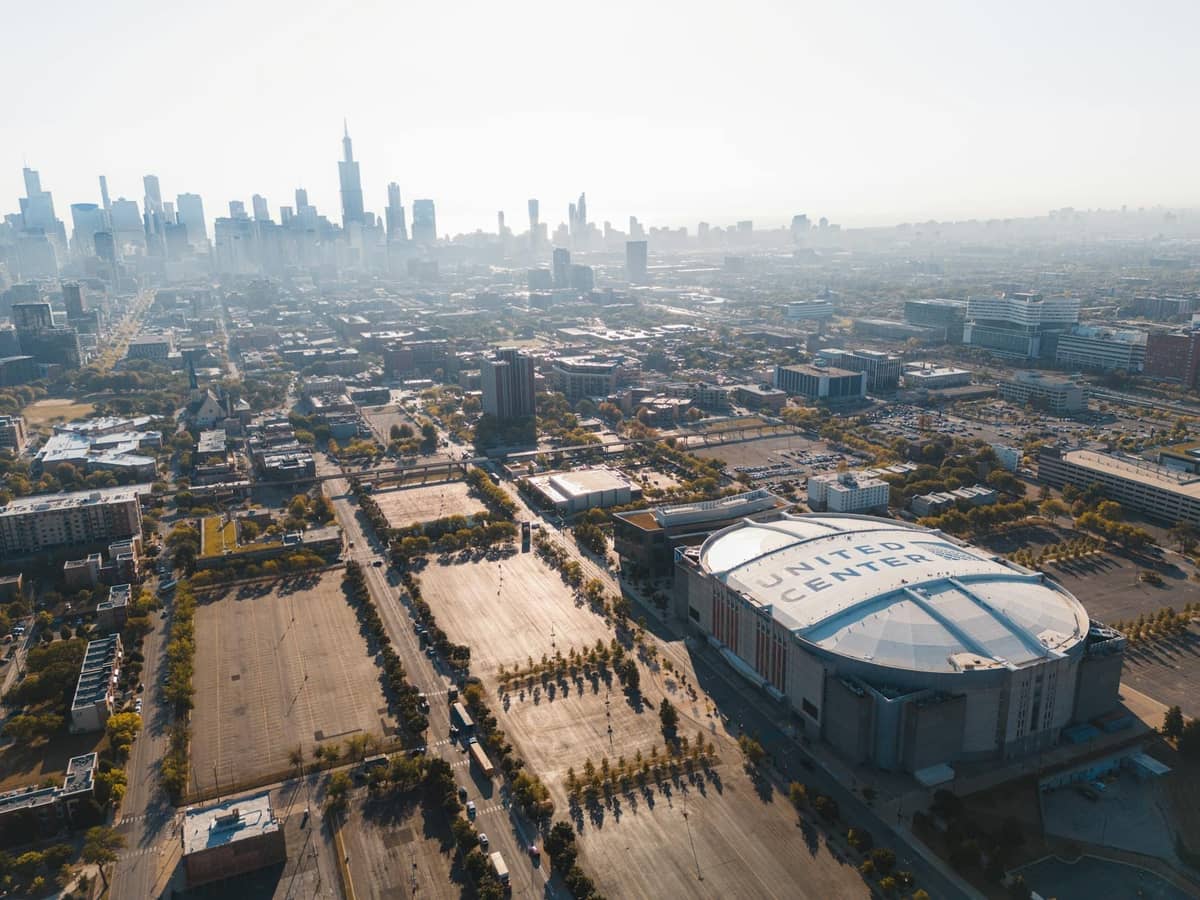
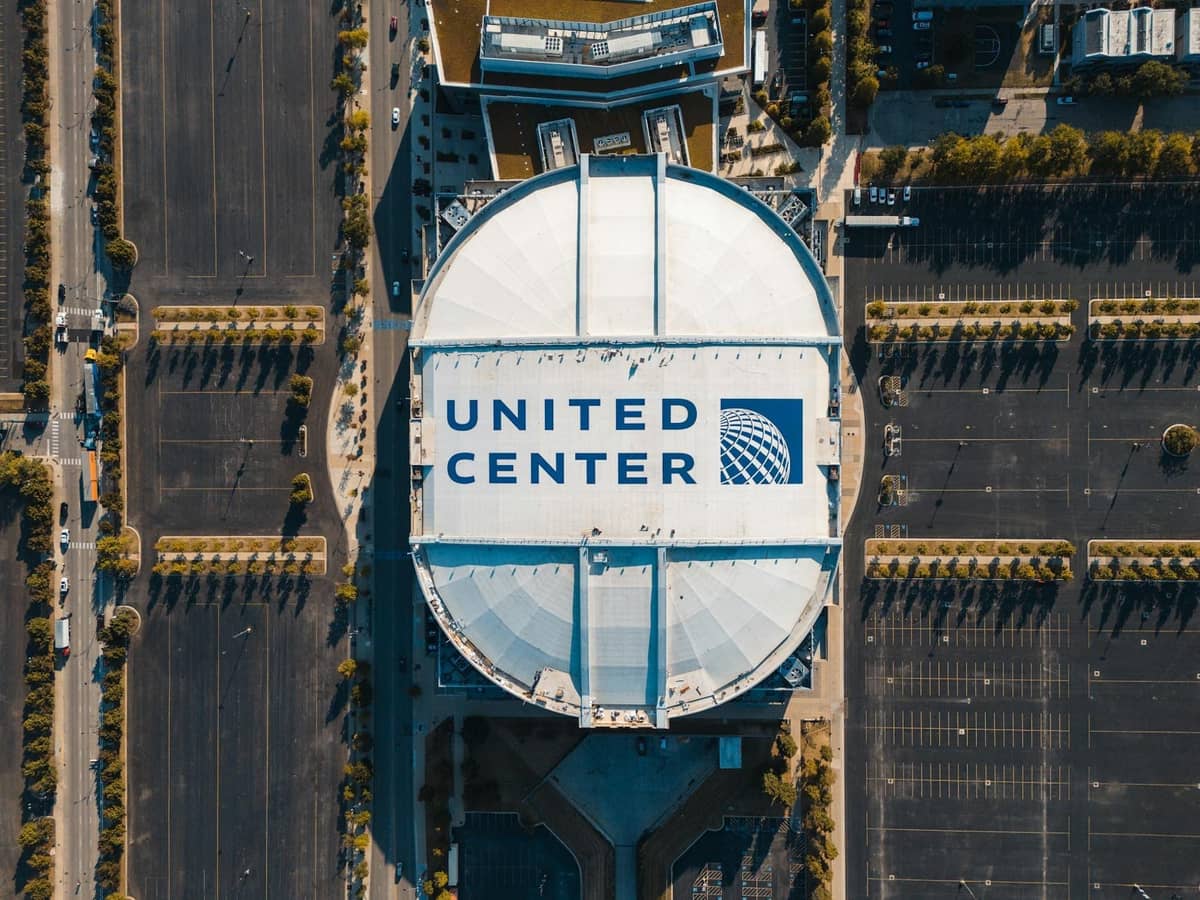
- United Center (Bulls and Blackhawks, NBA and NHL) 1901 W Madison St, West Side. Home to both the Bulls and Blackhawks, which means it runs near-constantly from October through June. The arena holds around 20,000 for hockey and slightly more for basketball. Take the CTA Pink or Green Line to Morgan, or the Blue Line to Illinois Medical District, then walk or rideshare the last half-mile.
- Soldier Field (Bears, NFL) 1410 Special Olympics Dr, Museum Campus area. The Bears' lakefront stadium sits adjacent to the Museum Campus, which makes pairing a game with the Field Museum or Shedd Aquarium realistic on the same day. The stadium's controversial 2003 renovation preserved the exterior colonnades while adding a modern bowl inside. NFL tickets are the priciest and most limited of any sport in the city.
💡 Local tip
For Wrigley Field, use the CTA Red Line to Addison station. The train drops you one block from the main entrance and completely bypasses the game-day traffic that clogs the surrounding streets. For United Center, rideshare is easier than public transit but expect surge pricing immediately after the final buzzer. Consider walking 10 minutes before requesting your ride.
Seasonal Breakdown: When to Catch Each Sport
Chicago's sports calendar is genuinely year-round, but the overlap seasons create some of the best opportunities. Understanding which sports are in season during your visit is the first step.
- Baseball (April through September, plus October playoffs) Both the Cubs and White Sox play 81 home games each, meaning tickets are almost always available somewhere. This is the easiest sport for a casual visitor to attend. Summer games at Wrigley in particular, with warm evenings and the surrounding neighborhood energy, represent Chicago sports culture at its most accessible.
- NFL Bears (September through January) Only 9 or 10 home games per regular season, and demand consistently exceeds supply. Tickets on the secondary market can run $150-400+ for standard seats at popular matchups. Plan well in advance if attending a Bears game is a priority.
- NBA Bulls and NHL Blackhawks (October through April, playoffs into June) Both teams share United Center, so there is almost always an event scheduled. Midweek games against lower-profile opponents offer the best value on both tickets and parking. Playoff games in either sport are significantly harder to attend without paying premium prices.
- MLS Fire and WNBA Sky (Spring through Summer) Chicago Fire FC and the Chicago Sky both operate on spring-summer schedules, running roughly from March/April into October. These games offer the most affordable entry points in Chicago pro sports, and the Sky in particular have developed a genuinely passionate fanbase.
ℹ️ Good to know
The Cubs-White Sox Crosstown Classic, an interleague series played each year, is one of the most charged atmospheres in Chicago sports. Tickets disappear fast and prices spike significantly. If you want to experience the city's baseball rivalry in person, monitor release dates months ahead of time.
Buying Tickets: The Smartest Approach
The official team websites and Ticketmaster handle primary ticket sales for most Chicago sports venues. SeatGeek and StubHub are the most reliable secondary market options, with buyer guarantees that protect against fraudulent tickets. For baseball especially, where 81 home games create a large supply, waiting until 24-48 hours before a game often yields lower prices than buying weeks in advance, as sellers lower prices to avoid holding inventory.
For Bears and playoff games across any sport, the opposite is true: prices tend to rise as the game approaches. The sweet spot for NBA and NHL tickets is usually 3-7 days out for regular-season games. Avoid purchasing from individuals outside the stadium. Wrigley Field in particular has a long history of ticket fraud targeting tourists unfamiliar with Chicago, and there is no way to verify a physical ticket's authenticity before it fails to scan at the gate.
⚠️ What to skip
Do not buy paper tickets from scalpers outside Wrigley Field. The area attracts organized ticket fraud operations targeting out-of-towners, and counterfeit tickets are sophisticated enough to look real. Stick to official channels or verified resale platforms with buyer protection guarantees.
The Game Day Experience: Cubs vs. White Sox
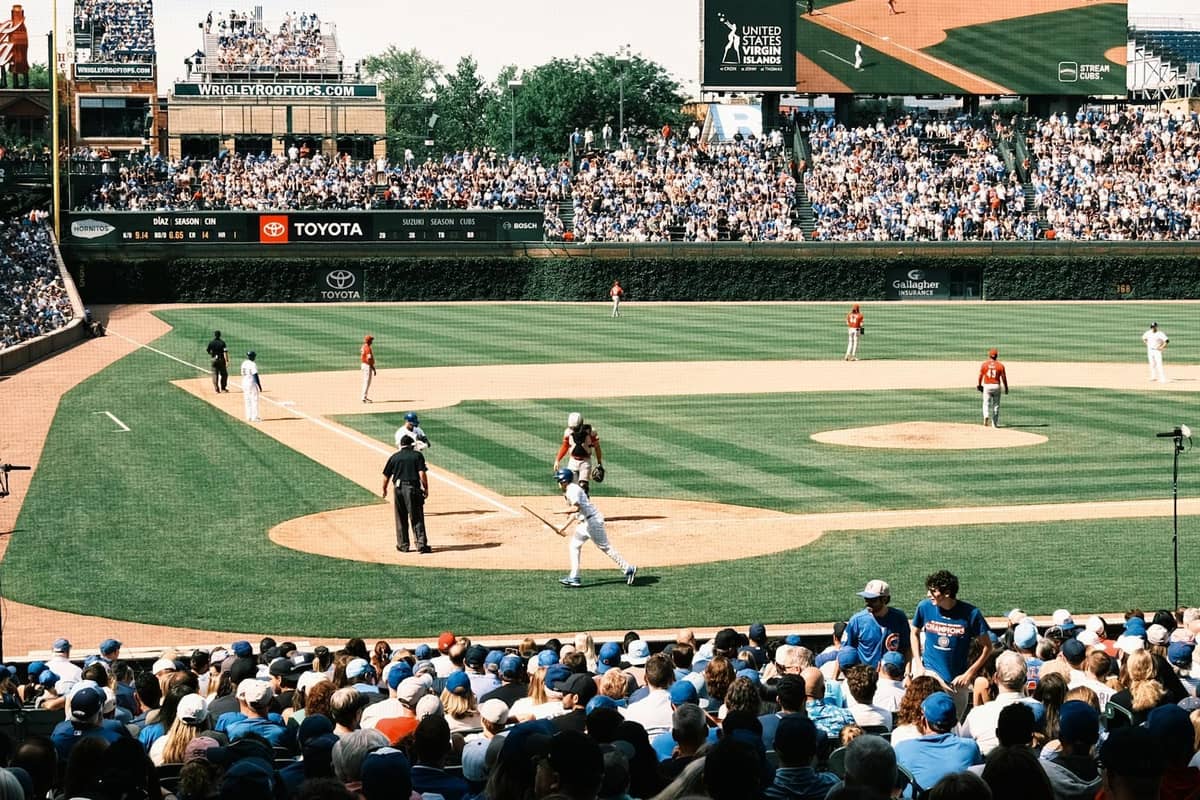
This is the most consequential choice a first-time Chicago sports visitor makes, and it is worth being direct about the differences. Wrigleyville and Wrigley Field offer a tourist-friendly, high-energy environment with bars, restaurants, and rooftop viewing sections all around the park. It is loud, social, and sometimes more about the experience than the baseball itself. The Cubs also tend to draw large visitor crowds, meaning you will not feel out of place as someone passing through the city.
Rate Field and the White Sox offer something different: a more local, less performative experience. The South Side crowd takes the game seriously. Tickets are consistently cheaper, the concessions are good, and the atmosphere during a competitive game is hard to match. If you want to feel like you are attending a baseball game rather than a baseball event, the South Side option is worth considering. Neither choice is wrong, and visiting both parks during the same trip is completely realistic given how many games are on the schedule.
Beyond the Big Four: Fire, Sky, and Special Events
The Chicago Sky (WNBA) deserves more attention than most travel guides give it. The team plays in a competitive conference and draws a knowledgeable fanbase. Ticket prices are significantly lower than any of the major men's leagues, making this one of the best-value sports experiences in the city. Games run from May through September, overlapping neatly with summer visits.
Chicago Fire FC plays in Major League Soccer and has a dedicated supporters' section that brings European-style supporter culture to the game. Fire matches offer an affordable, energetic introduction to American soccer for international visitors already familiar with the sport in their home country. Check the Fire's schedule and home venue arrangement for the current season, as the club returned to playing home matches at Soldier Field in 2020 after previously using suburban venues.
The Chicago Street Course for NASCAR has become an annual summer event run on a temporary circuit through the city's downtown streets. This is genuinely unusual for American motorsport and creates an atmosphere unlike anything else on the Chicago sports calendar. If the dates align with your visit, it is worth investigating. The city also hosts the Chicago Marathon each October, which while not a spectator sport in the traditional sense draws hundreds of thousands of people to the lakefront course.
- Check SeatGeek, Ticketmaster, and American Arenas for current schedules and pricing across all Chicago teams
- The United Center website lists both Bulls and Blackhawks home dates in a combined calendar, making it easy to see what's on during your stay
- Official team sites (Cubs.com, WhiteSox.com, Bulls.com, Blackhawks.com) sell tickets without secondary market markups for most regular-season games
- For same-day deals on baseball, check SeatGeek's Deal Score feature, which rates tickets by value relative to historical prices for that opponent and section
- Student and group discounts exist for most Chicago teams; check individual team sites for current promotions
If sports are only one part of a larger Chicago trip, the 3-day Chicago itinerary shows how to fit a game alongside the city's other major draws, from architecture to food to the lakefront.
FAQ
Which Chicago sports team is easiest to see live as a tourist?
Baseball is the most accessible option. Both the Cubs and White Sox play 81 home games each season from April through September, so tickets are almost always available. Cubs games at Wrigley Field have the most tourist-friendly setup, with the Red Line train stopping directly outside and dozens of bars and restaurants surrounding the park. White Sox games at Rate Field offer cheaper tickets and a more local atmosphere.
How do I get to Wrigley Field without a car?
The CTA Red Line is the best option. Take it to the Addison station, which is one block from the main gate. Trains run frequently on game days, and this completely avoids the traffic congestion that surrounds the park. Give yourself at least 15 minutes of buffer on the train ride home after the game, as platforms fill quickly.
Are Chicago Bears tickets hard to get?
Yes, relatively. The NFL plays only 17 regular-season games total, with 8 or 9 at home. Demand consistently exceeds the number of seats, which keeps prices elevated on the secondary market. Expect to pay $150-400 or more for regular seats at popular matchups. Plan well ahead and use verified resale platforms with buyer protection.
Do the Bulls and Blackhawks play at the same arena?
Yes. Both teams play at the United Center at 1901 W Madison Street on the city's West Side. The arena hosts NBA basketball and NHL hockey, meaning it is in near-constant use from October through April, and sometimes into June during playoff runs. Check the United Center's combined schedule when planning a visit.
What is the cheapest way to see professional sports in Chicago?
WNBA Chicago Sky games and MLS Chicago Fire FC matches offer the lowest entry prices among professional sports in the city. For the major leagues, White Sox games at Rate Field consistently run cheaper than Cubs games at Wrigley, and midweek NBA or NHL games against non-marquee opponents offer the best value at United Center. Buying tickets 24-48 hours before a baseball game can also yield last-minute discounts.