Lollapalooza Chicago: Visitor Guide & Tips
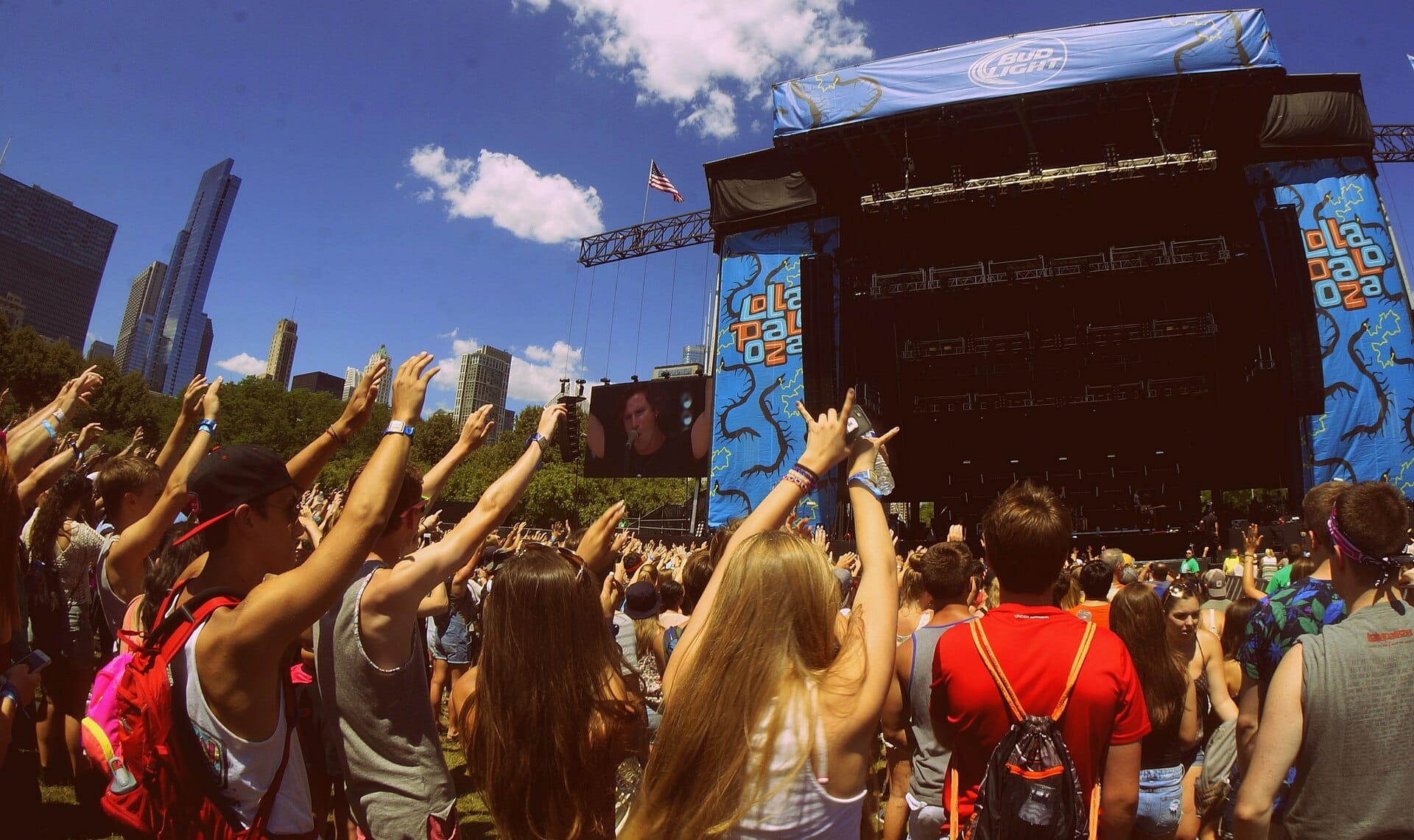
Lollapalooza takes over Grant Park for four days every summer, drawing around 460,000 people to one of the world's biggest music festivals. This guide covers tickets, the 2026 lineup, on-site logistics, getting there, where to stay, and what first-timers get wrong.
Plan and book this trip
Tools from our partner Travelpayouts help you compare flights and hotels. If you book through them, we may earn a commission at no extra cost to you.
Flights
Hotels map
TL;DR
- Lollapalooza 2026 runs Thursday, July 30 to Sunday, August 2, 2026, in Grant Park, Chicago.
- Four-day passes run around $379–$400; single-day tickets around $150. The festival sells out fast, so buy early through the official site.
- The festival is all-ages and covers far more than rock: pop, hip-hop, EDM, and alternative all feature prominently.
- Late July in Chicago is hot and humid with minimal shade in Grant Park. Hydration and sun protection are non-negotiable. See the full Chicago summer guide for broader seasonal context.
- Stay as close to Grant Park as possible or use the CTA Blue or Orange Line to avoid the rideshare surge pricing that hits hard after headliner sets.
What Lollapalooza Actually Is (and What It Isn't)
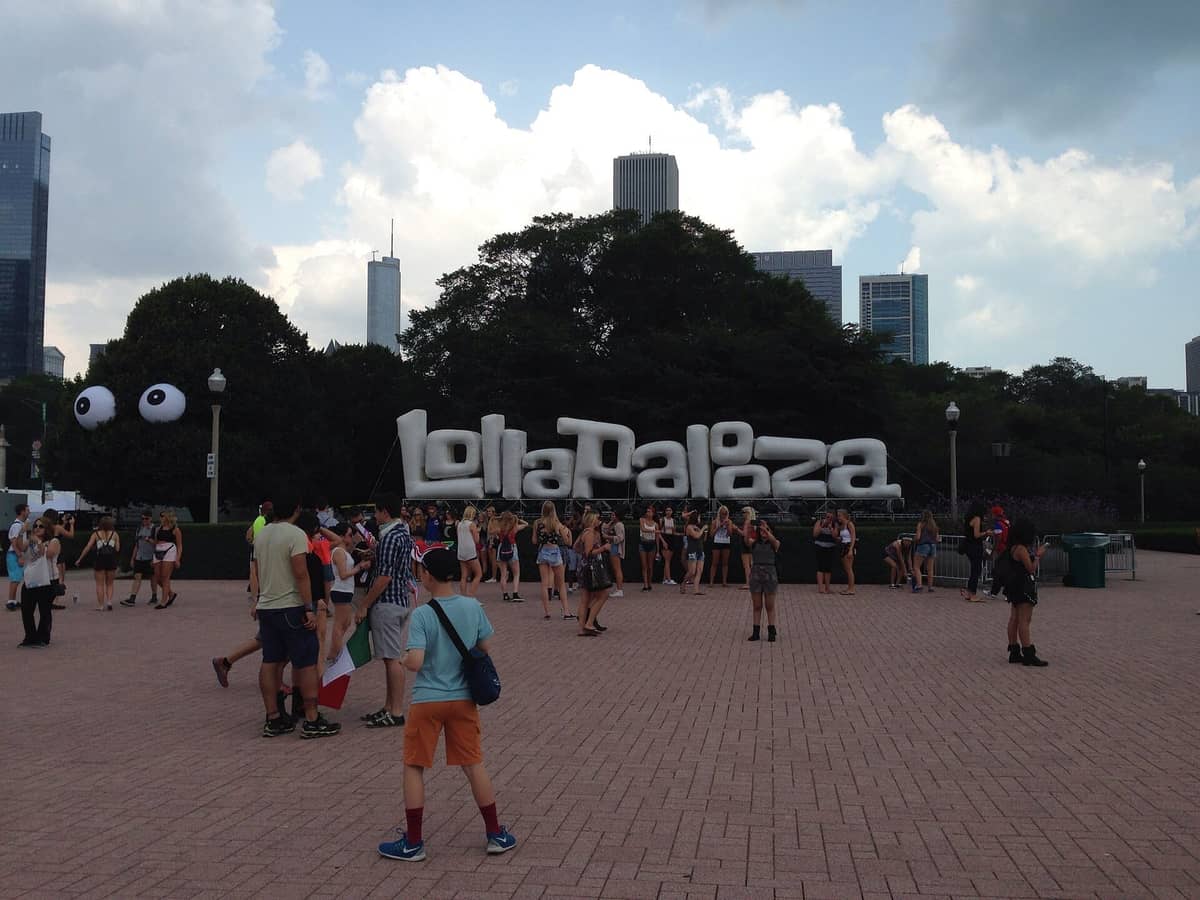
Lollapalooza started as a touring festival in 1991 but found a permanent home in Chicago's Grant Park in 2005. Since then it has grown into one of the largest music festivals in the world, pulling around 460,000 attendees over four days each August. It typically generates hundreds of millions of dollars for Chicago's local economy each year and pays substantial rent to the Chicago Park District, which gives a sense of the operation's scale.
The festival spans multiple stages across Grant Park, a 313-acre lakefront park in the heart of downtown Chicago. The stage count and layout shift slightly year to year, but attendees typically choose between eight stages at any given time slot, which makes schedule conflicts a near-constant reality. Planning your day around two or three must-see artists and staying flexible for the rest is a smarter approach than trying to map out every hour in advance.
ℹ️ Good to know
Common misconception: Lollapalooza is not an 18+ event and it is not a rock-only festival. It is all-ages, and the 2026 lineup includes headliners such as Charli XCX, Lorde, Tate McRae, Olivia Dean, John Summit, Jennie, The Smashing Pumpkins, and The xx — a spread that covers pop, K-pop, electronic, alternative, and rock. Historically, genres have included hip-hop, EDM, punk, and metal alongside mainstream pop. There is also Kidzapalooza, a dedicated kids' programming area, making it genuinely family-accessible.
2026 Dates, Lineup, and Tickets
Lollapalooza 2026 is scheduled for Thursday, July 30 through Sunday, August 2, 2026, in Grant Park, Chicago, IL. The 2026 lineup is live, with headliners including Charli XCX, Lorde, Tate McRae, Olivia Dean, John Summit, Jennie, The Smashing Pumpkins, and The xx, plus more than 170 artists across the bill. Daily stage schedules and any late additions are posted on the official Lollapalooza website — confirm there before you plan set times.
- 4-Day Pass The most cost-effective option if you plan to attend multiple days. Indicative pricing for recent years has been around $379–$400, though 2026 prices should be verified on the official site before purchasing.
- Single-Day Tickets Around $150 per day as a general reference point, with pricing varying by day depending on the headliner. Thursday tends to be slightly lower demand than weekend days.
- VIP and Platinum Options Premium tiers include dedicated viewing areas, lounges, and expedited entry. Prices are significantly higher but can be worth it in extreme heat, as VIP areas typically offer more shade and seating.
- Wristband Pickup Wristbands must be picked up in person at designated will-call locations; this is typically not available on the day of the event, so plan ahead.
⚠️ What to skip
Lollapalooza regularly sells out weeks or months before the event. Do not wait until July to buy tickets. Prices on secondary markets can be two to three times face value. Only purchase through the official Lollapalooza website or verified ticket partners to avoid counterfeit wristbands.
Grant Park: The Venue and What to Expect On-Site
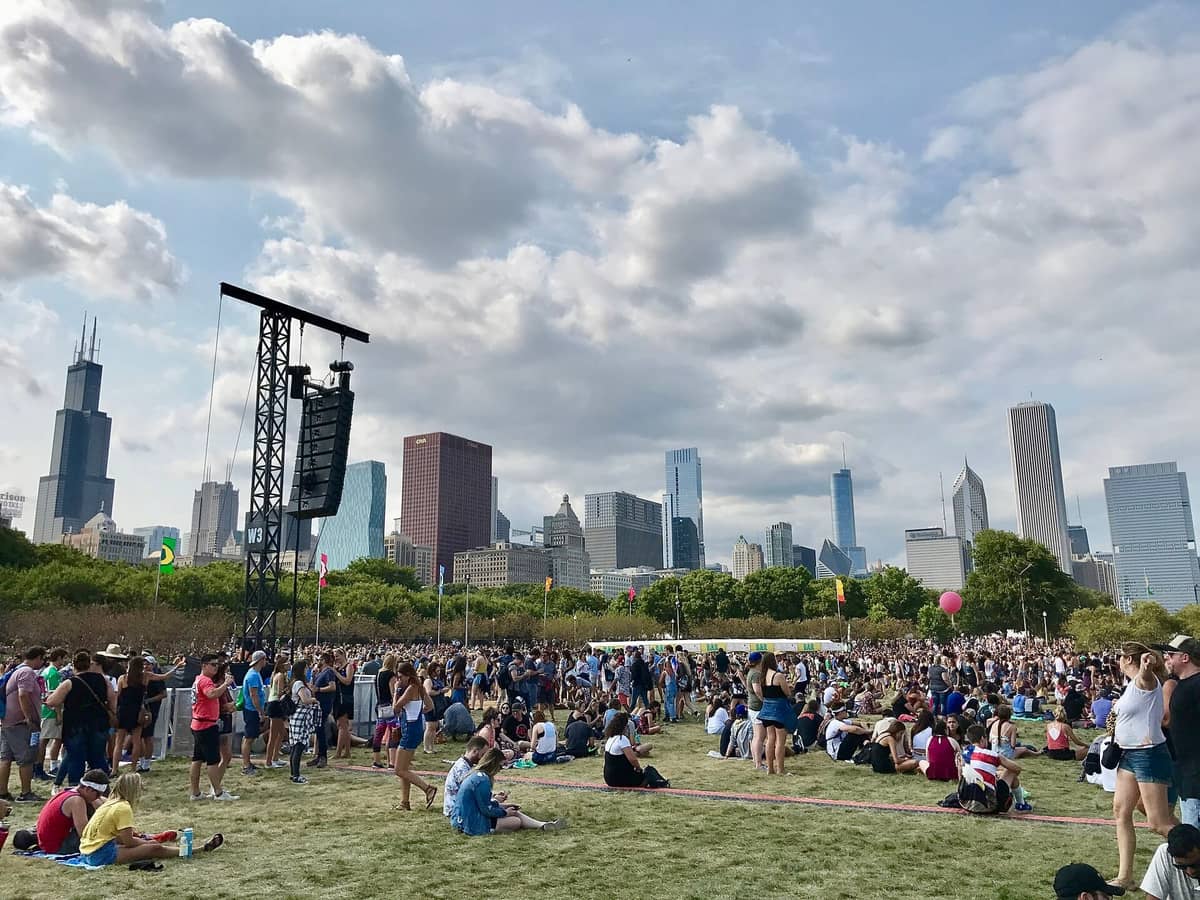
Grant Park is Chicago's front yard: a flat, mostly open lakefront park bordered by Michigan Avenue to the west and Lake Michigan to the east. The park is also home to Millennium Park, Buckingham Fountain, and the Museum Campus to the south. During Lollapalooza, large sections of the park are fenced off and transformed into the festival footprint, with stages, food vendors, merchandise areas, and brand activations filling the space.
The open layout is both a feature and a challenge. Sound carries well between stages, which helps you catch acts from a distance, but the lack of natural shade is a serious issue in late July. Grant Park has very few trees in its main open sections. By mid-afternoon, concrete and asphalt surfaces radiate heat. Sunscreen, a hat, and a refillable water bottle are not optional accessories — they are survival gear. The festival provides water refill stations on-site, which is one of the better amenities.
- Arrive at opening time on days with acts you care about most — lines at the gates can run 30–45 minutes during peak entry periods.
- Study the stage map before each day. The park is large enough that walking from one end to another during overlapping sets is not always feasible.
- Cell service degrades significantly inside the festival grounds during peak hours. Download schedules and maps to your phone before entering.
- Cashless payments are standard at most Lollapalooza vendors. Credit and debit cards work at most booths; some use festival-specific wristband payment systems.
- Re-entry policies vary year to year. Check the current year's FAQ on the official site before assuming you can leave and return.
- Bags are subject to security checks. Hard-sided coolers and professional camera equipment with detachable lenses are typically prohibited; verify the current policy on the official site.
Getting There: Transport Logistics During the Festival
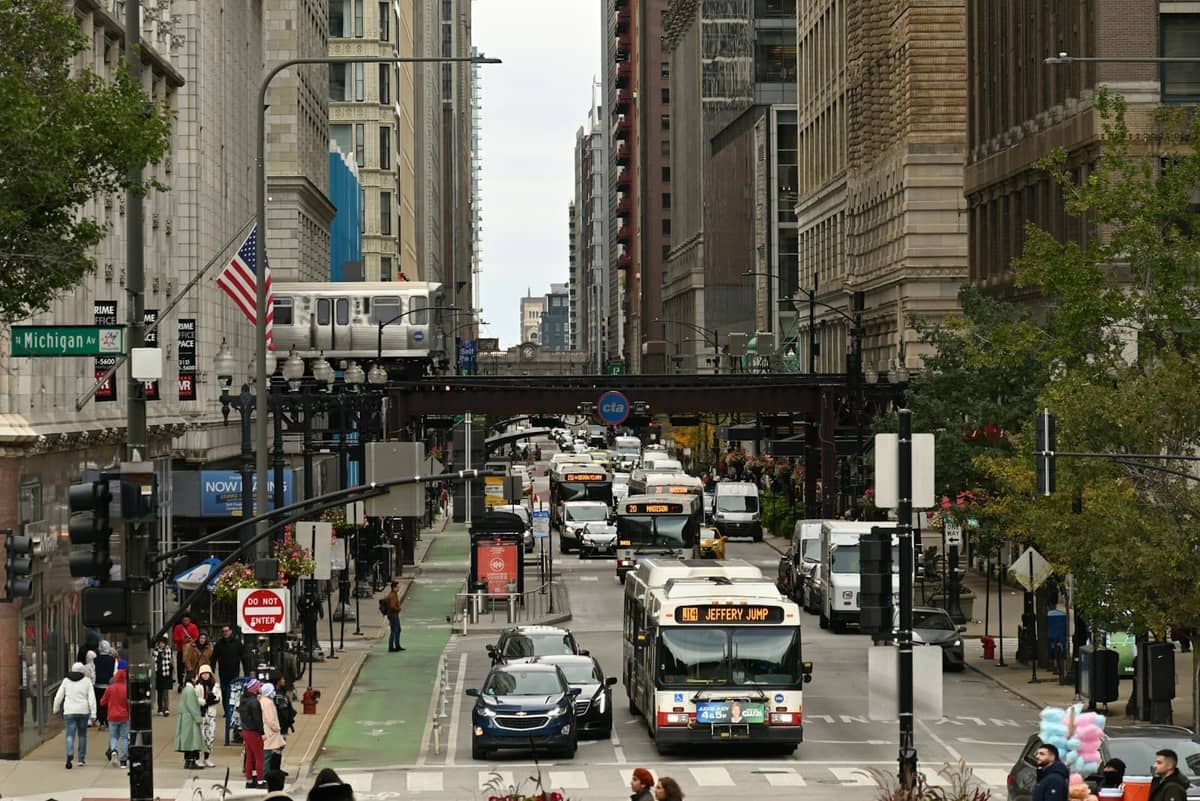
Grant Park sits at the eastern edge of the Loop, making it one of the most transit-accessible festival venues in the country. The CTA's 'L' train system has multiple stops within a short walk of the park. If you're flying in, O'Hare International Airport (ORD) is about 17 miles northwest of downtown, and the CTA Blue Line runs directly to the Loop in about 45 minutes for around $5. Midway Airport (MDW) is about 10 miles southwest, with the Orange Line reaching the Loop in about 20–25 minutes. Full transport options are covered in our guide to getting around Chicago.
During the festival itself, the stretch of Michigan Avenue adjacent to Grant Park becomes one of the most congested areas in Chicago. Driving and parking are genuinely bad ideas. Rideshare pickup zones fill up immediately after headliner sets end, and surge pricing during those windows can be extreme — think $40–$80 for a ride that would normally cost $12. The CTA is far and away the best option for getting home after a late set. Trains run past midnight on most nights, and the extra crowds are manageable if you move quickly after the headliner ends rather than waiting.
✨ Pro tip
After the closing headliner on each night, walk two or three blocks north or south of the nearest festival gate before requesting a rideshare. The surge pricing and wait times drop noticeably once you move away from the main crowd exit points. Alternatively, walk the lakefront path north toward Michigan Avenue and pick up at a quieter location.
Where to Stay During Lollapalooza
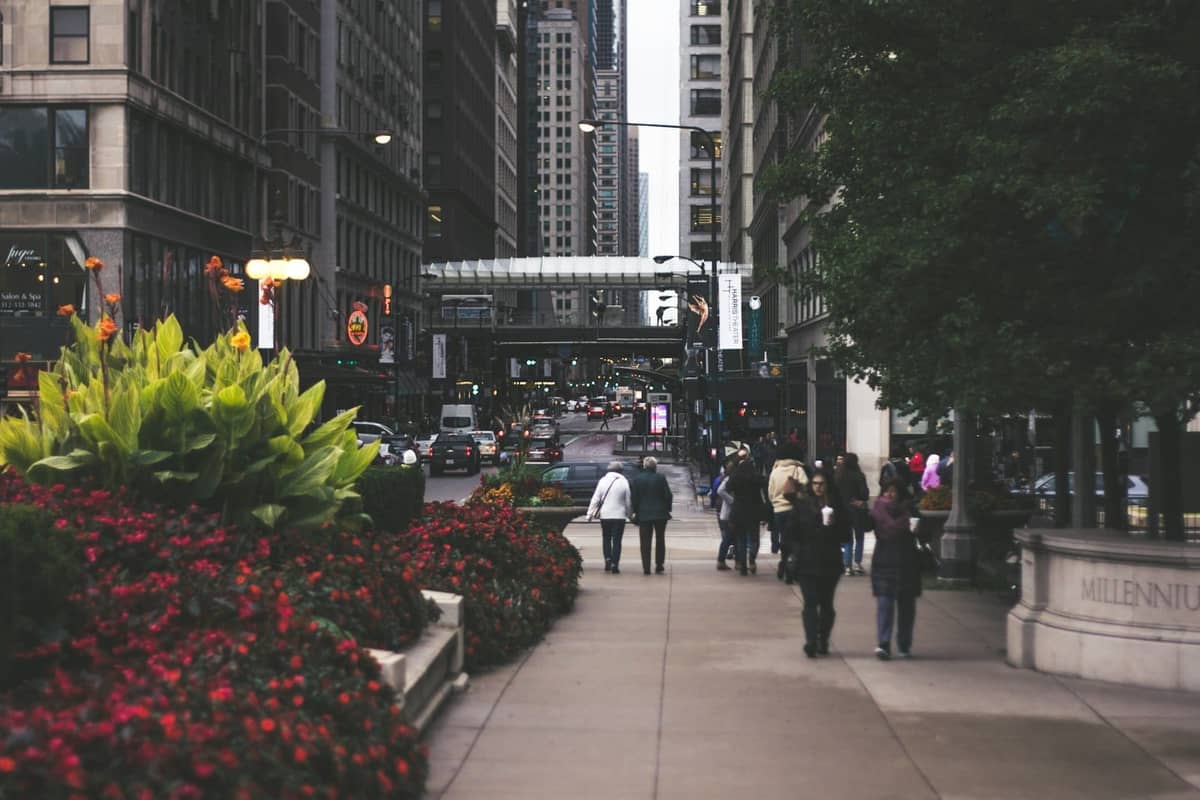
Hotel rates in Chicago spike considerably during Lollapalooza weekend, and properties within walking distance of Grant Park — particularly those in the Loop, South Loop, and Magnificent Mile — book up months in advance. If you're planning to attend all four days, proximity to the venue is worth the premium: you can return to your room to shower and recharge mid-afternoon, which makes a significant difference over a long, hot weekend. See our full Chicago accommodation guide for a breakdown of neighborhoods and price ranges.
The Loop and South Loop offer the closest options: some hotels are literally a 10-minute walk from the festival gates. The Magnificent Mile and River North areas are also practical, adding a 15–20 minute walk along Michigan Avenue. For budget travelers, neighborhoods like Wicker Park or Logan Square offer lower rates and good CTA access via the Blue Line, though the commute adds 30 minutes each way. Book as early as possible — ideally when you purchase tickets. Short-term rental platforms like Airbnb and VRBO are popular alternatives, but rates surge just as dramatically as hotels during the festival period.
Weather, What to Wear, and Staying Comfortable
Late July and early August in Chicago are genuinely hot. Average high temperatures sit around 83°F (28°C), humidity is high, and there is essentially no shade in the main Grant Park festival area. This is not a hypothetical concern: heat exhaustion is a real risk when you're standing in direct sun for six to eight hours. The festival medical team handles multiple heat-related incidents every year.
Afternoon thunderstorms are also a legitimate possibility. Chicago's summer weather patterns mean convective storms can develop quickly, sometimes forcing brief stage delays or, in rare cases, temporary evacuations to sheltered areas. Pack a lightweight rain poncho that folds into your bag — an umbrella is impractical in dense crowds and often prohibited. Check the weather forecast each morning and note where the covered areas and medical tents are located when you enter the grounds.
- Wear light, moisture-wicking clothing. Avoid dark colors if you plan to be in full sun.
- Apply SPF 50+ sunscreen before entering and reapply mid-afternoon.
- Bring a refillable water bottle. On-site refill stations are available and using them will save you money.
- Comfortable, closed-toe shoes are strongly recommended. The grounds can be muddy after rain, and your feet will take a beating over four days.
- A small crossbody bag or fanny pack keeps your hands free and fits within most bag-size restrictions. Check the current year's bag policy before you pack.
- Charge your phone fully each morning. External battery packs are allowed under most bag policies and are extremely useful when cell service is unreliable.
💡 Local tip
If the heat becomes overwhelming mid-afternoon, the Art Institute of Chicago sits directly on the northern edge of Grant Park at Michigan Avenue and Adams Street. It's air-conditioned, and festival wristbands do not grant free entry, but a $26–$30 admission gets you an hour or two of genuine relief. Alternatively, duck into any hotel lobby along Michigan Avenue for a brief break.
Eating, Drinking, and Exploring Chicago Around the Festival
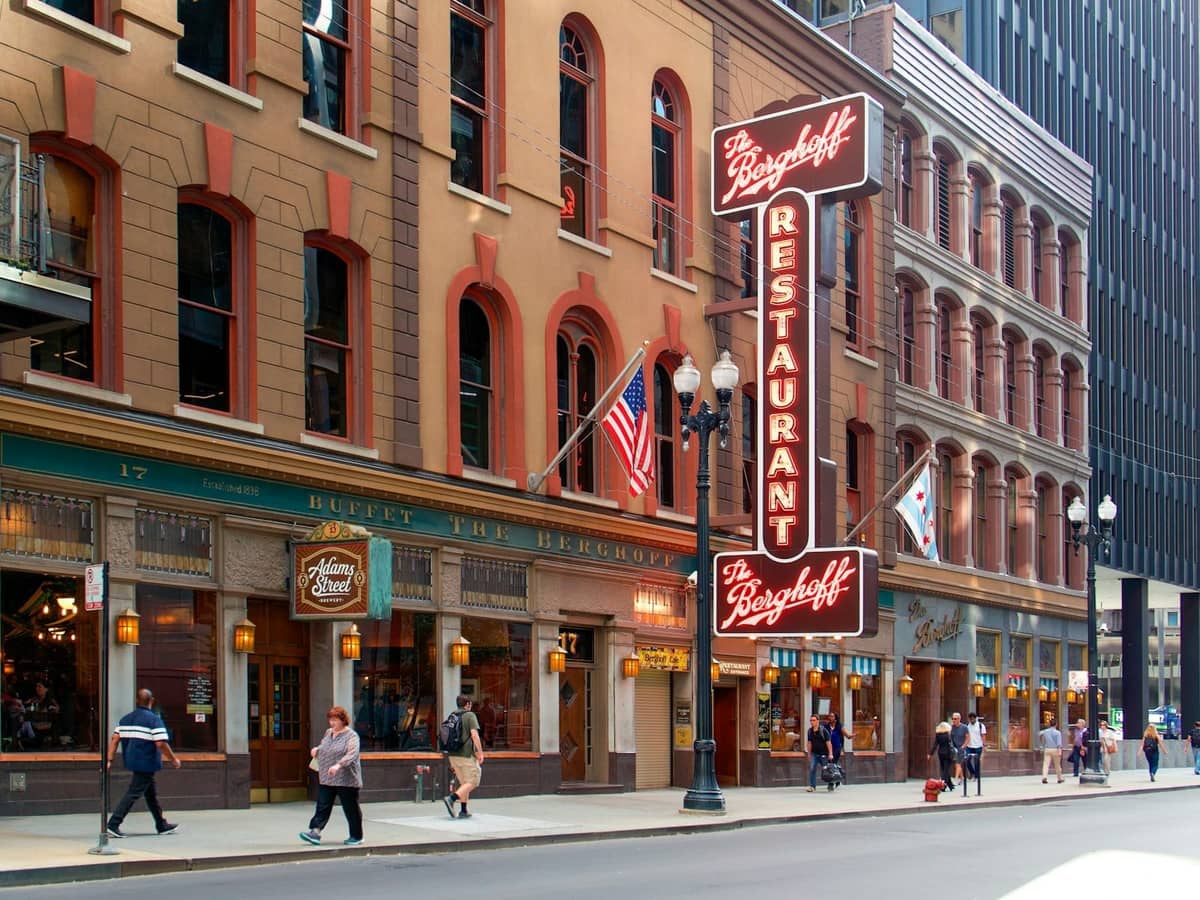
Food and drink inside the festival grounds are expensive by design, with most items running $12–$18 for a meal and $10–$14 for a beer. The quality is better than the typical festival food court, with Chicago vendors and local restaurants often represented, but it is still festival pricing. If budget matters, eating a proper meal before entering each day is the most effective cost control measure. The neighborhoods immediately surrounding Grant Park — particularly the West Loop and South Loop — have some of Chicago's best restaurants. See our Chicago dining guide for specific recommendations by neighborhood.
For a quick, iconic Chicago meal before or after a festival day, the deep-dish pizza debate alone could fill an evening. Closer to Grant Park, the West Loop along Randolph Street has become the city's most concentrated fine dining corridor, but there are plenty of casual options too. If you have a free morning, the Chicago food guide covers everything from Chicago-style hot dogs to the neighborhood spots that locals actually use.
FAQ
When is Lollapalooza 2026 and where is it held?
Lollapalooza 2026 runs from Thursday, July 30 to Sunday, August 2, 2026, in Grant Park, Chicago, Illinois. The festival has been held permanently in Grant Park since 2005.
How much do Lollapalooza tickets cost?
Based on recent years, four-day passes have run approximately $379–$400 and single-day tickets around $150, though exact 2026 pricing should be confirmed on the official Lollapalooza website. Prices vary by day and tier (general admission vs. VIP). The festival sells out regularly, so early purchase is strongly recommended.
Is Lollapalooza suitable for families with young children?
Yes. Lollapalooza is an all-ages event. The festival has historically offered Kidzapalooza, a dedicated area with programming for younger attendees. That said, the heat, crowds, and late evening sets are worth factoring into your planning if you're bringing children under 10.
What is the best way to get to Grant Park during Lollapalooza?
The CTA 'L' train is the most reliable option. Multiple lines stop within walking distance of Grant Park, and trains run late into the night. Avoid driving: parking near Grant Park during the festival is extremely limited and expensive. Rideshare surge pricing is severe immediately after headliner sets end, so if you use Uber or Lyft, walk a few blocks from the main gates before requesting your ride.
What should I know about the weather at Lollapalooza?
Late July and early August in Chicago are hot and humid, with average highs around 84°F (29°C). Grant Park has very little shade. Sunscreen, a hat, and a refillable water bottle are essential. Afternoon thunderstorms are possible; pack a lightweight rain poncho. Check the forecast each morning and know where medical tents are located when you enter the grounds.