Where to Stay in Chicago: Best Neighborhoods & Hotels for Every Traveler
Choosing where to stay in Chicago shapes your entire trip. This guide breaks down the city's top neighborhoods by location, price, vibe, and transit access, so you can book with confidence whether you're a first-timer or returning visitor.
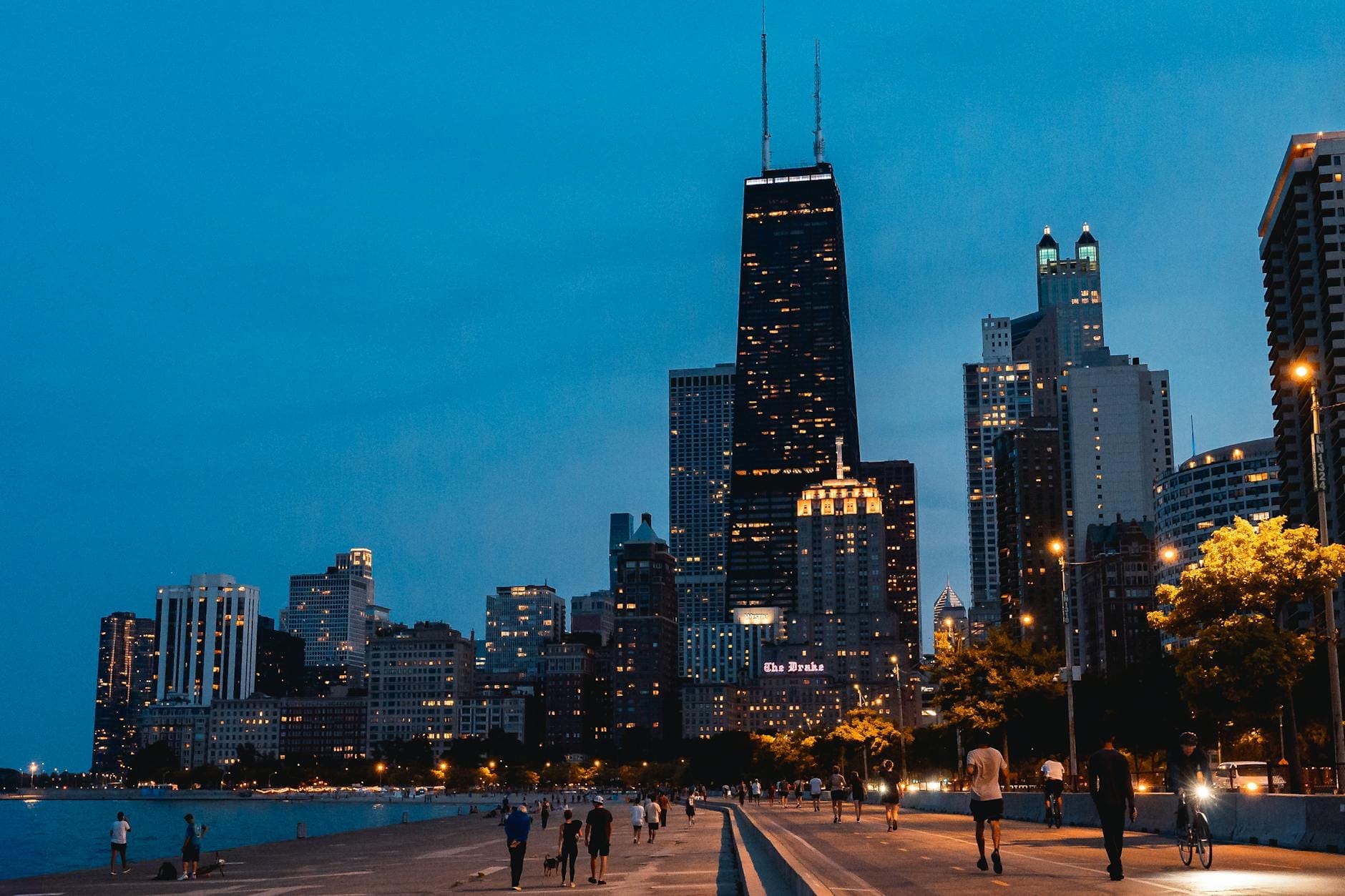
Plan and book this trip
Tools from our partner Travelpayouts help you compare flights and hotels. If you book through them, we may earn a commission at no extra cost to you.
Flights
Hotels map
TL;DR
- First-timers do best in The Loop, River North, or Streeterville, all of which put major attractions within walking distance. See our Chicago 1-day itinerary to understand why location matters so much here.
- River North is the single most popular base for new visitors, thanks to its density of hotels, restaurants, and easy CTA access.
- Budget travelers should look at Lincoln Park and Logan Square, both well-connected by the L train and significantly cheaper than downtown.
- Downtown hotel rates typically run $220–280/night for 3-star and $300–400/night for 4-star; off-downtown neighborhoods can cut that by 30–50%.
- Winter stays are best in the Downtown core, where indoor attractions and the CTA Pedway reduce time spent outside in subzero temperatures.
How to Choose Where to Stay in Chicago
Chicago is a large city, covering 228 square miles, but its hotel and tourism infrastructure is concentrated enough that neighborhood choice comes down to three real questions: How close do you need to be to specific attractions? How comfortable are you with public transit? And what is your nightly budget? The answers will point you to one of a handful of areas that together account for the majority of Chicago's visitor accommodation.
The city's CTA "L" train connects most visitor-friendly neighborhoods to downtown in under about 30 minutes, which means you do not have to pay for a hotel in the Loop to access Millennium Park or the Art Institute of Chicago. That said, walkability still matters, especially in winter when temperatures regularly drop below freezing and wind off Lake Michigan makes a ten-minute outdoor walk feel considerably longer.
💡 Local tip
Book accommodation near a CTA L station rather than a specific hotel brand. Chicago's train network is reliable and frequent, and being two stops from downtown is rarely a meaningful inconvenience.
The Loop and South Loop: Best for First-Timers and Business Travelers
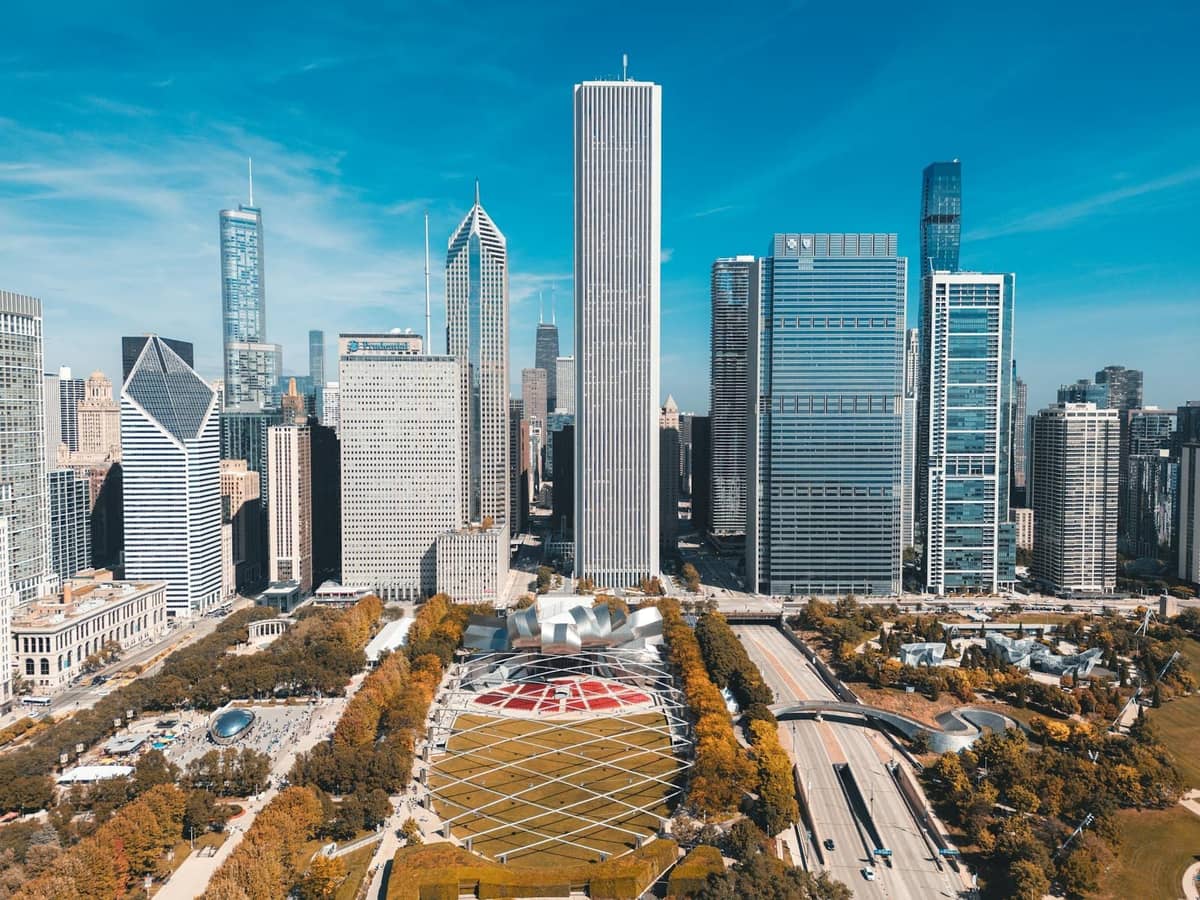
The Loop is Chicago's central business district and the historic hub of the "L" train network. Staying here puts you within walking distance of Cloud Gate, the Chicago Riverwalk, the Art Institute, and Grant Park. Every single L line passes through here, which makes it the most transit-connected place to stay in the entire city.
The drawback is atmosphere, or the relative lack of it at night. The Loop empties out after business hours on weekdays. Restaurants and bars thin out considerably compared to neighborhoods like River North or the West Loop. For travelers whose priority is sightseeing efficiency and who plan to eat dinner elsewhere, the Loop is excellent. For travelers who want to walk out of their hotel into a lively street scene at 9pm, it is a poor fit.
The South Loop, immediately south of the central business district, adds the Museum Campus to the equation. Staying here makes the Field Museum, Shedd Aquarium, and Adler Planetarium genuinely walkable, which is a real advantage for families. Prices here can run slightly lower than the Loop core, and there is more residential character, though hotel options are fewer overall.
- Best for First-time visitors, business travelers, families targeting Museum Campus
- Typical nightly rate (3-star) Around $220–280 per night
- Typical nightly rate (4-star) Around $300–400 per night
- Transit access Exceptional — every CTA L line runs through the Loop
- Walkability High to major daytime attractions; lower for evening dining and nightlife
River North and Magnificent Mile: Most Popular, Highest Hotel Density
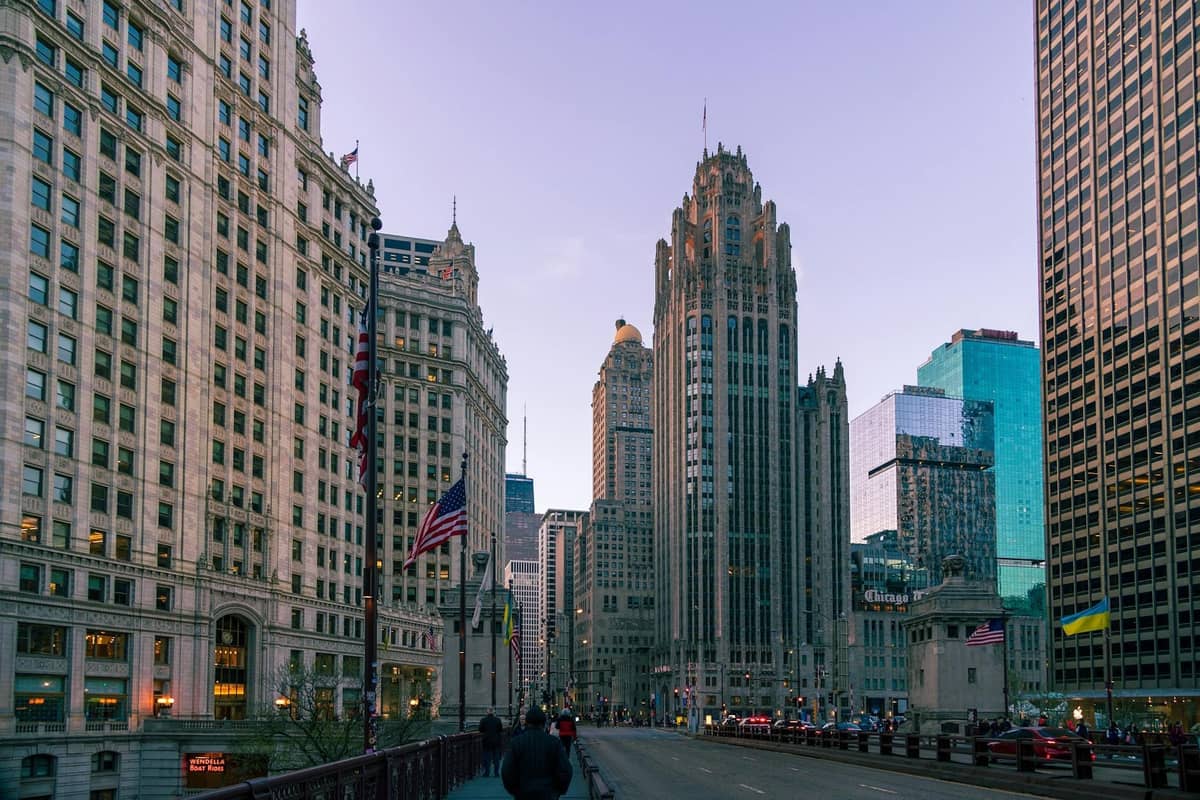
River North, just north of the Chicago River and west of Michigan Avenue, is consistently cited as the most popular base for first-time visitors. The concentration of hotels here is higher than almost anywhere else in the city, which means competitive pricing, a wide range of brands and star ratings, and genuine walkability to the Riverwalk, the Loop, and Michigan Avenue shopping.
The Magnificent Mile, the stretch of North Michigan Avenue between the Chicago River and Oak Street, sits just east of River North in the Streeterville area. Staying along or near the Mag Mile puts you steps from flagship stores, Navy Pier (about a 15-minute walk east), and the Chicago Water Tower. The tradeoff is that rates trend higher and the area can feel more tourist-oriented than River North.
One common misconception worth addressing: you do not need to stay on the Magnificent Mile to enjoy it. River North hotels are typically 5–10 minutes on foot from Michigan Avenue and often offer meaningfully lower rates for equivalent quality. If you want proximity without the premium, River North is the smarter pick.
⚠️ What to skip
Avoid booking the cheapest hotels on the outer edges of River North without checking their exact location. Some properties listed as 'River North' are closer to the industrial Goose Island area and require a CTA ride to reach the neighborhood's restaurants and nightlife.
Lincoln Park, Lakeview, and Wrigleyville: Best for a Local Feel
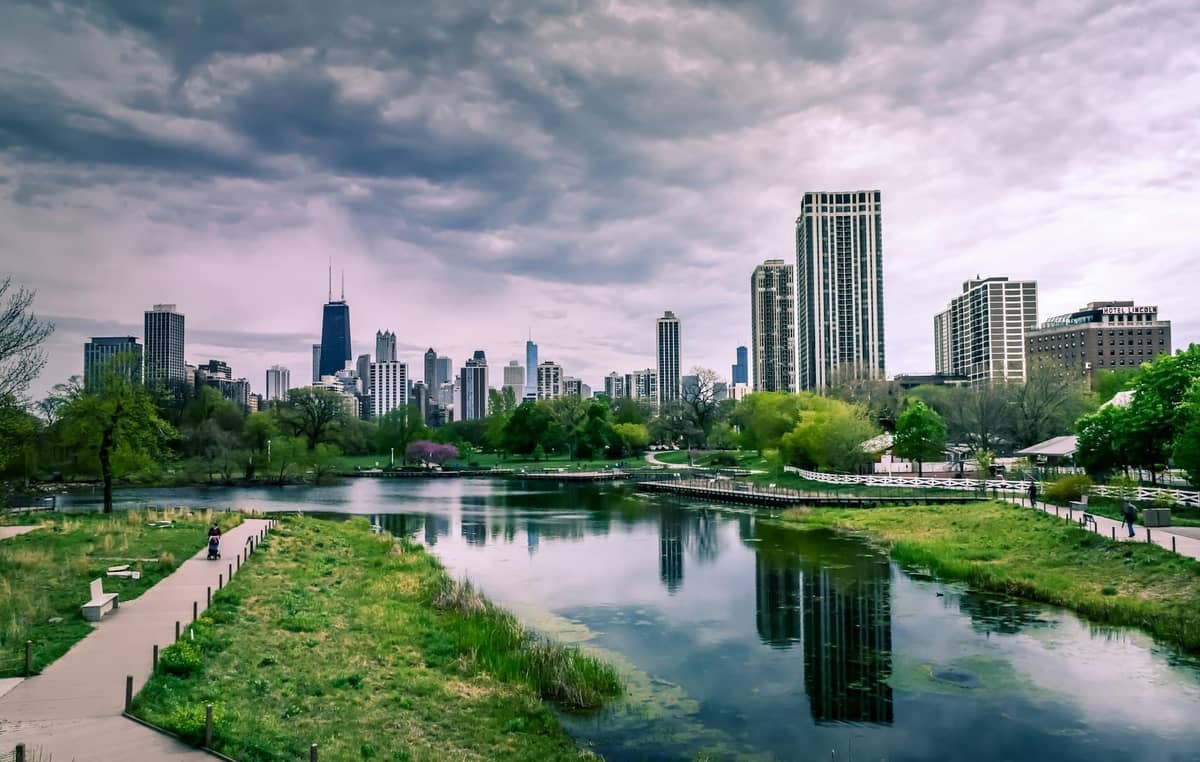
If your goal is to experience Chicago as a city rather than a tourist attraction, the North Side neighborhoods are worth serious consideration. Lincoln Park and Old Town offer a mix of tree-lined residential streets, the free-admission Lincoln Park Zoo, and an independent restaurant and bar scene that feels genuinely different from the downtown hotel corridor.
Lincoln Park is also where Chicago Getaway Hostel operates, which is one of the few quality hostel options in the city for budget travelers looking for dorm beds or private rooms at significantly lower price points than downtown hotels. The Red and Brown CTA lines connect both Lincoln Park and Lakeview to the Loop in roughly 15–30 minutes, depending on your exact station.
Lakeview and Wrigleyville sit further north and are best suited to visitors planning to attend a Chicago Cubs game at Wrigley Field or who want to spend time in Boystown, Chicago's established LGBTQ+ nightlife district. Hotel options are more limited and skew toward smaller boutique properties. Expect to spend roughly 20–30 minutes on the Red Line to reach the Loop.
West Loop, Logan Square, and Wicker Park: Best for Food and Nightlife
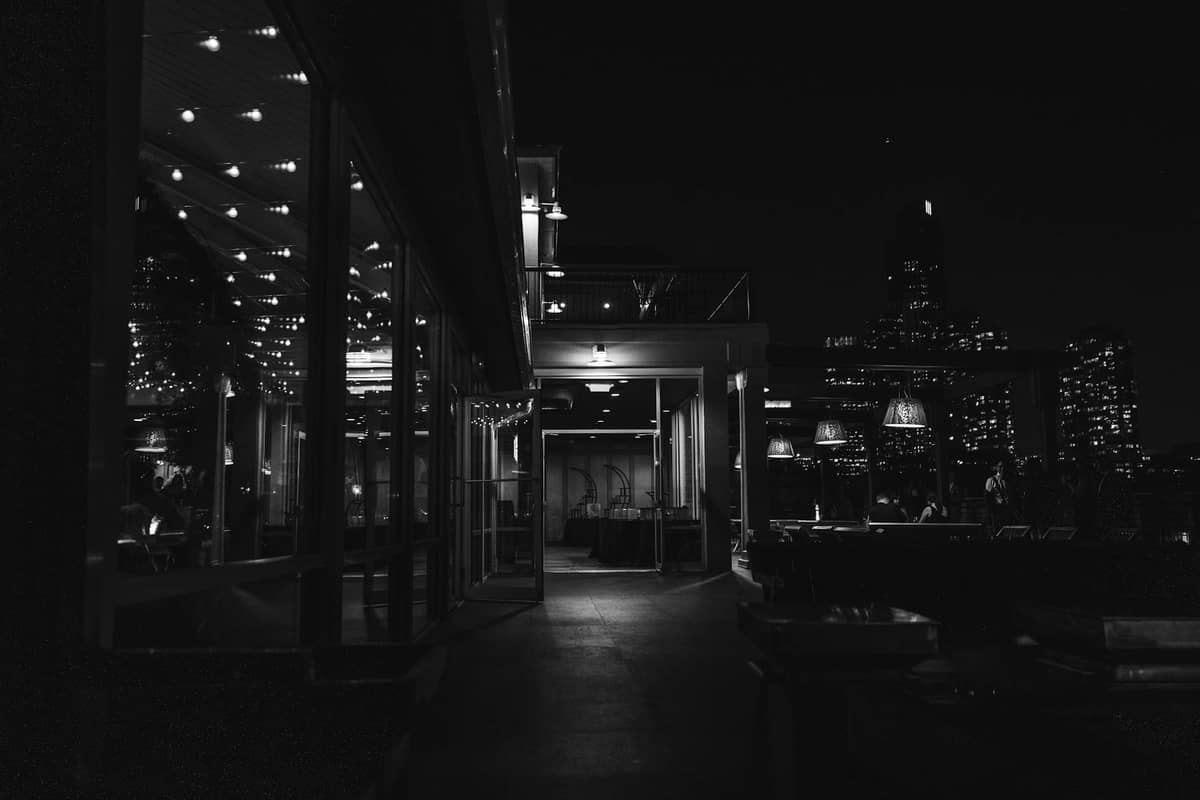
The West Loop and Fulton Market district has transformed dramatically over the past decade. What was a meatpacking and cold storage area is now home to some of Chicago's most praised restaurants and an expanding set of boutique and lifestyle hotels. If food and nightlife are your primary reasons for visiting, staying here puts you at the center of the action without fighting for reservations across town.
Logan Square and Wicker Park and Bucktown are further west and northwest, accessible via the Blue Line. Both areas have a strong independent arts and dining scene. Hotel availability is genuinely limited in Logan Square, with small guesthouses among the options, which is worth knowing if you want to stay there specifically. Wicker Park has slightly better accommodation choice but still leans toward short-term rentals and boutique properties over chain hotels.
✨ Pro tip
If you are visiting primarily to eat at Chicago's best restaurants, the West Loop is worth the premium over a comparably priced Loop hotel. Many of the city's top reservation-only tables are within a 10-minute walk, and the Green and Pink CTA lines get you to downtown in under 15 minutes.
Getting to Your Hotel: Airport Connections and Transit
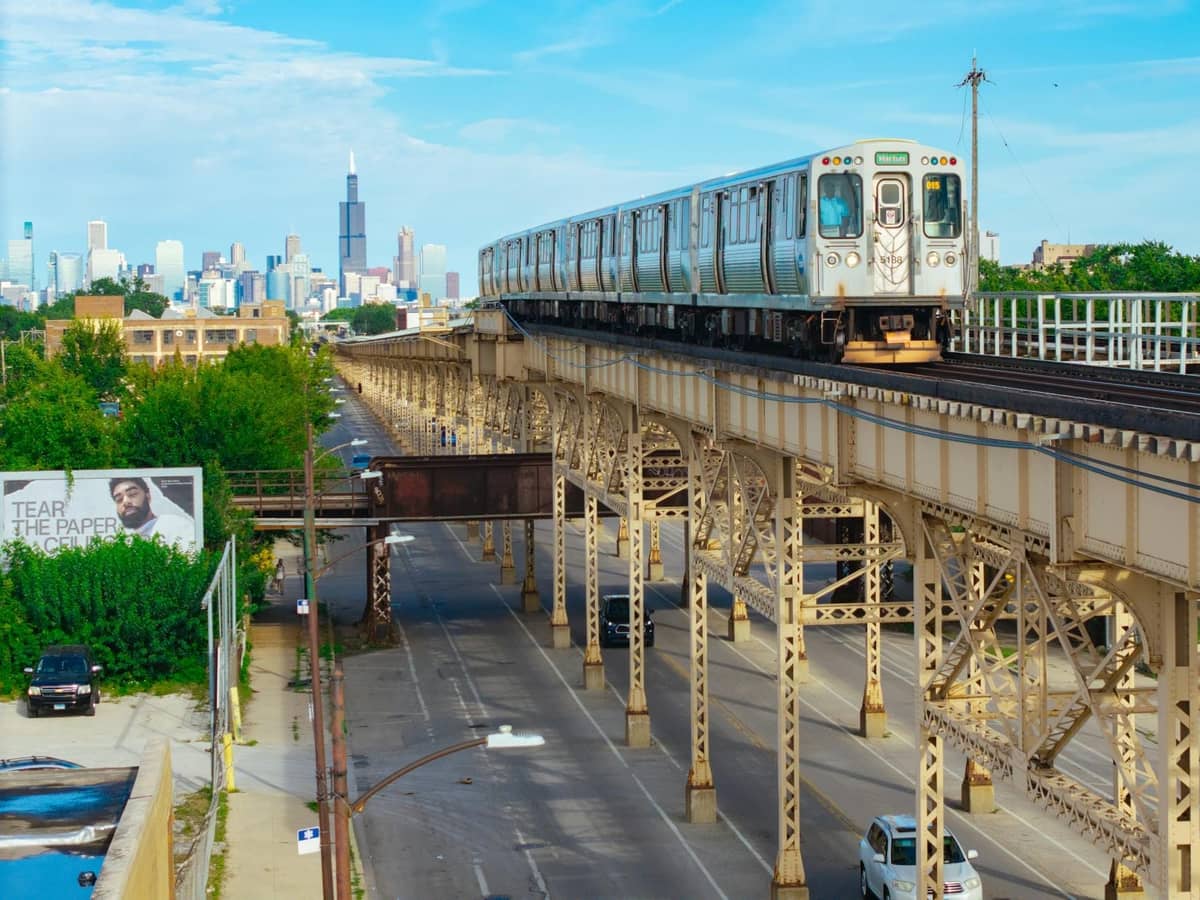
Chicago is served by two airports. O'Hare International (ORD), about 14–17 miles northwest of downtown, handles the bulk of international and domestic traffic. Midway International (MDW), about 8–10 miles southwest, is primarily domestic and often cheaper to fly into. Both airports have direct CTA L connections to downtown Chicago, which is the fastest and most reliable way to reach most hotel neighborhoods.
- O'Hare to downtown via Blue Line Around 35–45 minutes to Clark/Lake; elevated fare applies at O'Hare (check current CTA fares before travel)
- Midway to downtown via Orange Line Around 25–30 minutes to the Loop; standard CTA fare applies
- Taxi from O'Hare 30–60 minutes depending on traffic; metered rate, cost to downtown typically runs several tens of dollars
- Taxi from Midway 20–35 minutes depending on traffic; metered rate, generally cheaper than O'Hare due to shorter distance
- Uber/Lyft from either airport Designated pickup zones at both airports; real-time pricing in-app; surge pricing is common during rush hours
Once you are in the city, the CTA L is the most practical way to move between neighborhoods. The system runs 24 hours on a reduced schedule. A reloadable Ventra card costs a small purchase fee and can be loaded with value or passes, while the Ventra system also accepts contactless bank cards and mobile wallets for tap‑and‑go payment. For full details on navigating the city by train and bus, see our guide to getting around Chicago.
Seasonal Advice: When You Stay Affects Where You Should Stay
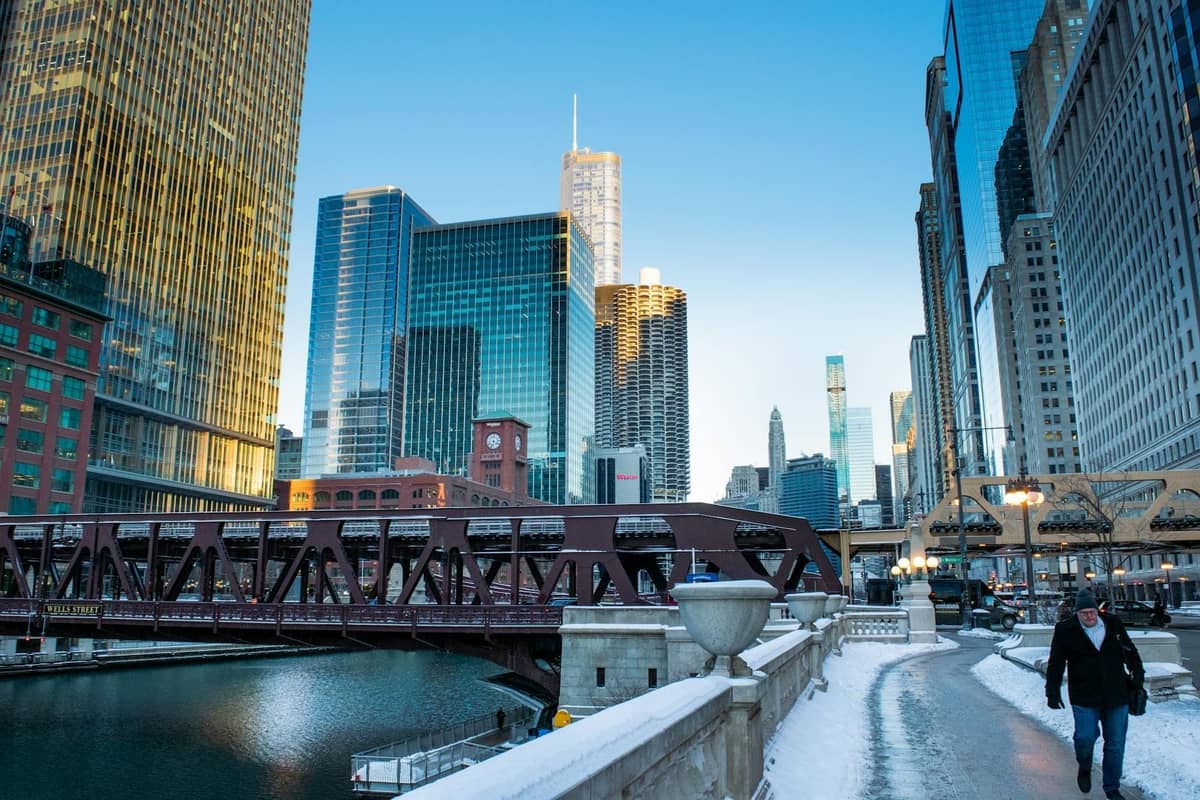
Chicago's climate is genuinely demanding. Winters are cold and snowy, with January averaging around -4°C (25°F) and wind chill off Lake Michigan pushing the felt temperature considerably lower. In winter, staying in the Downtown core, specifically the Loop or River North, makes sense because the Chicago Pedway underground walkway connects dozens of blocks indoors, letting you reach hotels, transit, and attractions without stepping outside.
In summer, the calculus shifts. July averages around 24°C (75°F) with frequent highs near 29°C (84°F), and the lakefront becomes the city's social center. Streeterville and the Magnificent Mile area sit directly adjacent to Oak Street Beach and the lakefront trail, making them the most convenient bases for summer outdoor activity. If you are visiting for one of the major festivals like Lollapalooza or the Chicago Air and Water Show, being within walking distance of Grant Park or the lakefront removes significant logistical friction. For more on timing your trip, see our guide on the best time to visit Chicago.
ℹ️ Good to know
Visiting in late spring (May–June) or early fall (September–early October) gives you the most flexibility on neighborhood choice. Temperatures are moderate, outdoor attractions are fully operational, and hotel rates are generally lower than peak summer. These windows are the closest Chicago comes to an ideal visiting climate.
FAQ
What is the best area to stay in Chicago for first-time visitors?
River North and the Magnificent Mile/Streeterville area are the most practical choices for first-timers. Both neighborhoods offer the highest concentration of hotels, direct walkability to major sights, and easy access to all CTA train lines via nearby downtown stations. River North typically offers more price variation and a slightly livelier evening atmosphere than the Loop proper.
How much do Chicago downtown hotels cost per night?
In the Loop and along the Magnificent Mile, 3-star hotels typically run around $220–280 per night and 4-star properties around $300–400 per night. Rates spike significantly during major events like Lollapalooza, the Chicago Marathon, and large conventions. Booking at least 4–6 weeks ahead for summer weekends is strongly advisable.
Is it safe to stay outside downtown Chicago?
The neighborhoods most commonly recommended for visitors outside downtown, including Lincoln Park, Lakeview, Wicker Park, Logan Square, and the West Loop, are all considered safe and are frequented by local residents. As with any major city, exercise normal urban awareness at night, particularly around transit stations.
Which Chicago neighborhood is best for nightlife and restaurants?
The West Loop and Fulton Market district currently has the highest density of celebrated restaurants and nightlife venues. River North is a close second for nightlife specifically. Logan Square and Wicker Park offer a more independent, less tourist-oriented bar and dining scene.
Should I rent a car for my stay in Chicago?
In most cases, no. The CTA L train reaches every major visitor neighborhood and both airports. Downtown parking is expensive, often $40–60 per day in a garage, and traffic congestion makes driving slower than transit on most routes. A car becomes useful only for day trips outside the city, such as to Indiana Dunes or the Chicago suburbs.