One Day in Chicago: The Perfect 24-Hour Itinerary
Twenty-four hours in Chicago is genuinely enough to hit the architectural icons, taste the food worth traveling for, and understand why this city earns its reputation. This guide cuts through the noise with a tight, practical sequence that actually works — morning coffee to late-night jazz, no wasted miles.
Plan and book this trip
Tools from our partner Travelpayouts help you compare flights and hotels. If you book through them, we may earn a commission at no extra cost to you.
Flights
Hotels map
TL;DR
- Start early at Millennium Park before crowds arrive, then walk the Chicago Riverwalk before your architecture cruise.
- Afternoon anchors: the Art Institute of Chicago and the Skydeck at Willis Tower for city-wide views.
- Deep-dish pizza for dinner is non-negotiable — Lou Malnati's and Giordano's are the two credible options near downtown.
- End the night in River North or the West Loop, both within a short ride from the Loop.
- The CTA Blue or Orange Line gets you downtown from either airport for around $5 — skip the taxi for the first leg.
Before You Arrive: Setting Realistic Expectations
One day in Chicago means making deliberate choices. The city covers 228 square miles and has 77 officially designated community areas. A single day spent chasing every neighborhood — Pilsen, Hyde Park, Wicker Park, the Loop — ends in transit fatigue and shallow impressions. The smarter approach: anchor yourself in the Loop and the Near North Side, where the density of world-class attractions is highest, and accept that one day earns you a strong introduction, not full fluency. For a deeper dive into the city's layout before you visit, the Chicago neighborhoods guide is worth reading.
Timing matters more than most visitors anticipate. The Chicago 7 day forecast should be your first check each morning — the city sits on the southwestern shore of Lake Michigan and earns its 'Windy City' reputation honestly. Summer (June through August) averages highs around 82°F (28°C) and makes outdoor stretches like the Riverwalk and Lakefront Trail genuinely pleasant. Winter days can drop below 27°F (-3°C) with wind chill making it feel far colder, which compresses the outdoor portions of any itinerary. The Chicago 5 day forecast is particularly useful for planning whether to front-load outdoor activities or lean into museums. Late May through early October is the sweet spot for a walking-heavy day.
Morning (7:00–11:00): The Loop and the River
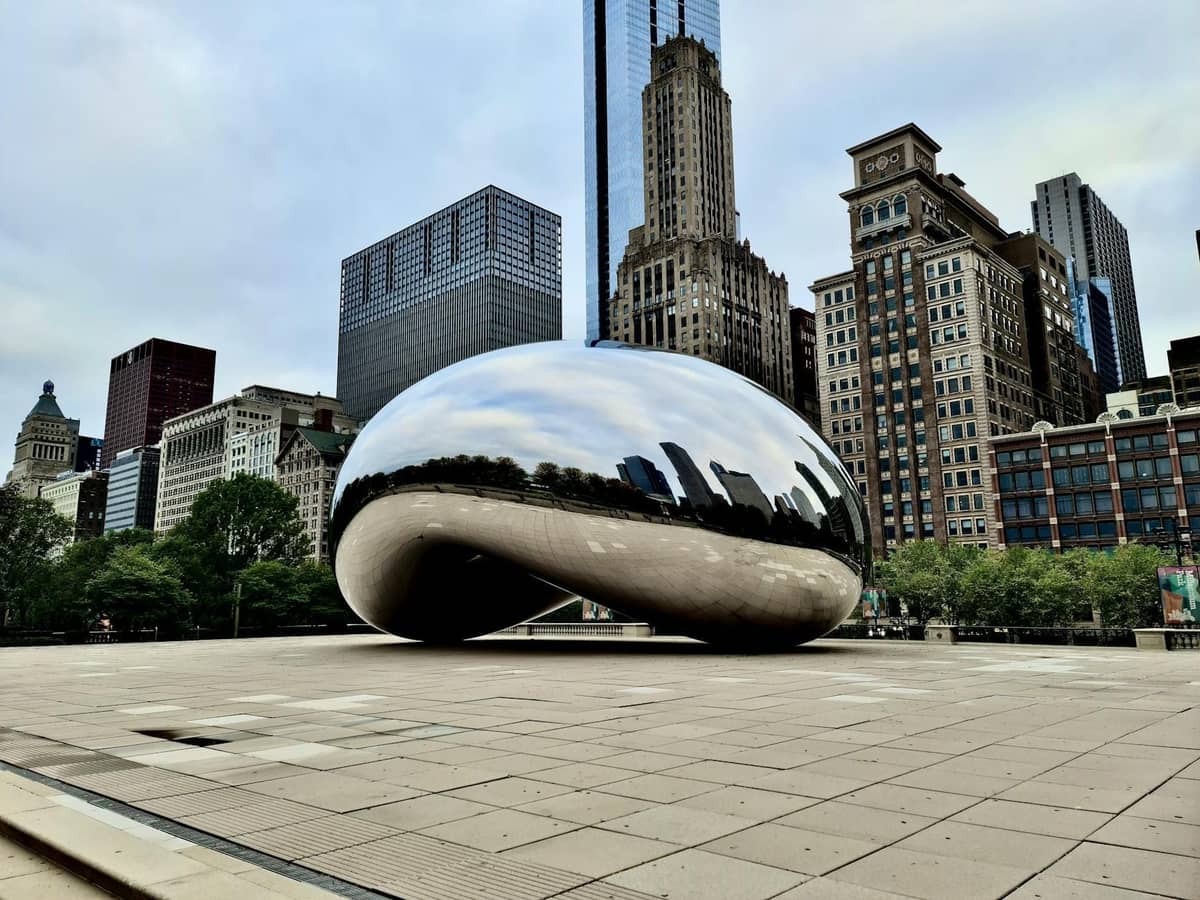
Start at Millennium Park by 7:30 AM. The park is free to enter and at that hour you can stand in front of Cloud Gate with almost no one else around — by 10:00 AM on a summer weekend, tour groups and school trips make photographs genuinely difficult. The Crown Fountain, the Lurie Garden, and the Jay Pritzker Pavilion are all within a five-minute walk of each other. Budget 45 minutes here and you have seen the park properly.
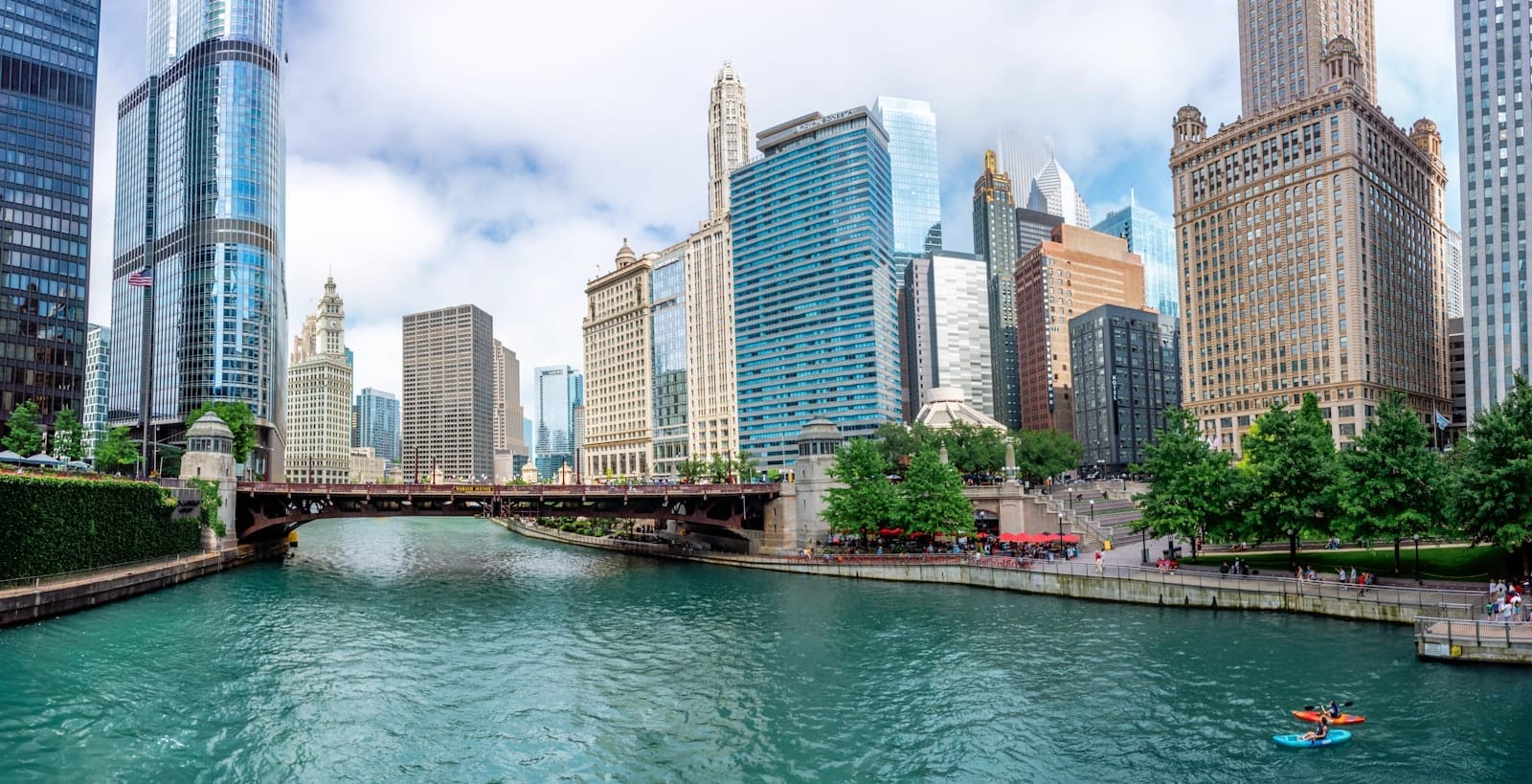
For breakfast, Wildberry Pancakes & Cafe sits directly across from Millennium Park and handles the pre-rush crowd efficiently — expect a short wait after 9:00 AM on weekends. If you prefer a classic diner setup, Eleven City Diner is a short walk south. After eating, head west toward the Chicago Riverwalk, which runs 1.25 miles along the south bank of the Chicago River and is free to walk any time between 6:00 AM and 11:00 PM. The architecture visible from river level is qualitatively different from street-level views — you see the bases of buildings like Marina City and the Tribune Tower in a way that actually communicates scale.
If your budget allows one paid experience in the morning slot, make it the Chicago Architecture Foundation River Cruise. The 90-minute tour departs multiple times daily from spring through fall and covers more than 50 buildings with commentary from certified docents. Tickets run roughly $50–$60 for adults depending on the departure time — evening cruises at sunset cost more and book out further in advance. Book ahead online; same-day tickets sell out regularly between June and September.
💡 Local tip
For the architecture cruise, aim for a mid-morning departure (around 10:00–10:30 AM). You get good light for photography, smaller crowds than the afternoon runs, and you are back on land by noon with the full afternoon still open.
Midday (11:30–15:00): Art, Architecture, and the Skyline
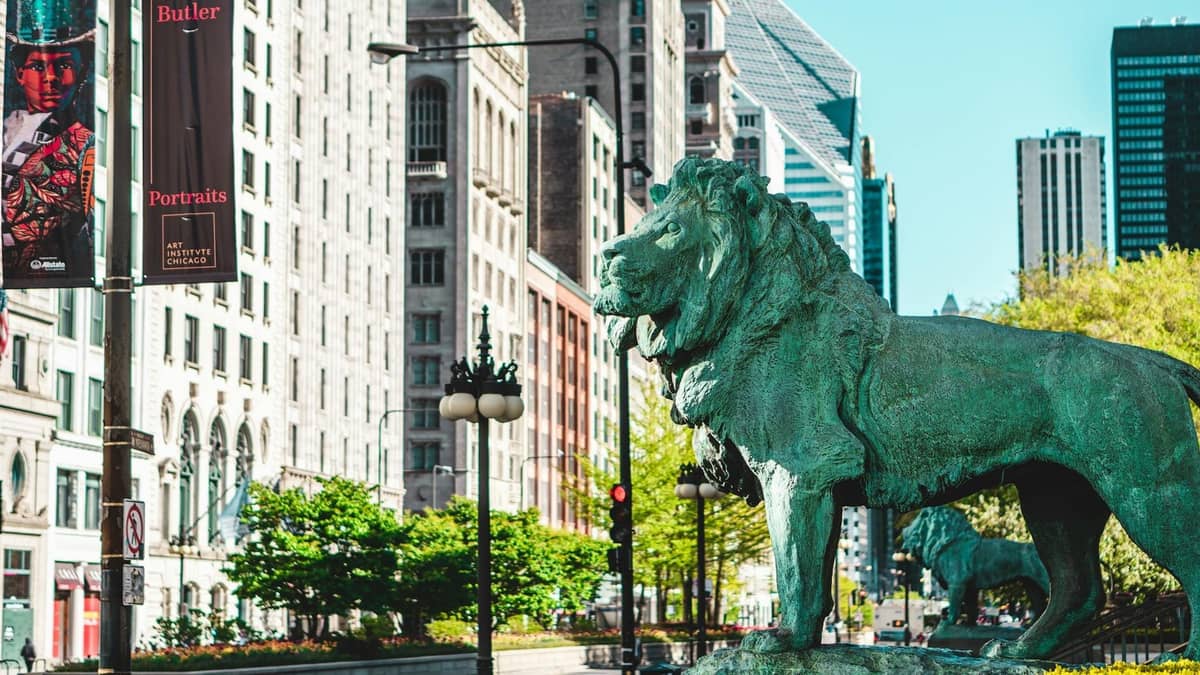
After the cruise, walk south along Michigan Avenue to the Art Institute of Chicago. General admission starts around $32–35 for non-resident adults, with reduced rates for students, seniors, and Chicago residents. Free guided tours rotate daily — check the website the morning of your visit to see what is running. Be selective inside: trying to cover the full museum in two hours produces a blur. The Impressionist and Post-Impressionist collection on the second floor of the Modern Wing is the consistent standout, and the Thorne Miniature Rooms are genuinely unusual and worth 20 minutes. Budget 90 minutes to two hours and leave before your feet give out.
From the Art Institute, it is a 15-minute walk west to Willis Tower and the Skydeck Chicago. Timed tickets run $32–$39 for adults depending on the time slot, and advance booking is essential on weekends. The glass-floored Ledge boxes extend 4.3 feet out from the 103rd floor and are included in the standard ticket price. If heights do not bother you, step out — the view west over Illinois is unexpectedly vast. Note that on overcast days the view is substantially reduced; check the Chicago 7 day forecast to plan your observation deck visit for the clearest day of your trip.
- Millennium Park Free. Best before 9:00 AM to avoid crowds. Cloud Gate, Crown Fountain, and Lurie Garden all within a 5-minute walk of each other.
- Chicago Architecture River Cruise Around $48–55 per adult. 90 minutes. Departs from the Riverwalk. Book at least a few days ahead in summer.
- Art Institute of Chicago From around $32 for non-resident adults. Allow 90 minutes minimum. Free daily tours — check schedule on arrival.
- Skydeck Chicago (Willis Tower) From around $32–39 per adult. Timed entry. Best on clear days; check forecast before booking.
Afternoon (15:00–18:00): The Magnificent Mile and the Waterfront
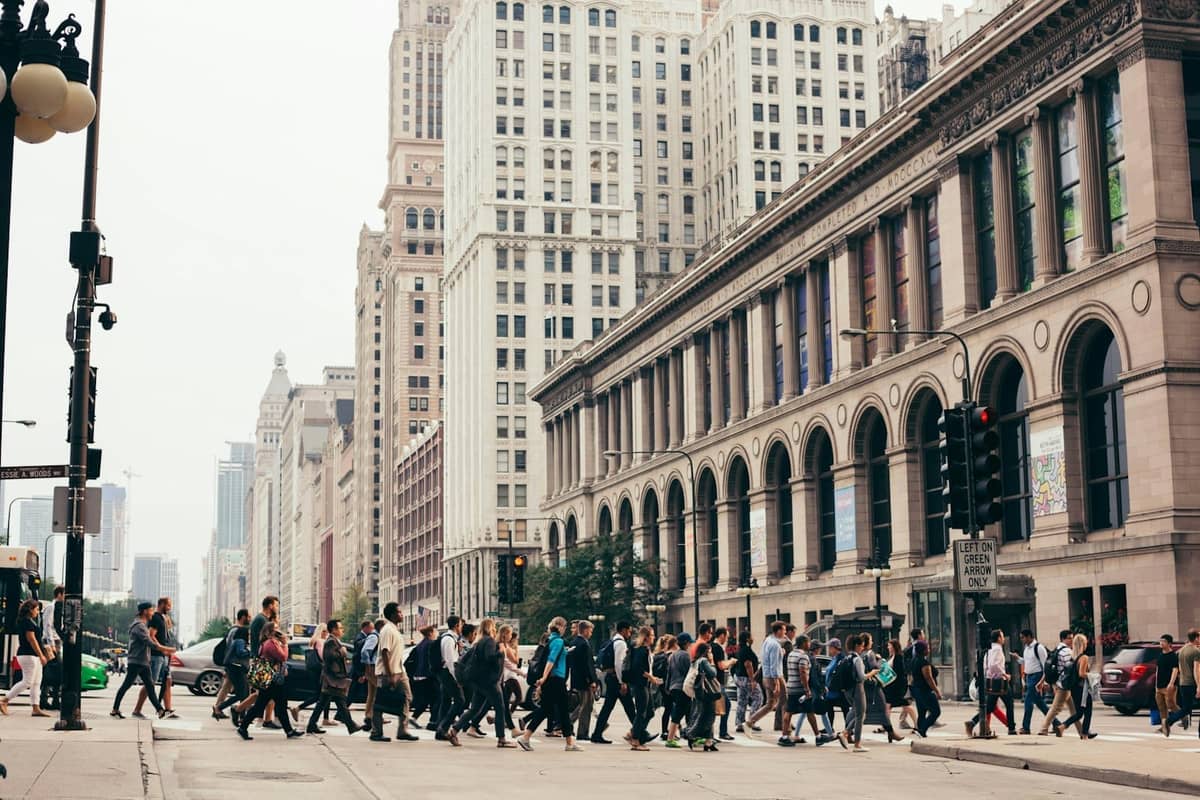
Walk or take the CTA Red Line north to the Magnificent Mile, the stretch of North Michigan Avenue running from the Chicago River to Oak Street. It is one of the most famous shopping corridors in North America, with luxury flagships, mid-range chains, and restaurants stacked on multiple floors of vertical malls. The architecture on this stretch is worth paying attention to: the Tribune Tower at 435 N. Michigan Ave. has fragments of famous buildings embedded in its base, and the Wrigley Building directly across the river glows white at night.
If the weather is cooperating and you have energy, detour east toward the lakefront. Navy Pier is free to enter and takes about 45 minutes to walk end-to-end, with lake views, public art, and dining options. The Centennial Wheel costs around $18–25 and up for adults for a standard ride — it is scenic but not a priority for a single day unless you are traveling with kids. The more underrated move is to walk south along the Lakefront Trail from Navy Pier for 20 minutes, where the skyline view looking back toward downtown is the classic Chicago postcard shot and costs nothing.
⚠️ What to skip
The Magnificent Mile is consistently one of Chicago's most pickpocket-active areas, particularly around the Water Tower and near the Apple Store on weekends. Keep bags in front and phones in inside pockets. This is not a reason to skip it — just a reason to be aware.
Evening (18:00–22:00): Deep-Dish, Drinks, and Live Music
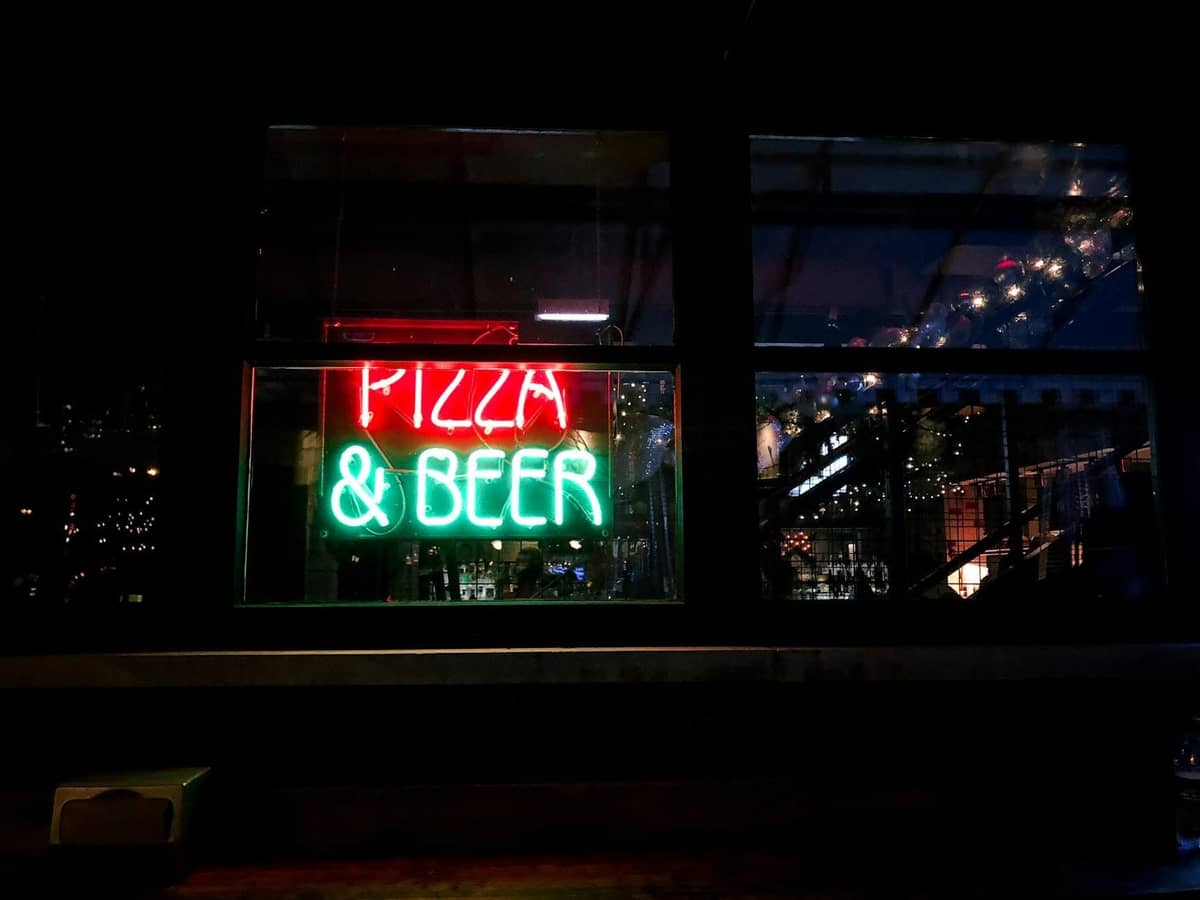
Deep-dish pizza is not a quick meal. A full deep-dish pie takes 35–45 minutes to bake, which means you order, wait, and eat slowly. That is the experience. Lou Malnati's produces a crispier, butterier crust; Giordano's goes doughier and denser. Both have downtown locations. Neither is cheap — expect roughly $22–32 for a small pie that feeds two adequately. If you want a fuller picture of Chicago's food landscape before choosing, the Chicago deep-dish pizza guide lays out the city's top options with honest assessments of each.
After dinner, the West Loop or River North are the two most practical evening neighborhoods within a short ride. The West Loop's Fulton Market corridor has shifted toward upscale cocktail bars and restaurant bars with late kitchen hours. River North is denser and louder, with a higher concentration of live music venues and clubs. For jazz specifically, the Jazz Showcase in the South Loop books serious talent and runs sets into the late evening — it is a genuine venue, not a tourist trap. If blues is your preference, Buddy Guy's Legends on South Wabash is the most famous option, though it fills up quickly on weekend nights.
- Book deep-dish dinner no later than 5:30–6:00 PM if you want a table without a long wait — both Lou Malnati's and Giordano's offer call‑ahead or limited reservations at many locations.
- Tipping in Chicago restaurants is expected: 18–20% on the pre-tax total is standard for table service.
- Many CTA 'L' lines run late with reduced service, but only the Blue and Red Lines operate 24 hours; other lines stop before 2:00 AM on most nights. A single-ride fare is around $2.50; Ventra cards are reloadable and available at all stations.
- Rideshare surge pricing kicks in hard around 2:00 AM when bars close — either leave a bit earlier or budget for it.
- If you are flying out the next morning from O'Hare, the Blue Line runs directly from downtown (Clark/Lake) to O'Hare 24 hours a day for around $5. Set an alarm with buffer time — the ride takes 35–45 minutes.
Getting Around: The Logistics That Actually Matter
For a single day anchored in the Loop and Near North Side, you can walk almost everything on this itinerary. The distance from Millennium Park to Willis Tower is about 1.5 miles; from Willis Tower to Navy Pier is roughly 2 miles. A full day of this itinerary involves around 5–7 miles of walking, which is manageable in comfortable shoes. The CTA 'L' is useful for the afternoon jump north to the Magnificent Mile (Red Line from Monroe to Chicago station) and for reaching evening neighborhoods. A Ventra transit card is the most practical payment method — buy one at many 'L' stations for $5 (card fee not applied as stored fare). For the full picture on navigating the city, the getting around Chicago guide covers the CTA, Metra, bike share, and rideshare in detail.
From O'Hare (ORD), the Blue Line deposits you directly in the Loop in 35–45 minutes for around $5. From Midway (MDW), the Orange Line reaches the Loop in about 25–35 minutes at standard CTA fares. Both are significantly faster and more predictable than taxis during peak traffic hours. Rideshare is worth using for late-night returns to your hotel or for reaching neighborhoods slightly off the 'L' grid.
✨ Pro tip
Download the Ventra app before you arrive. You can load it digitally and tap your phone on the turnstile reader, which skips the card machine entirely. It also shows real-time 'L' arrivals, which matters when you are trying to make a timed cruise departure.
FAQ
Is one day enough to see Chicago?
One day is enough to experience the core of Chicago well — the Loop, the Riverwalk, the Art Institute, the Skydeck, and the lakefront. You will not cover neighborhoods like Hyde Park, Pilsen, or Wicker Park, and you should not try. A single focused day in the central city gives a far better impression than scattering across the map.
What is the best time of year for a one-day Chicago visit?
Late May through early October offers the most comfortable outdoor conditions for a walking-heavy day. July and August are the warmest months (average highs around 84°F/29°C) but also the most crowded. September is often the best combination of good weather, shorter lines, and lower hotel prices. Check the Chicago 7 day forecast and Chicago 5 day forecast before finalizing outdoor plans — weather can shift quickly near the lake.
How do I get from O'Hare or Midway to downtown cheaply?
The CTA 'L' is the most reliable and affordable option from both airports. From O'Hare, take the Blue Line directly to any Loop station (about 35–45 minutes, around $5). From Midway, take the Orange Line to the Loop (about 25–30 minutes, standard CTA fare). Both run frequently and avoid highway traffic entirely.
Should I book the architecture river cruise in advance?
Yes, especially between June and September. The Chicago Architecture Center River Cruise sells out regularly on weekends, and popular time slots (mid-morning and sunset) go first. Book at least 2–3 days ahead in peak season; same-day availability is hit-or-miss.
Is Chicago safe for first-time visitors doing a one-day itinerary?
The areas covered in this itinerary — the Loop, Millennium Park, the Riverwalk, the Magnificent Mile, and River North — are among the most heavily trafficked and well-policed parts of the city. Standard urban awareness applies: watch your belongings in crowded areas like the Magnificent Mile, avoid walking alone in unfamiliar areas late at night, and use the CTA or rideshare rather than walking long distances after midnight.