Solo Travel in Chicago: Tips, Safety & Best Experiences
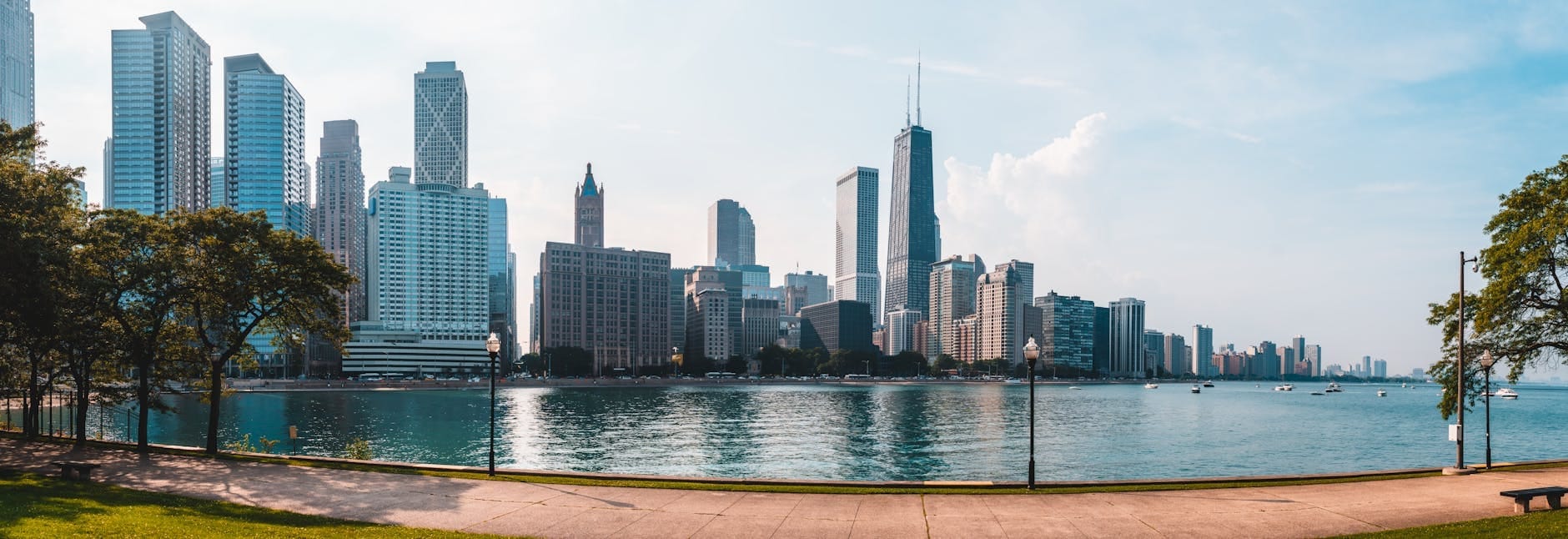
Chicago is one of the best American cities to explore alone. The CTA L train connects virtually every major attraction, central neighborhoods are walkable and safe for solo visitors, and the city rewards independent travelers with world-class museums, architecture, food, and free cultural spaces. This guide covers everything you need: safety by area, transit logistics, the best solo-friendly experiences, and practical advice on timing and budgeting your trip.
Plan and book this trip
Tools from our partner Travelpayouts help you compare flights and hotels. If you book through them, we may earn a commission at no extra cost to you.
Flights
Hotels map
TL;DR
- Solo travel in Chicago is very manageable: central neighborhoods like The Loop, River North, Lincoln Park, and the Magnificent Mile are safe, walkable, and well-served by the CTA L train.
- The CTA L runs from around 4 a.m. to 1 a.m. (with some 24-hour service); a single ride costs $2.50, and unlimited day passes are available. See our full guide to getting around Chicago for pass options and route tips.
- Top solo experiences include architecture river cruises (~$35-40), the Art Institute of Chicago (~$25 admission), and free stops like Lincoln Park Zoo and the Chicago Cultural Center.
- Late May through early October is the most enjoyable window for solo visitors, when the lakefront, Chicago Riverwalk, and outdoor events are fully active.
- You do not need a car. Nearly every major attraction is reachable by foot, L train, or a short rideshare ride.
Is Chicago Safe for Solo Travelers?
Chicago's reputation for crime gets amplified out of proportion in media coverage, and it causes many solo travelers unnecessary anxiety. The reality for visitors is more nuanced. Chicago is a city of 2.7 million people spread across 228 square miles and 77 distinct community areas. Crime is not evenly distributed. The neighborhoods where tourists eat, sleep, and sightsee are not the same neighborhoods that generate the crime statistics you read about.
The areas most relevant to solo visitors, including the Loop, River North, the Magnificent Mile and Streeterville, the Gold Coast, and Lincoln Park and Old Town, are active, well-lit, and busy with both locals and tourists throughout the day and into the evening. Standard big-city common sense applies: keep your phone out of sight on public transit, stay aware of your surroundings at night, and avoid walking alone down empty side streets after midnight.
- Safer for solo visitors The Loop, River North, Magnificent Mile, Gold Coast, Lincoln Park, Old Town, Lakeview, Wicker Park, West Loop, Hyde Park (daytime)
- Exercise more caution Isolated areas after dark, unfamiliar South and West Side neighborhoods without local knowledge — not because they are uniformly dangerous, but because being a disoriented tourist in any unfamiliar urban area increases risk
- Emergency contacts 911 for emergencies; 311 for non-emergency city services and information
💡 Local tip
If you are returning to your hotel late at night, take an Uber or Lyft rather than walking unfamiliar blocks or waiting alone at a quiet L station. The cost is negligible compared to the peace of mind, and both apps work seamlessly throughout the city.
For a deeper look at how to navigate the city safely, including neighborhood-by-neighborhood risk assessments and practical street smarts, read our dedicated Chicago safety tips guide.
Getting Around Chicago Alone
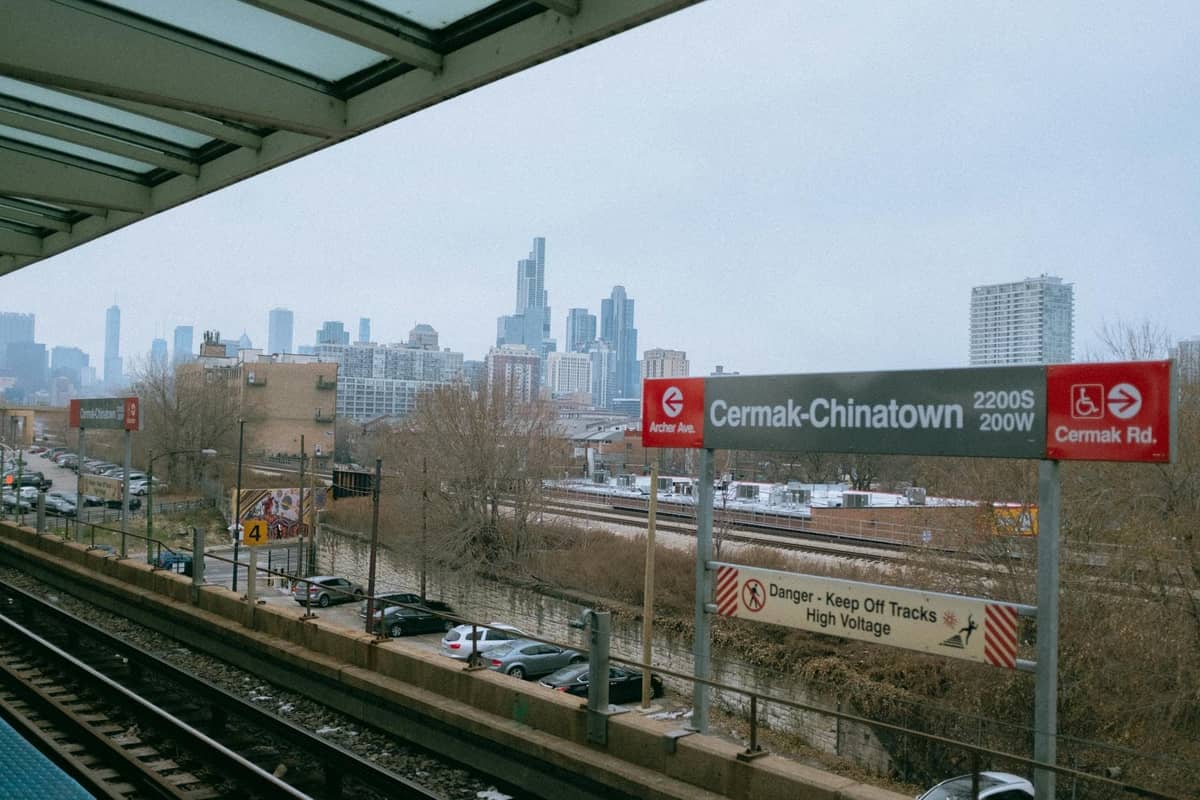
One of Chicago's biggest advantages for solo travelers is its public transit system. The CTA L train is fast, direct, and connects every major tourist corridor. You do not need to rent a car, and in most cases a car would be a liability thanks to parking costs and traffic.
The L runs eight color-coded lines. The Red Line is the most useful for solo visitors: it runs north-south through the Near North Side, connects to Wrigleyville, and operates 24 hours a day (as does the Blue Line). A single ride costs $2.75 using a Ventra card. Unlimited-ride passes are available for 1, 3, 7, and 30 days and cover both trains and buses. If you are staying three or more days, a 3-day or 7-day pass typically pays for itself quickly.
- Get a Ventra card at any L station on arrival — tapping with a card is faster and cheaper than using cash
- The Blue Line connects O'Hare airport directly to downtown (Clark/Lake) in about 35-45 minutes for $5 — the cheapest airport transfer by far
- The Orange Line connects Midway airport to the Loop in about 25-30 minutes at the standard fare
- Google Maps and the Transit app both give accurate real-time CTA departures
- Uber and Lyft operate freely across Chicago and are useful for late-night returns or trips to neighborhoods with limited L access
⚠️ What to skip
Avoid the L late at night on quieter lines if you are traveling alone. The Red and Blue Lines are busy around the clock, but other lines thin out significantly after midnight. If a platform feels isolated, call a rideshare instead.
Best Solo-Friendly Experiences in Chicago
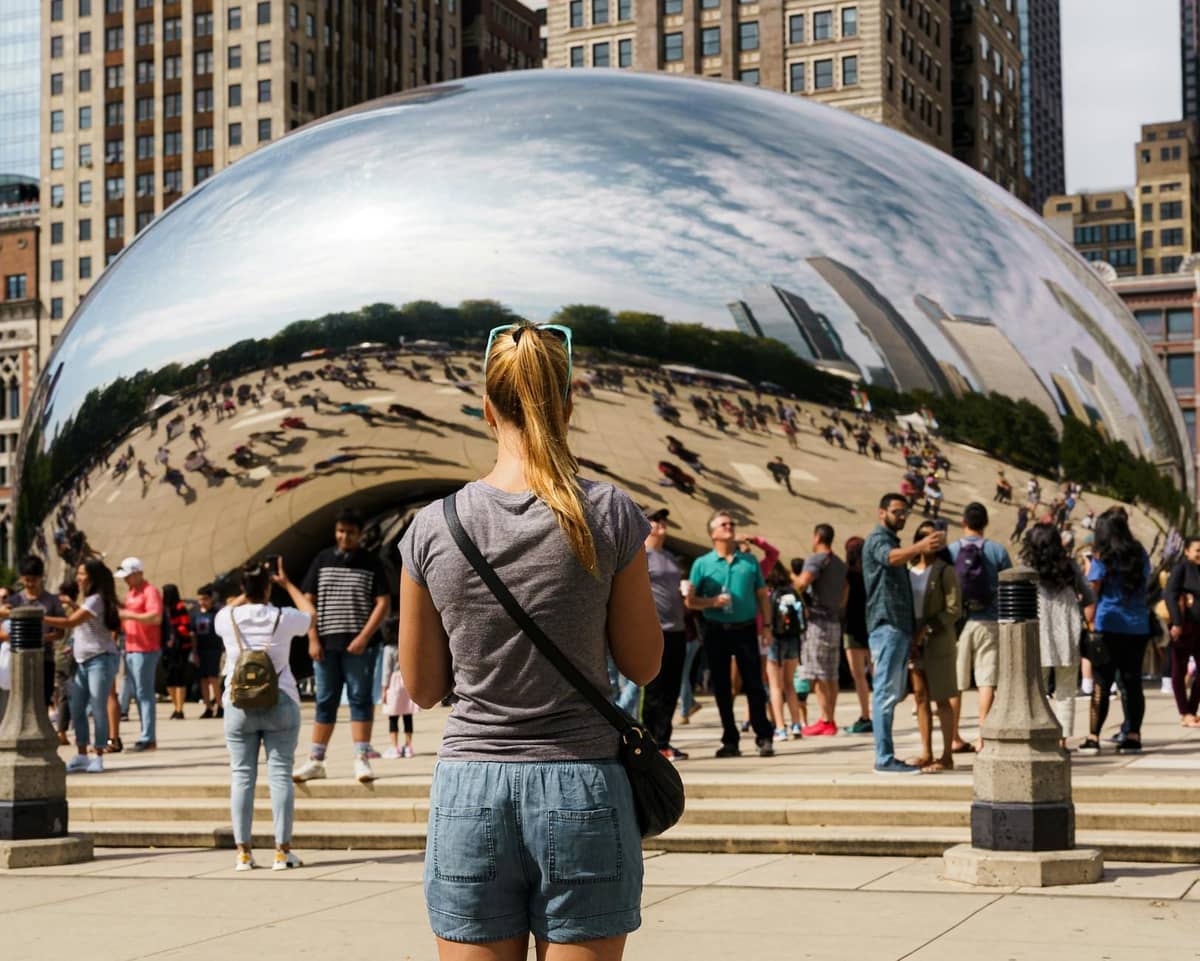
Solo travel rewards self-directed curiosity, and Chicago delivers on that front. The city's most iconic experiences translate perfectly to traveling alone: you set the pace, linger where you want, and skip what doesn't interest you. Here are the experiences that work especially well without a group.
The Chicago Architecture Foundation River Cruise is the single best orientation activity in the city. At roughly 90 minutes and $35-40, it puts Chicago's skyline, history, and engineering into context in a way no museum can replicate. Boats depart from the Chicago Riverwalk and Navy Pier, and the commentary from certified docents is genuinely excellent. Buy tickets in advance, especially June through August, when cruises sell out days ahead.
For iconic skyline views, both of Chicago's major observation decks are worth considering. Skydeck Chicago on the 103rd floor of Willis Tower includes the glass-floored Ledge experience, while 360 CHICAGO on the 94th floor of 875 North Michigan Avenue is smaller, less crowded, and includes an optional tilting window feature. Both require timed entry tickets. Solo travelers often prefer 360 CHICAGO for its shorter queues and slightly more relaxed atmosphere. See our full Chicago observation decks guide to compare both.
The Art Institute of Chicago is one of the finest art museums in the United States. General admission for most adults is $32, and a half-day is the minimum you will want. The Impressionist and Post-Impressionist galleries alone justify the visit. Go on a weekday morning to avoid weekend crowds. The museum sits at the southern end of Millennium Park, so combine both into a single morning.
- Free: Chicago Cultural Center Stunning Tiffany glass domes, rotating contemporary art exhibitions, and zero admission cost. One of the city's most underused spaces by tourists.
- Free: Lincoln Park Zoo One of the last free major zoos in the US. Open year-round, typically 10 a.m.-5 p.m. (hours vary seasonally). Combine with a walk through Lincoln Park itself.
- Free: Garfield Park Conservatory One of the largest conservatories in the nation, located on the West Side. Free timed-entry reservations required on select high-demand days.
- Paid: Museum of Science and Industry Located in Hyde Park, this is the best rainy-day option in the city. The German U-boat submarine exhibit alone is worth the trip.
- Paid: Field Museum, Shedd Aquarium, Adler Planetarium All three sit on Museum Campus on the lakefront. Buying tickets in advance saves time; consider the Chicago CityPASS if you plan to visit multiple attractions.
Where to Stay as a Solo Traveler
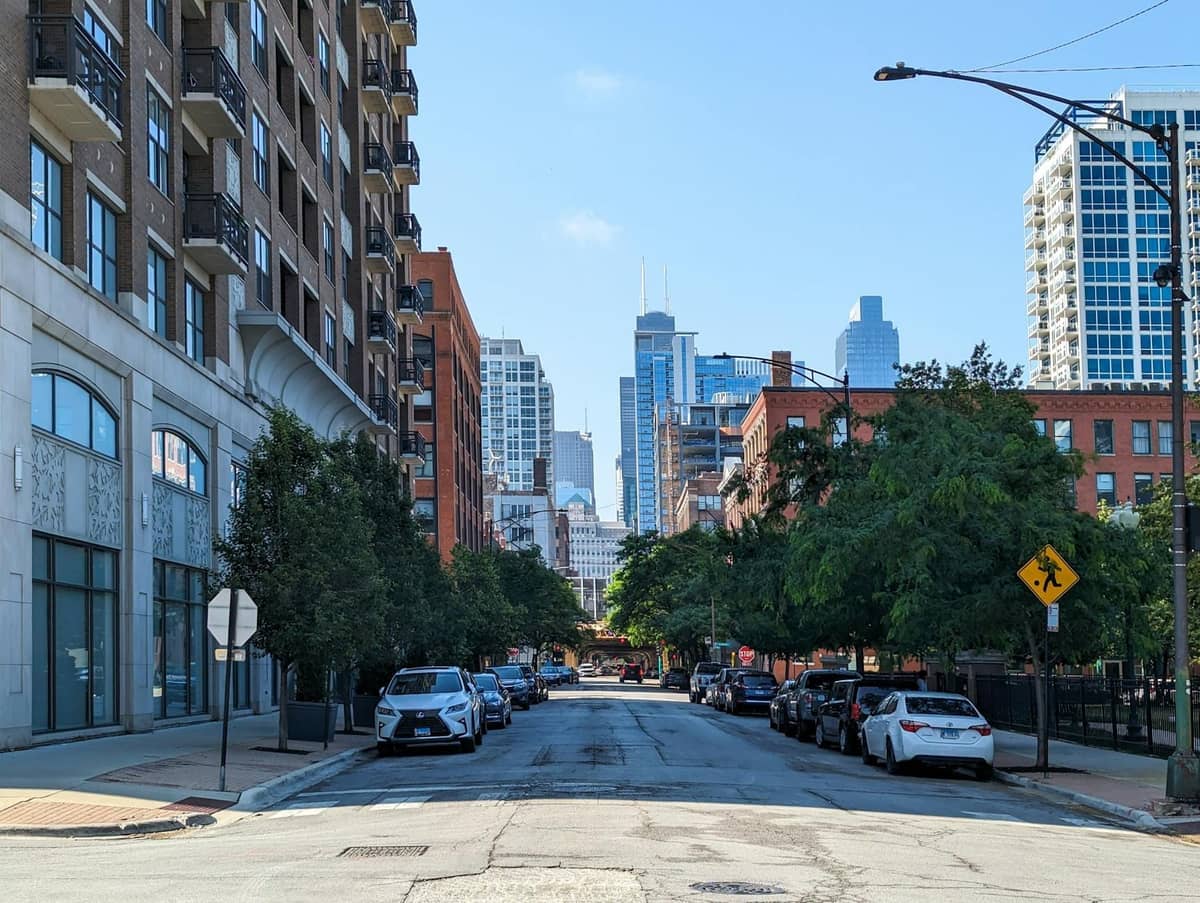
Location matters more than hotel brand when you are traveling alone. Prioritize properties within walking distance of an L station, with 24-hour front desks and ideally a ground-floor restaurant or bar for solo dinners. The neighborhoods below are the strongest choices for solo visitors.
The Loop and River North put you within walking distance of Millennium Park, the architecture cruise departure points, and dozens of restaurants. Hotels here tend to be mid-to-upper range, but you save on transit costs. The Magnificent Mile and Streeterville area is slightly more expensive but extremely safe and convenient.
For budget travelers, Hostelling International Chicago (in the South Loop) and Chicago Getaway Hostel (near North Avenue in Lincoln Park) are the most established hostel options with social common areas. Both are well-reviewed for solo travelers looking to meet other visitors. For a mid-range B&B feel, options in Wicker Park and Bucktown offer character without Loop-level hotel prices.
✨ Pro tip
Book accommodation on or very close to the Red Line. It runs 24 hours, so you are never stranded after a late night out. The stretch between Grand and Belmont stations covers River North, the Gold Coast, Old Town, and Lincoln Park — all excellent bases for solo visitors.
Timing Your Solo Trip
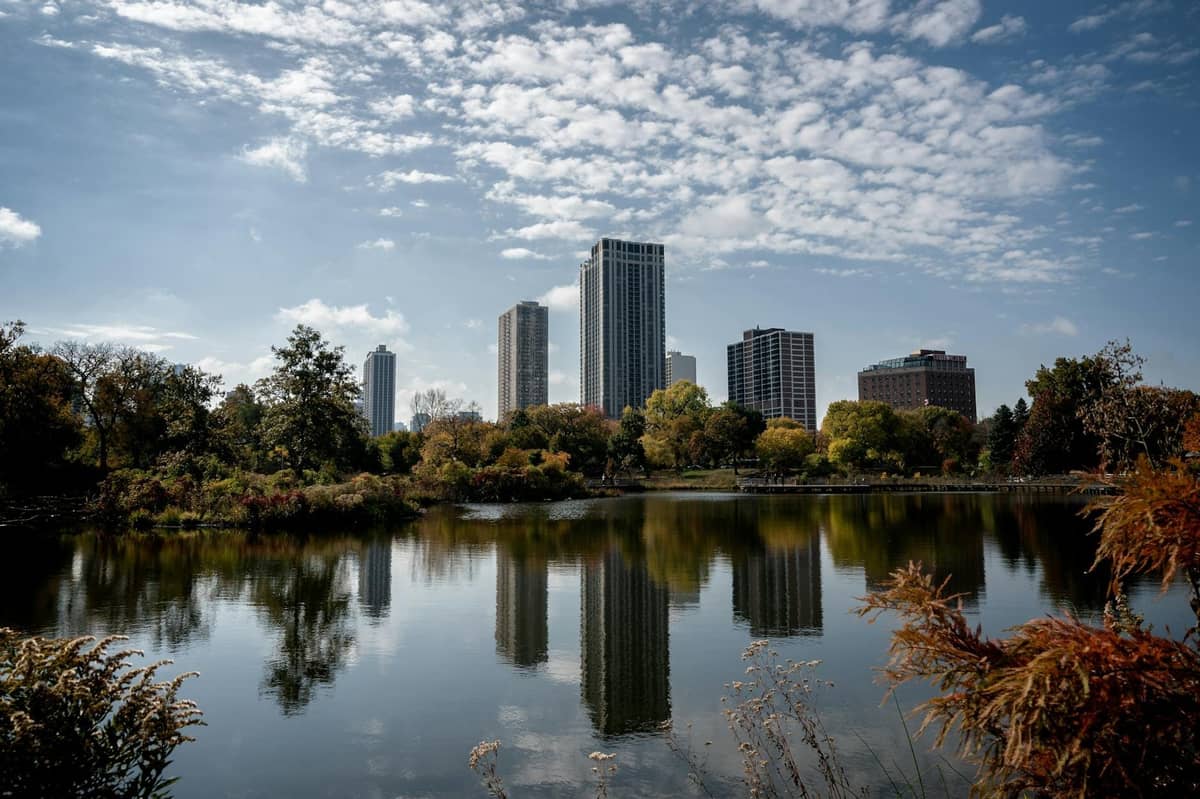
Chicago's humid continental climate produces dramatic seasonal variation. Each season has its case for solo travel, but they are not equally comfortable.
Late May through early October is the optimal window. July mean temperatures average around 23°C (73–74°F), and the lakefront comes alive with beaches, outdoor concerts at Jay Pritzker Pavilion, and events like Taste of Chicago and the Chicago Air and Water Show. Summer is peak season, which means higher hotel prices and bigger crowds at major attractions. Book architecture cruises and observation deck tickets at least a few days ahead. For more, see our Chicago in summer guide.
September and early October offer the best balance: weather is mild (September average around 19°C/67°F), crowds thin noticeably after Labor Day, and hotel rates drop. This is arguably the single best time to visit Chicago as a solo traveler. You get the full lakefront experience without the peak-season price premium.
Winter solo travel in Chicago is genuinely challenging. January averages around -4°C (25°F), with wind chill making it feel significantly colder. That said, indoor options remain excellent: the museums, the Chicago Riverwalk's winter market, and the indoor Chicago Pedway system (a network of underground and enclosed walkways connecting Loop buildings) make cold-weather days manageable. Hotel prices are at their lowest, and the city's food and theater scenes don't slow down. See our Chicago in winter guide for what to expect.
Practical Logistics Every Solo Traveler Needs
A few practical details that make a genuine difference when you are navigating a large American city alone.
- Currency: US dollars (USD). Card payments are accepted nearly everywhere; carry some cash for smaller food stalls and street markets.
- Tipping: Expected at restaurants (typically 18-20% for table service), bars ($1-2 per drink), and taxis. Many point-of-sale screens now default to 20-25% tip prompts — you can adjust or decline.
- Electricity: 120V / 60Hz, Type A and B plugs. International visitors will need an adapter.
- Tap water: Chicago's tap water meets federal safety standards. Travelers staying in older buildings may want to confirm plumbing conditions, as some older structures have lead service lines.
- Visas: Citizens of Visa Waiver Program countries can enter the US for up to 90 days with an approved ESTA. Non-VWP nationals need a B-1/B-2 visa. Verify current requirements via the US State Department before travel.
- Emergency: Call 911 for police, fire, or ambulance. Use 311 for non-emergency city services.
ℹ️ Good to know
Chicago operates on Central Time: UTC-6 in winter (CST) and UTC-5 in summer (CDT). Most of the US observes daylight saving time from March to November. If you are flying internationally, account for the time shift when booking airport transfers and checking in.
If you want to maximize your budget, Chicago has a strong roster of free and low-cost experiences. The free things to do in Chicago guide covers the full list, from free museum days to lakefront parks to the architecture you can admire from street level. For a complete solo-travel budget breakdown, see our Chicago on a budget guide.
FAQ
Is Chicago safe for solo female travelers?
Yes, within the tourist-facing neighborhoods. The Loop, River North, Magnificent Mile, Gold Coast, Lincoln Park, and Lakeview are all well-trafficked areas where solo women travel comfortably. Standard urban precautions apply: stay aware of your surroundings, keep your phone low-profile on transit, and use rideshares for late-night returns rather than walking unfamiliar blocks. The CTA Red Line is busy and generally safe, but any isolated platform late at night warrants extra caution.
How many days do you need in Chicago as a solo traveler?
Three to four days covers the core experiences comfortably: architecture cruise, Millennium Park and Art Institute, at least one major museum (Field Museum or Museum of Science and Industry), a neighborhood walk (Wicker Park, Pilsen, or Hyde Park), and time on the lakefront. Five to seven days lets you explore neighborhoods more thoroughly and catch a Cubs or White Sox game, a comedy show at Second City, or a blues club on the North Side.
Do you need a car to travel solo in Chicago?
No. The CTA L train and buses cover all major tourist areas, and Uber and Lyft fill the gaps. Renting a car in Chicago adds parking costs ($30-50 per day in many downtown garages) and traffic frustration with no meaningful benefit for city-based travel. If you plan day trips to Indiana Dunes or other suburban destinations, renting a car for a single day is a better option than committing to one for your whole trip.
What is the cheapest way to get from O'Hare airport to downtown Chicago?
The CTA Blue Line is the cheapest option by a significant margin. The fare from O'Hare to downtown is approximately $5 (higher than the standard $2.50 base fare for the O'Hare station specifically), and the journey to Clark/Lake in the Loop takes about 35-45 minutes. Trains run frequently throughout the day. From Midway, the Orange Line reaches the Loop in about 25-30 minutes at the standard CTA fare.
What is the best Chicago neighborhood to stay in for solo travelers?
River North and the southern end of the Magnificent Mile (around Grand and Chicago Avenue) are the most practical bases: close to the L, walkable to major attractions, well-lit at night, and full of restaurants and bars. The Loop is good for access but quieter in the evenings. Lincoln Park and Old Town suit travelers who want a slightly more residential feel with easy Red Line access. Budget travelers often choose Wicker Park for lower hotel rates and a lively dining and bar scene.