Chicago Marathon Spectator Guide: Best Viewing Spots & Practical Tips
The Chicago Marathon draws over a million spectators to 26.2 miles of city streets each October. This guide covers the best places to watch, how to use the CTA to hit multiple spots, Grant Park access rules, and everything you need to know to make race day effortless.
Plan and book this trip
Tools from our partner Travelpayouts help you compare flights and hotels. If you book through them, we may earn a commission at no extra cost to you.
Flights
Hotels map
TL;DR
- The Chicago Marathon 2026 takes place in October; spectators can watch from nearly the entire 26.2-mile course through Chicago's neighborhoods.
- Start and finish areas inside Grant Park are restricted to runners with bibs, credentialed staff, and ticketed guests — general spectators cannot access these zones on race day.
- The 27th Mile Post-Race Party and Runner Reunite area in Grant Park opens to spectators at 9:30 a.m. — plan your post-race meetup around this, and check the Museum Campus and South Loop area for nearby logistics.
- Use the CTA Red and Blue Lines to reach multiple viewing spots without getting stuck behind race barriers — driving is not recommended.
- Classic high-energy viewing zones include the 5K mark near the start, mile 13 in Lakeview, mile 21 in Chinatown, and the final stretch near mile 25.
Understanding the Chicago Marathon Course
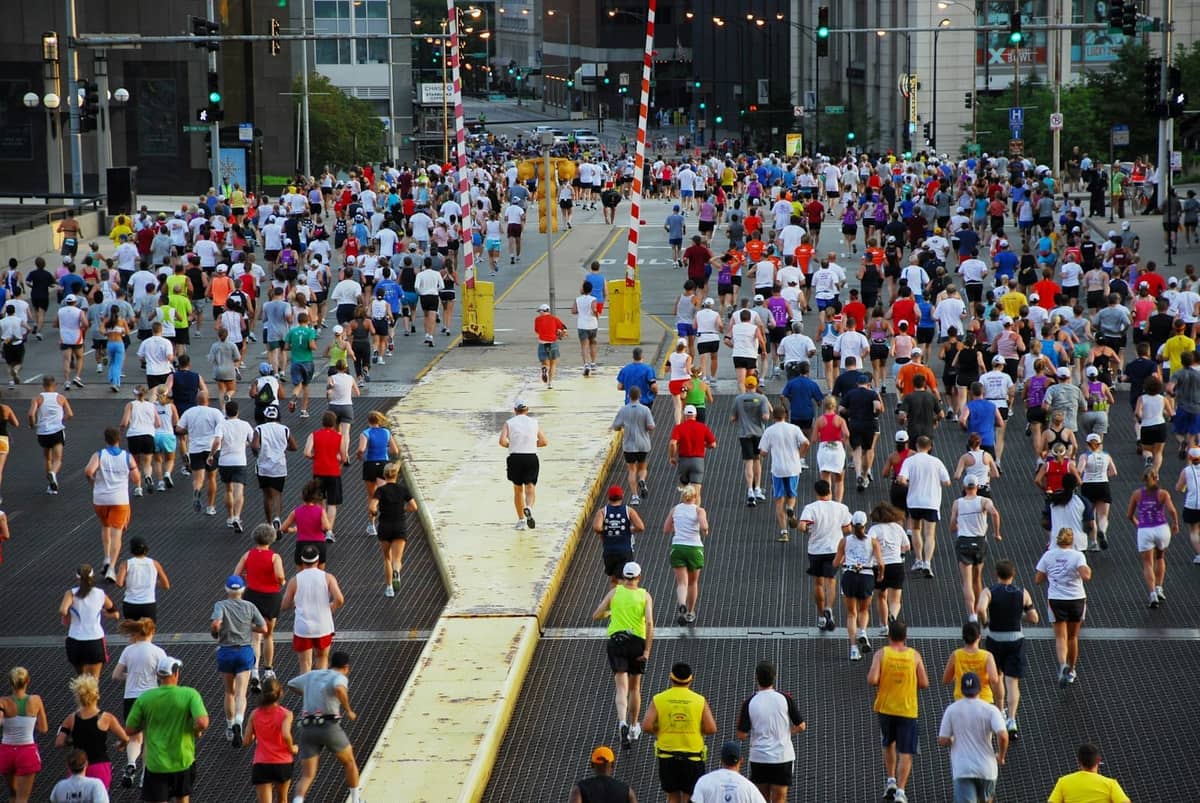
The Bank of America Chicago Marathon is one of the six World Marathon Majors, drawing around 45,000 runners and over a million spectators each October. The course starts and finishes in Grant Park near Columbus Drive, loops through 29 neighborhoods across Chicago, and returns to the park along Michigan Avenue. The flat, fast layout is one reason this race consistently produces world-record attempts.
For spectators, the course design is both a gift and a logistical puzzle. Because the route snakes back through multiple neighborhoods, you can realistically see your runner two or three times if you plan transit moves in advance. The challenge is that once the race starts, road crossings at the course become extremely difficult or entirely blocked. You cannot simply "follow along" on foot or by car.
⚠️ What to skip
Start and finish areas inside Grant Park are restricted to runners with bibs, credentialed event staff, and ticketed guests on race day. General spectators cannot enter these zones. Do not plan to watch the start in person unless you have the appropriate credential.
Best Viewing Spots on the Course
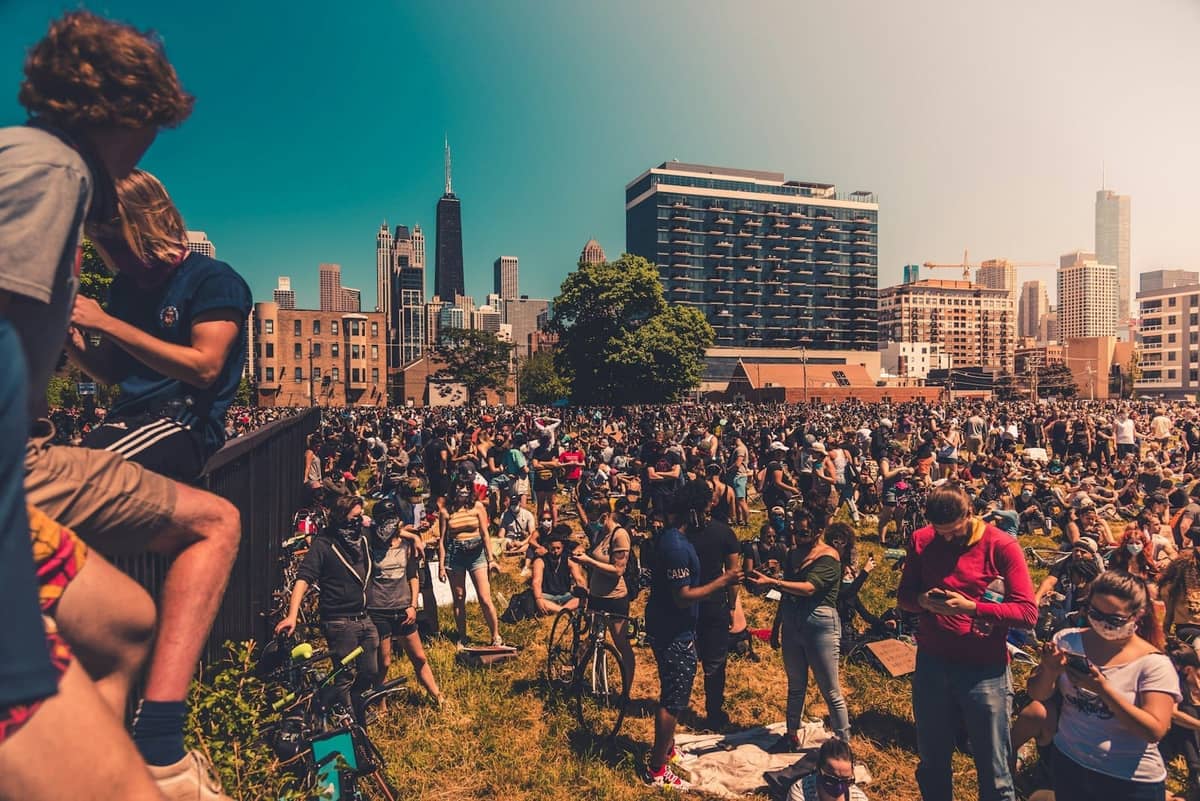
The smartest spectators pick two or three spots and commit to them, using the CTA to move between locations before the crowds lock down the sidewalks. Below are the most reliable viewing zones, ranked by atmosphere and accessibility.
- Near Mile 3-4 (Lincoln Park / Clark Street corridor) Runners are still fresh and moving fast, which makes this a high-energy, positive zone. The Red Line Fullerton or Belmont stations put you within easy walking distance. Crowds are manageable this early in the race.
- Around Mile 9-10 (Boystown / Lakeview) One of the loudest stretches of the course. The Lakeview and Boystown communities are famous for elaborate cheering stations, costumes, and DJ setups. The Red Line Addison stop is a short walk away.
- Halfway Point, Mile 13 (Lincoln Park turnaround zone) Catching your runner at the halfway mark gives you a meaningful data point on their pace — and still enough time to make it to a later viewing spot via transit.
- Chinatown, around Mile 21 Widely considered the best single spectator spot on the course. Runners hit Chinatown just as fatigue sets in, and the crowd noise here is extraordinary. Dragon dancers, drumming groups, and dense local support make this stretch unforgettable. The Red Line Cermak-Chinatown stop puts you right at the action.
- Mile 25 approach near the finish The final push along Michigan Avenue back toward Grant Park is emotional and dramatic. Position yourself north of the finish line on Michigan Avenue for a clear view without needing course access. Arrive early — this stretch fills up quickly after 10 a.m.
✨ Pro tip
The Chinatown viewing zone at mile 21 is the single best spot on the course for atmosphere. Arrive at least 45 minutes before your runner is expected, as the streets around the CTA station get packed. The Red Line Cermak-Chinatown station drops you two blocks from the course.
How to Use the CTA to See Your Runner Multiple Times
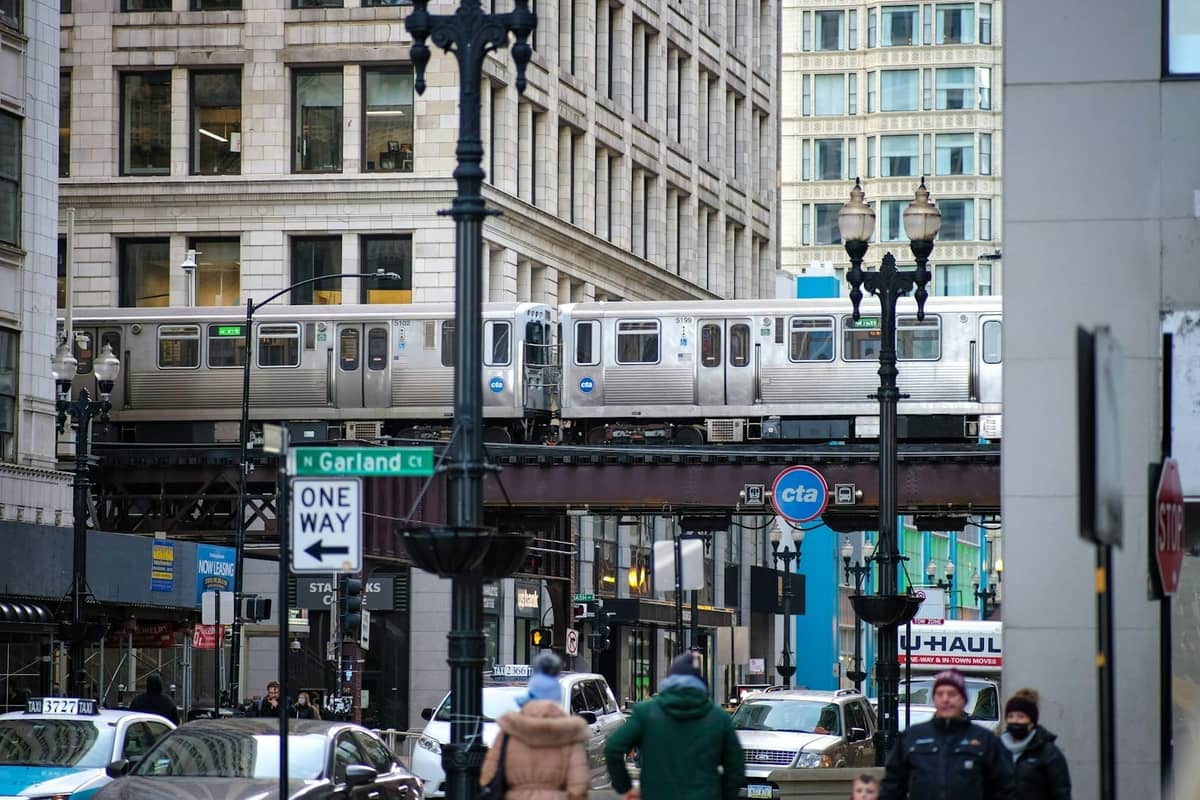
Driving to the Chicago Marathon is not recommended and, in many cases, not possible. Road closures affect a wide area around the course for most of the morning. The CTA is the most practical way to move between viewing spots. For a full breakdown of getting around the city, see getting around Chicago.
A workable two-spot plan: start at the Lakeview/Boystown zone around miles 9-10, then take the Red Line south to the Cermak-Chinatown stop to catch your runner at mile 21. This is achievable if your runner is targeting a finish time of around 4 hours or more. For faster runners, the window between spots narrows significantly, so check your runner's expected pace before committing to this strategy.
The CTA Blue Line connects O'Hare to downtown; the Orange Line serves Midway. Both lines reach the Loop and give access to the course near the start. The Red Line runs parallel to the eastern portions of the course and is the backbone of any multi-spot spectator strategy. Load your Ventra card before race day — ticket machines at busy stations have long lines on marathon morning.
💡 Local tip
Download the official Bank of America Chicago Marathon app before race day. It includes live runner tracking by bib number, which lets you calculate when your runner will reach your chosen viewing spot and avoid standing around for an hour longer than necessary.
Grant Park: Post-Race Logistics and the Runner Reunite Area
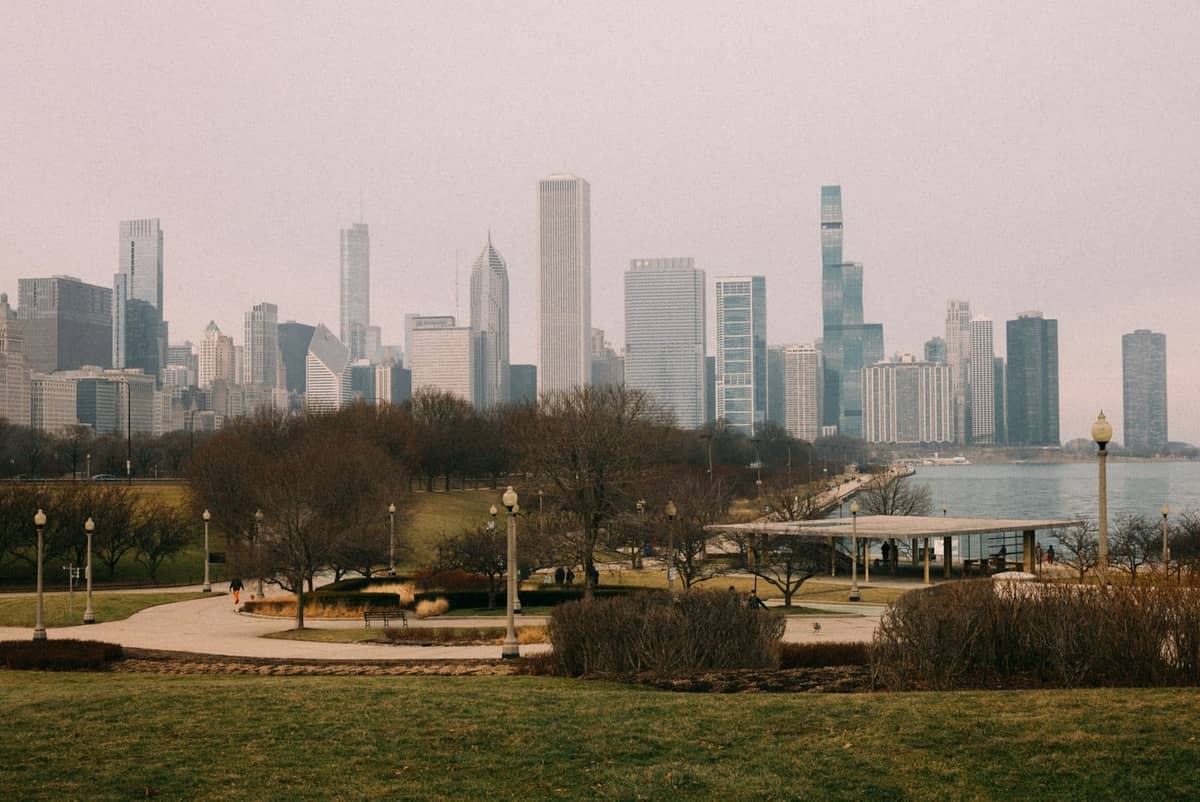
Grant Park is the heart of marathon weekend, but navigating it as a spectator requires knowing the rules. The finish area and start corral zones are fully restricted to runners, staff, and credentialed individuals. General spectator access to Grant Park begins at 9:30 a.m. on race day. The post-race zone connects directly to the broader South Loop and Museum Campus area, which has plenty of coffee and food options while you wait.
The 27th Mile Post-Race Party and Runner Reunite area opens to spectators at 9:30 a.m. This is the designated place to meet your runner after they cross the finish line. Runners who have just finished 26.2 miles need time to collect their medal, mylar blanket, and gear bag before they can walk out to the reunion area — expect a wait of at least 20-30 minutes after your runner's expected finish time before they reach you.
Set a very specific meeting point inside the Runner Reunite area before race day. "Near the exit" is not enough — the area is large and the crowds after the main finishing wave (between 10 a.m. and 1 p.m.) are intense. Pick a named landmark or gate letter and confirm it with your runner the night before the race.
- Spectator access to Grant Park begins at 9:30 a.m. on race day
- Start and finish zones are restricted — no exceptions for general spectators
- The Runner Reunite area is the only designated post-race meeting zone
- Expect a 20-45 minute gap between your runner's finish time and when they reach the reunion area
- Pick a specific, named meeting point inside the reunite zone before race morning
Race Day Planning: Weather, Crowds, and Timing
The Chicago Marathon takes place in mid-October, which is typically one of the best weather windows in the city. September mean temperatures run around 19°C (66°F), and October is usually slightly cooler and drier. That said, Chicago's weather is genuinely unpredictable — the race has been run in near-freezing conditions and in unexpected heat. Dress in layers and check the forecast the night before. For a broader look at what October brings, see the guide to the best time to visit Chicago.
Arrive at your first viewing spot well before the lead runners pass. The wheelchair and handcycle divisions start first, followed by elite runners, and then the main wave starts that typically begin around 7:30 a.m., with additional waves continuing after 8:30 a.m. depending on your corral. The bulk of the field arrives at any given mile marker across a window of several hours, so you have more flexibility than you might think for mid-course spots like miles 13 and 21.
If you are traveling specifically for the marathon, plan to arrive a day early. The race expo at McCormick Place runs for several days before race day and is worth visiting if you want to experience the full event atmosphere. Pair it with a walk through Millennium Park and the surrounding Grant Park area to get your bearings before the roads close on Sunday morning.
Practical Tips: What to Bring and What to Avoid
Spectating the Chicago Marathon is a half-day commitment at minimum. The course is spread across a large area, and transit moves between viewing spots add time. Bring everything you need for a full morning outdoors because there is no practical way to return to your hotel mid-race.
- Comfortable walking shoes — you will cover several miles on foot between transit stops and viewing areas
- Layers: a warm base and a wind-resistant outer layer for early morning, with the option to strip down by midday
- A fully charged phone with the official marathon app downloaded and your runner's bib number saved
- Cash and a loaded Ventra card — card machines at CTA stations are slow on race morning
- Snacks and water, especially if you plan to be out for more than three hours
- A handmade sign with your runner's name and bib number — runners genuinely respond to personalized signs, especially after mile 18
Avoid bringing a stroller to the course-side viewing areas during peak race hours. The sidewalks are packed and narrow at popular spots like Chinatown and the Lakeview corridor. If you are visiting Chicago with children, consider starting at the Runner Reunite area in Grant Park rather than attempting multiple course spots. For other family-friendly ideas around race weekend, see Chicago with kids.
ℹ️ Good to know
Crossing the course once the race is underway is extremely difficult and often impossible at manned intersections. Plan your entire spectating route so that all your chosen spots are on the same side of the course — or account for specific, early crossing windows at designated pedestrian crossings. Do not assume you can simply walk across.
FAQ
When is the Chicago Marathon 2026?
The Bank of America Chicago Marathon traditionally takes place on the second Sunday of October. For 2026, check the official Chicago Marathon website at chicagomarathon.com for the confirmed date, as it is typically announced well in advance of registration opening.
Can spectators watch from the start and finish area in Grant Park?
No. The start and finish areas within Grant Park are restricted to runners with race bibs, credentialed event staff, and ticketed guests. General spectators are not permitted in these zones on race day. The Runner Reunite area opens to spectators at 9:30 a.m., but the finish line itself is not publicly accessible.
What is the best place to watch the Chicago Marathon?
Chinatown at approximately mile 21 is consistently rated the best single spectator spot for atmosphere. Runners arrive there when they need the crowd most, and the local community puts on an extraordinary show. For first-time spectators who want to pick just one spot, this is the answer. Get there early via the Red Line Cermak-Chinatown station.
How do I track my runner during the Chicago Marathon?
Download the official Bank of America Chicago Marathon app and enter your runner's bib number before race day. The app provides live tracking and estimated arrival times at key mile markers, which is essential for timing your own movements between viewing spots.
What is the best way to get around Chicago during the marathon?
The CTA is the most practical option. Driving is not feasible due to widespread road closures. The Red Line is your primary tool, connecting North Side viewing spots (Lakeview, Lincoln Park) to Chinatown in the south. Load your Ventra card the night before — machine queues at busy stations are long on race morning.