Chicago Gangster History: The Best Al Capone Sites, Tours & Mob Landmarks
Chicago's Prohibition-era crime history is woven into its streets, neighborhoods, and buildings. This guide covers the real locations tied to Al Capone, the St. Valentine's Day Massacre, John Dillinger, and the Chicago Outfit, plus the best tours to bring it all to life.
Plan and book this trip
Tools from our partner Travelpayouts help you compare flights and hotels. If you book through them, we may earn a commission at no extra cost to you.
Flights
Hotels map
Few cities in the world have a crime history as vivid and well-documented as Chicago's. During Prohibition (1920-1933), the city became the epicenter of organized crime in America, with Al Capone's Chicago Outfit controlling bootlegging, gambling, and vice across a vast network of neighborhoods. The good news for history-obsessed visitors is that many of the key sites survive today, from bullet-marked cathedral doors to a jazz club that Capone once called his own. Whether you prefer a guided bus tour or a self-guided walk, Chicago rewards the curious. For context before you go, the Gold Coast and Lincoln Park and Old Town neighborhoods contain several of the most significant gangster landmarks, while the Loop and River North hold key architectural and historical stops. Plan at least one full day to connect these sites, and consider layering in one of the excellent guided tours that bring the Capone era to life with expert commentary.
✨ Pro tip
Several competing gangster bus tours currently depart from 163 E Pearson St (Michigan Ave & Pearson). Arrive 10-15 minutes early as buses depart on time. Tours run year-round in climate-controlled coaches.
Gangster Tours: The Best Ways to Experience the History
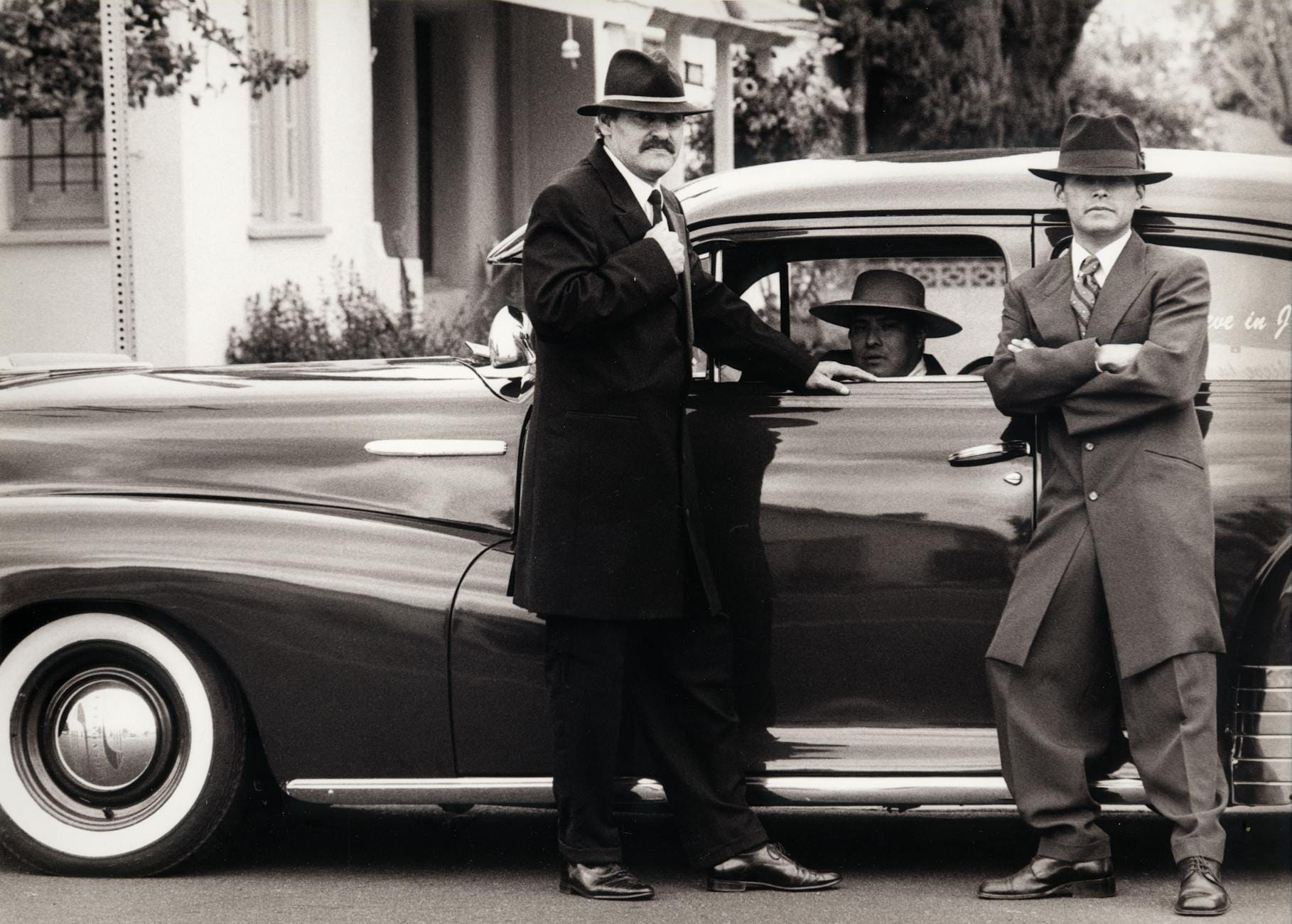
The fastest way to connect Chicago's scattered mob landmarks is a guided tour. Multiple operators run Prohibition-era bus tours covering sites across the Gold Coast, River North, Old Town, and the Loop. Tours range from 90 minutes to 3 hours, typically cost $40-50 per person, and mix on-bus narration with select walking stops. The Chicago Crime & Mob Tour (via Viator) and Chicago Crime Tours both currently depart from 163 E Pearson St, while Untouchable Tours picks up on Clark Street near Ohio. Historian-led options like John Binder's Chicago Prohibition Gangster Tour go deeper on documented facts and are worth seeking out for serious history buffs.
Crime Scene Landmarks You Can Visit Today
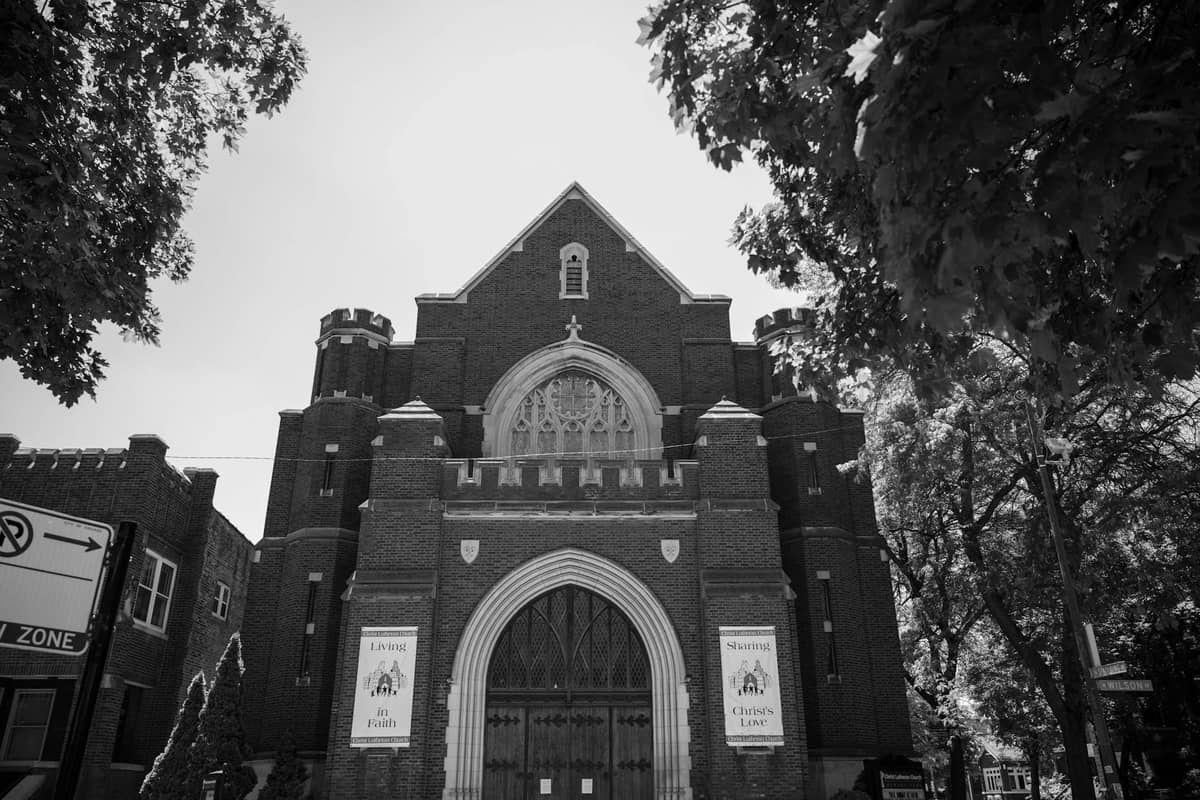
Chicago's gangster geography is surprisingly accessible. Several landmark buildings from the Capone era still stand and can be visited independently, many for free. The most concentrated cluster sits between the Gold Coast and Magnificent Mile, where cathedral bullet holes, bootlegger hotels, and massacre sites are all within walking distance of each other.
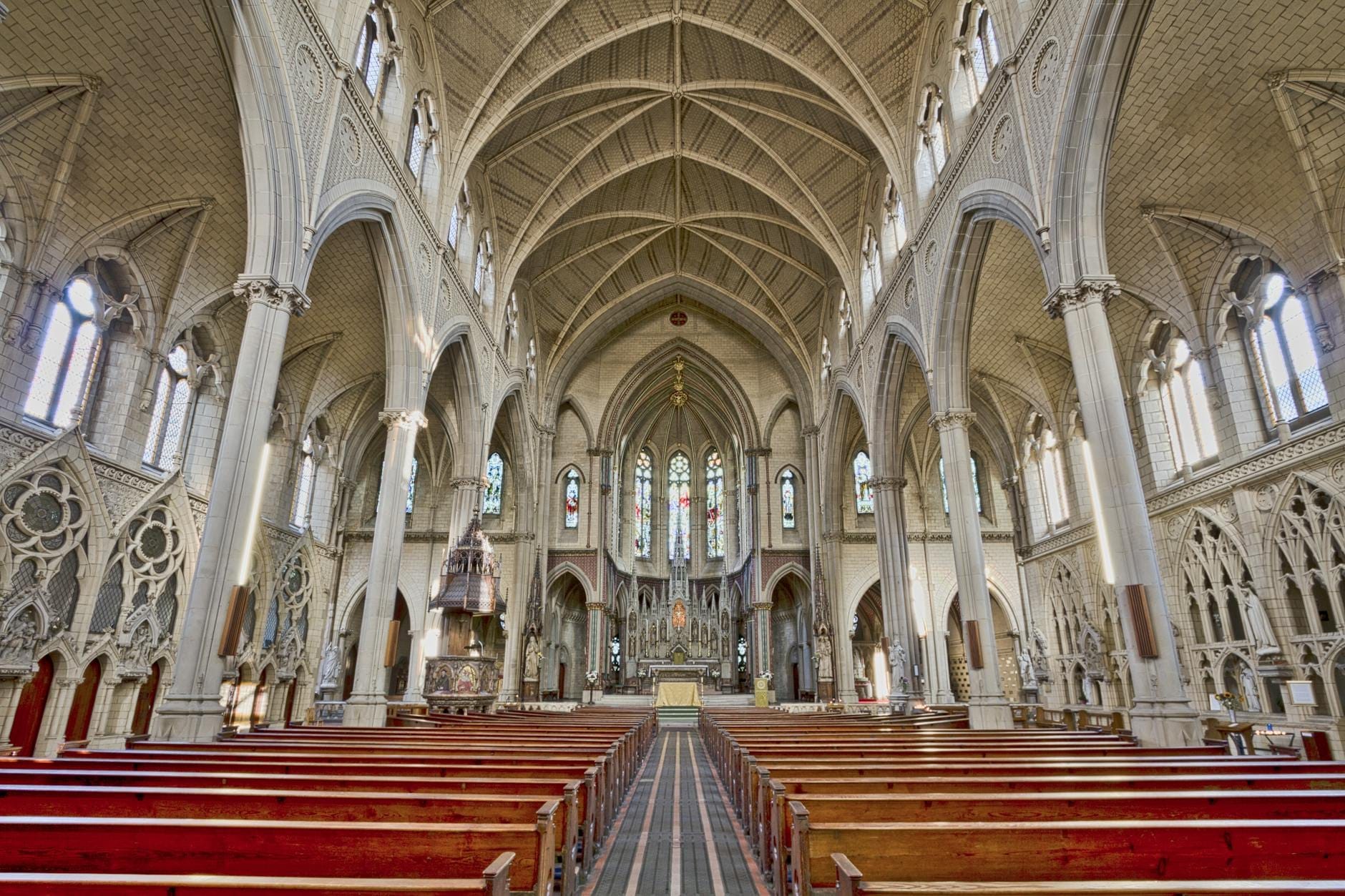
1. Read the Bullet Holes at Holy Name Cathedral
The bronze doors of this 1875 Gothic Revival church bear real bullet holes from the 1926 gangland murder of North Side gang leader Hymie Weiss on its front steps. Free to enter, historically unmissable, and still an active parish.
Explore1. Read the Bullet Holes at Holy Name Cathedral
The bronze doors of this 1875 Gothic Revival church bear real bullet holes from the 1926 gangland murder of North Side gang leader Hymie Weiss on its front steps. Free to enter, historically unmissable, and still an active parish.
Explore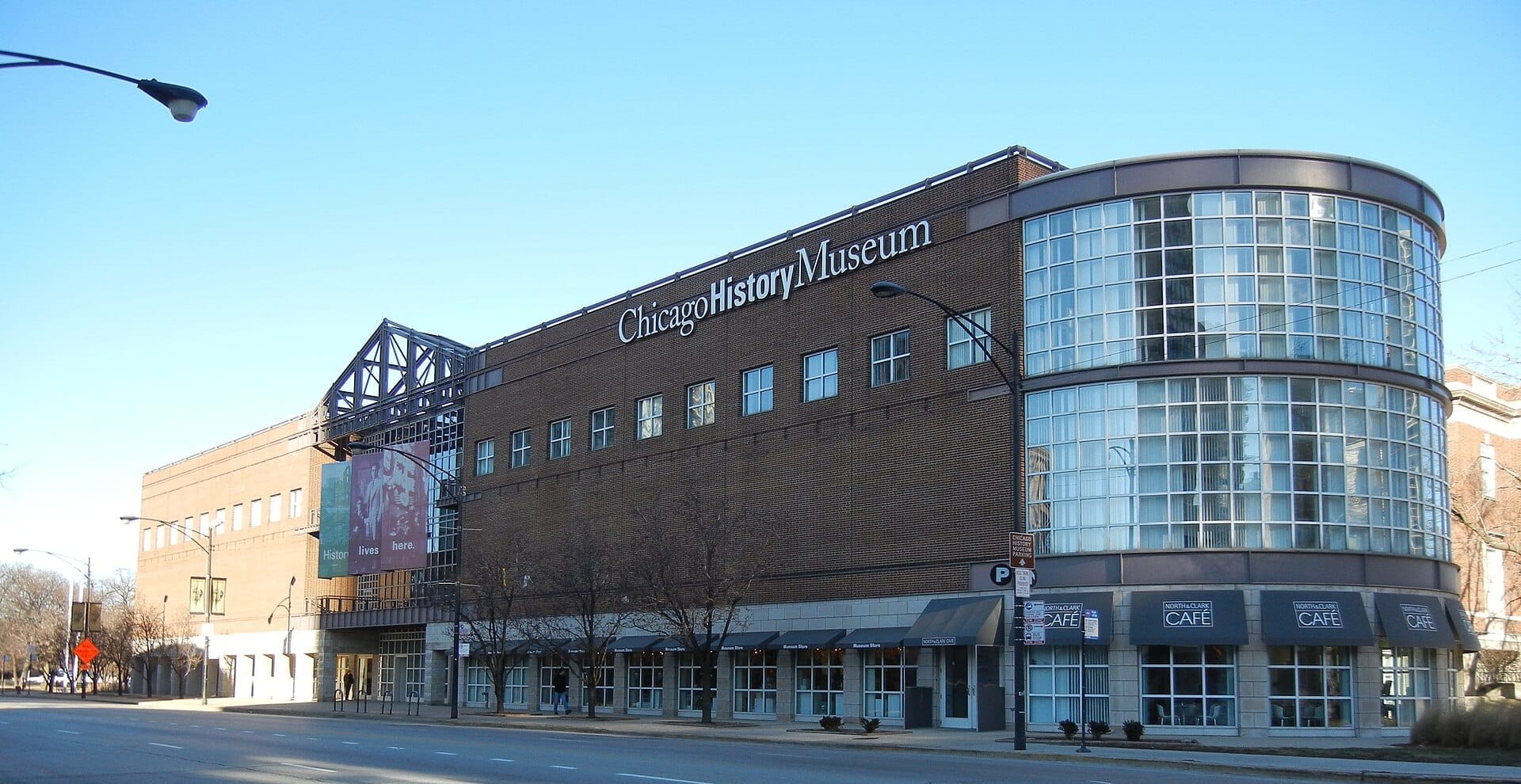
2. Get the Full Mob Context at the Chicago History Museum
The definitive museum for Chicago's past dedicates serious attention to the Prohibition era, organized crime, and Al Capone's rise. Artifacts and detailed timelines put the gangster story into the broader sweep of city history. Plan 2-3 hours.
Explore2. Get the Full Mob Context at the Chicago History Museum
The definitive museum for Chicago's past dedicates serious attention to the Prohibition era, organized crime, and Al Capone's rise. Artifacts and detailed timelines put the gangster story into the broader sweep of city history. Plan 2-3 hours.
Explore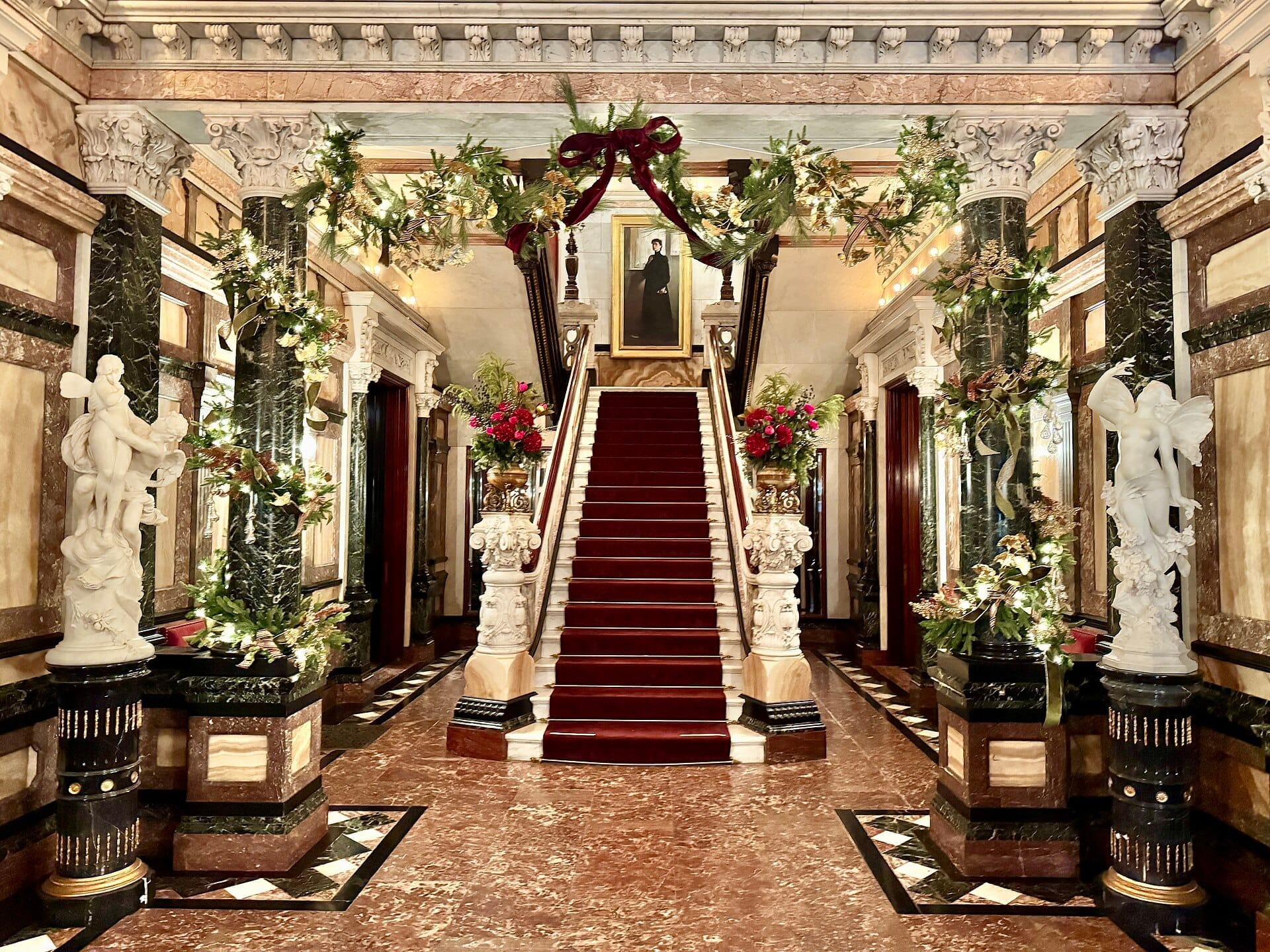
3. Tour the Gilded Era World Capone Operated Alongside
The opulent 1883 Nickerson Mansion in the Gold Coast shows the lavish wealth of Chicago's elite during Prohibition. Understanding the society Capone mimicked and corrupted adds crucial context. One of Chicago's most underrated museum interiors.
Explore3. Tour the Gilded Era World Capone Operated Alongside
The opulent 1883 Nickerson Mansion in the Gold Coast shows the lavish wealth of Chicago's elite during Prohibition. Understanding the society Capone mimicked and corrupted adds crucial context. One of Chicago's most underrated museum interiors.
Explore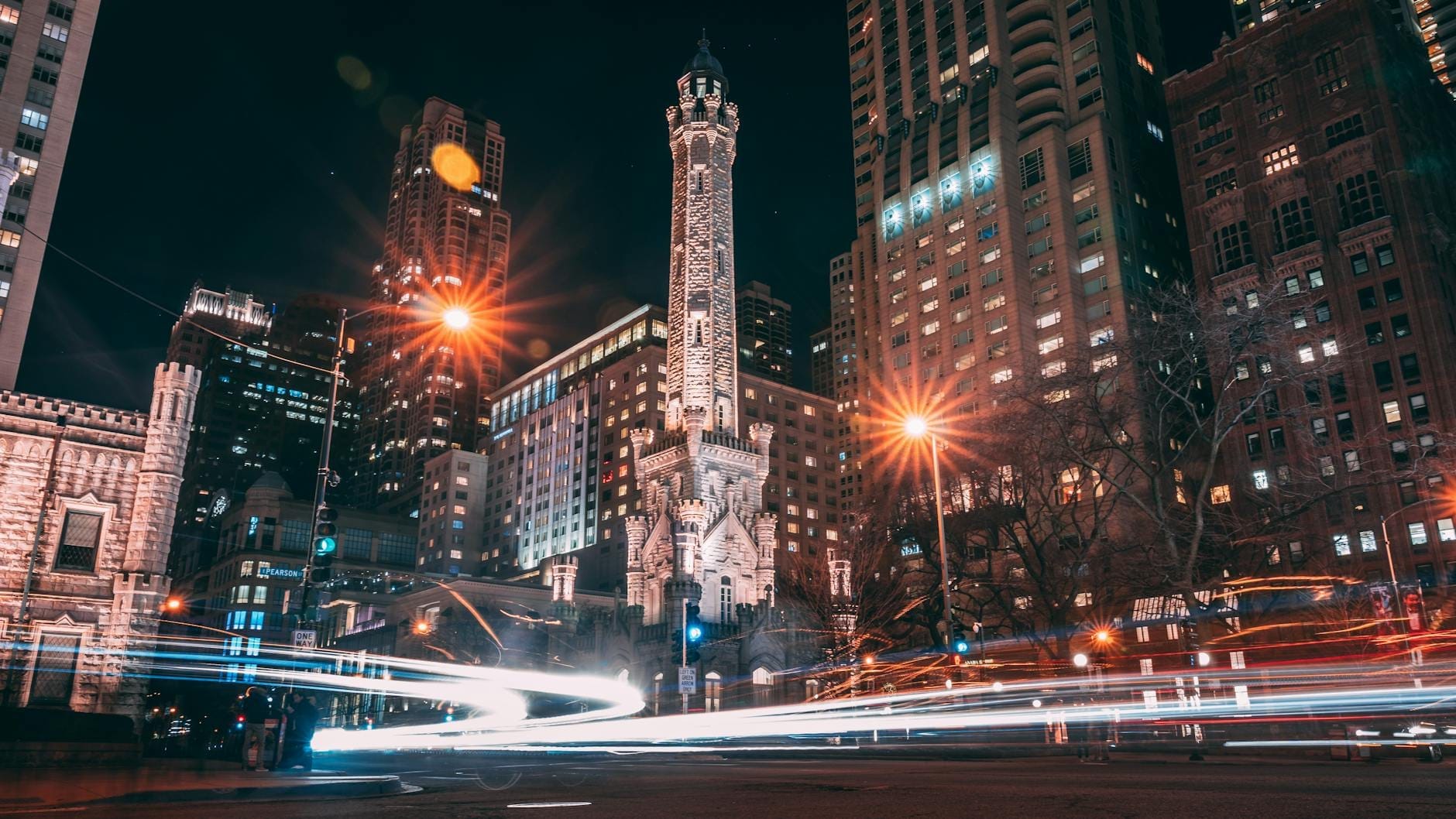
4. Walk Past a Landmark on the Mob's Turf
The 1869 Gothic Water Tower on Michigan Avenue sat at the northern edge of Capone-era territory. It's a free landmark and natural anchor for a self-guided walk linking Holy Name Cathedral and the Magnificent Mile gangster sites nearby.
Explore4. Walk Past a Landmark on the Mob's Turf
The 1869 Gothic Water Tower on Michigan Avenue sat at the northern edge of Capone-era territory. It's a free landmark and natural anchor for a self-guided walk linking Holy Name Cathedral and the Magnificent Mile gangster sites nearby.
Explore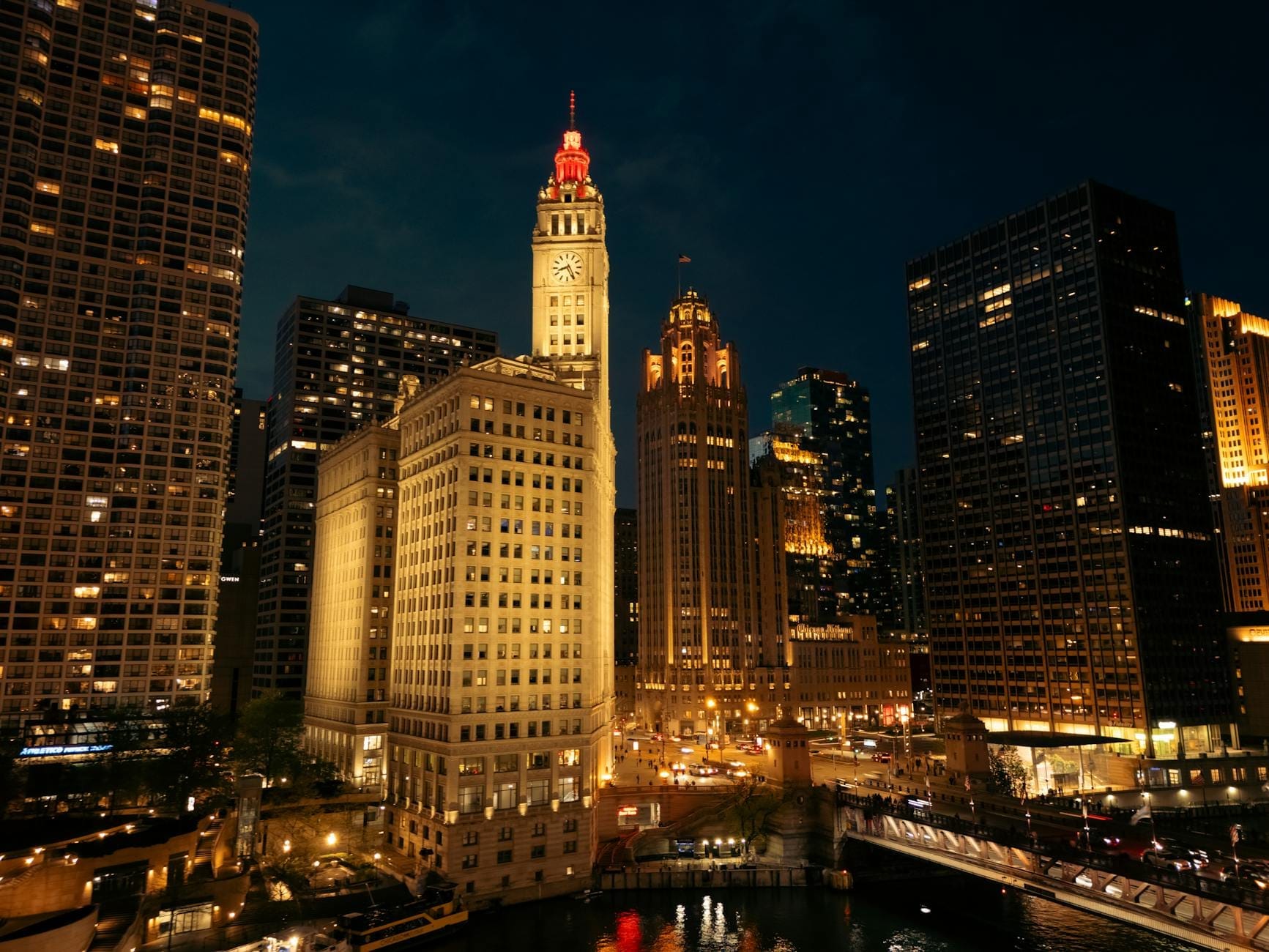
5. Photograph the Gateway to Capone's North Side Battlefield
The gleaming 1921 Wrigley Building anchored the northern end of Capone-era Chicago. The Michigan Avenue Bridge area below it was contested turf between the Capone Outfit and Bugs Moran's North Side gang. Best photographed at night when illuminated.
Explore5. Photograph the Gateway to Capone's North Side Battlefield
The gleaming 1921 Wrigley Building anchored the northern end of Capone-era Chicago. The Michigan Avenue Bridge area below it was contested turf between the Capone Outfit and Bugs Moran's North Side gang. Best photographed at night when illuminated.
ExploreBars & Jazz Clubs with Direct Capone Connections
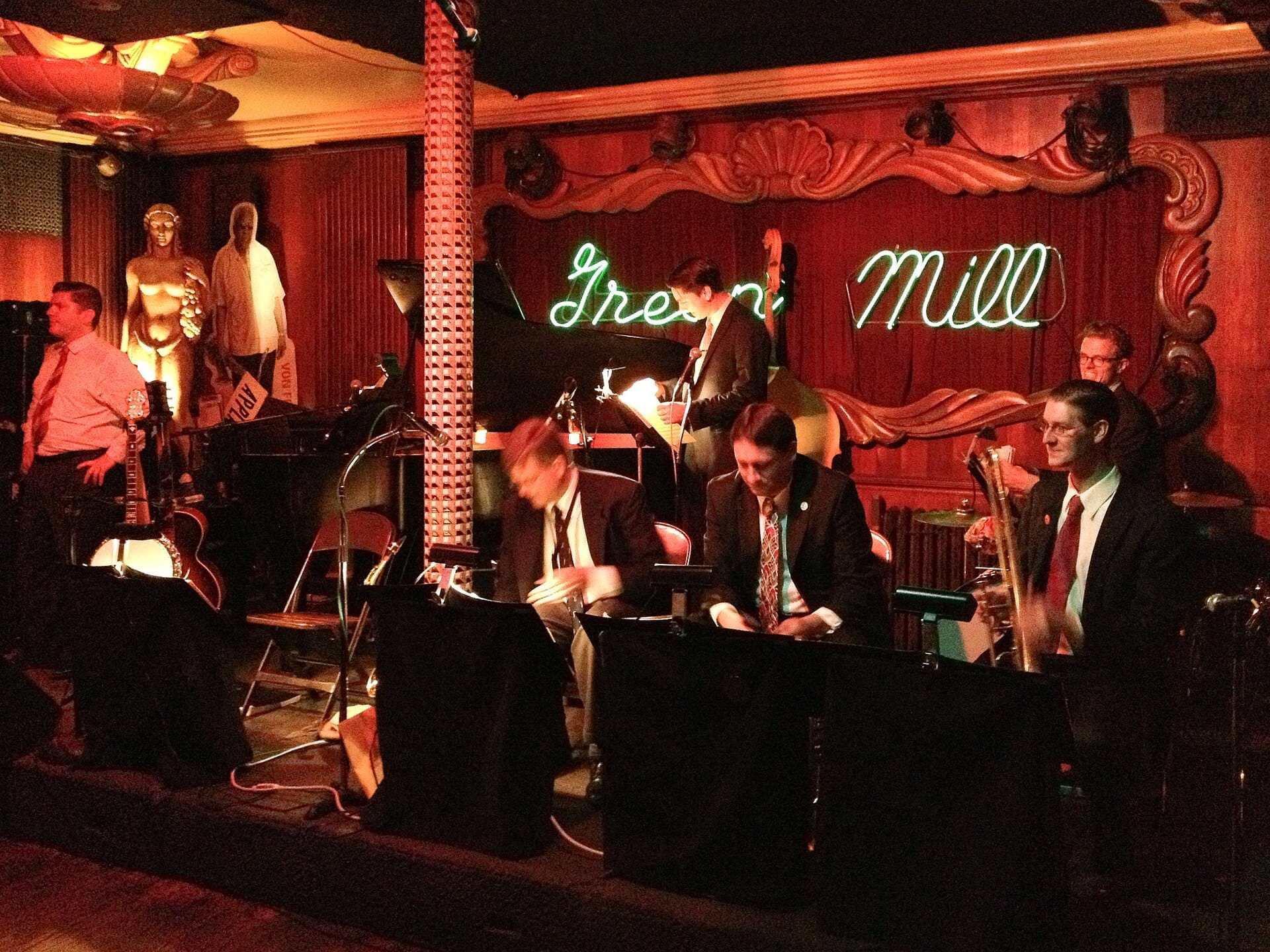
6. Drink at Al Capone's Favorite Bar: The Green Mill
Operating since 1907, the Green Mill in Uptown was Al Capone's preferred haunt, and the Art Deco interior remains almost unchanged. Live jazz runs seven nights a week. The tunnel under the bar where Capone hid from rivals is a well-documented piece of local lore.
Explore6. Drink at Al Capone's Favorite Bar: The Green Mill
Operating since 1907, the Green Mill in Uptown was Al Capone's preferred haunt, and the Art Deco interior remains almost unchanged. Live jazz runs seven nights a week. The tunnel under the bar where Capone hid from rivals is a well-documented piece of local lore.
Explore💡 Local tip
The Green Mill is cash-preferred and has a two-drink minimum during performances. Arrive early on weekends to secure a table near the stage.
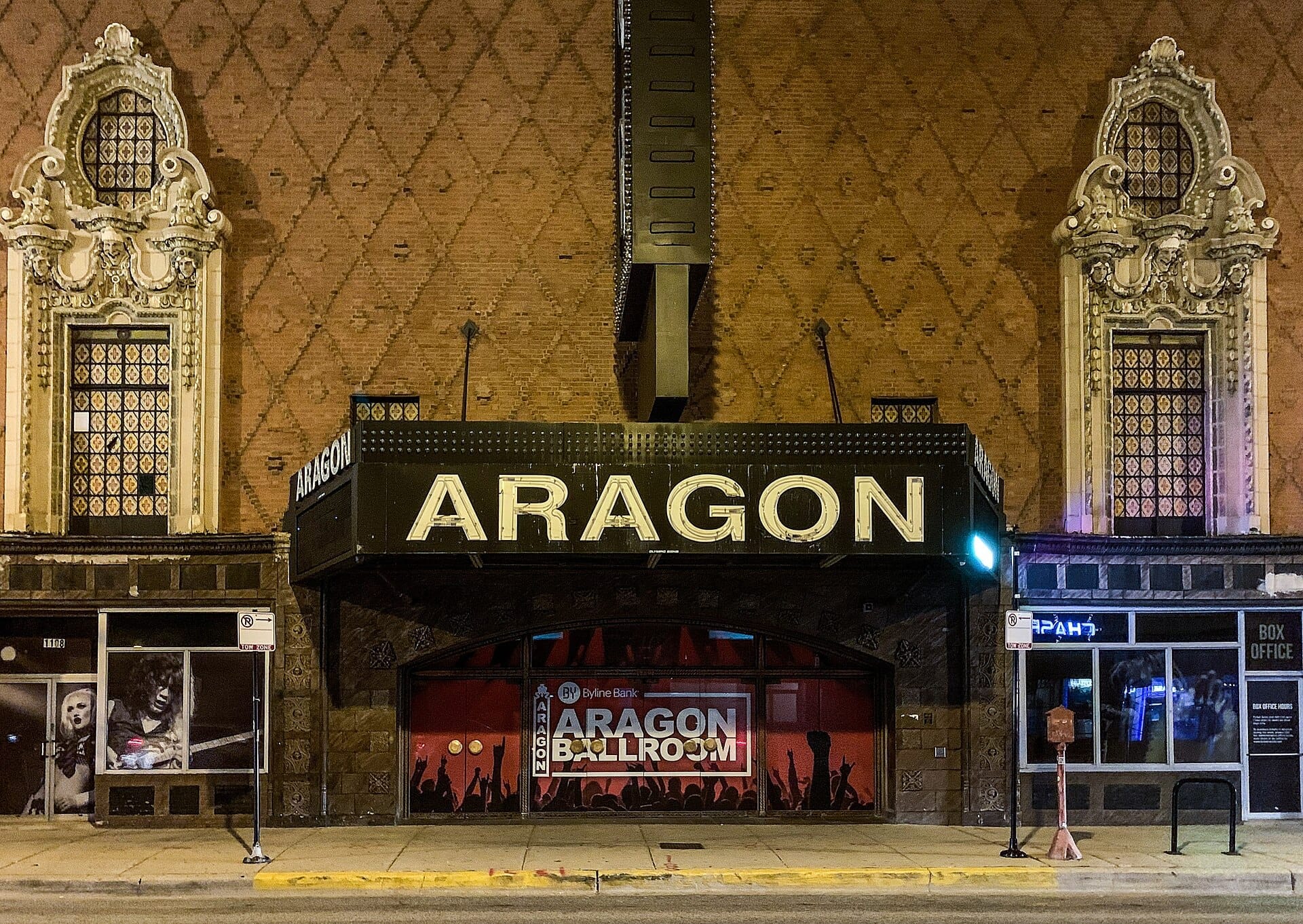
7. See the 1926 Ballroom That Defined Uptown's Mob-Era Heyday
The Moorish Revival Aragon Ballroom opened in 1926 at the height of Prohibition, in the same Uptown neighborhood where Capone's Green Mill operated. Now a concert hall, the spectacular ornate interior is largely intact. Worth visiting even from the exterior.
Explore7. See the 1926 Ballroom That Defined Uptown's Mob-Era Heyday
The Moorish Revival Aragon Ballroom opened in 1926 at the height of Prohibition, in the same Uptown neighborhood where Capone's Green Mill operated. Now a concert hall, the spectacular ornate interior is largely intact. Worth visiting even from the exterior.
Explore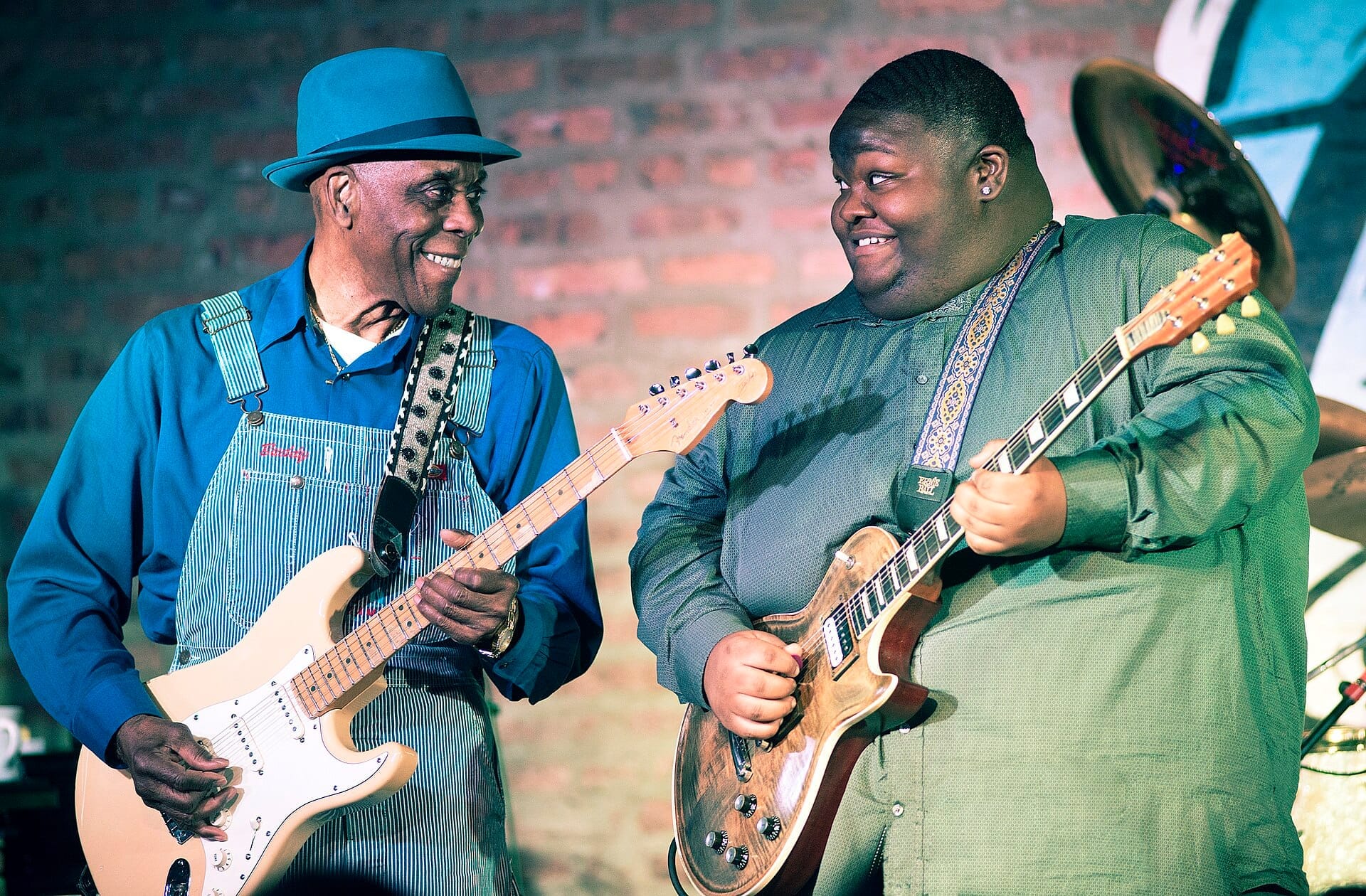
8. Visit the South Side Blues Scene Capone's World Helped Create
The Capone era and Great Migration overlap directly in Chicago's South Side blues history. Buddy Guy's Legends, one of the world's great blues clubs, sits in the neighborhood where that music took root. Live music seven nights a week.
Explore8. Visit the South Side Blues Scene Capone's World Helped Create
The Capone era and Great Migration overlap directly in Chicago's South Side blues history. Buddy Guy's Legends, one of the world's great blues clubs, sits in the neighborhood where that music took root. Live music seven nights a week.
ExploreArchitecture & Neighborhoods That Tell the Story
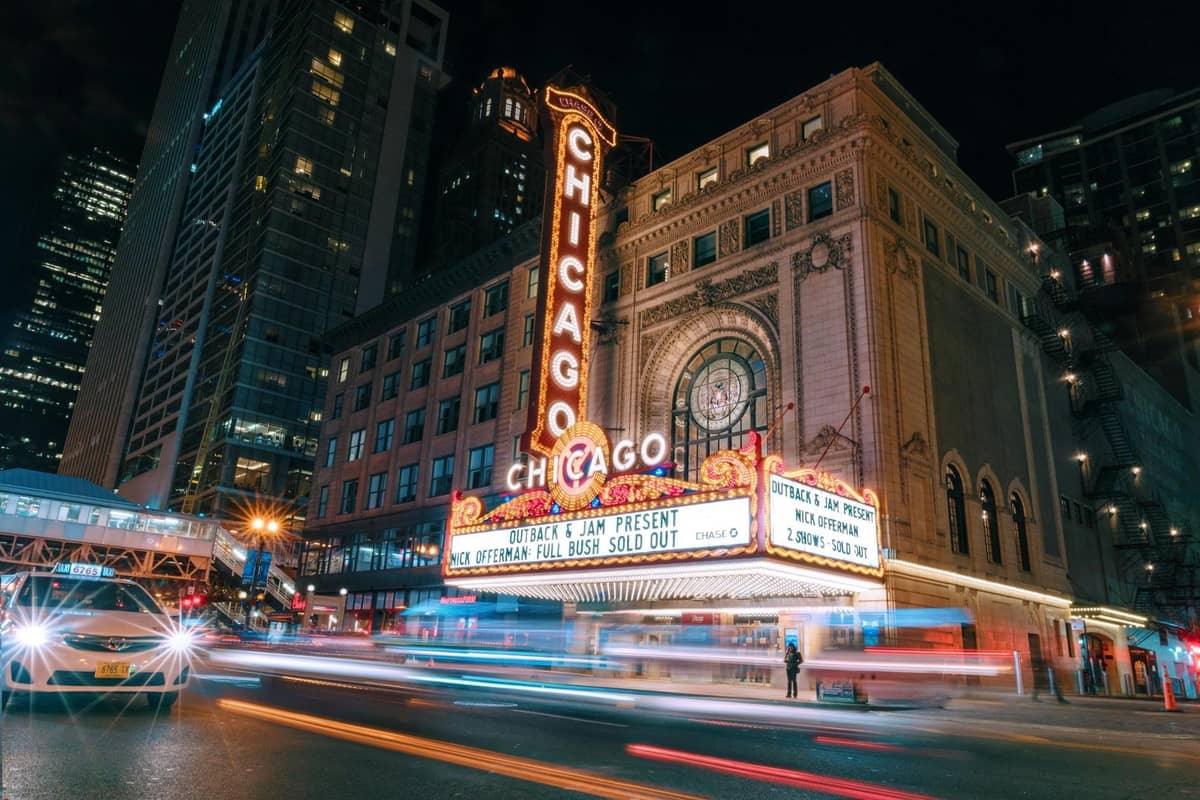
Much of Capone-era Chicago survives in its buildings. The city's architectural legacy and its gangster history are deeply intertwined: the same decade that produced the Art Deco towers of the Loop also built the speakeasies, hotels, and warehouses where the Outfit operated. Walking these streets gives the history a physical weight that no museum can fully replicate.
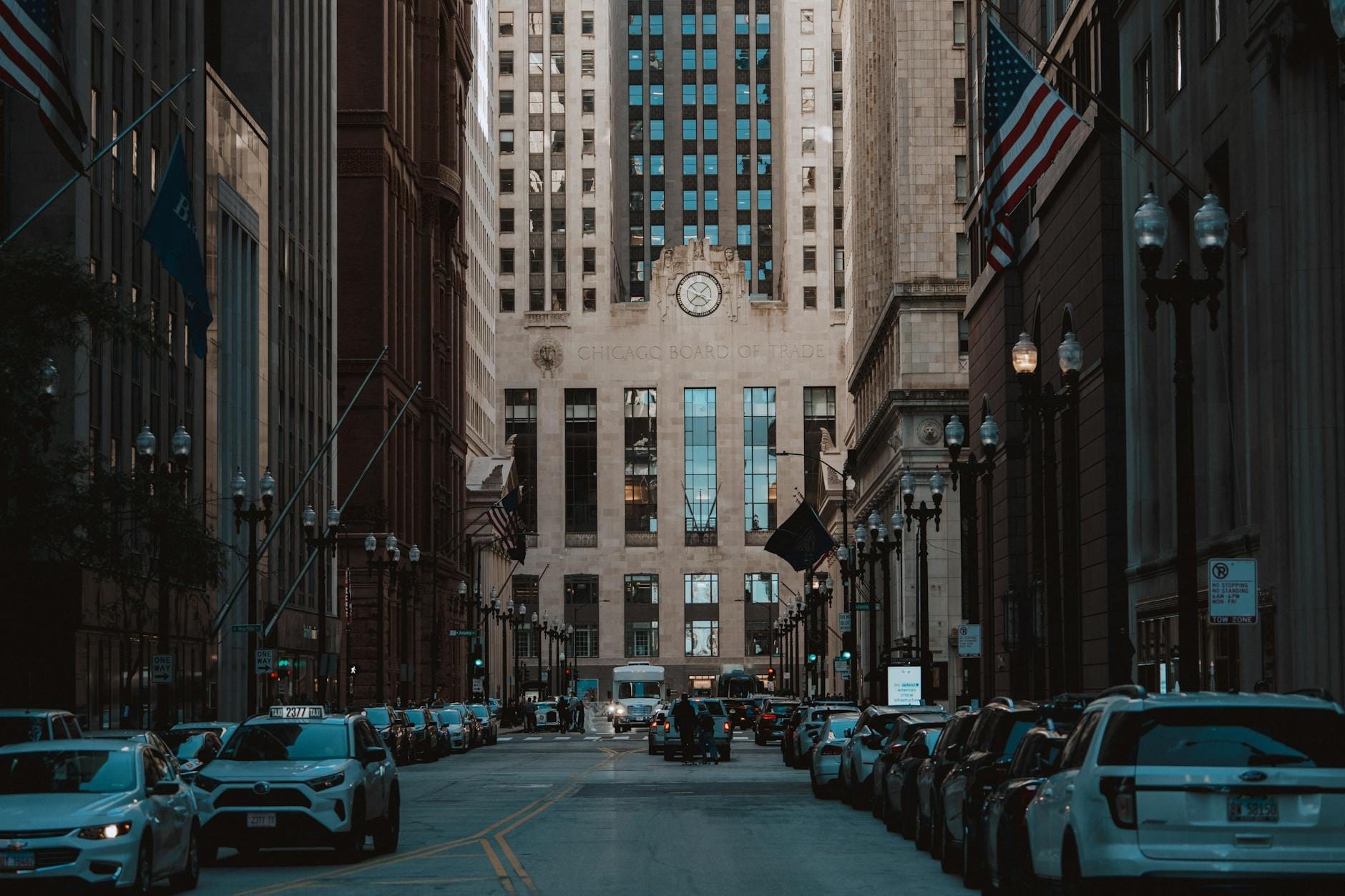
9. Stand at the Heart of the Loop That Capone Wanted to Control
The 1930 Art Deco Board of Trade Building was completed at the end of Prohibition, representing the legitimate financial Chicago that coexisted with Capone's parallel economy. The LaSalle Street canyon view is one of the city's most dramatic architectural set pieces.
Explore9. Stand at the Heart of the Loop That Capone Wanted to Control
The 1930 Art Deco Board of Trade Building was completed at the end of Prohibition, representing the legitimate financial Chicago that coexisted with Capone's parallel economy. The LaSalle Street canyon view is one of the city's most dramatic architectural set pieces.
Explore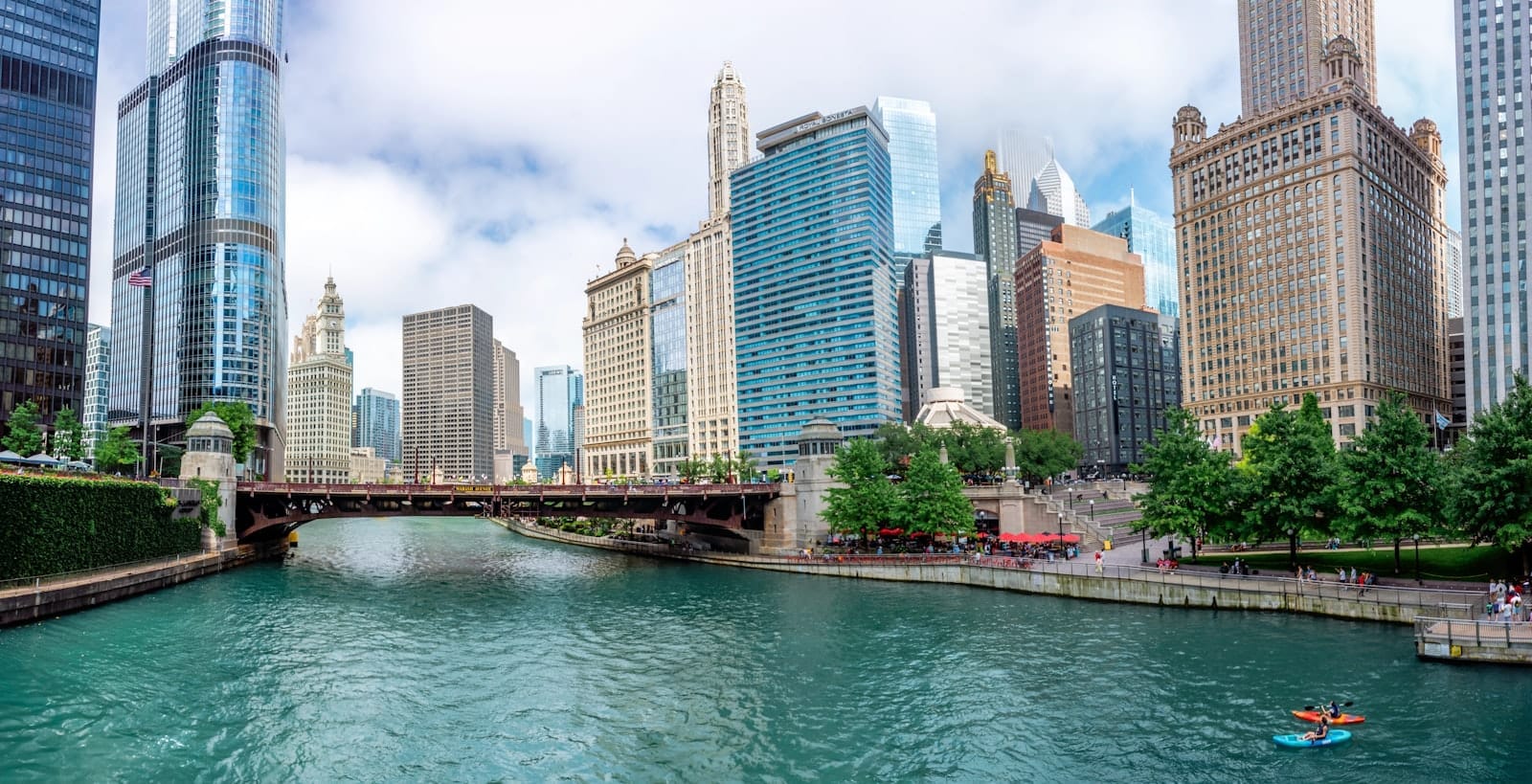
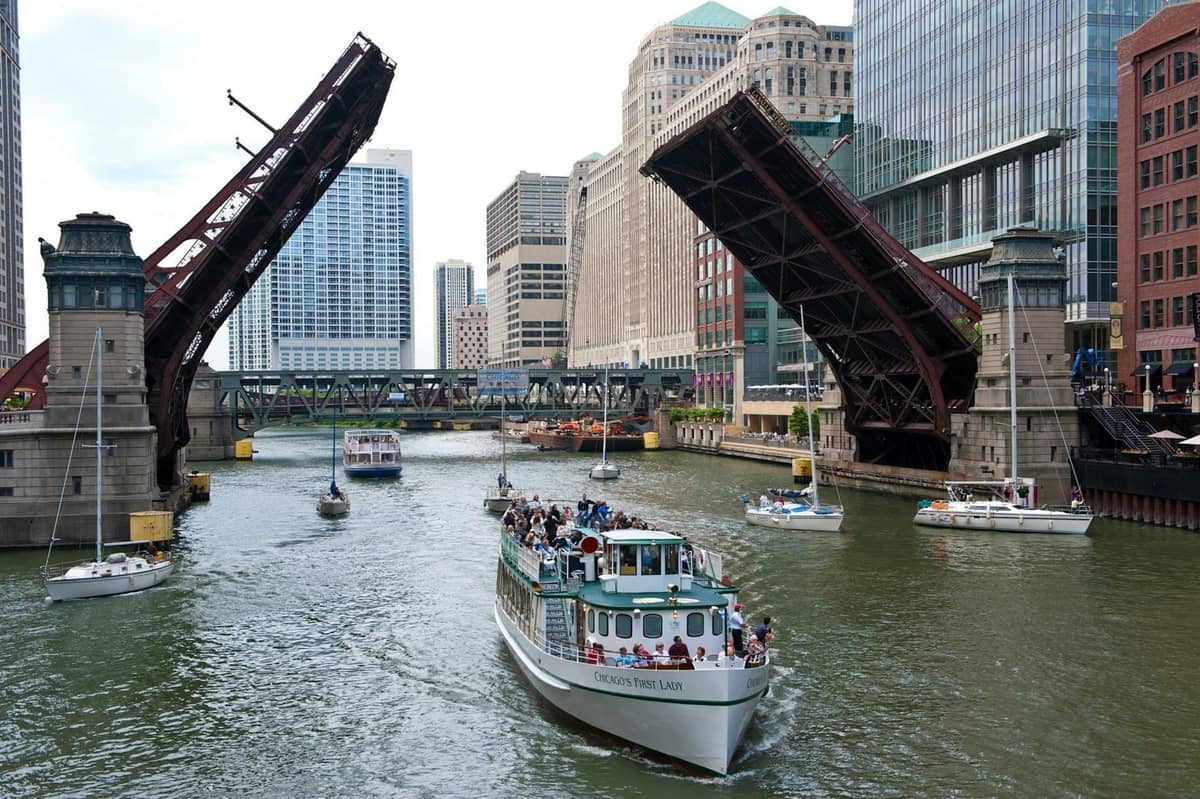
10. Walk the River Where Bootleg Liquor Arrived by Boat
The Chicago River was a primary smuggling route during Prohibition, and its downtown bridges were key to the Outfit's logistics. Walking the Riverwalk today beneath the same bridges offers a vivid sense of how the geography shaped the bootleg trade.
Explore10. Walk the River Where Bootleg Liquor Arrived by Boat
The Chicago River was a primary smuggling route during Prohibition, and its downtown bridges were key to the Outfit's logistics. Walking the Riverwalk today beneath the same bridges offers a vivid sense of how the geography shaped the bootleg trade.
Explore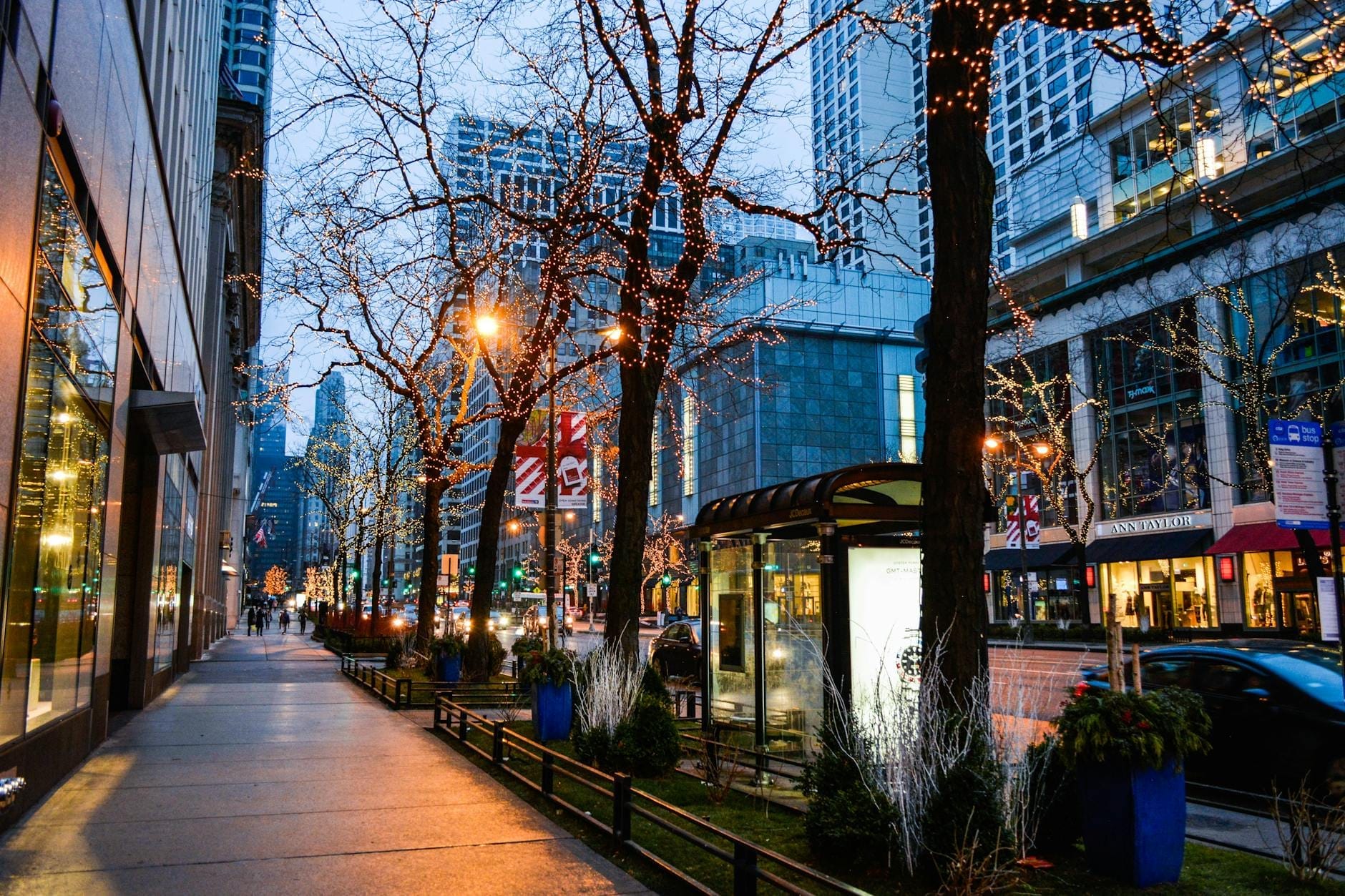
11. Walk the Street Where Mob Money Met High Society
North Michigan Avenue in the 1920s was where Capone-era wealth mixed with legitimate Chicago elite. The Tribune Tower and Wrigley Building both date to this period. A slow walk north from the river traces the physical backbone of Prohibition-era Chicago.
Explore11. Walk the Street Where Mob Money Met High Society
North Michigan Avenue in the 1920s was where Capone-era wealth mixed with legitimate Chicago elite. The Tribune Tower and Wrigley Building both date to this period. A slow walk north from the river traces the physical backbone of Prohibition-era Chicago.
Explore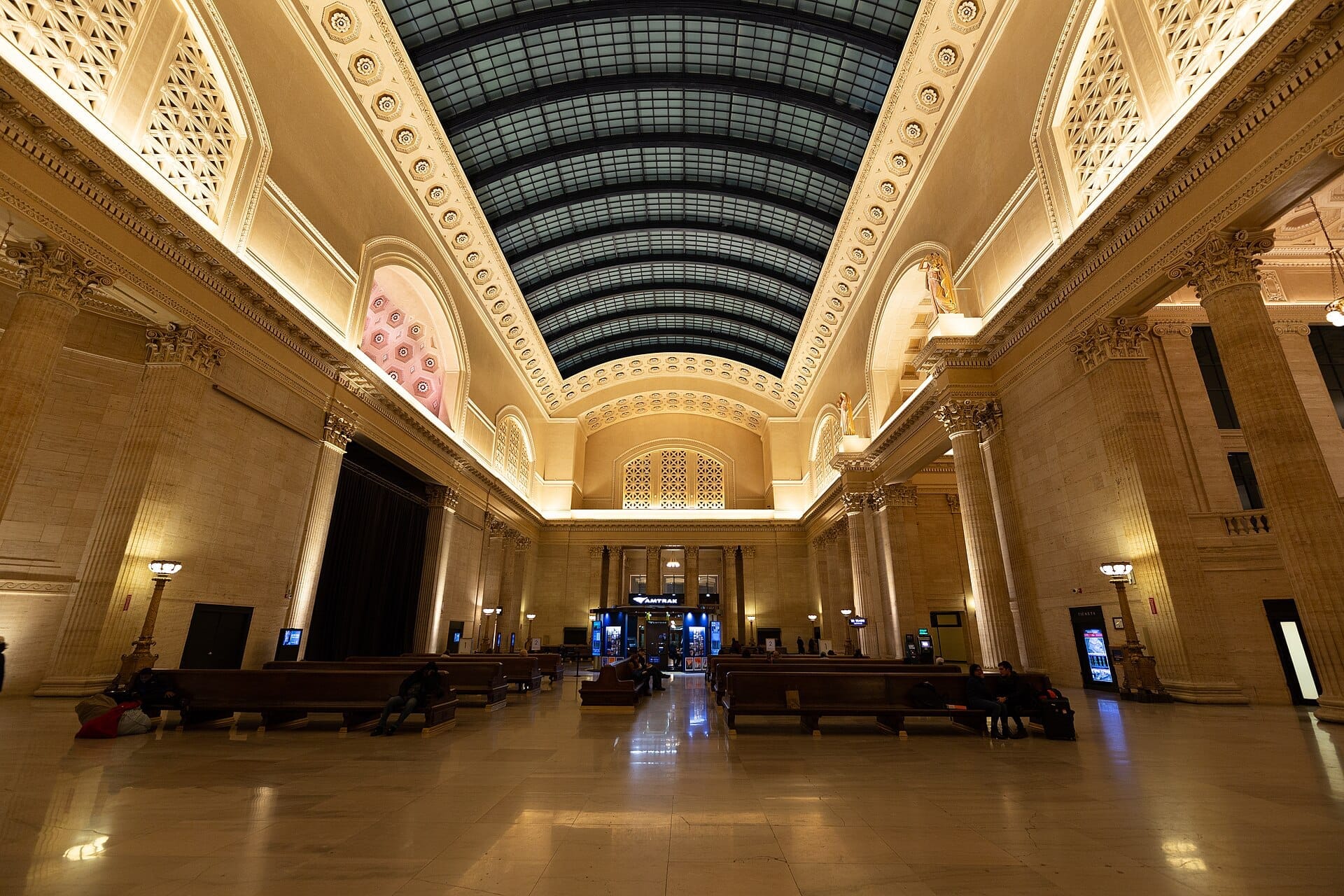
12. Visit the Train Station That Brought Capone's Rivals to Town
Union Station's Beaux-Arts Great Hall opened in 1925 and was the arrival point for federal agents, rival gangsters, and witnesses throughout the Capone years. Free to enter, the soaring skylight interior is also the filming location of the famous Untouchables staircase scene.
Explore12. Visit the Train Station That Brought Capone's Rivals to Town
Union Station's Beaux-Arts Great Hall opened in 1925 and was the arrival point for federal agents, rival gangsters, and witnesses throughout the Capone years. Free to enter, the soaring skylight interior is also the filming location of the famous Untouchables staircase scene.
Explore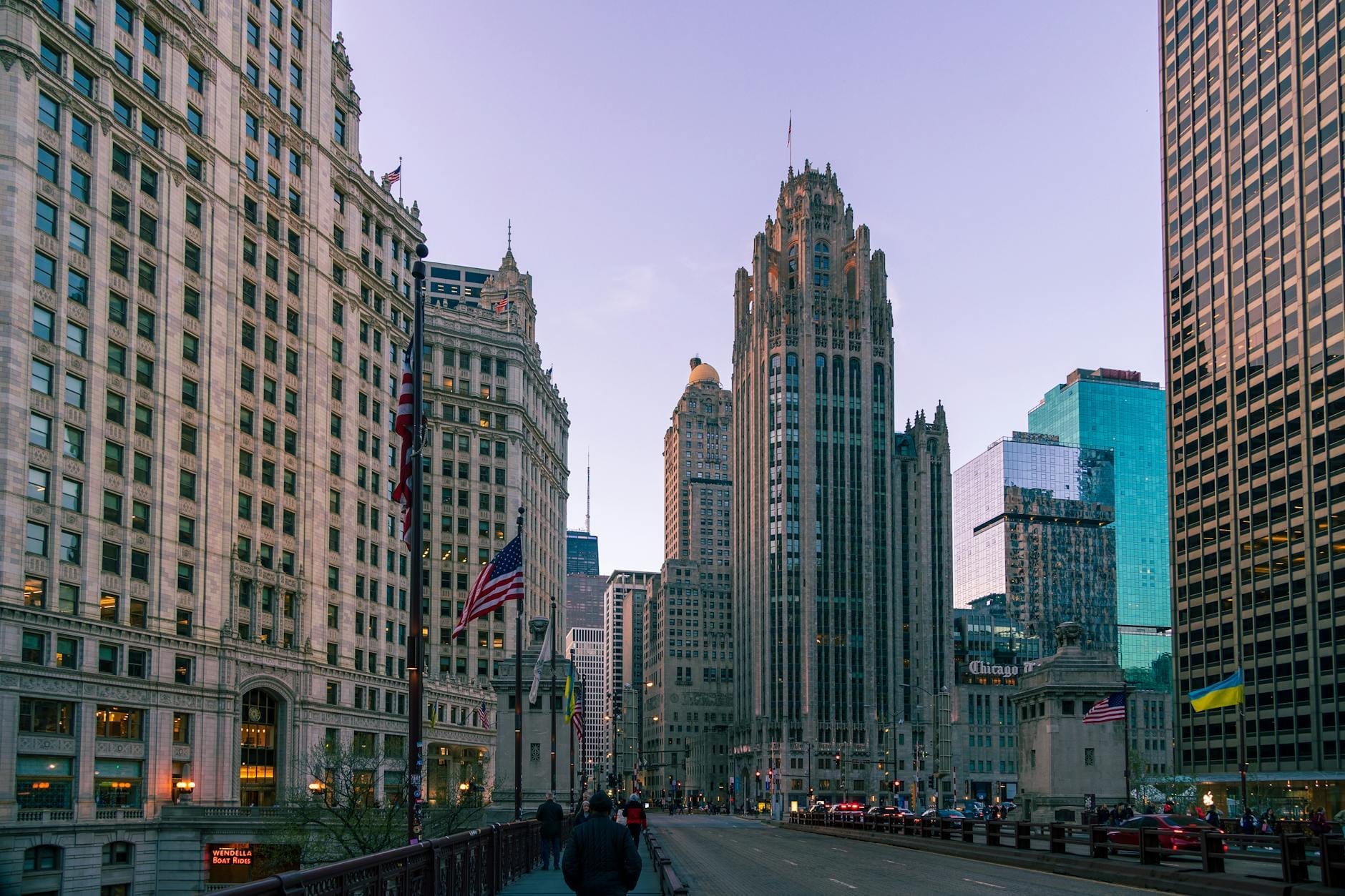
13. Examine the Gothic Tower That Covered Capone for the World
The neo-Gothic Tribune Tower, completed in 1925, housed the reporters who gave Al Capone his celebrity status with sensational front-page coverage. The facade is embedded with stones from world monuments. Now luxury condos, the exterior and lobby remain freely viewable.
Explore13. Examine the Gothic Tower That Covered Capone for the World
The neo-Gothic Tribune Tower, completed in 1925, housed the reporters who gave Al Capone his celebrity status with sensational front-page coverage. The facade is embedded with stones from world monuments. Now luxury condos, the exterior and lobby remain freely viewable.
Explore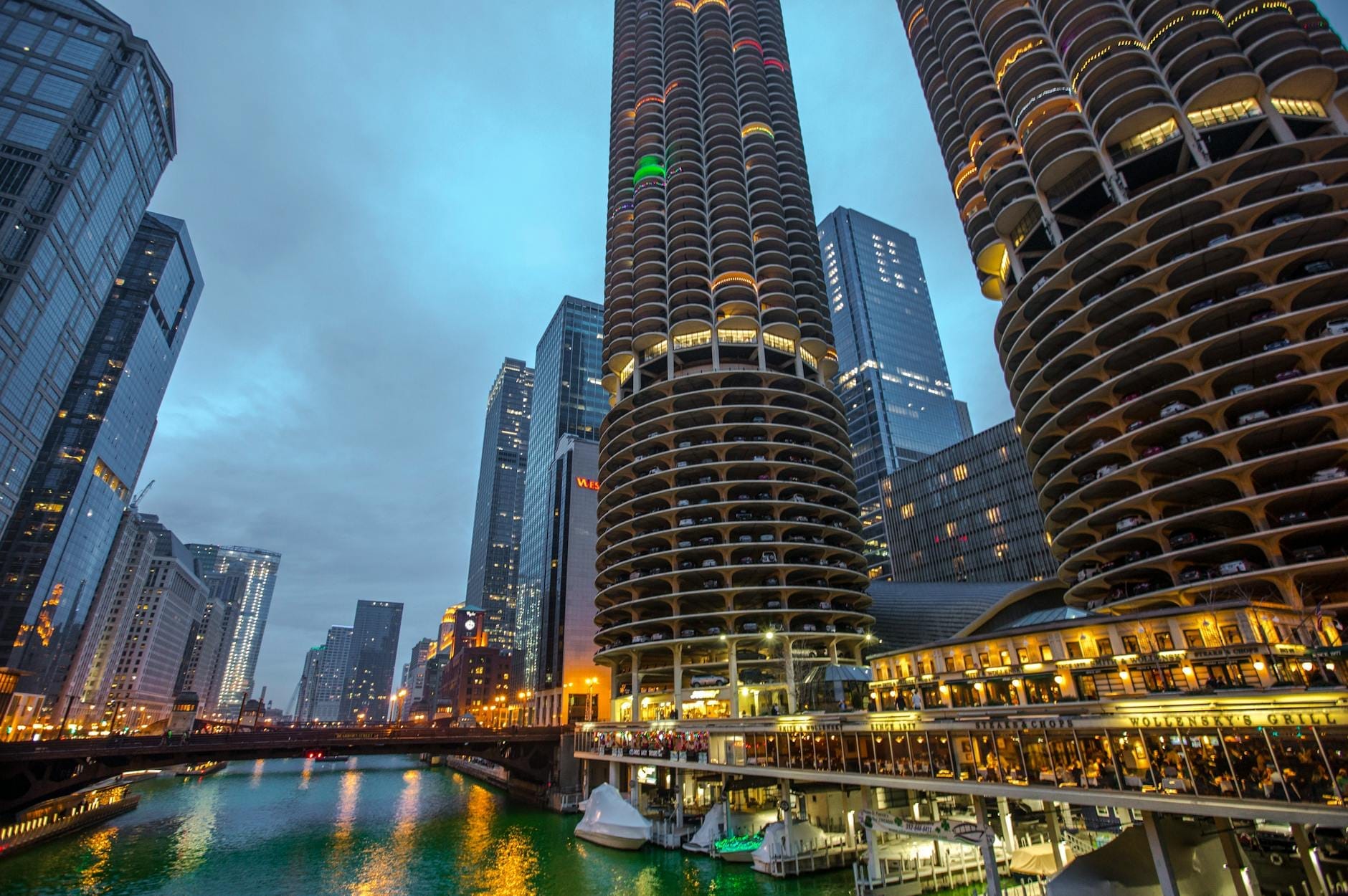
14. Photograph the Corncob Towers Built on Capone's Former Territory
The 1964 Marina City towers rose on the North Side of the Chicago River, replacing the industrial waterfront infrastructure that Capone's operation depended on. Their distinctive corncob silhouette is one of the city's most recognizable views from the river level.
Explore14. Photograph the Corncob Towers Built on Capone's Former Territory
The 1964 Marina City towers rose on the North Side of the Chicago River, replacing the industrial waterfront infrastructure that Capone's operation depended on. Their distinctive corncob silhouette is one of the city's most recognizable views from the river level.
ExploreRelated History: Crime, Law & Chicago's Darker Past
15. Walk Through the Cemetery Where Chicago's Power Brokers Are Buried
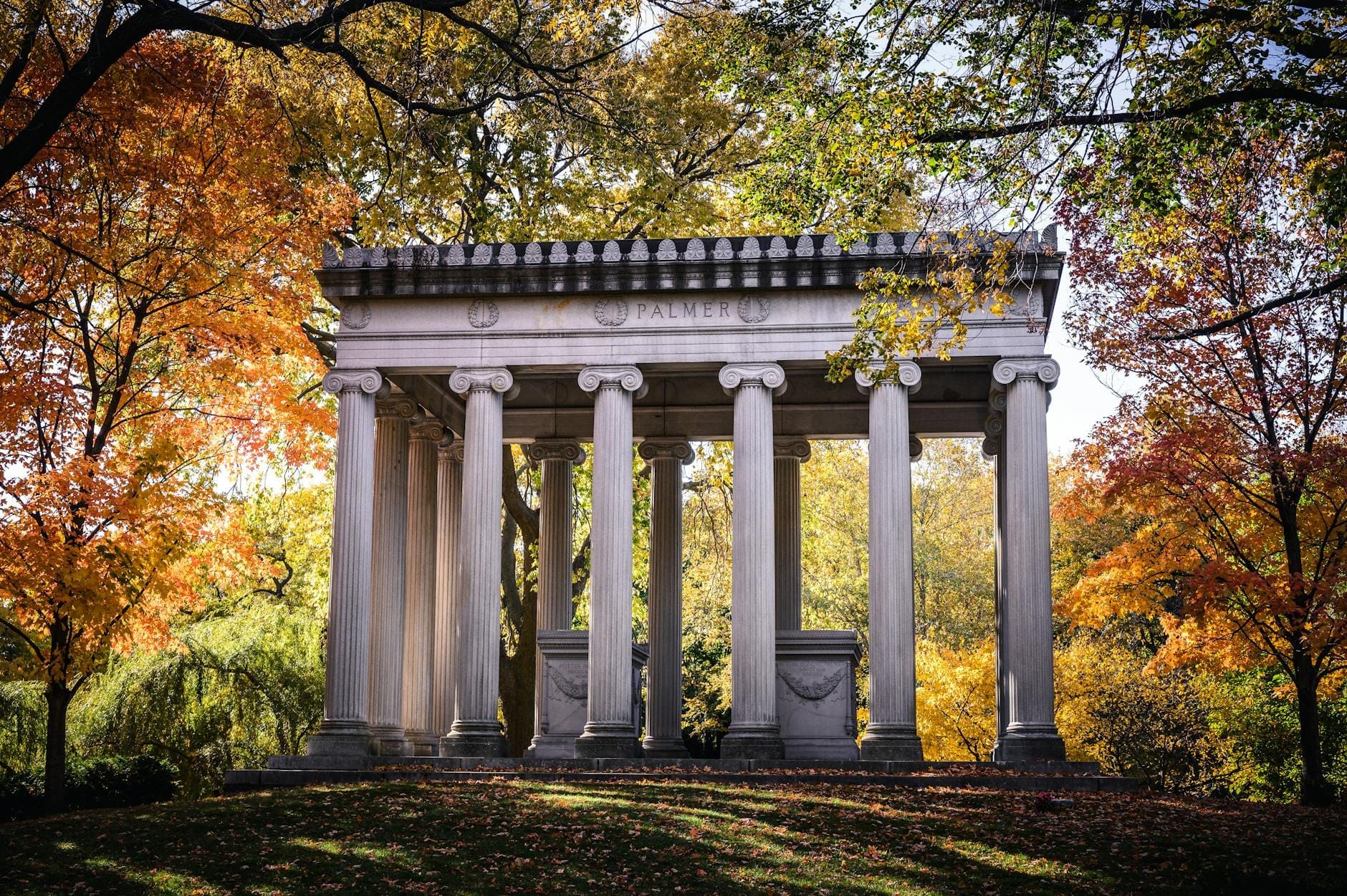
Several figures connected to Capone-era Chicago rest in Graceland Cemetery, alongside the architects and industrialists of the same period. The Louis Sullivan-designed Getty Tomb is one of the finest small buildings in American architecture. Free to walk and open daily.
Explore15. Walk Through the Cemetery Where Chicago's Power Brokers Are Buried
Several figures connected to Capone-era Chicago rest in Graceland Cemetery, alongside the architects and industrialists of the same period. The Louis Sullivan-designed Getty Tomb is one of the finest small buildings in American architecture. Free to walk and open daily.
Explore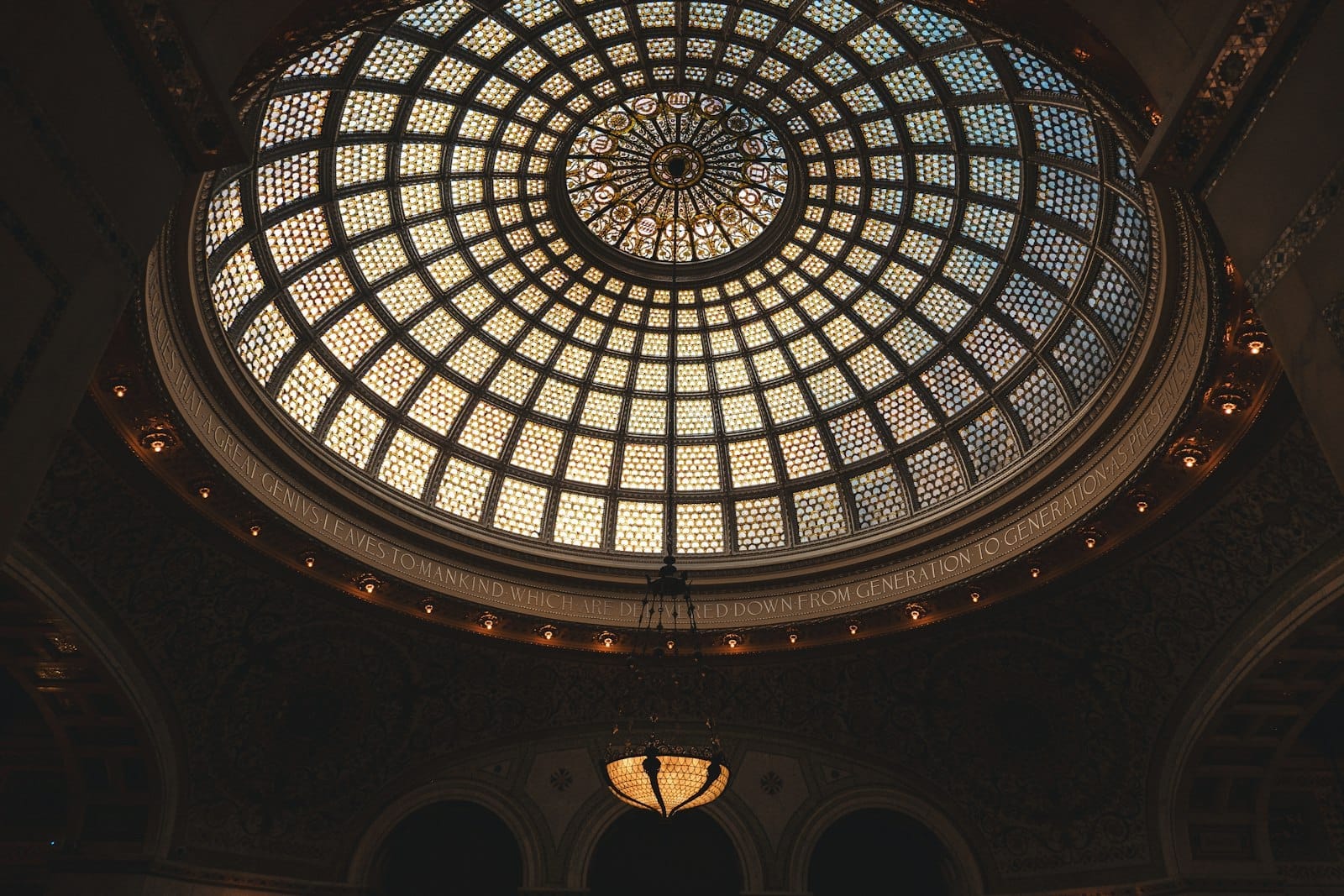
16. See the Beaux-Arts Building That Served Capone-Era Chicago
The former Chicago Public Library, now the Cultural Center, was a hub of civic life throughout the Prohibition years. Its two Tiffany stained-glass domes are among the most beautiful interiors in any American public building, and entry is entirely free.
Explore16. See the Beaux-Arts Building That Served Capone-Era Chicago
The former Chicago Public Library, now the Cultural Center, was a hub of civic life throughout the Prohibition years. Its two Tiffany stained-glass domes are among the most beautiful interiors in any American public building, and entry is entirely free.
Explore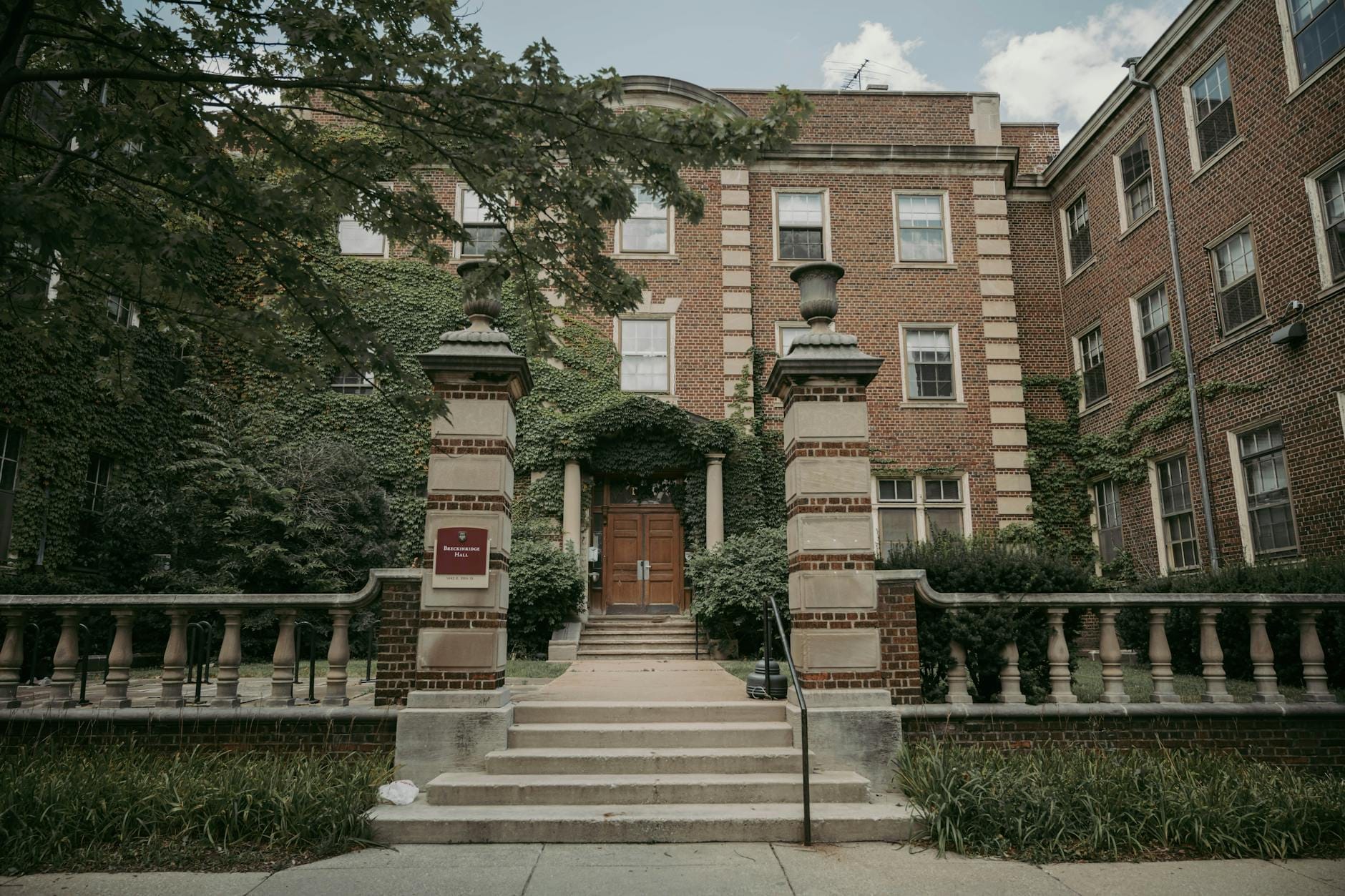
17. Understand the Reform Movement That Fought the Mob's World
Jane Addams' Hull-House operated in the same decades as the Chicago Outfit, representing the opposite civic force: social reform against the poverty and corruption that organized crime exploited. Free to visit on the UIC campus, it provides essential counterpoint to the gangster narrative.
Explore17. Understand the Reform Movement That Fought the Mob's World
Jane Addams' Hull-House operated in the same decades as the Chicago Outfit, representing the opposite civic force: social reform against the poverty and corruption that organized crime exploited. Free to visit on the UIC campus, it provides essential counterpoint to the gangster narrative.
Explore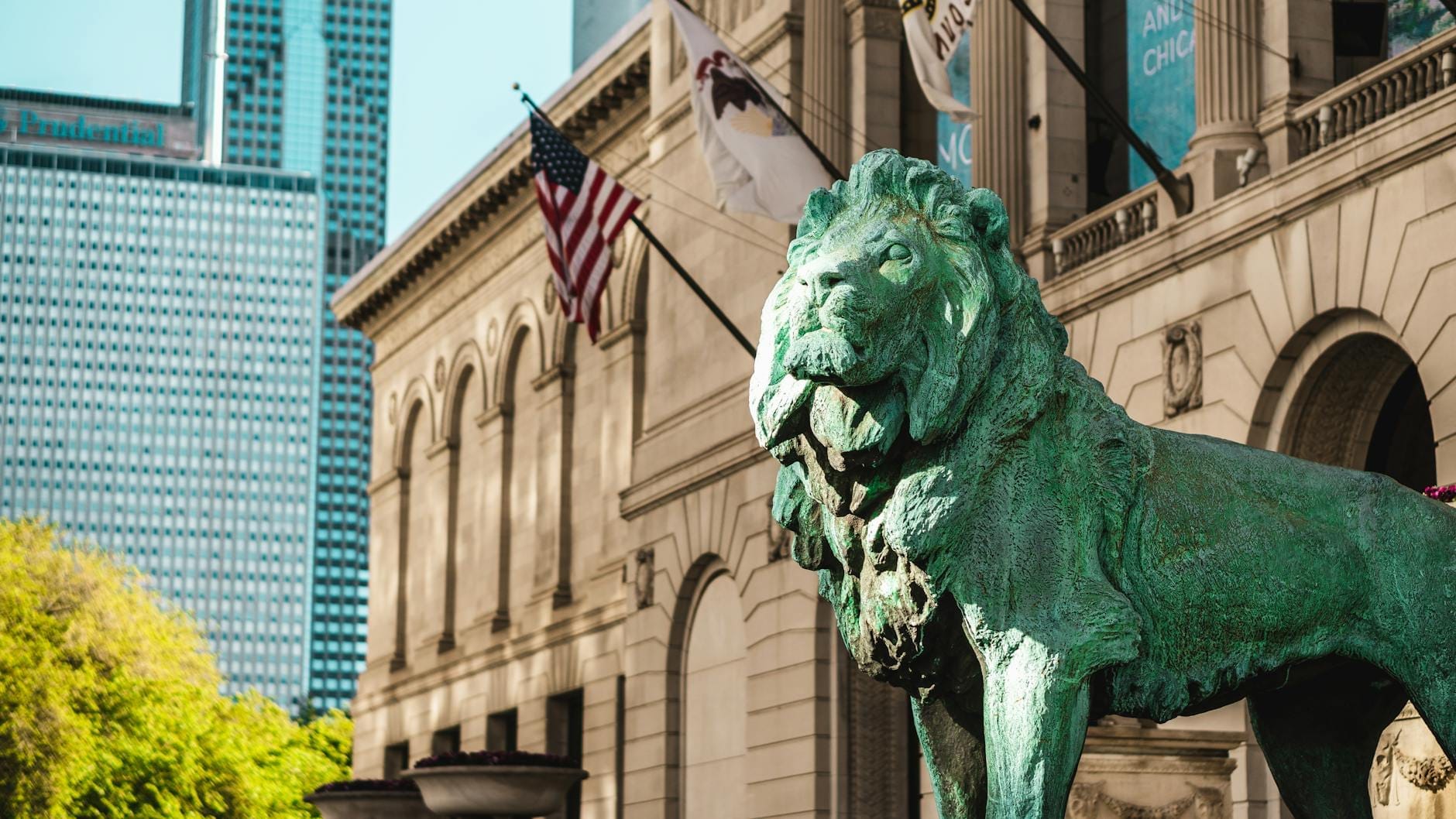
18. See the Cultural Chicago That Existed Alongside the Outfit
The Art Institute's Beaux-Arts building was a cornerstone of legitimate Chicago during the Capone years. Its galleries document the same 1920s and 1930s Chicago that the Outfit operated within. A useful half-day pairing with a gangster tour on the same Loop block.
Explore18. See the Cultural Chicago That Existed Alongside the Outfit
The Art Institute's Beaux-Arts building was a cornerstone of legitimate Chicago during the Capone years. Its galleries document the same 1920s and 1930s Chicago that the Outfit operated within. A useful half-day pairing with a gangster tour on the same Loop block.
Exploreℹ️ Good to know
The site of the St. Valentine's Day Massacre (February 14, 1929) at 2122 N Clark Street is now a parking lot and small dog park area. No structure remains, but the address is a standard stop on all major gangster bus tours.
FAQ
Where is the St. Valentine's Day Massacre site in Chicago?
The massacre took place on February 14, 1929, at 2122 N Clark Street in Lincoln Park. The garage where seven members of Bugs Moran's gang were killed no longer stands; the address is now a parking lot and small dog park area. All major gangster bus tours stop here for narration, and a historical marker identifies the site.
What is the best Al Capone tour in Chicago?
Several strong options exist. Chicago Crime Tours and the Viator 'Chicago Crime and Mob Tour' both depart from 163 E Pearson St (Michigan Ave) and cover sites across the Gold Coast, Lincoln Park, and Loop in 1.5-2 hours. For a deeper historical experience, John Binder's Chicago Prohibition Gangster Tour is historian-led with nearly 30 years of research behind it. Untouchable Tours, operating since the 1980s, departs from Clark Street near Ohio.
Can I visit Al Capone sites on my own without a tour?
Yes. Holy Name Cathedral (bullet holes from Hymie Weiss's 1926 murder), the Green Mill jazz club in Uptown, the Wrigley Building (a recognizable landmark but not a primary Capone site), Union Station, and the St. Valentine's Day Massacre site at 2122 N Clark St are all publicly accessible. The Chicago History Museum provides the best self-guided historical context. Many sites are concentrated in the Gold Coast and Near North neighborhoods, making a self-guided walk practical.
Where did Al Capone live in Chicago?
Capone's primary Chicago residence was at 7244 S Prairie Avenue in the South Side neighborhood often identified as Park Manor/Greater Grand Crossing. The building still stands as a private residence and is not open to the public, though it appears on some tour routes. He also kept rooms at the Lexington Hotel in the South Loop, which was demolished in 1995.
How long does a Chicago gangster tour take?
Most bus-based gangster tours run 1.5 to 2 hours, with some historian-led options stretching to 2.5-3 hours. Tours operate year-round in climate-controlled coaches. Expect to cover neighborhoods including River North, Gold Coast, Lincoln Park, Old Town, and the Loop. Advance booking is strongly recommended, and operators ask guests to arrive 10-15 minutes early.