Chinatown & Wentworth Avenue: Chicago's Most Authentic Neighborhood Walk
Chicago's Chinatown has been anchored on Wentworth Avenue since 1912, making it one of the oldest continuously operating Chinatowns in the Midwest. From roast duck hanging in shop windows to the clatter of mahjong tiles and the smell of fresh bao, this compact neighborhood packs genuine character into just a few city blocks. Admission is free, the food is excellent, and the cultural history runs deep.
Quick Facts
- Location
- Cermak Road & S. Wentworth Ave, Chicago, IL 60616 (Armour Square community area)
- Getting There
- CTA Red Line – Cermak-Chinatown station (158 W Cermak Rd), directly adjacent to the main strip
- Time Needed
- 2–4 hours for a full walk, meal, and market browsing; half a day if you linger over dim sum
- Cost
- Free to walk; meals from ~$10–15 per person at casual spots, more at sit-down restaurants
- Best for
- Food lovers, architecture enthusiasts, cultural explorers, families, budget travelers
What Is Chinatown & Wentworth Avenue?
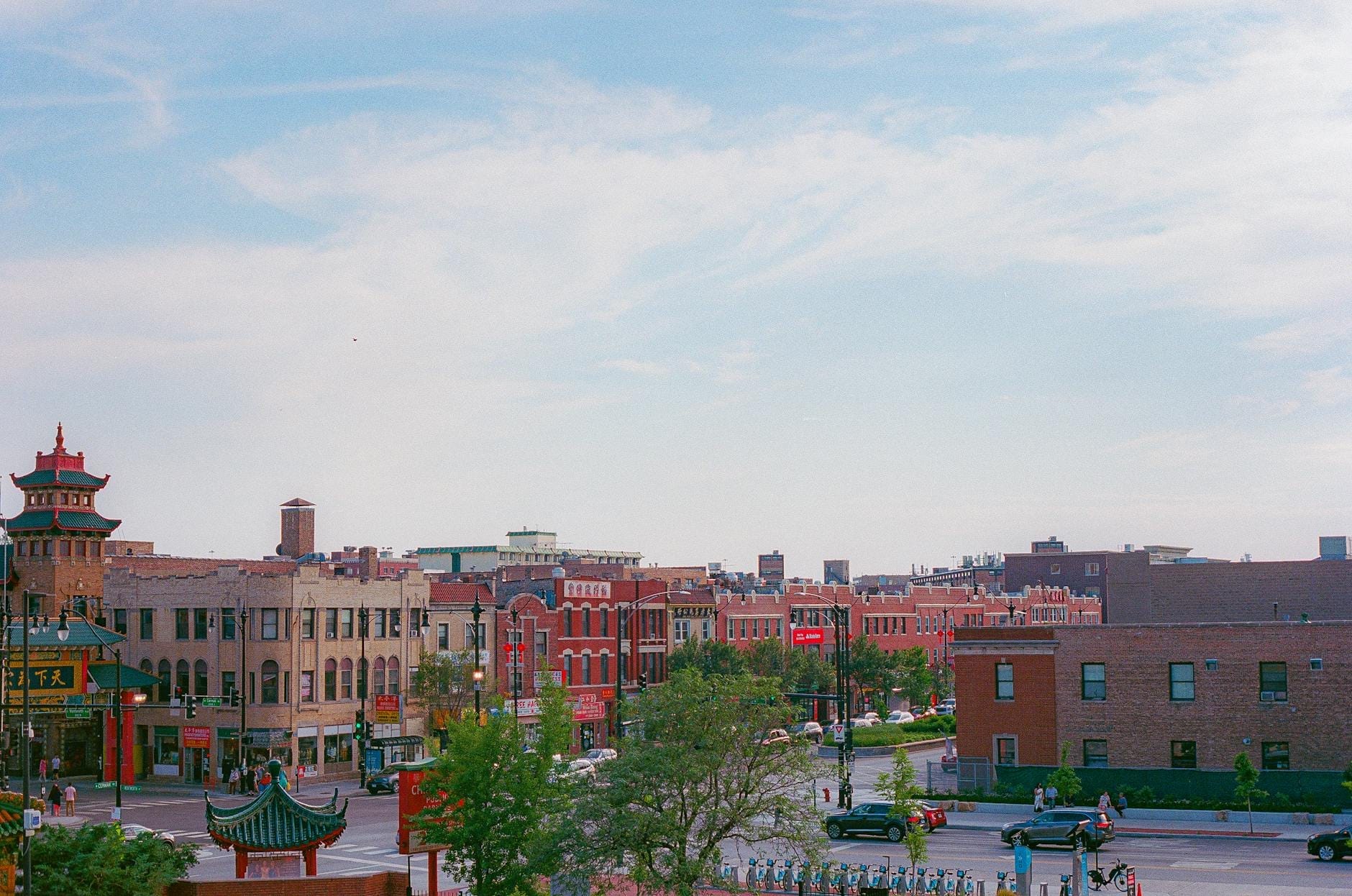
Chicago's Chinatown, centered on Wentworth Avenue and Cermak Road, is one of the longer-established Chinese-American enclaves in the United States. Unlike some urban Chinatowns that have been hollowed out by gentrification, this one remains a genuine working neighborhood, home to families, community organizations, grocery wholesalers, and dozens of restaurants that cater as much to residents as to visitors. In 2024, the State of Illinois formally recognized it as an official Cultural District, a designation that reflects what longtime visitors have always known: this place has real cultural weight.The neighborhood sits in the Armour Square community area, about 2 miles south of the Loop, close enough to reach easily but far enough to feel like a different world. The core commercial strip runs along Wentworth Avenue from Cermak Road south to around 24th Place, with additional retail and dining extending along Cermak Road, Archer Avenue, and into Chinatown Square, a two-level outdoor mall built on former railyard land that opened in 1993.
💡 Local tip
The CTA Red Line's Cermak-Chinatown station drops you almost exactly at the northern end of the Wentworth Avenue strip. No navigation required — just walk out and you're already there.
A Brief History: From Railroad Workers to Cultural District
Chinese immigrants first arrived in Chicago in 1869, in the immediate aftermath of the First Transcontinental Railroad's completion. Many had worked on the western portion of the railroad and began moving eastward seeking new economic opportunities. Chicago's early Chinese community was initially scattered across the Near South Side, but displacement pressures in the early twentieth century pushed residents to consolidate.
The 'New Chinatown' took shape around Wentworth Avenue and Cermak Road beginning in 1912, when community leaders from the On Leong Merchants Association — a prominent tong organization — organized a coordinated move to this stretch of the South Side. The On Leong Building, completed in 1928, still anchors the corner of Wentworth and Cermak. Its pagoda-inspired roofline, green ceramic tile work, and ornate balconies draw from traditional Chinese architectural vocabulary and remain one of the most photographed facades in the neighborhood. That building is not just a visual landmark; it represents the institutional organization that made the neighborhood viable in the first place.
The neighborhood has expanded steadily. Chinatown Square opened in 1993 after community leaders negotiated the purchase of underused railyard land just north of the historic corridor on Archer Avenue. Today it serves as an extension of the main strip, with restaurants, bubble tea shops, and bakeries filling out a courtyard mall that gets especially lively on weekend afternoons. For the deeper architectural and urban history of Chicago's built environment, the Chicago architecture guide provides essential context.
Tickets & tours
Hand-picked options from our booking partner. Prices are indicative; availability and final rates are confirmed when you complete your booking.
Taste of Chinatown Chicago Food & Walking Tour
From 68 €Instant confirmationFree cancellationGo City | Chicago All-Inclusive Pass
From 127 €Instant confirmationFree cancellationiFLY Chicago Lincoln Park indoor skydiving experience
From 126 €Instant confirmationFree cancellationiFLY Chicago Rosemont indoor skydiving tickets
From 117 €Instant confirmationFree cancellation
Walking Wentworth Avenue: What You'll Actually See
The street announces itself clearly. Bilingual signage in English and Chinese characters lines the avenue, and the lampposts along the main strip are fitted with red lantern-style fixtures that glow warmly after dark. Storefronts are packed tight: roasted duck and char siu pork hang in the windows of BBQ shops, herbal medicine dispensaries display bins of dried fungi, goji berries, and lotus seeds, and bakeries push out trays of egg tarts and pineapple buns throughout the day. The smell shifts every half block, from the caramelized char of the roast meat shops to the floral, slightly medicinal scent of the herb stores to the toasty sweetness near the bakeries.
Foot traffic is relatively calm on weekday mornings, when older residents are out doing their grocery shopping and the restaurants are mostly doing light lunch prep. By late Saturday morning, the dynamic shifts entirely. Families arrive for dim sum in large groups, the sidewalks fill up, and lines form outside the most popular restaurants. If dim sum is your priority, arriving before 11:00 AM on weekends is a practical necessity rather than a casual suggestion.
The grocery and specialty food stores along Wentworth and in Chinatown Square are worth browsing even if you are not buying. Tanks of live seafood, shelves stacked with varieties of dried noodles unavailable in mainstream supermarkets, and the particular organized chaos of a well-stocked Chinese grocery are sensory experiences in their own right. If you want to bring something home, sesame candy, preserved plums, and vacuum-sealed tea make practical souvenirs.
How the Experience Changes by Time of Day
Early morning, roughly 7:00–9:00 AM, belongs to the neighborhood itself. Elderly residents do tai chi in the small plaza near the On Leong Building, delivery trucks unload produce and dry goods, and a few dim sum houses open early for the first seatings. The light at this hour catches the tile work on the older facades particularly well, and the streets have a quiet intimacy that disappears once the tourist crowd arrives.
Midday on weekends is peak energy. The full length of Wentworth gets congested, the larger dim sum restaurants fill every table, and Chinatown Square becomes a hub for families and groups. It's lively and photogenic, but if you have any preference for elbow room, come at a different time. Weekday afternoons, on the other hand, are genuinely pleasant: restaurants have their full menus available, waits are minimal, and you can actually linger over a table without feeling pressure to turn it over.
After dark, the red lanterns along Wentworth come fully into their own. Several restaurants stay open well into the evening, and the neighborhood takes on a more atmospheric, low-key quality. A handful of late-night spots cater to restaurant industry workers who come here after their own shifts end, which is a good signal for food quality.
ℹ️ Good to know
Weekday mornings offer the most authentic, low-key experience. Weekend midday offers the most energy and the best dim sum selection, but come early to secure a table at top spots.
Eating in Chinatown: What to Know Before You Go
The food here is the main event, and the range goes well beyond the standard Chinese-American dishes that dominate suburban takeout menus. Dim sum is the cornerstone meal for most visitors, with large Cantonese-style restaurants offering carts or order-sheet service on weekends. Beyond that, you can find Sichuan hot pot, Taiwanese beef noodle soup, Shanghainese soup dumplings (xiao long bao), and Cantonese roast meats. The neighborhood is also a serious destination for dessert: grass jelly, mango pomelo sago, and shaved snow are available at multiple spots. For a broader look at Chicago's food landscape, the Chicago food guide covers the city's most important dining neighborhoods.
Cash is still accepted everywhere and sometimes preferred at smaller family-run shops, though most restaurants now take cards. Tipping is customary at sit-down restaurants, as in the rest of the city. Prices are notably lower here than in comparable restaurants in the Loop or River North, making Chinatown one of the better value dining destinations in the city.
⚠️ What to skip
Parking in Chinatown is notoriously limited on weekends. The Red Line removes all of this friction — it is by far the most practical way to arrive.
Getting There, Getting Around, and Practical Details
The CTA Red Line is the simplest option. The Cermak-Chinatown station puts you at the northern end of Wentworth Avenue, the perfect starting point for a walk south through the main commercial strip. From the Loop, the ride typically takes around 10–12 minutes. Current CTA fare information is available at transitchicago.com. For a fuller breakdown of getting around the city, the getting around Chicago guide covers all transit options in detail.
Wentworth Avenue and the surrounding streets are standard city sidewalks, generally accessible for strollers and wheelchairs, though some older storefronts have steps at their entrances. The Cermak-Chinatown Red Line station has elevator access; confirm current operational status with the CTA before your visit if step-free access is a requirement.
Weather matters here more than at most indoor attractions. A summer afternoon visit in July, when temperatures can push toward 29°C (84°F), means standing in the sun on crowded sidewalks waiting for tables. A clear October or May day, with temperatures in the high teens to low twenties Celsius, is considerably more pleasant for extended street walking. In winter, several restaurants are worth the cold commute, but the outdoor browsing experience is obviously diminished. Wear comfortable shoes — this is primarily a walking visit.
Photography on the street is unobstructed and the facades along Wentworth are genuinely photogenic, particularly the On Leong Building and the ornate gate structures. The best light for photography is in the morning before the sun gets overhead, or in the golden hour before the lanterns take over at dusk. Inside restaurants and shops, use discretion and ask before photographing staff or food preparation areas.
Is Chinatown Worth Your Time? An Honest Assessment
For visitors interested in food, urban culture, or neighborhood-level Chicago history, Chinatown is a clear yes. The density of good food relative to price, the architectural character of the main street, and the fact that this is a functioning community rather than a tourist simulation all make it genuinely worthwhile. It fits naturally into a South Side itinerary that includes the Field Museum or the Museum Campus more broadly, being just a short Red Line ride away from that cluster of institutions.
Visitors who prioritize marquee architectural landmarks or world-class art collections may find Chinatown a detour rather than a destination. It is not a spectacle in the way that Cloud Gate or the skyline views from the lakefront are spectacles. What it offers is texture, specificity, and good eating — qualities that become more valuable the more time you spend in the city.
It's also worth being straightforward: the neighborhood is compact. A focused walk from Cermak Road to 24th Place and back, with a stop in Chinatown Square, takes under an hour on foot. Budget 2–4 hours total once you add a meal and some browsing. It is not a full-day destination on its own, but it slots easily into a longer South Side day.
Insider Tips
- The best dim sum timing on weekends is 10:00–10:30 AM. Arriving at 11:30 AM means a real wait at the most popular restaurants, and the selection of dishes narrows as the session progresses.
- The Chinatown Square plaza on Archer Avenue has a good selection of dessert and bubble tea shops with outdoor seating — less crowded than the main Wentworth strip and a practical place to decompress after a meal.
- The herb and grocery shops along Wentworth carry a rotating selection of fresh mooncakes in the weeks around the Mid-Autumn Festival (typically September), which is one of the best times to visit the neighborhood for food-focused travelers.
- The On Leong Building at Wentworth and Cermak was completed in 1928 and its ground floor has commercial tenants, but the exterior is freely viewable. Step back to the opposite sidewalk to take in the full pagoda roofline — it's easy to miss the upper details when you're standing directly beneath it.
- Several restaurants in Chinatown are known to the city's restaurant industry workers as reliable late-night options. If you see a place with kitchen staff sitting at corner tables eating, that is usually a trustworthy quality signal.
Who Is Chinatown & Wentworth Avenue For?
- Food travelers looking for authentic dim sum, Cantonese roast meats, and Sichuan dishes at reasonable prices
- Budget-conscious visitors who want a full, memorable afternoon without spending much
- Families with children who handle busy, sensory-rich street environments well
- Architecture and urban history enthusiasts interested in early twentieth-century immigrant neighborhood development
- Repeat Chicago visitors who have covered the major downtown attractions and want neighborhood-level depth
Nearby Attractions
Other things to see while in Chinatown:
- Ping Tom Memorial Park
Ping Tom Memorial Park is a roughly 17.4-acre public park along the South Branch of the Chicago River in Chinatown, transformed from a former railroad yard into one of the city's most distinctive green spaces. Free to enter, it combines Chinese-inspired architecture, riverfront walking paths, a LEED Gold fieldhouse, kayak rentals, and seasonal water taxi service — all a short distance from the neighborhood's restaurants and shops.