Green City Market: Chicago's Premier Sustainable Farmers' Market
Green City Market is Chicago's only year-round sustainable farmers' market, drawing top chefs, local farmers, and serious food lovers to Lincoln Park on Wednesdays and Saturdays during the outdoor season. Free to enter at both its outdoor Lincoln Park and indoor winter locations and rich with seasonal produce, artisan goods, and chef demos, it's one of the most authentic food experiences the city offers.
Quick Facts
- Location
- 1817 N Clark St, Lincoln Park, Chicago, IL 60614
- Getting There
- CTA buses 22, 36, 73, 151 stop nearby; nearest L stops: Sedgwick (Brown) & Clark/Division (Red)
- Time Needed
- 1–2 hours for a relaxed visit; longer if you attend a chef demo
- Cost
- Free entry; budget $15–40 for produce and prepared foods
- Best for
- Food lovers, weekend morning walkers, families, and anyone curious about Chicago's local food scene
- Official website
- www.greencitymarket.org
What Green City Market Actually Is
Green City Market is not just a place to buy tomatoes on a Saturday morning. Founded in 1997 by chef, cookbook author, and Chicago Tribune columnist Abby Mandel, it was conceived from the start as a mission-driven marketplace connecting sustainable, regional farmers with the city's most ingredient-focused cooks. It operates as a 501(c)(3) nonprofit and bills itself as Chicago's premier year-round sustainable farmers' market, a distinction that matters because the vetting process is genuine: vendors must meet specific sustainability standards to participate.
The market's outdoor season in Lincoln Park typically runs from late April or early May through November, with markets held on Wednesdays and Saturdays from 7 am to 1 pm during that season. From roughly November through April, the market has historically moved indoors to the Peggy Notebaert Nature Museum, just steps from the outdoor site, though winter locations and dates can vary. Hours and exact seasonal dates shift year to year, so checking the market's online calendar before visiting is worth the two minutes it takes.
💡 Local tip
Arrive before 9 am if you want first pick of the most popular items, particularly the pastries, heirloom tomatoes in late summer, and anything from the small-batch specialty vendors. By 11 am on a Saturday, the best tables are picked clean and the crowds thicken considerably.
The Sensory Experience: What You'll See, Smell, and Hear
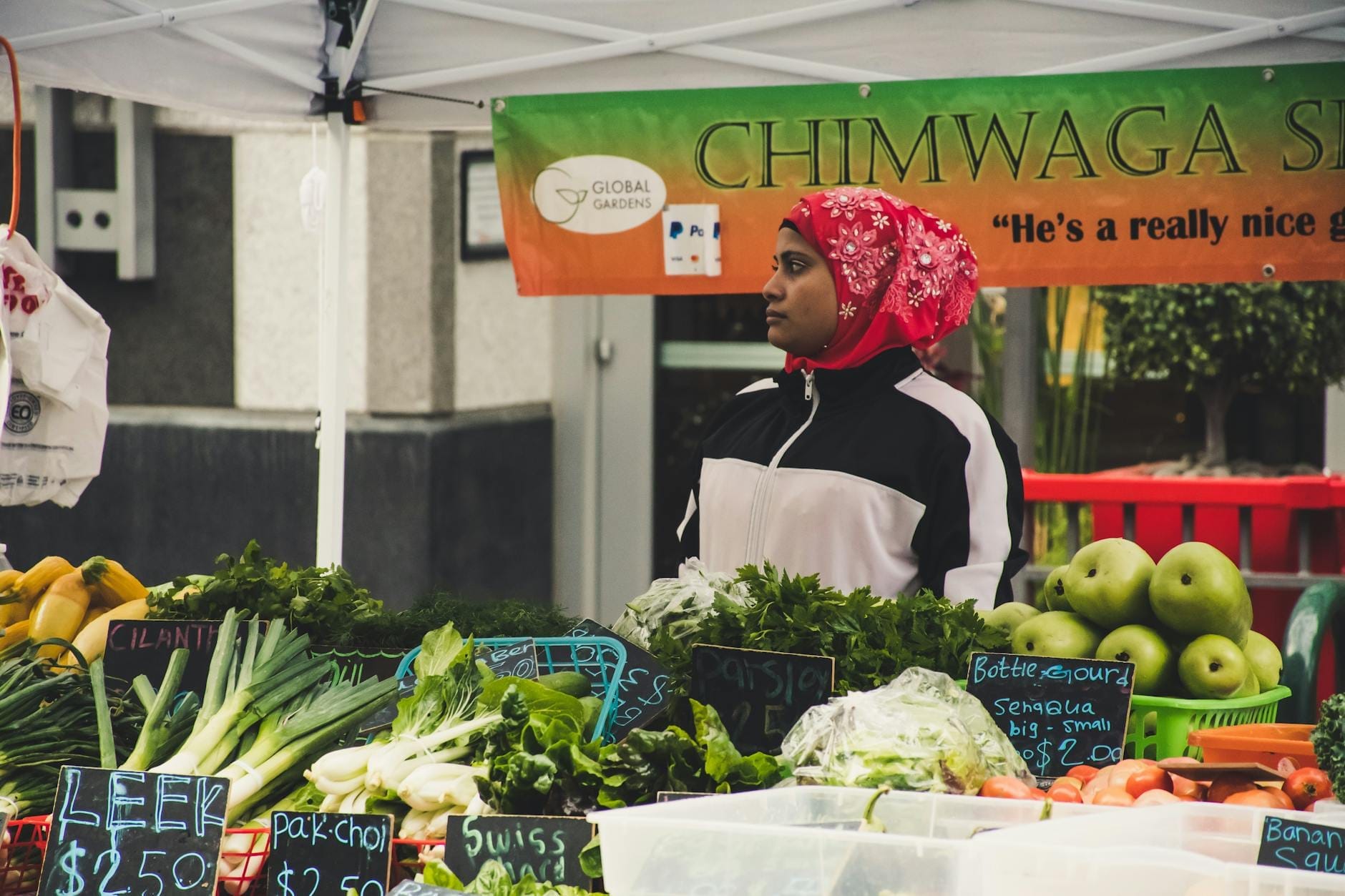
The outdoor Lincoln Park location sits on paved park pathways near the Chicago History Museum, framed by mature trees that provide shade on summer mornings. The first thing most visitors notice is the smell: cut herbs, fresh bread from wood-fired ovens on a flatbed trailer, and damp soil still clinging to root vegetables. It's a grounding, earthy counterpoint to the otherwise urban surroundings.
Vendor tents stretch in organized rows, and the layout tends to feel tighter and more intimate than a sprawling suburban market. Farmers are genuinely present and willing to talk about their practices, which makes it easy to ask how the eggs were raised or when the sweet corn was picked. On busy Saturdays, the sound layer includes acoustic busking, the clang of chef demo cookware, and the low murmur of a few hundred people who take their groceries seriously.
On weekday Wednesdays, the crowd tilts toward locals, chefs sourcing for their restaurants, and nannies with strollers. The vibe is calmer, the lines shorter, and the conversations with vendors longer. If you want the full spectacle, come Saturday. If you want the ingredients without the theater, Wednesday is the better choice.
Tickets & tours
Hand-picked options from our booking partner. Prices are indicative; availability and final rates are confirmed when you complete your booking.
Go City | Chicago All-Inclusive Pass
From 127 €Instant confirmationFree cancellationiFLY Chicago Lincoln Park indoor skydiving experience
From 126 €Instant confirmationFree cancellationiFLY Chicago Rosemont indoor skydiving tickets
From 117 €Instant confirmationFree cancellationChicago lakefront neighbourhood bike tour
From 18 €Instant confirmationFree cancellation
History and What Makes This Market Different
Abby Mandel launched Green City Market in 1997 in a downtown alley beside the Chicago Theatre, at a time when the concept of a chef-driven, sustainability-focused farmers' market was still unusual in American cities. Mandel's idea was deliberate: create a market where the relationship between farmer and chef was formal and documented, not accidental. That founding logic still shapes the market today.
Unlike many municipal markets where vendor standards are loosely enforced, Green City Market requires producers to follow specific sustainable agriculture practices. This is why you'll find heirloom and heritage varieties here that simply don't appear in grocery stores, and why the farmers who show up week after week tend to have genuine expertise in what they're growing. For Chicago's restaurant community, the market functions as a professional sourcing event as much as a public one: notable chefs from the city's top kitchens have been regulars here for years.
The market's Lincoln Park location places it in one of Chicago's most walkable green corridors. The Lincoln Park neighborhood itself rewards a longer morning: the Lincoln Park Zoo is free and just minutes away, and the lakefront is within easy walking distance for anyone who wants to extend the outing.
Chef Demos and Programming
One of Green City Market's signature features is its chef demonstration program, where working chefs cook live at the market using produce purchased directly from vendors that morning. These demos are free to watch and tend to draw a crowd around a central station near the market's core. The format is informal enough that you can ask questions, and the chefs usually explain not just technique but why they chose a specific variety or producer.
Programming varies by season and year. In the outdoor summer months, demos happen most market days. Check the market's calendar online for scheduled chefs, as some attract significantly larger audiences than others. Arriving 10 to 15 minutes before a scheduled demo is enough to get a good viewing spot.
ℹ️ Good to know
The market also runs educational programming for children and families, including activities that connect kids with where food comes from. These tend to be concentrated on Saturday mornings during the outdoor season.
Practical Details: Getting There, Parking, and What to Bring
The Lincoln Park site at 1817 N Clark St is well-served by public transit. CTA buses 22 (Clark), 36 (Broadway), 73 (Armitage), and 151 (Sheridan) all stop nearby. If you're coming from downtown on the L, the Sedgwick station on the Brown Line and Clark/Division on the Red Line are both walkable, with Sedgwick being the more pleasant approach through the neighborhood.
Driving is possible but Saturday parking in Lincoln Park is a genuine challenge. The Chicago History Museum parking lot off Stockton Drive offers discounted parking at around $14 for two hours with a validation card available at market entrances, which makes it the most practical option if you're arriving by car. Street parking typically requires patience and luck.
Bring a reusable bag, because most vendors don't supply large ones. Cash is useful for smaller or individual farmers, though many vendors now accept card payments. If you plan to carry a significant haul of produce, a wheeled cart or sturdy tote will save you effort. Wear layers in spring and fall: Lincoln Park mornings can be noticeably cooler than the afternoon temperature, and 7 am in April near the lake feels genuinely cold.
⚠️ What to skip
When the market operates indoors (historically often at the Peggy Notebaert Nature Museum during the November–April season), the market itself remains free to enter; check current listings to confirm whether any venue admission applies for that season. Confirm current indoor market dates and museum fees before visiting in the off-season.
Honest Assessment: Who Will Love This and Who Won't
Green City Market is one of those places that rewards genuine food curiosity. If you care about what you eat, want to understand how food is grown, or simply enjoy the texture of a well-run outdoor market on a summer morning, this is one of the better hours you can spend in Chicago. The quality of produce is consistently high, the vendors are knowledgeable, and the setting inside Lincoln Park is genuinely pleasant.
That said, it is not a destination for bargain hunters. Prices reflect the sustainable farming practices and small-scale production behind the goods, which means they are meaningfully higher than supermarket alternatives. It's also not large by the standards of major American farmers' markets, so anyone expecting a sprawling multi-block event may find the footprint modest. For food tourists looking to check a box quickly, the experience might feel underwhelming compared to, say, a famous public market in another city.
Visitors building a full Saturday morning around the area can pair the market with a walk through Lincoln Park Conservatory or continue north along the Lakefront Trail for a longer outing. The combination of market, green space, and lakefront makes for one of the most pleasant low-cost mornings Chicago has to offer.
For a broader look at how this fits into a Chicago food weekend, the Chicago food guide covers the city's eating landscape from deep dish to fine dining. And if you're planning your visit around the best weather, the Chicago in summer guide explains what the outdoor market season actually feels like from June through August.
Insider Tips
- The Wednesday market is significantly less crowded than Saturday and tends to have more vendors present who are willing to spend time talking. If you want to have a real conversation with a farmer or ask detailed sourcing questions, Wednesday morning is the better day.
- Validation cards for the Chicago History Museum parking lot are handed out at the market entrances, not at the parking lot itself. Grab one when you arrive before heading back to your car.
- Late summer (August through mid-September) is when the produce selection peaks. Heirloom tomatoes, sweet corn from Illinois farms, stone fruit, and peppers all appear at the same time. If you can only visit once, this window is the most rewarding.
- The chef demo schedule is posted on the market's website calendar in advance. Some chefs draw large crowds and others don't, but the demos from well-known Chicago restaurant figures tend to fill up standing room quickly. Arriving 10 minutes early is enough.
- If you're visiting during the indoor season at the Peggy Notebaert Nature Museum, go earlier rather than later. The indoor space is more compact than the outdoor site, and it fills up quickly with both market shoppers and regular museum visitors on weekends.
Who Is Green City Market For?
- Food-focused travelers who want direct access to Chicago's sustainable agriculture community
- Families with children looking for a low-cost, engaging Saturday morning activity
- Home cooks and anyone who wants to stock up on high-quality regional produce
- Visitors interested in Chicago's restaurant culture and the chefs who shape it
- Solo travelers or couples who want a genuinely local, unhurried morning in a beautiful park setting
Nearby Attractions
Other things to see while in Lincoln Park & Old Town:
- Alfred Caldwell Lily Pool
Tucked inside Lincoln Park, the Alfred Caldwell Lily Pool is a 3-acre National Historic Landmark redesigned in 1936–1938 in the Prairie School style. Admission is free, crowds are thin, and the experience is unlike anything else on Chicago's standard tourist circuit.
- Chicago History Museum
Founded in 1856 as the Chicago Historical Society, the Chicago History Museum is the city's oldest cultural institution. Located at the edge of Lincoln Park, it traces the full arc of Chicago's story, from its earliest Indigenous inhabitants to the Great Fire, the labor movement, and beyond. It rewards curious visitors who want more than skyline photos.
- Kingston Mines
Founded in 1968, Kingston Mines on North Halsted Street is the largest and oldest continuously operating blues club in Chicago. Two stages run simultaneously on weekends, keeping the music going until 4 a.m. This is where the city's blues tradition stays alive on a weekend night.
- Lincoln Park
Stretching seven miles along Lake Michigan, Lincoln Park is Chicago's largest public park and one of the most generously stocked urban green spaces in the United States. Entry is free, the zoo is free, and the range of things to do here can absorb a full day without spending a dollar.