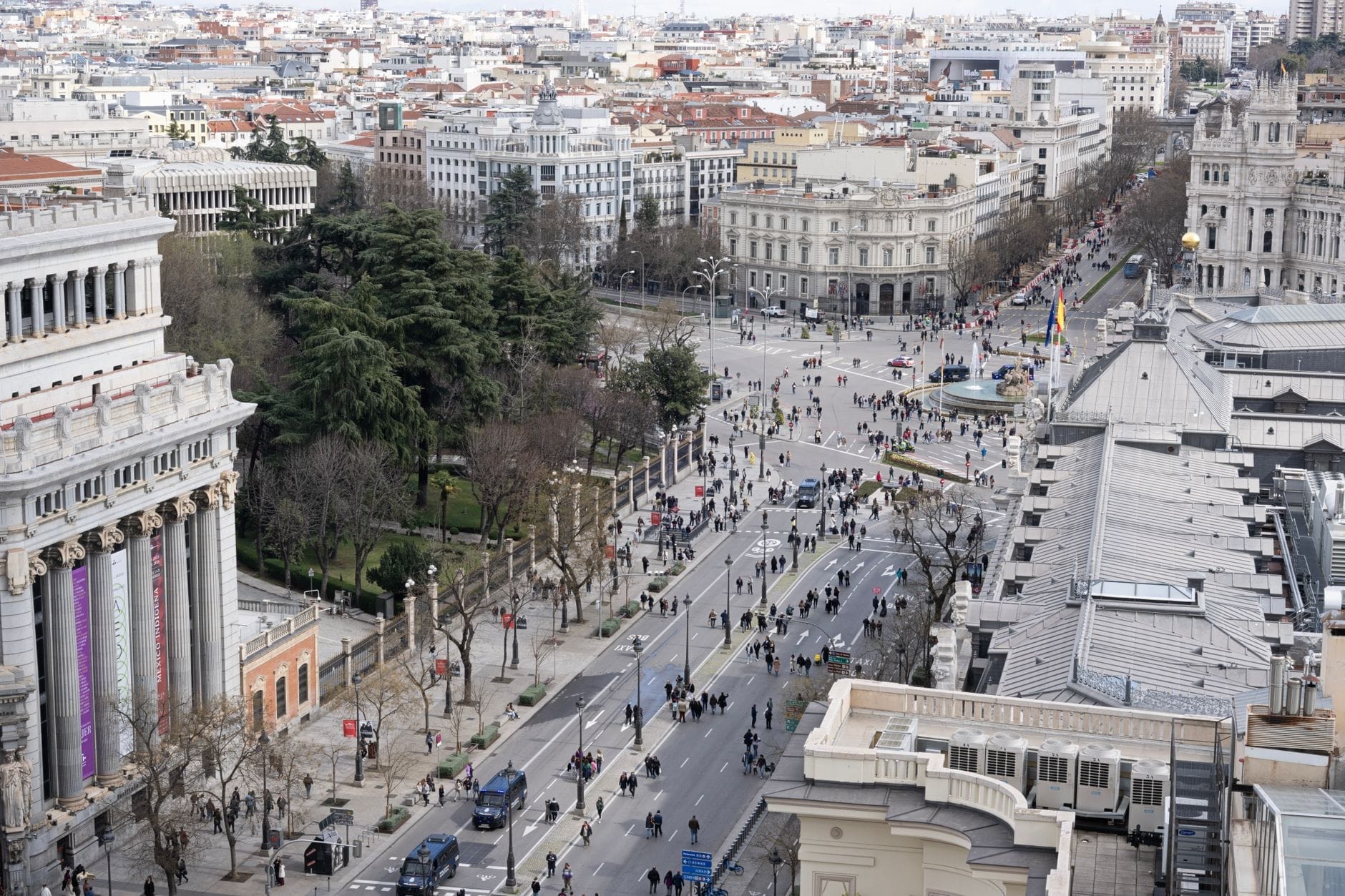
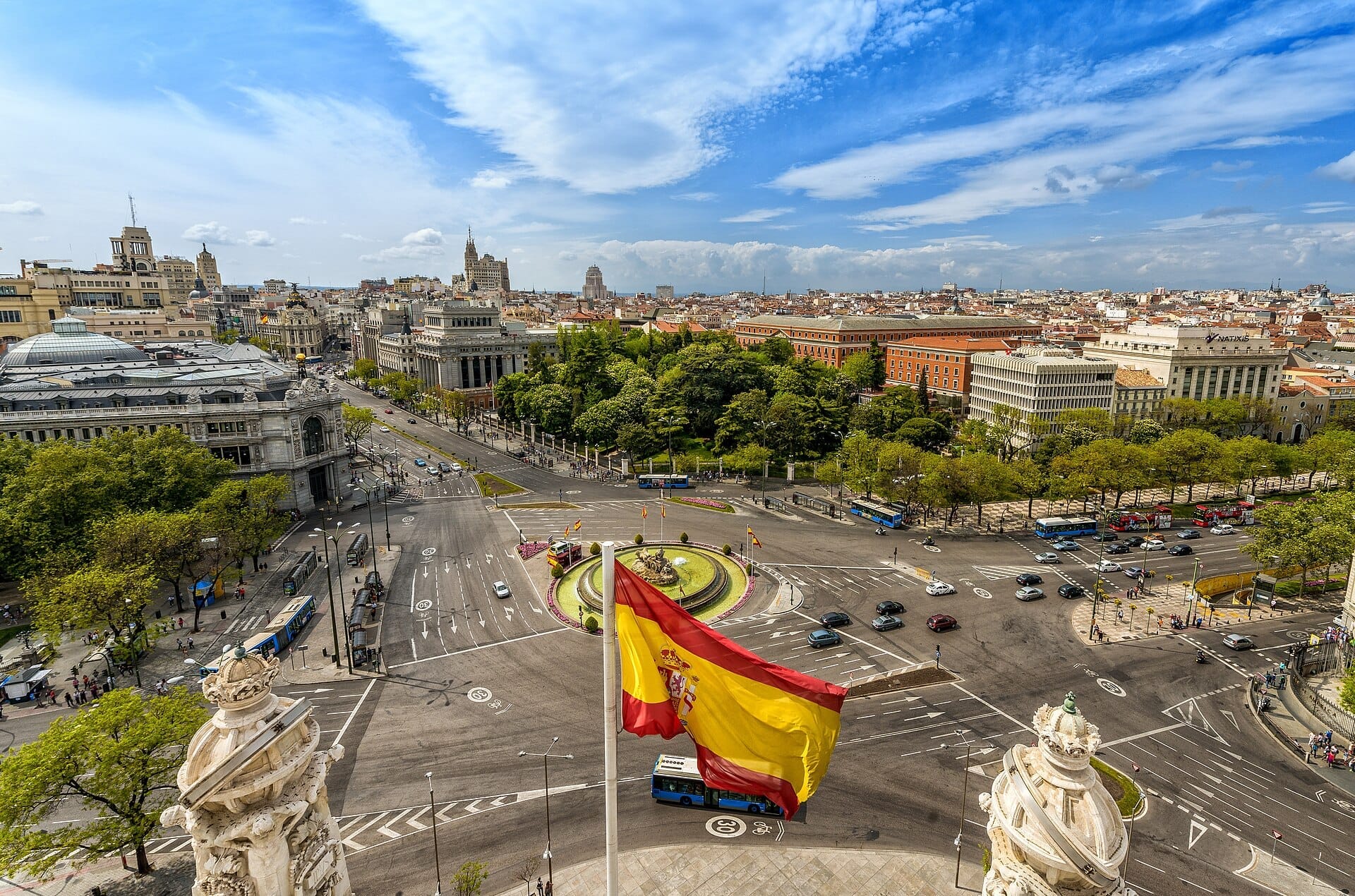
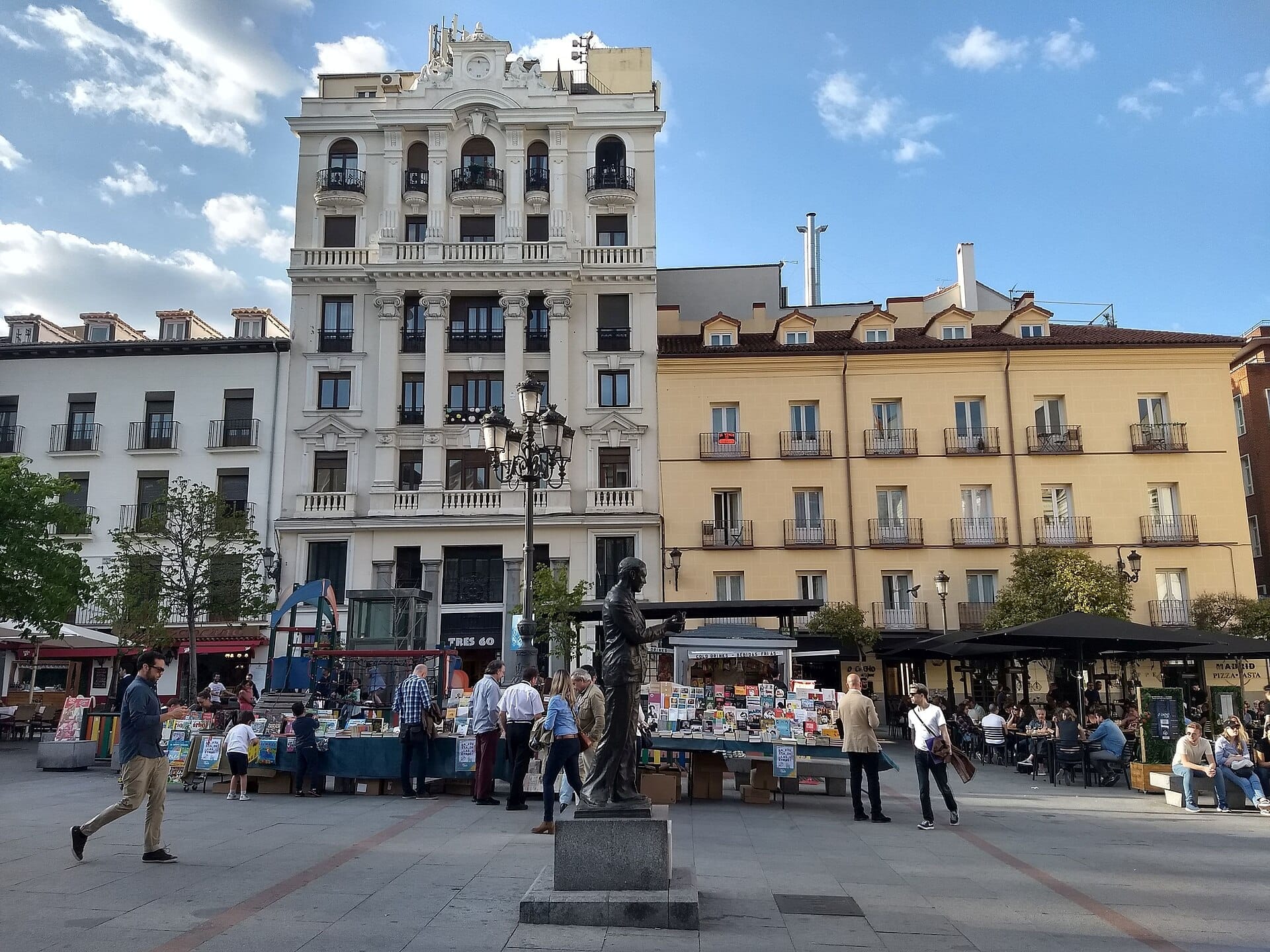
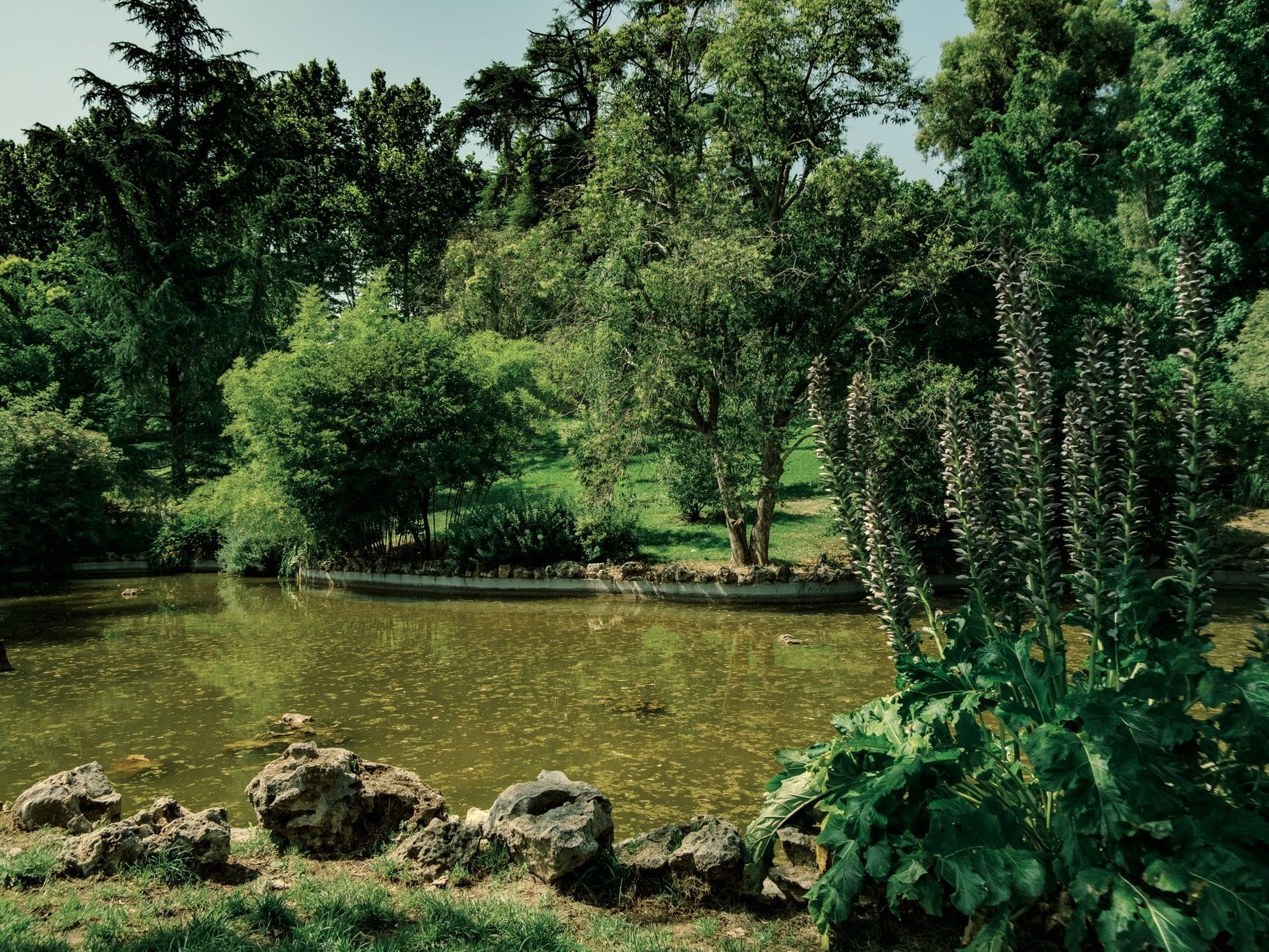
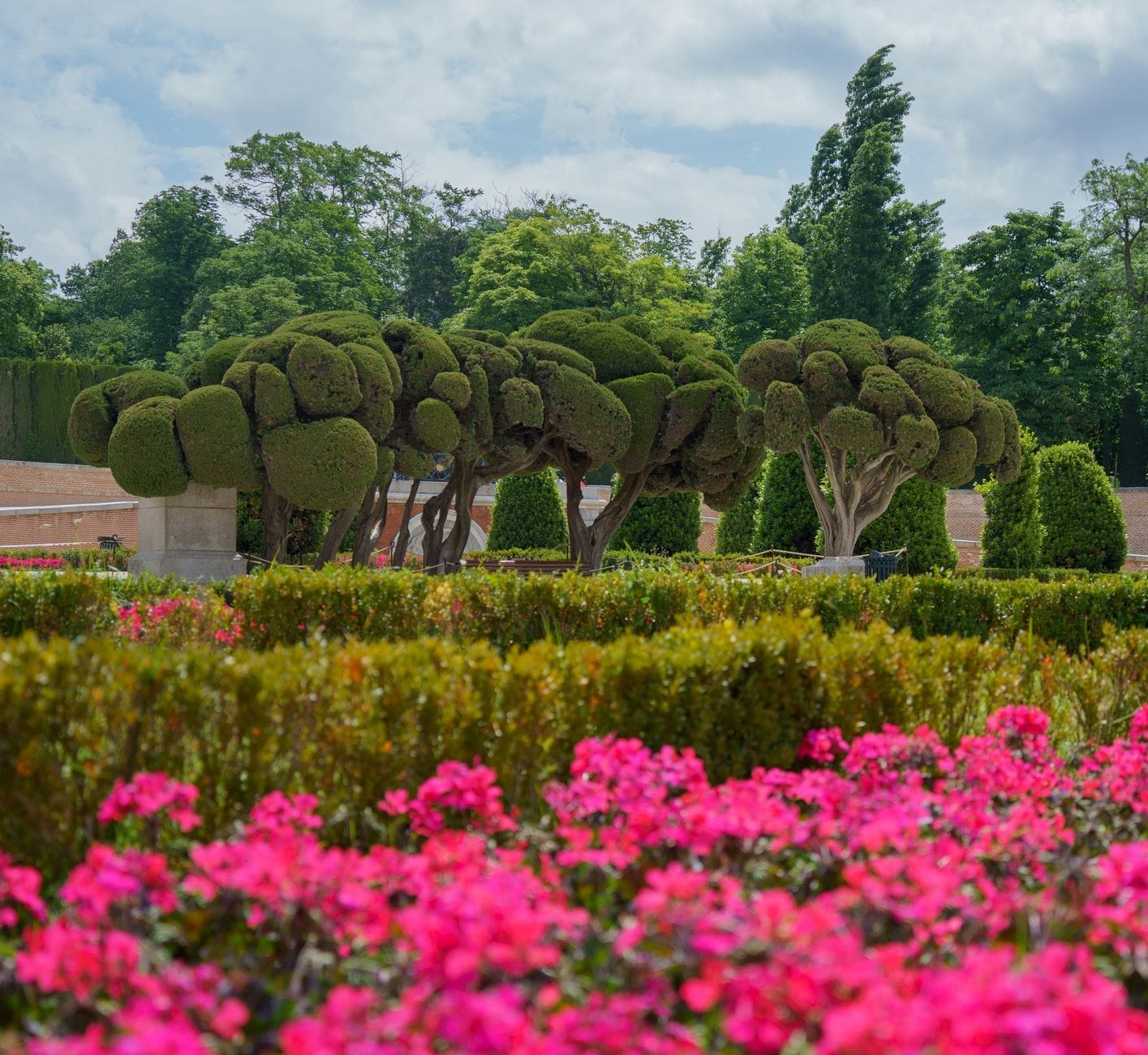
Retiro is Madrid's most park-centered district, a calm and predominantly residential area built around the vast grounds of El Retiro Park. East of the historic center, it attracts families, joggers, and museum visitors by day, while its local streets around Calle Ibiza and Doctor Castelo fill quietly with neighborhood regulars come evening. It is one of the few Madrid districts where the presence of tourists and locals feels genuinely balanced.
Retiro is the neighborhood Madrid residents retreat to when they want air, space, and a slower rhythm without leaving the city. It orbits the immense Parque del Buen Retiro, one of Europe's great urban parks, and extends outward into quiet streets of apartment buildings, neighborhood bars, and some of the city's finest cultural institutions.
Orientation
Retiro is one of Madrid's 21 official districts, covering 5.38 square kilometers southeast of the city center. It sits directly east of the Paseo del Prado, south of the Barrio de Salamanca, and north of the working-class districts of Arganzuela and Pacífico. In practical terms, it forms a rough rectangle anchored on the west by the Prado axis and on the east by Avenida del Mediterráneo.
The district divides into six barrios: Jerónimos (the area immediately west of the park, closest to the museum triangle), Ibiza (the most commercially active residential zone), Adelfas, Estrella, Niño Jesús, and Pacífico. Most visitors rarely venture beyond Jerónimos and Ibiza, but the eastern barrios give you a truer sense of how everyday Madrid actually functions. Postal codes 28007, 28009, and 28014 cover the district.
Two major boulevards organize the district. Calle de Alcalá runs along the northern edge, connecting central Sol and the Puerta de Alcalá with the outer city. Avenida de Menéndez Pelayo arcs along the park's eastern and southern perimeter, lined with bike-share stations and local shops. Avenida de Alcalde Sainz de Baranda and Calle Ibiza form the main commercial spine further east.
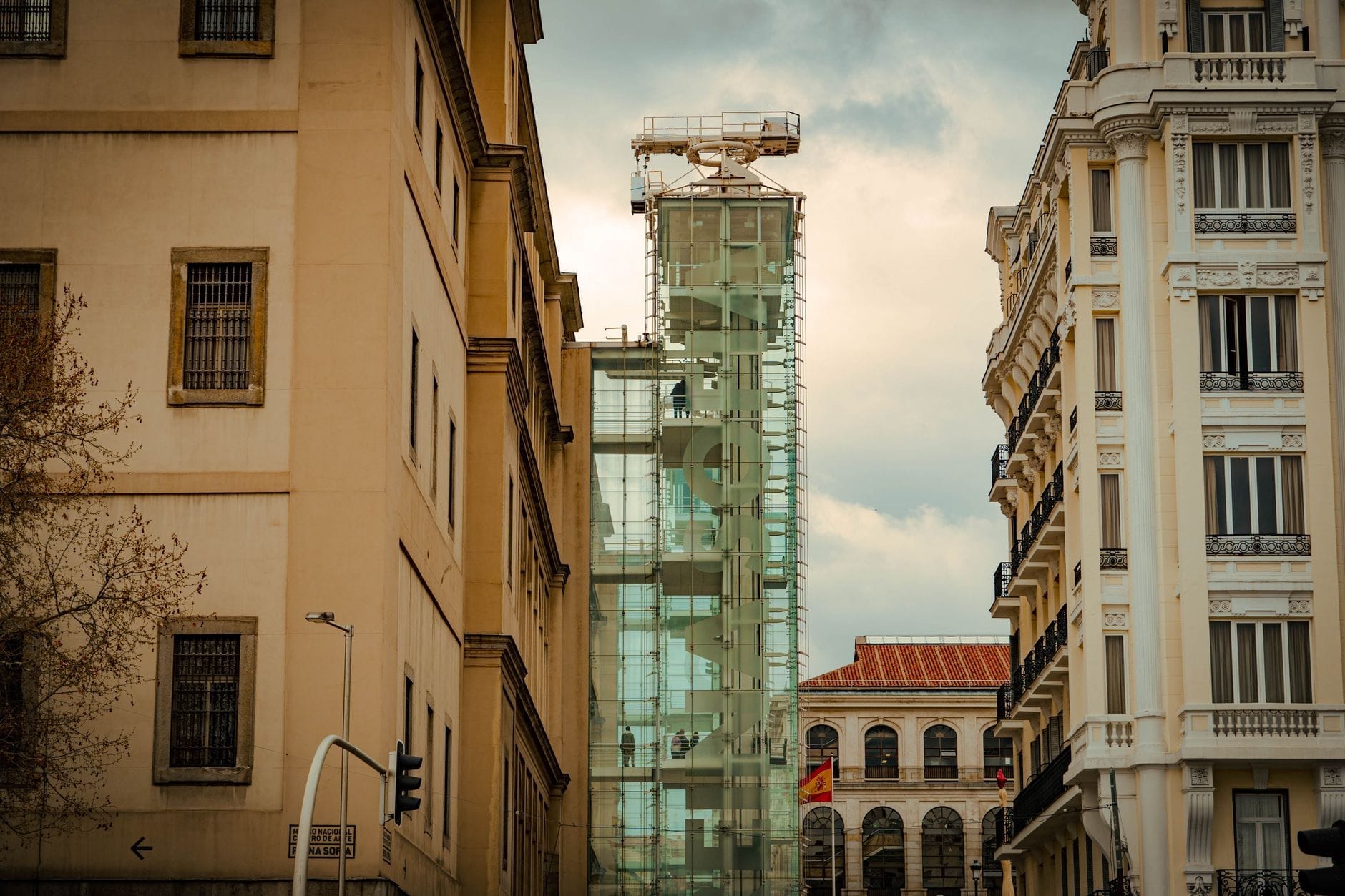
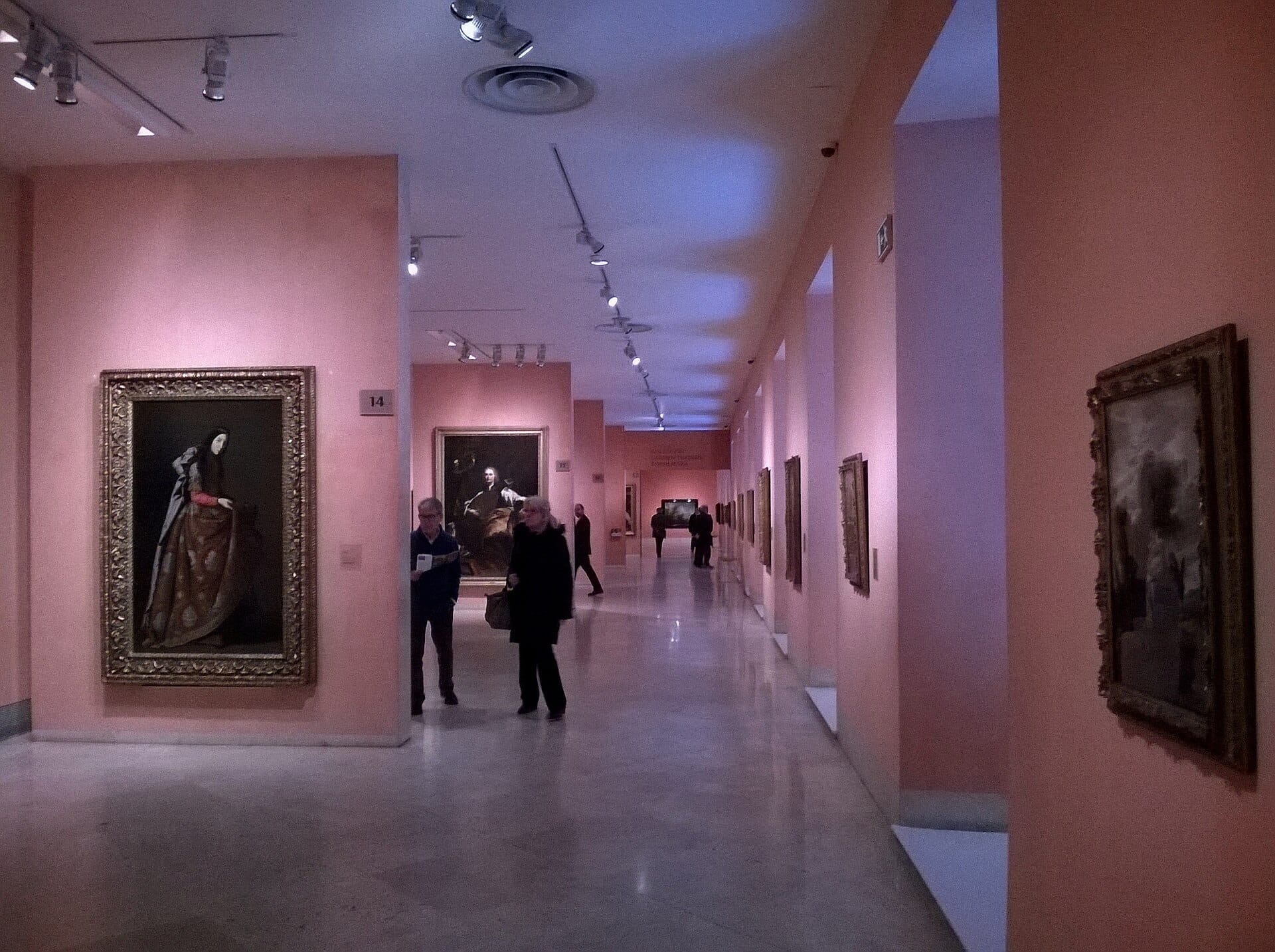
Retiro borders the Barrio de Salamanca to the north and sits within a short walk of the museum corridor along the Paseo del Prado, which connects the Prado, Thyssen, and Reina Sofía museums.
Character & Atmosphere
Retiro operates on a rhythm that most Madrid neighborhoods do not. The park dictates the pace of the day. Early mornings belong to runners circling the Estanque Grande, dog walkers on the shaded inner paths, and retired residents on benches reading the newspaper. By nine o'clock the park is already well populated, filling with a quiet energy that feels almost civic in its regularity.
Weekend afternoons shift the mood entirely. Families spread picnic blankets near the rose garden, street performers cluster near the main lake, and rowing boats queue at the rental dock. The park is notably lively on a Saturday in spring, but it rarely feels chaotic. The sheer size of the grounds absorbs the crowds. Midweek, large sections feel almost contemplative: fountains echo under pine trees, light filters green through the canopy, and the sculpture garden east of the lake can be entirely yours for twenty minutes at a stretch.
The residential streets east of the park have a different character altogether. Doctor Castelo and the streets around Calle Ibiza are genuine neighborhood territory: local bakeries, family-run fruit stalls, bars with hand-written menus on chalkboards, and very little in the way of tourist infrastructure. This is the Retiro that most visitors miss, and it is arguably the most authentic part of the district.
After dark, Retiro is one of Madrid's calmer districts. The park closes at midnight in summer and 10 p.m. in winter, which naturally limits the late-night foot traffic. The Ibiza barrio has a moderate evening scene, concentrated around the restaurant strips of Doctor Castelo, but nothing that compares to the late-night intensity of Malasaña or Lavapiés. If you are looking for quiet evenings, this works in your favor. If you want Madrid nightlife, you will need to leave the district.
💡 Local tip
Visit the park on a weekday morning in spring or autumn for the best experience. The light through the mature trees is exceptional before 10 a.m., and you will share the paths mostly with locals rather than tour groups.
What to See & Do
The centerpiece of the district is, without question, Parque del Buen Retiro. The park covers around 120–125 hectares and is part of the UNESCO World Heritage Landscape of Light, recognized alongside the Paseo del Prado in 2021. It was originally a royal retreat dating to the 17th century and was opened to the public in the 19th century. Walking its full perimeter takes the better part of an hour at a relaxed pace.
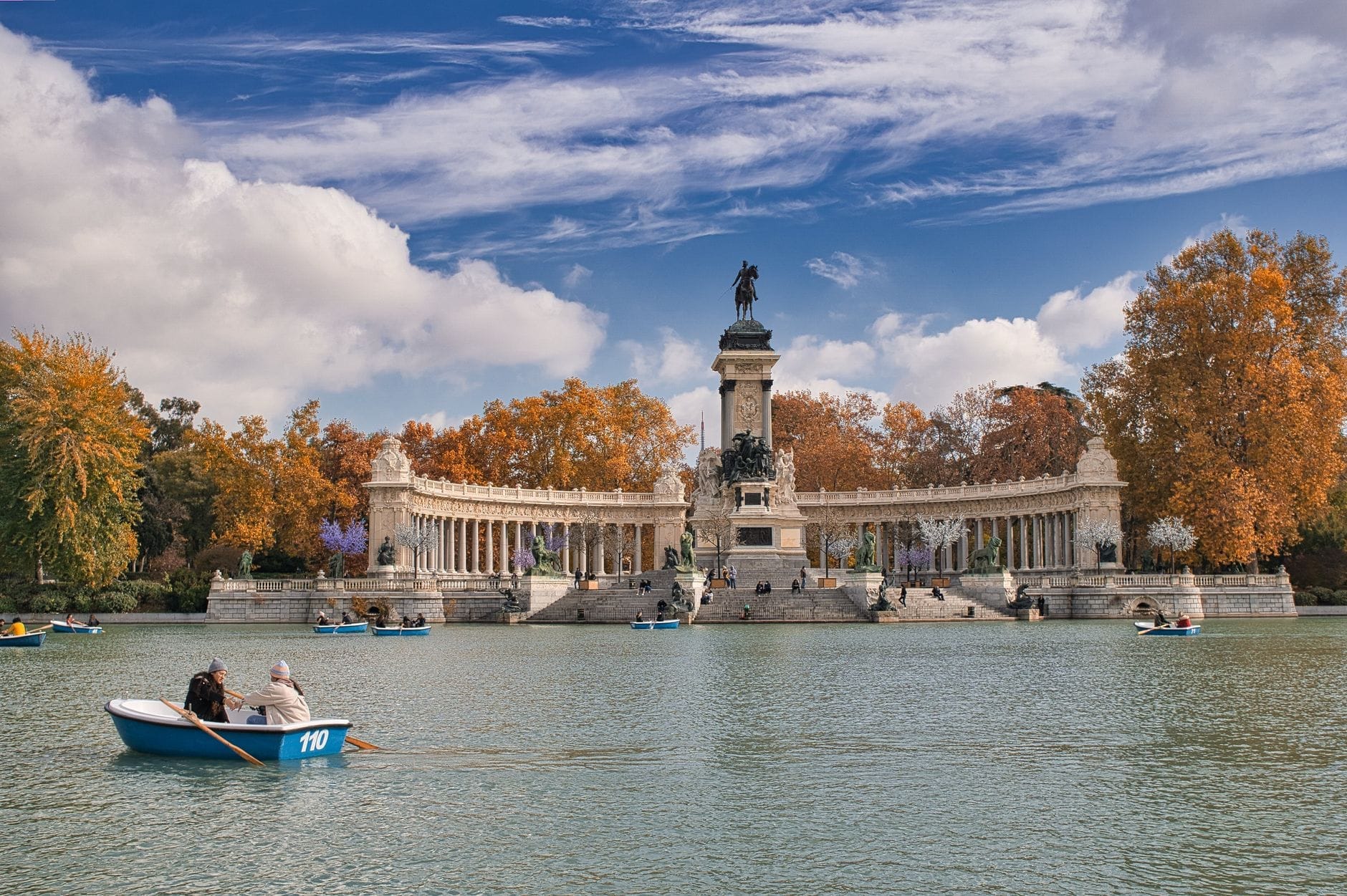
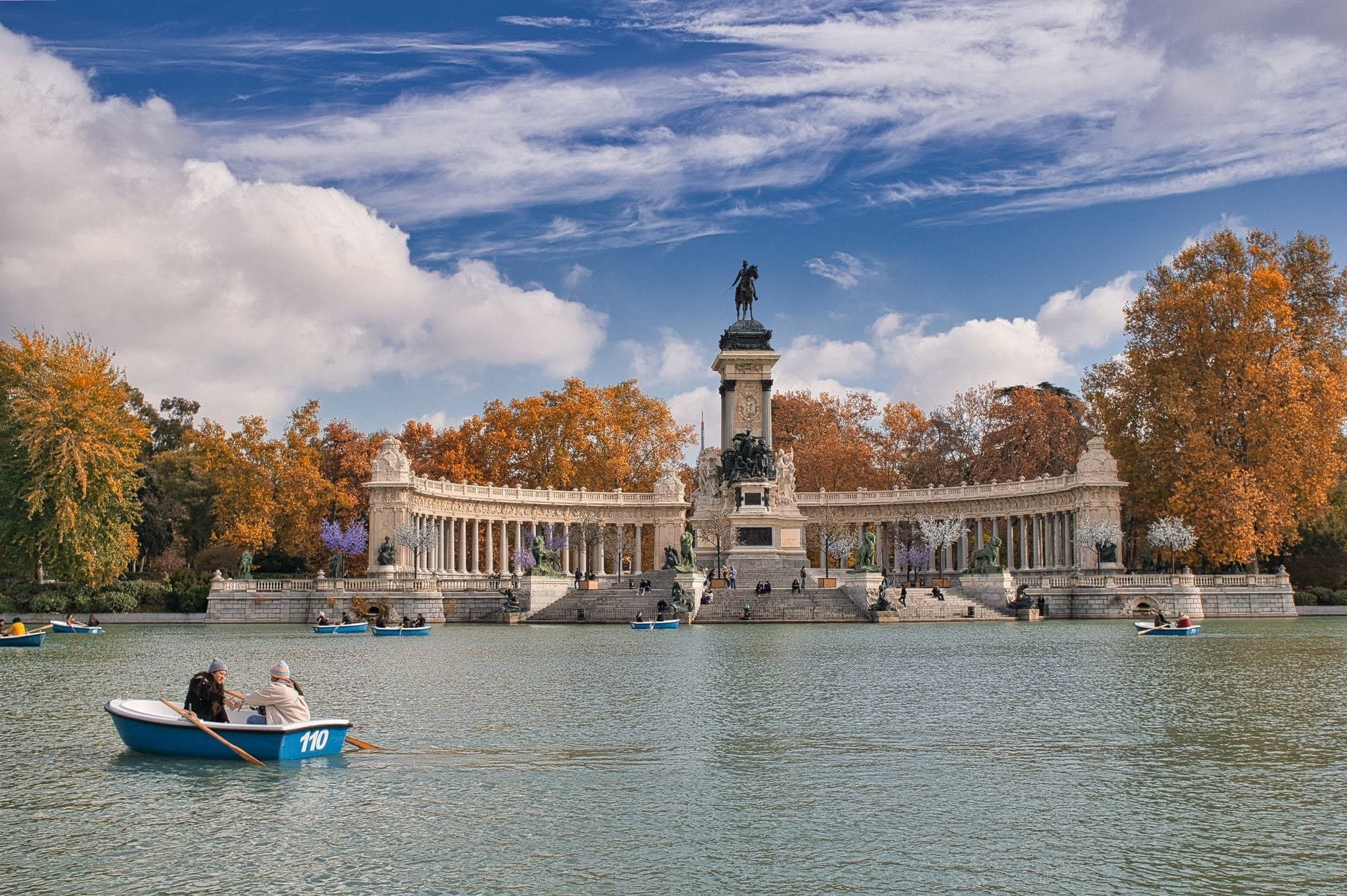
Within the park, the Estanque Grande is the large central lake where you can rent rowboats by the hour, a Madrid tradition that has not changed in generations. At the southern end stands the Monument to Alfonso XII, its semicircular colonnade framing the water in the late afternoon light. The park also contains the Palacio de Cristal, a remarkable iron-and-glass exhibition pavilion from 1887 that now hosts contemporary art installations as part of the Reina Sofía museum's programming, and the adjacent Palacio de Velázquez, used for similar purposes.
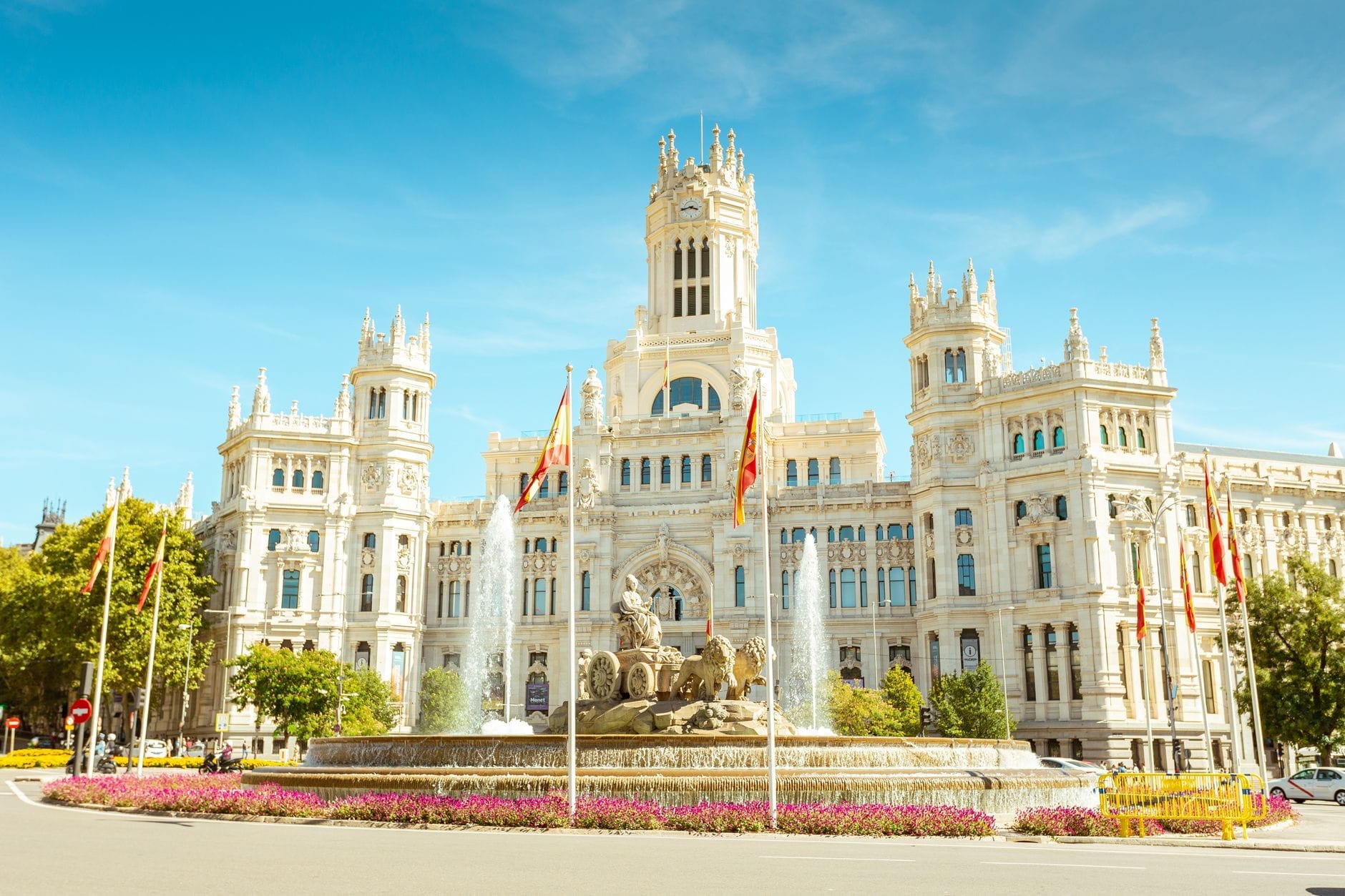
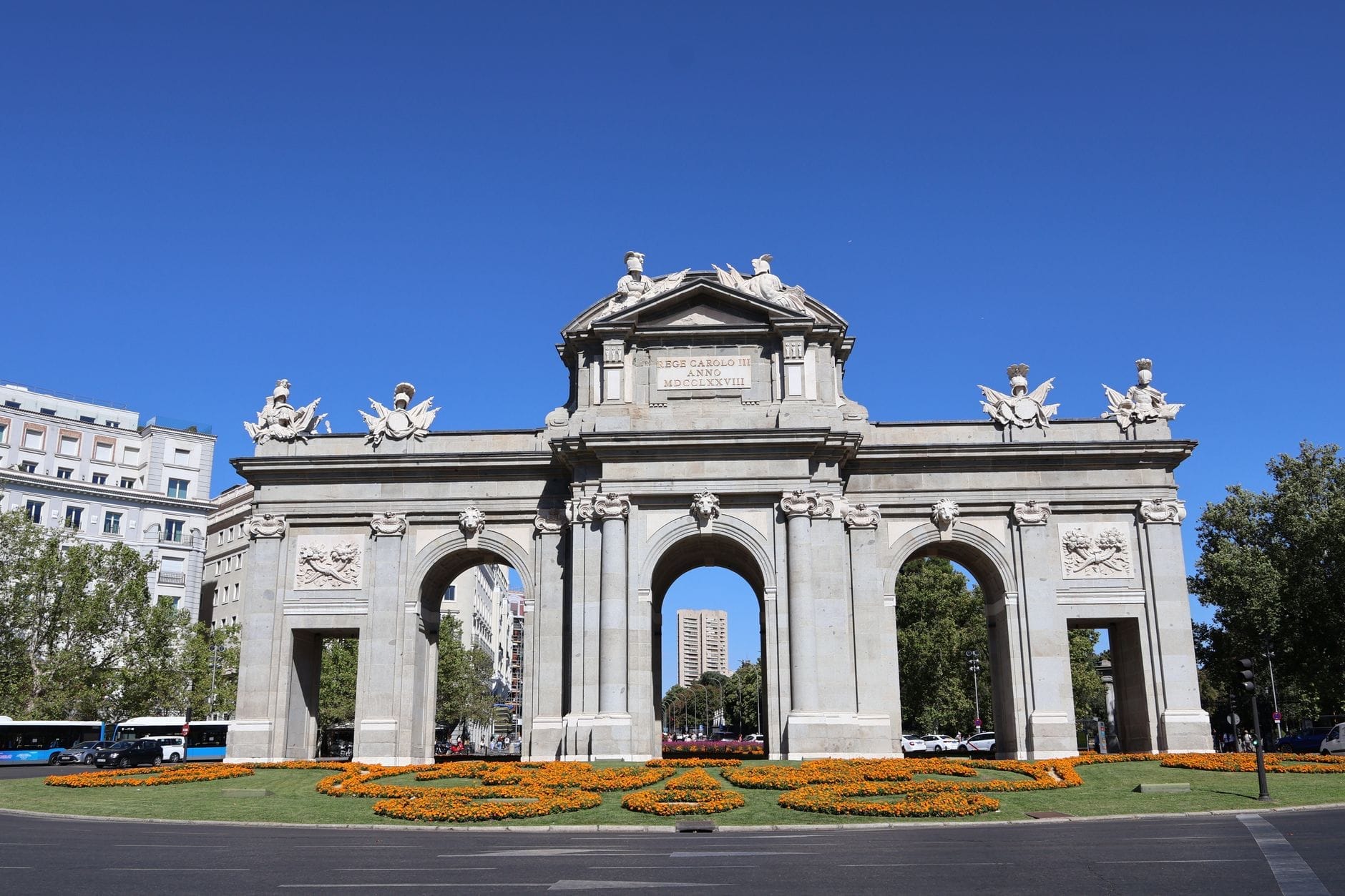
Just outside the park's northwestern corner, the Puerta de Alcalá marks the boundary between Retiro and Salamanca at the Plaza de la Independencia. The neoclassical gate, completed in 1778, is one of Madrid's most recognizable monuments and is particularly striking when illuminated at night.
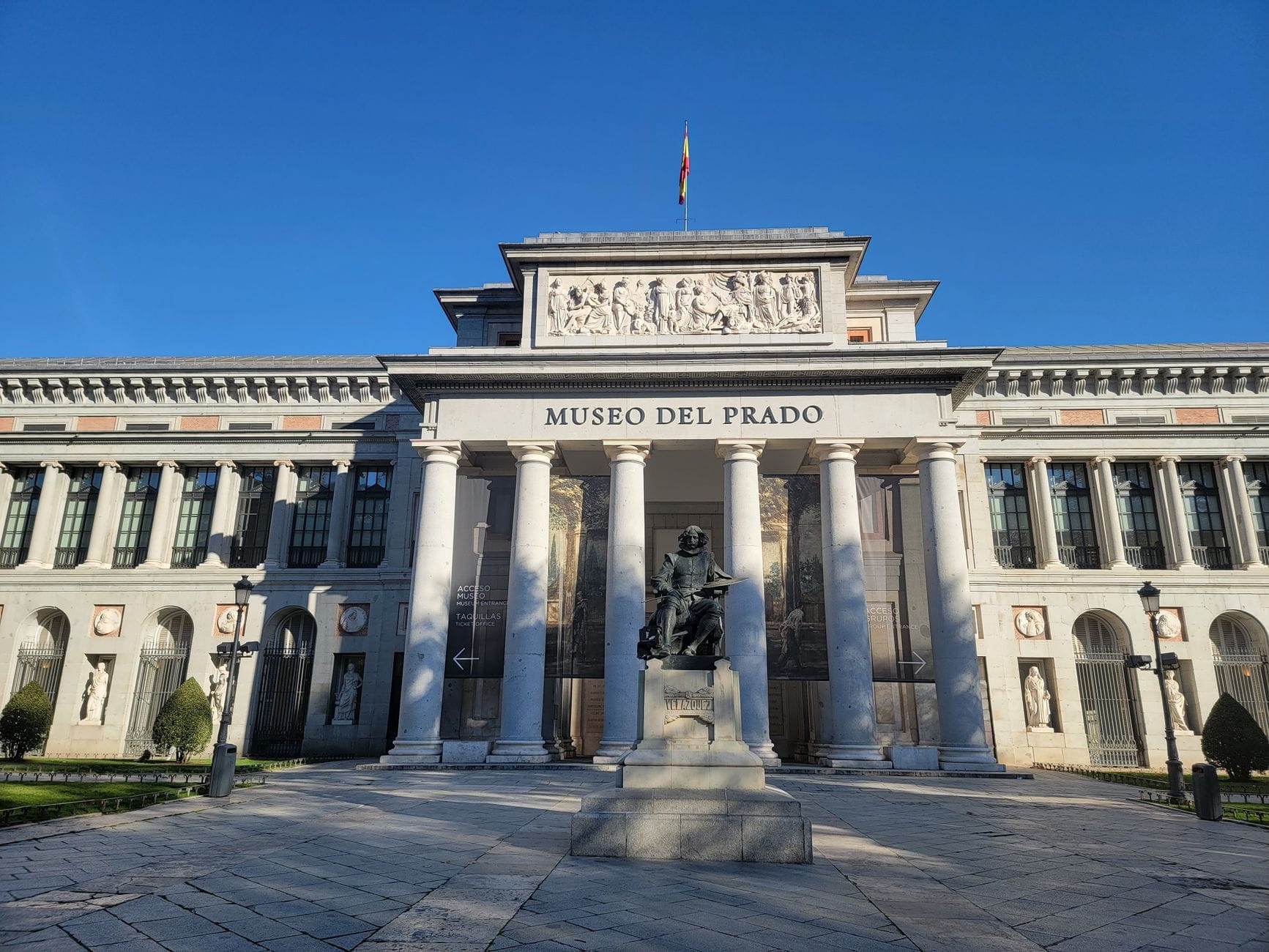
The western edge of Retiro borders the museum triangle directly. The Museo del Prado is a five-minute walk from the park's Puerta de Murillo. The Real Jardín Botánico sits just south of the Prado, covering 8 hectares of landscaped gardens that complement the park experience with a quieter, more curated atmosphere. Admission is charged but reasonable.
Rowboat hire on the Estanque Grande lake (weekends and holidays are busiest)
Palacio de Cristal and Palacio de Velázquez, free contemporary art exhibitions by Museo Reina Sofía
The rose garden (Rosaleda) in the park's southwestern corner, best in May and June
Puerta de Alcalá and Plaza de la Independencia, especially at dusk
Real Jardín Botánico, south of the Prado museum entrance
The Ángel Caído statue, the only public monument in the world depicting the fall of the devil, located in the park's southern section
ℹ️ Good to know
El Retiro Park opens at 6:00 a.m. daily. Closing times vary by season: midnight in spring and summer (April–September), 10:00 p.m. in autumn and winter (October–March). Entry is free. Verify current hours before visiting as they are subject to change.
Eating & Drinking
The food scene in Retiro is split between two zones. The Jerónimos barrio, closest to the park's western entrance and the Prado, has a handful of cafés and restaurants that cater largely to museum visitors and park walkers. Prices here reflect the captive audience: perfectly decent but rarely exceptional value. The further east you walk toward Calle Ibiza and Doctor Castelo, the more the scene shifts toward neighborhood restaurants serving Madrid residents.
Doctor Castelo has become the main dining street in the Ibiza barrio, with a concentration of restaurants covering Spanish regional cooking, contemporary Mediterranean menus, and international options. The atmosphere here in the evening is authentically local: tables of friends, extended family dinners, and the kind of relaxed noise that comes from people who are not in any hurry. Weekend lunches, the main meal of the day in Madrid, are particularly good value at several of these spots.
For coffee and pastry in the morning, the smaller streets around Calle Ibiza and Avenida de Menéndez Pelayo have traditional Spanish cafeterías that have been serving the same neighborhood for decades. These are not destination cafés for specialty coffee tourists, but they are the real thing in terms of atmosphere: marble counters, stainless steel espresso machines, and croissants that have not been redesigned by anyone. Breakfast here costs a fraction of what you would pay near the Prado.
The park itself has several kiosks and terraza bars scattered around the grounds, most active from late morning through the afternoon. These are fine for a cold drink or a quick snack mid-walk, but they are not serious eating destinations. Bring a picnic if you plan to spend a full afternoon in the park, particularly on weekends when the kiosks get busy.
Getting There & Around
Retiro is well connected by metro. The most central station for the park and the Jerónimos barrio is Retiro on Line 2 (red), right on Calle de Alcalá at the park's northern edge. From Puerta del Sol, Line 2 reaches Retiro in two stops, roughly a five-minute ride. Príncipe de Vergara station, served by both Line 2 and Line 9 (grey), gives access to the northeastern corner of the district. Ibiza on Line 9 puts you in the middle of the most active residential zone.
For the park's western side and the museum corridor, Atocha on Line 1 (light blue) is the logical choice, connecting you to the southern Retiro entrance and the Real Jardín Botánico within a short walk. Atocha is also a major Cercanías hub for trains across the metropolitan area and points south.
Walking from the historic center is a genuine option. From Puerta del Sol, it takes about 20 minutes on foot along Calle de Alcalá to reach the park entrance at Puerta de Alcalá. From the Prado museum, you are at the park's Puerta de Murillo in under five minutes. The metro and city bus network cover the district comprehensively, and several BiciMAD bike-share docking stations are located along Avenida de Menéndez Pelayo and Calle Alcalá.
Within the district itself, most movement is on foot. The park is not accessible to private vehicles, and the residential streets east of the park are laid out in a walkable grid. Taxis and ride-hailing apps drop off easily anywhere along the perimeter boulevard.
💡 Local tip
If you are combining the park with a Prado visit, enter the park from the Puerta de Murillo on Calle de Alfonso XII. It is the closest access point to the Botanical Garden and puts you directly on the southern lake path, which is one of the most scenic routes through the park.
Where to Stay
Retiro is primarily residential, which means the hotel stock is thinner than in Centro or Salamanca. What is available tends toward smaller boutique hotels, aparthotels, and serviced apartments rather than large international chains. This suits certain travelers well: you get a quieter base with easy metro access to everything, but you sacrifice the convenience of being steps from the main tourist circuit.
The best location within the district for visitors is the Jerónimos barrio, near the park's western and northern entrances. Staying here puts you within walking distance of the Prado, Thyssen, and Reina Sofía museums, with the park effectively on your doorstep. The Puerta de Alcalá end of Calle de Alcalá is another strong option, giving you quick metro access (Retiro station) and the park entrance within two minutes on foot.
Retiro suits travelers who prioritize space, green surroundings, and proximity to Madrid's major museums without needing to be in the middle of the nightlife zones. Families with children, couples visiting for culture and parks, and longer-stay visitors who want a residential feel will find it a good fit. For the full hotel overview across the city, the Madrid neighborhood accommodation guide covers all major districts in depth.
⚠️ What to skip
Retiro is not the right base if you plan to spend your evenings bar-hopping or need to be in the center of Madrid's nightlife. The neighborhood quiets down early compared to Malasaña, Chueca, or Lavapiés, and you will be paying for taxi or metro rides back if you stay out late.
Practical Tips & Our Assessment
Retiro is one of Madrid's most straightforward neighborhoods to navigate and one of the most pleasant to spend time in. It rewards a full half-day at minimum. If you are combining the park with the Prado and the Botanical Garden, allocate a full day and wear comfortable shoes.
The district is generally safe and family-oriented throughout. The park itself is fenced and has fixed opening hours, so the late-night element that can complicate large urban parks elsewhere is not a significant concern here. Like any central Madrid public space, keep standard awareness with your belongings during peak weekend crowds around the main lake.
For travelers building a broader Madrid itinerary, Retiro pairs naturally with a morning at the Museo del Prado or Museo Reina Sofía followed by an afternoon in the park. The best museums in Madrid guide will help you plan the museum side of that day.
Summer visits require some planning. July and August in Madrid regularly see temperatures above 35°C, and the park, while shaded in places, can be intensely hot midday. Visit in the early morning or late afternoon, carry water, and use the shaded paths along the southern perimeter rather than the open central areas around the lake. The guide to visiting Madrid in summer has more detail on managing the heat.
TL;DR
Retiro is Madrid's main park district: calm, residential, and anchored by the roughly 120–125-hectare Parque del Buen Retiro, a UNESCO World Heritage site open daily and free to enter.
Best for: families, culture-focused travelers, museum visitors, and anyone who wants a quieter base with easy metro access to the center.
Not ideal for: travelers focused on nightlife or budget backpackers looking for social hostel scenes and late-night action.
Key transit: Metro Line 2 (Retiro station) for the park's north entrance; Atocha (Line 1) for the south entrance and museum corridor.
Don't miss: the Palacio de Cristal, rowboats on the Estanque Grande, the Puerta de Alcalá at dusk, and the neighborhood restaurants along Doctor Castelo for an unassuming local meal.
Three days in Madrid is enough to cover the Royal Palace, the world-class Art Triangle museums, Retiro Park, and the city's most rewarding neighborhoods. This itinerary is built around real logistics, free entry windows, and practical advice on where to spend your time and where to skip.
Madrid is one of Europe's great museum cities. The Prado, Reina Sofía, and Thyssen-Bornemisza alone would justify a week, but the city also hides royal convents, Goya frescoes, and lavish private palaces that most visitors never find. This guide covers every museum worth your time, with practical advice on free hours, passes, and crowd strategy.
Madrid rewards visitors year-round, but the best time to visit depends on your priorities. This guide covers weather patterns, crowd levels, hotel prices, and key events for every season so you can choose the trip that actually suits you.
Madrid rewards those who look up and climb higher. Whether you want a sundowner drink with skyline views or a free panoramic terrace above the city's rooftops, this guide covers the best vantage points in the capital, from iconic cultural landmarks to the most atmospheric rooftop bars.
Madrid sits at the geographic heart of Spain, putting some of the country's most remarkable cities and landscapes within an hour or two by train. This guide covers the best day trips from Madrid, from UNESCO World Heritage cities to royal palaces and medieval walls.
Madrid is one of Europe's most generous cities for budget travelers. From world-class museums with free evening hours to royal gardens, ancient temples, and legendary flea markets, you can fill days with remarkable experiences without paying a single euro.
Madrid has one of Europe's most extensive public transport networks, covering the metro, city buses, night services, and direct airport links from Adolfo Suárez Madrid-Barajas Airport. This guide breaks down every option with real prices, schedules, and the practical knowledge to move around the city without stress.
Madrid rewards curious visitors who look beyond the Prado and Plaza Mayor. From a royal convent hiding five centuries of treasures to a park that erupts in almond blossom each February, these are the experiences that most tourists never find but locals quietly love.
Madrid punches well above its weight as a luxury destination. This guide covers the best five-star hotels, designer shopping streets, fine dining, and cultural experiences that make the Spanish capital one of Europe's most rewarding upscale city breaks.
Madrid's built environment tells six centuries of history across a single city. This guide walks you through the key architectural periods, the most significant buildings, and how to plan a self-guided tour without wasting a day on tourist traps.
Madrid transforms into one of Europe's most festive cities each December, with illuminated boulevards, outdoor markets, and a calendar packed with seasonal events. This guide covers every major Christmas market, the best neighborhoods for lights, practical timing advice, and what to skip.
Madrid's religious heritage goes far deeper than its famous cathedral. The city holds royal convents still inhabited by nuns, a basilica with one of the world's largest domes, a hermitage painted by Goya, and an Egyptian temple reconstructed in a city park. This guide covers the best of them all.
Madrid is one of Spain's premier flamenco destinations, with daily shows running year-round across tablaos, dedicated theaters, and cultural festivals. This guide breaks down the best venues, clear price comparisons, what to avoid, and how to book smart.
Madrid's food scene rewards the curious and punishes the impatient. This guide covers the essential dishes you shouldn't leave without trying, where to find them, what to pay, and how to eat like a local — from a €3 breakfast espresso to a late-night tapa in La Latina.
Madrid rewards couples with an exceptional mix of grand parks, world-class art, intimate flamenco shows, and long evening meals that stretch well past midnight. This guide covers the best romantic things to do in Madrid Spain, from free sunset viewpoints to splurge-worthy experiences worth every euro.
The Sierra de Guadarrama sits just about an hour to 90 minutes from central Madrid and offers over 80 km of marked trails through pine forests, granite peaks, and high mountain passes. This guide covers the best hiking areas, how to get there by bus or train, and what to do in the city to prepare for your mountain day.
Spring is widely considered the best time to visit Madrid, with mild temperatures, long days, and a packed festival calendar. This guide breaks down what each month actually looks and feels like, from April showers to June's first heat, so you can plan without surprises.
Summer in Madrid means intense heat, long evenings, and a city that runs on its own schedule. This guide covers everything from surviving 38°C afternoons to finding shade in Retiro, timing museum visits, and understanding why August feels like a different city entirely.
Madrid transforms in winter into one of Europe's most festive cities, with over 240 illuminated locations, a Christmas market in Plaza Mayor, and the spectacular Cabalgata de Reyes on 5 January. This guide covers what to expect from the weather, where to find the best markets, how to experience Epiphany like a local, and practical tips for navigating the city in the cold months.
Madrid's market scene spans 19th-century iron halls, neighborhood produce markets, gourmet food halls, and one of Europe's great flea markets. This guide covers the best of each category, with practical tips on when to go, what to eat, and which markets are worth your time.
Madrid nightlife runs on a schedule unlike anywhere else in Europe. Bars don't fill until midnight, clubs peak at 3am, and the city doesn't sleep until sunrise. This guide covers the best districts, venues, realistic costs, and the timing rules that separate a great night from an expensive disappointment.
Madrid is one of Europe's most affordable capitals once you know where to look. This guide breaks down realistic daily costs, free museum windows, budget food strategies, and transport tricks to help you see the best of the city without overspending.
Seven days in Madrid gives you enough time to cover the world-class museums, explore distinct neighborhoods, eat well, and still fit in a day trip or two. This guide breaks it all down day by day, with practical logistics, tested recommendations, and the details most itineraries skip.
Madrid ranks among Europe's safer capital cities, but tourists face real risks from pickpocketing, distraction theft, and a handful of well-documented scams. This guide breaks down the actual threats, neighborhood by neighborhood, and gives you practical tools to stay safe without being paranoid.
Every May, Madrid throws one of Europe's great city festivals in honour of San Isidro Labrador. From free open-air concerts and religious processions to the world's most prestigious bullfighting fair, this guide covers everything you need to plan your visit.
Madrid is one of Europe's great shopping cities, with options ranging from high-street chains on Gran Vía to designer boutiques on Calle Serrano and centuries-old flea markets in La Latina. This guide breaks down every major shopping zone, market, and mall by budget, style, and practicality.
Madrid is one of Europe's most rewarding cities for solo travelers. This guide covers everything from navigating the metro alone to dining at tapas bars without awkwardness, plus straightforward safety advice, neighborhood breakdowns, and practical logistics for first-timers and seasoned solo travelers alike.
Madrid is one of Europe's great cities for eating at the bar, moving from spot to spot, and drinking cold beer with small plates of food. This guide covers the best tapas neighborhoods, top bars, realistic prices, timing advice, and everything you need to do a proper crawl without looking like a tourist.
Traveling from Madrid to Lisbon involves more choices than most travelers expect. This guide breaks down every realistic option — flight, bus, and train — with straightforward advice on cost, time, and what to book first.
The Madrid to Seville route is one of Spain's most travelled intercity connections, and you have more options than ever. This guide covers AVE train times, low-cost operators, bus routes, driving, and exactly how to get the best fare.
The Madrid to Valencia route is one of Spain's most travelled corridors, served by multiple high-speed train operators with journey times under two hours. This guide covers every transport option, how to get the best fares, which stations to use, and what to know before you go.
Spain's two great cities each make a compelling case. Madrid is the capital, the art powerhouse, and the city that never sleeps. Barcelona has Gaudí, the Mediterranean, and a culture distinct from the rest of Spain. This guide breaks down the real differences so you can choose, or plan to do both.
Madrid's historic core is compact enough that you can cover its greatest landmarks on foot, entirely on your own schedule. This guide breaks down the best self-guided walking routes by theme and distance, with real pricing, opening hours, app recommendations, and practical advice on when to walk and what to skip.
Madrid is one of Europe's most underrated family destinations, with free museum entry for children under 18 at some major museums, sprawling parks, three theme parks within day-trip range, and a metro system that cuts fares for young travellers. This guide covers everything families need to plan a smooth, enjoyable trip.
Madrid rewards visitors who go beyond the obvious. This guide covers the top things to do in Madrid Spain, from world-class art museums and the Royal Palace to Sunday flea markets, flamenco tablaos, and the city's best parks, with practical tips on free entry times, seasonal crowds, and neighborhood logic.
Madrid's food scene spans centuries-old taverns, world-class tasting menus, and multicultural street-level dining. This guide breaks down the best restaurants by neighborhood and budget, with practical booking advice and frank takes on what to skip.
Choosing where to stay in Madrid shapes your entire trip. This guide breaks down the city's key neighborhoods by atmosphere, price range, and practical location, so you can pick the right base from the start.