Best Markets in Madrid: Food, Flea & Gourmet Halls Ranked
Madrid's market scene spans 19th-century iron halls, neighborhood produce markets, gourmet food halls, and one of Europe's great flea markets. This guide covers the best of each category, with practical tips on when to go, what to eat, and which markets are worth your time.
Plan and book this trip
Tools from our partner Travelpayouts help you compare flights and hotels. If you book through them, we may earn a commission at no extra cost to you.
Flights
Hotels map
Madrid takes its markets seriously. The city's covered mercados are social institutions as much as shopping destinations, each one reflecting the character of its barrio. Whether you want to graze on jamón and vermouth at a gourmet hall near Plaza Mayor, load up on fresh produce in Salamanca, or spend a Sunday morning hunting for curiosities at El Rastro, this guide covers every type of market Madrid does well. For context on how markets fit into the wider food culture, see our Madrid food guide.
Gourmet Food Halls
Madrid's gourmet market scene has evolved significantly over the past two decades. The model: take a historic market building, fill it with high-quality food and drink stalls, and make grazing the point rather than weekly shopping. These are the best examples, and they pair well with a broader tapas crawl through the surrounding neighborhoods.
1. Graze on Jamón and Pintxos at Mercado de San Miguel
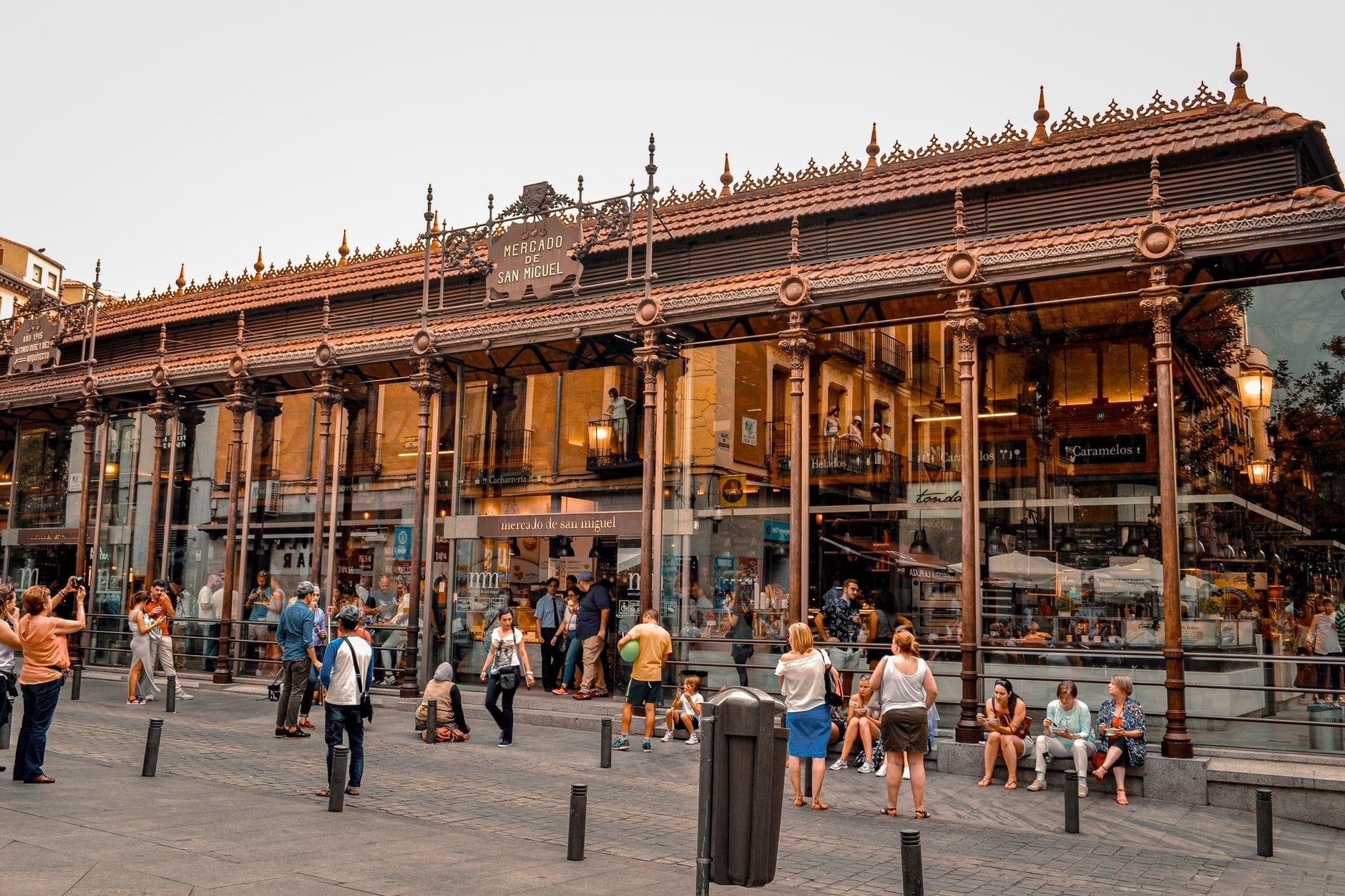
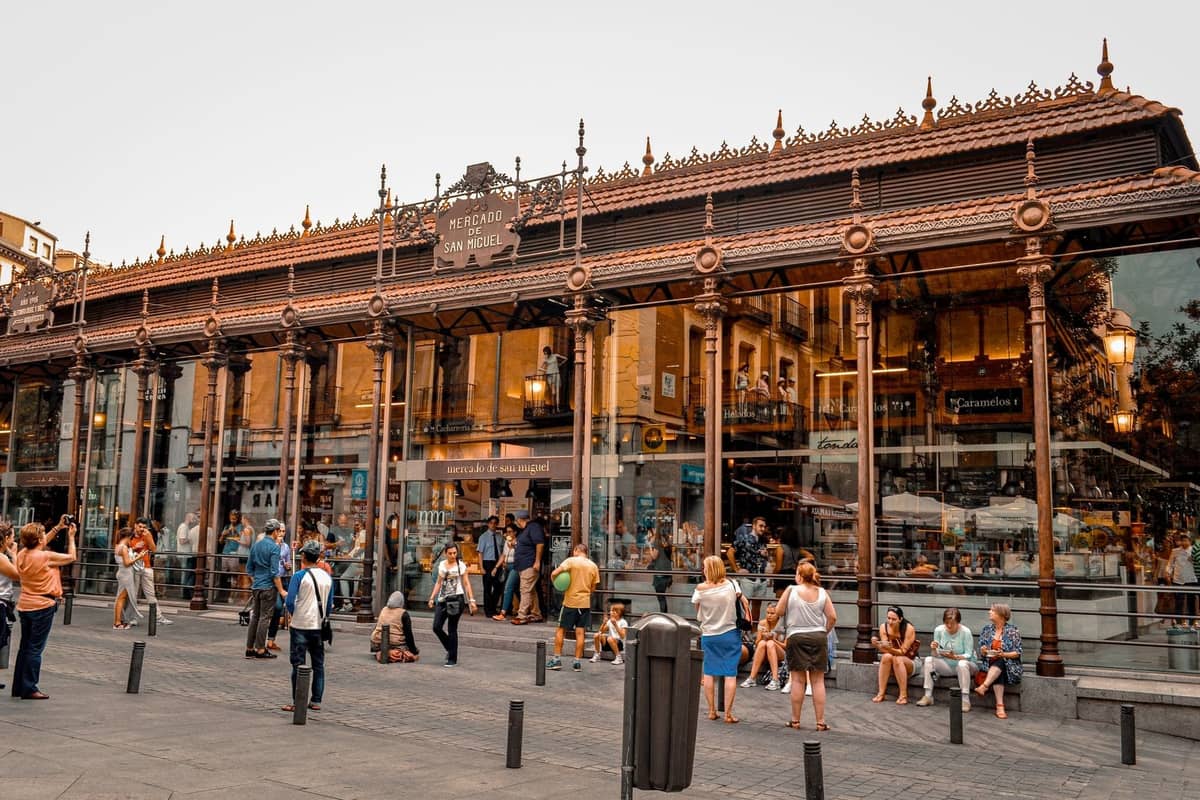
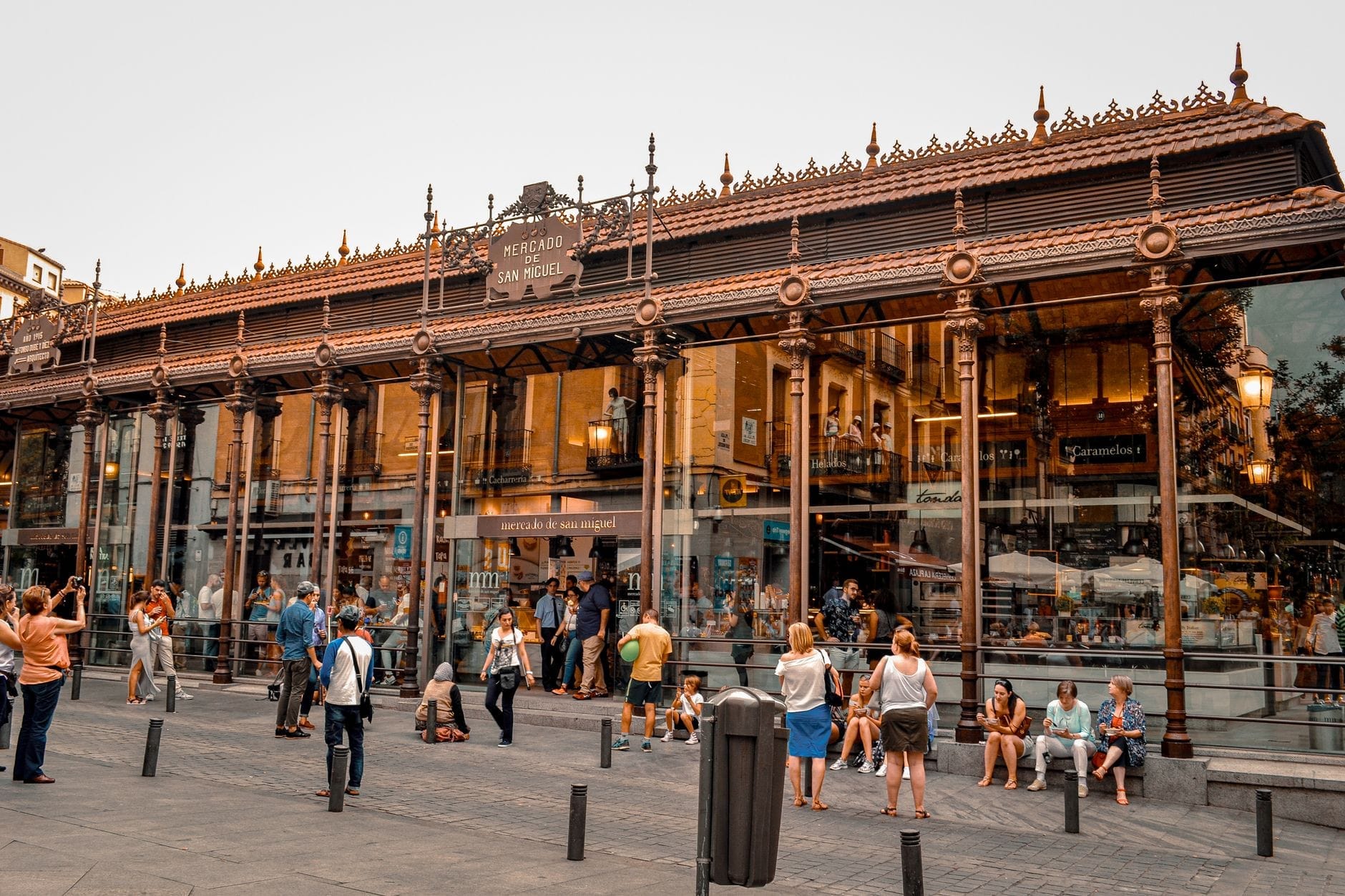
Madrid's most beautiful market, a 1916 iron-and-glass structure steps from Plaza Mayor. Its 30+ stalls sell jamón, fresh seafood, pintxos, and wine. Go on a weekday morning to avoid peak crowds. Hours run until midnight most nights, later on weekends.
Explore1. Graze on Jamón and Pintxos at Mercado de San Miguel
Madrid's most beautiful market, a 1916 iron-and-glass structure steps from Plaza Mayor. Its 30+ stalls sell jamón, fresh seafood, pintxos, and wine. Go on a weekday morning to avoid peak crowds. Hours run until midnight most nights, later on weekends.
Explore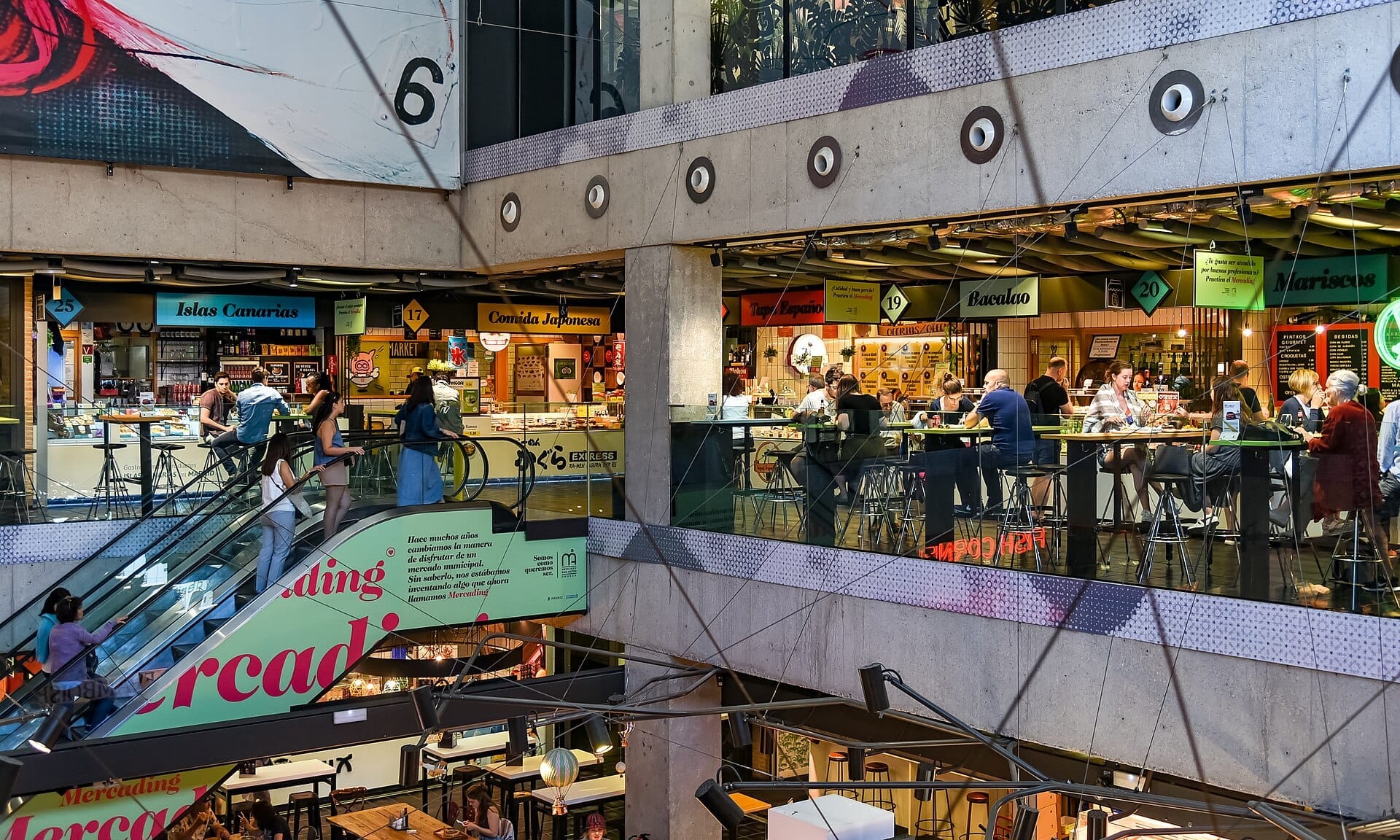
2. Eat Your Way Up Three Floors at Mercado de San Antón
Chueca's three-level market has fresh produce on the ground floor, tapas bars and specialty shops on the second, and a rooftop terrace restaurant above. It's the neighborhood's social hub and a great spot for lunch with locals rather than tourists.
Explore2. Eat Your Way Up Three Floors at Mercado de San Antón
Chueca's three-level market has fresh produce on the ground floor, tapas bars and specialty shops on the second, and a rooftop terrace restaurant above. It's the neighborhood's social hub and a great spot for lunch with locals rather than tourists.
Explore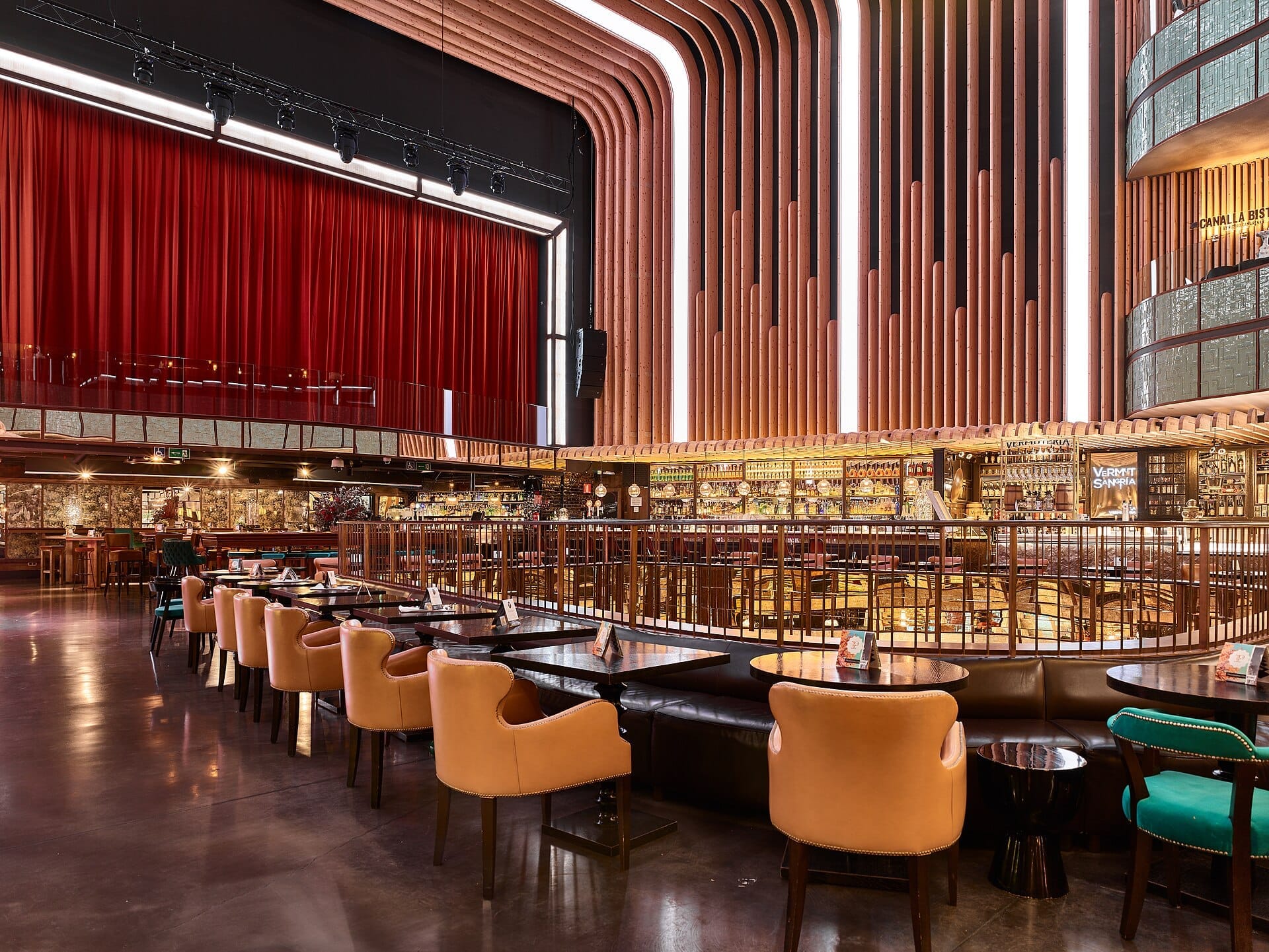
3. Dine in a Converted Cinema at Platea Madrid
A 1950s cinema in Salamanca transformed into a multi-level gastronomic space with 20+ restaurants, live performances on a central stage, and a spectacular Art Deco interior. Best experienced Thursday through Saturday evenings when the atmosphere is at its peak.
Explore3. Dine in a Converted Cinema at Platea Madrid
A 1950s cinema in Salamanca transformed into a multi-level gastronomic space with 20+ restaurants, live performances on a central stage, and a spectacular Art Deco interior. Best experienced Thursday through Saturday evenings when the atmosphere is at its peak.
Explore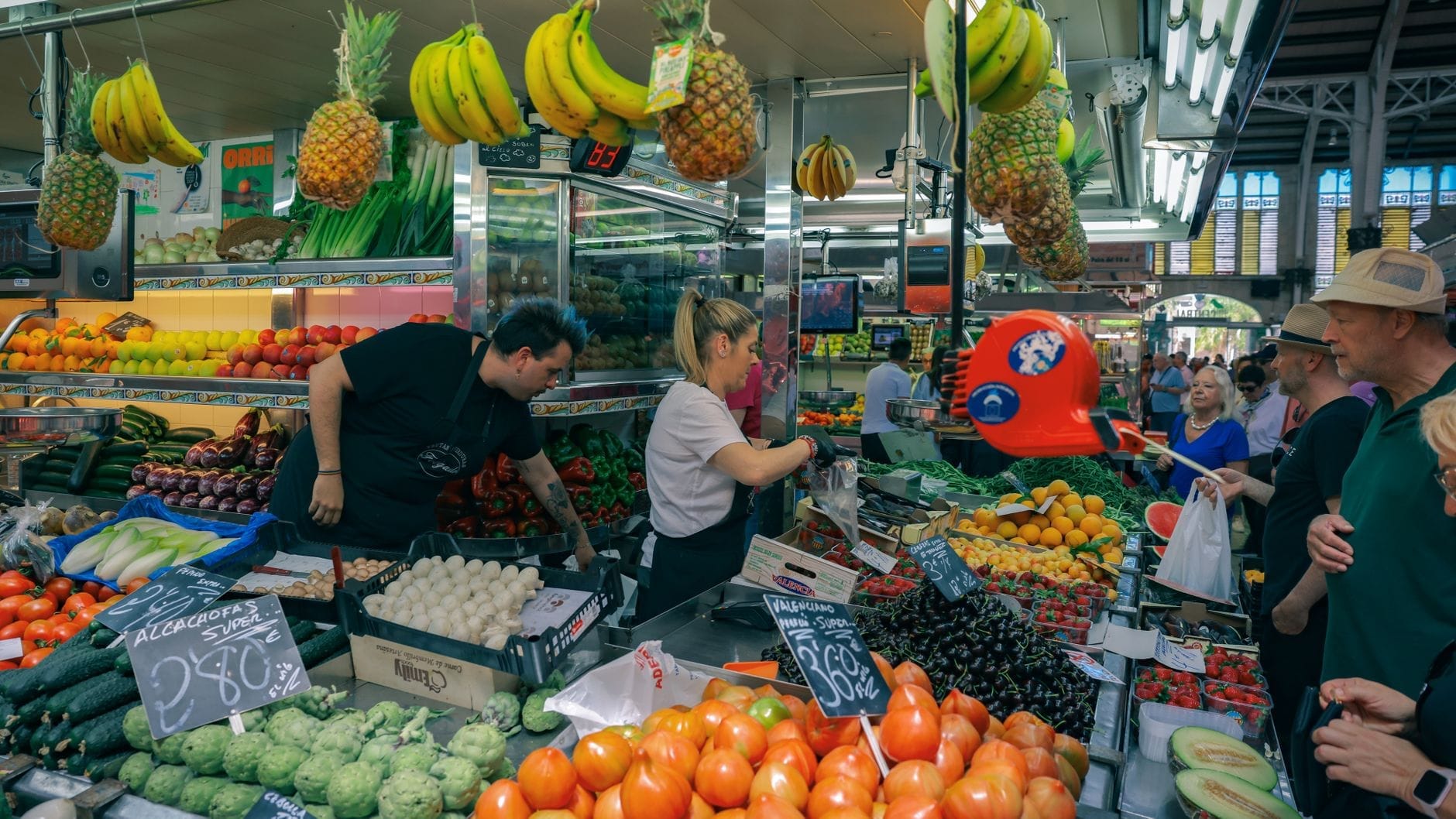
4. Sample International Street Food at Mercado de San Ildefonso
Malasaña's three-floor street food market was Madrid's first of its kind, rotating stalls of Spanish and international food alongside craft beers and cocktails. Informal and lively, it suits an evening of grazing rather than a structured sit-down meal.
Explore4. Sample International Street Food at Mercado de San Ildefonso
Malasaña's three-floor street food market was Madrid's first of its kind, rotating stalls of Spanish and international food alongside craft beers and cocktails. Informal and lively, it suits an evening of grazing rather than a structured sit-down meal.
ExploreTraditional Neighborhood Markets
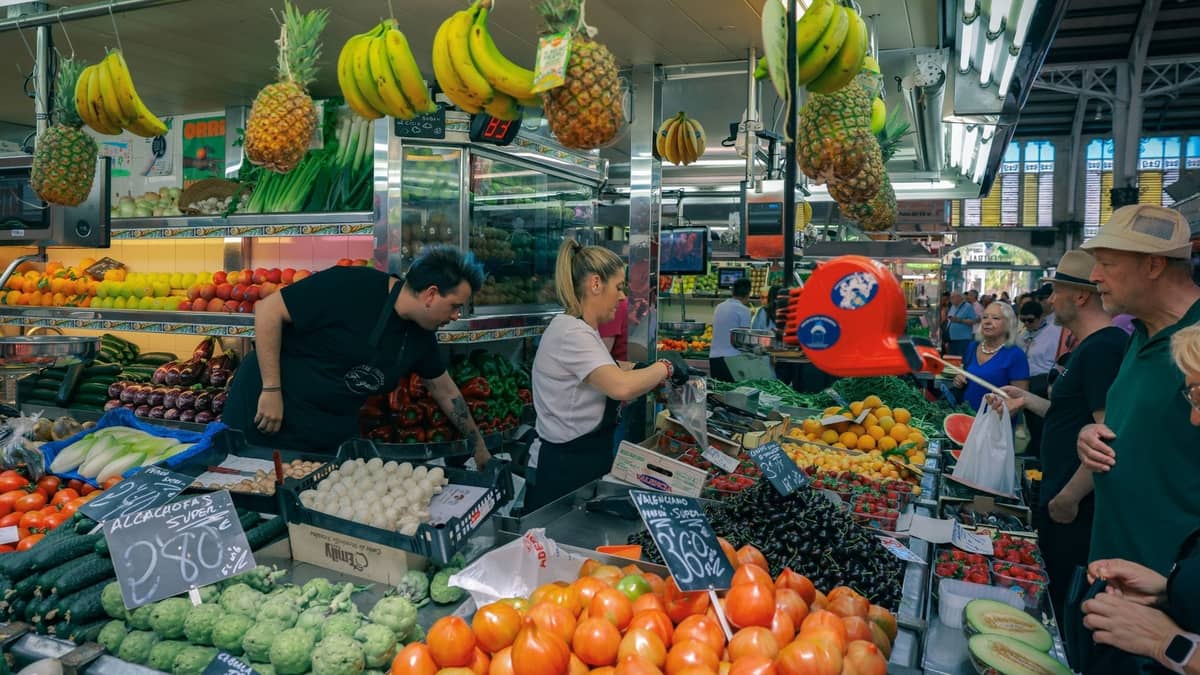
These are the markets where madrileños actually shop. Prices are lower, the produce is fresher, and the atmosphere is genuinely local. They're also worth visiting simply as architectural and social spaces. If you want to eat well without tourist-level pricing, these are your starting points. Pair a visit to any of them with a walk through the surrounding barrio: our Madrid walking tours guide has good routes through La Latina and Lavapiés.
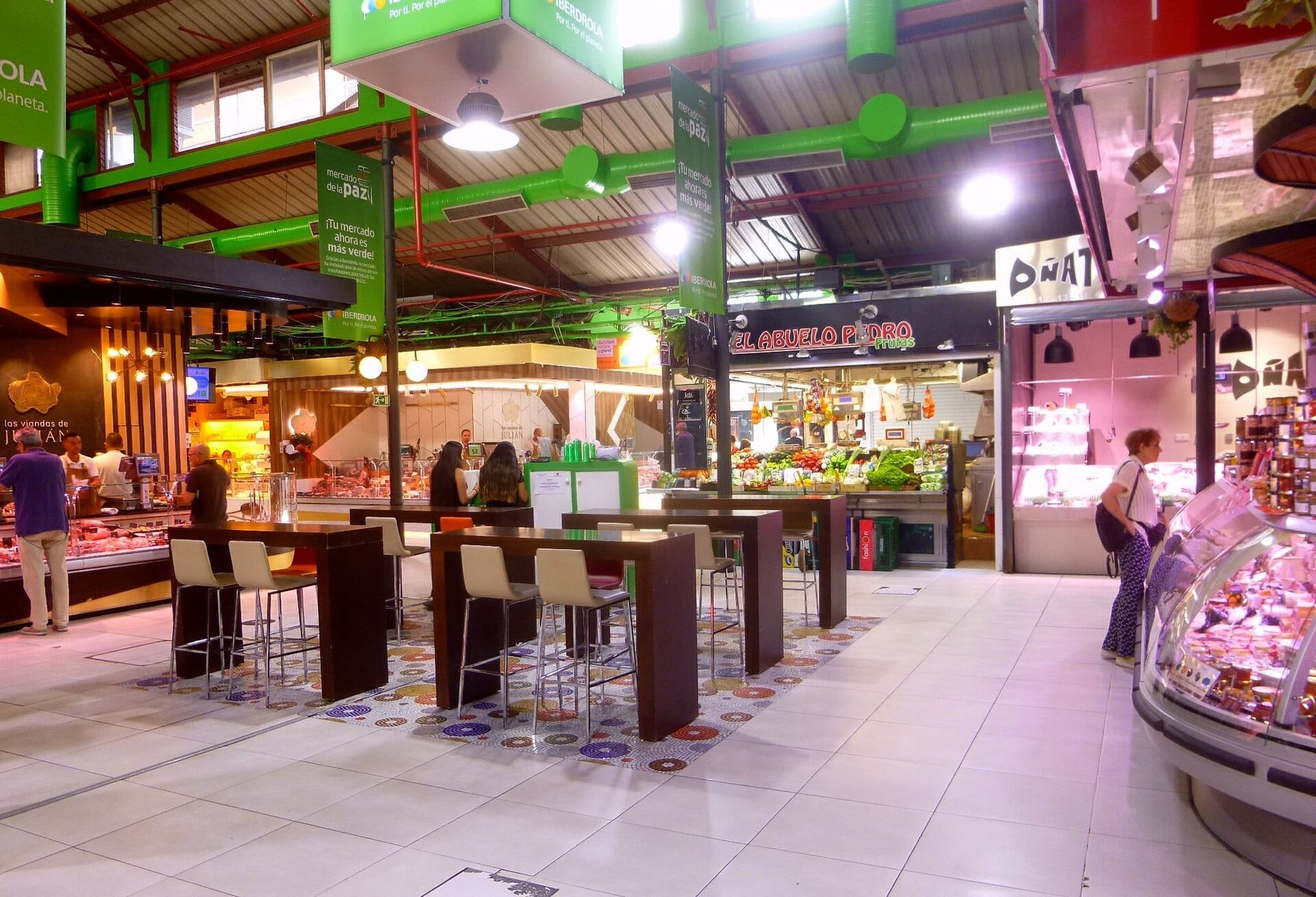
5. Shop Like a Salamanca Local at Mercado de La Paz
A beautiful 19th-century covered market on Calle de Ayala selling premium jamón, cheese, seafood, and produce to Salamanca's discerning residents. One of Madrid's most atmospheric traditional markets, and far better value than San Miguel for actual ingredients.
Explore5. Shop Like a Salamanca Local at Mercado de La Paz
A beautiful 19th-century covered market on Calle de Ayala selling premium jamón, cheese, seafood, and produce to Salamanca's discerning residents. One of Madrid's most atmospheric traditional markets, and far better value than San Miguel for actual ingredients.
Explore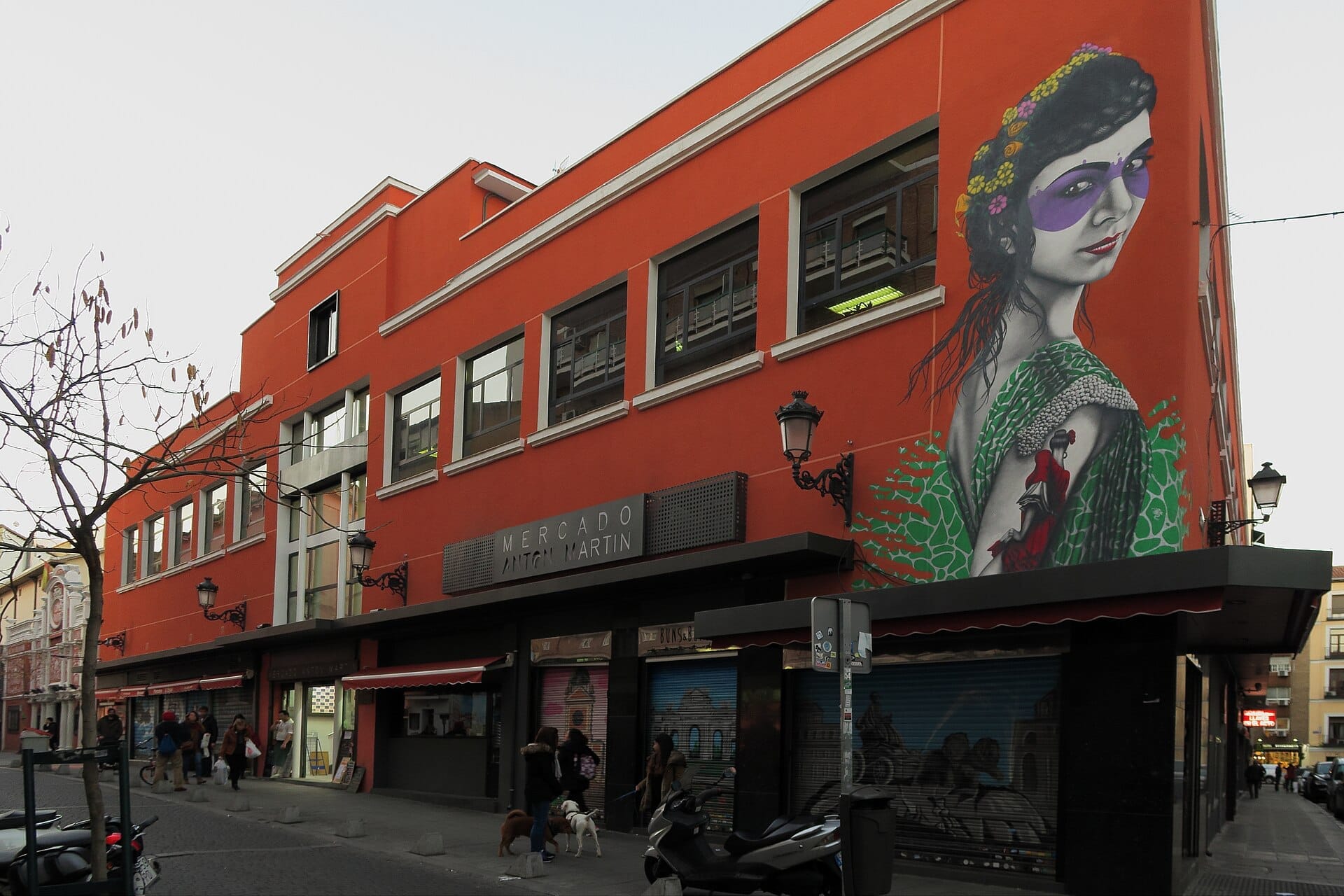
6. Find Authentic Daily Life at Mercado de Antón Martín
A beloved neighborhood market on the Lavapiés-Huertas border, known for excellent fresh produce, a popular Japanese food counter, and a local atmosphere completely untouched by tourism. Go on a weekday morning to see it at its most genuine.
Explore6. Find Authentic Daily Life at Mercado de Antón Martín
A beloved neighborhood market on the Lavapiés-Huertas border, known for excellent fresh produce, a popular Japanese food counter, and a local atmosphere completely untouched by tourism. Go on a weekday morning to see it at its most genuine.
ExploreThe Flea Market
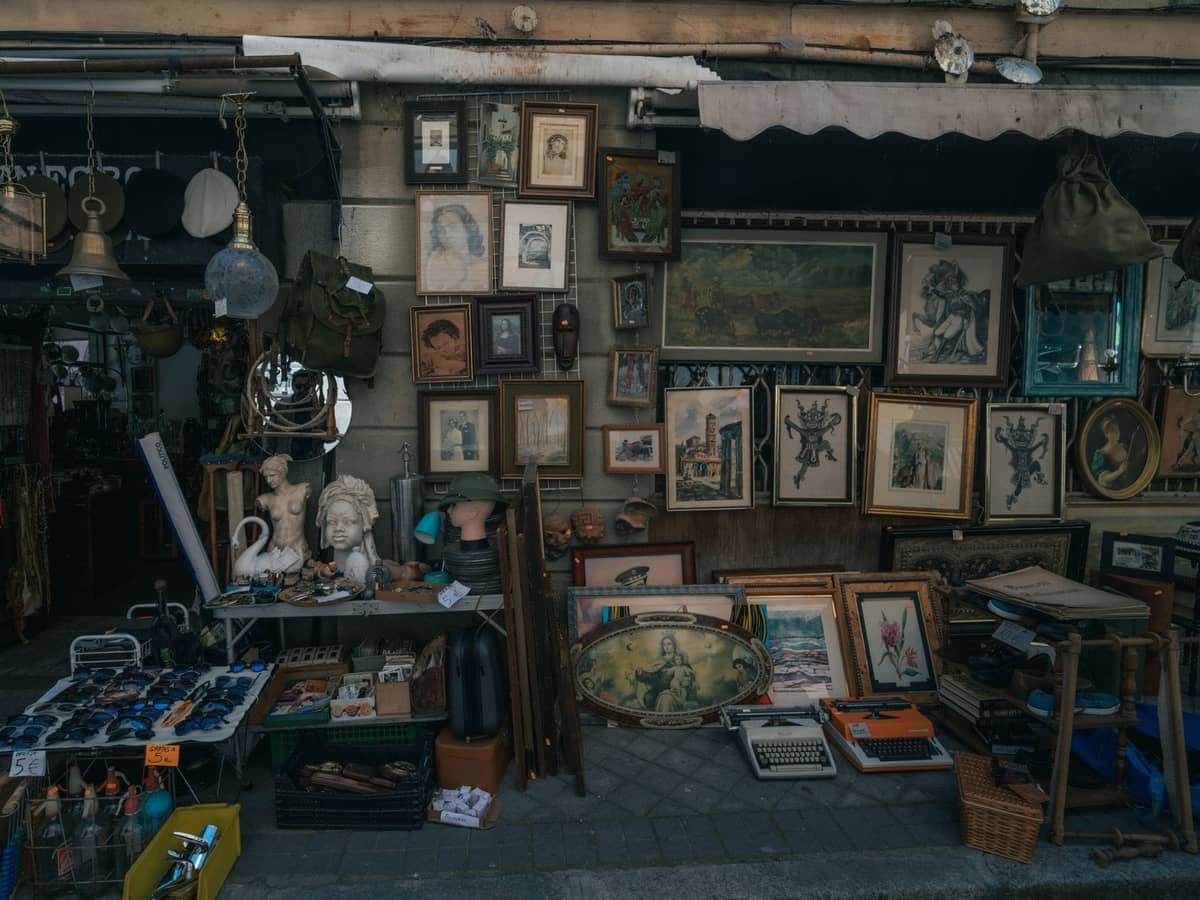
There is one flea market in Madrid that matters, and it has been a Sunday institution for centuries. El Rastro spreads through the streets of La Latina and is as much a social ritual as a shopping event. Combine it with the post-market tapas culture on Cava Baja for the definitive Madrid Sunday.
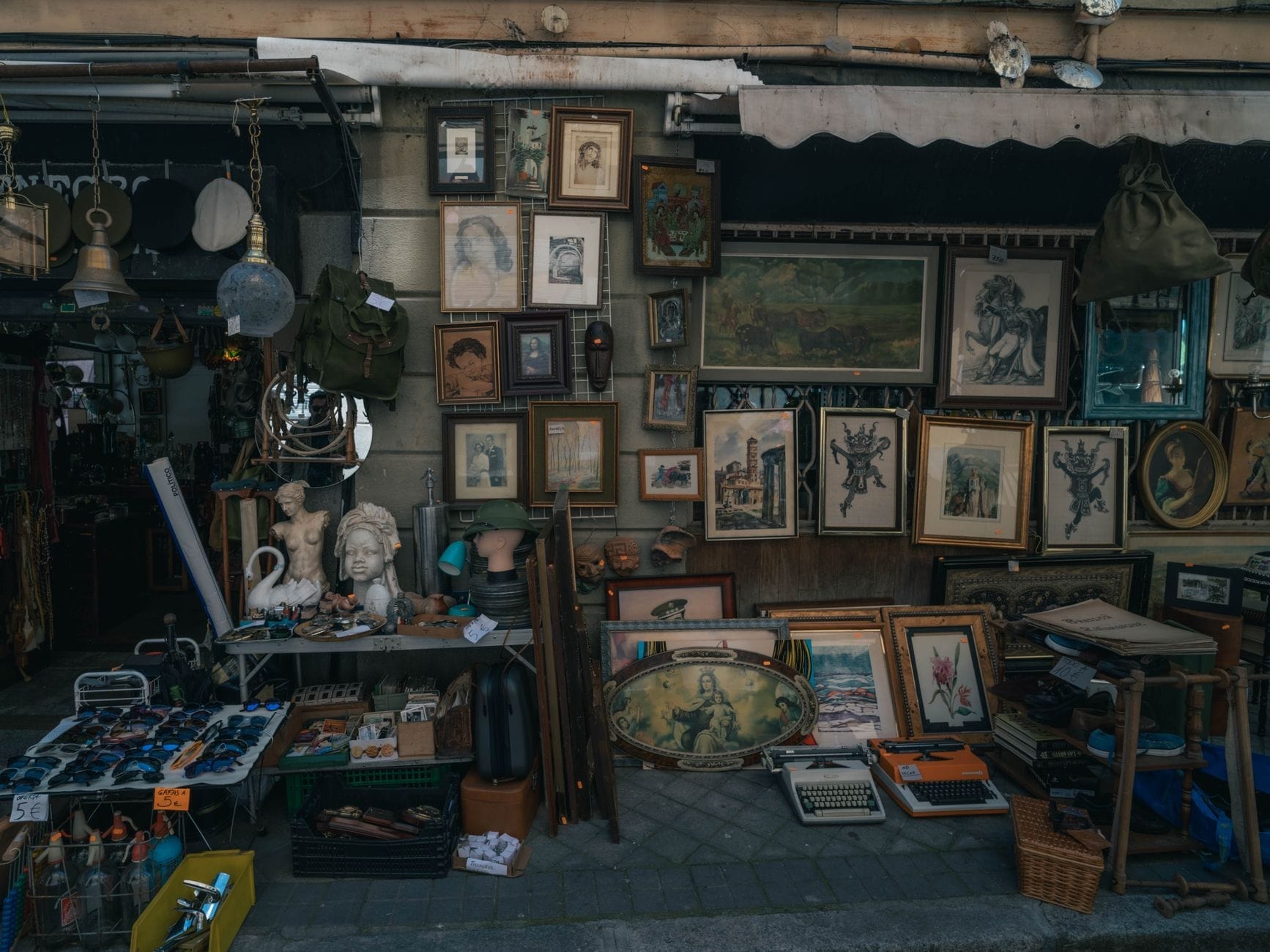
7. Hunt for Antiques and Curiosities at El Rastro Flea Market
Europe's most famous flea market runs every Sunday from 09:00 to 15:00 across Calle de la Ribera de Curtidores and surrounding streets. Over 3,500 stalls sell antiques, vintage clothing, art, and bric-a-brac. Arrive before 10:00 for the best finds and space to move.
Explore7. Hunt for Antiques and Curiosities at El Rastro Flea Market
Europe's most famous flea market runs every Sunday from 09:00 to 15:00 across Calle de la Ribera de Curtidores and surrounding streets. Over 3,500 stalls sell antiques, vintage clothing, art, and bric-a-brac. Arrive before 10:00 for the best finds and space to move.
Explore💡 Local tip
After El Rastro winds down around 15:00, walk about ten minutes to Cava Baja for the classic post-market vermouth and tapas. The two are inseparable as a Sunday ritual for locals.
Markets Worth a Detour
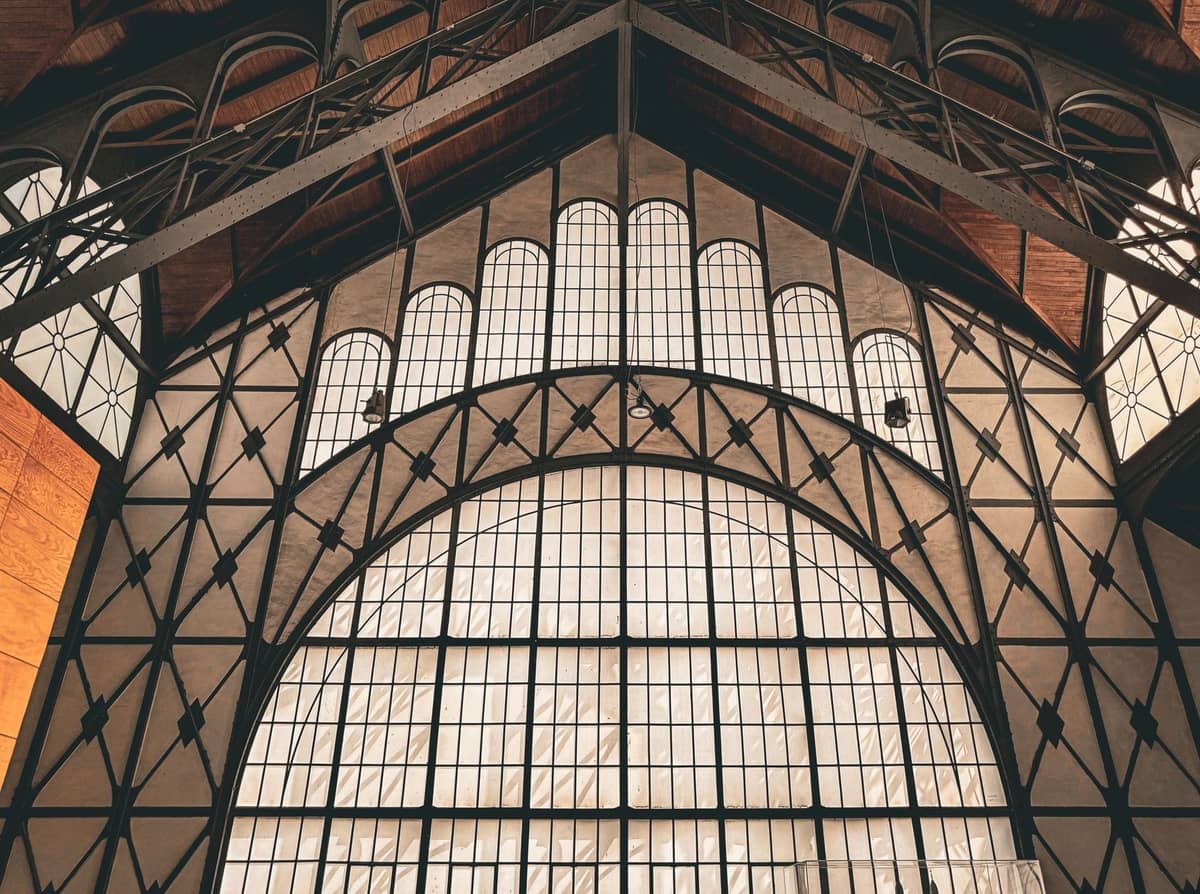
Beyond the main market circuit, several other Madrid spaces blur the line between market, cultural venue, and dining destination. These are worth building a visit around, especially if you're exploring neighborhoods off the main tourist track. The Lavapiés and Malasaña areas in particular have the most interesting crossover spaces.
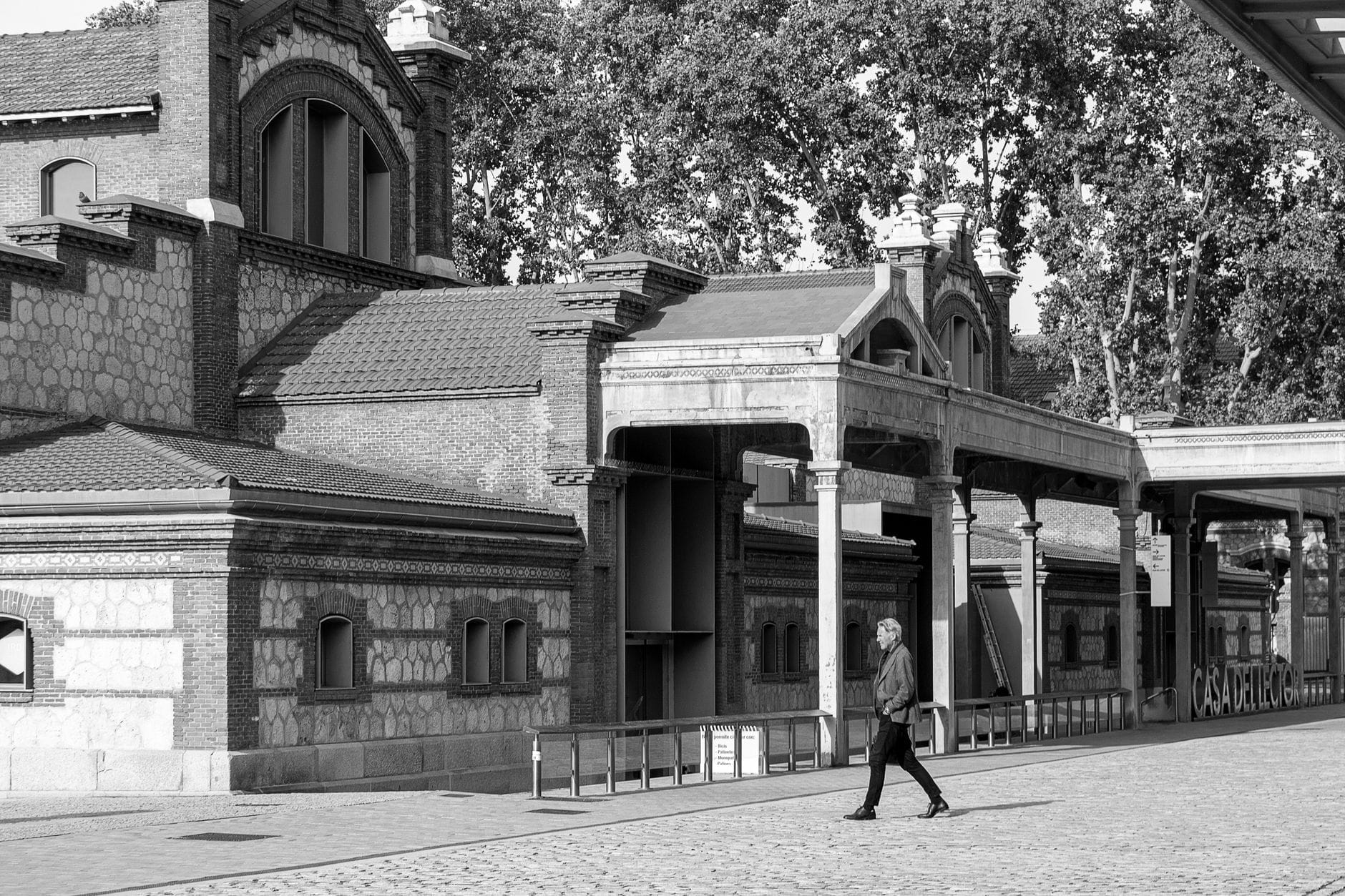
8. Explore Matadero's Weekend Market and Cultural Campus
A former slaughterhouse on the Manzanares river transformed into Madrid's most ambitious cultural campus. Its weekend market draws designers, artists, and food vendors alongside exhibitions and theatre. The industrial architecture alone makes it worth the trip south of centre.
Explore8. Explore Matadero's Weekend Market and Cultural Campus
A former slaughterhouse on the Manzanares river transformed into Madrid's most ambitious cultural campus. Its weekend market draws designers, artists, and food vendors alongside exhibitions and theatre. The industrial architecture alone makes it worth the trip south of centre.
Explore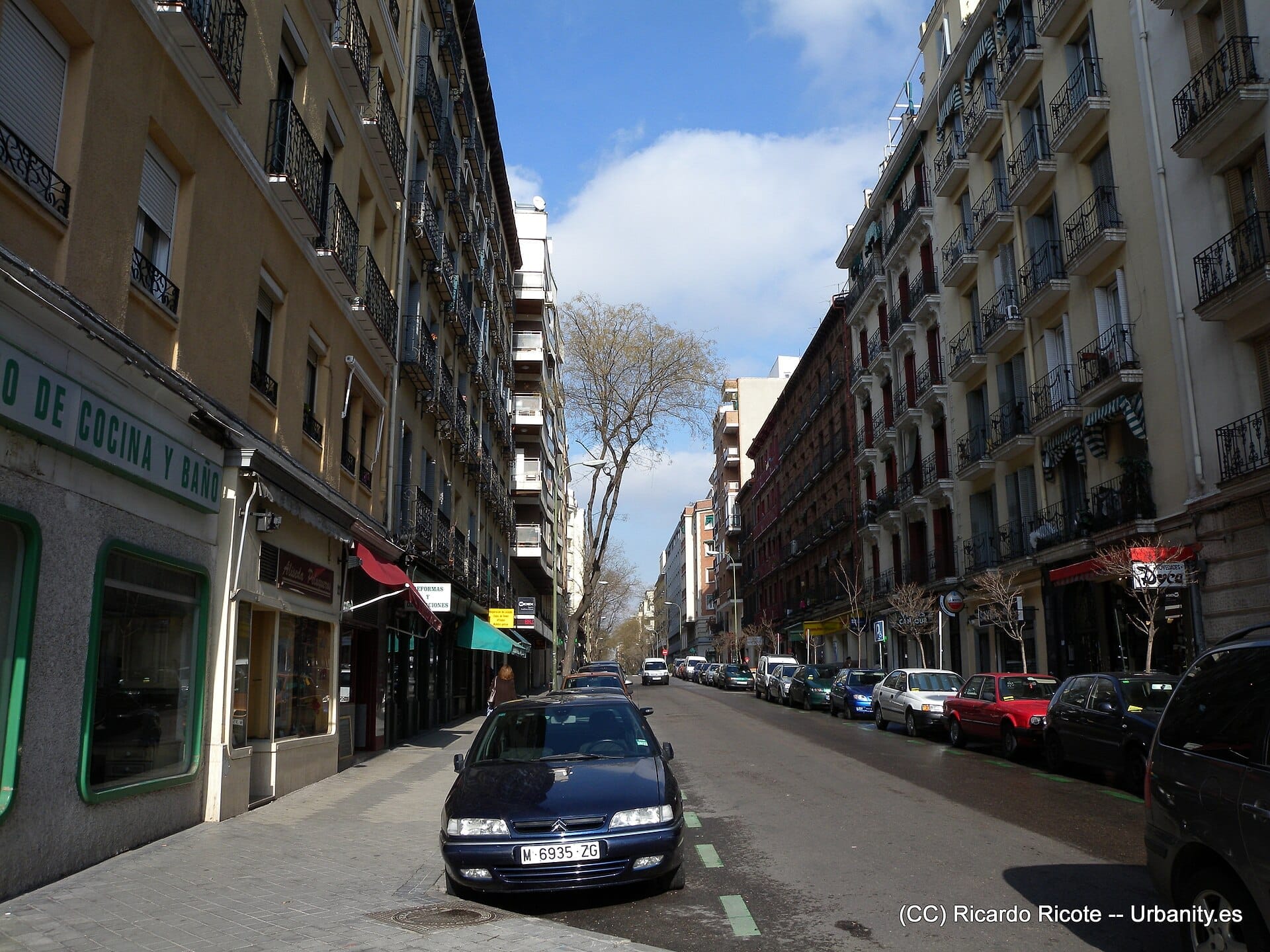
9. Graze Chamberí's Best Food Street Near Mercado de Vallehermoso
Ponzano is Chamberí's celebrated food street, packed with innovative tapas bars and natural wine shops drawing a sophisticated local crowd. It sits close to Mercado de Vallehermoso, making the two a natural pairing for a Saturday morning market visit followed by lunch.
Explore9. Graze Chamberí's Best Food Street Near Mercado de Vallehermoso
Ponzano is Chamberí's celebrated food street, packed with innovative tapas bars and natural wine shops drawing a sophisticated local crowd. It sits close to Mercado de Vallehermoso, making the two a natural pairing for a Saturday morning market visit followed by lunch.
ExploreNearby Stops to Combine with a Market Visit
Most of Madrid's markets sit within easy walking distance of major attractions, making them natural additions to a half-day route. San Miguel is two minutes from Plaza Mayor; El Rastro ends near La Latina, which has excellent tapas bars; Platea is in Salamanca, steps from some of the city's best shopping streets. See our Madrid on a budget guide for tips on eating well at neighborhood markets without overpaying.
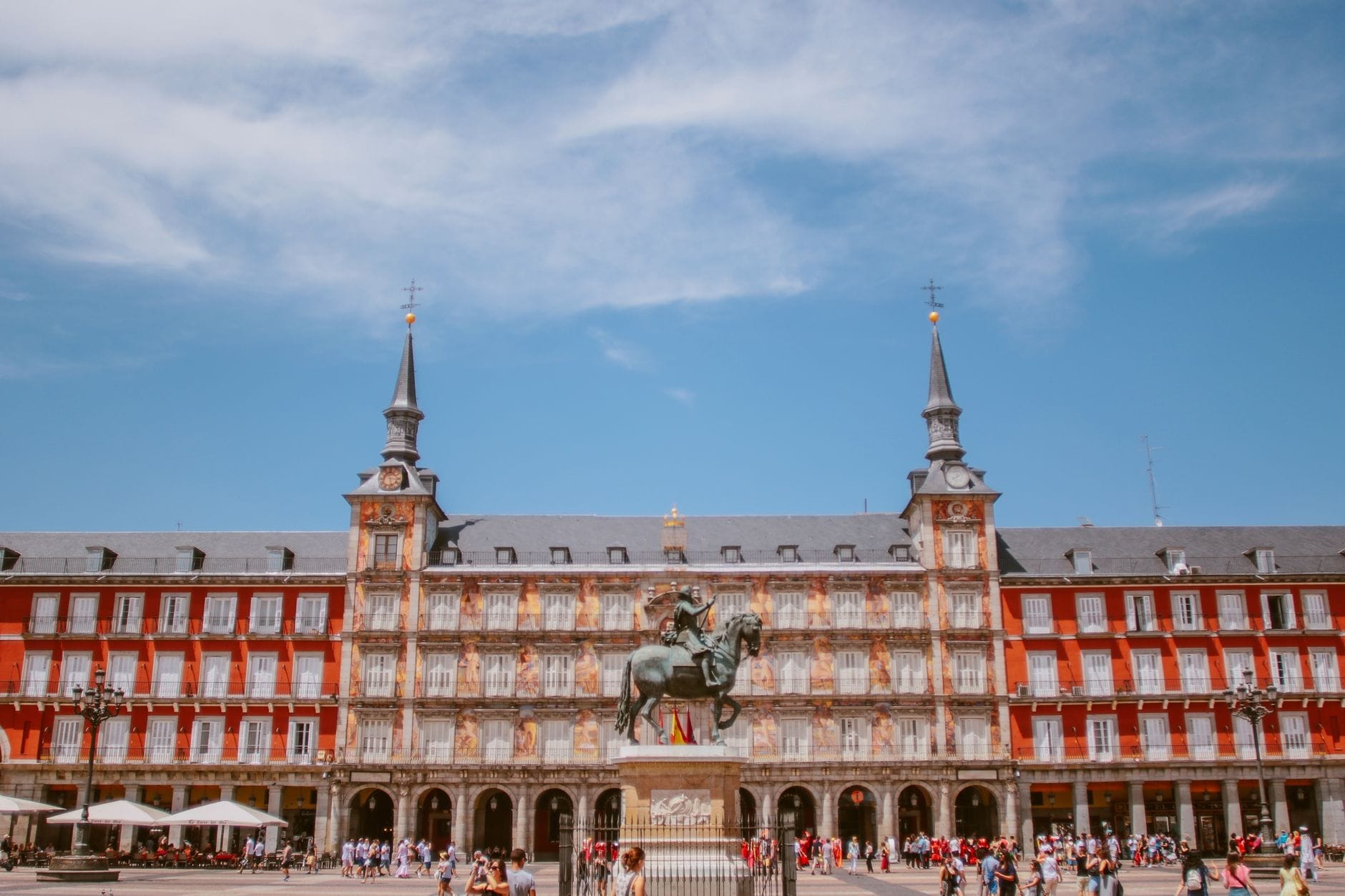
10. Walk to Plaza Mayor Before or After Mercado de San Miguel
The 17th-century arcaded square is two minutes on foot from San Miguel, making it a natural pairing. The market for grazing, the plaza for a coffee or a walk. Skip the tourist restaurants on the square itself and eat at the market instead.
Explore10. Walk to Plaza Mayor Before or After Mercado de San Miguel
The 17th-century arcaded square is two minutes on foot from San Miguel, making it a natural pairing. The market for grazing, the plaza for a coffee or a walk. Skip the tourist restaurants on the square itself and eat at the market instead.
Explore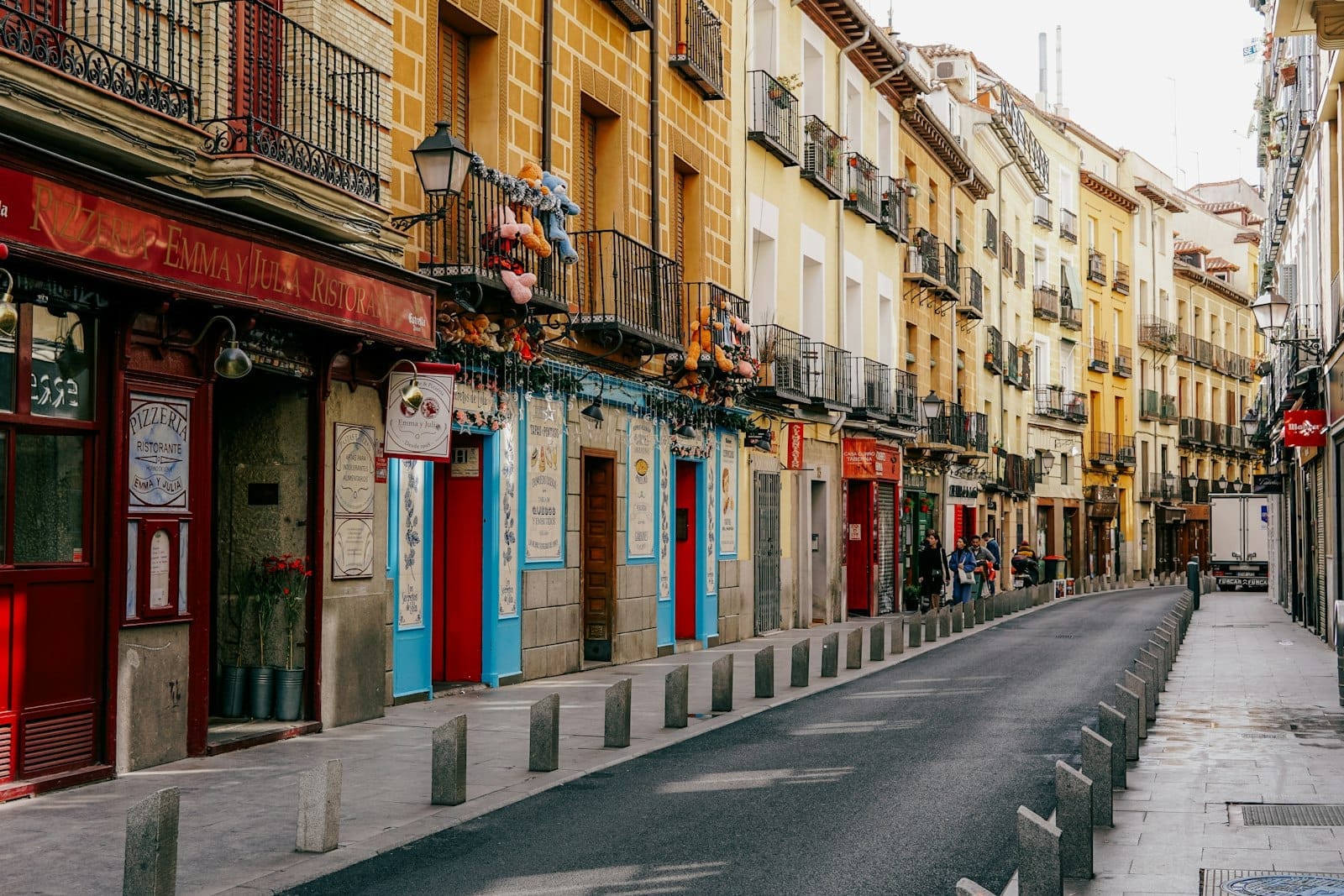
11. Follow El Rastro with Tapas on Cava Baja
La Latina's most famous tapas street is five minutes from El Rastro's main strip. After the market closes at 15:00, the tabernas on Cava Baja fill with locals for the classic Sunday ritual of patatas bravas, croquetas, and house wine. The combination is unmissable.
Explore11. Follow El Rastro with Tapas on Cava Baja
La Latina's most famous tapas street is five minutes from El Rastro's main strip. After the market closes at 15:00, the tabernas on Cava Baja fill with locals for the classic Sunday ritual of patatas bravas, croquetas, and house wine. The combination is unmissable.
Explore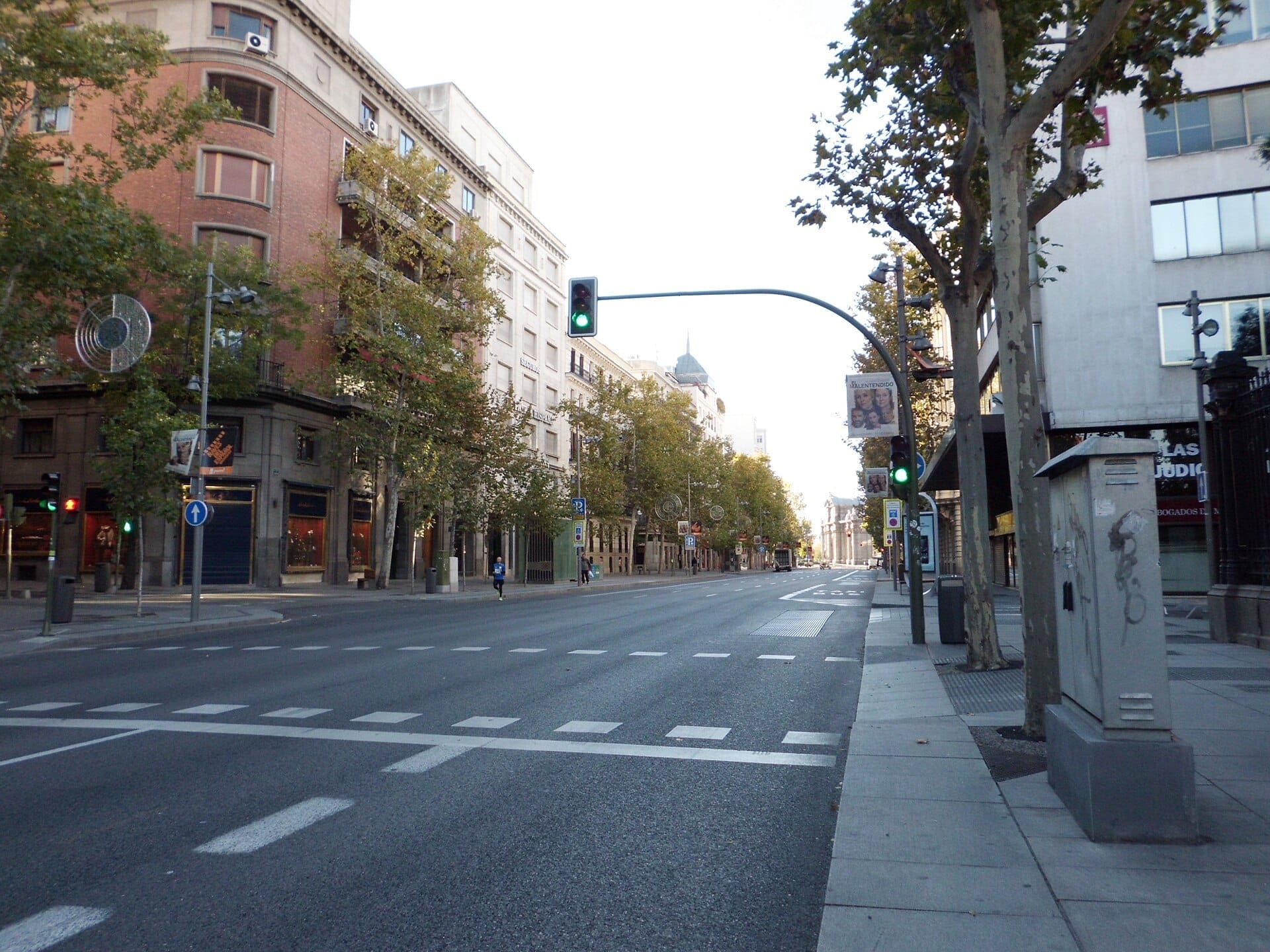
12. Browse Calle Serrano After Mercado de La Paz
Salamanca's prestigious shopping boulevard runs parallel to Mercado de La Paz on Calle de Ayala. After picking up jamón and cheese at the market, Serrano offers flagship stores and Spanish designer boutiques for an afternoon of window shopping in the city's smartest district.
Explore12. Browse Calle Serrano After Mercado de La Paz
Salamanca's prestigious shopping boulevard runs parallel to Mercado de La Paz on Calle de Ayala. After picking up jamón and cheese at the market, Serrano offers flagship stores and Spanish designer boutiques for an afternoon of window shopping in the city's smartest district.
Explore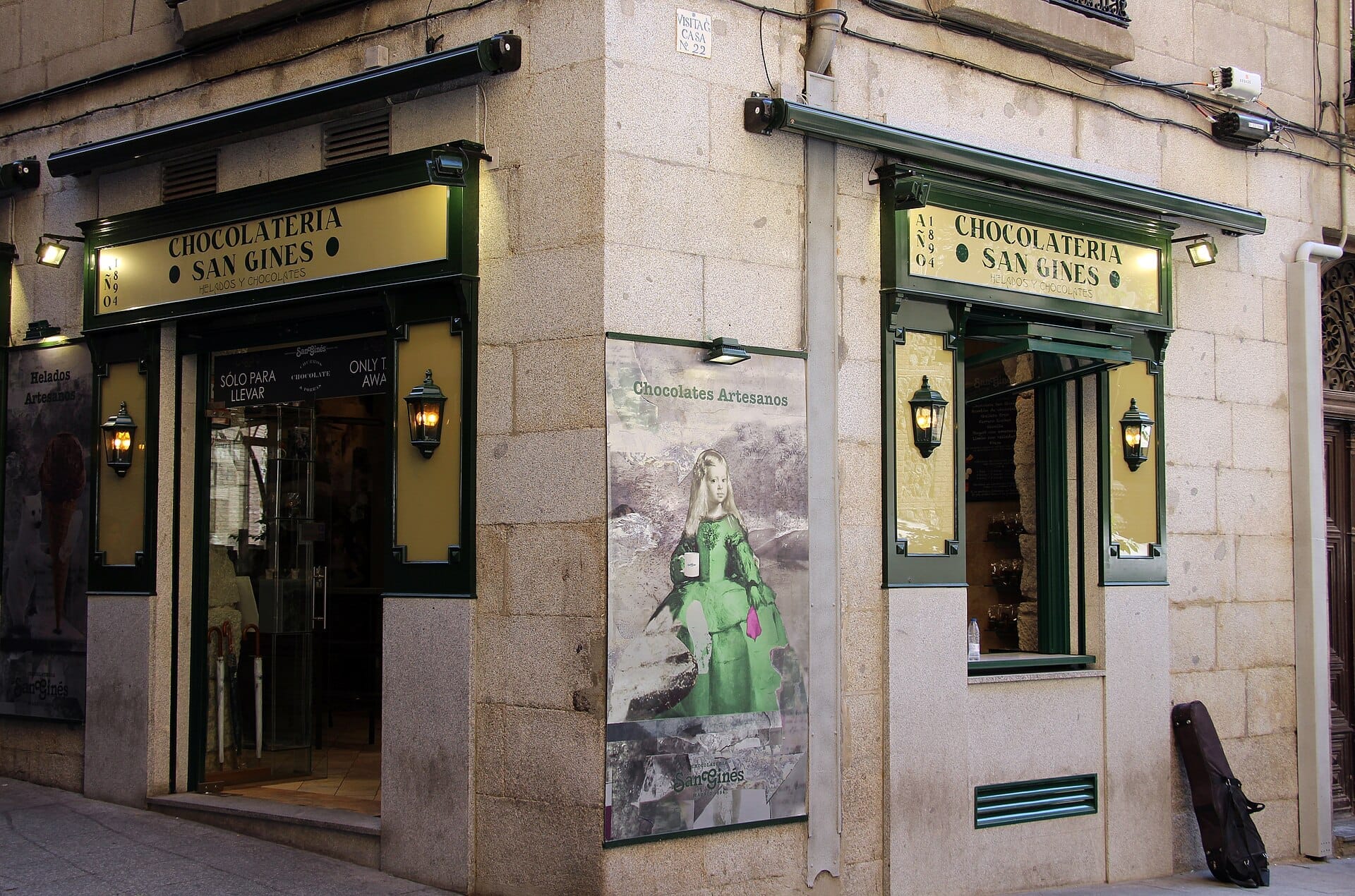
13. Start a Market Morning with Churros at San Ginés
Madrid's most famous churros institution has been operating since 1894, a short walk from Mercado de San Miguel and Plaza Mayor. Arrive early before the market crowds build, order churros con chocolate, and begin the day the way madrileños have for over a century.
Explore13. Start a Market Morning with Churros at San Ginés
Madrid's most famous churros institution has been operating since 1894, a short walk from Mercado de San Miguel and Plaza Mayor. Arrive early before the market crowds build, order churros con chocolate, and begin the day the way madrileños have for over a century.
Explore✨ Pro tip
Most of Madrid's gourmet markets charge tourist-level prices. For the same quality at half the cost, visit Mercado de La Paz or Mercado de Antón Martín instead, where locals actually shop.
FAQ
What is the best market in Madrid?
For atmosphere and architecture, Mercado de San Miguel near Plaza Mayor is the most impressive. For authentic local shopping, Mercado de La Paz in Salamanca or Mercado de Antón Martín in Lavapiés are better options with lower prices and genuine neighborhood character.
When is El Rastro flea market held?
El Rastro runs every Sunday and public holiday morning from approximately 09:00 to 15:00 in the Embajadores–La Latina area, centered on Plaza de Cascorro and Calle de la Ribera de Curtidores. Arrive before 10:00 for the best finds and fewer crowds.
Is Mercado de San Miguel worth it?
It depends on your expectations. San Miguel is a gourmet food hall for eating and drinking on-site, not a place to buy groceries. Prices are tourist-level, but the 1916 iron-and-glass building is truly beautiful and the food quality is high. Go for the experience rather than value.
Which Madrid market is best for fresh produce?
Mercado de La Paz in Salamanca is the most celebrated for premium produce, jamón, and seafood. Mercado de Antón Martín is excellent for everyday fresh ingredients at fairer prices. Both are traditional neighborhood markets used by locals for daily shopping.
Are Madrid's markets open on Sundays?
El Rastro is exclusively a Sunday market. Most covered food markets (San Miguel, San Antón, Antón Martín) are open Sunday mornings but with reduced hours. Gourmet halls like Platea and Mercado de San Ildefonso are generally open throughout the week including weekends. Always check individual market websites for current hours.