Calle de Ponzano: Madrid's Favorite Bar Street in Chamberí
Calle de Ponzano is a one-kilometre stretch in the Chamberí district that packs in over 70 bars and restaurants, drawing a largely local but increasingly mixed crowd. It's the kind of street where office workers, retirees, and twentysomethings share space without any of the self-consciousness that comes with tourist-facing nightlife zones.
Quick Facts
- Location
- Chamberí district, Madrid (from Calle de Santa Engracia to Calle de Raimundo Fernández Villaverde)
- Getting There
- Ríos Rosas (Line 1), Alonso Cano (Line 7), Iglesia (Line 1); also Cuatro Caminos (Lines 1, 2, 6) and Nuevos Ministerios (Lines 6, 8, 10) nearby
- Time Needed
- 2–4 hours for a proper tapas crawl; longer if you linger
- Cost
- Free to walk; expect €2–4 per pintxo or tapa, €3–5 per drink per stop
- Best for
- Evening bar-hopping with locals, pintxos crawls, casual dining
- Official website
- www.esmadrid.com/ponzano-gastronomia-madrid
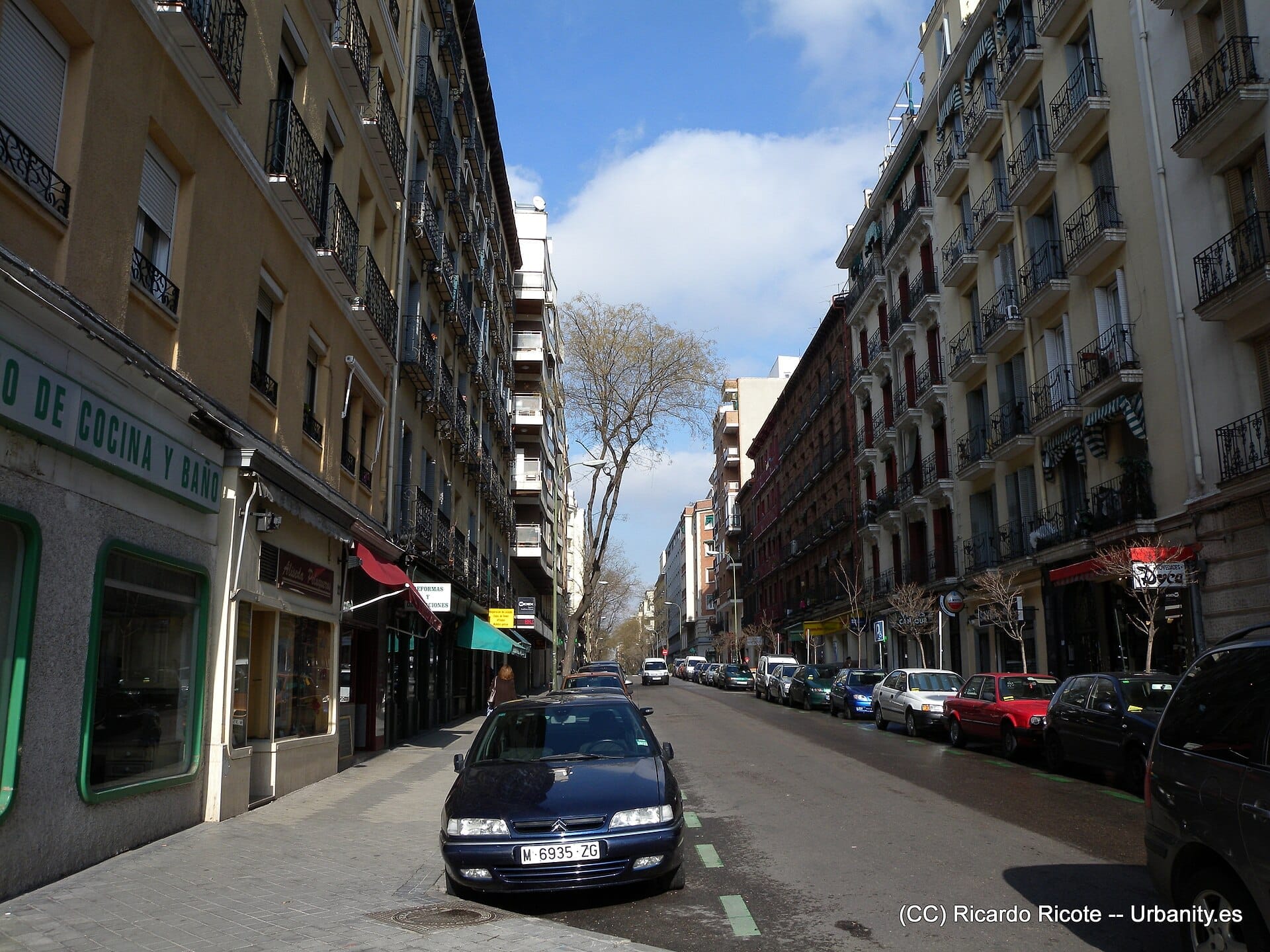
What Calle de Ponzano Actually Is
Calle de Ponzano is a public street running south to north through the Chamberí district, covering just over one kilometre between Calle de Santa Engracia and Calle de Raimundo Fernández Villaverde. As of a 2019 count, the street held around 71 bars, giving it an exceptionally high concentration of hospitality venues per metre in Madrid. This is not a purpose-built entertainment district. It evolved from a traditional residential and commercial street into a gastronomic corridor through the organic accumulation of good bars over several decades.
What distinguishes it from flashier options like the streets around Plaza de Santa Ana is the demographic mix. Chamberí is an old-money, quietly self-assured neighbourhood, and the Ponzano crowd reflects that. On any given Thursday or Friday evening, you'll find groups of local friends in their thirties and forties occupying terraces alongside older neighbours stopping in for a glass of vermouth. There are very few backpackers and almost no bar-hop tour groups.
💡 Local tip
Thursday evening is considered the unofficial peak night on Ponzano. The energy is high but the crowds are not yet as dense as Friday or Saturday, making it easier to move between bars.
The Street Through the Day
In the morning, Ponzano is unremarkable: a residential street with bakeries, a pharmacy or two, and the occasional coffee bar. It doesn't announce itself as a destination at 9am. By midday, a handful of the more traditional bars open for lunch, and the smell of frying garlic and olive oil starts to drift through the pavement. This is when the older local customers appear, eating full three-course menús del día for around €12–14.
The transformation happens between 7pm and 9pm. Groups form at the entrance of bars and spill onto the narrow terraces. The particular sound of Ponzano at peak hour is a specific kind of Madrid noise: raised conversations competing with football on television screens, the clink of small glasses on zinc bars, and the occasional shout of a waiter over the crowd. If you dislike dense standing-room environments or prefer quieter dining, Ponzano on a Friday night is not the right choice. Come at 7pm before the rush, or visit on a weekday afternoon.
On Sunday mornings, some bars open early for vermouth, a tradition deeply rooted in Madrid's social culture. This is one of the most relaxed windows to experience the street: a glass of house vermouth with a few olives, newspapers spread on the bar, and a unhurried pace.
Tickets & tours
Hand-picked options from our booking partner. Prices are indicative; availability and final rates are confirmed when you complete your booking.
Royal Monastery of El Escorial and the Valley of the Fallen trip from Madrid
From 64 €Instant confirmationFree cancellationFlexible time Real Madrid: Bernabeu Stadium & Museum Entry
From 42 €Instant confirmationMuseum of Senses Madrid entrance ticket
From 19 €Instant confirmationAvila and Segovia full-day tour from Madrid
From 50 €Instant confirmationFree cancellation
History and Name
The street was named after Ponciano Ponzano, a Spanish sculptor born in Zaragoza in 1813, known for his work on the Congress of Deputies building in Madrid. After his death in 1877, the Real Academia de Bellas Artes de San Fernando proposed renaming the street in his honour, and the change was formalised in 1878. At that point, the northern section of the street still sat outside Madrid's urban boundary — a reminder of how recently this part of the city was absorbed into the metropolitan fabric.
Chamberí itself is one of Madrid's most architecturally coherent 19th-century districts, characterized by wide apartment-lined avenues and a dense grid of residential streets. Ponzano fits this pattern exactly: it's flanked by solid six-storey buildings with wrought-iron balconies and tiled entrance halls. For a broader look at this kind of urban fabric, the Chamberí neighbourhood guide covers the district's history and best streets in detail.
How to Approach the Crawl
There's no single correct route. Most people start at the southern end near the Iglesia or Ríos Rosas metro exits and work northward, stopping every two or three venues. The format is typically a pintxo or small tapa with each drink, moving on when you've finished rather than settling into a table for the evening.
The range of bars covers everything from old-school Madrid tabernas with hanging jamón legs and ceramic tiles, to modern wine bars with natural wines and small plates from the Basque Country. Pintxos, the finger-food on bread rounds common in the Basque tradition, are widely available along the street. You'll usually see them displayed on the bar counter under glass domes. Point and eat. Prices are typically marked per piece.
If Ponzano works up your appetite for a longer sit-down meal, the broader Madrid tapas guide covers the full city with neighbourhood-by-neighbourhood recommendations.
ℹ️ Good to know
Many bars on Ponzano don't take reservations and don't need to — the format is drop-in. However, a few of the more restaurant-style venues at the northern end accept bookings, which is worth doing on weekend evenings.
Getting There and Getting Around
The street is accessible from several metro stations without a long walk. Ríos Rosas on Line 1 drops you near the southern entrance, while Alonso Cano on Line 7 places you roughly in the middle of the street. Iglesia, also on Line 1, is another straightforward option. If you're coming from central Madrid, Lines 1 and 7 both run frequently and the journey from Sol or Gran Vía is around 15–20 minutes including transfers.
Several bus lines also serve the area: routes 3, 5, 12, 37, and 45 all stop nearby. The street itself is pedestrian-friendly but not pedestrianised — cars and scooters pass through, so be aware at crossings, especially later in the evening. Pavements are standard urban width and generally flat, though specific bar interiors vary in accessibility. Anyone using a wheelchair should check individual venues before arriving, as step-free access is not guaranteed across the street.
💡 Local tip
If you plan to combine Ponzano with dinner further into Chamberí or a visit to the neighbourhood's quieter streets, consider walking from the Alonso Martínez area — it's a pleasant 10-minute walk through residential Chamberí and gives you a feel for the district before the bar street itself.
Who Should Think Twice
Ponzano is frequently described in Madrid media as the city's premier tapas corridor, which has inflated expectations for some visitors. If you arrive hoping for a curated or historic food experience, this isn't it. The street is a living, unpretentious bar scene, not a culinary destination. Quality varies significantly between venues. A few places have coasted on the street's reputation and serve unremarkable food at reasonable prices. Others are exceptional.
It's also worth being upfront about the noise and density. Peak hours on Friday and Saturday nights produce a level of crowd congestion that some people find uncomfortable rather than atmospheric. If you're visiting Madrid in summer, the heat adds another layer: outdoor terraces can be stifling between 9pm and midnight in July and August, and the interiors of small bars become very warm. The spring and autumn shoulder months produce the most comfortable conditions for a long evening on Ponzano.
Travellers looking for Madrid's food scene in a calmer register might prefer the Mercado de la Paz in Salamanca, or the smaller neighbourhood bars around Plaza de la Paja in La Latina.
Insider Tips
- Arrive before 8pm on any night to claim a spot at the bar without competing for space. The best windows for unhurried pintxos are 7–8:30pm Thursday through Saturday.
- Bars near the southern end of the street (closer to Calle de Santa Engracia) tend to be slightly less crowded than those in the middle, which attract the highest density of regulars.
- Sunday vermouth service, typically from around noon to 2:30pm, is one of the most authentic windows into Madrid neighbourhood culture on the entire street. It's calm, local, and very good value.
- Some bars rotate their pintxos display mid-evening as fresh rounds come out of the kitchen — typically around 9pm. If you see a flurry of activity behind the bar with new trays appearing, that's the moment to order.
- Combine Ponzano with a walk through the quieter residential streets of Chamberí before or after — streets like Calle de Almagro or the area around the covered Chamberí ghost metro station offer a very different but complementary side of the district.
Who Is Calle de Ponzano For?
- Travellers who want a genuinely local Madrid evening without tourist-area pricing
- Groups of 2–5 people who enjoy moving between bars rather than committing to a single table
- Anyone curious about Madrid's pintxos culture and Basque-influenced bar food
- Visitors revisiting Madrid who have already covered the major sights and want to experience neighbourhood life
- People who appreciate a well-made vermouth in an unreconstructed local bar on a Sunday afternoon
Nearby Attractions
Other things to see while in Chamberí:
- Museo Nacional de Ciencias Naturales
Founded in 1815 (with roots in the Royal Cabinet of Natural History created by King Carlos III in 1771), the Museo Nacional de Ciencias Naturales is one of Europe's oldest natural history museums, housing more than eight million specimens across paleontology, zoology, geology, and more. Located in the Chamberí district near Gregorio Marañón metro, it offers a genuine scientific institution experience rather than a polished tourist attraction.