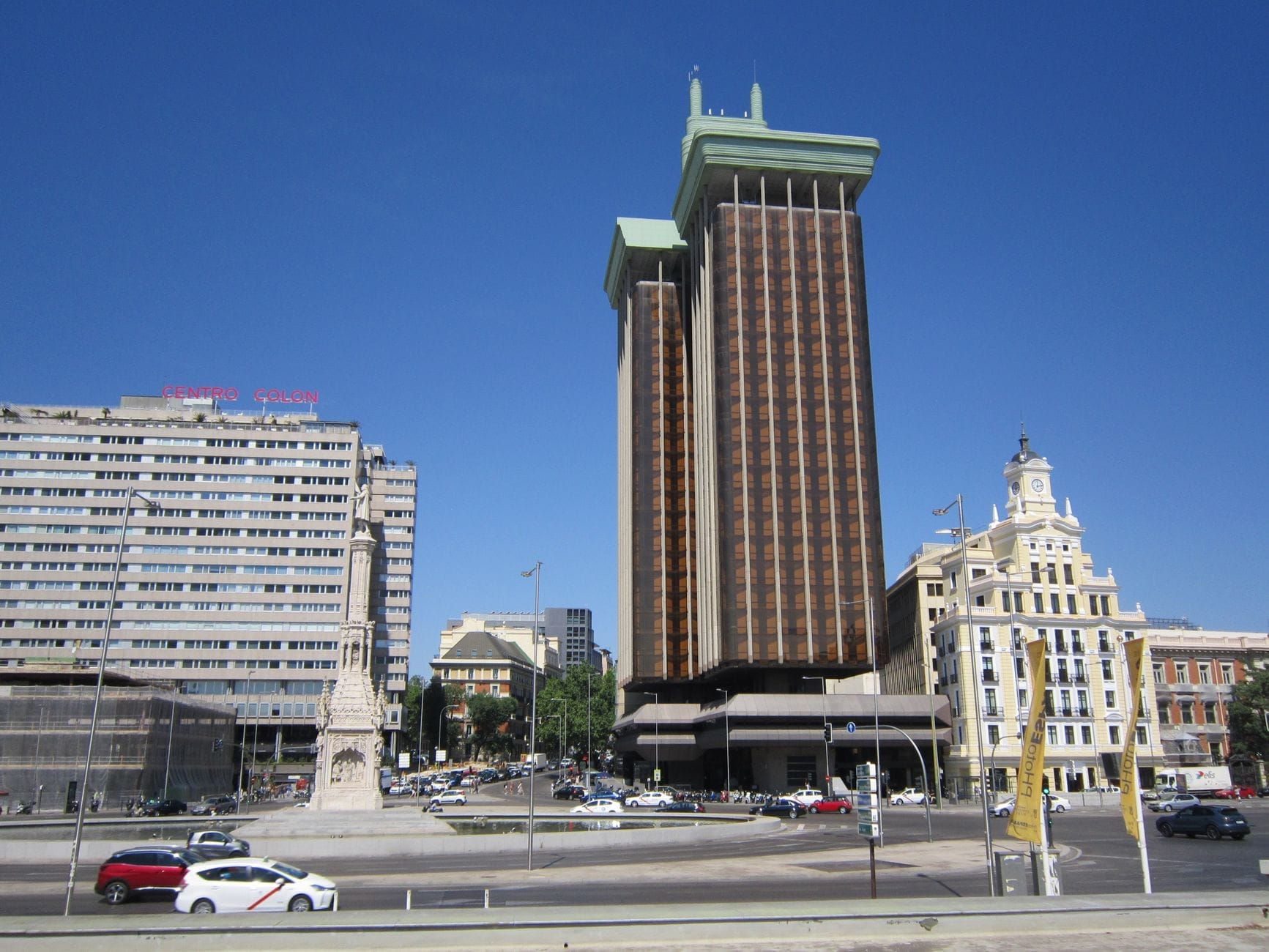
Barrio de Salamanca is Madrid's most polished district, a grid of wide, tree-lined streets east of the Paseo de la Castellana where international fashion houses sit beside neighborhood bakeries and serious art museums. It rewards both shoppers and culture seekers, and its calm, residential character offers a very different pace from the chaos of Sol or Malasaña.
Barrio de Salamanca is Madrid's answer to the 16th arrondissement or Knightsbridge: a precisely planned, 19th-century grid of wide boulevards, limestone facades, and designer storefronts that signals old money and new luxury in equal measure. It is the district where Madrid's aristocracy and bourgeoisie settled when the city expanded beyond its historic core, and the architecture, the boutiques, and the residents have maintained that register ever since. This is not where you come for flamenco bars or street art, but for Goya-era porcelain, Michelin-starred patatas bravas, and one of Europe's better archaeological museums.
Orientation
Barrio de Salamanca sits northeast of Madrid's historic centre, occupying a large wedge of the city between four clear boundaries. To the west runs Paseo de los Recoletos and Paseo de la Castellana, the city's grand central spine, which separates Salamanca from Chueca and Alonso Martínez. To the south, Calle de Alcalá, Plaza de la Independencia, Calle O'Donnell and the M-23 form the boundary with the Retiro and Moratalaz districts. The M-30 ring road defines the eastern edge, and Calle de María de Molina and Avenida de América mark the northern limit, where the district fades into Chamartín.
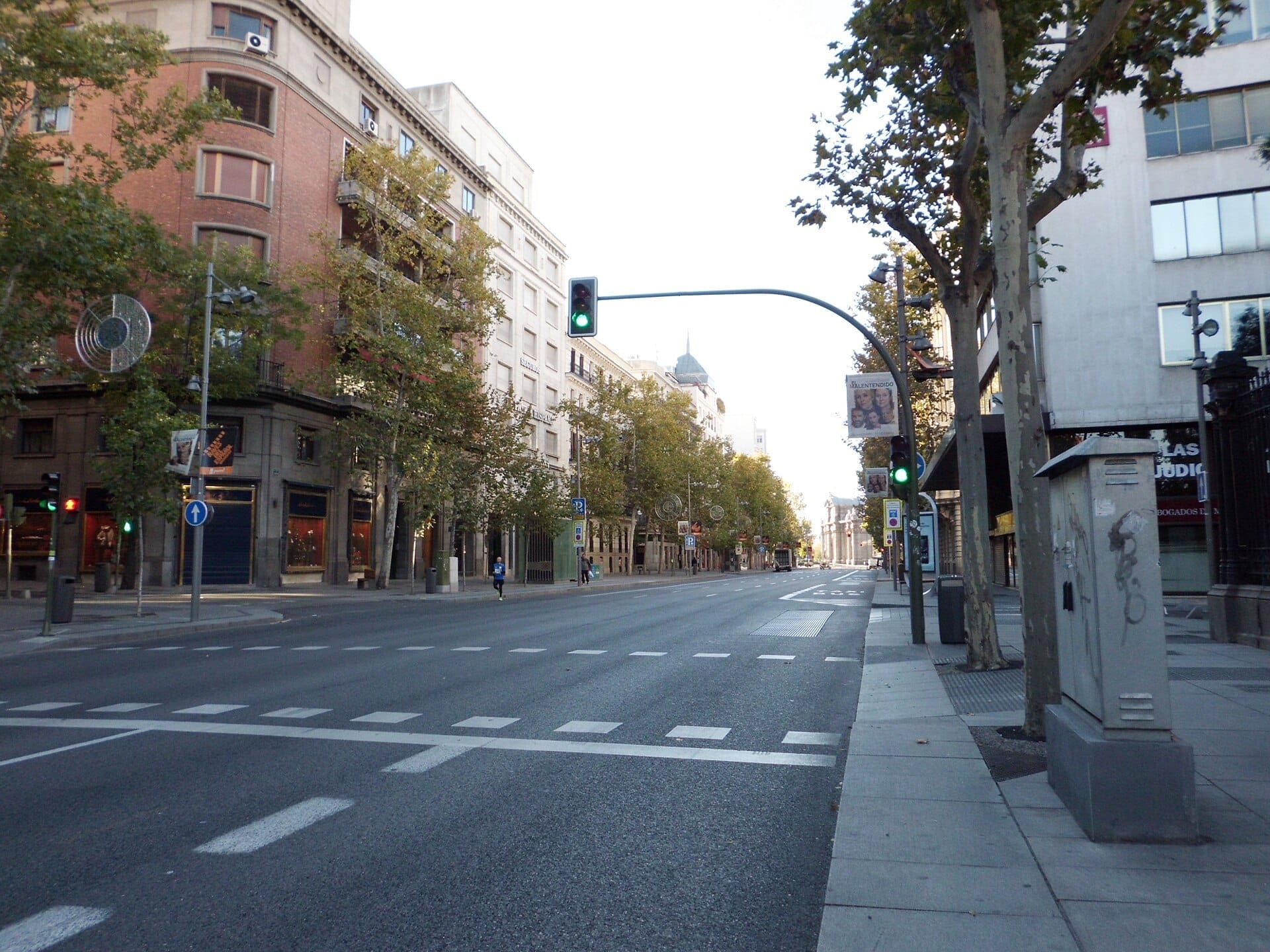
Within those boundaries, the neighborhood unfolds as a near-perfect grid, the result of Carlos María de Castro's 1860 expansion plan for Madrid, known as the Ensanche. Streets run in logical parallel lines, making navigation straightforward. The main north-south arteries are Calle Serrano, Calle Claudio Coello, and Calle Velázquez. The key east-west cross streets include Calle Goya, Calle Jorge Juan, and Calle José Ortega y Gasset, the last of which is widely known as Madrid's Golden Mile for its concentration of luxury brand flagships.
Geographically, Salamanca sits adjacent to two of Madrid's most visited green spaces. The western edge of the district runs directly alongside Parque del Retiro, and the park's Puerta de Alcalá entrance is a ten-minute walk from the heart of the shopping district. For visitors staying here, that proximity is a genuine advantage: you can do a morning lap of the park before the boutiques open at 10am.
Character & Atmosphere
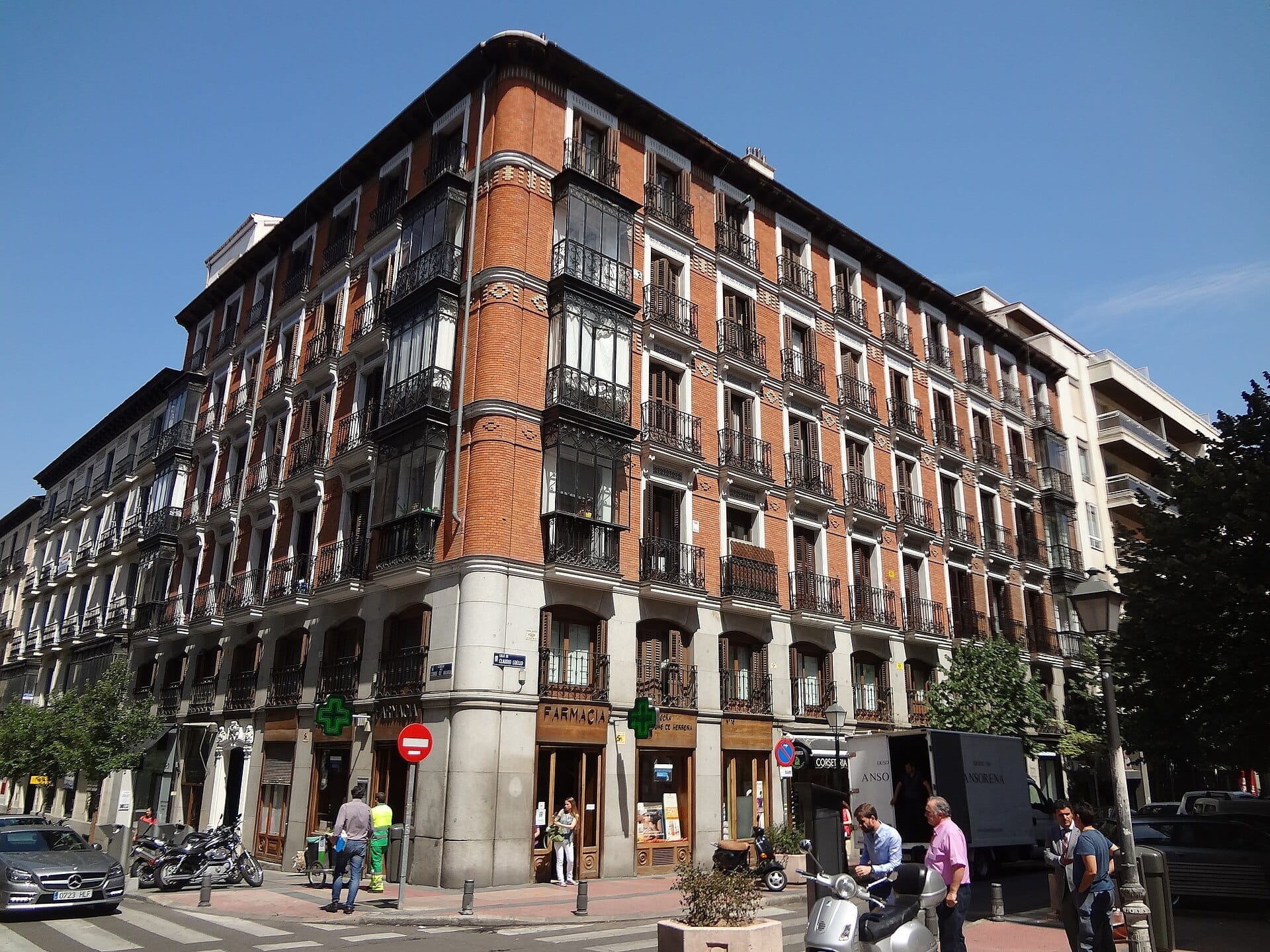
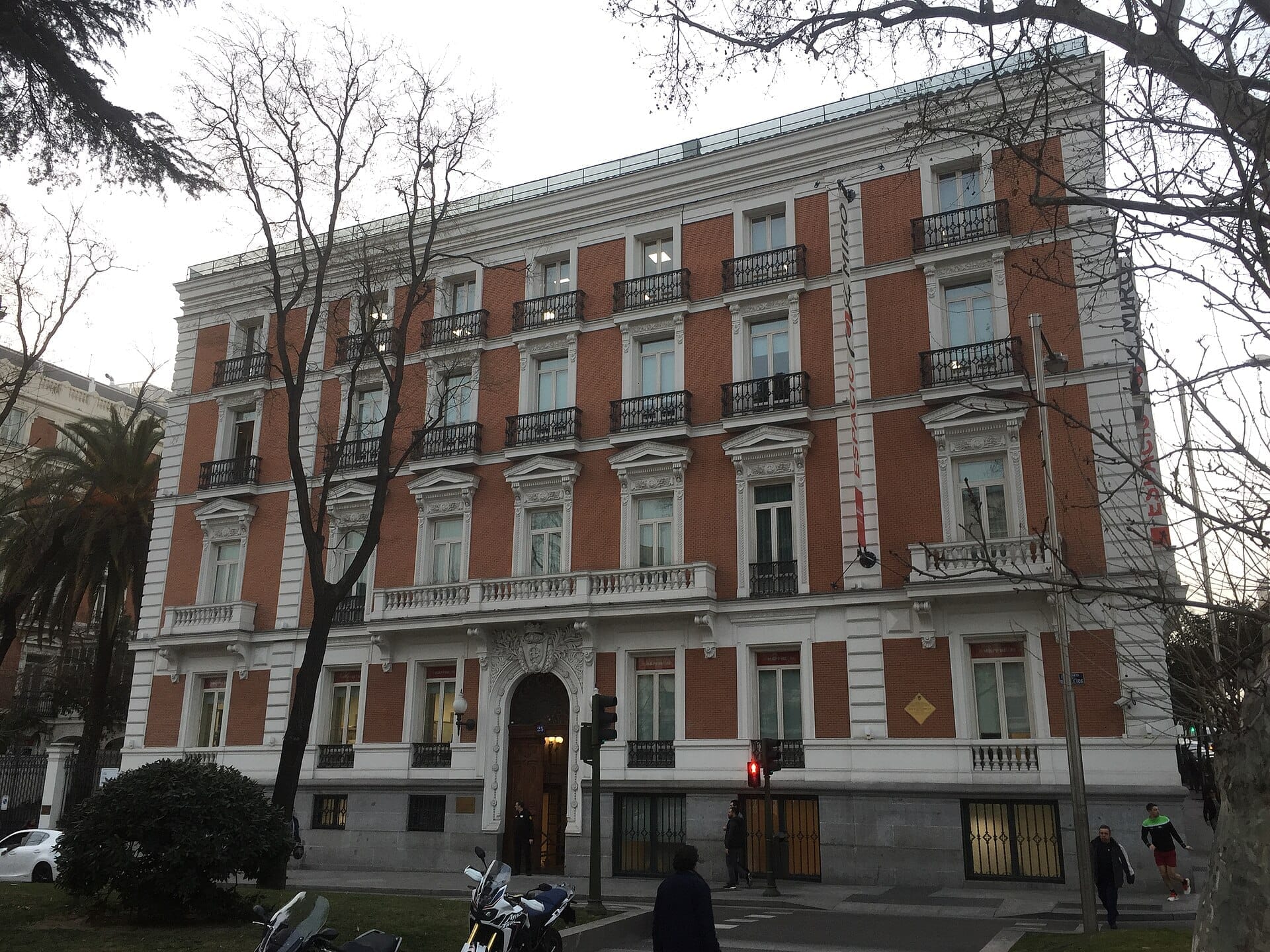
Salamanca has a particular kind of confidence that comes from never having needed to reinvent itself. The seven-story limestone buildings along Calle Serrano and Calle Velázquez were grand when they were built in the late 19th century, and they remain grand now. Wrought-iron balconies, ornate cornices, and wide sidewalks lined with mature plane trees give the streets a settled, European capital feel that parts of central Madrid, with their narrower lanes and tourist infrastructure, do not always project.
The rhythm of the neighborhood shifts clearly by time of day. In the morning, between 8 and 10am, it feels genuinely residential: doormen receive deliveries, dog walkers navigate Calle Maldonado, and the neighborhood's excellent bakeries and cafés fill with locals reading El País over coffee and toast with olive oil. The traffic on Calle Goya picks up quickly, but the side streets around Calle Lagasca and Callejón de Jorge Juan stay quiet enough to hear your own footsteps.
By midday, the shopping corridors on Serrano and Ortega y Gasset are in full swing, and the character shifts toward well-dressed shoppers, business lunches, and the occasional tourist who has crossed over from the Prado. Afternoons on weekdays in summer can feel almost deserted on the residential streets, as the heat settles over the wide pavements and the city retreats indoors between 2 and 5pm. This is one of the most striking things about Salamanca: the contrast between the animated commercial strips and the residential blocks, which maintain a domestic calm regardless of the season.
Evenings shift the balance again. The restaurant terraces along Jorge Juan and Calle Hermosilla fill steadily from 9pm, and the crowd skews toward neighborhood residents rather than visitors. Unlike the areas around Sol or Malasaña, Salamanca does not generate much late-night noise: bars close at reasonable hours, and the streets quiet down by midnight. For travelers who want to be close to the city's energy but not inside it, this restraint is a real selling point.
ℹ️ Good to know
Salamanca is one of the calmer neighborhoods to stay in if you are sensitive to noise. The residential blocks are quiet at night, and the wide streets dissipate sound better than the narrow lanes of La Latina or Lavapiés.
What to See & Do
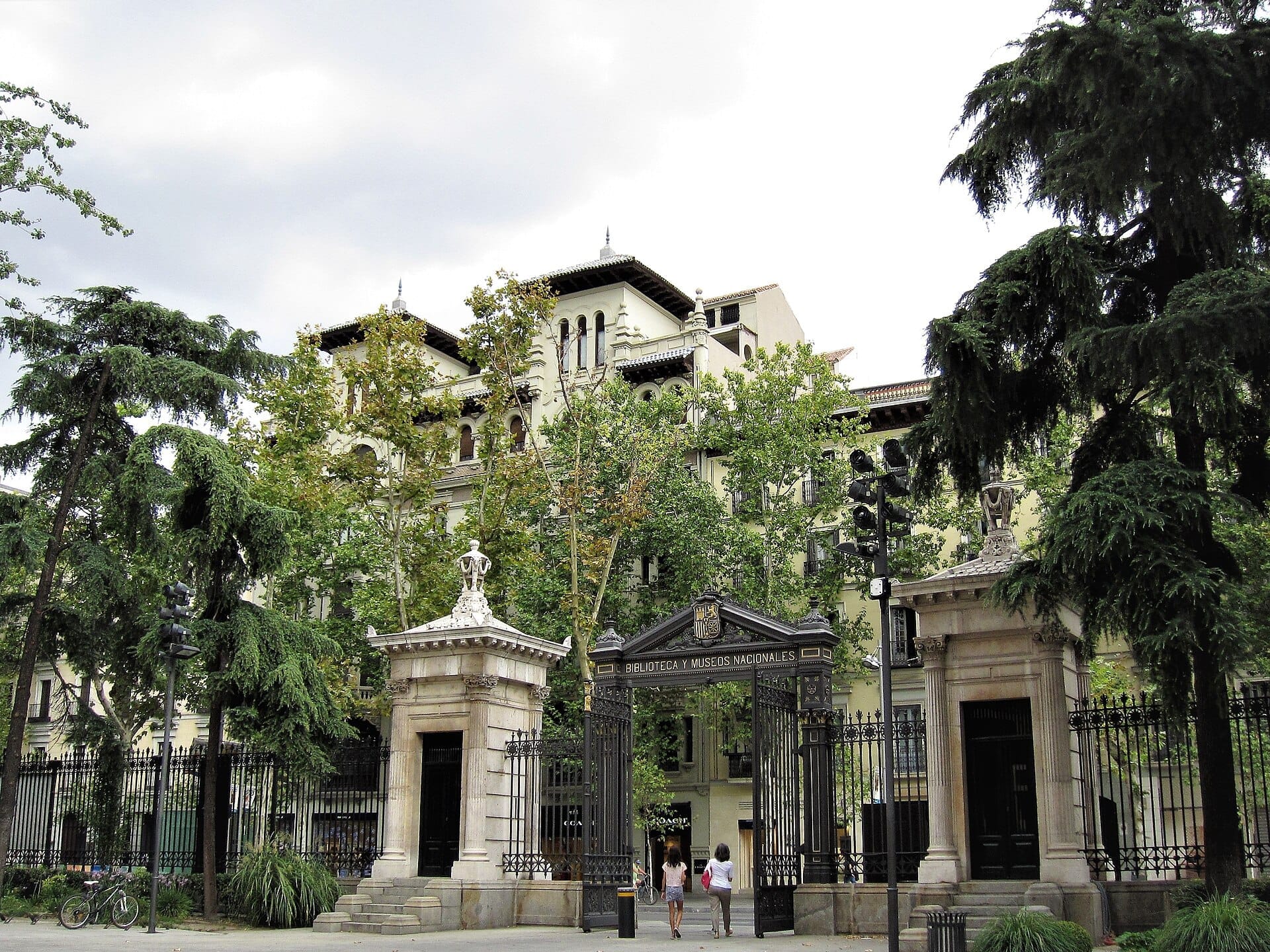
The district's most significant cultural institution is the Museo Arqueológico Nacional, which sits at the intersection of Calle Serrano and Calle Génova, right on the boundary with Chueca. It holds one of the most important collections of Iberian, Greek, Roman, and medieval artifacts in Europe, and its displays are well-organized and thoroughly absorbing. The Lady of Elche, the famous painted stone bust from the 4th century BC, is here. Budget at least two hours; the collection is larger than the building's modest exterior suggests.
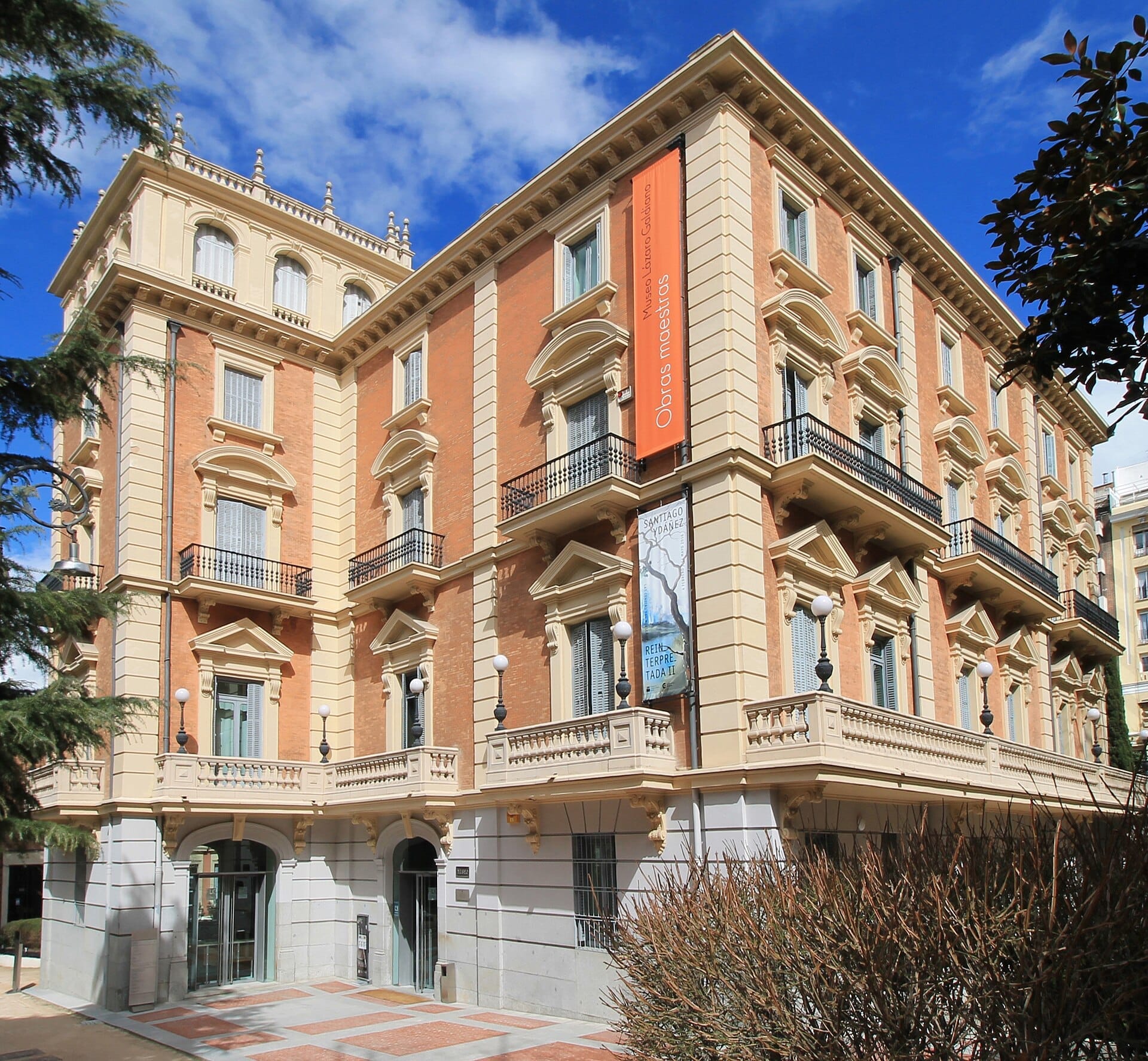
A few blocks north on Calle Serrano, the Museo Lázaro Galdiano is one of Madrid's most underrated art repositories. Housed in the early 20th-century palace of financier José Lázaro Galdiano, it holds more than 12,000 objects: paintings by Goya, Bosch, and El Greco, alongside jewelry, arms, enamelwork, and decorative arts. The building itself, with its paneled rooms and original furnishings, is part of the experience. Visitor numbers here are a fraction of what they are at the Prado, which means you can stand in front of a Goya for as long as you like.
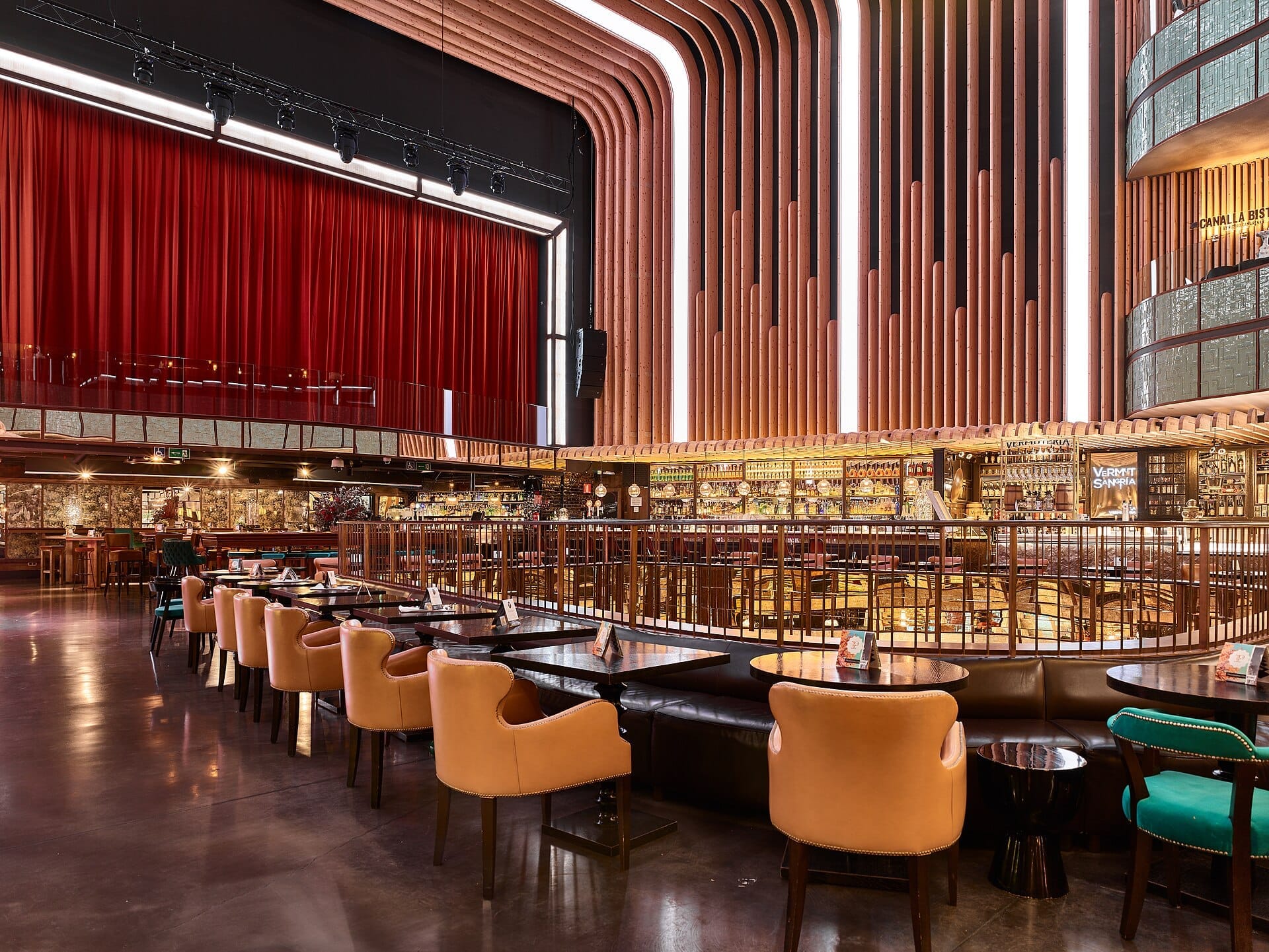
For something more current, Platea Madrid on Calle Goya occupies a converted 1950s cinema and operates as a high-end gastronomy market and entertainment venue. It is a useful orientation point for the neighborhood: the combination of food stalls, cocktail bars, and theatrical decor reflects exactly the kind of elevated leisure culture that Salamanca has built its reputation on.
The neighborhood's most obvious daily attraction is simply walking Calle Serrano from south to north, taking detours onto the side streets. Calle Claudio Coello has a more refined, less commercial feel than Serrano, with independent home design shops, specialist bookshops, and galleries alongside the international names. Callejón de Jorge Juan, running east off Claudio Coello, is where the neighborhood's restaurant scene is most concentrated, and it rewards slow exploration even if you are not eating.
Museo Arqueológico Nacional: world-class Iberian and ancient collections, free Saturday afternoons from 2pm and all day Sunday
Museo Lázaro Galdiano: Goya, El Greco, and 13,000 decorative arts objects in a private palace
Platea Madrid: converted cinema operating as an upscale food and entertainment space
Calle Serrano and Calle Claudio Coello: the main shopping and gallery corridor
Callejón de Jorge Juan: the restaurant hub of the neighborhood
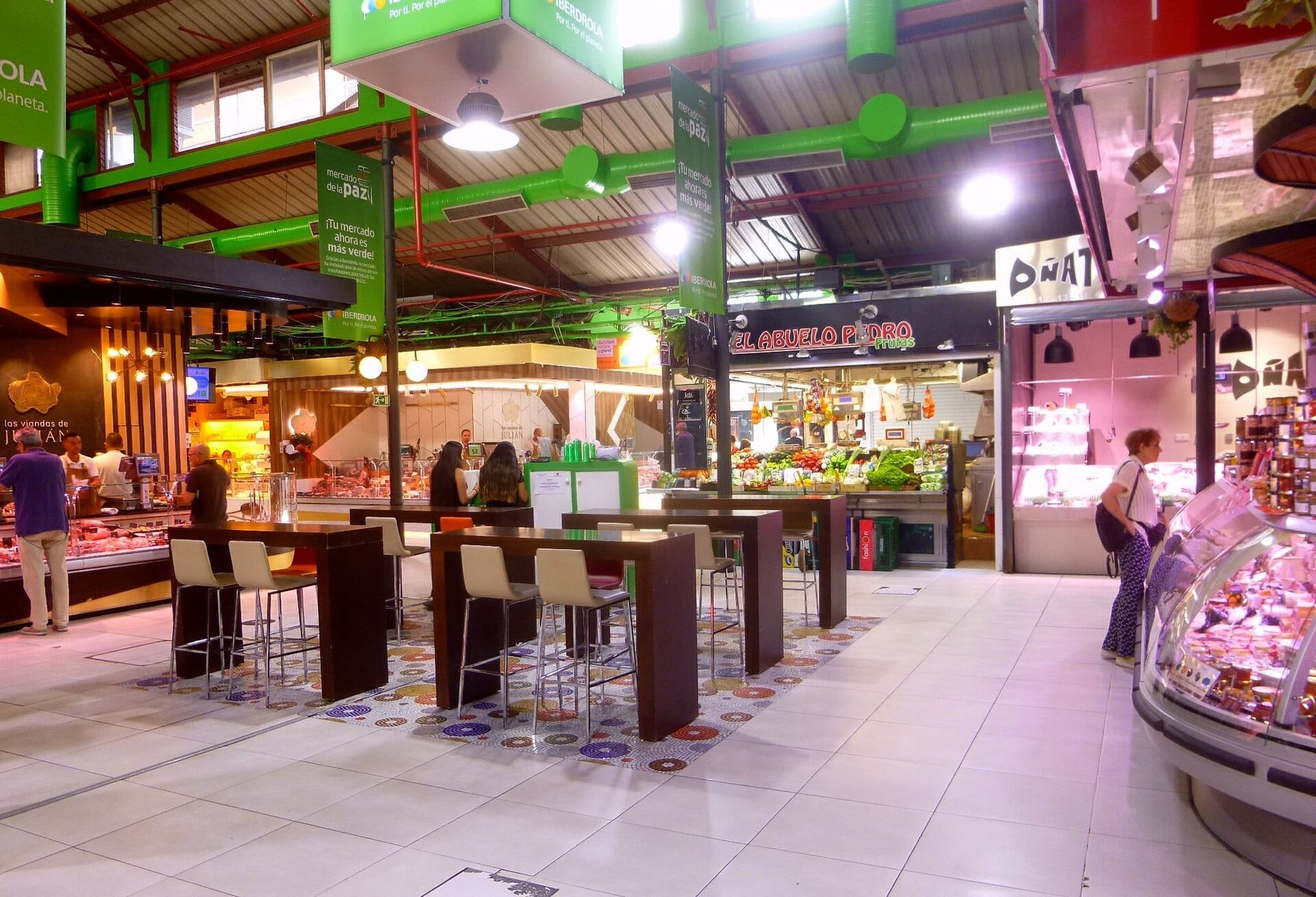
Mercado de la Paz: the neighborhood's traditional market on Calle Ayala, quieter and more local than San Miguel
💡 Local tip
The Museo Arqueológico Nacional offers free admission from 2pm on Saturdays, all day on Sundays, and on certain national holidays. Check the museum's official website before your visit, as hours and free-entry windows are updated periodically.
Eating & Drinking
Salamanca's food scene operates at a consistently high level, and it is expensive by Madrid standards. This is not a neighborhood where you stumble into a €12 menu del día between two art galleries. The restaurants here are serious about ingredients, service, and wine lists, and the clientele expects that. What you do get in return is some of the city's most accomplished cooking, delivered without the tourist-facing shortcuts you find closer to Sol.
The Callejón de Jorge Juan strip is the most celebrated eating address in the district. Numerous well-regarded restaurants have operated here, ranging from contemporary Spanish cuisine to creative tasting menus, and the compact lane has a convivial atmosphere in the evening that contrasts with the formal feel of the wider streets. For a broader sense of Madrid's food culture and what to look for in this district, the Madrid food guide covers the city's culinary neighborhoods in detail.
The Mercado de la Paz on Calle Ayala is the neighborhood's traditional covered market and a useful reality check after the boutique-level prices elsewhere. The market sells excellent cheese, charcuterie, fresh fish, and produce, and its small bar at the center does cheap, good tapas at lunchtime. It is significantly more local in character than the Mercado de San Miguel near Plaza Mayor, which has shifted almost entirely toward tourism.
For cafés, the streets around Calle Goya and Calle Alcalá have the highest density of traditional Spanish bars where a coffee and a croissant costs under €3. Moving deeper into the residential blocks, the cafés become more neighborhood-oriented, with regulars who order by habit and staff who remember their names. These are good places to sit and read on a weekday morning, away from the shopping traffic.
Cocktail bars and wine bars are spread throughout the district, with the highest concentration around Jorge Juan. The atmosphere tends toward subdued elegance rather than loud revelry, which suits the neighborhood's character. If you want late-night energy, you will need to cross into Chueca or Malasaña.
⚠️ What to skip
Salamanca is one of Madrid's priciest neighborhoods to eat out in. Budget travelers will find the restaurant scene here challenging, though the Mercado de la Paz and traditional bars on Calle Goya offer good value at lunchtime. For a broader range of price points, the tapas scene in nearby La Latina or Chueca is a better fit.
Getting There & Around
Barrio de Salamanca is well served by Madrid's metro network. Line 4 runs through the heart of the district, with stops at Serrano (central for shopping on Calle Serrano and the Museo Arqueológico Nacional), Velázquez (useful for the mid-district blocks and Calle Goya), Goya (where Line 4 meets Line 2, giving a direct connection to Retiro and the Prado area), and Lista (deeper into the residential north of the district). Line 9 also serves the northern edge of the neighborhood at Núñez de Balboa, Príncipe de Vergara, Avenida de América and Diego de León.
From Puerta del Sol, the most direct metro route is Line 2 to Goya, then Line 4 to Serrano, or Line 1 north to Colón and then across on Line 4. The whole metro journey from Sol to Serrano typically takes around 14–16 minutes. From Atocha, Line 1 north connects at Estación del Arte and Banco de España, and the walk along Paseo de Recoletos brings you to the western edge of Salamanca in under 20 minutes on foot.
Walking is a practical way to arrive from nearby areas. From the Retiro park entrance at Puerta de Alcalá, you are already at the southern edge of the district. From Chueca and Alonso Martínez, it is a flat, easy walk east across Castellana. For broader advice on navigating Madrid's public transport, the getting around Madrid guide covers metro zones, bus routes, and day passes in detail.
Within the neighborhood itself, the grid layout makes walking the best option. The main commercial streets are too congested with shoppers to make cycling comfortable, but the residential blocks further east, around Calle Núñez de Balboa and Calle Príncipe de Vergara, are calm enough for bikes. City BiciMAD docking stations are present throughout the district. Taxis and ride-hailing apps are easy to flag down on any major street, particularly on Calle Goya and Calle de Alcalá.
Where to Stay
Salamanca is a logical base for travelers whose primary interest is upscale shopping, the golden triangle of museums (Prado, Thyssen, Reina Sofía), or simply a quieter, more residential Madrid experience. It suits couples, business travelers, and anyone who finds the chaos of Sol or Gran Vía more exhausting than exciting. For a broader look at how it compares to other neighborhoods as a base, the where to stay in Madrid guide offers a district-by-district breakdown.
The accommodation here tends toward four and five-star hotels, boutique properties in converted apartment buildings, and high-end serviced apartments. Budget hostels are rare to non-existent in this district. The best-located hotels sit on or near Calle Serrano and Calle Velázquez, within easy walking distance of both the metro and the main attractions. Properties on the eastern side of the district, near the M-30, are less convenient for sightseeing and offer little in return for the distance.
One practical note: because Salamanca is primarily a residential and commercial district rather than a tourist one, the concentration of souvenir shops, tourist menus, and English-language signage is much lower than in the center. That is part of the appeal for many visitors, but it can also mean less flexibility if you need tourist services at odd hours. The neighborhood rewards travelers who plan ahead rather than those who prefer to improvise.
Is Barrio de Salamanca Right for You?
Salamanca is a district with a very clear identity, and whether it suits you depends on what you are looking for from Madrid. It is excellent for museum visits, with the Lázaro Galdiano and the Museo Arqueológico Nacional both here, and the Museo del Prado just a short walk or metro ride away along Calle de Alcalá. It is excellent for shopping, particularly if your interest runs toward Spanish and international luxury brands. And it is excellent as a quiet, safe residential base from which to explore the wider city.
What it is not: it is not where you go for cheap tapas, for nightlife, for street markets, or for the kind of rough-edged, improvisational energy you find in Lavapiés or La Latina. The La Latina neighborhood is a fifteen-minute metro ride away and represents almost everything Salamanca is not, in the best possible way. Many Madrid visitors find value in spending time in both: using Salamanca for its calm and its cultural weight, and crossing to the older barrios for their more spontaneous pleasures.
For first-time visitors trying to decide between neighborhoods, the 3 days in Madrid itinerary maps out a practical route that touches the best of several districts, including Salamanca, without requiring you to commit to any single one as your base.
TL;DR
Barrio de Salamanca is Madrid's most elegantly planned district: a 19th-century grid of wide boulevards, luxury boutiques, and serious art museums northeast of the city center.
Best suited to: upscale shoppers, culture-focused travelers, couples seeking a quiet residential base, and business visitors who want easy metro access to central Madrid.
Key cultural draws: the Museo Arqueológico Nacional, the Museo Lázaro Galdiano, Platea Madrid, and the Mercado de la Paz.
Not ideal for: budget travelers, nightlife seekers, or visitors wanting the spontaneous, rough-edged atmosphere of Madrid's older barrios like La Latina or Lavapiés.
Transit: Metro Line 4 runs through the district (Serrano, Velázquez, Goya, Lista stops), with straightforward connections to the Prado, Sol, and Chamberí.
Three days in Madrid is enough to cover the Royal Palace, the world-class Art Triangle museums, Retiro Park, and the city's most rewarding neighborhoods. This itinerary is built around real logistics, free entry windows, and practical advice on where to spend your time and where to skip.
Madrid is one of Europe's great museum cities. The Prado, Reina Sofía, and Thyssen-Bornemisza alone would justify a week, but the city also hides royal convents, Goya frescoes, and lavish private palaces that most visitors never find. This guide covers every museum worth your time, with practical advice on free hours, passes, and crowd strategy.
Madrid rewards visitors year-round, but the best time to visit depends on your priorities. This guide covers weather patterns, crowd levels, hotel prices, and key events for every season so you can choose the trip that actually suits you.
Madrid rewards those who look up and climb higher. Whether you want a sundowner drink with skyline views or a free panoramic terrace above the city's rooftops, this guide covers the best vantage points in the capital, from iconic cultural landmarks to the most atmospheric rooftop bars.
Madrid sits at the geographic heart of Spain, putting some of the country's most remarkable cities and landscapes within an hour or two by train. This guide covers the best day trips from Madrid, from UNESCO World Heritage cities to royal palaces and medieval walls.
Madrid is one of Europe's most generous cities for budget travelers. From world-class museums with free evening hours to royal gardens, ancient temples, and legendary flea markets, you can fill days with remarkable experiences without paying a single euro.
Madrid has one of Europe's most extensive public transport networks, covering the metro, city buses, night services, and direct airport links from Adolfo Suárez Madrid-Barajas Airport. This guide breaks down every option with real prices, schedules, and the practical knowledge to move around the city without stress.
Madrid rewards curious visitors who look beyond the Prado and Plaza Mayor. From a royal convent hiding five centuries of treasures to a park that erupts in almond blossom each February, these are the experiences that most tourists never find but locals quietly love.
Madrid punches well above its weight as a luxury destination. This guide covers the best five-star hotels, designer shopping streets, fine dining, and cultural experiences that make the Spanish capital one of Europe's most rewarding upscale city breaks.
Madrid's built environment tells six centuries of history across a single city. This guide walks you through the key architectural periods, the most significant buildings, and how to plan a self-guided tour without wasting a day on tourist traps.
Madrid transforms into one of Europe's most festive cities each December, with illuminated boulevards, outdoor markets, and a calendar packed with seasonal events. This guide covers every major Christmas market, the best neighborhoods for lights, practical timing advice, and what to skip.
Madrid's religious heritage goes far deeper than its famous cathedral. The city holds royal convents still inhabited by nuns, a basilica with one of the world's largest domes, a hermitage painted by Goya, and an Egyptian temple reconstructed in a city park. This guide covers the best of them all.
Madrid is one of Spain's premier flamenco destinations, with daily shows running year-round across tablaos, dedicated theaters, and cultural festivals. This guide breaks down the best venues, clear price comparisons, what to avoid, and how to book smart.
Madrid's food scene rewards the curious and punishes the impatient. This guide covers the essential dishes you shouldn't leave without trying, where to find them, what to pay, and how to eat like a local — from a €3 breakfast espresso to a late-night tapa in La Latina.
Madrid rewards couples with an exceptional mix of grand parks, world-class art, intimate flamenco shows, and long evening meals that stretch well past midnight. This guide covers the best romantic things to do in Madrid Spain, from free sunset viewpoints to splurge-worthy experiences worth every euro.
The Sierra de Guadarrama sits just about an hour to 90 minutes from central Madrid and offers over 80 km of marked trails through pine forests, granite peaks, and high mountain passes. This guide covers the best hiking areas, how to get there by bus or train, and what to do in the city to prepare for your mountain day.
Spring is widely considered the best time to visit Madrid, with mild temperatures, long days, and a packed festival calendar. This guide breaks down what each month actually looks and feels like, from April showers to June's first heat, so you can plan without surprises.
Summer in Madrid means intense heat, long evenings, and a city that runs on its own schedule. This guide covers everything from surviving 38°C afternoons to finding shade in Retiro, timing museum visits, and understanding why August feels like a different city entirely.
Madrid transforms in winter into one of Europe's most festive cities, with over 240 illuminated locations, a Christmas market in Plaza Mayor, and the spectacular Cabalgata de Reyes on 5 January. This guide covers what to expect from the weather, where to find the best markets, how to experience Epiphany like a local, and practical tips for navigating the city in the cold months.
Madrid's market scene spans 19th-century iron halls, neighborhood produce markets, gourmet food halls, and one of Europe's great flea markets. This guide covers the best of each category, with practical tips on when to go, what to eat, and which markets are worth your time.
Madrid nightlife runs on a schedule unlike anywhere else in Europe. Bars don't fill until midnight, clubs peak at 3am, and the city doesn't sleep until sunrise. This guide covers the best districts, venues, realistic costs, and the timing rules that separate a great night from an expensive disappointment.
Madrid is one of Europe's most affordable capitals once you know where to look. This guide breaks down realistic daily costs, free museum windows, budget food strategies, and transport tricks to help you see the best of the city without overspending.
Seven days in Madrid gives you enough time to cover the world-class museums, explore distinct neighborhoods, eat well, and still fit in a day trip or two. This guide breaks it all down day by day, with practical logistics, tested recommendations, and the details most itineraries skip.
Madrid ranks among Europe's safer capital cities, but tourists face real risks from pickpocketing, distraction theft, and a handful of well-documented scams. This guide breaks down the actual threats, neighborhood by neighborhood, and gives you practical tools to stay safe without being paranoid.
Every May, Madrid throws one of Europe's great city festivals in honour of San Isidro Labrador. From free open-air concerts and religious processions to the world's most prestigious bullfighting fair, this guide covers everything you need to plan your visit.
Madrid is one of Europe's great shopping cities, with options ranging from high-street chains on Gran Vía to designer boutiques on Calle Serrano and centuries-old flea markets in La Latina. This guide breaks down every major shopping zone, market, and mall by budget, style, and practicality.
Madrid is one of Europe's most rewarding cities for solo travelers. This guide covers everything from navigating the metro alone to dining at tapas bars without awkwardness, plus straightforward safety advice, neighborhood breakdowns, and practical logistics for first-timers and seasoned solo travelers alike.
Madrid is one of Europe's great cities for eating at the bar, moving from spot to spot, and drinking cold beer with small plates of food. This guide covers the best tapas neighborhoods, top bars, realistic prices, timing advice, and everything you need to do a proper crawl without looking like a tourist.
Traveling from Madrid to Lisbon involves more choices than most travelers expect. This guide breaks down every realistic option — flight, bus, and train — with straightforward advice on cost, time, and what to book first.
The Madrid to Seville route is one of Spain's most travelled intercity connections, and you have more options than ever. This guide covers AVE train times, low-cost operators, bus routes, driving, and exactly how to get the best fare.
The Madrid to Valencia route is one of Spain's most travelled corridors, served by multiple high-speed train operators with journey times under two hours. This guide covers every transport option, how to get the best fares, which stations to use, and what to know before you go.
Spain's two great cities each make a compelling case. Madrid is the capital, the art powerhouse, and the city that never sleeps. Barcelona has Gaudí, the Mediterranean, and a culture distinct from the rest of Spain. This guide breaks down the real differences so you can choose, or plan to do both.
Madrid's historic core is compact enough that you can cover its greatest landmarks on foot, entirely on your own schedule. This guide breaks down the best self-guided walking routes by theme and distance, with real pricing, opening hours, app recommendations, and practical advice on when to walk and what to skip.
Madrid is one of Europe's most underrated family destinations, with free museum entry for children under 18 at some major museums, sprawling parks, three theme parks within day-trip range, and a metro system that cuts fares for young travellers. This guide covers everything families need to plan a smooth, enjoyable trip.
Madrid rewards visitors who go beyond the obvious. This guide covers the top things to do in Madrid Spain, from world-class art museums and the Royal Palace to Sunday flea markets, flamenco tablaos, and the city's best parks, with practical tips on free entry times, seasonal crowds, and neighborhood logic.
Madrid's food scene spans centuries-old taverns, world-class tasting menus, and multicultural street-level dining. This guide breaks down the best restaurants by neighborhood and budget, with practical booking advice and frank takes on what to skip.
Choosing where to stay in Madrid shapes your entire trip. This guide breaks down the city's key neighborhoods by atmosphere, price range, and practical location, so you can pick the right base from the start.