Madrid vs Barcelona: Which City Should You Visit in 2026?
Spain's two great cities each make a compelling case. Madrid is the capital, the art powerhouse, and the city that never sleeps. Barcelona has Gaudí, the Mediterranean, and a culture distinct from the rest of Spain. This guide breaks down the real differences so you can choose, or plan to do both.
Plan and book this trip
Tools from our partner Travelpayouts help you compare flights and hotels. If you book through them, we may earn a commission at no extra cost to you.
Flights
Hotels map
TL;DR
- Madrid is Spain's capital with just over 3.4 million residents; Barcelona is the second city with around 1.7 million. Both have world-class museums, food scenes, and nightlife.
- The high-speed train (AVE, Iryo, Ouigo) connects both cities in about 2.5 hours for as little as €9 one way, making a combined trip easy. See our one-week Madrid itinerary for how to fit both in.
- Madrid wins on museums, football, and cost. Barcelona wins on architecture, beaches, and Catalan culture.
- Summer in both cities can be brutal: Madrid regularly exceeds 35°C, Barcelona adds coastal humidity. April to May and September to October are the sweet spots.
- You do not have to choose. Most itineraries of a week or more can include both cities without rushing.
The Basic Facts: Size, Language, and Geography
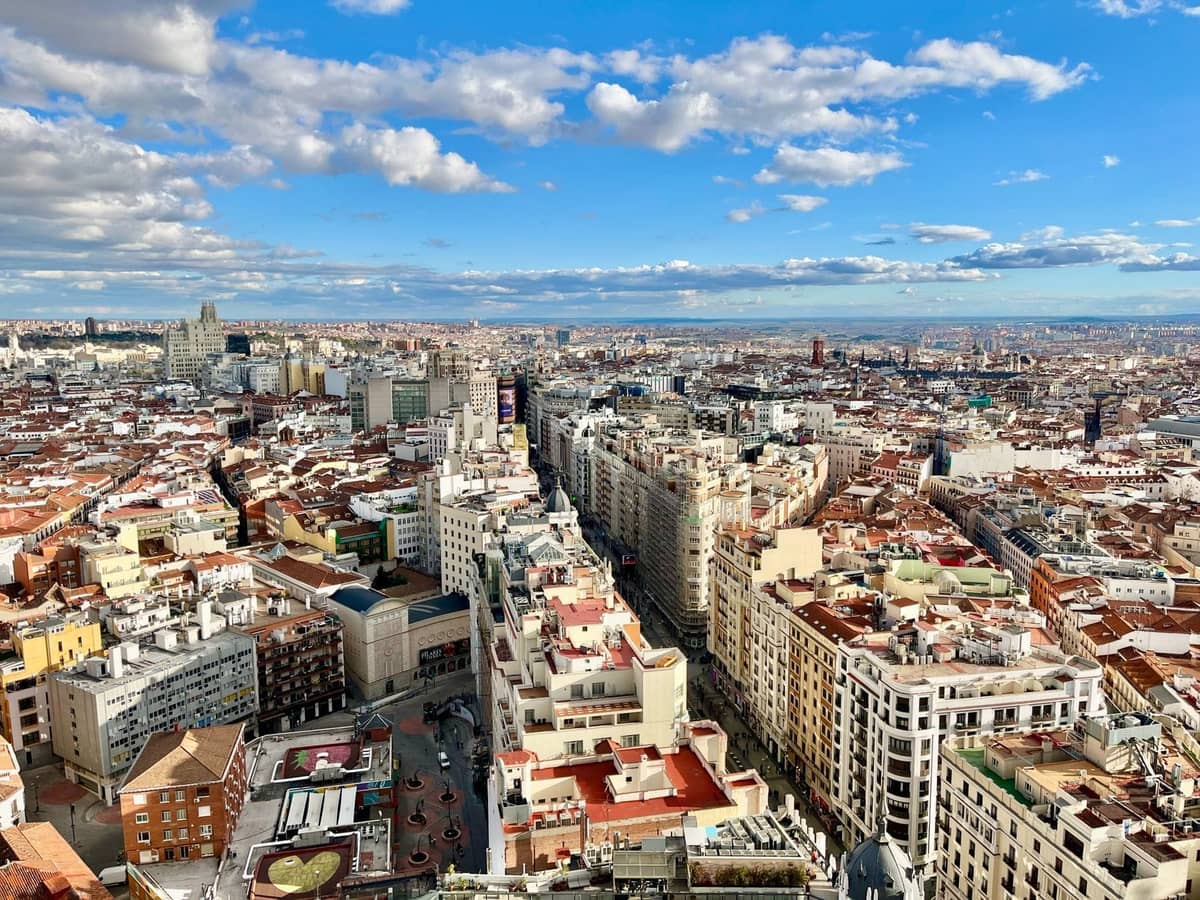
Madrid and Barcelona are sometimes spoken about as if they are interchangeable Spanish cities. They are not. The differences start with geography and go deep into culture. Madrid sits at 667 metres above sea level in the geographic centre of the Iberian Peninsula, on the Manzanares River, with a continental climate that means scorching summers and cold winters. Barcelona sits on the Mediterranean coast, backed by the Collserola hills, with a maritime climate that softens both extremes but adds humidity.
On raw size, Madrid is significantly larger. The municipality holds just over 3.4 million residents (2026), with a metropolitan population of approximately 6.8 million, making it the second-largest metropolitan area in the EU. Barcelona's municipality has about 1.7 million residents and a metro area of around 5.7 million. Madrid's municipal area covers 605 km², giving it a more sprawling, less pedestrian-centred feel in outer areas compared to Barcelona's more compact urban core.
Language is a real, not trivial, distinction. In Madrid, Spanish (Castilian) is the only official language. In Barcelona and throughout Catalonia, both Spanish and Catalan are co-official. Catalan is not a dialect of Spanish: it is a separate Romance language with its own grammar and a strong cultural identity. In practice, most Barcelonans speak both fluently, and you will encounter Catalan on signage, menus, and in everyday conversation. This linguistic context shapes the entire character of the city. For visitors, it rarely causes practical problems, but it is part of understanding what makes Barcelona culturally distinct from the rest of Spain. Madrid's historic centre and Barcelona's Gothic Quarter are both compelling, but they are telling very different stories.
Museums and Art: A Direct Comparison
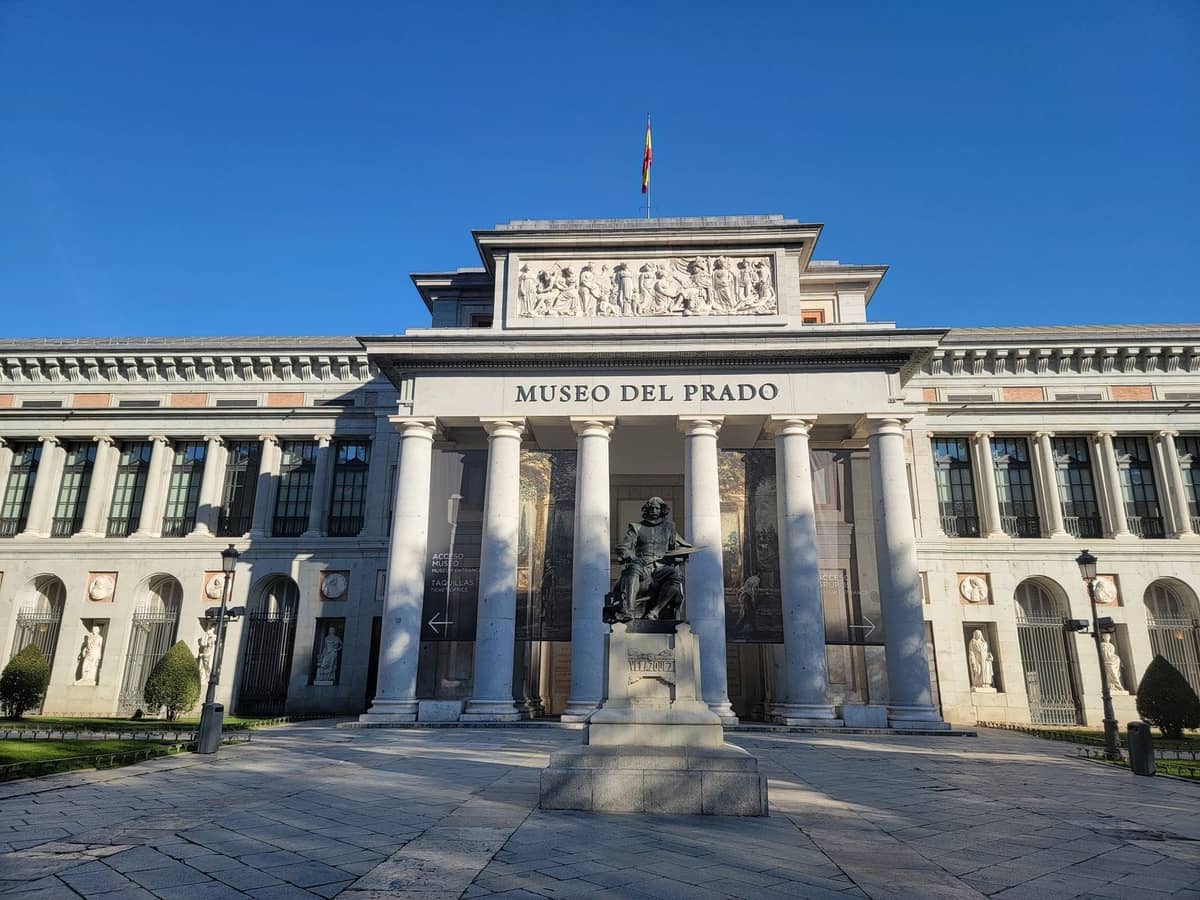
This is where Madrid wins decisively, and it is not particularly close. The Paseo del Prado corridor contains three of the world's great art collections within walking distance of each other. The Museo del Prado holds the most comprehensive collection of European painting from the 12th to the early 20th century of any museum in the world, with Velázquez, Goya, and El Greco as anchors. The Museo Reina Sofía houses Picasso's Guernica and the most important collection of 20th-century Spanish art. The Thyssen-Bornemisza fills the gaps with an encyclopedic survey from the medieval period to the late 20th century. A combined Abono Paseo del Arte pass covering all three costs €36. These three museums alone justify Madrid as an art destination.
Barcelona's art offer is strong but narrower. The Museu Picasso covers his early work and is genuinely excellent. The Fundació Joan Miró is a world-class collection in a beautiful building. The MNAC (Museu Nacional d'Art de Catalunya) has an extraordinary collection of Romanesque art. But in terms of depth, critical mass, and global importance, Madrid's museum corridor is a different league. If serious art is your primary reason for visiting Spain, Madrid is the answer.
💡 Local tip
Madrid's three flagship museums offer free entry during certain hours: the Prado is free Monday to Saturday from 6pm to 8pm, and Sunday from 5pm to 7pm. The Reina Sofía also has free sessions. Check official museum websites before visiting as schedules do change.
Architecture and Iconic Sights
Barcelona has the edge here, and it comes down almost entirely to Antoni Gaudí. The Sagrada Família is one of the most extraordinary buildings in the world: still under construction after over 140 years, it is unlike anything else in Europe. Park Güell, Casa Batlló, and Casa Milà (La Pedrera) are on a different visual register from anything Madrid has to offer. Tickets for the Sagrada Família run around €26 for a basic entry; Park Güell costs around €10 to €13. Both require advance booking, often weeks ahead in summer.
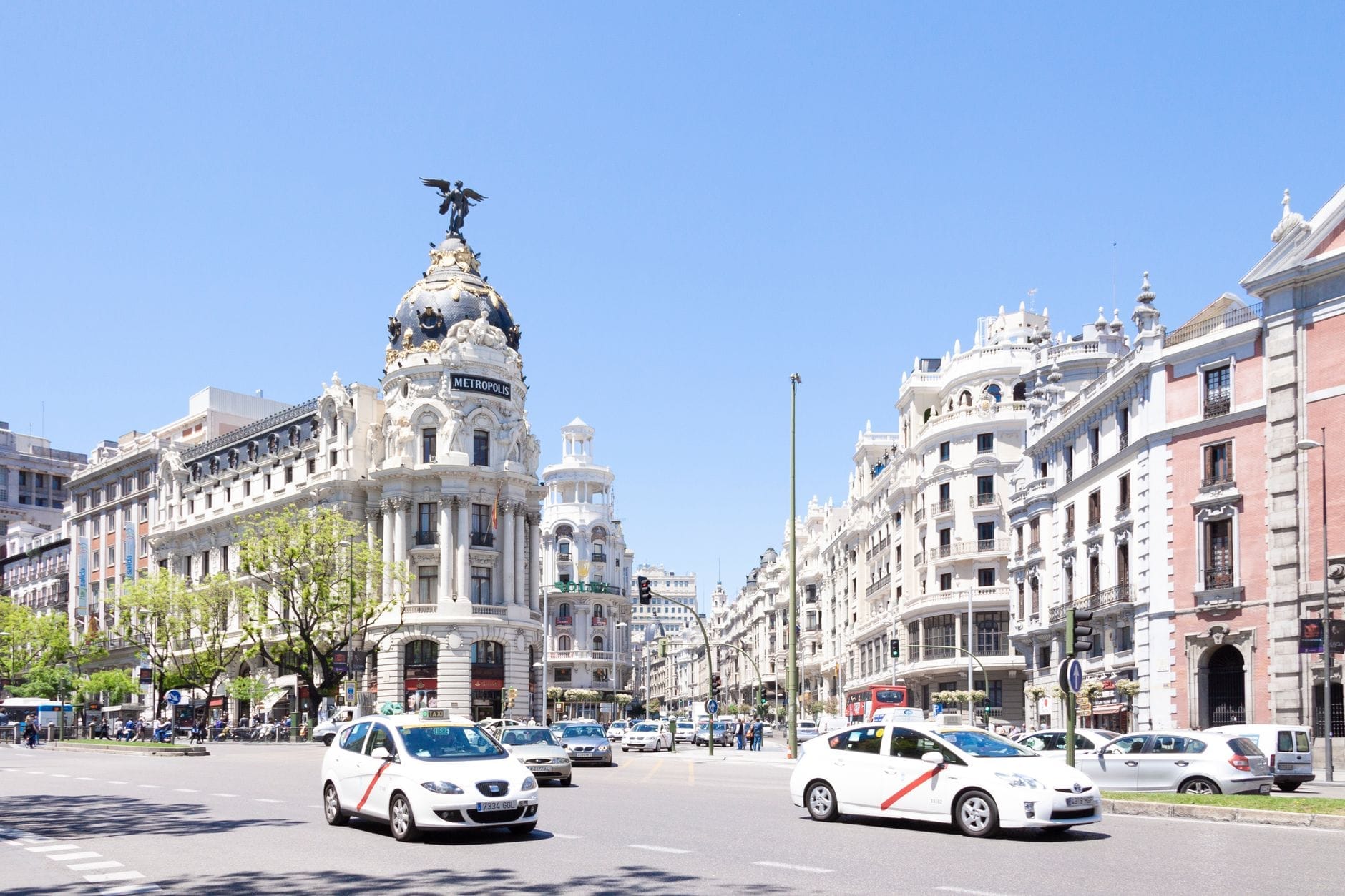
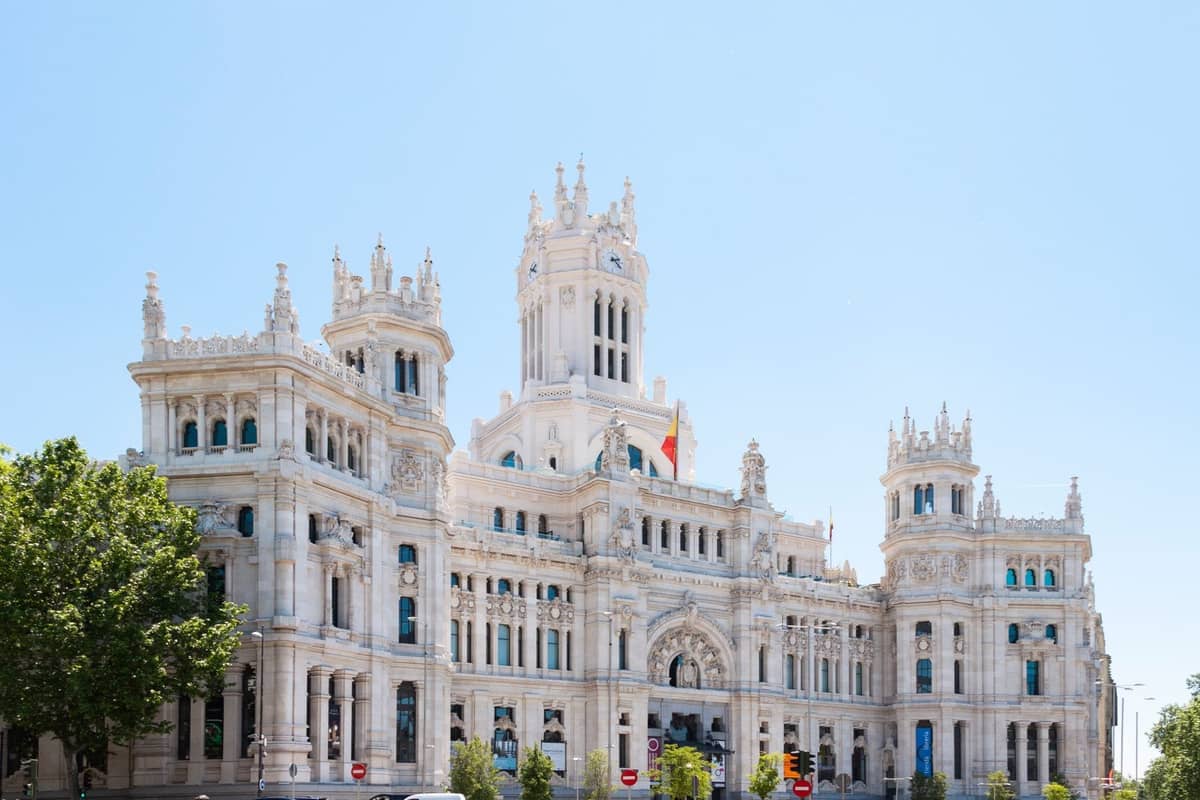
Madrid's architecture is impressive on its own terms, but it is less concentrated around single landmark icons. The Royal Palace of Madrid is the largest royal palace by floor area in Western Europe. The Plaza Mayor and Gran Vía are handsome set pieces of Spanish urban design. The Madrid architecture guide covers the full range, from Habsburg Madrid to early 20th-century modernisme to contemporary towers in the north. But if you are coming to Spain primarily to see buildings that stop you in your tracks, Barcelona makes the stronger case.
Food, Nightlife, and Daily Life
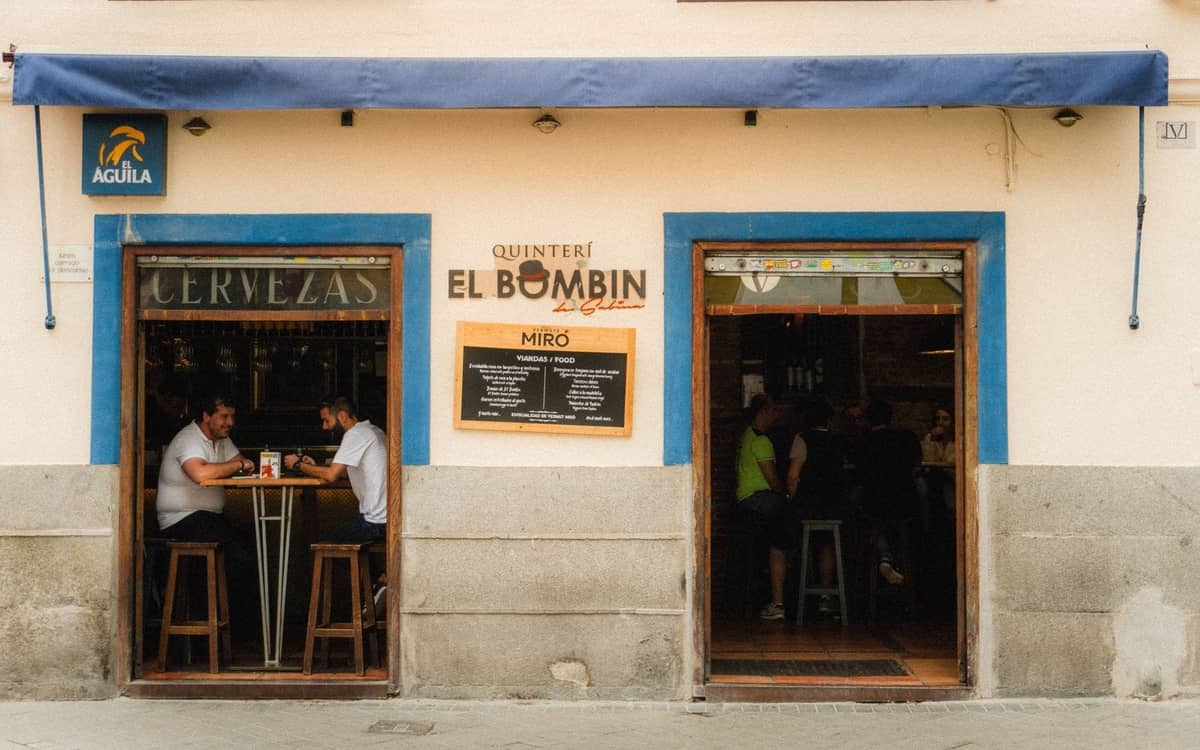
Both cities have exceptional food cultures, but they operate differently. Madrid's eating culture is built around late hours, neighbourhood tapas bars, and a certain democratic informality. Lunch is the main meal, served between roughly 2pm and 4pm; dinner rarely starts before 9pm and frequently runs to midnight. The tapas tradition in Madrid is deeply ingrained: in neighbourhoods like La Latina and Chueca, bar-hopping from tapa to tapa is an evening's entertainment in itself. Prices are generally lower than Barcelona for equivalent quality.
Barcelona's food scene is excellent and more internationally influenced, partly due to the restaurant culture that grew around the Ferran Adrià era. Catalan cuisine is distinct: pa amb tomàquet (bread rubbed with tomato), esqueixada (salt cod salad), and calcots (grilled spring onions) are local staples. Seafood is better and fresher than in landlocked Madrid. The Boqueria market is famous but has become extremely touristy; locals tend to shop at neighbourhood mercats instead.
Madrid's nightlife runs later and harder. The city really does not sleep: clubs in Malasaña and Chueca fill up after 2am and close around 6am. This is not exaggeration or marketing; it is the local rhythm. Barcelona's nightlife is also excellent, with a strong beach club and electronic music scene, but it tends to follow slightly earlier rhythms. For nightlife, Madrid's late-night scene is truly exceptional by European standards.
⚠️ What to skip
Pickpocketing is a concern in both cities, but Barcelona's La Rambla and the Gothic Quarter are among the highest-risk areas for tourists in Spain. Madrid's Sol and Gran Vía require similar attention. Keep bags in front, avoid back pockets, and be aware in crowded tourist spots.
Getting Between Madrid and Barcelona
The high-speed rail connection between Madrid and Barcelona is one of the best arguments for visiting both cities. The journey between Madrid Puerta de Atocha-Almudena Grandes and Barcelona Sants takes about 2.5 to 3 hours depending on the service. Multiple operators now compete on this route: Renfe's AVE and Avlo, Iryo, and Ouigo España. Advance fares on low-cost services (Ouigo, Avlo) start from as little as €9 to €19 one way. Flexible tickets on standard AVE services are significantly more expensive but offer better cancellation terms.
There are also non-stop flights between Madrid Adolfo Suárez Barajas Airport (MAD) and Barcelona El Prat (BCN), taking around 1 hour 10 to 1 hour 15 minutes in the air. However, once you factor in airport transfers, check-in, security, and baggage collection, door-to-door time is almost always longer than the train. The train also deposits you in the city centre rather than at an airport. For most travellers, the high-speed train is the smarter choice.
- High-speed train (AVE/Iryo/Ouigo) 2.5-3 hours city centre to city centre. Fares from around €9 one way booked in advance. Best value for most travellers.
- Budget airlines (Vueling, Iberia, others) About 1h15m in the air, but total door-to-door time is usually 4+ hours. Worth comparing fares, especially for travellers with only carry-on luggage.
- Long-distance bus (ALSA, others) Around 7-8 hours. Only worth considering for extreme budget travel; the time cost is significant.
- Car Around 6 hours driving on the AP-7/A-2 motorway. Useful only if you plan stops along the route (Zaragoza, Tarragona).
Cost, Climate, and Practical Considerations
Madrid is generally cheaper than Barcelona for accommodation, food, and nightlife. Hotel prices in equivalent categories tend to run lower, and the tapas culture means eating well does not require spending much. Barcelona commands a premium partly due to demand from beach tourism and its global reputation. For budget-conscious travellers, Madrid on a budget is a entirely achievable goal; the same is harder in Barcelona.
On climate, the cities are meaningfully different. Madrid's continental climate at 667 metres elevation means hotter, drier summers (regularly above 35°C in July and August) but also cold winters, with nights dropping near freezing from December to February. Barcelona's Mediterranean coastal climate is milder overall but more humid in summer, which some find more uncomfortable than Madrid's dry heat. The best months for both cities are April to May and September to October. For more detail on when to go, the best time to visit Madrid guide covers seasonal patterns in full.
- Madrid: no beaches, but excellent day trips to Segovia, Toledo, and El Escorial all within 1 hour by train.
- Barcelona: beach access in the city, but crowds are extreme from June to August.
- Madrid: generally lower prices for food, accommodation, and nightlife.
- Barcelona: stronger English proficiency in tourist areas; Spanish and Catalan both in use.
- Madrid: better connected for onward travel to southern Spain (Seville, Málaga) by AVE.
- Barcelona: better base for northeastern Spain and the Pyrenees.
✨ Pro tip
If you are visiting Spain for the first time and have 7 to 10 days, consider spending 4-5 days in Madrid and 3-4 days in Barcelona, arriving in one and departing from the other. The high-speed train makes this a seamless itinerary and you avoid paying for a round-trip from the same city.
Football: Real Madrid vs Barcelona and Beyond
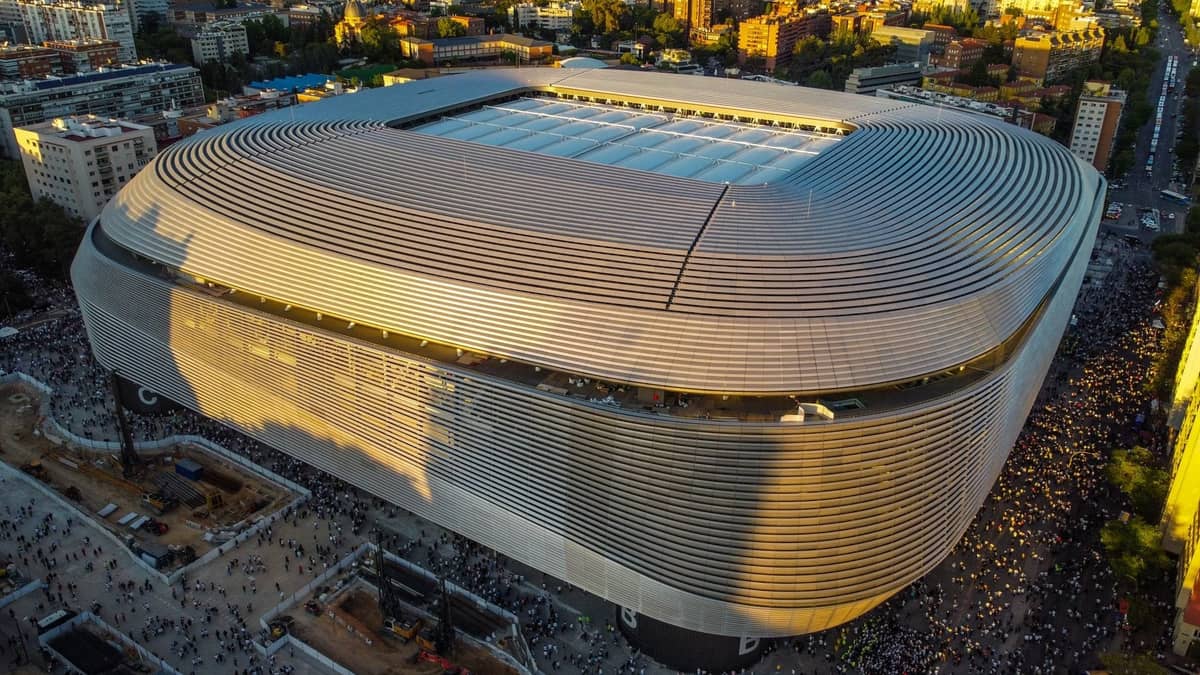
The rivalry between Real Madrid and Barcelona is probably the most watched sporting fixture in the world. Known as El Clásico, the Real Madrid vs Barcelona match draws a global television audience in the hundreds of millions and produces some of the most scrutinized sports analysis of any event. For a significant proportion of visitors to Spain, attending or experiencing one of these cities through the lens of football is a primary motivation.
Real Madrid play at the Estadio Santiago Bernabéu in the Chamartín district of Madrid, with a capacity of around 81,000 after its recent renovation. Getting tickets for a Real Madrid vs Barcelona match through official channels is extremely difficult; they typically sell out within minutes of release. The stadium tour is a popular alternative and far easier to access. Barcelona's Camp Nou (currently undergoing renovation, with games temporarily at the Estadi Olímpic Lluís Companys) presents similar access challenges for big fixtures.
Madrid also has Atlético de Madrid, who play at the Estadio Metropolitano in the east of the city. A Barcelona vs Atlético Madrid match (or any Atlético league fixture) is generally easier to attend than a Real Madrid home game and offers an equally passionate atmosphere. For travellers whose primary goal is a live Spanish football experience rather than a specific match, Atlético is often the more realistic option.
FAQ
Is Madrid or Barcelona better for a first visit to Spain?
There is no single right answer, but Madrid offers a broader introduction to Spanish culture: the world's greatest collection of Spanish and European art, authentic tapas culture, and a central location for day trips to Toledo, Segovia, and beyond. Barcelona adds beaches and Gaudí's architecture, but also higher prices and greater tourist density in peak season. For a purely cultural first trip, Madrid makes a strong case. For a mix of city and beach, Barcelona wins.
How far is Madrid from Barcelona by train?
The high-speed train (AVE, Iryo, Ouigo) connects Madrid Puerta de Atocha-Almudena Grandes and Barcelona Sants in approximately 2.5 to 3 hours. Multiple daily departures are available, and advance fares on low-cost operators start from around €9 to €19 one way. Book several weeks ahead for the cheapest fares.
Can you visit both Madrid and Barcelona in one trip?
Yes, and it is straightforward. A week is enough to spend 4 nights in one city and 3 in the other without feeling rushed on the main sights. The high-speed train makes the transfer easy, and you can fly into one city and out of the other to avoid backtracking. Two weeks is more comfortable if you want to go beyond the headline attractions in each city.
Which city is cheaper: Madrid or Barcelona?
Madrid is generally cheaper. Mid-range hotel rates, restaurant prices, and nightlife costs tend to run lower than Barcelona equivalents. The tapas culture in Madrid means you can eat and drink well for relatively little, especially in neighbourhood bars outside the tourist centre. Barcelona's premium reflects its beach tourism appeal and higher international visitor numbers.
Is it possible to get tickets for a Real Madrid vs Barcelona match?
Official tickets for El Clásico are extremely scarce and typically sell out within minutes of release through Real Madrid's and Barcelona's official channels. Secondary market tickets exist but carry significant premium and some risk. If a live Clásico is your goal, plan many months ahead and monitor official club websites. Alternatively, the Santiago Bernabéu stadium tour is accessible year-round and gives a genuine sense of the club's scale and history.