Madrid Nightlife: The Complete Guide to Bars & Clubs
Madrid nightlife runs on a schedule unlike anywhere else in Europe. Bars don't fill until midnight, clubs peak at 3am, and the city doesn't sleep until sunrise. This guide covers the best districts, venues, realistic costs, and the timing rules that separate a great night from an expensive disappointment.
Plan and book this trip
Tools from our partner Travelpayouts help you compare flights and hotels. If you book through them, we may earn a commission at no extra cost to you.
Flights
Hotels map
TL;DR
- Madrid nightlife starts late: bars fill after 11pm, clubs after 1-2am, with peak hours between 3-4am and closing around 6-7am.
- Club entry in central Madrid typically runs €18-25 including a drink; budget districts like Malasaña, Chueca, and Lavapiés offer cheaper or free entry.
- The best nightlife districts are Malasaña, Chueca, La Latina, and Sol-Gran Vía — each with a distinct crowd and vibe. See our full Madrid guide to plan around them.
- The metro stops at 1:30am every night; night buses (Búho lines) take over after that, or use Uber, Cabify, or Bolt.
- Arriving before midnight at most clubs means walking into an empty room — plan accordingly.
How Madrid Nightlife Actually Works
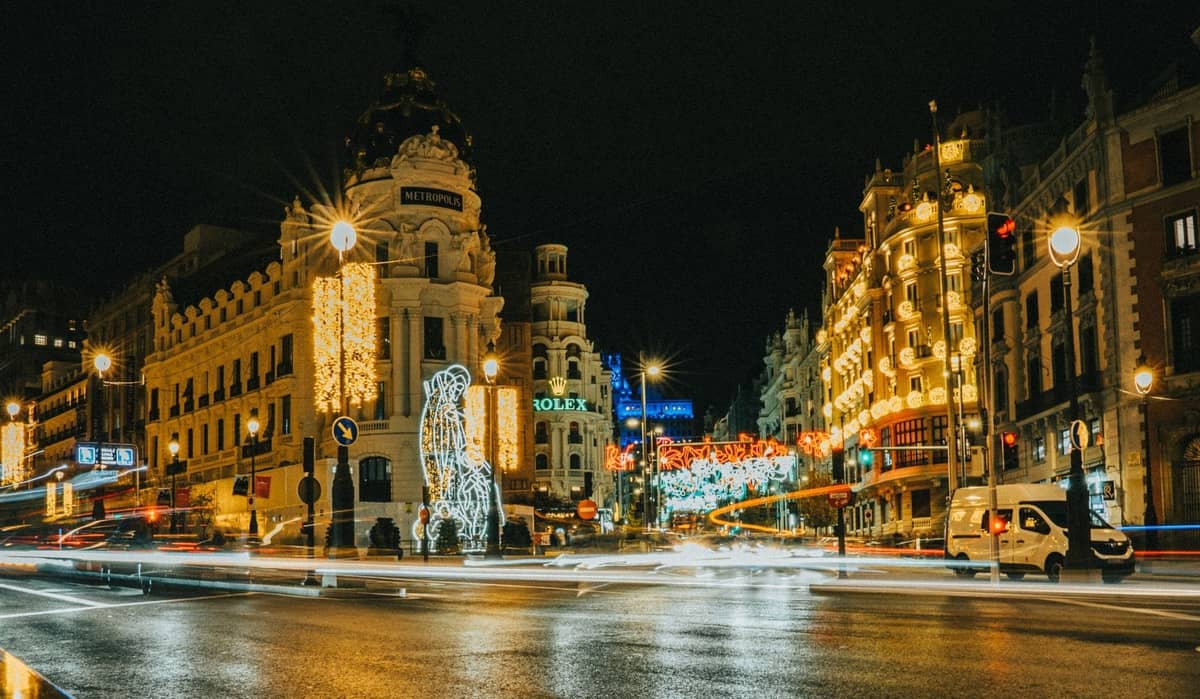
Madrid nightlife operates on a schedule that genuinely surprises first-time visitors. Dinner typically starts at 9-10pm. Pre-drinks (the 'botellón' or bar hop) run from 11pm to 1am. Clubs open around midnight but rarely have anyone inside until 1:30-2am. The real peak is 3-4am, and venues stay open until 6 or 7am. This is not exaggeration — it is the normal, accepted rhythm of a night out in the city.
This schedule means you need to pace yourself differently than in cities like London or Berlin. Showing up at a club at 11pm because it opens then is the single most common mistake tourists make. You will pay entry, buy overpriced drinks, and stand in an empty room for 90 minutes. The local approach is to start with tapas, move to a bar around midnight, and only head to a club after 1am.
⚠️ What to skip
Arriving at a Madrid club before 1:30am is almost always a waste of entry money. The room will be empty, the atmosphere flat, and you'll have spent your energy before the night even starts. Set a late alarm if you need to — locals do.
Madrid's nightlife is also significantly more expensive than many visitors expect. Club entry in tourist-heavy central areas typically costs €18-25, often with one drink included. That's broadly comparable to Paris or Amsterdam. The cheaper nights happen in residential districts: Malasaña, Chueca, and Lavapiés all have bars and smaller clubs where entry is free or under €10, drinks are reasonably priced, and the crowd is local rather than tourist-heavy.
The Best Nightlife Districts in Madrid
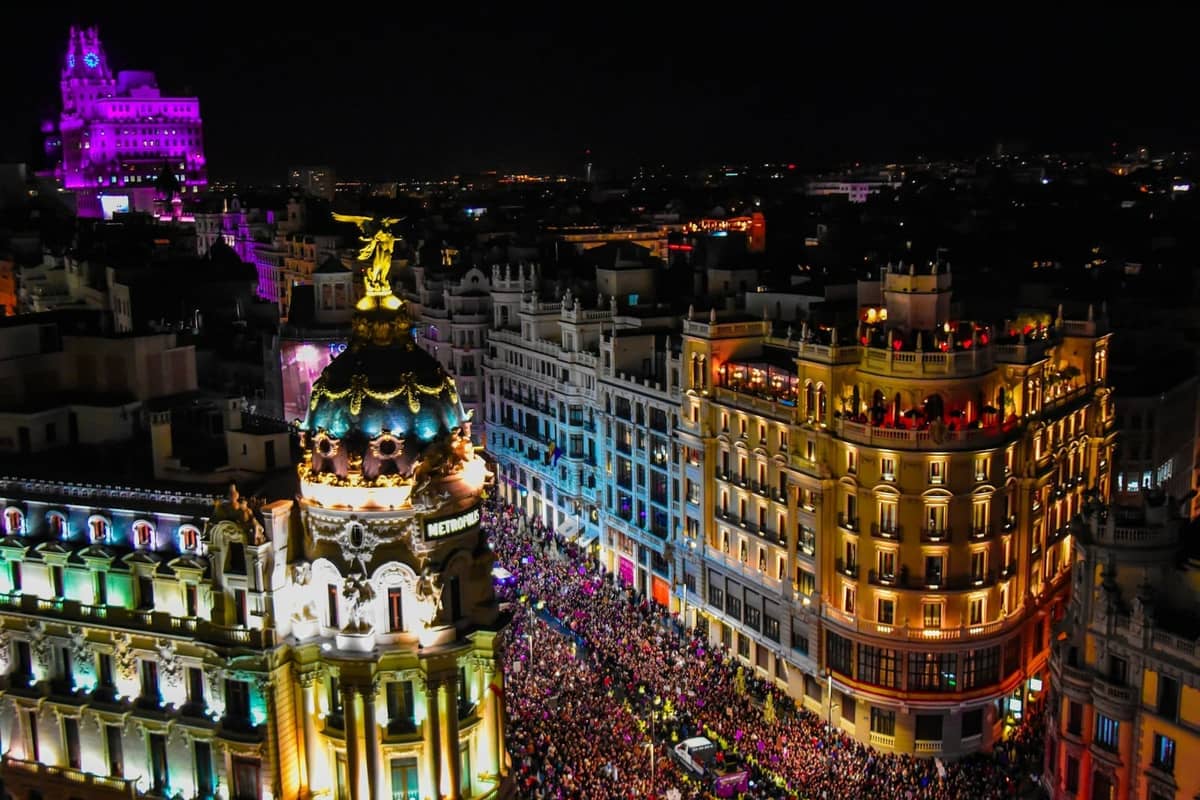
Madrid's nightlife geography matters. Each district has its own character, price point, and crowd. Understanding the differences saves you from ending up in the wrong place for what you actually want.
- Malasaña The best all-round neighbourhood for a night out. Indie bars, rock venues, craft beer spots, and small clubs with free or low entry. Crowd skews 25-40, local and international mix. Plaza Dos de Mayo is the social hub from 10pm onwards.
- Chueca Madrid's LGBTQ+ district and one of the most welcoming nightlife areas in Europe. Great cocktail bars, late-night terraces, and clubs that stay open until dawn. The neighbourhood is lively any night of the week, not just weekends.
- La Latina Best for bar-hopping rather than clubbing. Calle Cava Baja and the surrounding streets are lined with traditional bars and wine spots. Sunday vermouth culture bleeds into Sunday night here. More neighbourhood feel, less tourist density than Sol.
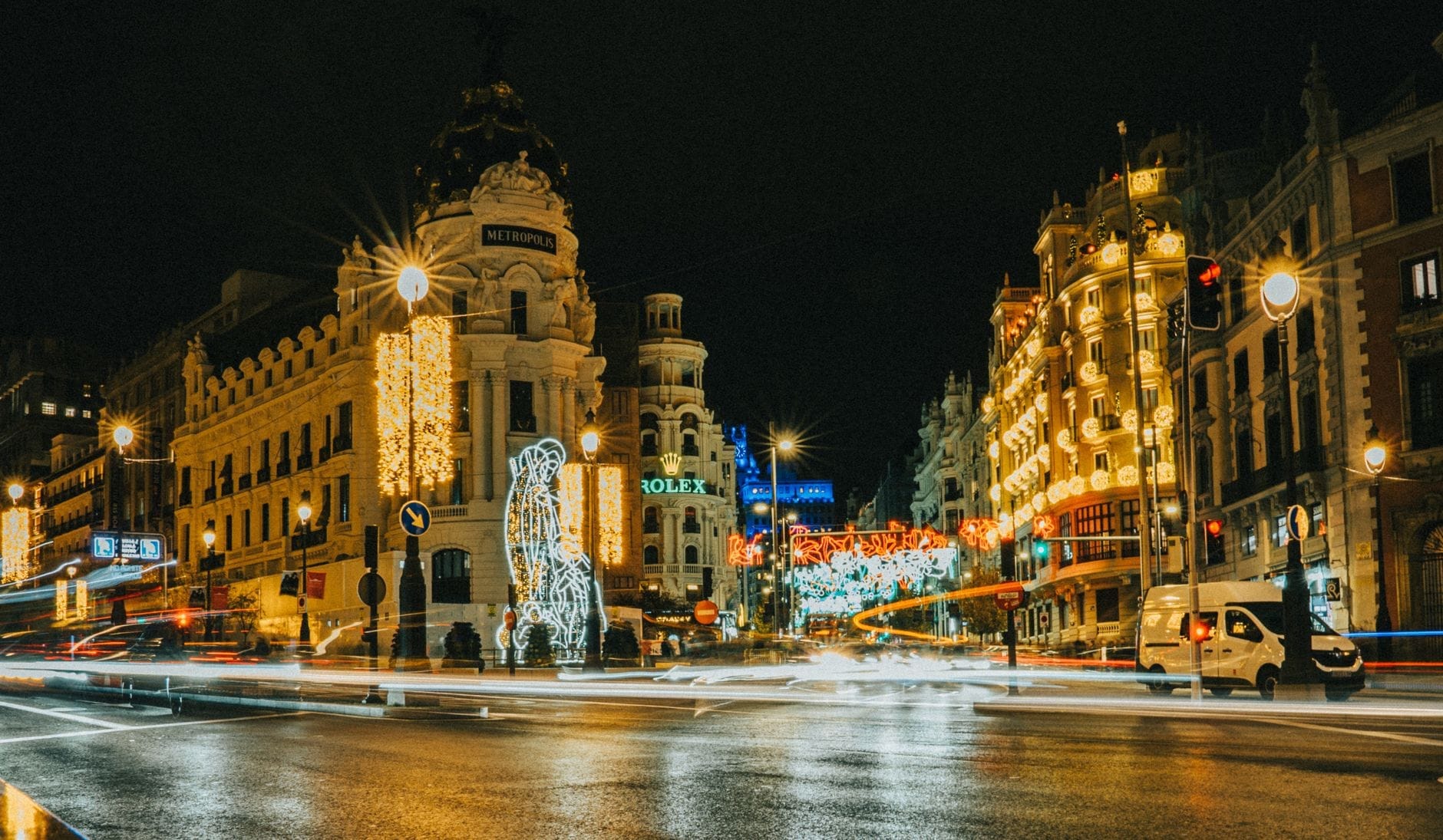
- Sol and Gran Vía The tourist centre of Madrid's nightlife. Major clubs like Kapital are nearby. Convenient, recognisable, but expect tourist prices and larger, less intimate venues. Fine for a first night, less interesting if you know the city.
- Lavapiés The most multicultural district, with a creative and alternative nightlife scene. Smaller venues, lower prices, and a younger, more local crowd. Less polished than other areas, which is exactly the appeal for many.
- Barrio de Salamanca Upmarket cocktail bars and lounge clubs. Dress code enforced more strictly here. Venues like Gabana 1800 draw a well-heeled crowd. Good if you want a smarter, less sweaty evening rather than a 5am club session.
💡 Local tip
For your first night in Madrid, start with tapas and wine in La Latina, walk up through Sol around midnight, and pick a club or late bar in Malasaña or Chueca after 1am. This route covers the city's best neighbourhoods and keeps costs manageable.
Clubs, Bars, and Venues Worth Knowing
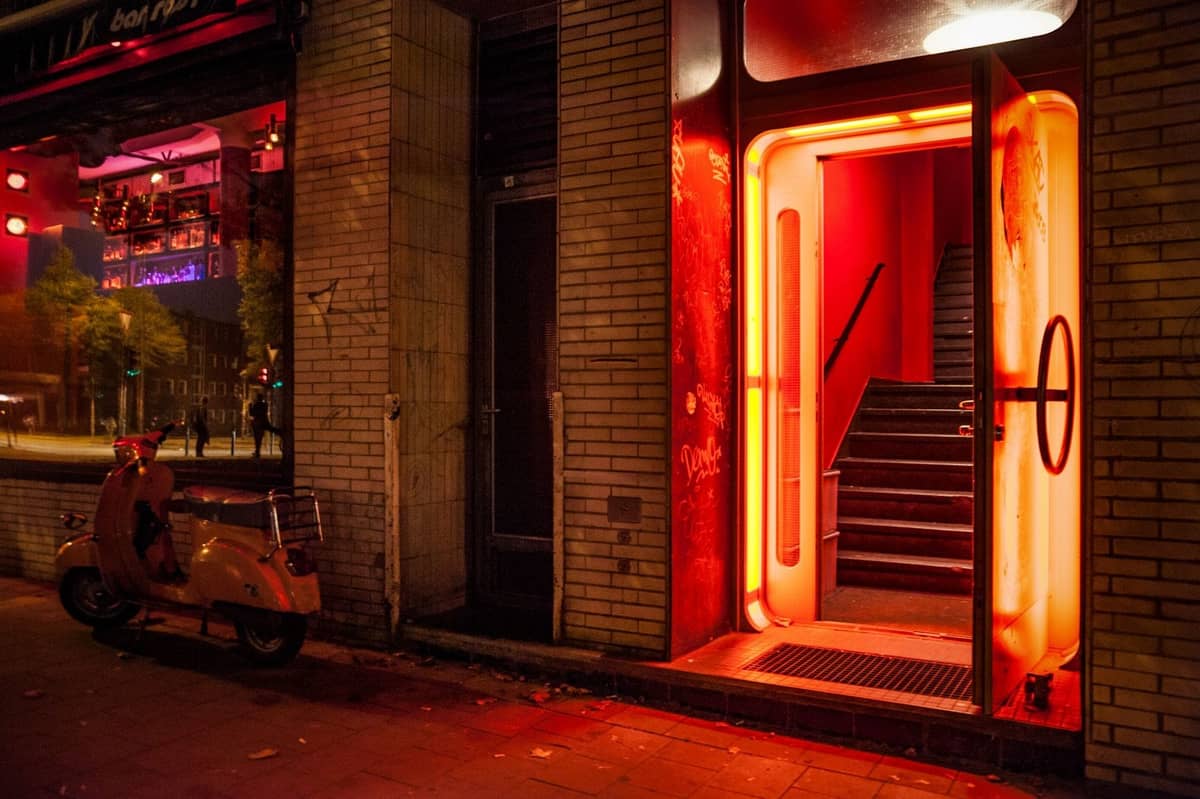
Madrid's club scene ranges from multi-floor mega-venues to 200-person rooms where local DJs play until 7am. The following are consistently cited by locals and long-term residents as worth the entry fee.
Kapital is the most famous club in Madrid — seven floors, a rooftop terrace, and multiple music genres playing simultaneously. It is enormous, occasionally impersonal, and remarkably impressive. Entry runs around €20-25 with a drink included. It is not subtle, but it delivers on spectacle. Located near Atocha, it is easy to reach and easy to leave if you decide it is not for you.
Fitz Club and Bonded represent the more curated, boutique end of the market: tighter guest lists, better sound systems, and lineups focused on house and techno. These are the venues where serious Madrid club-goers spend their money. Entry varies by event, typically €12-20. Check their social channels for programme updates, as lineups change weekly.
For a different energy, the bar streets of Malasaña require no entry fee at all. Bars along Calle del Pez, Calle de la Palma, and around Plaza Dos de Mayo charge normal drink prices — around €4-7 for a beer or glass of wine — and the street culture itself is the entertainment. This is where locals who want to skip club entry costs spend their Friday nights.
✨ Pro tip
Many Madrid clubs offer free entry or discounted tickets if you register on their website or through a guest list before the night. Apps like Xceed and RA (Resident Advisor) list events and often have free or reduced entry links for earlier arrivals (before 2am). It takes five minutes and can save you €15.
Costs, Drinks, and What to Budget
A realistic budget for a full night out in Madrid — starting with dinner, moving through bars, and ending at a club — is €60-100 per person. That covers a shared tapas dinner (€20-25pp), drinks during the bar-hopping phase (€15-20), club entry (€15-25), and one or two drinks inside the club (€8-14 each). You can do it cheaper in Malasaña or Lavapiés; you will spend more in Salamanca or at premium venues near Gran Vía.
- Beer at a neighbourhood bar: €3-5
- Cocktail at a decent bar: €8-12
- Bottle of wine (restaurant): €12-20
- Club entry (central, major venue): €18-25 with one drink
- Club drink inside (spirits): €10-14
- Taxi home (central to central): €8-15 depending on distance and time
One genuine trap: the tourist-facing clubs around Puerta del Sol and Gran Vía sometimes charge €30+ entry with no drink included, particularly on Friday and Saturday nights in summer. These are not necessarily the best venues — they are simply in high-footfall tourist areas. There is rarely a reason to pay over €20 entry unless it is a specific headliner event you have researched in advance.
Getting Around at Night
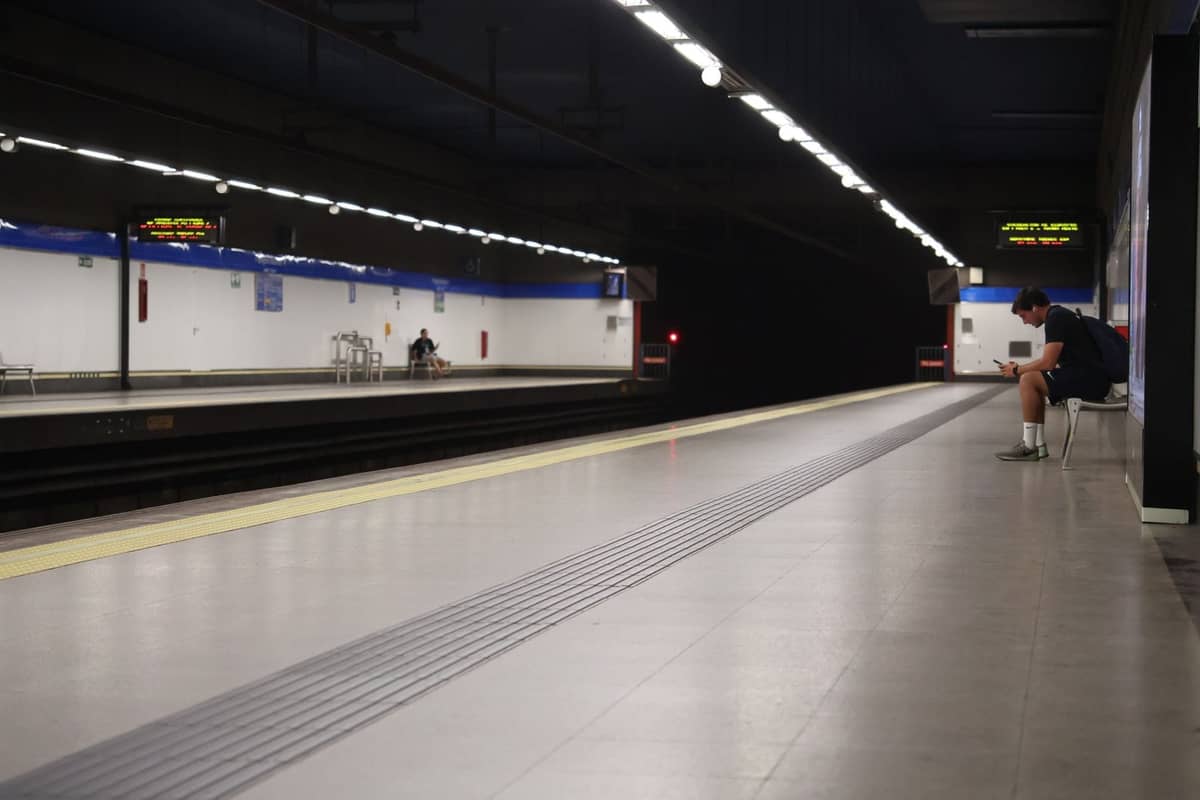
Madrid's metro is excellent but stops early by the standards of its nightlife. It runs from 6am until around 1:30am every day of the year. Check the current timetable with Metro Madrid before your trip, as hours are subject to change for maintenance or special events.
Once the metro stops, the Búho (night bus) network takes over. These buses run on fixed routes across the city until around 6am, with Puerta del Sol as the central hub. They are cheap and reliable, though routes are less convenient than the metro. Ride-hailing apps including Uber, Cabify, and Bolt operate in Madrid under Spain's VTC licensing regulations and are widely used for late-night travel — particularly useful if you are moving between districts or heading back from a club at 5am. For more transport detail, see the getting around Madrid guide.
Taxis are plentiful and regulated in Madrid. Licensed city taxis are white with a red diagonal stripe. Night tariffs (Tarifa 2 and 3) apply after 10pm and on weekends, meaning a short trip that costs €8 during the day might cost €11 at 4am. This is normal and legitimate — it is not the driver overcharging you. Always confirm the meter is running at the start of the journey.
Practical Tips for a Better Night Out
Dress codes in Madrid are real but not extreme. Most clubs require smart-casual at minimum: clean trainers are usually fine, but flip-flops, football shirts, or very casual beachwear will get you turned away at any club above dive-bar level. Upscale venues in Salamanca and around Gran Vía enforce stricter standards. If you are unsure, check the venue's social media for recent crowd photos — that tells you more than any written dress code.
- Bring your passport or national ID card: Spanish clubs are legally required to verify age and ID at the door. A phone photo of your passport is not accepted at most venues.
- Eat properly before you go out: a 3am dinner followed by a club at 4am sounds absurd but is entirely common in Madrid. The late-night kitchen culture is real — churros from San Ginés at 6am is a legitimate post-club tradition.
- Keep a transport backup plan: decide before you leave the hotel whether you are using night buses or apps, and make sure your phone has the app downloaded and a payment method ready.
- Water costs money in clubs: many charge €3-5 for a bottle of water. Drink before you arrive.
- Monday and Tuesday nights are quiet almost everywhere except for specific venues that run weeknight events. Wednesday picks up; Thursday through Sunday are the reliable nights.
Summer is the peak season for Madrid nightlife, with outdoor terraces (terrazas) adding another dimension to the options. From June through September, rooftop bars and outdoor spaces attached to clubs operate late into the night. Summer in Madrid is hot enough during the day that evenings become the main social time, which intensifies the nightlife energy considerably. That said, it also means higher tourist density and more competition for entry at major venues.
If you want to combine nightlife with broader city planning, the one-week Madrid itinerary is structured so that late nights fall before rest days rather than before museum mornings. It is worth thinking about: the Prado at 10am after a 5am night is a regrettable experience.
FAQ
What time do clubs open and close in Madrid?
Most Madrid clubs open around midnight but are effectively empty until 1:30-2am. The peak crowd arrives between 3-4am, and many venues stay open until 6 or 7am. Arriving before 1:30am at a major club is generally pointless unless you are trying to get in before entry prices increase.
How much does a night out in Madrid cost?
Club entry in central Madrid typically costs €18-25 including one drink. Budget around €60-100 per person for a full night including dinner, bar-hopping, and a club. You can spend less in neighbourhoods like Malasaña, Lavapiés, or Chueca, where many bars have free entry and drink prices are lower.
What are the best nightlife areas in Madrid?
Malasaña is the best all-round district for a local feel, good music, and reasonable prices. Chueca is the top area for LGBTQ+ nightlife and welcoming bars. La Latina is ideal for bar-hopping without clubs. Sol and Gran Vía offer the biggest and most tourist-accessible clubs. Salamanca suits those who want upscale cocktail bars.
How do I get home from a club in Madrid at 4-5am?
The metro stops around 1:30am. After that, use the Búho night bus network (Puerta del Sol is the main hub) or ride-hailing apps like Uber, Cabify, or Bolt, which operate throughout the night in Madrid. Official city taxis also run 24 hours — look for white cars with a red diagonal stripe.
Is Madrid nightlife safe for solo travellers?
Madrid is generally considered safe for solo travellers, including at night. The main risks are the same as any major European city: pickpocketing in crowded areas, drink spiking (keep your drink with you), and the general impairment that comes with a long night out. Stay aware in very busy tourist areas around Sol and Gran Vía late at night, travel with others when possible after 3am, and trust your instincts about any venue or situation that feels off.