Getting Around Madrid: Metro, Buses & Airport Transfers Explained
Madrid has one of Europe's most extensive public transport networks, covering the metro, city buses, night services, and direct airport links from Adolfo Suárez Madrid-Barajas Airport. This guide breaks down every option with real prices, schedules, and the practical knowledge to move around the city without stress.
Plan and book this trip
Tools from our partner Travelpayouts help you compare flights and hotels. If you book through them, we may earn a commission at no extra cost to you.
Flights
Hotels map
TL;DR
- Madrid's metro has Madrid's metro has 302 stations across 12 lines — it covers nearly every corner of the city and runs daily from around 06:00 to 01:30. — it covers nearly every corner of the city and runs daily from around 06:00 to 01:30.
- Getting from Madrid Barajas Airport (IATA: MAD) to the city center costs Getting from Madrid Barajas Airport (IATA: MAD) to the city center costs around €4.50-5.00 by metro (Line 8) or around €5 by the 24-hour Airport Express Bus..
- You need a physical Tarjeta Multi card (€2.50) You need a physical Tarjeta Multi card (€2.50) to use most metro tickets — buy one at any metro station before you travel. — buy one at any metro station before you travel.
- Single metro tickets cost €1.50-2.00 depending on distance; a 10-trip combined card offers the best value for short stays. See Madrid on a budget for more ways to save.
- Night buses ('búhos') cover the city after metro hours, so you're never stranded — but plan for longer journey times after 01:30.
Madrid's Transport Network at a Glance
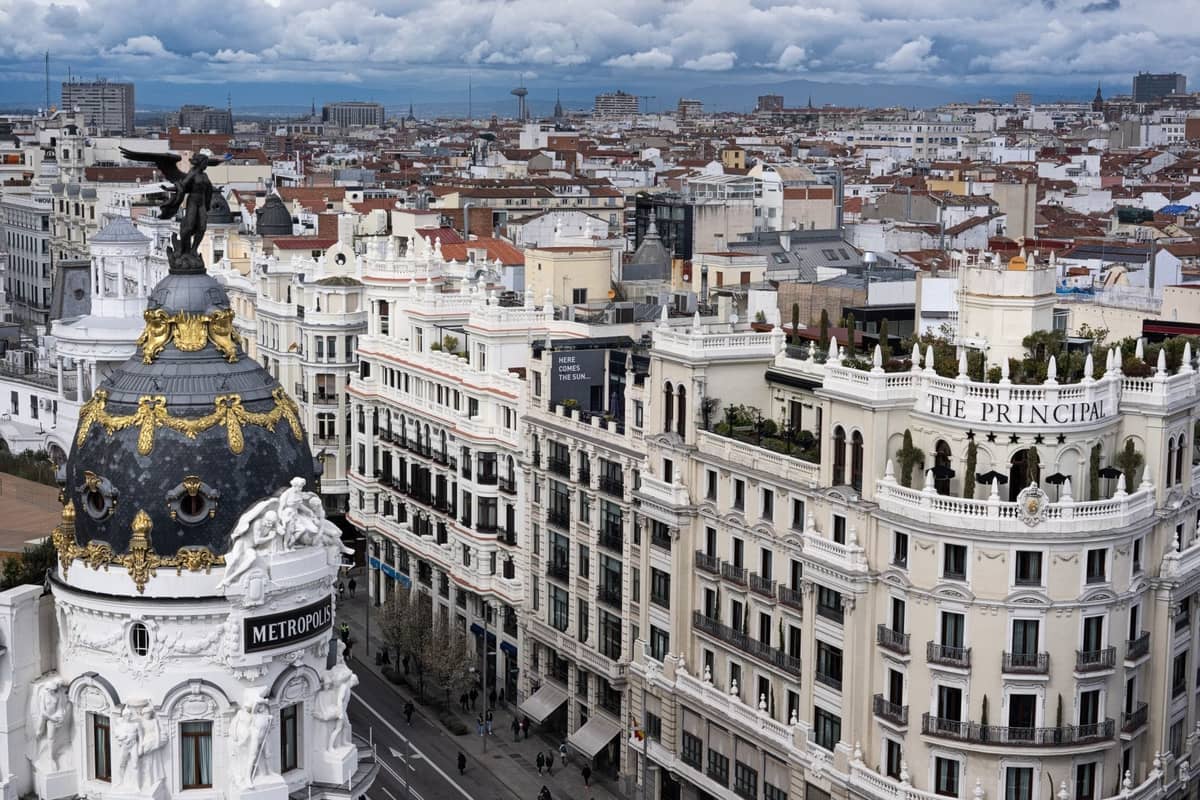
Madrid is Spain's capital and its largest city, Madrid is Spain's capital and its largest city, with a municipal population of around 3.3 million and a metropolitan area of about 6.8 million people. For a city of this scale, the public transport system is genuinely impressive: integrated ticketing across the metro, EMT city buses, light rail, and suburban Cercanías trains means you rarely need a taxi for getting between neighborhoods. The network is coordinated by the Consorcio Regional de Transportes de Madrid, and most of the central sightseeing zone falls within Zone A, which simplifies pricing considerably. and a metropolitan area of about 6.8 million people. For a city of this scale, the public transport system is truly impressive: integrated ticketing across the metro, EMT city buses, light rail, and suburban Cercanías trains means you rarely need a taxi for getting between neighborhoods. The network is operated under the Consorcio Regional de Transportes de Madrid, and most of the central sightseeing zone falls within Zone A, which simplifies pricing considerably.
For most visitors, the metro and the EMT bus network will cover everything. If you're staying centrally near Sol or Centro, you can reach the Prado, Retiro, and the Gran Vía on foot or with one or two metro stops. For day trips or visits to outer neighborhoods, the metro's reach is long enough that renting a car is rarely worthwhile — and driving in central Madrid is actively discouraged by Madrid Central's low-emission zone restrictions.
ℹ️ Good to know
Most public transport in Madrid uses a Tarjeta Multi contactless card (€2.50, non-refundable). You cannot load tickets onto a bank card or use paper tickets for most journeys. Buy your Multi card at any metro station ticket machine on arrival — machines have English menus. You cannot load tickets onto a bank card or use paper tickets for most journeys. Buy your Multi card at any metro station ticket machine on arrival — machines have English menus.
The Madrid Metro: Lines, Hours, and Ticket Prices
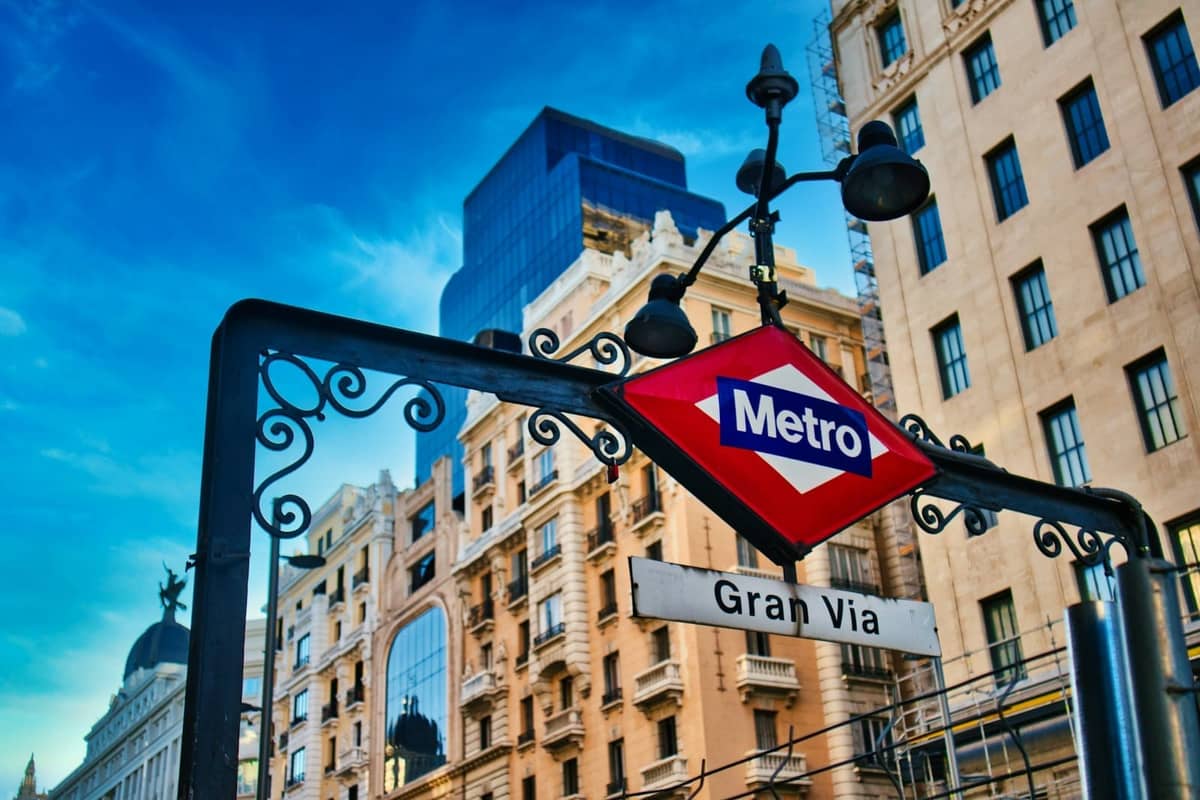
The Madrid Metro is one of the largest metro systems in Europe, with 13 lines, 3 light metro (MetroLigero) lines, The Madrid Metro is one of the largest metro systems in Europe, with 13 lines, 3 light metro (MetroLigero) lines, and 302 stations. That scale means it connects almost every district in the city — from the airport in the northeast to the Casa de Campo in the west. For tourists, Lines 1, 2, 3, 5, and 10 do the heaviest lifting, linking the historic center with major museums, parks, and shopping streets.. That scale means it connects almost every district in the city — from the airport in the northeast to the Casa de Campo in the west. For tourists, Lines 1, 2, 3, 5, and 10 do the heaviest lifting, linking the historic center with major museums, parks, and shopping streets.
- Operating hours Daily from approximately 06:00 to 01:30. The metro does not run 24 hours — this is a common misconception. After 01:30, night buses take over.
- Frequency Every 2-5 minutes during peak hours, every 5-15 minutes in off-peak and late-night periods.
- Single ticket (Zone A) €1.50 for 1-5 stations, rising to €2.00 for 10+ stations. Zone A covers central Madrid and all major tourist areas.
- Combined 10-trip ticket (Metro + EMT bus) Around €7.30-12.20 depending on reduction type. This is the best value option for stays of 3-7 days.
- Airport surcharge An additional €3.00 supplement applies for journeys to or from Aeropuerto T1-T2-T3 and Aeropuerto T4 stations, bringing the total to roughly €4.50-5.00.
- Tarjeta Multi card Costs €2.50 and is required for all ticket types. It can be shared between travelers (tap once per person per journey).
⚠️ What to skip
A standard metro single ticket does not allow free transfers to EMT buses. If you plan to mix metro and bus journeys, load a combined 10-trip ticket onto your Tarjeta Multi instead — it's accepted on both networks and saves you buying separate tickets.
Spain has been applying temporary national transport discounts since 2022, including reductions of up to 40% on some multi-trip tickets, periodically extended by Royal Decree-Law. These discounts were still active in early 2026 but are subject to change. Always check current fares at metromadrid.es before you travel, as the figures quoted here reflect standard tariffs and may be lower in practice.
City Buses (EMT) and Night Services
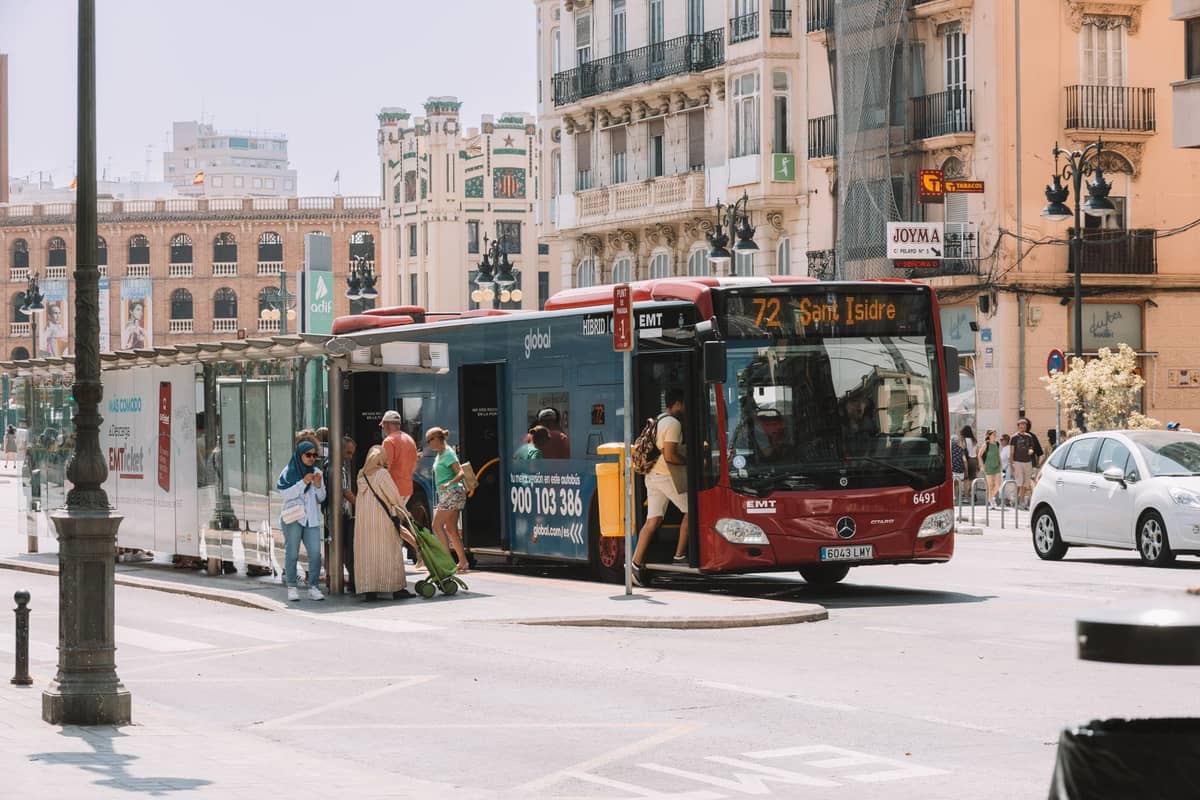
The EMT Madrid (Empresa Municipal de Transportes de Madrid) operates the city's urban bus network, with routes reaching neighborhoods that the metro doesn't always serve well — particularly in areas like Lavapiés and parts of Malasaña. A single EMT bus ride costs around €1.50, and the combined 10-trip metro/bus card covers both networks, making it the smarter choice if you'll use buses regularly.
Regular EMT services run from approximately 06:00 to 23:30. After the metro closes at 01:30, the 'búhos' (owl) night bus network takes over, with routes radiating from Plaza de Cibeles and running until the early metro service resumes. Night bus frequency is typically every 20-30 minutes, so expect to wait, especially after 03:00. Regular EMT services run from approximately 06:00 to 23:30. After the metro closes at 01:30, the 'búhos' (owl) night bus network takes over, with routes radiating from Plaza de Cibeles and running until the early metro service resumes. Night bus frequency is typically every 20-30 minutes, so expect to wait, especially after 03:00. The night network covers most districts. For late nights, if you're in a group, splitting a taxi is often faster and comparable in cost. For late nights, if you're in a group, splitting a taxi is often faster and comparable in cost.
✨ Pro tip
The EMT app (available on iOS and Android) shows real-time bus positions and estimated arrival times in English. It's significantly more reliable than paper timetables at stops, especially during evening hours when frequencies drop.
Getting from Madrid Barajas Airport to the City Center
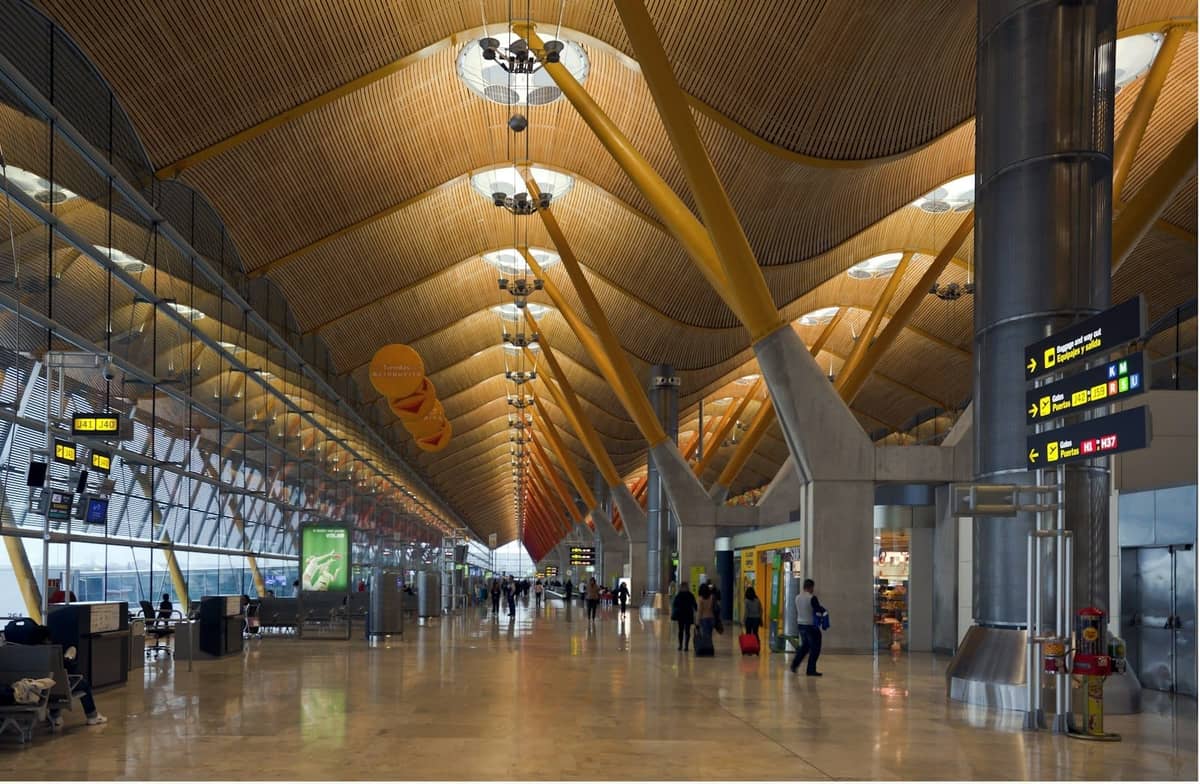
Adolfo Suárez Madrid-Barajas Airport (IATA: MAD) is located in the Barajas district, approximately 12 km northeast of the city center around Puerta del Sol. Adolfo Suárez Madrid-Barajas Airport (IATA: MAD) is located in the Barajas district, approximately 12 km northeast of the city center around Puerta del Sol. It is divided into four main terminal areas (T1, T2, T3 grouped together, and T4). Your transfer option depends on your terminal, your destination within the city, and how much luggage you're carrying. Your transfer option depends on your terminal, your destination within the city, and how much luggage you're carrying.
- Metro Line 8 (recommended for most travelers) Connects Aeropuerto T1-T2-T3 and Aeropuerto T4 stations directly to Nuevos Ministerios, where you can connect to Lines 6, 8, and 10. Journey time is around 25-30 minutes to the center. Total cost: approximately €4.50-5.00 including the €3.00 airport supplement. Trains run every 4-8 minutes from 06:00 to 01:30.
- Exprés Aeropuerto (Airport Express Bus) Runs 24 hours a day, every 15-20 minutes, connecting all terminals to Atocha train station via O'Donnell and Cibeles. Journey time is 30-40 minutes depending on traffic. Fare is around €5. This is the best option if you arrive after 01:30 when the metro is closed, or if you're staying near Atocha or the Retiro area.
- Cercanías Line C-1 Serves Terminal 4 only, connecting to Chamartín and Atocha stations. Useful if you're heading to these specific rail hubs or staying in the north of the city. Standard Cercanías fares apply — verify current prices on Renfe's website.
- Official Taxi Licensed Madrid taxis operate from all terminals with regulated flat fares for journeys to and from the airport to the city center. Journey time is typically 20-40 minutes depending on traffic. Faster and more direct than public transit if you have heavy luggage or are traveling in a group. Only take taxis from official ranks.
- Ride-hailing (Uber, Cabify, Bolt) All three platforms operate in Madrid under Spain's VTC (private hire vehicle) regulations. Pre-book via app from the departures or arrivals area. Prices vary but are typically competitive with taxis, especially off-peak. Confirm pick-up points at the terminal, as they differ from taxi ranks.
If your hotel is in the historic center — near Puerta del Sol or Plaza Mayor — the metro is almost always the most practical and affordable option during metro operating hours. For late-night arrivals with luggage, a taxi or pre-booked private transfer is worth the extra cost.
Travel Passes and Monthly Abonos: Which Is Right for You?
Madrid's ticketing system rewards commitment. If you're staying a week or more, a tourist travel pass or monthly abono (season ticket) will almost certainly save you money over buying individual journeys. For shorter stays, the 10-trip combined card is the most efficient option.
- 10-trip combined card (Tarjeta Multi + Bono 10) The best option for visits of 3-10 days. Valid on metro and EMT buses within Zone A. Costs around €7.30-12.20 depending on reductions. The card can be shared by multiple people traveling together — just make sure only one person taps through at a time.
- Abono Mensual (Monthly Pass) Zone A standard adult monthly pass costs around €55, with significantly cheaper rates for under-26 travelers (around €20) and seniors. If you're spending a full month in Madrid, this is unbeatable value, covering unlimited metro and bus journeys.
- Tourist Travel Pass (Abono Turístico) Available for 1, 2, 3, 5, or 7 consecutive days. Covers unlimited metro and EMT bus journeys in Zone A (or extended zones). Does not include the airport supplement. Best for visitors who want to move freely without counting journeys. Verify current prices at metromadrid.es before travel.
One practical note: if you're visiting Madrid primarily to explore the center and the main major museums — the Prado, Reina Sofía, Thyssen — many of them are within walking distance of each other along the Paseo del Prado. On a short trip, you might use the metro less than you expect, making the 10-trip card a safer bet than a multi-day pass.
Taxis, Ride-Hailing, and Other Options
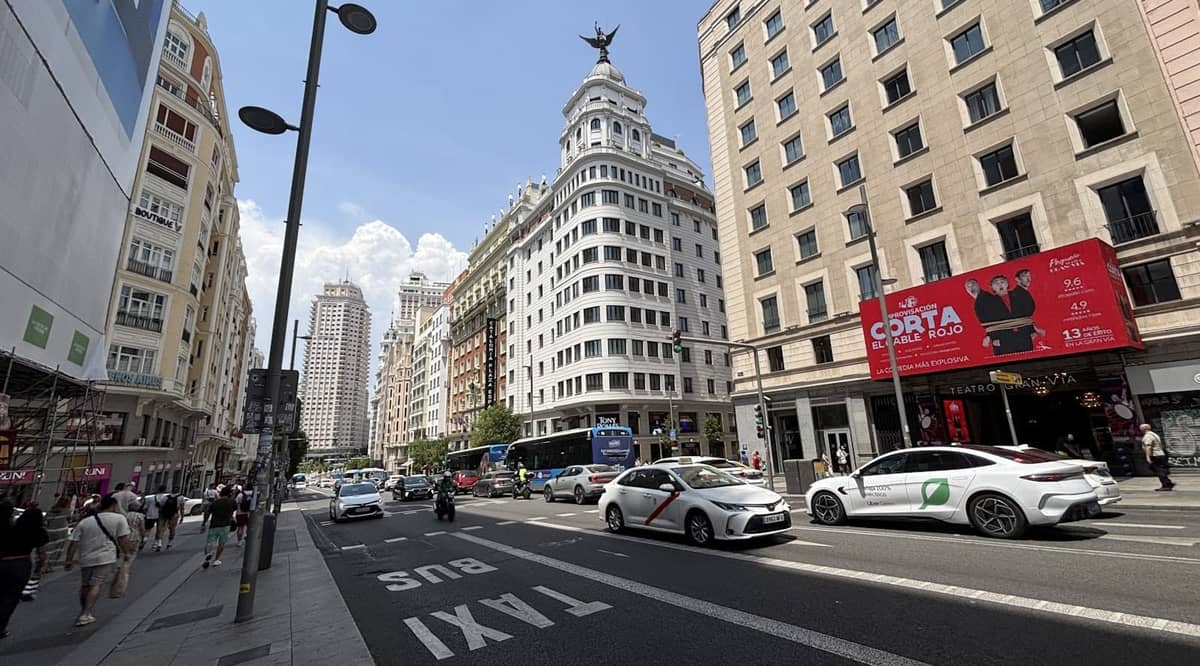
Official Madrid taxis are white with a red diagonal stripe and a light-up 'TAXI' sign. They operate on regulated meters, with different tariff rates for daytime, nighttime, weekends, and public holidays. Supplements apply for luggage, the airport, and certain zones. You can hail taxis on the street, find them at taxi ranks throughout the city, or book via the official Tele-Taxi app. For most central journeys, fares are reasonable — a trip from Sol to Chamberí, for example, would typically cost under €10.
Uber, Cabify, and Bolt all operate legally in Madrid. They're useful when taxi availability is low (major event nights, New Year's Eve, etc.) or when you want upfront pricing. Be aware that during peak demand — after large events at Santiago Bernabéu or on weekend nights in Malasaña — surge pricing on ride-hailing apps can push prices well above what a metered taxi would charge. In those scenarios, a street taxi is often cheaper.
Madrid also has a public bicycle sharing scheme (BiciMAD) and multiple private e-scooter operators. These work well for short flat stretches in the center but are less practical in hillier western neighborhoods near Moncloa-Argüelles. Walking remains the most rewarding way to explore the historic core — many of Madrid's most interesting streets are pedestrianized or traffic-restricted.
💡 Local tip
If you plan to visit If you plan to visit Toledo, Segovia, or other nearby destinations, the Cercanías and long-distance AVE trains depart from Madrid Atocha and Madrid Chamartín. Both stations are metro-accessible. Check the Renfe website for schedules and advance ticket prices — high-speed trains to Seville and Valencia sell out quickly on weekends., the Cercanías and long-distance AVE trains depart from Madrid Atocha and Madrid Chamartín. Both stations are metro-accessible. Check the Renfe website for schedules and advance ticket prices — high-speed trains to Seville and Valencia sell out quickly on weekends.
FAQ
What is the Madrid airport code?
The IATA code for Madrid's main airport is MAD. The full official name is Adolfo Suárez Madrid-Barajas Airport, commonly referred to as Madrid-Barajas or simply Barajas. It is located approximately 12 km northeast of the city center in the Barajas district.
How do I get from Madrid airport to the city center?
The most popular option is Metro Line 8, which connects Terminals 1-2-3 and Terminal 4 to Nuevos Ministerios in about 25-30 minutes for around €4.50-5.00 (including the mandatory €3 airport supplement). The 24-hour Airport Express Bus (Exprés Aeropuerto) is better if you arrive after 01:30 when the metro is closed — it runs every 15-20 minutes to Atocha and costs around €5. Official taxis charge regulated fares and are practical for groups or late arrivals with luggage.
Does the Madrid metro run 24 hours?
No. The Madrid Metro operates daily from approximately 06:00 to 01:30. It does not run through the night. After 01:30, the búhos (night bus) network covers the city, with services radiating from Plaza de Cibeles. The Airport Express Bus runs 24 hours and is the best night option for travelers arriving after the metro closes.
What is the best transport pass for tourists in Madrid?
For visits of 3-7 days, a 10-trip combined metro/bus card (Bono 10, loaded onto a Tarjeta Multi card) offers the best value. For visits of a week or more, the Tourist Travel Pass — available for 1, 2, 3, 5, or 7 days of unlimited travel — may be more convenient. If you're under 26 and spending a full month in Madrid, the monthly Abono Joven is significantly cheaper than any tourist pass.
Is it easy to get around Madrid without a car?
Yes — in fact, a car is a disadvantage in central Madrid. The Madrid Central low-emission zone restricts most non-resident vehicles from the historic core, parking is expensive and scarce, and the public transport network covers all major sights. The metro, EMT buses, and a willingness to walk will get you everywhere you need to go. A car only becomes useful for day trips to rural Castile or specific hiking destinations outside the metro area.