Best Museums in Madrid: The Complete Guide to the City's Greatest Collections
Madrid is one of Europe's great museum cities. The Prado, Reina Sofía, and Thyssen-Bornemisza alone would justify a week, but the city also hides royal convents, Goya frescoes, and lavish private palaces that most visitors never find. This guide covers every museum worth your time, with practical advice on free hours, passes, and crowd strategy.
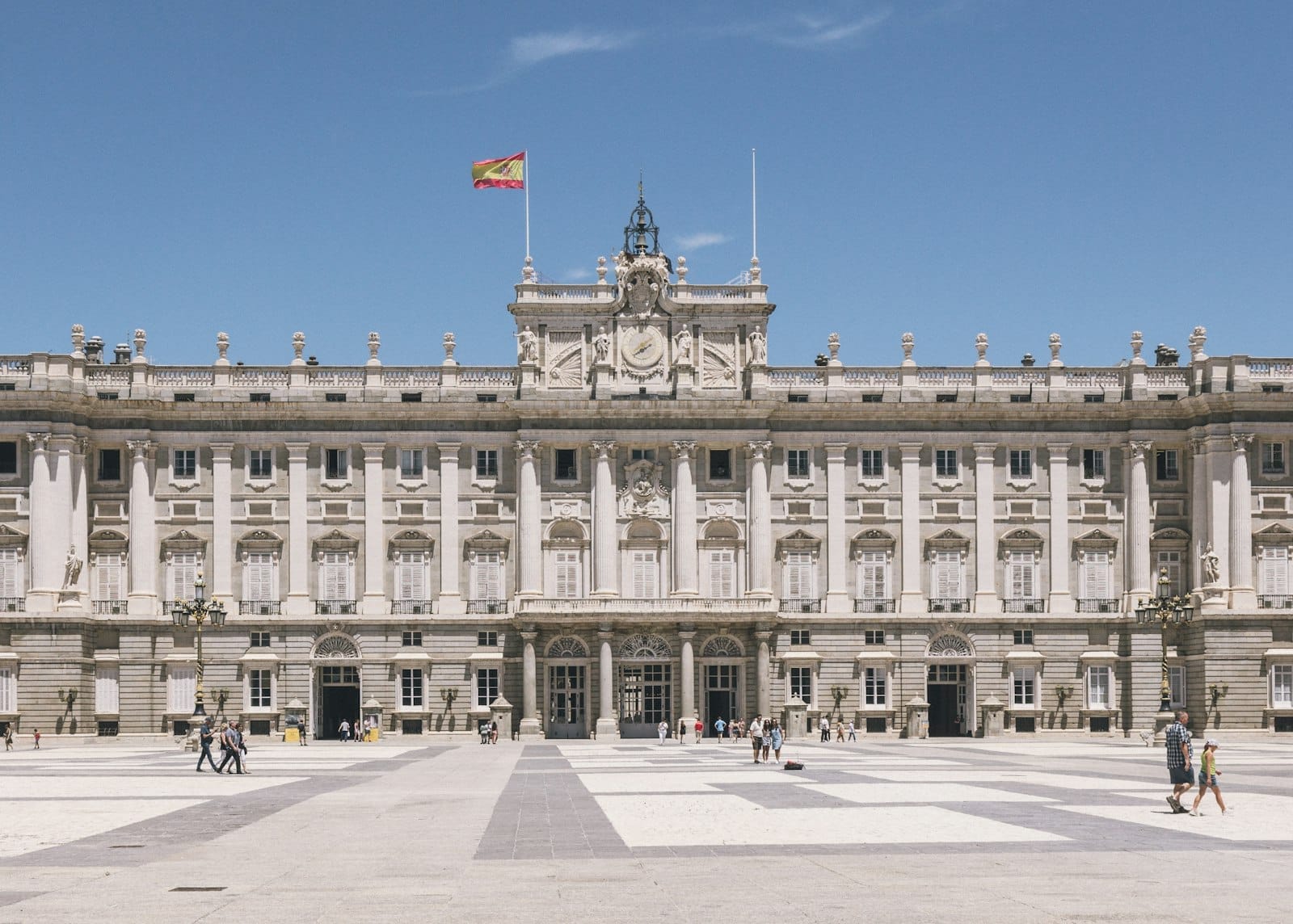
Plan and book this trip
Tools from our partner Travelpayouts help you compare flights and hotels. If you book through them, we may earn a commission at no extra cost to you.
Flights
Hotels map
Madrid's museum density is extraordinary. The city's cultural offerings are anchored by the world-famous Art Triangle along the Paseo del Prado, but the real depth lies beyond those three giants. Whether you're spending a long weekend or a full week, this guide is organized to help you plan your time intelligently, starting with the unmissable and working outward to the rewarding surprises. If you're building an itinerary, the 3-day Madrid itinerary covers how to sequence the Art Triangle efficiently. For travelers watching their budget, many of these museums offer free entry windows, covered in detail in the free things to do in Madrid guide.
✨ Pro tip
The Paseo del Arte Card (around €32-33) grants one visit each to the Prado, Reina Sofía, and Thyssen-Bornemisza. Buy it via the Prado or Thyssen official websites. For free entry, go to the Prado Mon-Sat 18:00-20:00 and Sun 17:00-19:00, Reina Sofía Mon-Sat 19:00-21:00 and Sun 12:30-14:30, and Thyssen on Mondays 12:00-16:00. Arrive 30 minutes early for free slots to avoid queues.
The Art Triangle: Madrid's Three World-Class Museums
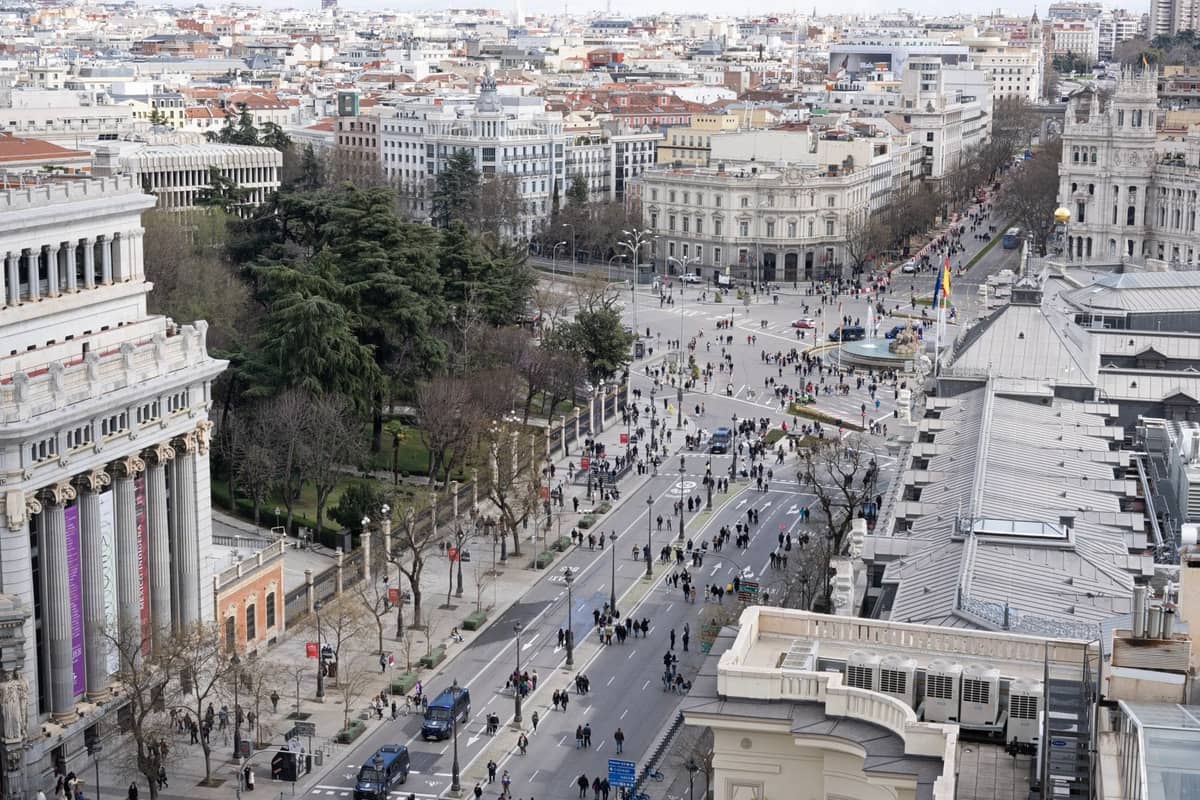
The Retiro and Paseo del Prado corridor contains three of the finest art museums in Europe within a 10-minute walk of each other. Together they cover Western art from the 13th century to the late 20th century with almost no gaps. Budget at least half a day for the Prado alone, and a full day if you're serious about art. The Reina Sofía and Thyssen each need two to three hours done properly.
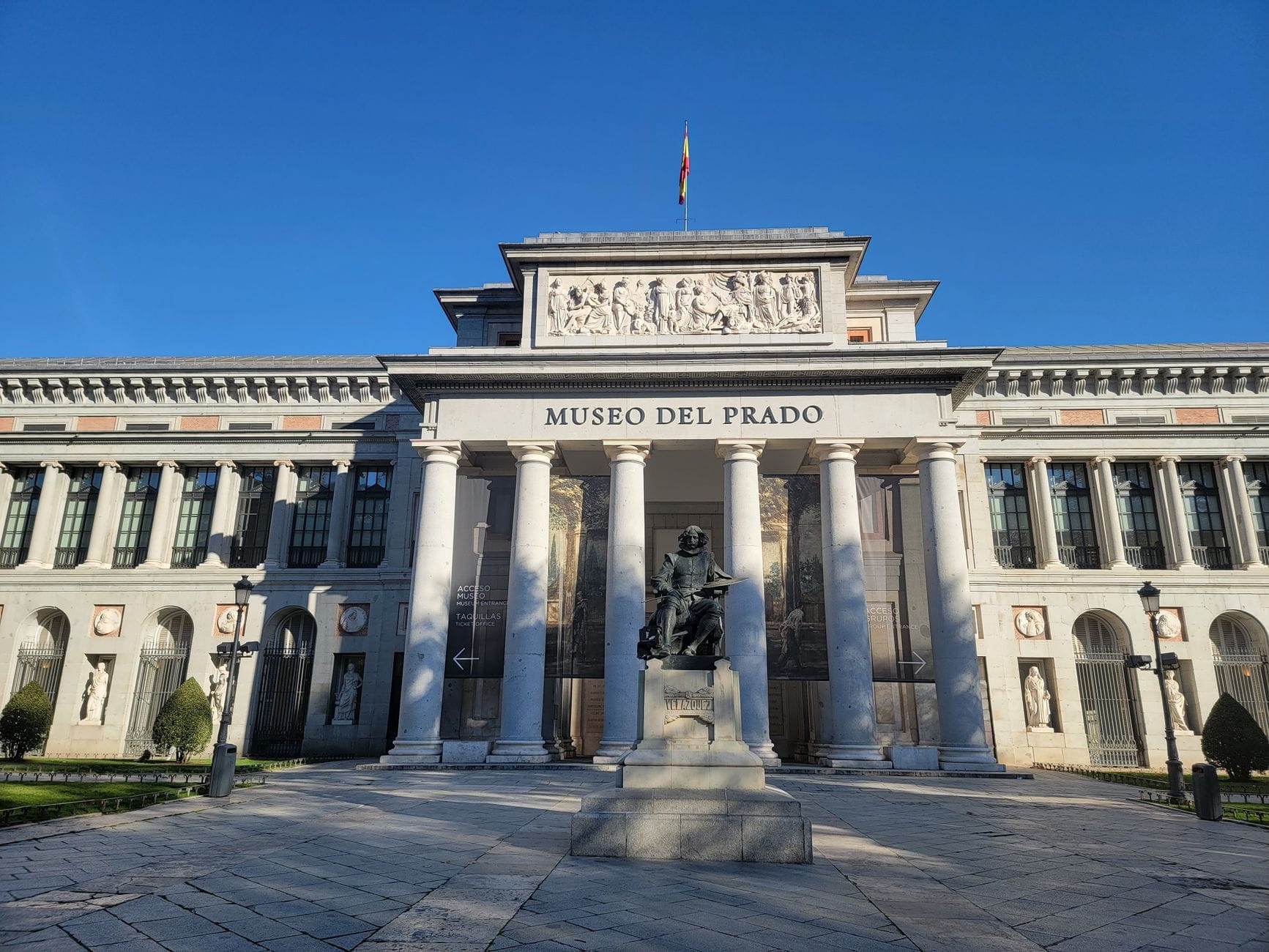
1. Stand Before Las Meninas and Goya's Black Paintings at the Prado
Spain's greatest museum and one of the world's finest, the Prado holds Velázquez's Las Meninas, an entire room of Goya's haunting Black Paintings, and masterworks by El Greco, Rubens, and Titian. Plan at least 3 hours. Free entry Mon-Sat 18:00-20:00.
Explore1. Stand Before Las Meninas and Goya's Black Paintings at the Prado
Spain's greatest museum and one of the world's finest, the Prado holds Velázquez's Las Meninas, an entire room of Goya's haunting Black Paintings, and masterworks by El Greco, Rubens, and Titian. Plan at least 3 hours. Free entry Mon-Sat 18:00-20:00.
Explore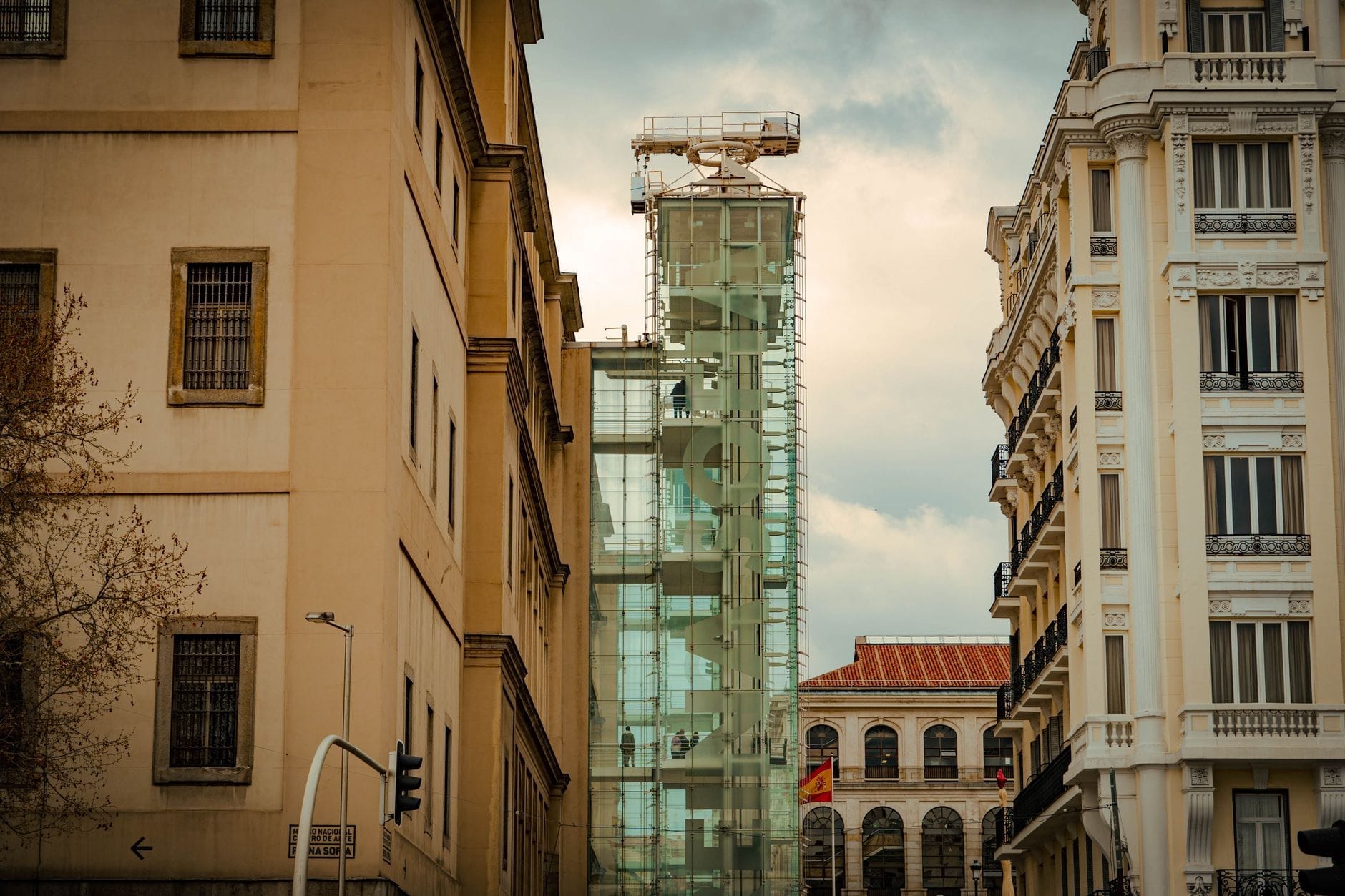
2. See Picasso's Guernica at the Reina Sofía
Guernica alone is worth the visit, but the Reina Sofía also holds major Dalí and Miró collections across a converted 18th-century hospital. The Jean Nouvel extension adds striking modern gallery space. Free Mon-Sat 19:00-21:00 and Sunday 12:30-14:30.
Explore2. See Picasso's Guernica at the Reina Sofía
Guernica alone is worth the visit, but the Reina Sofía also holds major Dalí and Miró collections across a converted 18th-century hospital. The Jean Nouvel extension adds striking modern gallery space. Free Mon-Sat 19:00-21:00 and Sunday 12:30-14:30.
Explore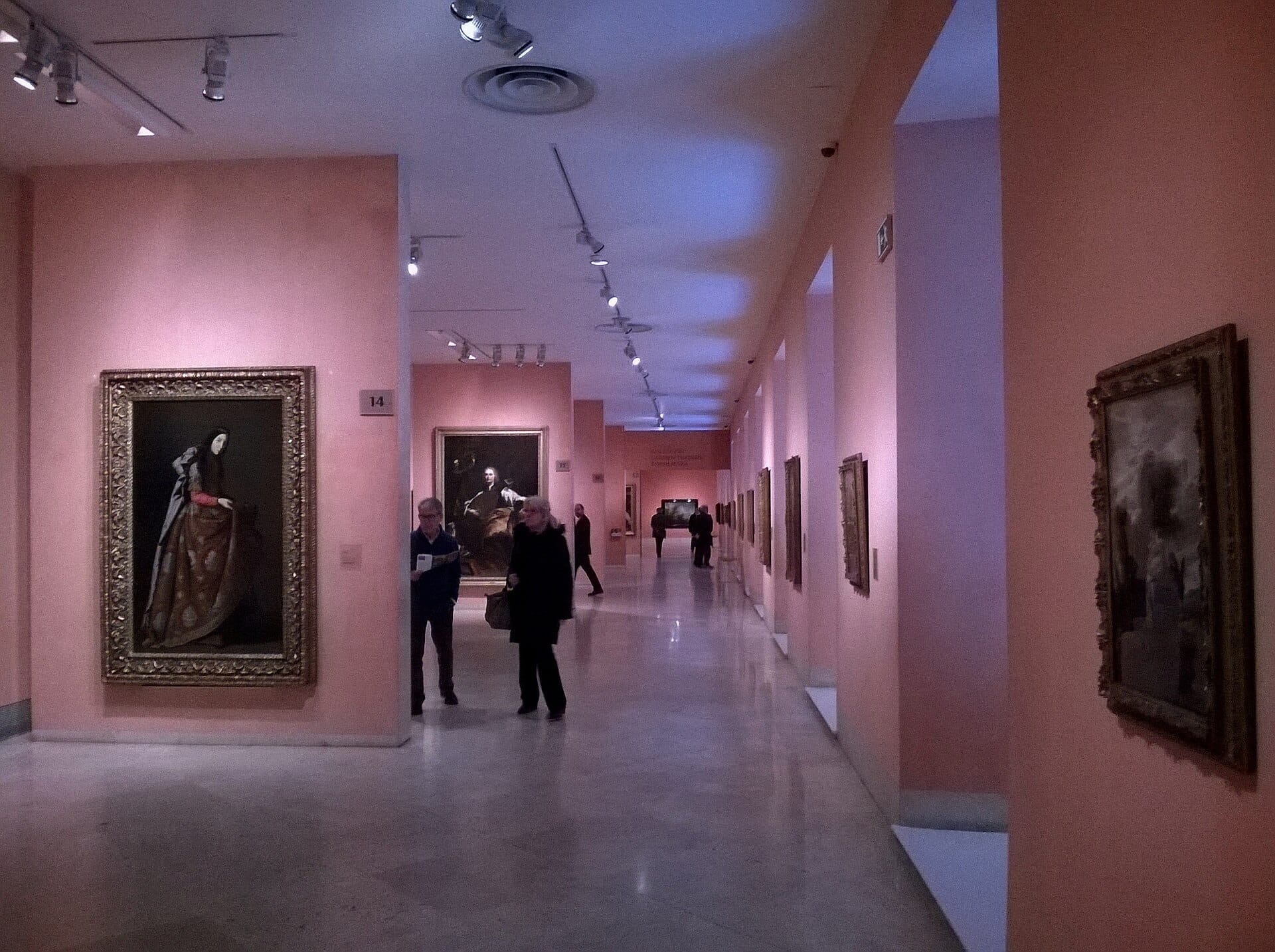
3. Survey 700 Years of Western Art at the Thyssen-Bornemisza
The Thyssen bridges the Prado's Old Masters and the Reina Sofía's modernism, with outstanding Impressionist, Expressionist, and early American works. Its collection is uniquely broad. Free on Mondays 12:00-16:00 and Saturday nights 21:00-23:00.
Explore3. Survey 700 Years of Western Art at the Thyssen-Bornemisza
The Thyssen bridges the Prado's Old Masters and the Reina Sofía's modernism, with outstanding Impressionist, Expressionist, and early American works. Its collection is uniquely broad. Free on Mondays 12:00-16:00 and Saturday nights 21:00-23:00.
Explore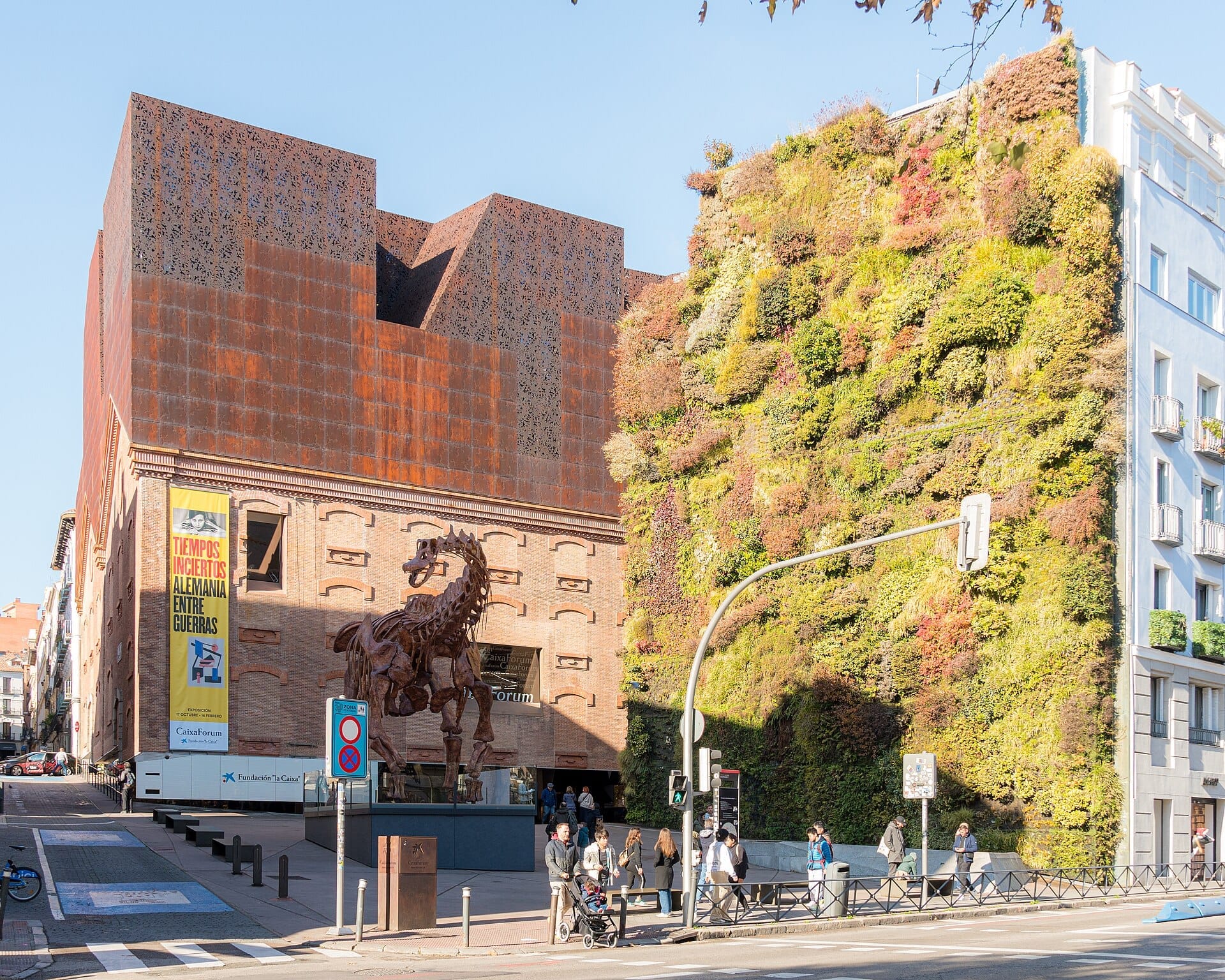
4. Catch World-Class Temporary Exhibitions at CaixaForum
Steps from the Prado, CaixaForum hosts consistently excellent art and culture exhibitions in a converted 1899 power station. Its vertical garden by botanist Patrick Blanc is a work of art in itself. A great complement to a Prado visit, and entry is affordable.
Explore4. Catch World-Class Temporary Exhibitions at CaixaForum
Steps from the Prado, CaixaForum hosts consistently excellent art and culture exhibitions in a converted 1899 power station. Its vertical garden by botanist Patrick Blanc is a work of art in itself. A great complement to a Prado visit, and entry is affordable.
ExploreRoyal and Historic Museums
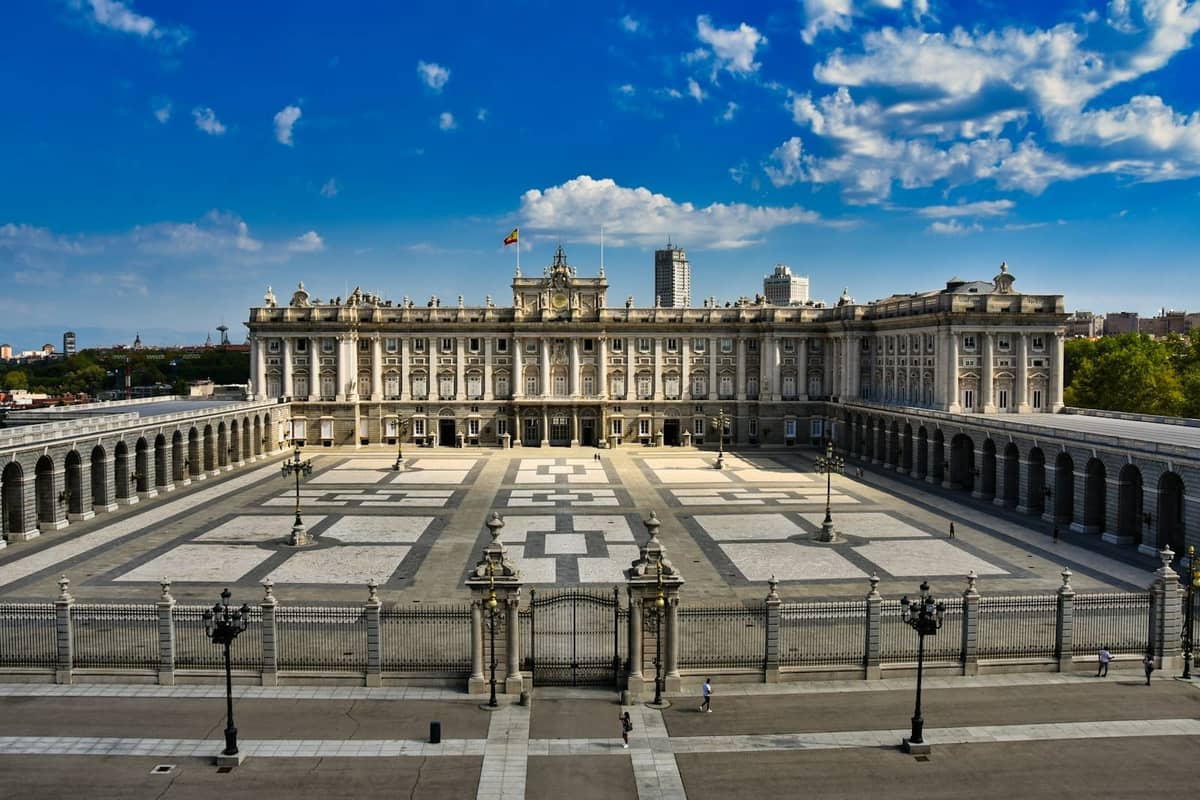
Madrid's royal heritage produced a staggering number of art-filled palaces, convents, and ceremonial spaces that function as museums today. Most cluster in the Sol and Centro district, within walking distance of each other and the Royal Palace. These are among the most atmospheric museum experiences in the city, especially the Descalzas Reales, which genuinely surprises visitors who stumble in expecting a minor sight.
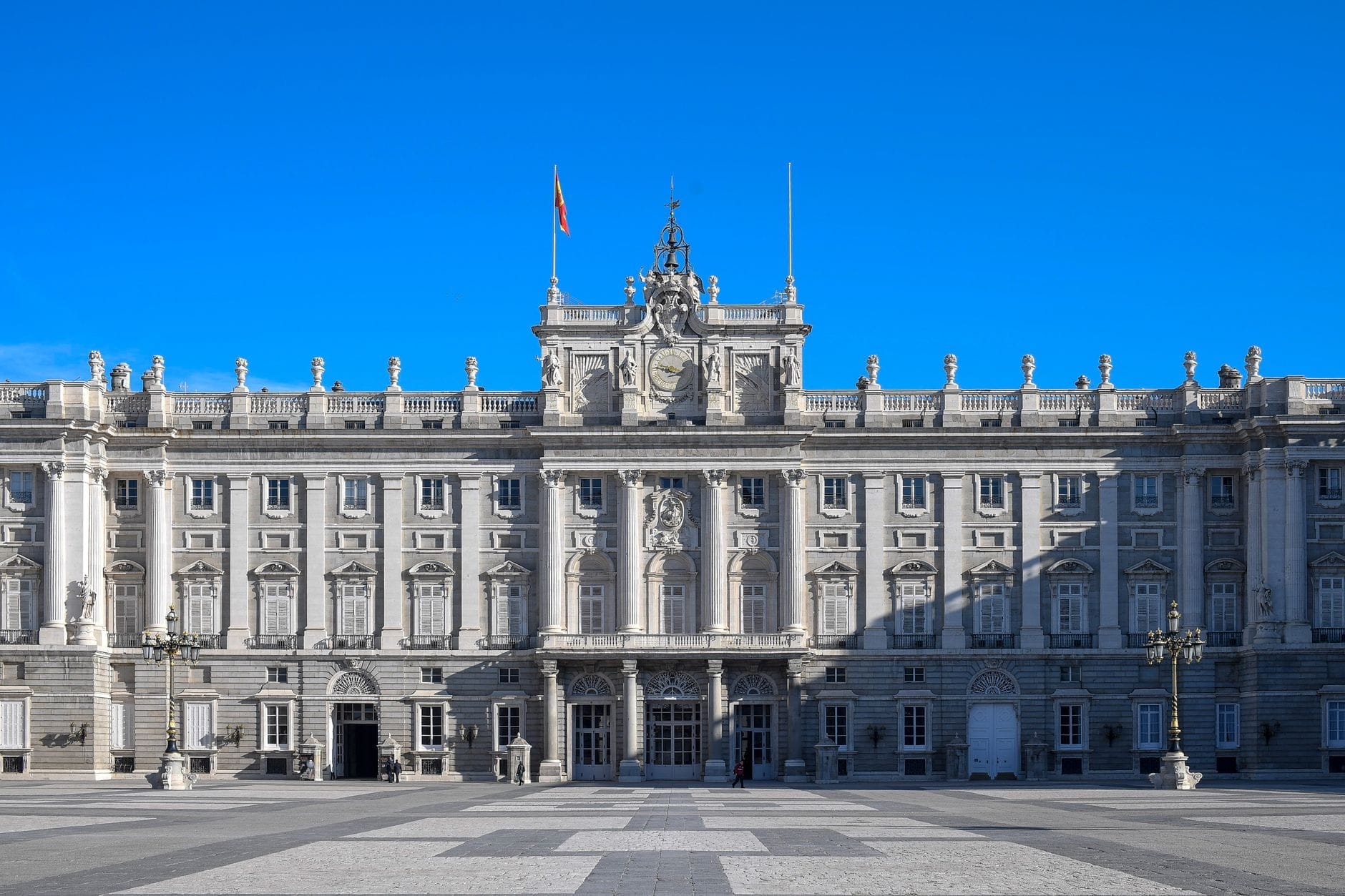
5. Tour the Largest Royal Palace in Western Europe
The Royal Palace's 3,418 rooms contain extraordinary tapestry collections, royal armor, Goya portraits, and opulent state apartments. Only a portion opens to visitors, but it still takes 2 hours minimum. Book timed tickets online to avoid long queues at the door.
Explore5. Tour the Largest Royal Palace in Western Europe
The Royal Palace's 3,418 rooms contain extraordinary tapestry collections, royal armor, Goya portraits, and opulent state apartments. Only a portion opens to visitors, but it still takes 2 hours minimum. Book timed tickets online to avoid long queues at the door.
Explore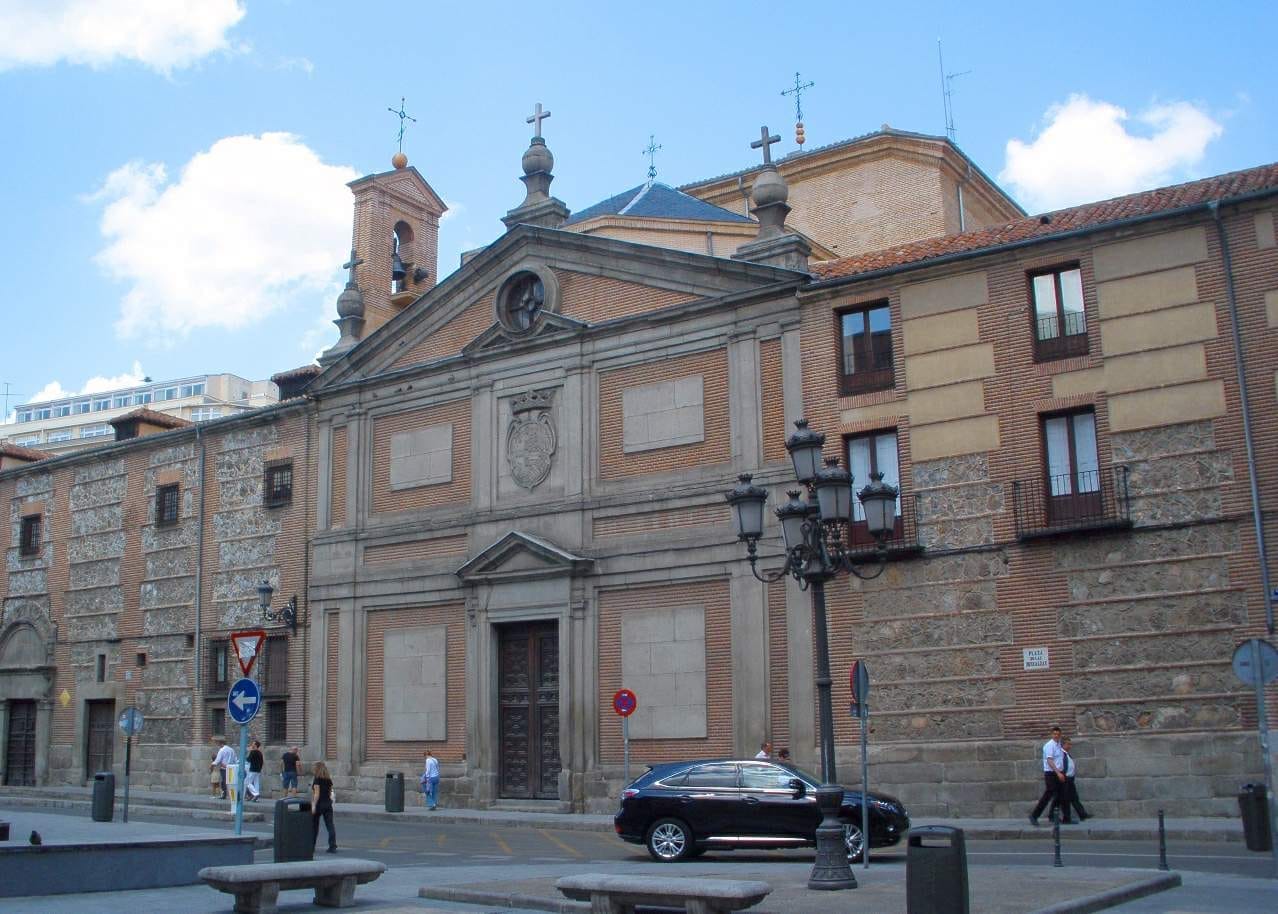
6. Discover the Convent Full of Royal Art Treasures at Descalzas Reales
A 16th-century royal convent still inhabited by Franciscan nuns, hiding one of Madrid's most extraordinary collections: Flemish tapestries, paintings by Rubens and Titian, and centuries of royal gifts. Entry is by guided tour only, in small groups. Absolutely unmissable.
Explore6. Discover the Convent Full of Royal Art Treasures at Descalzas Reales
A 16th-century royal convent still inhabited by Franciscan nuns, hiding one of Madrid's most extraordinary collections: Flemish tapestries, paintings by Rubens and Titian, and centuries of royal gifts. Entry is by guided tour only, in small groups. Absolutely unmissable.
Explore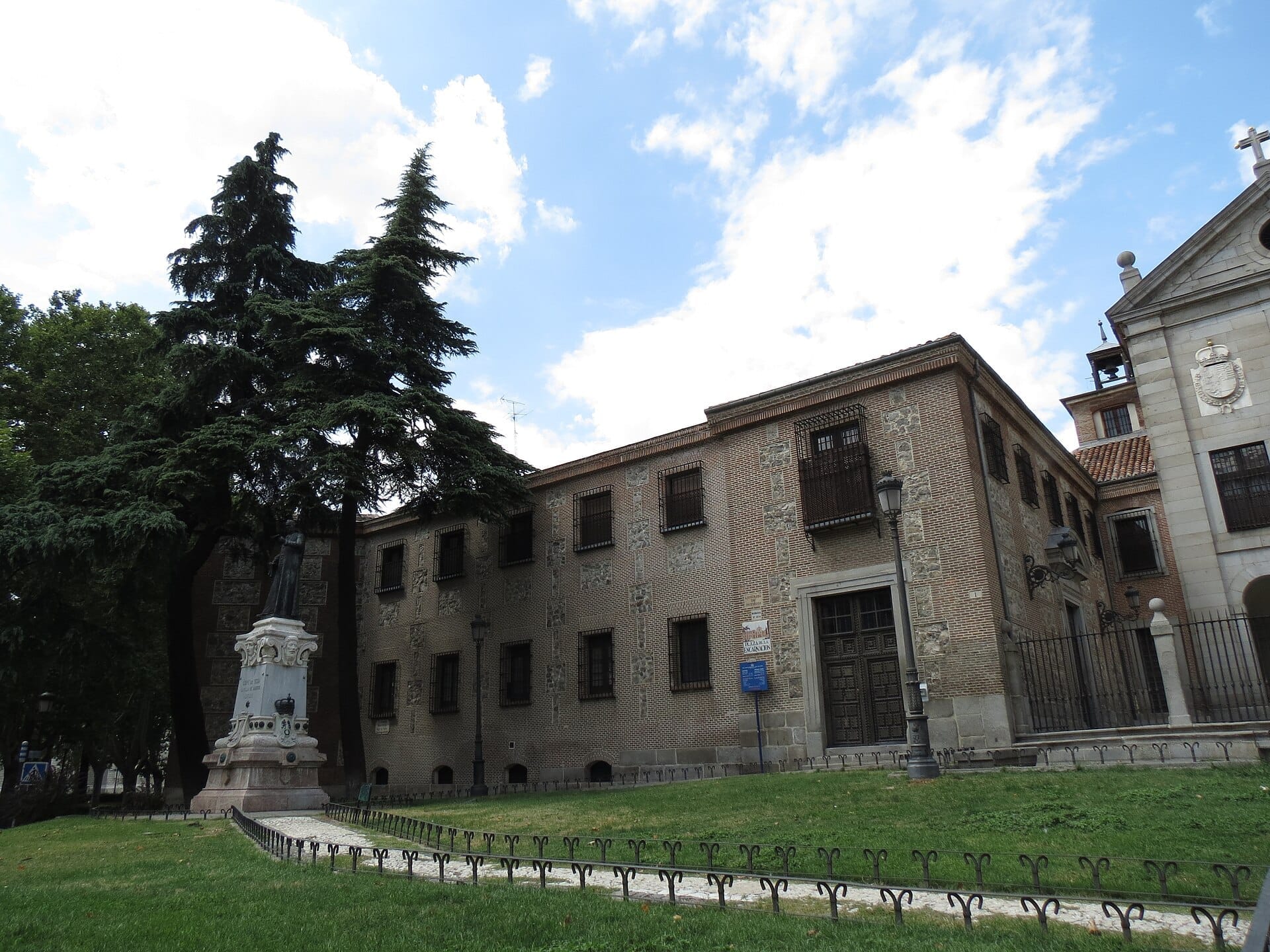
7. Explore the Baroque Art and Relics of the Monastery of the Incarnation
A 17th-century royal convent minutes from the Royal Palace, containing one of Spain's finest Baroque sculpture collections and a remarkable reliquary room. Far less visited than the Descalzas Reales, making it one of the most peaceful and rewarding museum experiences in the city center.
Explore7. Explore the Baroque Art and Relics of the Monastery of the Incarnation
A 17th-century royal convent minutes from the Royal Palace, containing one of Spain's finest Baroque sculpture collections and a remarkable reliquary room. Far less visited than the Descalzas Reales, making it one of the most peaceful and rewarding museum experiences in the city center.
Explore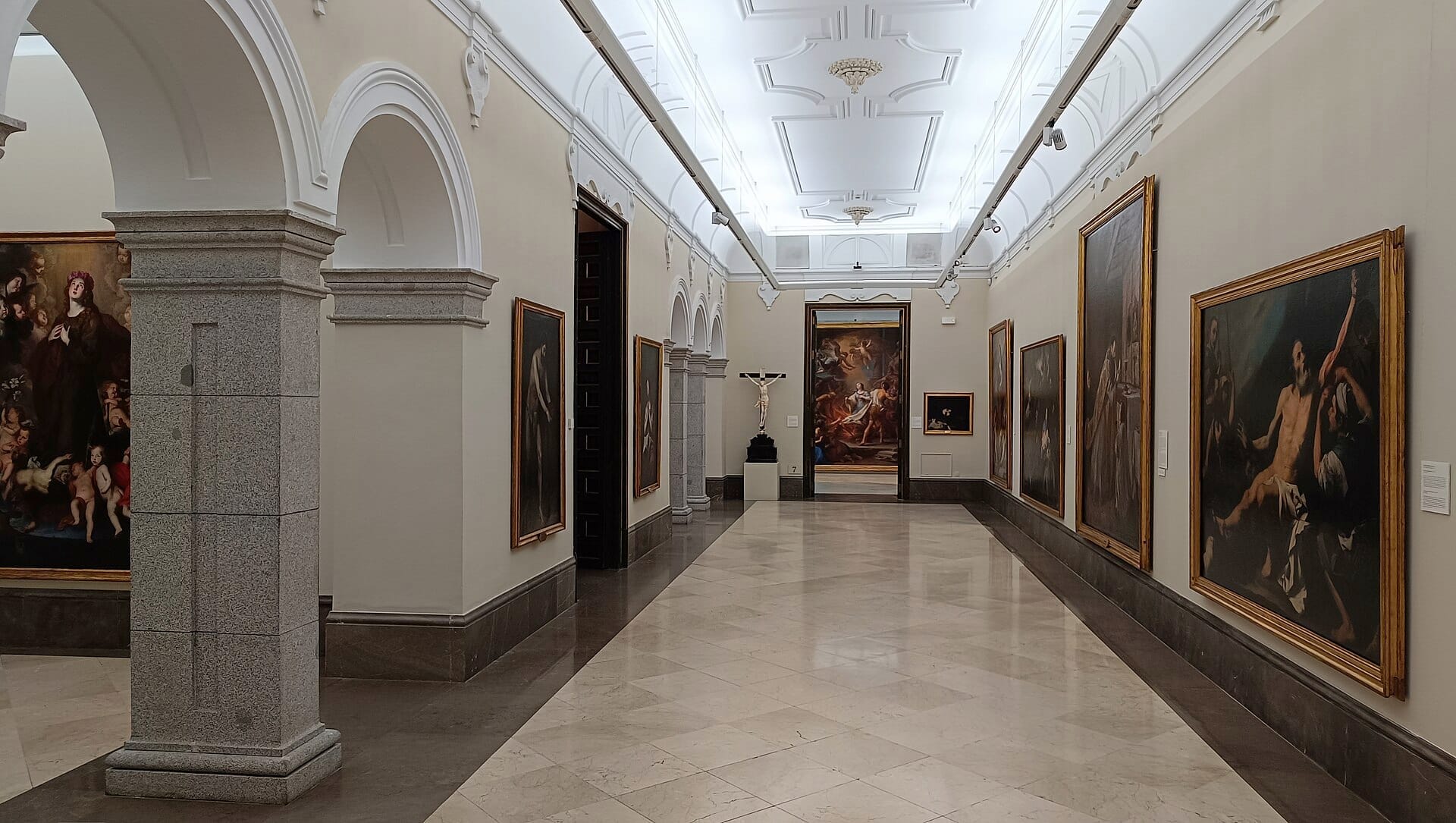
8. Find a Velázquez and Goya Works at the Royal Academy of Fine Arts
This underrated 18th-century palace on Calle de Alcalá holds works by Goya, Velázquez, Zurbarán, and Rubens, with almost no crowds. Goya was a director of this institution. It's one of Madrid's best-value museums and takes around 90 minutes to appreciate properly.
Explore8. Find a Velázquez and Goya Works at the Royal Academy of Fine Arts
This underrated 18th-century palace on Calle de Alcalá holds works by Goya, Velázquez, Zurbarán, and Rubens, with almost no crowds. Goya was a director of this institution. It's one of Madrid's best-value museums and takes around 90 minutes to appreciate properly.
Explore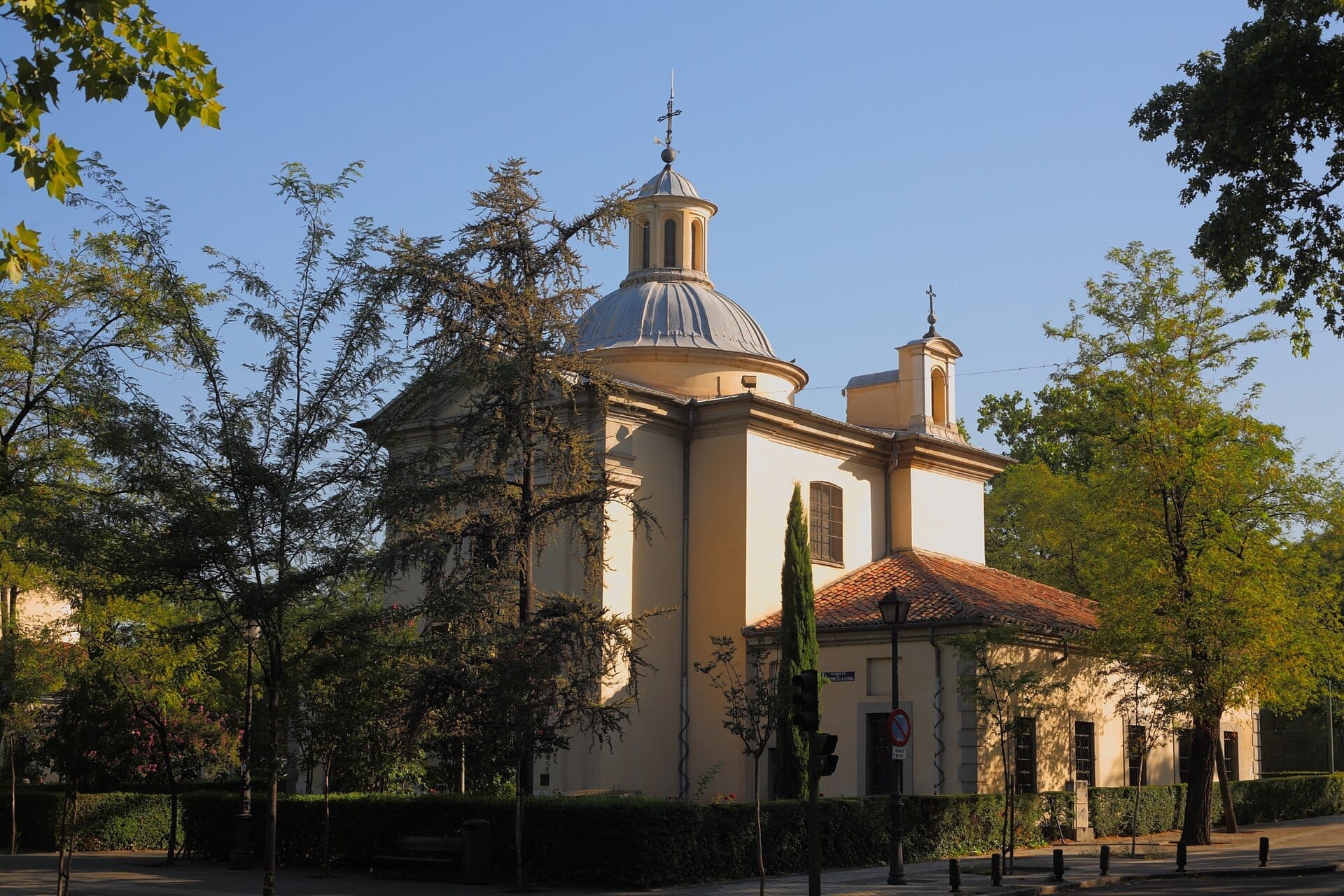
9. See Goya's Greatest Ceiling Frescoes at the Hermitage of San Antonio
Goya painted the entire dome and ceiling of this small neoclassical church in 1798, depicting the miracle of Saint Anthony using contemporary madrileños as his models. Goya is buried here beneath his own masterpiece. Free to enter, rarely crowded, and deeply moving.
Explore9. See Goya's Greatest Ceiling Frescoes at the Hermitage of San Antonio
Goya painted the entire dome and ceiling of this small neoclassical church in 1798, depicting the miracle of Saint Anthony using contemporary madrileños as his models. Goya is buried here beneath his own masterpiece. Free to enter, rarely crowded, and deeply moving.
Explore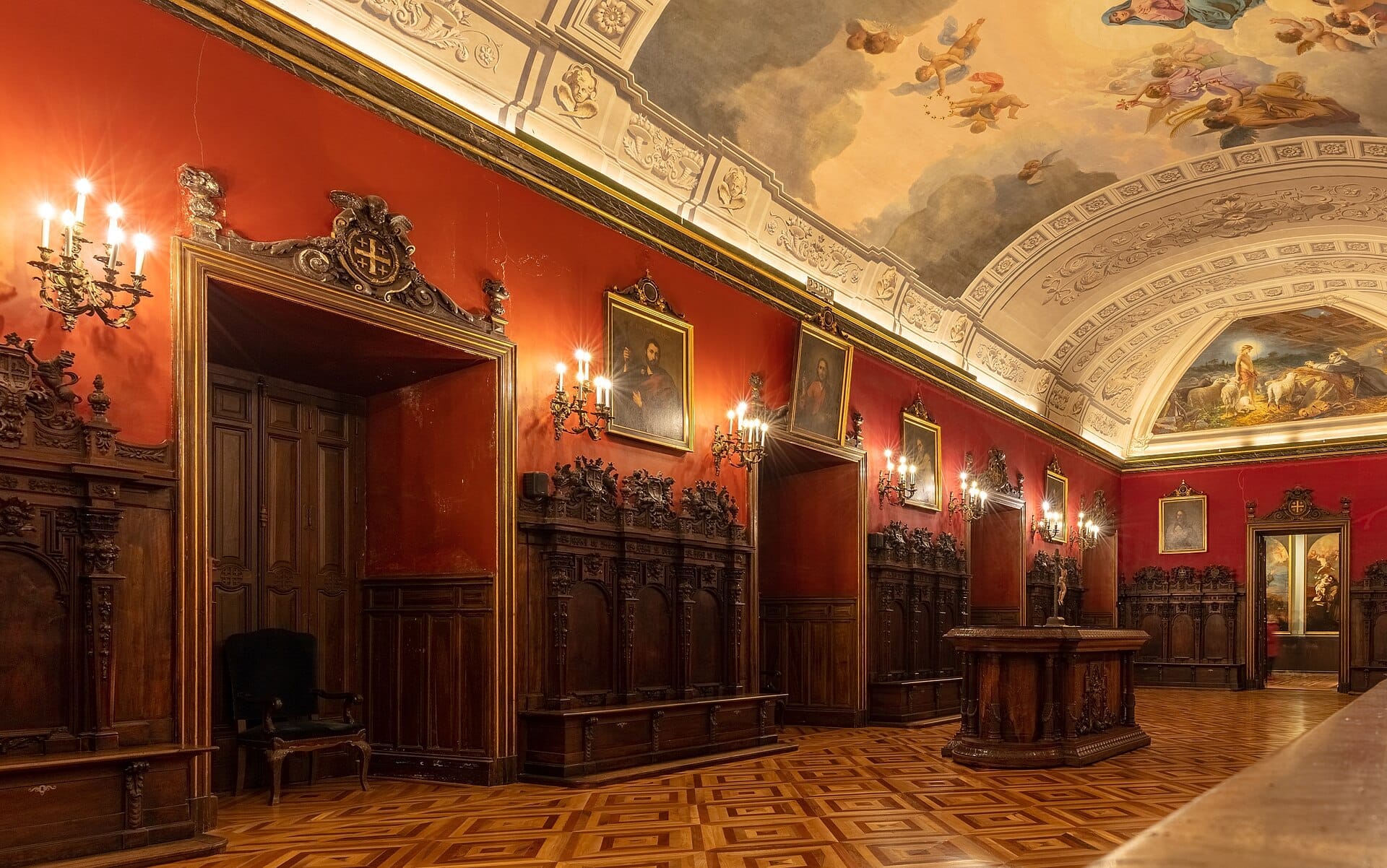
10. See an Early Goya Altarpiece at San Francisco el Grande
One of the world's largest church domes, this 18th-century basilica in La Latina contains an early Goya altarpiece alongside works by Zurbarán. The vast neoclassical interior is extraordinary, and the ornate chapels reward close attention. More museum than church in experience.
Explore10. See an Early Goya Altarpiece at San Francisco el Grande
One of the world's largest church domes, this 18th-century basilica in La Latina contains an early Goya altarpiece alongside works by Zurbarán. The vast neoclassical interior is extraordinary, and the ornate chapels reward close attention. More museum than church in experience.
ExplorePrivate Collections and Palace-Museums
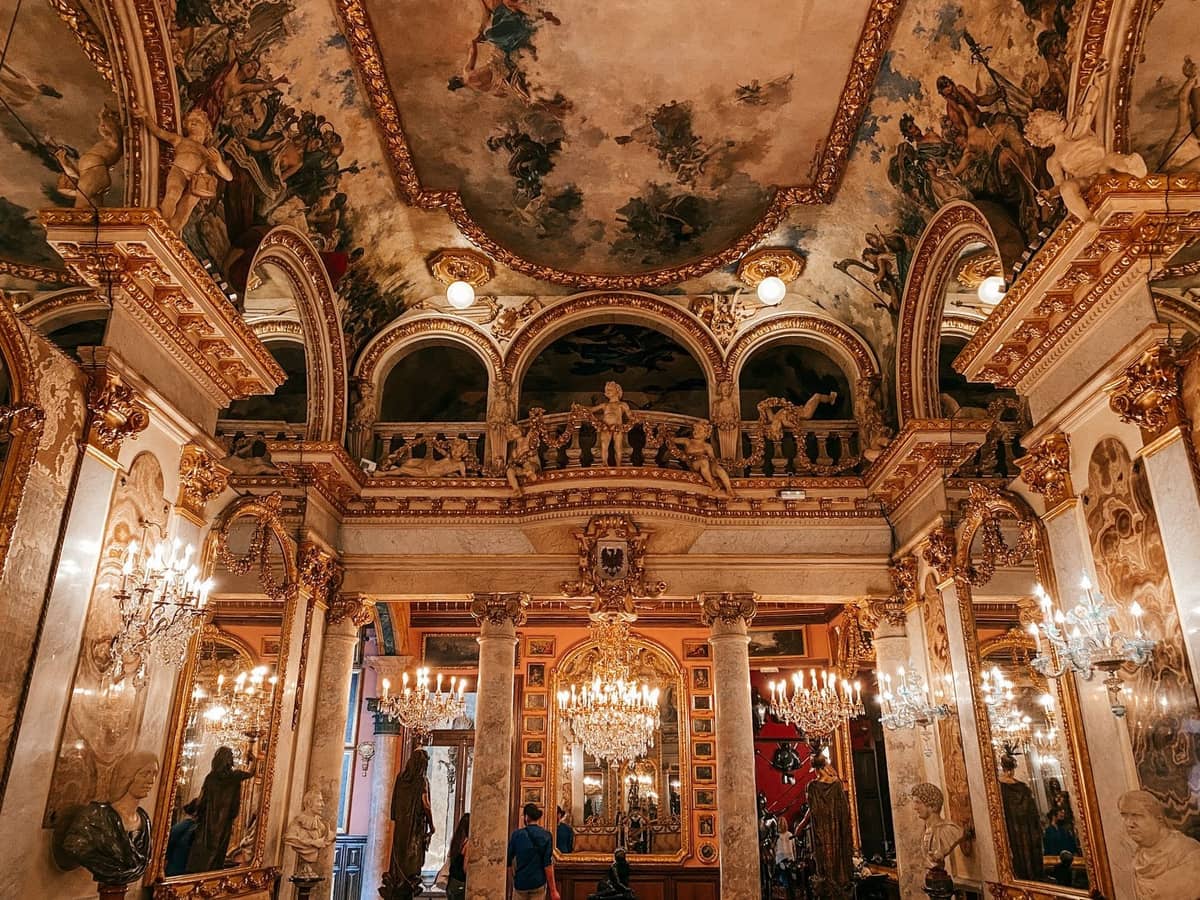
Some of Madrid's finest museum experiences are in early 20th-century palaces that wealthy collectors left to the public. These are the city's best-kept secrets: quieter than the big three, world-class in quality, and often free or very affordable. The Salamanca district holds two of the best within walking distance of each other.
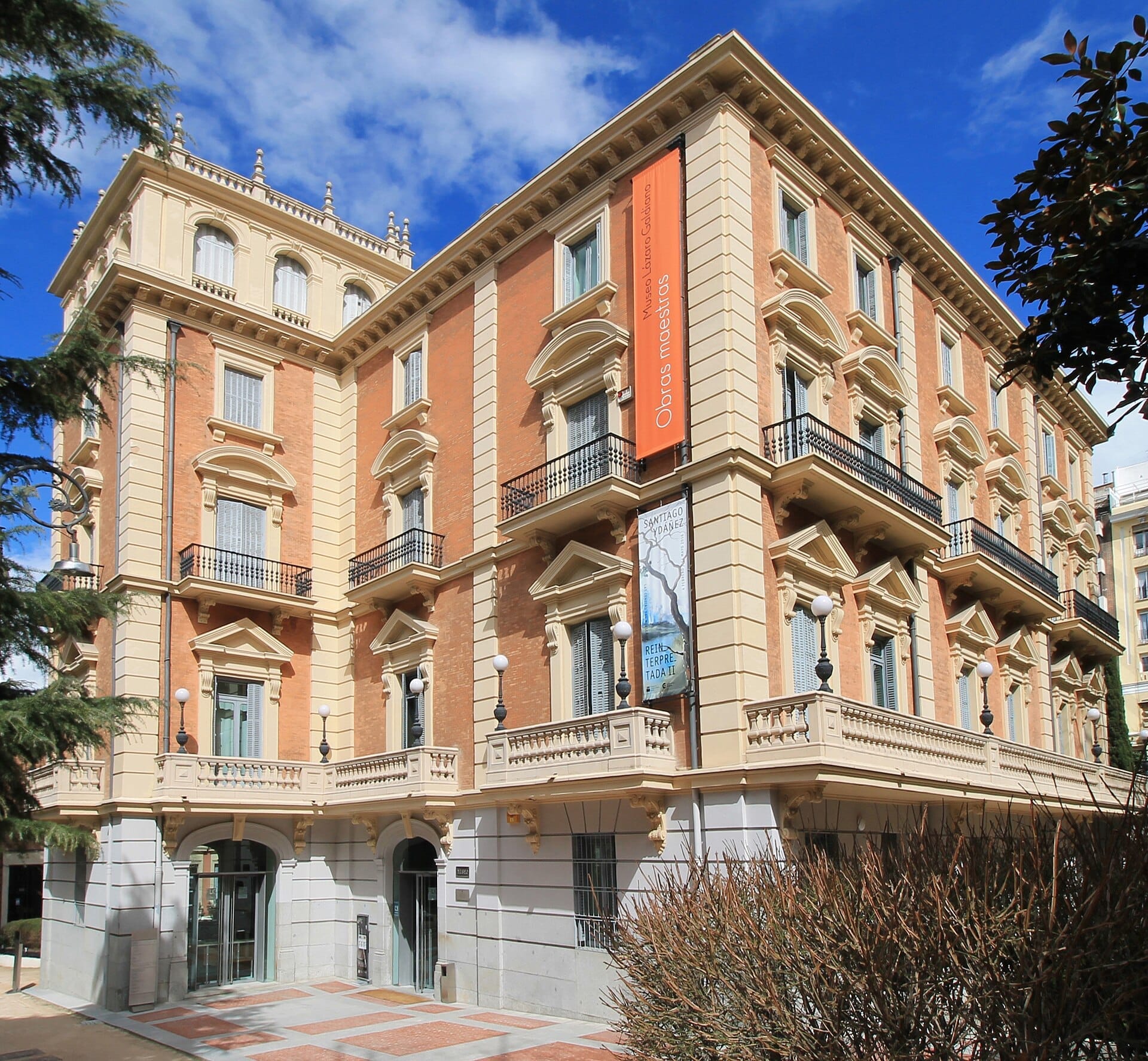
11. Discover 13,000 Objects of European Art at Museo Lázaro Galdiano
A stunning private palace in Salamanca housing Goya, Bosch, El Greco, medieval ivories, clocks, arms, and enamelwork across 30 rooms. One of the most remarkable private collections ever assembled, and one of Madrid's least-known major museums. Almost always quiet.
Explore11. Discover 13,000 Objects of European Art at Museo Lázaro Galdiano
A stunning private palace in Salamanca housing Goya, Bosch, El Greco, medieval ivories, clocks, arms, and enamelwork across 30 rooms. One of the most remarkable private collections ever assembled, and one of Madrid's least-known major museums. Almost always quiet.
Explore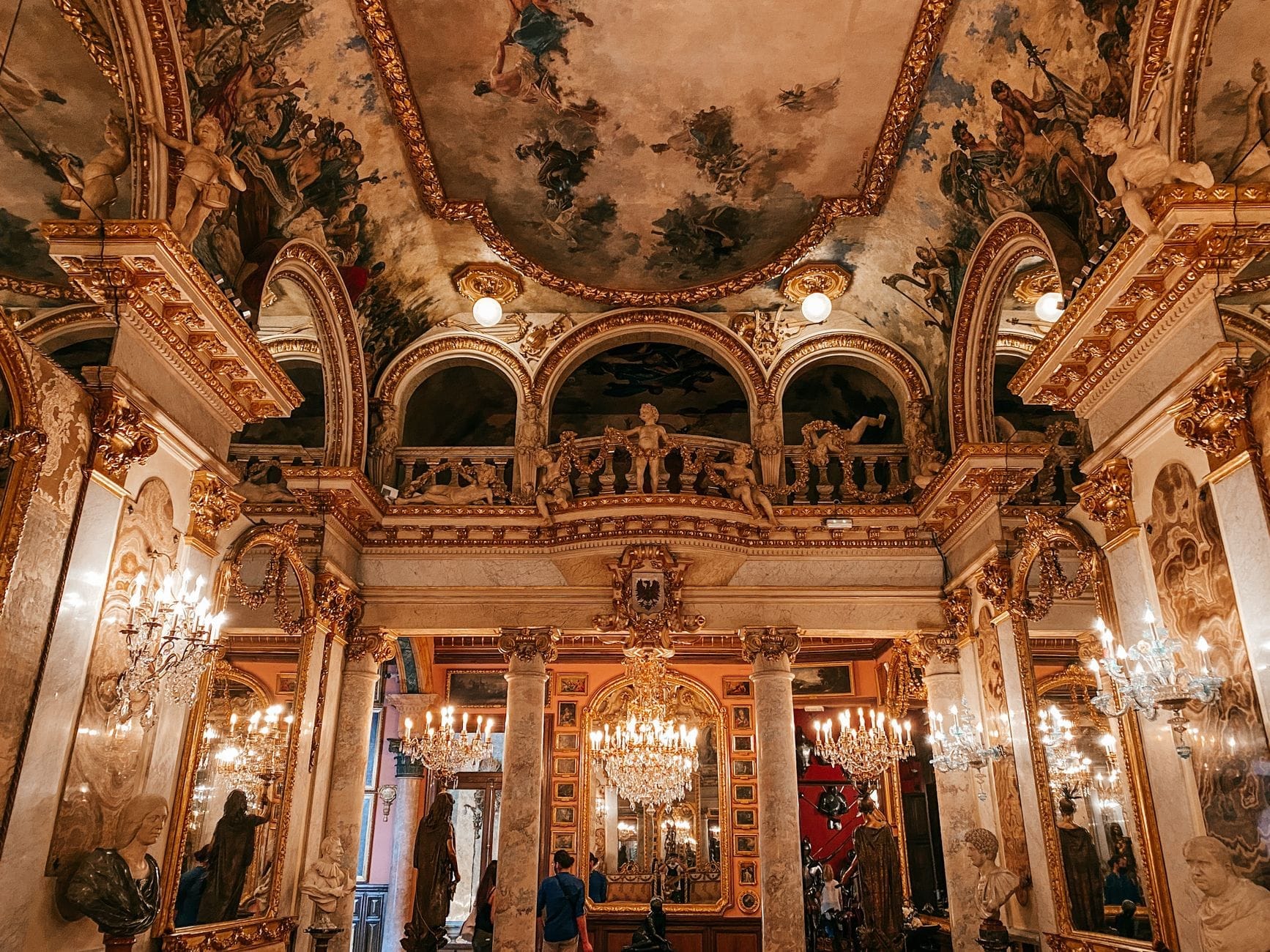
12. Step Into a Preserved 19th-Century Aristocratic Palace at Museo Cerralbo
The Marquis of Cerralbo left his palace and collection intact, and today it's one of Europe's most perfectly preserved aristocratic interiors, with a ballroom, chapel, library, and paintings by El Greco and Zurbarán. Near Plaza de España, almost always crowd-free, and often free to enter.
Explore12. Step Into a Preserved 19th-Century Aristocratic Palace at Museo Cerralbo
The Marquis of Cerralbo left his palace and collection intact, and today it's one of Europe's most perfectly preserved aristocratic interiors, with a ballroom, chapel, library, and paintings by El Greco and Zurbarán. Near Plaza de España, almost always crowd-free, and often free to enter.
Explore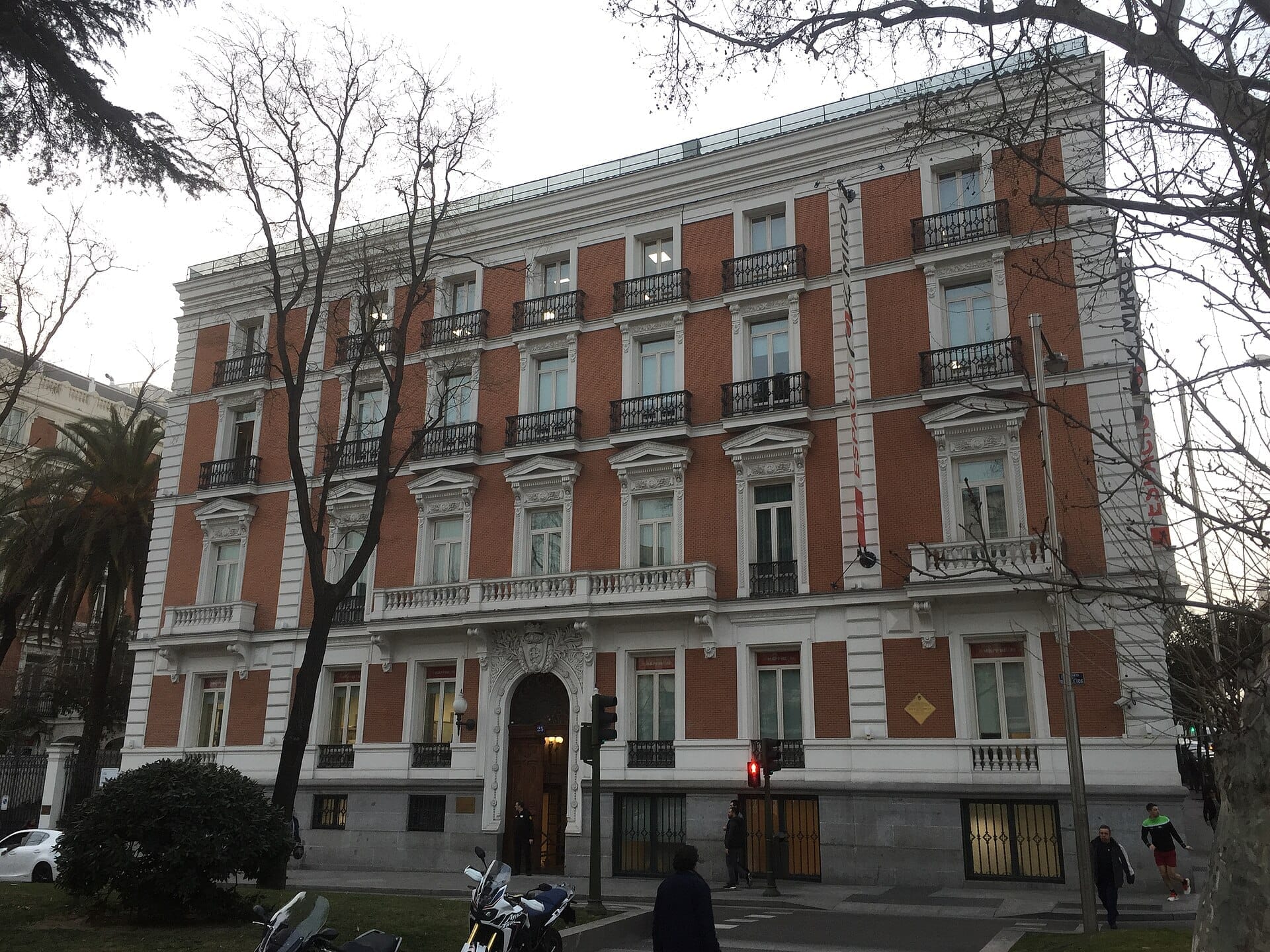
13. See World-Class Photography Exhibitions at Fundación Mapfre
Consistently one of Madrid's best exhibition programs, Fundación Mapfre's Sala Recoletos hosts major retrospectives in photography and fine art in a beautiful early 20th-century building. Entry costs just a few euros, and the quality regularly rivals international institutions. Check ahead for current shows.
Explore13. See World-Class Photography Exhibitions at Fundación Mapfre
Consistently one of Madrid's best exhibition programs, Fundación Mapfre's Sala Recoletos hosts major retrospectives in photography and fine art in a beautiful early 20th-century building. Entry costs just a few euros, and the quality regularly rivals international institutions. Check ahead for current shows.
ExploreHistory, Science, and Specialist Museums
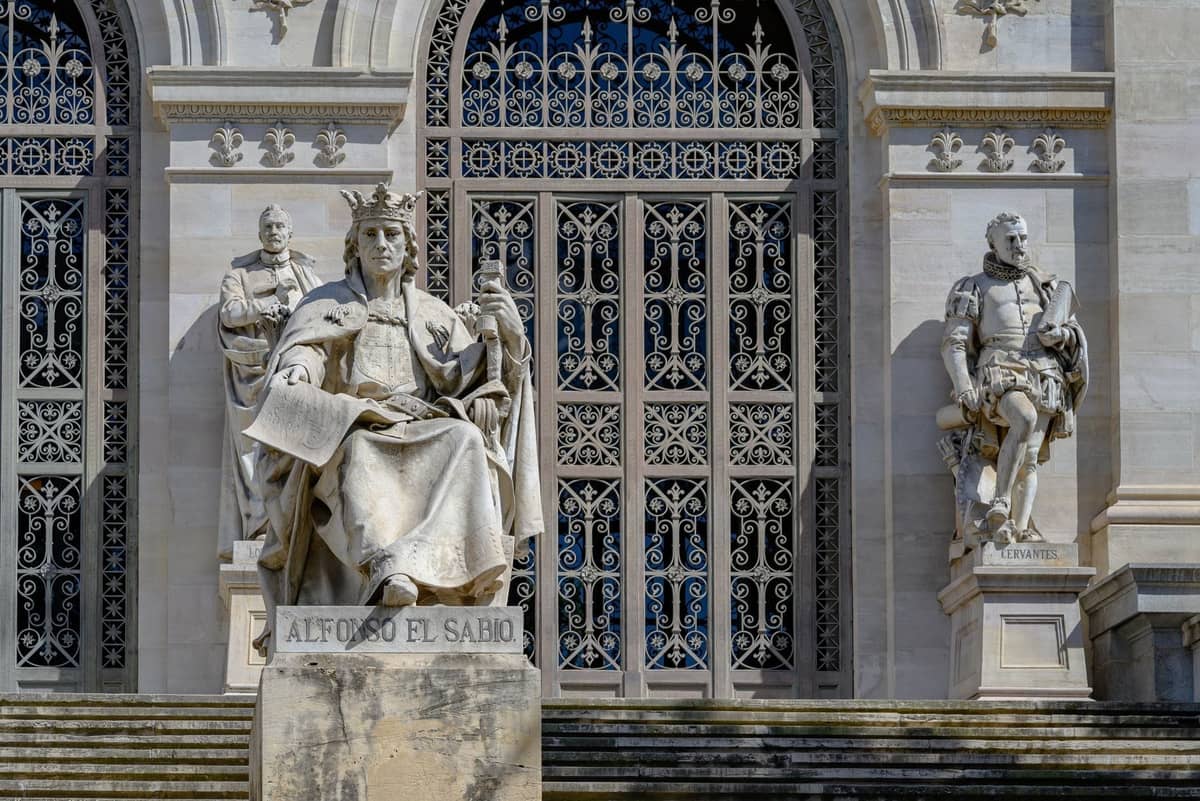
Beyond art, Madrid has excellent museums covering Spanish history, archaeology, natural science, and even railways. These work especially well as a change of pace after multiple days on the Paseo del Prado, or as the focus of a visit built around specific interests. Many are housed in architecturally significant buildings that are worth seeing regardless of content. See also the Madrid architecture guide for context on some of these landmark buildings.
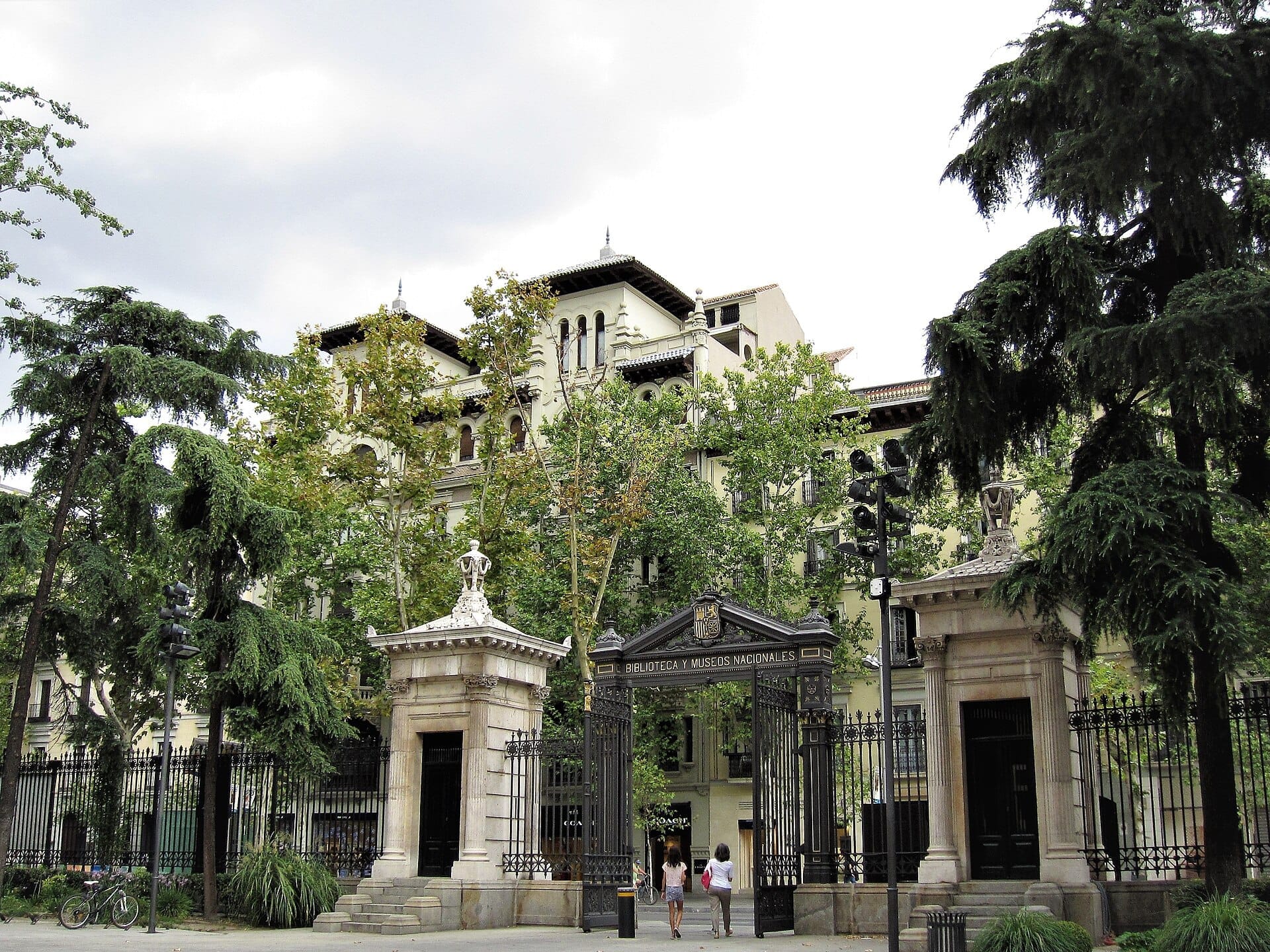
14. Trace 500,000 Years of Iberian History at the National Archaeological Museum
Spain's most important archaeological collection covers prehistoric artifacts, Iberian sculpture, Roman mosaics, and medieval treasures. The Lady of Elche and the Treasure of Guarrazar are highlights. In Salamanca, recently modernized, and well worth 2 hours for anyone interested in deep history.
Explore14. Trace 500,000 Years of Iberian History at the National Archaeological Museum
Spain's most important archaeological collection covers prehistoric artifacts, Iberian sculpture, Roman mosaics, and medieval treasures. The Lady of Elche and the Treasure of Guarrazar are highlights. In Salamanca, recently modernized, and well worth 2 hours for anyone interested in deep history.
Explore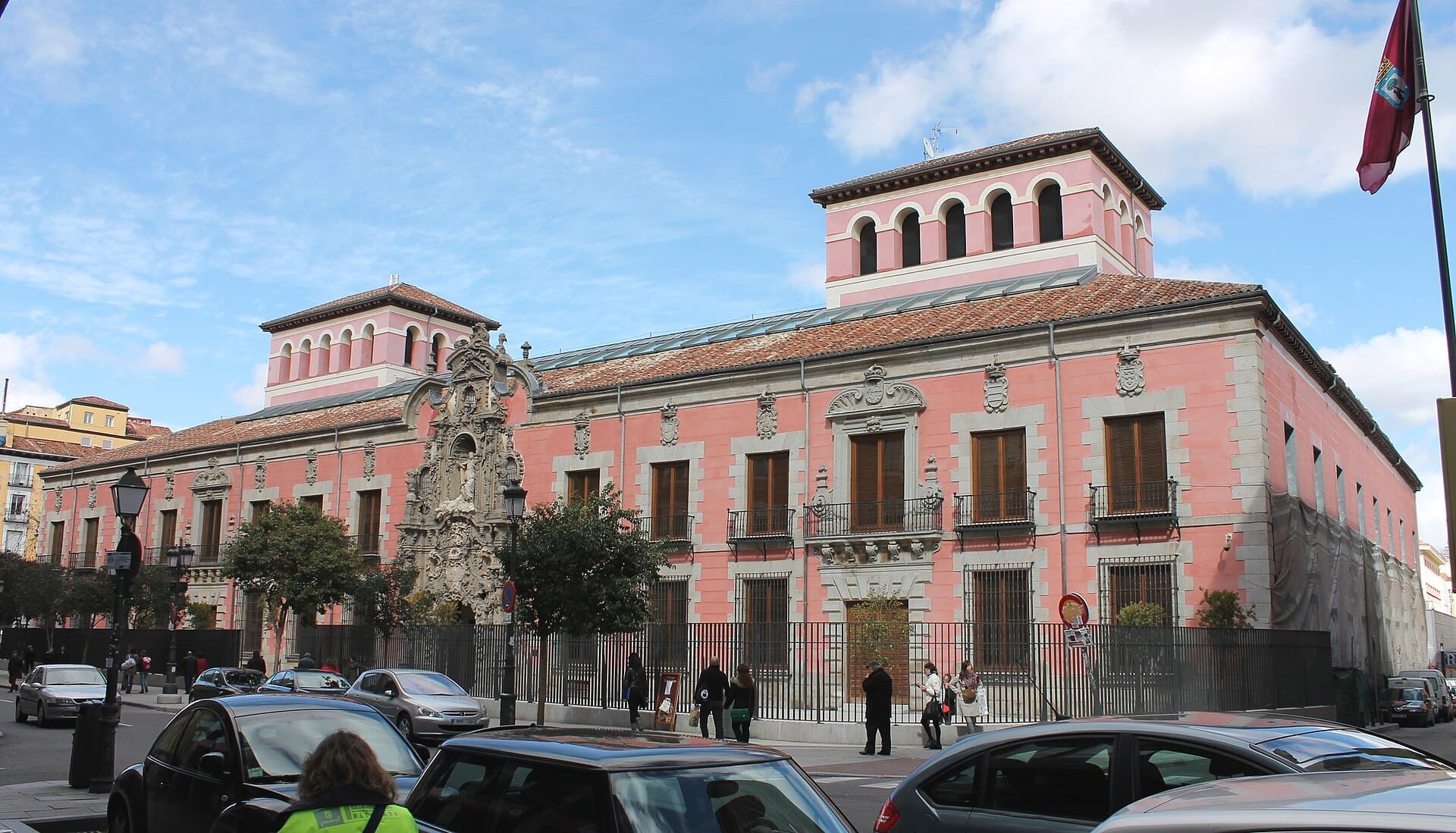
15. Trace Madrid's Urban History at the Museo de Historia
Housed in a former hospice with one of Madrid's most spectacular Baroque doorways, this museum charts the city's evolution through maps, paintings, models, and artifacts. The famous 1830 scale model of Madrid is a standout exhibit. Free to enter and located in the heart of Malasaña.
Explore15. Trace Madrid's Urban History at the Museo de Historia
Housed in a former hospice with one of Madrid's most spectacular Baroque doorways, this museum charts the city's evolution through maps, paintings, models, and artifacts. The famous 1830 scale model of Madrid is a standout exhibit. Free to enter and located in the heart of Malasaña.
Explore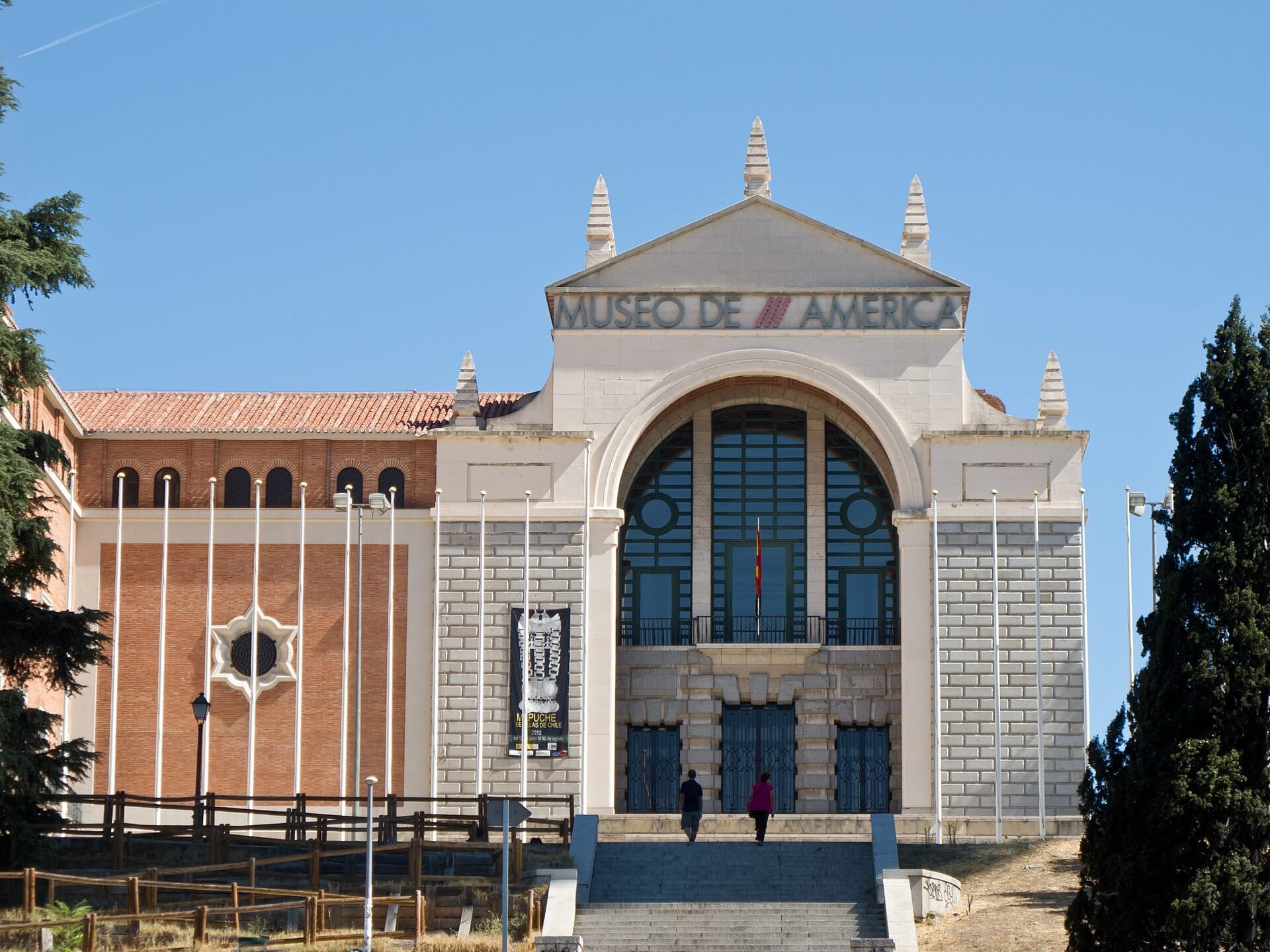
16. Explore Pre-Columbian Civilizations at the Museo de América
One of Europe's most significant collections of pre-Columbian and colonial-era art, including the Mayan Codex Tro-Cortesianus and the Gold Treasure of the Quimbayas. Housed in a grand Moncloa building, it's an essential visit for anyone interested in the Americas. Chronically undervisited.
Explore16. Explore Pre-Columbian Civilizations at the Museo de América
One of Europe's most significant collections of pre-Columbian and colonial-era art, including the Mayan Codex Tro-Cortesianus and the Gold Treasure of the Quimbayas. Housed in a grand Moncloa building, it's an essential visit for anyone interested in the Americas. Chronically undervisited.
Explore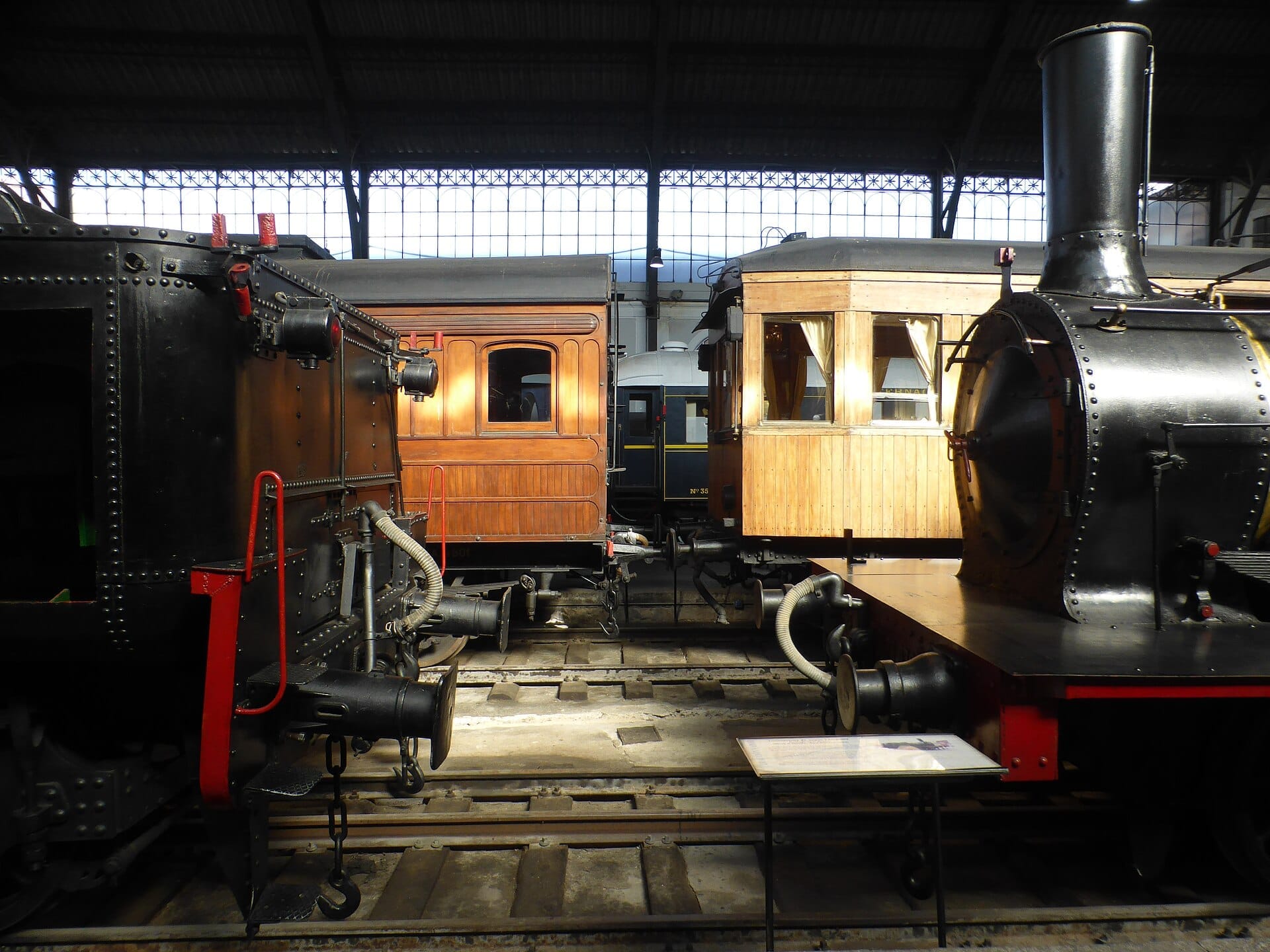
17. Explore Historic Locomotives in a Victorian Train Station at the Railway Museum
The 1880 Delicias station is one of Madrid's great Victorian iron-and-glass structures, now housing an impressive collection of historic trains and railway memorabilia. A superb family option and one of the most atmospheric museum spaces in the city. Children love the scale and grandeur of it.
Explore17. Explore Historic Locomotives in a Victorian Train Station at the Railway Museum
The 1880 Delicias station is one of Madrid's great Victorian iron-and-glass structures, now housing an impressive collection of historic trains and railway memorabilia. A superb family option and one of the most atmospheric museum spaces in the city. Children love the scale and grandeur of it.
Explore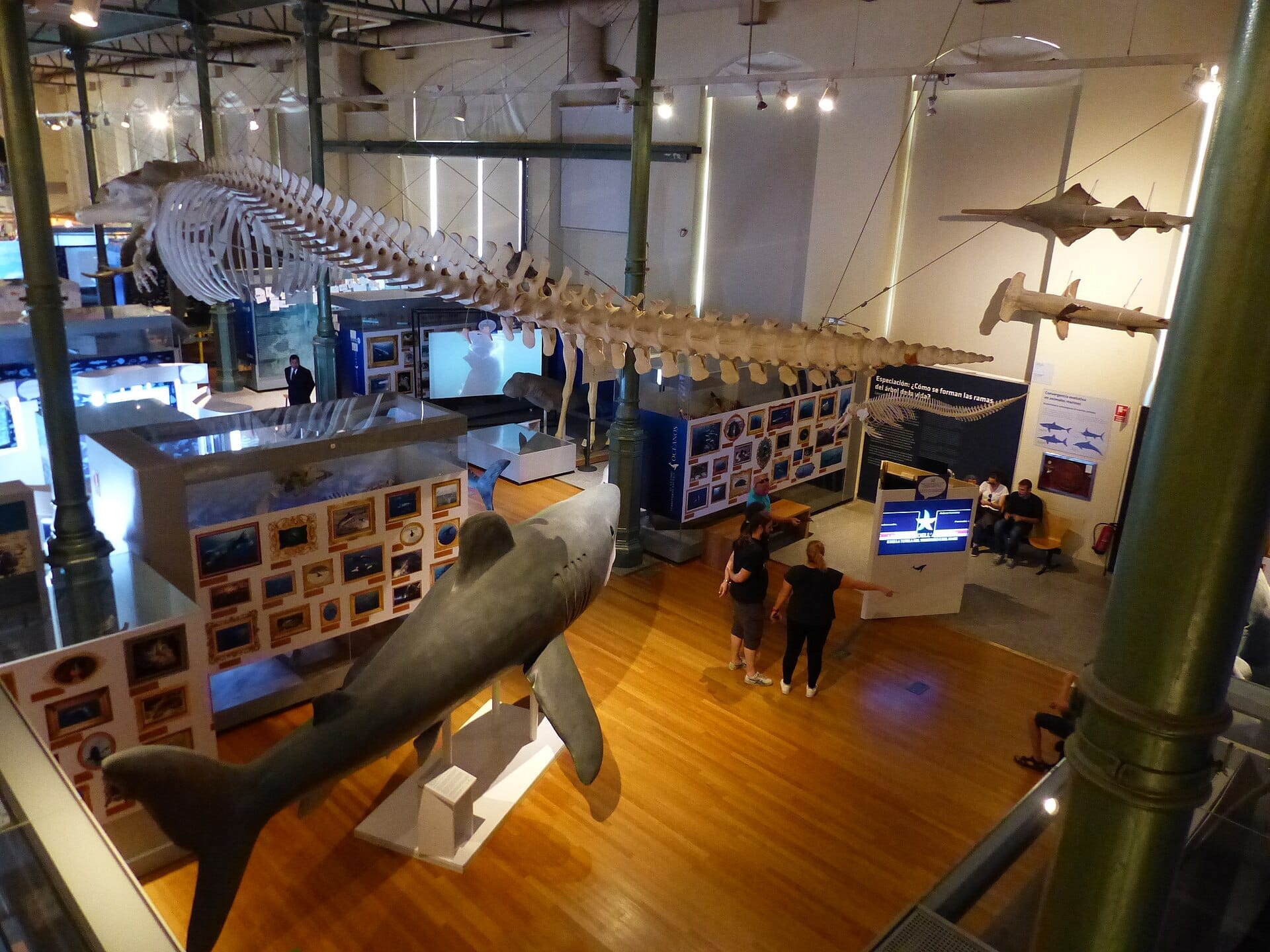
18. See Dinosaur Skeletons and Natural History at the Science Museum
One of Spain's oldest scientific institutions, with fossil collections, taxidermied animals, minerals, and a crowd-pleasing set of dinosaur skeletons. Popular with families and particularly interesting for adults too. In Chamberí, inexpensive, and usually much quieter than the major art museums.
Explore18. See Dinosaur Skeletons and Natural History at the Science Museum
One of Spain's oldest scientific institutions, with fossil collections, taxidermied animals, minerals, and a crowd-pleasing set of dinosaur skeletons. Popular with families and particularly interesting for adults too. In Chamberí, inexpensive, and usually much quieter than the major art museums.
Explore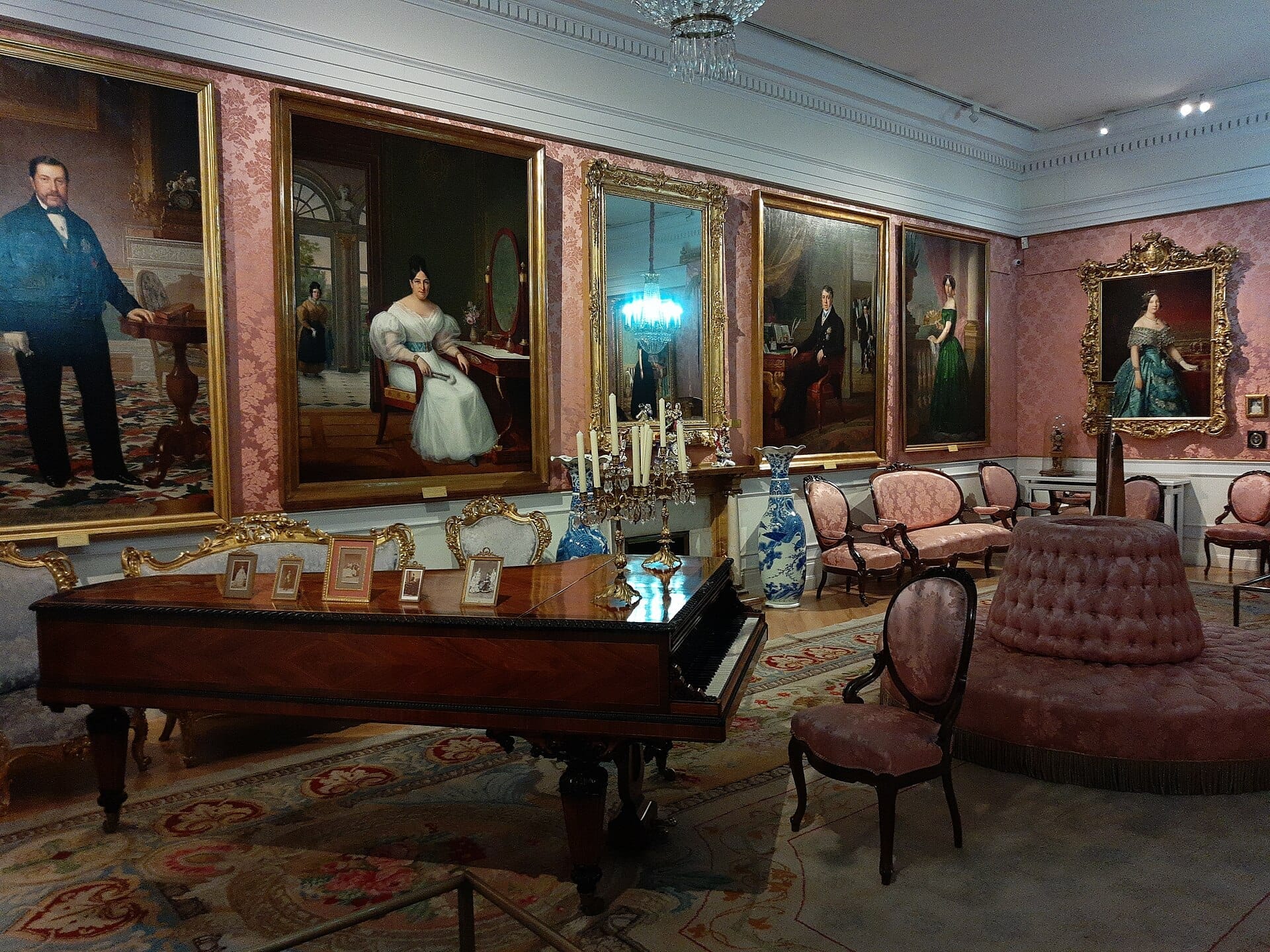
19. Time-Travel to 1830s Madrid at the Museo del Romanticismo
A perfectly preserved Romantic-era aristocratic mansion filled with period furniture, paintings, and decorative arts from the age of Goya's contemporaries. One of Madrid's most atmospheric rooms is the oratory where the final owner reportedly took his own life. The garden café is delightful in warm weather.
Explore19. Time-Travel to 1830s Madrid at the Museo del Romanticismo
A perfectly preserved Romantic-era aristocratic mansion filled with period furniture, paintings, and decorative arts from the age of Goya's contemporaries. One of Madrid's most atmospheric rooms is the oratory where the final owner reportedly took his own life. The garden café is delightful in warm weather.
ExploreContemporary Arts Centers and Free Cultural Spaces
Madrid's contemporary arts scene extends well beyond the Reina Sofía into a network of cultural centers, many of them free or very cheap, scattered across neighborhoods like Lavapiés and Malasaña. These spaces host rotating exhibitions, film screenings, and performances, and are where Madrileños actually engage with contemporary culture rather than tourist itineraries.
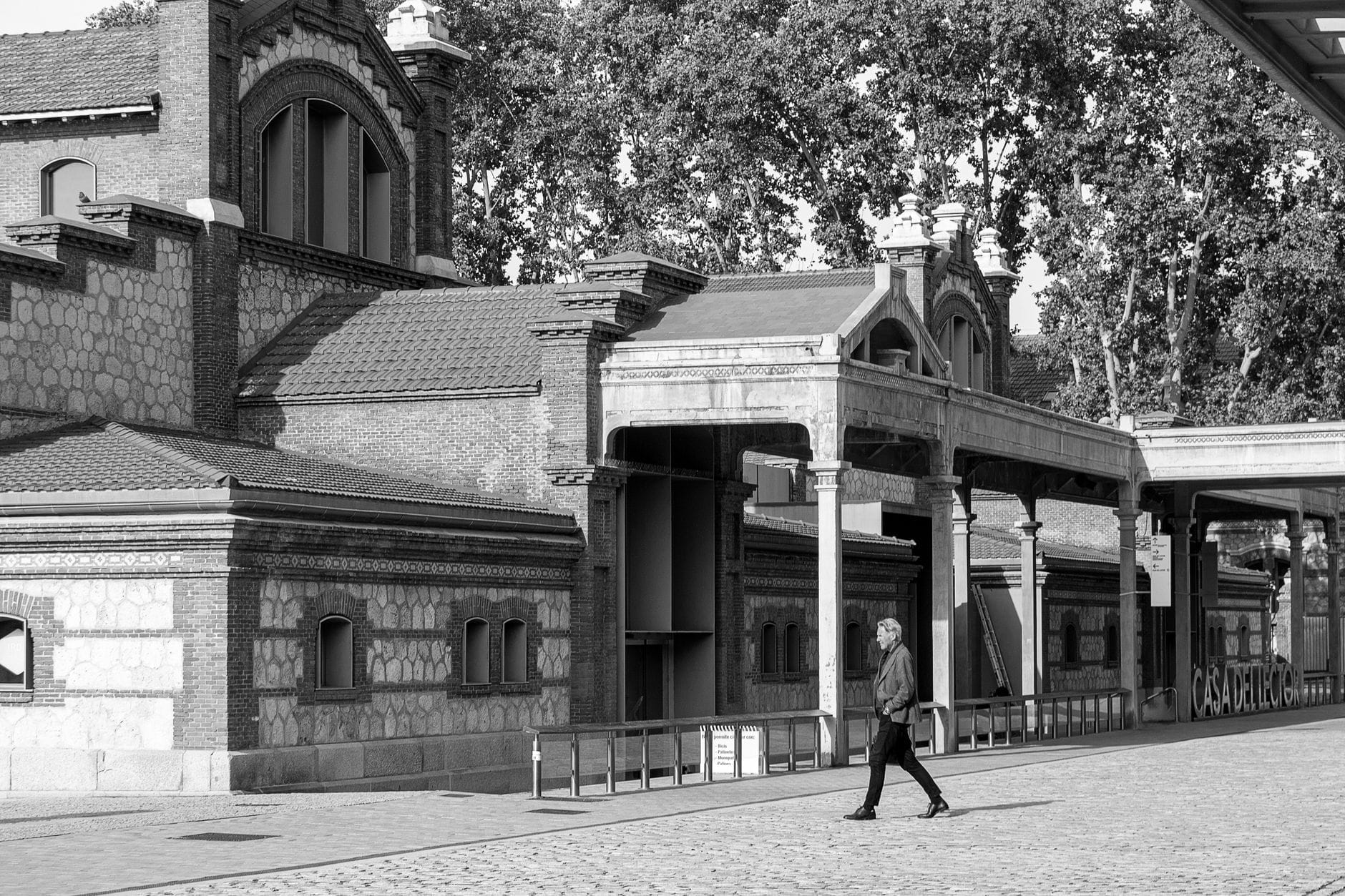
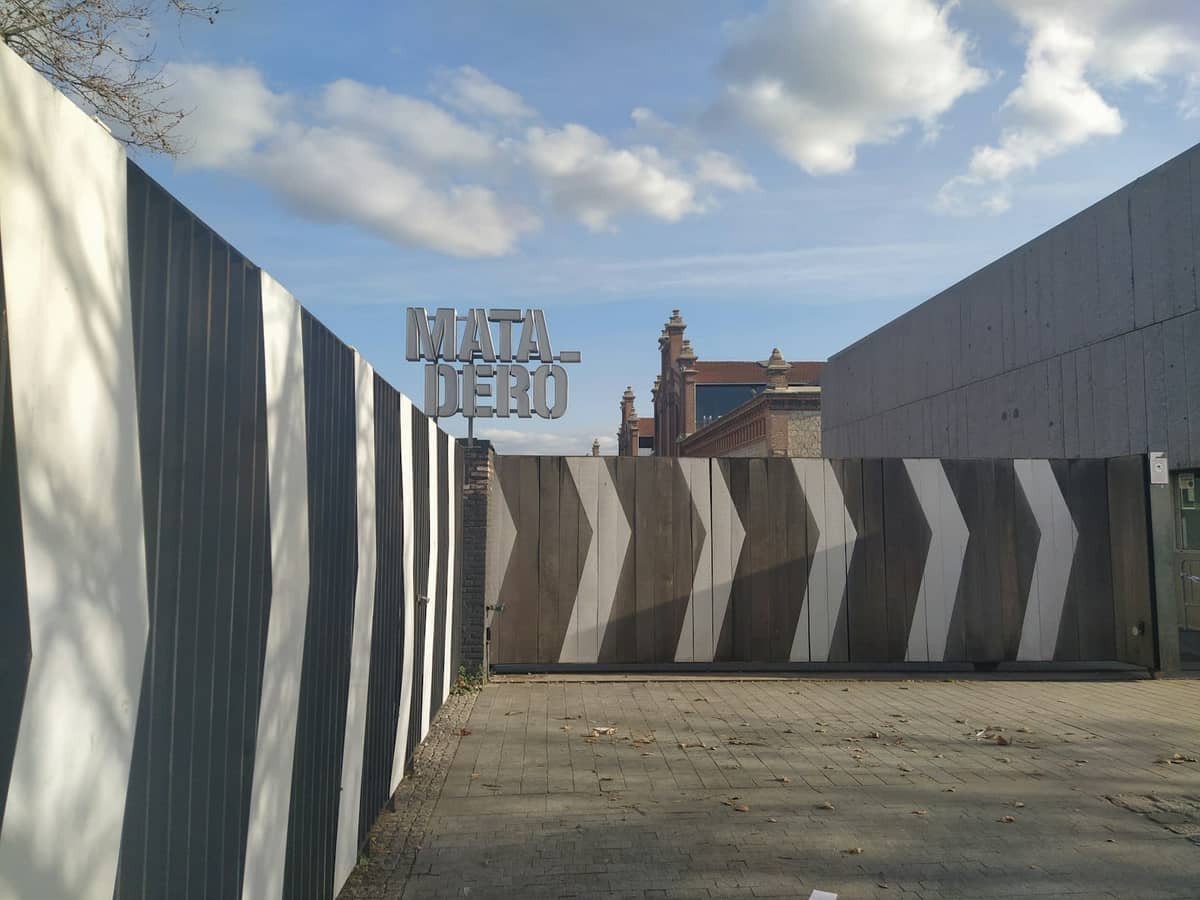
20. Explore Madrid's Most Ambitious Contemporary Arts Campus at Matadero
A former slaughterhouse from 1910 transformed into a vast multi-venue arts campus on the Manzanares river, with exhibition halls, theatre, cinema, design workshops, and a weekend market. Free to enter most spaces. Architecturally spectacular and a genuine hub of Madrid's creative scene.
Explore20. Explore Madrid's Most Ambitious Contemporary Arts Campus at Matadero
A former slaughterhouse from 1910 transformed into a vast multi-venue arts campus on the Manzanares river, with exhibition halls, theatre, cinema, design workshops, and a weekend market. Free to enter most spaces. Architecturally spectacular and a genuine hub of Madrid's creative scene.
Explore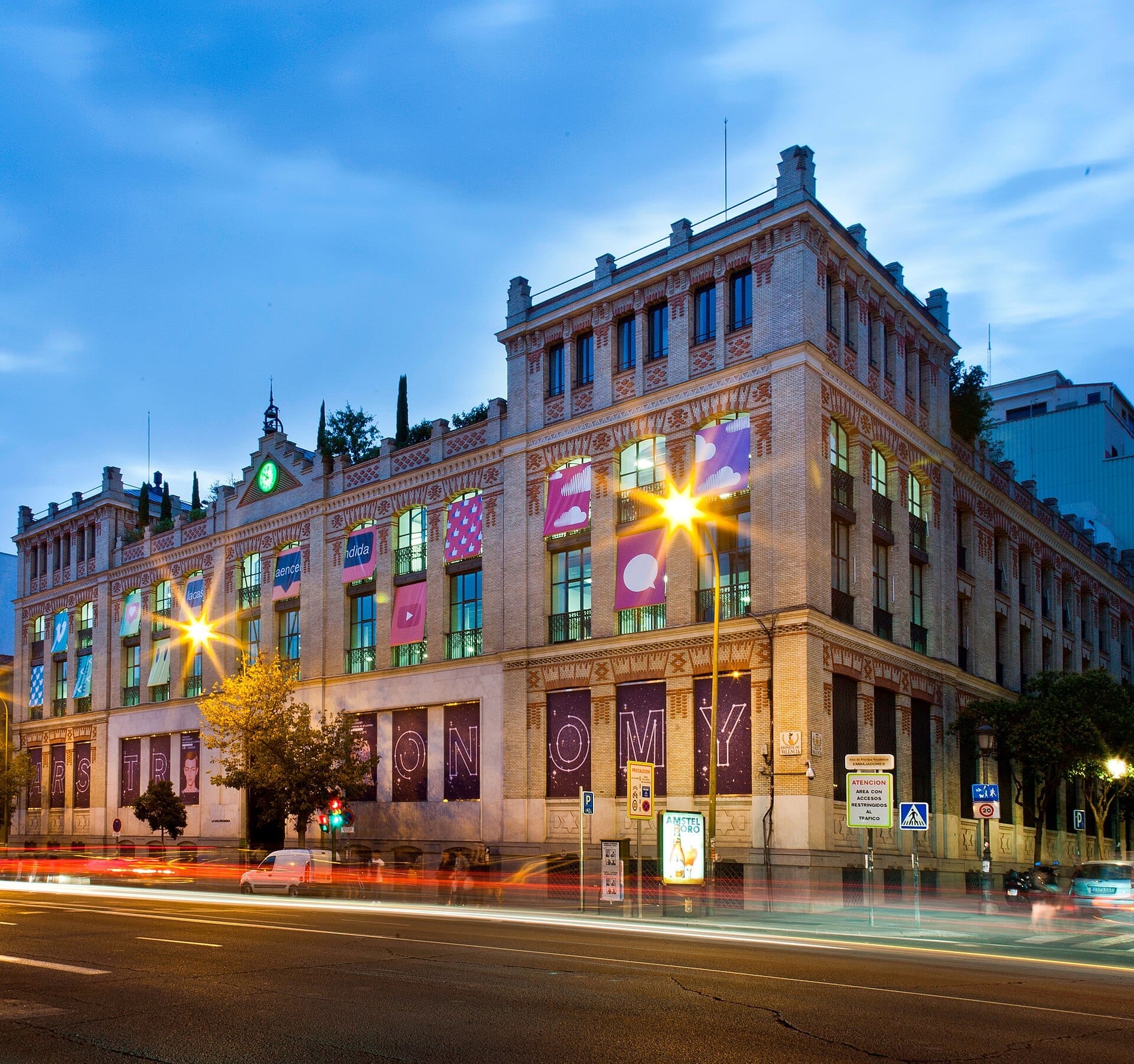
21. Engage with Progressive Contemporary Art at La Casa Encendida
A converted early 20th-century pawnshop in Lavapiés hosts one of Madrid's most adventurous exhibition and events programs, spanning contemporary art, cinema, music, and community activism. Entry to exhibitions is often free or minimal. A vital institution that reflects the real Madrid.
Explore21. Engage with Progressive Contemporary Art at La Casa Encendida
A converted early 20th-century pawnshop in Lavapiés hosts one of Madrid's most adventurous exhibition and events programs, spanning contemporary art, cinema, music, and community activism. Entry to exhibitions is often free or minimal. A vital institution that reflects the real Madrid.
Explore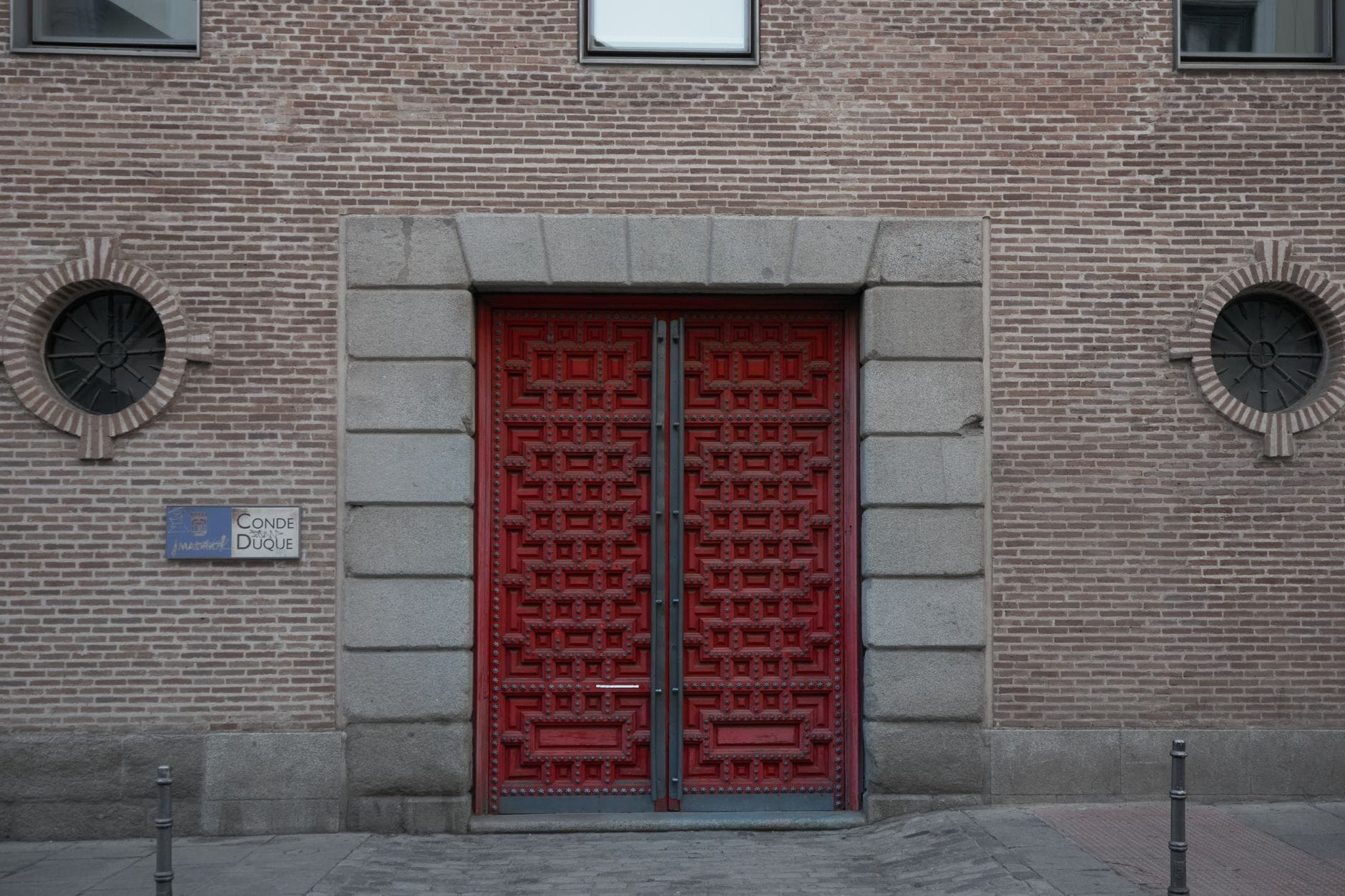
22. Visit the Contemporary Art Museum Inside an 18th-Century Barracks at Conde Duque
A vast former military barracks in the Conde Duque neighborhood, now one of Madrid's most important cultural venues. The contemporary art museum inside is free, the exhibitions are strong, and the courtyard hosts summer festivals. One of the best free museum experiences in the city.
Explore22. Visit the Contemporary Art Museum Inside an 18th-Century Barracks at Conde Duque
A vast former military barracks in the Conde Duque neighborhood, now one of Madrid's most important cultural venues. The contemporary art museum inside is free, the exhibitions are strong, and the courtyard hosts summer festivals. One of the best free museum experiences in the city.
Explore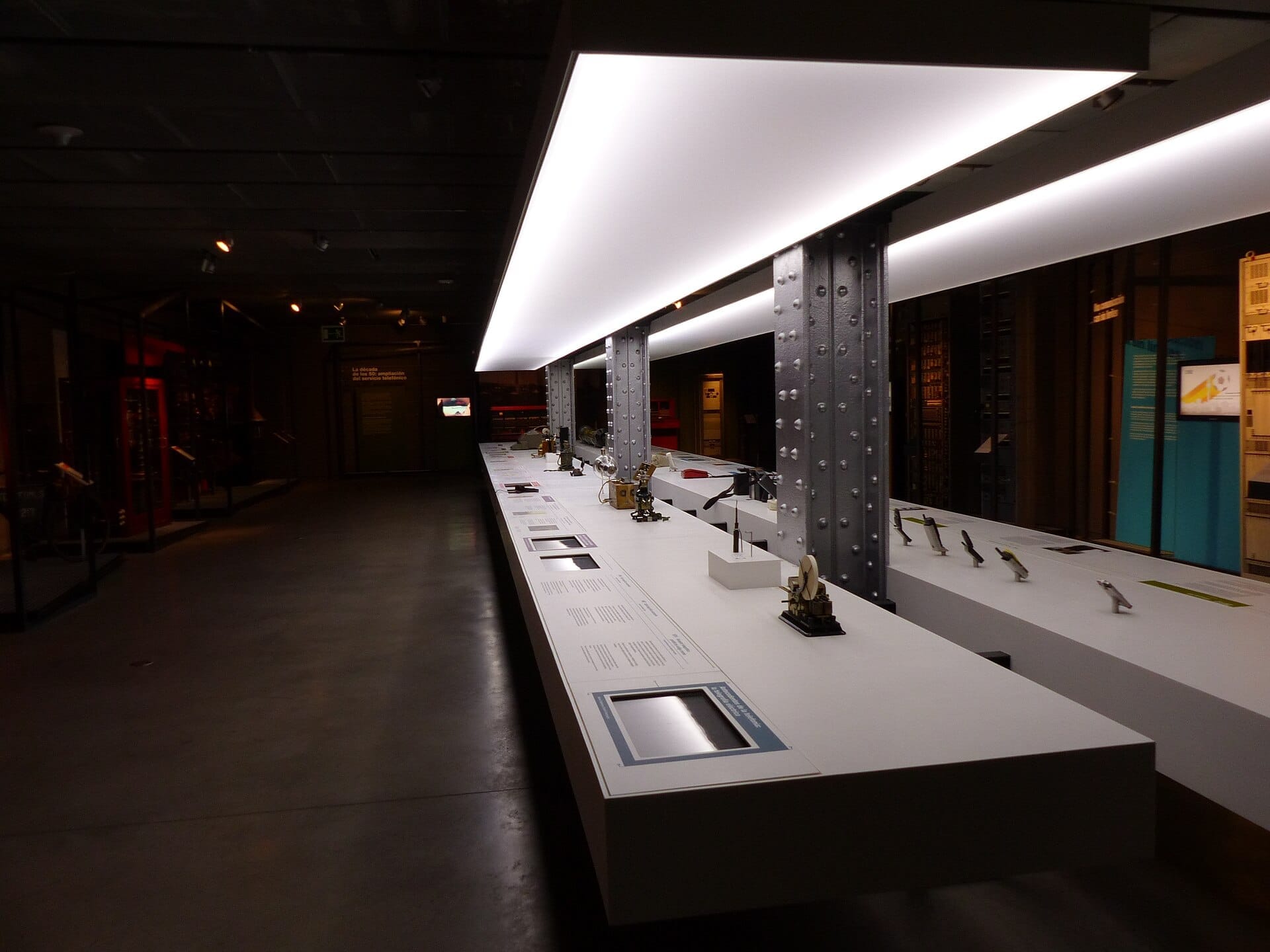
23. Experience Digital Art and Technology Exhibitions Free on Gran Vía
The 1929 Telefónica building on Gran Vía houses a free multi-floor cultural center exploring the intersection of art, technology, and society. Exhibitions are consistently interesting and the building itself is historically significant as Spain's first true skyscraper. A good wet-weather option in the center.
Explore23. Experience Digital Art and Technology Exhibitions Free on Gran Vía
The 1929 Telefónica building on Gran Vía houses a free multi-floor cultural center exploring the intersection of art, technology, and society. Exhibitions are consistently interesting and the building itself is historically significant as Spain's first true skyscraper. A good wet-weather option in the center.
ExploreStadium Museums and Specialty Experiences
24. Tour Real Madrid's Trophy Room and Pitch at the Santiago Bernabéu
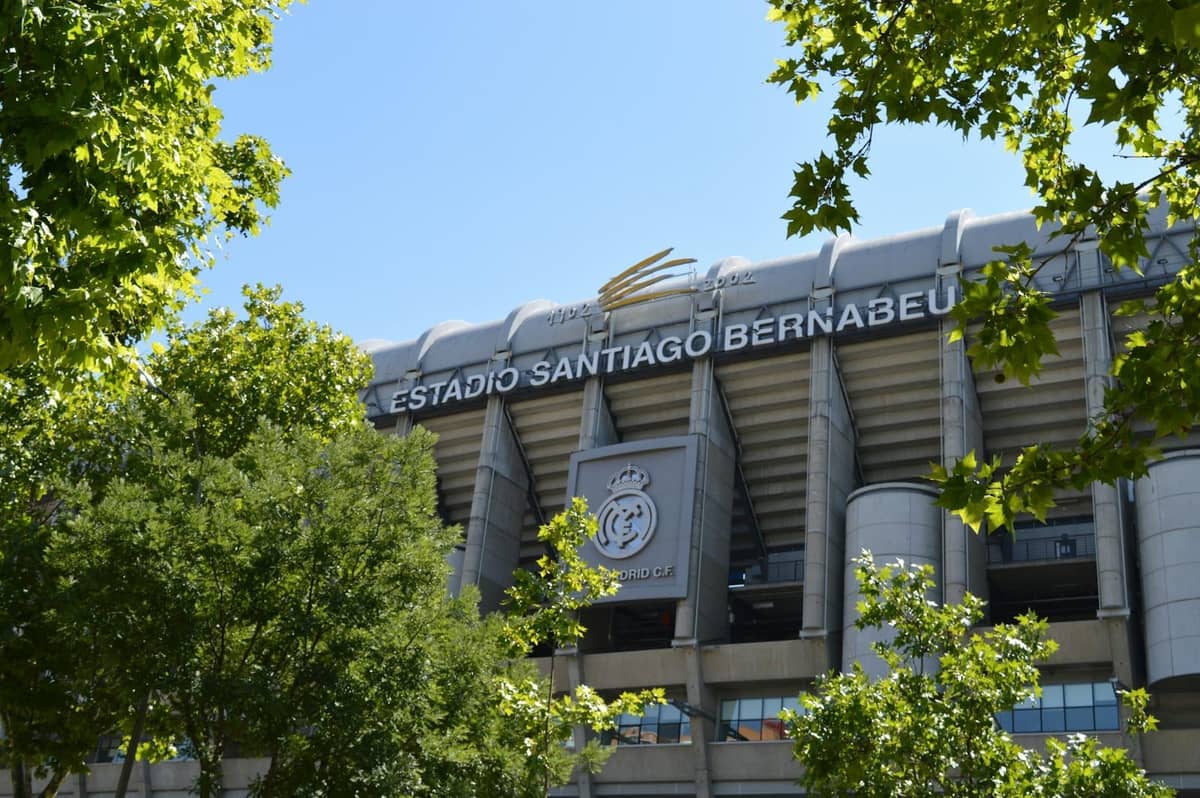
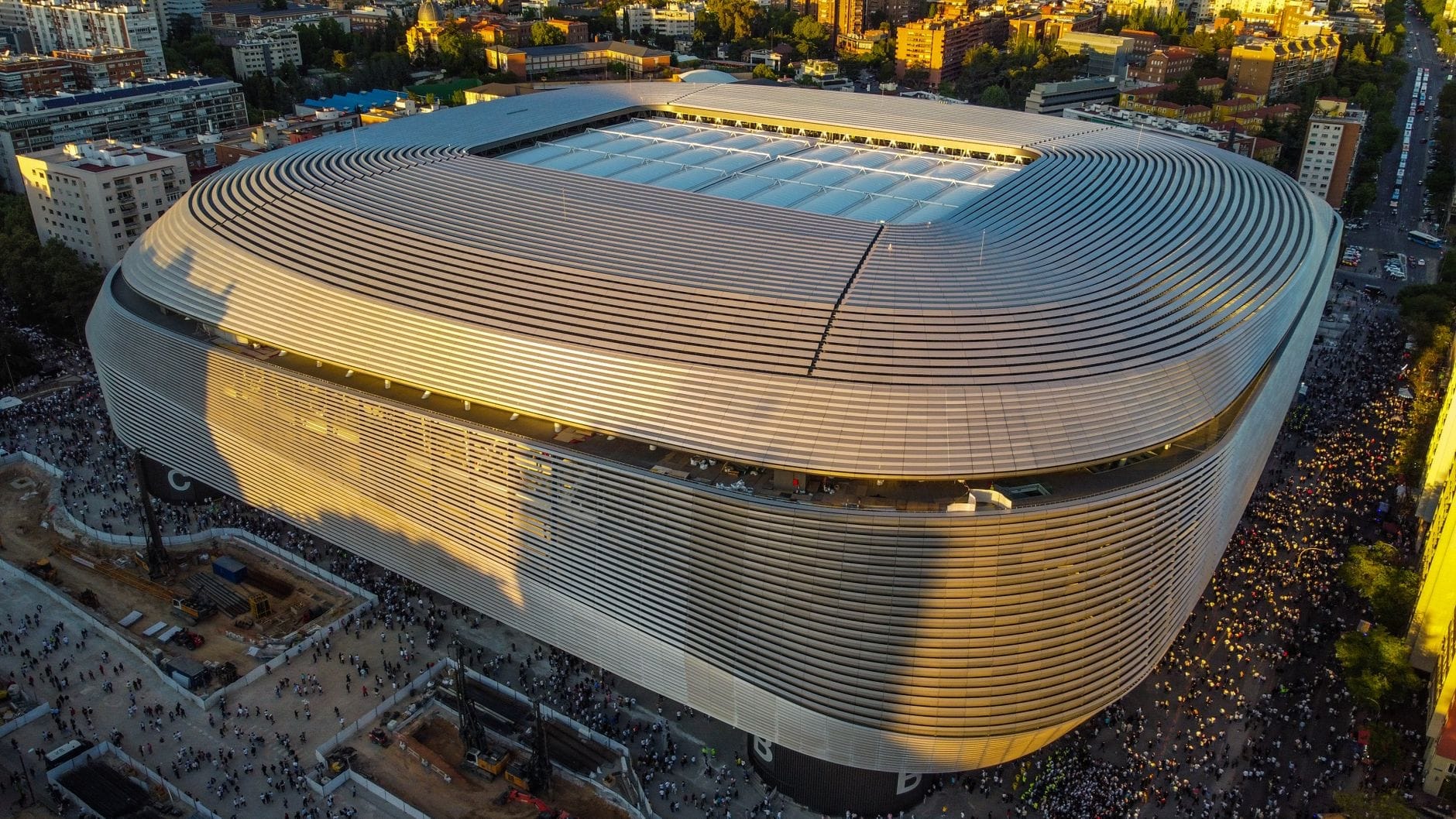
The recently transformed Bernabéu now has a retractable roof and a 360-degree video screen. The stadium tour takes visitors through the trophy room, dressing rooms, dugout, and onto the pitch. The club museum covers Real Madrid's full history. A must for football fans, remarkably impressive for everyone else.
Explore24. Tour Real Madrid's Trophy Room and Pitch at the Santiago Bernabéu
The recently transformed Bernabéu now has a retractable roof and a 360-degree video screen. The stadium tour takes visitors through the trophy room, dressing rooms, dugout, and onto the pitch. The club museum covers Real Madrid's full history. A must for football fans, remarkably impressive for everyone else.
Explore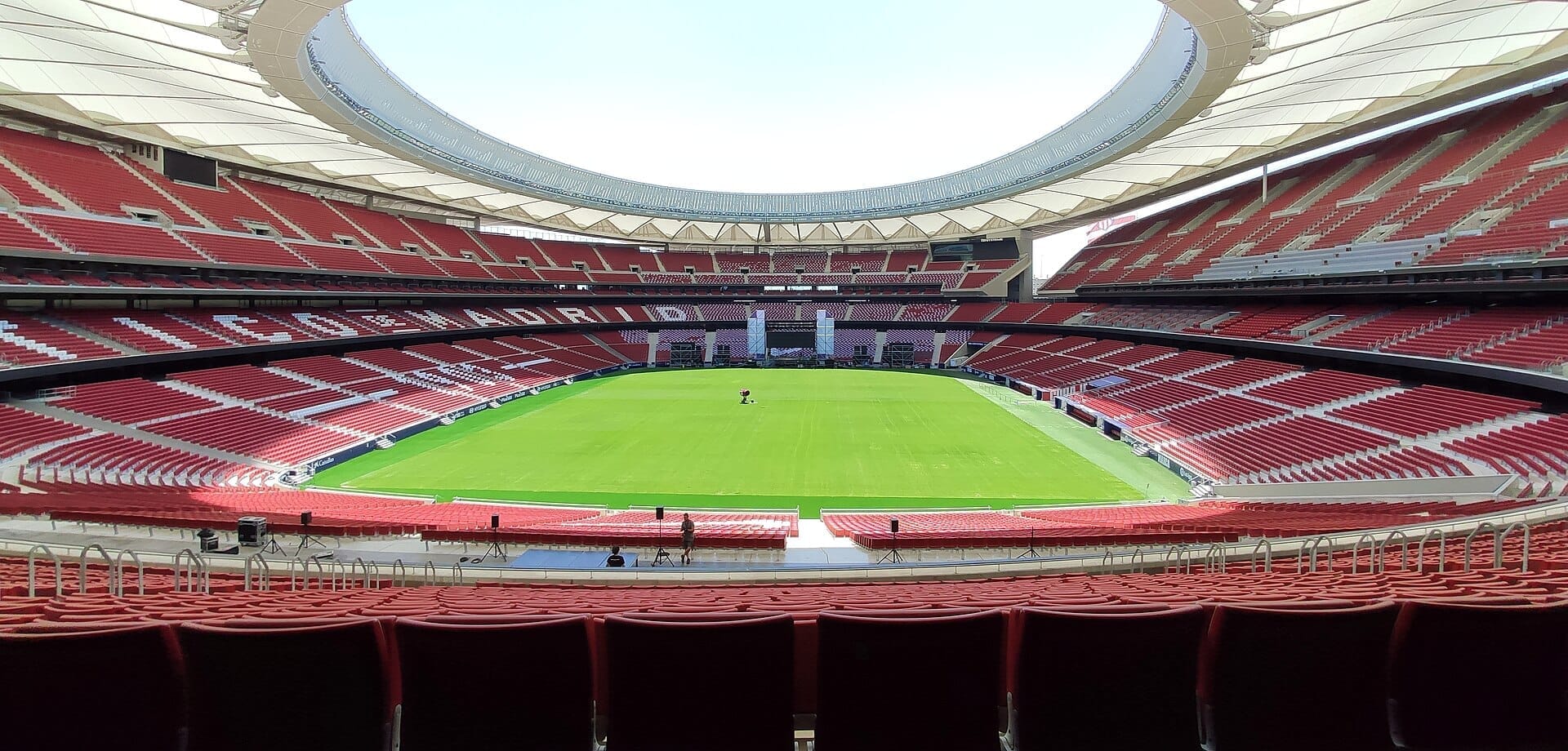
25. Explore Atlético de Madrid's Stadium and Club Museum at the Metropolitano
The 68,000-seat Metropolitano hosted the 2019 Champions League Final and offers tours covering the dressing rooms, tunnel, and pitch alongside the club museum. A striking piece of contemporary sports architecture and a worthwhile experience for football fans visiting the Atlético side of Madrid.
Explore25. Explore Atlético de Madrid's Stadium and Club Museum at the Metropolitano
The 68,000-seat Metropolitano hosted the 2019 Champions League Final and offers tours covering the dressing rooms, tunnel, and pitch alongside the club museum. A striking piece of contemporary sports architecture and a worthwhile experience for football fans visiting the Atlético side of Madrid.
Explore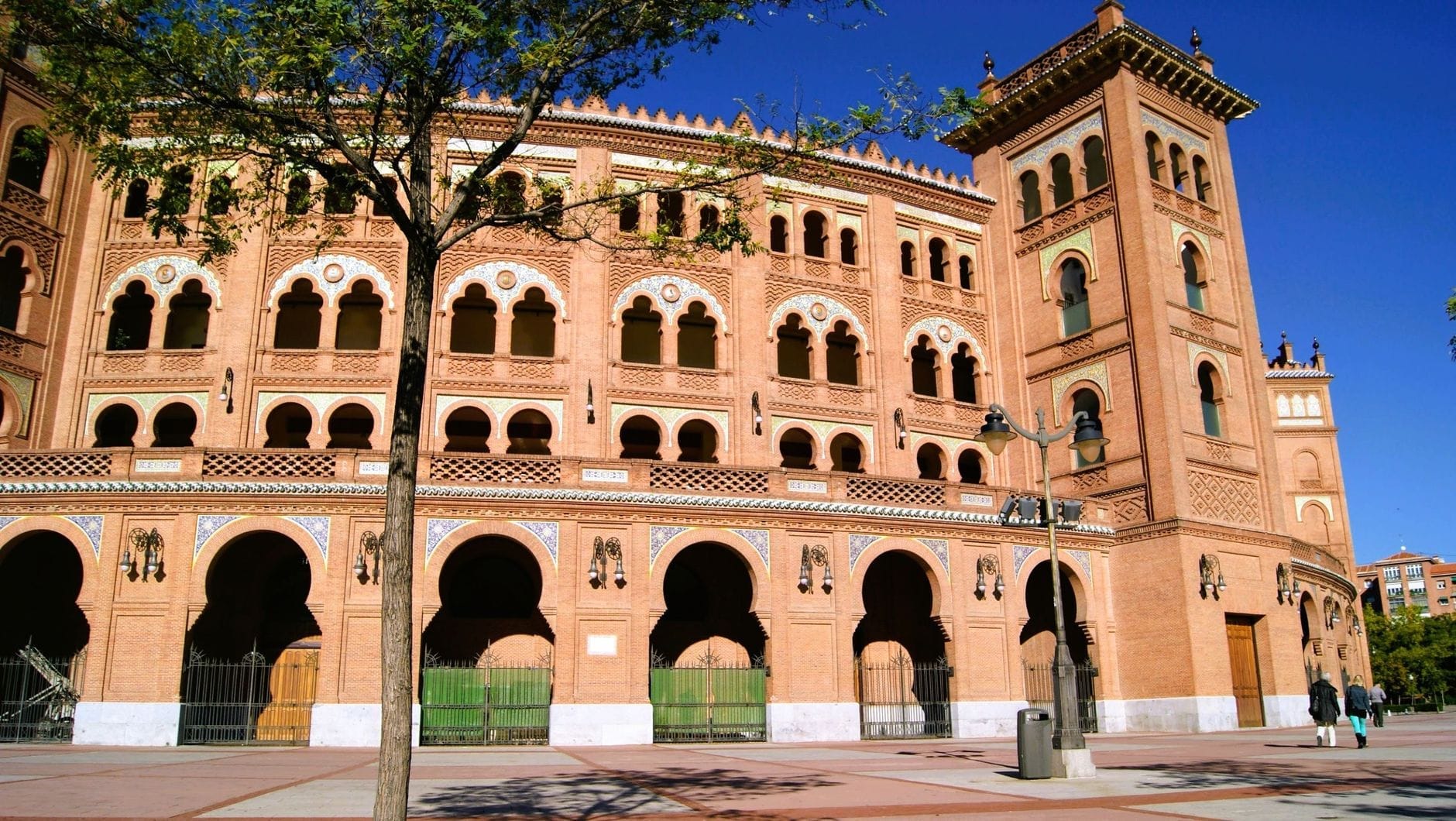
26. Visit the World's Most Prestigious Bullring and Its Bullfighting Museum
The 1931 Neo-Mudéjar Las Ventas arena seats 23,000 and is considered the ultimate stage in bullfighting. The Bullfighting Museum inside covers the history and culture of the corrida with paintings, costumes, and artifacts. The ornate Moorish-inspired architecture is remarkable even for visitors with no interest in bullfighting.
Explore26. Visit the World's Most Prestigious Bullring and Its Bullfighting Museum
The 1931 Neo-Mudéjar Las Ventas arena seats 23,000 and is considered the ultimate stage in bullfighting. The Bullfighting Museum inside covers the history and culture of the corrida with paintings, costumes, and artifacts. The ornate Moorish-inspired architecture is remarkable even for visitors with no interest in bullfighting.
ExploreFAQ
What is the best museum to visit in Madrid?
The Museo Nacional del Prado is the single most important museum in Madrid, housing an unrivaled collection including Velázquez's Las Meninas and Goya's Black Paintings. It's free to enter Monday to Saturday from 18:00 to 20:00 and on Sundays from 17:00 to 19:00, though queues form quickly during free hours, so arrive early or book a timed ticket online.
Is there a museum pass that covers the Prado, Reina Sofía, and Thyssen?
Yes. The Paseo del Arte Card covers one visit to each of the three museums and costs around €32-33 depending on where you buy it. Purchase it through the Prado or Thyssen official websites. It's valid for a year, so you don't have to visit all three on the same day.
Which Madrid museums are free?
The Prado is free Mon-Sat 18:00-20:00 and Sun 17:00-19:00. The Reina Sofía is free Mon-Sat 19:00-21:00 and Sun 12:30-14:30. The Thyssen is free on Mondays 12:00-16:00. The Ermita de San Antonio de la Florida, Museo de Historia de Madrid, and Espacio Fundación Telefónica are free at all times.
How many days do I need to see Madrid's main museums?
Budget at least one full day for the Prado alone if you want to see it properly. A second day covers the Reina Sofía and Thyssen comfortably. Add a third day for the Royal Palace, Descalzas Reales, and one or two hidden gems like the Museo Lázaro Galdiano or Museo Cerralbo. Five days gives you a thorough overview of the city's full museum offer.
What is the best time to visit Madrid's museums to avoid crowds?
Weekday mornings are consistently quieter than afternoons at all the major museums. Avoid free entry windows if you dislike queues, or arrive 30-45 minutes before the museum opens to get ahead of the crowds. July and August bring more tourists overall, but locals leave the city in summer, so the balance shifts. Spring and autumn weekday mornings are the sweet spot.