Museo de Historia de Madrid: The Complete Guide to Madrid's City History Museum
Housed in a stunning 18th-century Baroque building in Malasaña, the Museo de Historia de Madrid is one of the capital's most underrated cultural institutions. Free to enter and holding over 60,000 objects, it tells the story of Madrid from its medieval origins to the 20th century through maps, paintings, scale models, photographs, and decorative arts.
Quick Facts
- Location
- Calle de Fuencarral 78, 28004 Madrid (Justicia neighborhood, on the eastern edge of Malasaña)
- Getting There
- Metro: Tribunal (Lines 1 and 10), 2-minute walk
- Time Needed
- 1.5 to 2.5 hours
- Cost
- Free admission
- Best for
- History lovers, architecture fans, Madrid first-timers wanting context
What the Museo de Historia de Madrid Actually Is
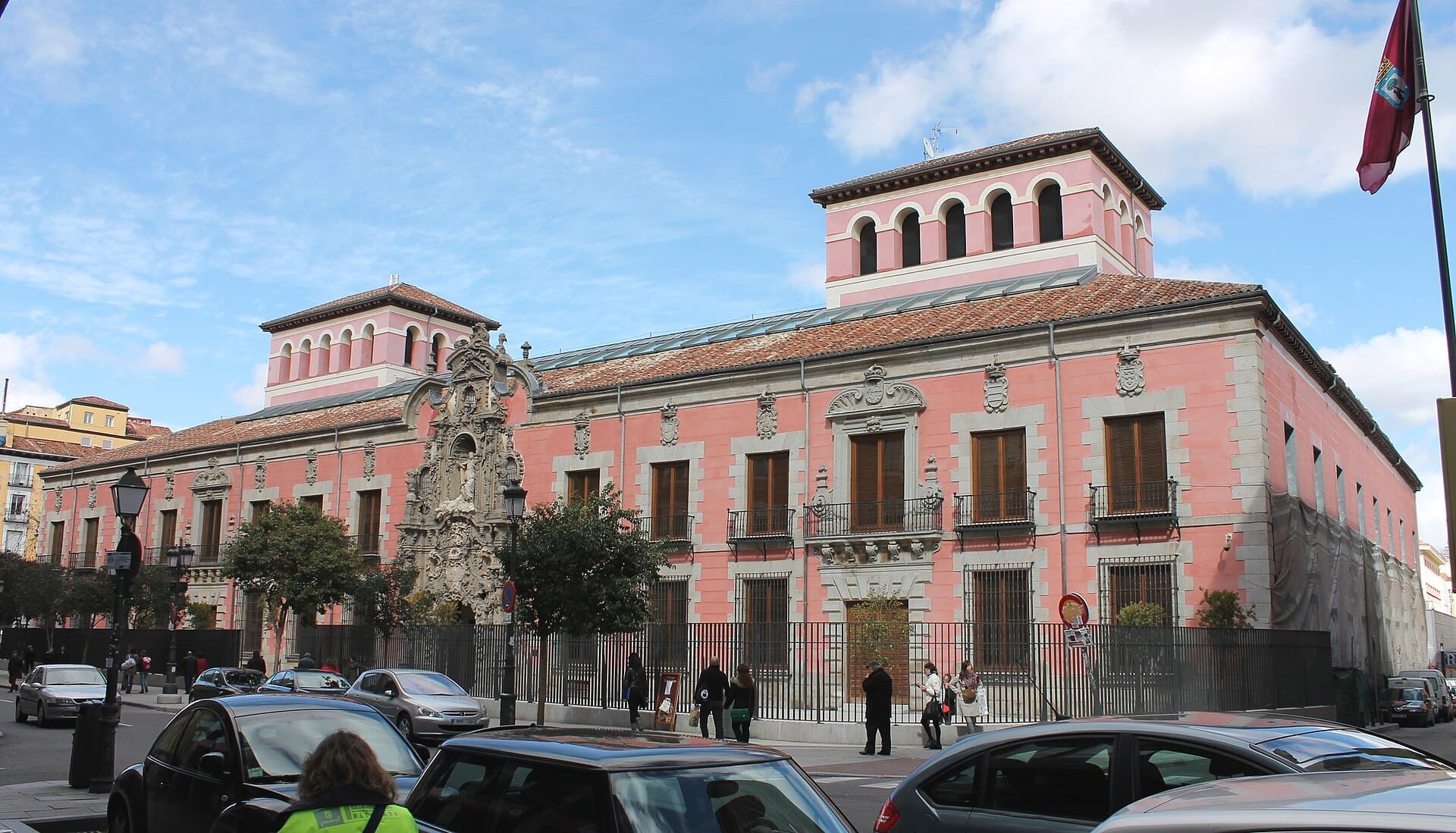
The Museo de Historia de Madrid is the city's own civic history museum, dedicated entirely to the story of Madrid as a place, a community, and an evolving urban landscape. It sits on Calle de Fuencarral 78, in the Justicia neighborhood on the eastern edge of Malasaña, inside what was once the Real Hospicio de San Fernando, an 18th-century poorhouse and charity institution. Today it holds more than 60,000 objects, ranging from Flemish paintings and hand-drawn cartographic maps to early photographs, ceramic tiles, architectural models, and personal artifacts from daily city life across the centuries.
This is not a blockbuster museum with queues around the block. It receives far fewer visitors than the Prado or the Reina Sofía, which is exactly what makes it worth knowing about. Entry is completely free, the building itself is architecturally extraordinary, and the collections reward anyone who wants to understand what they are actually looking at when they walk the streets of Madrid.
💡 Local tip
Opening hours shift seasonally. From 15 June to 15 September, the museum closes one hour earlier (19:00 instead of 20:00). Plan around this if you are visiting in summer.
The Building: Pedro de Ribera's Baroque Doorway
Before you step inside, stop on the pavement and look at the façade. The entrance portal is one of the most theatrical examples of Churrigueresque Baroque architecture surviving in Madrid, designed by Pedro de Ribera and completed in 1726. Ribera was the master of this highly ornamental style, and this doorway, with its cascading stone carving, is considered one of his finest surviving works. The building itself was declared a National Artistic Monument as far back as 1919.
The stone is a warm ochre color that catches morning light particularly well. If you arrive around 10:00 when the museum opens, the façade faces east and the low sun picks out the depth of the carvings in a way that midday flat light simply does not. Photographers will find this the most rewarding time to document the exterior. The contrast between the intricate Baroque portal and the relatively sober walls around it is striking and deliberate.
The building's original function as a hospice for the poor adds another layer to a visit. It was founded in the early 18th century as part of a broader effort by the Bourbon monarchy to manage urban poverty in a rapidly growing Madrid. That social history context makes it a meaningful counterpart to the royal grandeur you see at the Palacio Real or the Almudena Cathedral, built in the same era.
Tickets & tours
Hand-picked options from our booking partner. Prices are indicative; availability and final rates are confirmed when you complete your booking.
Flexible time Real Madrid: Bernabeu Stadium & Museum Entry
From 42 €Instant confirmationMuseum of Senses Madrid entrance ticket
From 19 €Instant confirmationMadrid Reina Sofia Museum Tickets and In-App Audio Tour
From 24 €Instant confirmationMadrid Prado Museum Ticket and In-App Audio Tour
From 36 €Instant confirmation
The Collections: What You Will See Inside
The permanent collection is arranged chronologically, walking you through Madrid's history from its establishment as the Spanish capital in 1561 through the Habsburg and Bourbon eras, the 19th-century expansion, and into the 20th century. The rooms feel airy after the post-2014 refurbishment, with clear labeling and well-lit display cases.
Among the most visited objects is a large-scale model of Madrid from 1830, known as the Maqueta de León Gil de Palacio. This detailed physical replica of the city as it existed nearly two centuries ago is the kind of artifact that stops people in their tracks. You can identify individual streets and buildings, including many that still stand today, and suddenly understand how compact and walkable the old city was before the 19th-century Ensanche expanded the grid outward.
Maps and prints of Madrid from the mid-16th century onward form a rich visual thread through the collection. There are paintings by significant Spanish artists depicting city scenes, portraits of monarchs and civic figures, and decorative arts from the Real Fábrica de la China (the royal porcelain works). Photography from the late 19th and early 20th centuries shows a Madrid that was rapidly industrializing, and these images sit well against the more formal painted records from earlier centuries.
The temporary exhibition space on the ground floor regularly hosts shows related to Madrid's urban culture, social history, or specific historical periods. These change several times a year and are worth checking before you visit, as they sometimes cover topics with genuine depth and original archival material.
How the Experience Changes Through the Day
Mid-morning on a Tuesday or Wednesday is the quietest window. You will share the galleries with a handful of local retirees, the occasional school group (which passes through quickly), and a few international visitors who have done their research. The lack of crowds means you can stand in front of the large city model for as long as you want without anyone jostling past.
By midday on weekends, the museum fills up more noticeably. Families come through, and the ground floor near the entrance can feel congested. The upper floors, however, tend to stay calm regardless of when you visit. If you arrive on a busy day, head upstairs first and work your way back down.
Late afternoon, around 18:00 on weekdays, is another good slot. Visitor numbers drop again as people drift toward dinner, and the light through the museum's windows shifts into a warmer register. The building has a particular stillness at this hour.
⚠️ What to skip
The museum is closed every Monday, as well as on 1 and 6 January, 1 May, and 24, 25, and 31 December. Check the calendar before making it a key part of your day.
Getting There and Practical Logistics
Tribunal metro station, served by Lines 1 and 10, is a two-minute walk from the museum entrance. This station also puts you at the edge of Malasaña, so you can easily combine a museum visit with a walk through the neighborhood. If you are coming from the Gran Vía area, it is also a manageable 10-minute walk north along Fuencarral itself.
BiciMAD bike-share docks are positioned nearby on Calle Barceló, Calle Fuencarral 106, and Calle San Andrés 18, making this easy to reach on a cycling route. The museum also sits within comfortable walking distance of Calle Fuencarral, one of Malasaña's main pedestrian shopping streets, so a visit here pairs naturally with an afternoon in the neighborhood.
The building is fully accessible for visitors with reduced mobility. An induction hearing loop is also available for visitors who use compatible hearing aids. Bags can be left at a cloakroom near the entrance, which is useful given the size of the collection.
Who This Is For and Who Might Skip It
If you are visiting Madrid for three days or fewer and already have the Prado, the Reina Sofía, and the Thyssen on your list, this museum will likely not fit unless you are particularly drawn to urban history. It does not compete with those institutions for scale or artistic ambition. But if you have already visited the Museo del Prado and want something that gives Madrid itself a voice, the Museo de Historia is a natural next step.
Visitors primarily motivated by contemporary art or nightlife will find little here to hold their attention. Children under eight or nine years old may struggle with the format, which is object-heavy and text-reliant. There are no immersive installations or interactive digital exhibits of the kind found at newer city museums in other European capitals.
The museum is ideal as context-setting for a longer stay. Visiting on your first or second day, before you have walked the historic center extensively, makes everything you encounter afterward more legible. Combine it with the nearby Conde Duque Cultural Center for a half-day of institution-hopping in this part of the city, or pair it with a stroll through Malasaña before lunch.
The Neighborhood Context
Malasaña is one of Madrid's most characterful neighborhoods, associated with the countercultural Movida Madrileña movement of the late 1970s and 1980s, and still home to independent shops, music venues, and a younger residential population. The museum sits on its eastern edge, close to the neighborhood's main artery. Walking north from Tribunal station, past the museum, and into the quieter streets around Plaza del Dos de Mayo gives a good sense of the area's texture.
Fuencarral itself is lined with cafés that are open through the morning, so grabbing a coffee before entering the museum is easy. After your visit, the area around Calle del Espíritu Santo and the side streets off Fuencarral has several good options for lunch at a realistic price, which matters if you are spending your museum budget on paid institutions elsewhere.
Insider Tips
- The large-scale 1830 city model (Maqueta de León Gil de Palacio) is the single most impressive object in the collection. Give it 10 to 15 minutes and try to identify the streets you have already walked.
- The temporary exhibition on the ground floor changes regularly and is sometimes genuinely excellent. Check the museum's page on the Ayuntamiento de Madrid website before visiting to see what is currently showing.
- Arrive at 10:00 on a weekday to photograph the Baroque façade in morning light before foot traffic builds up on Fuencarral.
- The museum keeps the same free admission policy year-round, including for temporary exhibitions, which is unusual for a municipal institution of this quality.
- If you are visiting in summer, note the earlier 19:00 closing time, active from 15 June to 15 September. It is easy to miscalculate this if you are relying on off-season information.
Who Is Museo de Historia de Madrid For?
- Travelers on their first extended stay in Madrid who want historical context before exploring the city center
- Architecture enthusiasts interested in Spanish Baroque, specifically the Churrigueresque style of Pedro de Ribera
- Budget travelers: free entry makes this one of the best value hours you can spend in Madrid
- History buffs who have exhausted the major art museums and want something more specifically urban and documentary
- Visitors with a half-day in Malasaña looking for a cultural anchor to the neighborhood
Nearby Attractions
Other things to see while in Malasaña:
- Centro Cultural Conde Duque
Occupying a former 18th-century royal barracks in the heart of Malasaña, the Centro Cultural Conde Duque is one of Madrid's most architecturally striking public cultural spaces. With around 58,000 m² dedicated to exhibitions, theatre, music, and community events, most of it free to enter, it rewards visitors who go beyond the obvious tourist circuit.
- Mercado de San Ildefonso
Mercado de San Ildefonso on Calle Fuencarral is Madrid's original vertical street food market, spreading across three floors with around 16 to 20 gastronomy stalls, three bars, and two semi-covered terraces. Entry is free. The food costs money, but the atmosphere is part of the deal.
- Museo del Romanticismo
The Museo del Romanticismo is Madrid's best-preserved window into 19th-century bourgeois life, housed in a 1776 palace in the Malasaña neighborhood. With original furniture, personal objects, and period paintings arranged as a lived-in home, it rewards slow, curious visitors far more than most of the city's larger institutions.
- Plaza de Dos de Mayo
Plaza del Dos de Mayo is a free, open public square in Madrid's Malasaña neighborhood that marks the site of the 1808 uprising against Napoleon. Anchored by a monumental arch and statues of Captains Daoíz and Velarde, it shifts from a quiet morning garden to a lively afternoon meeting point as the day unfolds.