Calle de Fuencarral: Madrid's Most Interesting Shopping Street
Calle de Fuencarral stretches from Gran Vía north through the Chueca neighborhood to Glorieta de Quevedo, mixing independent boutiques, streetwear shops, and old-school Madrid storefronts. It's free to walk, mostly pedestrianized, and one of the few shopping streets in the city that hasn't been completely taken over by international chains.
Quick Facts
- Location
- Runs from Gran Vía to Glorieta de Quevedo, through Chueca and Chamberí
- Getting There
- Gran Vía (L1, L5), Tribunal (L1, L10), Chueca (L5), Bilbao (L1, L4), Quevedo (L2)
- Time Needed
- 45 minutes to 2 hours, depending on how much you browse
- Cost
- Free to walk; shops vary widely in price
- Best for
- Independent shopping, people-watching, exploring Chueca
- Official website
- www.esmadrid.com/informacion-turistica/calle-fuencarral
What Is Calle de Fuencarral?
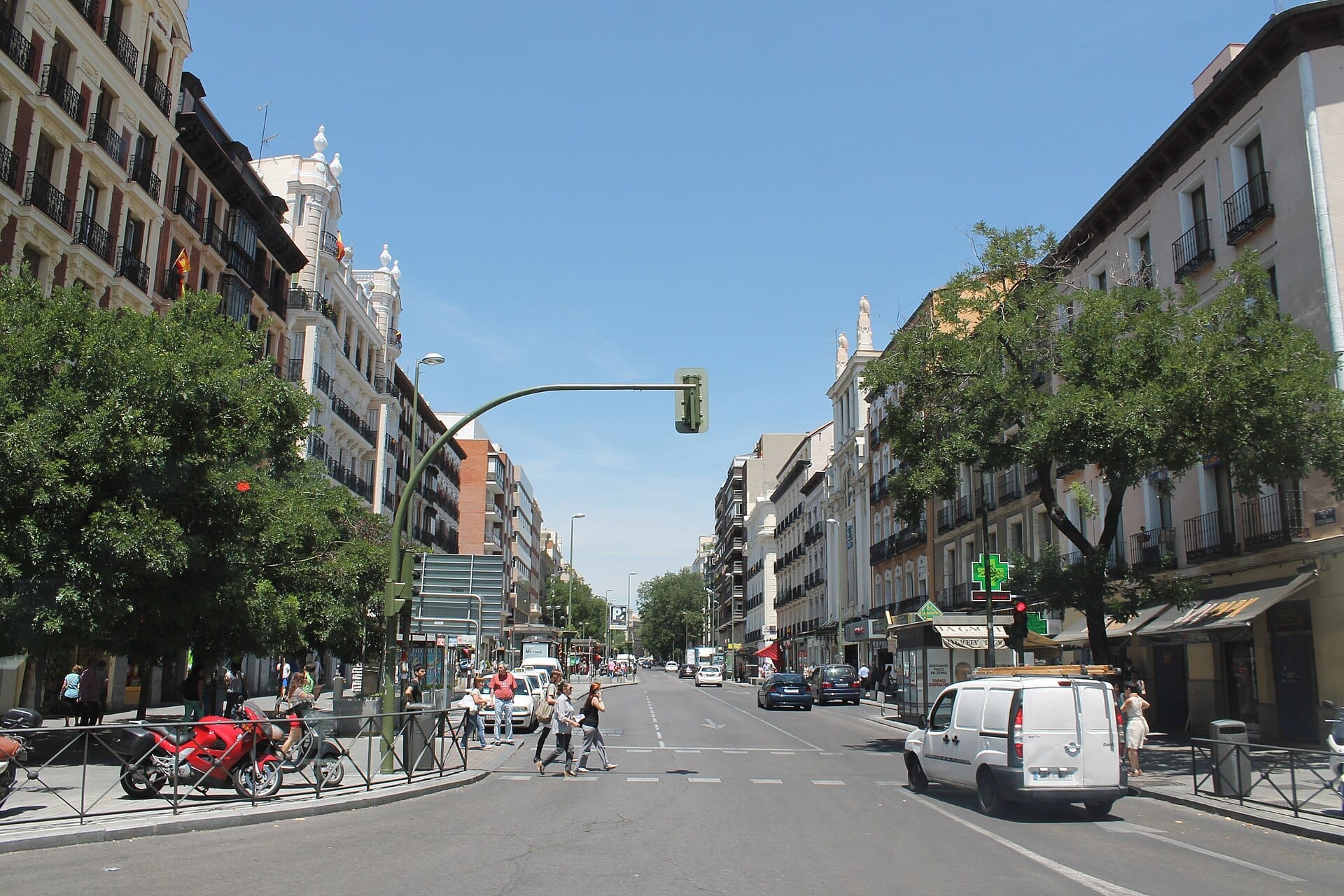
Calle de Fuencarral is one of Madrid's most character-rich commercial streets, running roughly north from Gran Vía all the way to Glorieta de Quevedo, passing through the heart of Chueca along the way. It's not the most glamorous street in Madrid, and that's precisely what makes it worth your time. While Serrano gets the luxury labels and Gran Vía gets the fast-fashion chains, Fuencarral has spent the past two decades cultivating something harder to find: a mix of local boutiques, independent designers, vintage stores, and a handful of places that have been there since before the neighborhood became fashionable.
The street is named after the old route that once connected medieval Madrid to the former village of Fuencarral, which has since been absorbed into the city's northern districts. By the late 19th century, Fuencarral had already developed a commercial identity. In the early 21st century, the stretch between Gran Vía and Glorieta de Bilbao was largely pedestrianized, which transformed the street's atmosphere. Without cars competing for space, the pavement widened effectively, and the street became genuinely comfortable to walk.
💡 Local tip
Start at the Gran Vía end and walk north. The street gets progressively quieter and more local as you move away from the tourist core, with the most interesting independent shops concentrated between Tribunal and Bilbao.
The Street at Different Times of Day
Fuencarral reads very differently depending on when you arrive. In the morning, before 10:00, it belongs almost entirely to locals: shopkeepers rolling up metal shutters, delivery workers with hand trucks, the occasional dog walker. The pedestrianized section is quiet enough that you can hear the birds in the small square near Tribunal. This is when you get the clearest sense of what the street actually looks like, without the foot traffic obscuring the architectural detail of the older buildings.
Between midday and early afternoon, the street reaches peak commercial activity. Shops are fully open, the pavement fills with a mix of office workers on lunch breaks and younger shoppers browsing without urgency. Cafés put out their boards and the street gets loud in the best way. By around 14:00 to 15:00, many smaller shops follow the Spanish tradition of closing for a few hours, so if you're planning to shop, aim for the morning session or come back after 17:00.
Evenings are the street's most social hour. After 18:00, foot traffic increases again as Madrid does what it does best: move slowly, look in windows, stop for a drink. The bars near the Chueca end fill up, and the street takes on a warmer, more relaxed energy. In summer, when Madrid's heat lingers well into the evening, the pedestrianized pavement becomes a de facto outdoor gathering space.
Tickets & tours
Hand-picked options from our booking partner. Prices are indicative; availability and final rates are confirmed when you complete your booking.
Royal Monastery of El Escorial and the Valley of the Fallen trip from Madrid
From 64 €Instant confirmationFree cancellationFlexible time Real Madrid: Bernabeu Stadium & Museum Entry
From 42 €Instant confirmationMuseum of Senses Madrid entrance ticket
From 19 €Instant confirmationAvila and Segovia full-day tour from Madrid
From 50 €Instant confirmationFree cancellation
What You'll Actually Find Here
The southern half of Fuencarral, from Gran Vía up to Tribunal, is the denser commercial section. This is where you'll find the highest concentration of shops, including some well-known Spanish streetwear and alternative fashion brands that have been anchored here long enough to have become part of the street's identity. El Mercado de Fuencarral, a former multi-level indoor market at the southern end that was a youth fashion hub after it opened in 1998, has since closed and no longer operates in its original form. It's slightly scruffier and more independent than the polished retail markets that have opened elsewhere in Madrid, which is part of its appeal.
North of Tribunal, the street changes character. The shops thin out slightly, the buildings are more residential in their upper floors, and you start to see the kinds of specialist shops that have survived in this neighborhood for decades: old bookshops, small music stores, a barbershop that looks like it hasn't changed its signage since the 1970s. There are also several good café options here, with terraces that see substantially less tourist traffic than the options closer to Gran Vía.
The street passes directly through the western edge of Chueca, Madrid's historically LGBTQ+ neighborhood, and the influence of that community on the street's culture and retail mix is tangible. You'll find bookshops with curated sections, bars with character, and a generally open atmosphere. If you're planning to spend more time in the area, the Mercado de San Antón is just a short walk away and worth combining with a visit to Fuencarral.
Historical and Cultural Context
The name Fuencarral refers to a village that once sat well outside Madrid's city limits. As Madrid grew outward over the centuries, the road connecting the old city gate with Fuencarral became one of the main northern arteries. The street formalized its commercial role during the 19th century, as Madrid's population expanded and the neighborhoods surrounding the street, particularly Chamberí, began to be developed as residential districts for a growing middle class.
By the mid-20th century, Fuencarral had become a fairly standard Madrid commercial street. Its reinvention began in the 1980s and 1990s, when the Chueca neighborhood underwent significant social and cultural change and the surrounding streets began attracting younger residents and independent businesses. The pedestrianization of the lower section accelerated this shift, turning what had been a traffic-heavy urban artery into something more suited to browsing and lingering.
Practical Walkthrough: How to Do the Street
The most sensible approach is to take the metro to Gran Vía (Lines 1 and 5) and walk the full length of Fuencarral northward, finishing at Glorieta de Quevedo or turning back whenever the street loses your interest. The full walk, including window-browsing and a coffee stop, takes around 90 minutes at a relaxed pace. If you're pairing this with broader exploration of the Chueca neighborhood, plan for at least half a day.
Footwear matters more than you'd expect. The pedestrianized pavement is smooth and flat, but the section near Gran Vía can get extremely crowded during peak hours, and the constant stopping and starting on a warm Madrid afternoon becomes tiring in anything uncomfortable. Wear shoes you can walk in for two or more hours.
Photography on the street is straightforward in the morning, when the light is good and the crowd density is low. The older shopfronts between Tribunal and Bilbao are particularly photogenic, especially where the original tiled signage or ironwork details survive on building facades. In summer, the midday light is harsh and the street becomes crowded enough that good composition becomes difficult.
ℹ️ Good to know
The pedestrianized stretch from Gran Vía to Glorieta de Bilbao is mostly flat and step-free, making it accessible for pushchairs and wheelchairs. North of Glorieta de Bilbao toward Quevedo, the street returns to standard street conditions with vehicle traffic.
Is Calle Fuencarral Worth Your Time?
Calle de Fuencarral is worth your time if you're interested in Madrid as a lived-in city rather than a series of monuments. It's a good street to walk precisely because it hasn't been completely sanitized for tourism. The mix of shops is genuine, the people on the street are mostly locals going about their day, and the architecture rewards attention in a way that newer commercial streets don't.
It is not, however, a destination in the conventional sense. If you're in Madrid for three days and trying to prioritize, Fuencarral should be combined with something adjacent, like a visit to the Gran Vía or an afternoon in Chueca, rather than treated as a standalone excursion. Travelers who come specifically expecting a grand shopping experience comparable to Serrano may be disappointed. The street's appeal is more atmospheric than spectacular.
Visitors with no interest in shopping or street-level city exploration will find little reason to linger here. Those looking for high-end retail should head instead to Calle Serrano in the Salamanca district, which caters to a very different market.
⚠️ What to skip
Like any busy urban street in a major European city, keep your phone and wallet secure in the more crowded sections near Gran Vía, particularly during peak afternoon hours. Pickpocketing on busy pedestrian streets is an ongoing issue across central Madrid.
Insider Tips
- El antiguo Mercado de Fuencarral at the southern end once opened around 11:00 on most days, but it has since closed; check current venues in the same building for up-to-date hours if you plan to visit.
- The café terraces on the side streets branching off Fuencarral between Tribunal and Bilbao metro stations tend to be significantly cheaper and quieter than anything on the main pedestrian strip. Walk half a block east or west and the prices drop noticeably.
- If you're visiting in summer, do Fuencarral in the early evening rather than midday. The street comes fully alive after 18:00, the heat is more bearable after 19:00, and many shops extend their hours to capture the evening foot traffic.
- The stretch north of Bilbao toward Quevedo is often skipped by visitors who turn back at Bilbao metro. This final section is quieter, has more old-Madrid character, and some of the most interesting specialist shops on the street.
- Fuencarral runs parallel to and just west of the Chueca grid. After walking the street, cut east along any of the cross streets between Augusto Figueroa and Pelayo to find yourself in the heart of Chueca within five minutes.
Who Is Calle de Fuencarral For?
- Shoppers looking for Spanish independent brands and alternatives to high-street chains
- Travelers who want to experience a working Madrid neighborhood street rather than a tourist-focused area
- Anyone combining a Chueca visit with some window-shopping and a long afternoon coffee
- Photography enthusiasts interested in urban streetscapes and surviving old-Madrid commercial architecture
- Visitors on a budget who want to browse without spending, since the street is free to walk and people-watching costs nothing
Nearby Attractions
Other things to see while in Chueca:
- Mercado de San Antón
Mercado de San Antón is a modern, three-floor municipal market in the heart of Chueca, Madrid's most socially lively neighborhood. From a well-stocked ground-floor supermarket and traditional market stalls to a rooftop restaurant terrace open until the early hours on weekends, it works equally well as a lunchtime stop, an evening social spot, or a place to pick up quality Spanish produce.