Best Things to Do in Madrid: The Definitive 2026 Guide
Madrid rewards visitors who go beyond the obvious. This guide covers the top things to do in Madrid Spain, from world-class art museums and the Royal Palace to Sunday flea markets, flamenco tablaos, and the city's best parks, with practical tips on free entry times, seasonal crowds, and neighborhood logic.
Plan and book this trip
Tools from our partner Travelpayouts help you compare flights and hotels. If you book through them, we may earn a commission at no extra cost to you.
Flights
Hotels map
TL;DR
- The Prado, Reina Sofía, and Thyssen-Bornemisza all offer free entry slots on evenings and Sunday mornings. See our guide to Madrid's best museums for the full breakdown.
- Retiro Park is free to enter daily and is one of the best places in Europe to spend a morning. Get there before 10 am on weekends to beat the crowds.
- El Rastro flea market runs Sundays and public holidays only (roughly 9 am to 3 pm) in La Latina. Many visitors show up on weekdays expecting stalls and find nothing.
- Spring (April-May) and autumn (September-October) are the most comfortable seasons. Summer afternoons regularly exceed 35°C. Check the best time to visit Madrid before booking.
- Madrid's neighborhoods, especially La Latina, Lavapiés, and Malasaña, deserve equal time alongside the major monuments. The city's character lives in its streets, not just its museums.
The Art Triangle: Madrid's Three Unmissable Museums
No list of things to do in Madrid begins anywhere other than the Paseo del Prado corridor. Within a 10-minute walk, three world-class institutions sit in close proximity: the Museo Nacional del Prado, the Museo Reina Sofía, and the Museo Thyssen-Bornemisza. Together, they form one of the densest concentrations of great art anywhere in the world.
The Prado is the anchor. Its permanent collection covers Velázquez, Goya, El Greco, Rubens, and Bosch at a depth that takes multiple visits to absorb properly. General admission is €15, but the museum opens for free Monday through Saturday from 6 to 8 pm, and on Sundays and public holidays from 5 to 7 pm. These slots draw long queues, especially in summer. Arriving 45–60 minutes early on a weekday evening is usually sufficient to walk straight in.
The Reina Sofía, housed in a converted 18th-century hospital, focuses on 20th-century Spanish art. Picasso's Guernica is the centerpiece, but the museum's holdings of Miró and Dalí are equally serious. Standard tickets cost €12. Free entry applies on Mondays and Wednesdays through Saturdays from 7 to 9 pm, and Sundays from 12:30 to 2:30 pm. The Thyssen-Bornemisza fills the gap between the two, covering everything from the Early Renaissance to Impressionism and 20th-century American painting. Expect to pay €13 to €15 for a combined ticket covering both the permanent and temporary collections.
✨ Pro tip
The Paseo del Arte card covers one visit each to the Prado, Reina Sofía, and Thyssen-Bornemisza and is valid for a year. It works out cheaper than buying three separate full-price tickets and is sold at the ticket desks of all three museums.
The Royal Palace, Almudena Cathedral, and the Historic Core
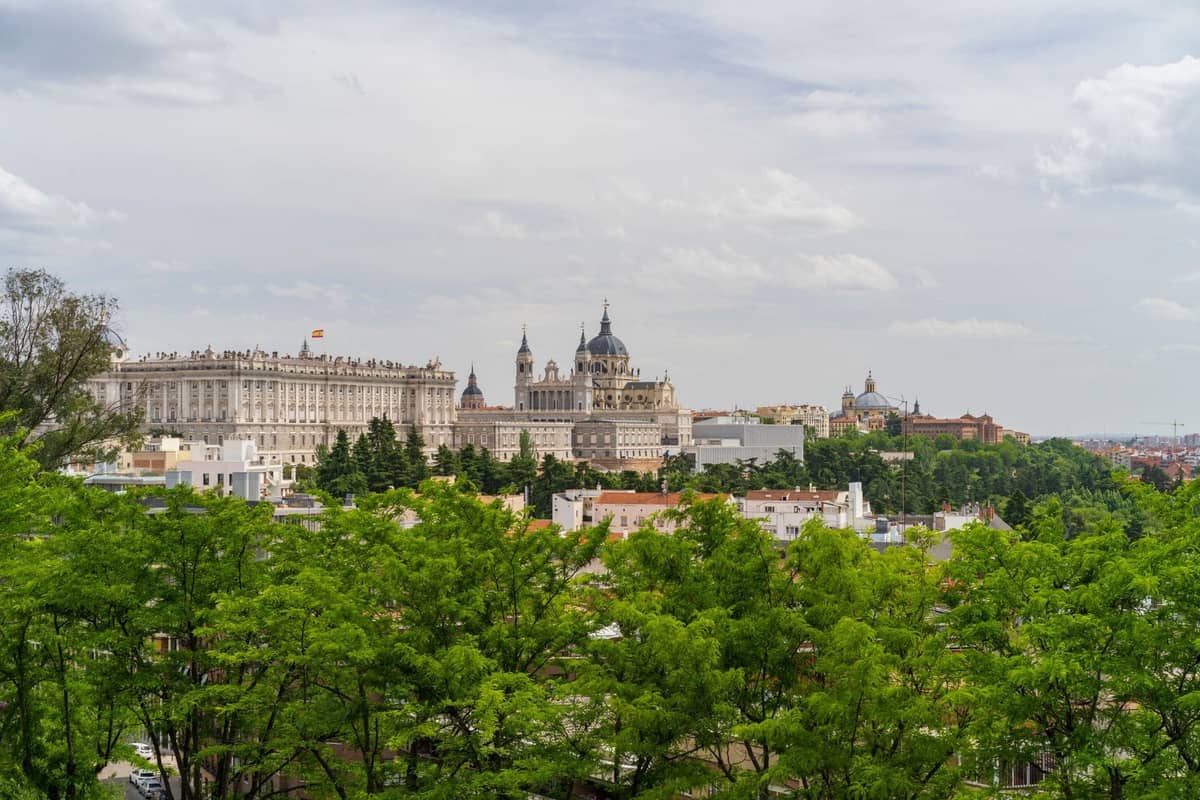
The Palacio Real de Madrid is the largest royal palace by floor area in Western Europe, with over 3,400 rooms, of which around 50 are open to visitors. The building is still used for official state ceremonies, which occasionally leads to partial closures without much advance notice. Check the official Patrimonio Nacional site before visiting. A standard self-guided ticket costs around €14 to €18 depending on the access option you choose. EU and certain Latin American citizens can enter free on Monday through Thursday during late afternoon hours with valid ID.
Adjacent to the palace, the Almudena Cathedral is frequently misread as an ancient structure. It was only consecrated in 1993, though construction began in 1879. The interior is more interesting than the exterior suggests, particularly the crypt. Entry to the cathedral is free, though the museum carries a small fee. Directly west of the palace, the Jardines de Sabatini offer a formal garden setting with a clear view of the northern facade, free to enter and far less crowded than the palace courtyards.
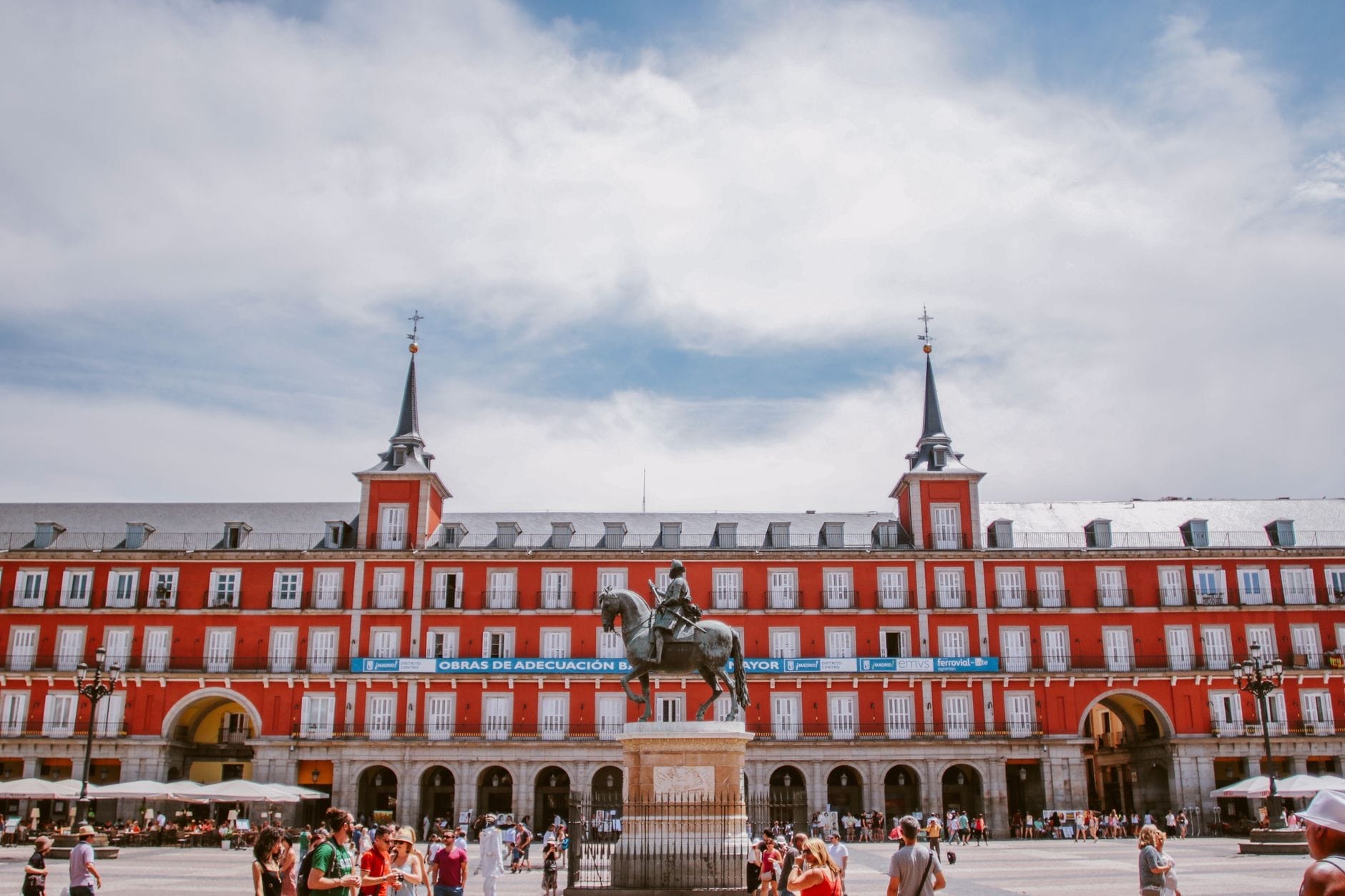
From the palace, it is a short walk east to Plaza Mayor and then to Puerta del Sol, the geographic and symbolic centre of the country. The kilometer zero marker embedded in the pavement here is the reference point from which all Spanish national road distances are measured. Both plazas are tourist-heavy by mid-morning; visit before 9 am or after 8 pm for a calmer experience.
⚠️ What to skip
The restaurants with outdoor tables directly on Plaza Mayor and around Puerta del Sol charge significantly above average prices for mediocre food. Walk two or three blocks in any direction into La Latina or Sol's side streets and the quality improves markedly while prices drop.
Retiro Park and Madrid's Green Spaces
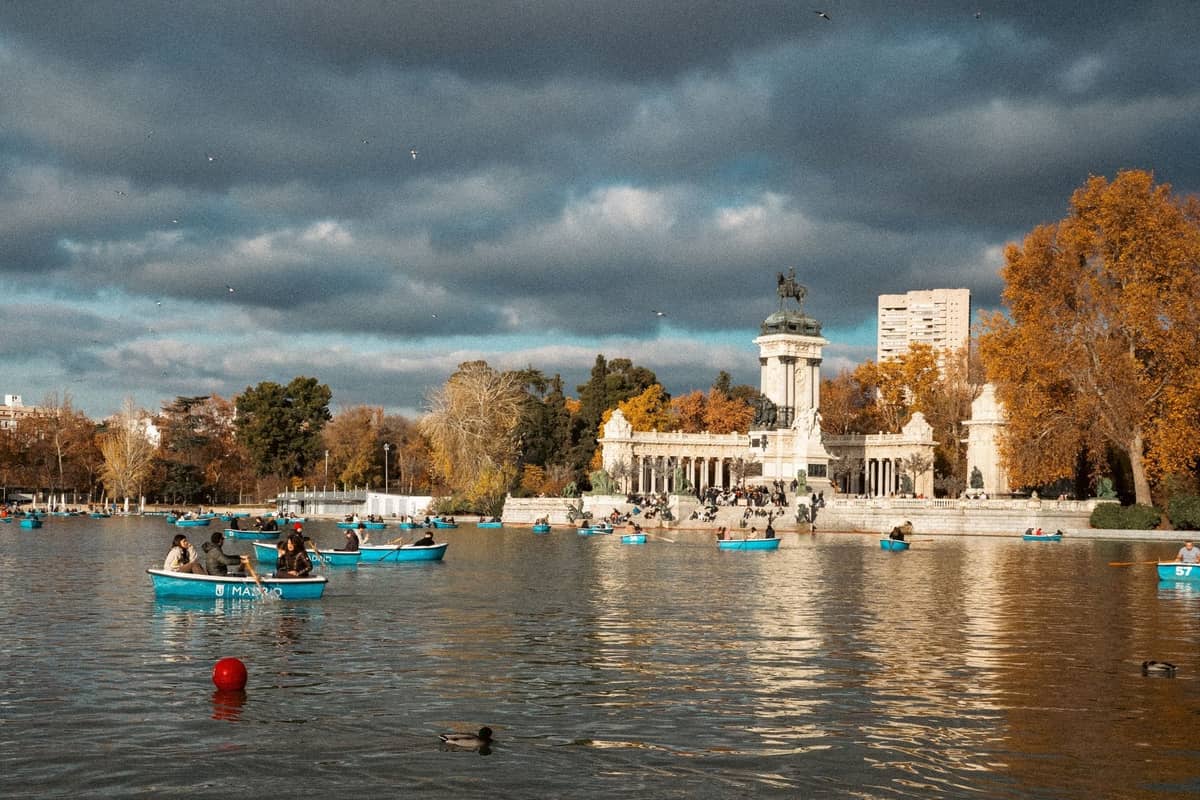
The Parque del Buen Retiro is 350 acres of parkland in the heart of the city, declared a UNESCO World Heritage Site in 2021 as part of the Paseo del Prado and Retiro Landscape. Entry is free. The park opens at 6 am daily and closes at 10 pm in winter, midnight in summer. On Sunday mornings, the Estanque Grande fills with rowing boats for hire, street performers gather near the Paseo de Coches, and the whole park takes on a genuinely local character that is quite different from the weekday tourist experience.
Beyond Retiro, Madrid has green space that most visitors overlook. The Egyptian Temple of Debod, relocated from Aswan and reassembled in the Parque del Oeste, is one of the more unusual things to do in Madrid Spain: an authentic 2nd-century BC temple given to Spain as thanks for help preserving Nubian monuments during the construction of the Aswan Dam. Entry to the grounds is free; the temple interior has free timed entry slots. The views west from here at sunset, across the Casa de Campo and toward the Sierra de Guadarrama, are among the best in the city.
Markets, Neighborhoods, and Street Life
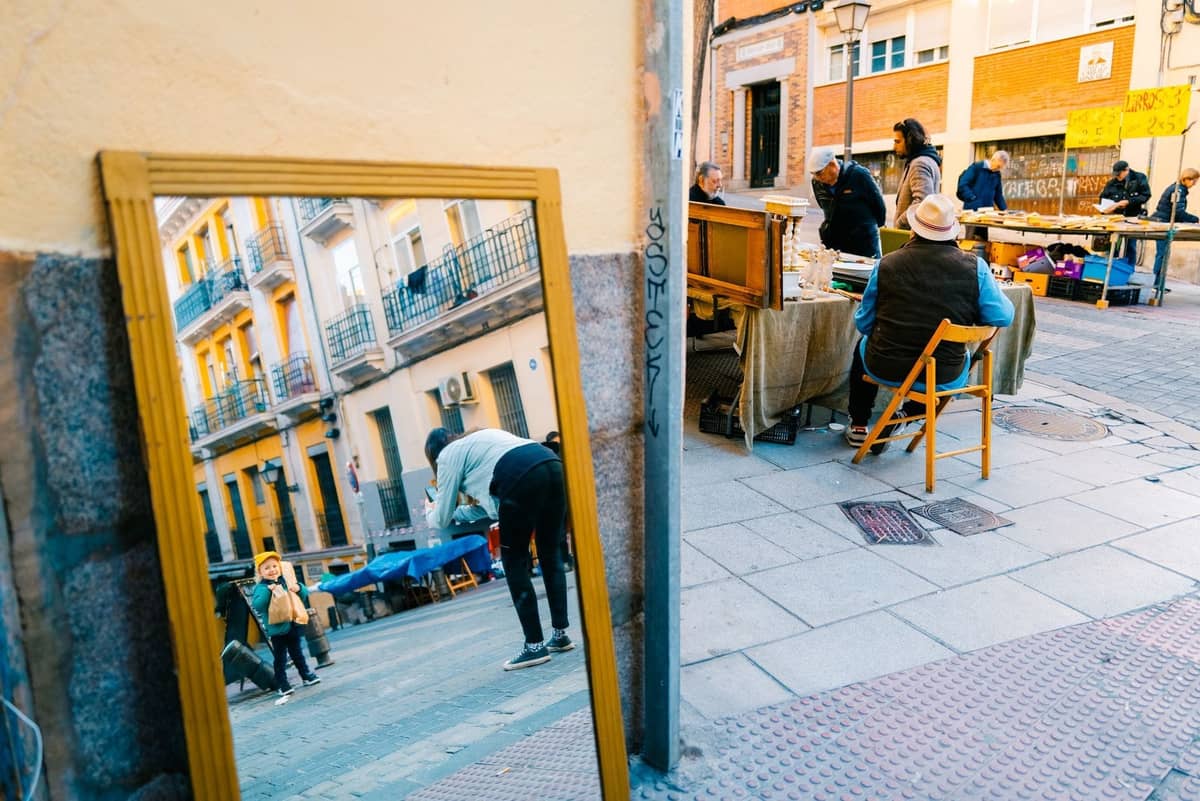
El Rastro is Madrid's most famous flea market and one of the largest in Europe, running every Sunday and public holiday from around 9 am to 3 pm along Calle de la Ribera de Curtidores and dozens of surrounding streets in La Latina. The stalls sell everything from vintage clothing and second-hand books to hardware and antiques. Come before 10 am for the best picking and a manageable crowd; by noon it becomes extremely congested. Pickpocketing is common in the densest sections, so keep bags zipped and in front of your body.
The Mercado de San Miguel, steps from Plaza Mayor, is better understood as a gourmet food hall than a traditional market. It is architecturally beautiful, a 1916 cast-iron structure with glass panels, and the food quality is generally high. It is also expensive and crowded by late morning. Worth a look and perhaps one or two pintxos, but not the place for a budget lunch. For a more authentic covered market experience, the Mercado de la Paz in Salamanca serves the local neighborhood and is far less theatrical.
Neighborhood exploration is one of the most rewarding things to do in Madrid. Malasaña and Chueca north of Gran Vía are dense with independent bars, vintage shops, and cafes that fill from early evening. Lavapiés to the south is the city's most truly multicultural district, with cheap restaurants from across North Africa, South Asia, and Latin America alongside art spaces and the La Casa Encendida cultural center. These areas do not require advance planning; the point is to walk without a fixed agenda.
- El Rastro Flea Market Sundays and public holidays only, 9 am to 3 pm in La Latina. Arrive early for space and selection. Watch your belongings in the crowds.
- Mercado de San Miguel Daily from late morning to around midnight. Good for a tapas snack or vermouth; overpriced for a full meal. Best visited on weekday mornings.
- Calle Ponzano (Chamberí) A single street in Chamberí with an unusually high concentration of quality tapas bars. Thursday evenings are the local preference; weekends get louder.
- Gran Vía Madrid's main boulevard is worth walking end to end for the early 20th-century architecture, but skip the chain restaurants that line it. Better food is always one block away.
Flamenco, Football, and Madrid After Dark
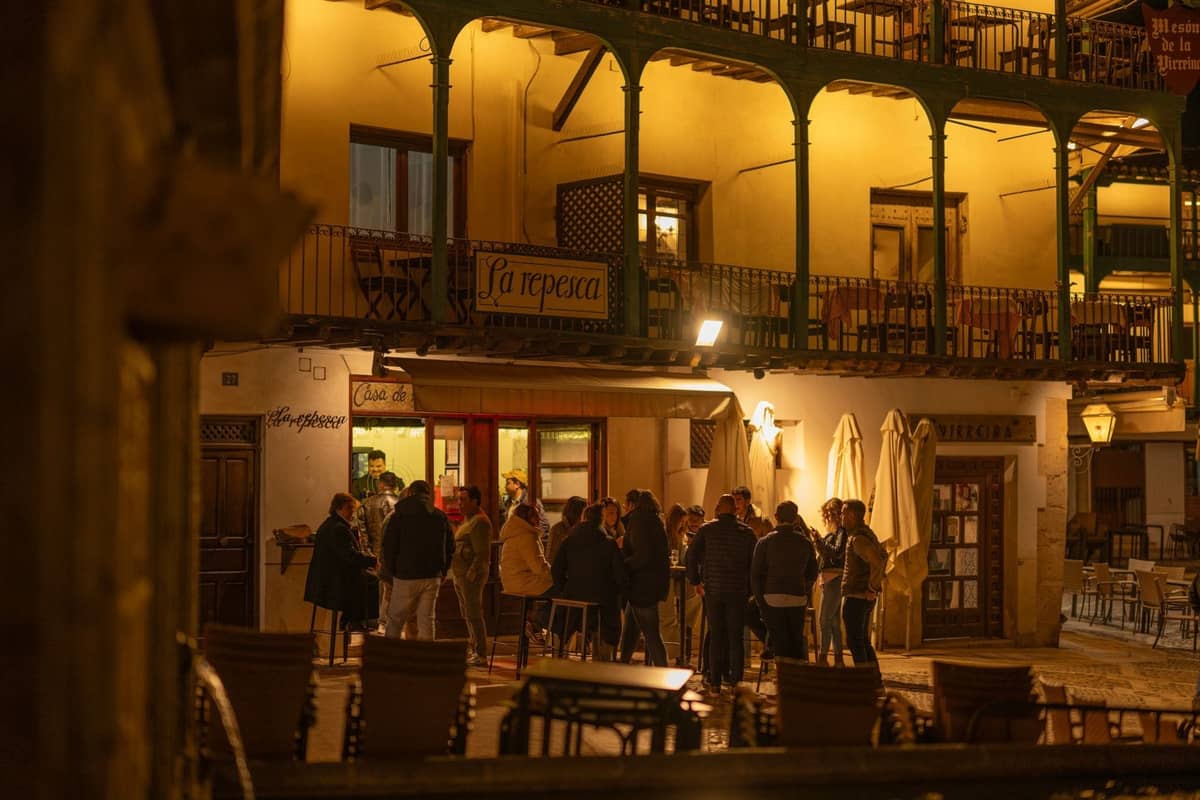
Madrid is not flamenco's birthplace, that is Andalucía, but it is where the form has been professionalized and where the best performers often end up. The classic option is Corral de la Morería, which has operated since 1956 and consistently presents top-tier dancers and musicians. Tickets are not cheap, typically €45 and up with dinner, but the quality is reliable. For a more detailed overview of venues across price points, the Madrid flamenco guide covers the full range from formal tablaos to free shows.
A tour of the Estadio Santiago Bernabéu is strikingly impressive whether or not you follow football. The stadium recently underwent a major renovation and the museum and stadium tour typically costs €30 to €40 for adults. Attending a live Real Madrid match is a different experience entirely, but tickets require advance planning and can be expensive for high-profile fixtures. Check the official Real Madrid site for the current schedule.
Madrid's nightlife operates on a timetable that confounds visitors used to earlier schedules. Dinner rarely starts before 9 pm. Bars fill after 11 pm. Clubs open at midnight but do not reach capacity until 2 or 3 am. The areas around Malasaña, Chueca, and La Latina are the main nightlife zones for most visitors. For a more structured overview of what works and what does not, the Madrid nightlife guide is worth reading before your first evening out.
Practical Logistics: When to Go, Getting Around, and Saving Money
Madrid sits at 667 metres above sea level, which moderates temperatures slightly compared to coastal cities at the same latitude, but summer is still intensely hot. July and August regularly see afternoon temperatures above 35°C, and some days push past 40°C. Museums become even more crowded as visitors seek air conditioning. If you are visiting in summer, plan museum visits for the early morning or late evening, take a long break between 2 and 6 pm, and recalibrate to the local schedule where outdoor activity happens before noon and after sunset.
April, May, September, and October offer the most comfortable conditions for walking the city. Spring also brings the city's major festival calendar into play. The San Isidro festival around May 15 spans roughly two weeks and fills the city with open-air concerts, traditional events, and bullfighting at Las Ventas. Madrid LGBTQ+ Pride in late June and early July is one of Europe's largest, centered on Chueca and Gran Vía.
Getting around is straightforward. The Madrid Metro covers the city comprehensively, with Line 8 connecting the airport directly to the city center in around 25 to 30 minutes. The historic center is compact enough to walk between major attractions. For a practical breakdown of routes, fares, and transport cards, see the getting around Madrid guide. Budget travelers will find that the free entry slots at the major museums, combined with free parks and free neighborhood exploration, make Madrid one of the more accessible European capitals. The free things to do in Madrid guide lists more options with entry costs of zero.
- Carry a reusable water bottle: Madrid's tap water is safe to drink and fountain water points are distributed across the city.
- The Tarjeta Multi transport card is the most cost-efficient way to use the Metro and buses. Load it with 10-trip credit rather than buying single tickets.
- Many churches and smaller museums close on Mondays; the Reina Sofía is also closed Tuesdays. Plan your museum days around these closures.
- Visiting religious sites requires covered shoulders and knees. Light layers are useful in spring and autumn when interiors can be cool.
- The airport taxi to central Madrid operates on a flat regulated fare. Confirm the rate applies before getting in; it applies to journeys within the M-30 ring road.
ℹ️ Good to know
Spain operates on Central European Time (UTC+1 in winter, UTC+2 in summer). The country is on the same timezone as most of continental Europe but geographically should be closer to the UK's timezone. This means daylight lingers late into the evening in summer, which shapes the entire pace of daily life and outdoor activity.
FAQ
How many days do you need in Madrid?
Three full days cover the main museums, the Royal Palace area, Retiro Park, and give time for neighborhood wandering. Five days allows you to go deeper into smaller museums like the Museo Cerralbo or Museo del Romanticismo, take a day trip to Toledo or El Escorial, and actually slow down enough to experience the city at its own pace rather than rushing between sights.
What is the best free thing to do in Madrid?
Retiro Park on a Sunday morning is hard to beat. It is free, distinctly local in character, and beautiful in every season. The evening free entry slots at the Prado (Mon-Sat 6-8 pm) and Reina Sofía (Mon, Wed-Sat 7-9 pm) are also exceptional value for world-class art at no cost.
Is Madrid worth visiting in summer?
Yes, but with adjustments. The heat between 1 and 6 pm is serious, often exceeding 35°C. The city empties somewhat as locals leave on holiday in August, which reduces some queues but also means some smaller businesses close. If you visit in summer, structure your day around a long midday break, visit museums in the morning, and save outdoor exploring for evenings when temperatures drop and the city comes alive.
What are the most overrated things to do in Madrid?
Eating at restaurants directly on Plaza Mayor or Puerta del Sol: the prices are high and the quality rarely justifies them. The Mercado de San Miguel is also worth tempering expectations on; it is photogenic but expensive and crowded. El Rastro is particularly good, but only if you arrive before 10 am. Arriving at noon and expecting a relaxed browsing experience is a disappointment waiting to happen.
Can you do day trips from Madrid?
Madrid's position at the center of the Iberian Peninsula makes it an excellent base. Toledo is 30 minutes by high-speed train. Segovia is under an hour. Salamanca is about 90 minutes. Further afield, Seville, Valencia, and Barcelona are all reachable by fast train in two to three hours, making overnight trips practical. The day trips from Madrid guide covers the best options with transport details.