Best Time to Visit Madrid: A Season-by-Season Breakdown
Madrid rewards visitors year-round, but the best time to visit depends on your priorities. This guide covers weather patterns, crowd levels, hotel prices, and key events for every season so you can choose the trip that actually suits you.
Plan and book this trip
Tools from our partner Travelpayouts help you compare flights and hotels. If you book through them, we may earn a commission at no extra cost to you.
Flights
Hotels map
TL;DR
- Spring (April to June) and autumn (September to October) offer the best balance of comfortable temperatures, manageable crowds, and fair prices. See Madrid in spring for a full seasonal breakdown.
- Summer (July and August) is hot, often exceeding 35°C, which makes long days of sightseeing genuinely exhausting. Many locals leave town, but the city stays open.
- Winter is Madrid's budget season: hotel rates drop, queues at major museums shrink, and the city takes on a different, quieter character.
- May is peak timing for the San Isidro festival, Madrid's biggest annual celebration. Check the San Isidro festival guide before booking that month.
- Madrid is in the Central European Time zone (UTC+1 in winter, UTC+2 during daylight saving), which affects early and late sightseeing logistics more than most visitors expect.
Understanding Madrid's Climate Before You Book
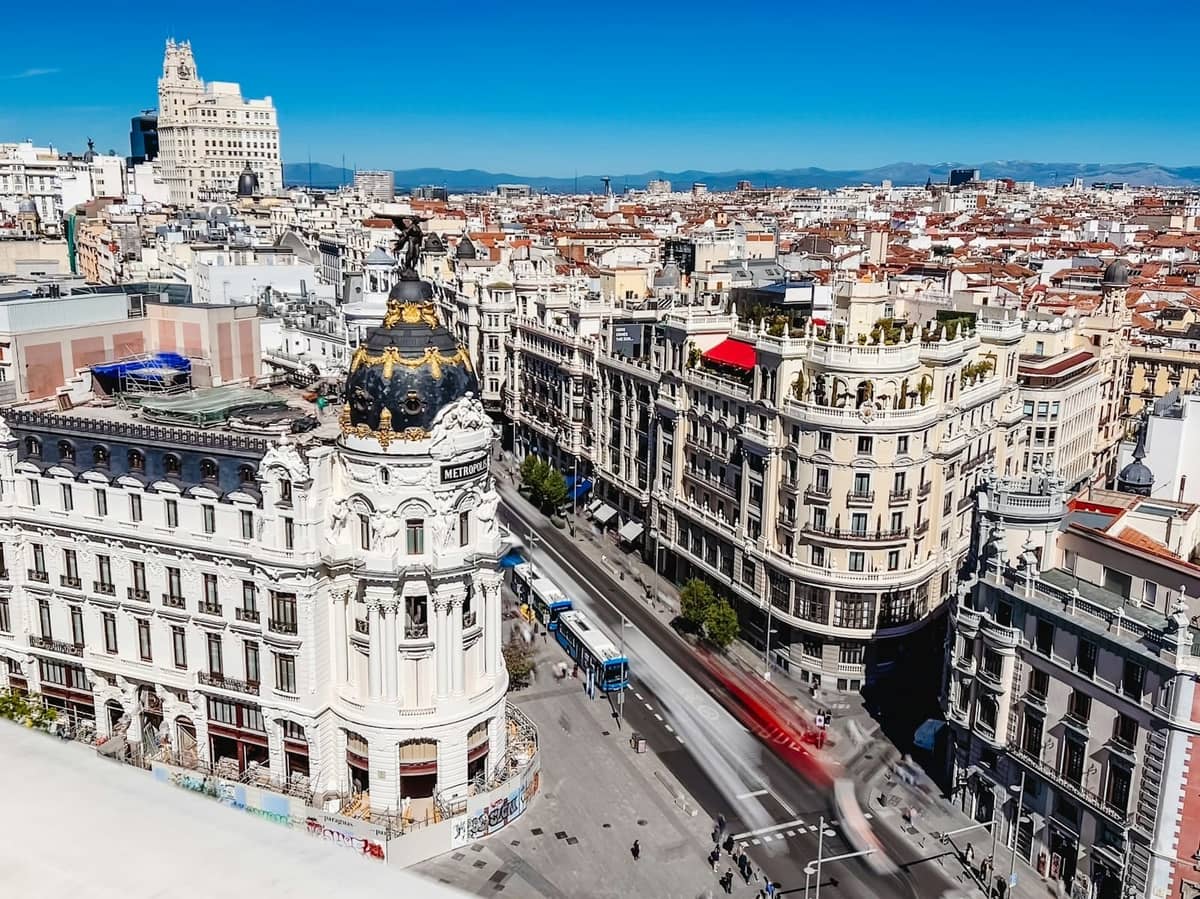
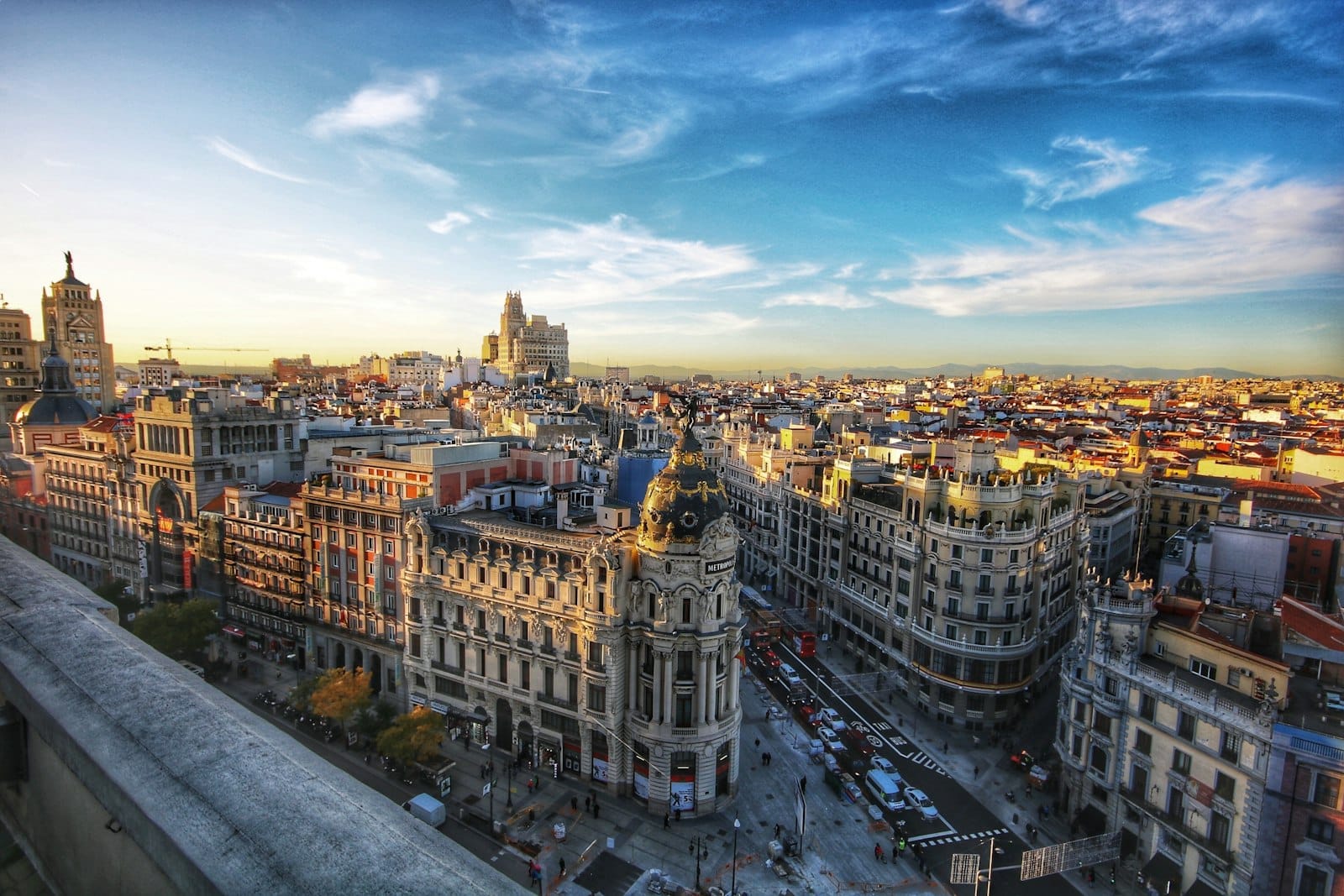
Madrid sits at 667 metres above sea level near the geographic centre of the Iberian Peninsula, a position that shapes its weather dramatically. The city has a cold semi-arid to Mediterranean climate: summers are extremely hot and dry, winters are cool and mostly dry, and the shoulder seasons deliver the temperate conditions most visitors are looking for. What surprises many travellers is how cold Madrid nights can get even in spring, and conversely how swiftly temperatures drop once October ends.
Rainfall is moderate overall, concentrated in spring and autumn. July and August are nearly bone dry, which is why those months feel brutal rather than refreshing. The high elevation means the city does not benefit from coastal breezes the way Barcelona does, so summer heat is direct and still. Equally, winter nights can drop close to freezing, occasionally below it, which matters if you are planning late-evening walks between restaurants and bars.
- Winter (December to February) Daytime highs around 8 to 12°C, nights near 2 to 5°C. Dry for the most part. Occasionally frosty.
- Spring (March to May) Mild and increasingly warm. Late spring reaches 20 to 25°C by day, with April showers that clear quickly.
- Summer (June to August) Consistently above 30°C, with many days pushing 35°C or higher. Very low rainfall. High UV exposure.
- Autumn (September to November) September still warm around 25°C, cooling steadily. October and November are pleasant but bring more rain.
ℹ️ Good to know
Madrid observes daylight saving time. In summer (late March to late October), the city runs on CEST (UTC+2). In winter it shifts to CET (UTC+1). This means summer sunsets fall well after 9:30 pm, which is why dinner before 9 pm still feels early to locals.
Spring: The Consensus Best Time to Visit Madrid
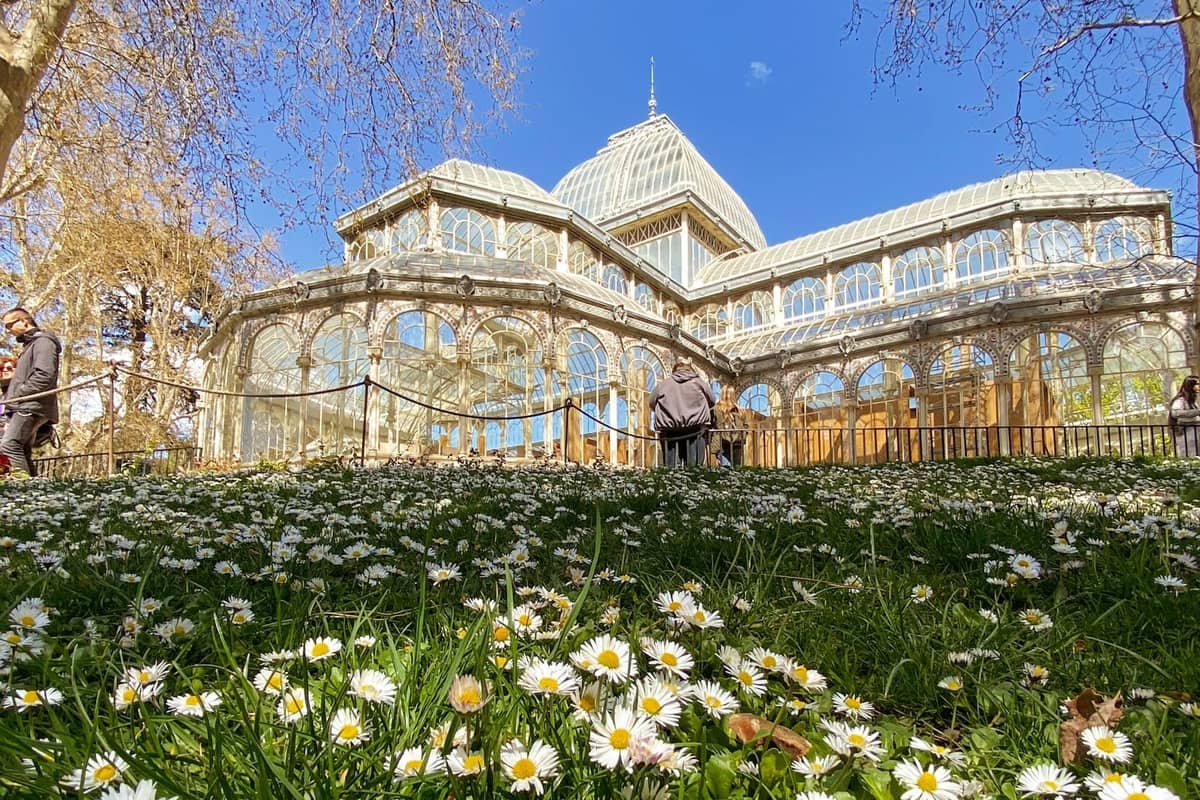
April through June is the period most travel experts and experienced visitors point to first, and the reasoning is straightforward. Daytime temperatures sit in the 18 to 26°C range, which is comfortable for walking between the Prado, the Thyssen, and Reina Sofia without needing to retreat indoors every hour. The light is excellent for photography at outdoor landmarks like the Palacio Real and Retiro Park. April brings occasional showers, but they rarely last more than an hour and the sky tends to clear sharply afterward.
May is the standout month. The San Isidro festival brings bullfighting, open-air concerts, and neighbourhood processions, particularly around the old working-class barrios. Retiro Park fills with locals on weekends, and the Retiro Rose Garden reaches its annual peak bloom. Crowds at major museums are noticeable but not overwhelming, and flight prices have not yet hit peak-summer levels. If you can only choose one month, May is the strongest option for most travellers.
Early June works almost as well as May. Late June edges toward summer heat and slightly higher prices as school holidays begin across Europe. If you visit in spring, pack a light layer for evenings and be prepared for April rain with a compact umbrella. Locals dress in layers well into May.
💡 Local tip
Book accommodation at least 6 to 8 weeks in advance for May, especially if San Isidro falls during your dates. Hotels in the Sol-Centro area fill quickly around festival weekends.
Summer: Hot, Lively, and Demanding
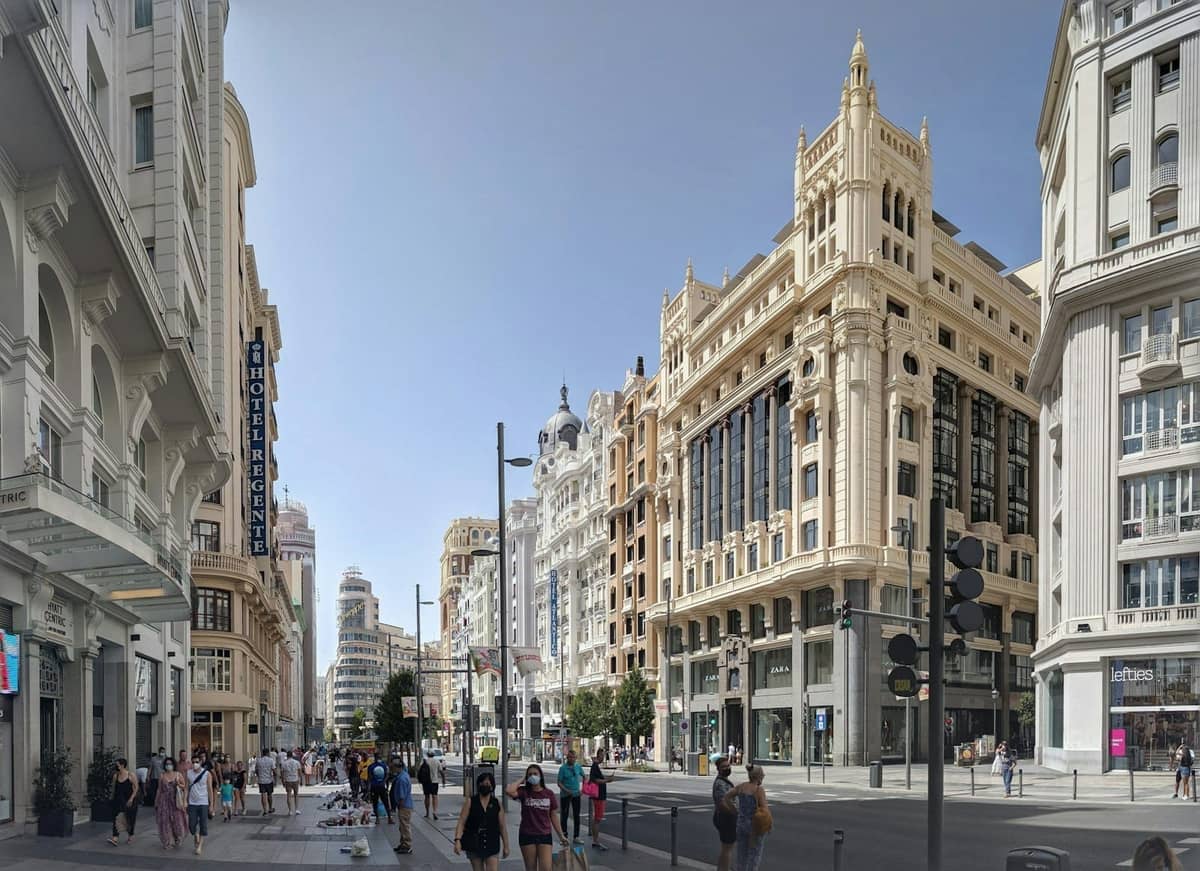
July and August are not ideal for comfortable sightseeing, and it is worth being direct about that. Temperatures routinely exceed 35°C, and Madrid's landlocked position means there is no sea breeze to soften it. The midday hours from roughly 1 pm to 5 pm are best spent inside, either in air-conditioned museums or following the local custom of a long lunch. The city does not shut down the way some Mediterranean towns do, but many Madrileños take their holidays in August, so certain neighbourhood restaurants close for two to three weeks.
The upside is that summer has its own rhythm. Evenings in Malasaña and Chueca are vibrantly alive well past midnight, outdoor terraces appear on nearly every street, and outdoor music events run through the summer calendar. The Veranos de la Villa festival brings free and low-cost cultural performances to parks and public spaces throughout July and August. If nightlife and outdoor dining matter more to you than comfortable daytime exploration, summer is not a write-off.
⚠️ What to skip
Madrid summers involve real heat health risk, not just discomfort. Carry water constantly, wear high-SPF sunscreen, and schedule outdoor sightseeing for before noon or after 6 pm. Heat stroke is a genuine concern for visitors unacclimatised to these temperatures.
Autumn: Arguably Underrated and Often the Smartest Choice
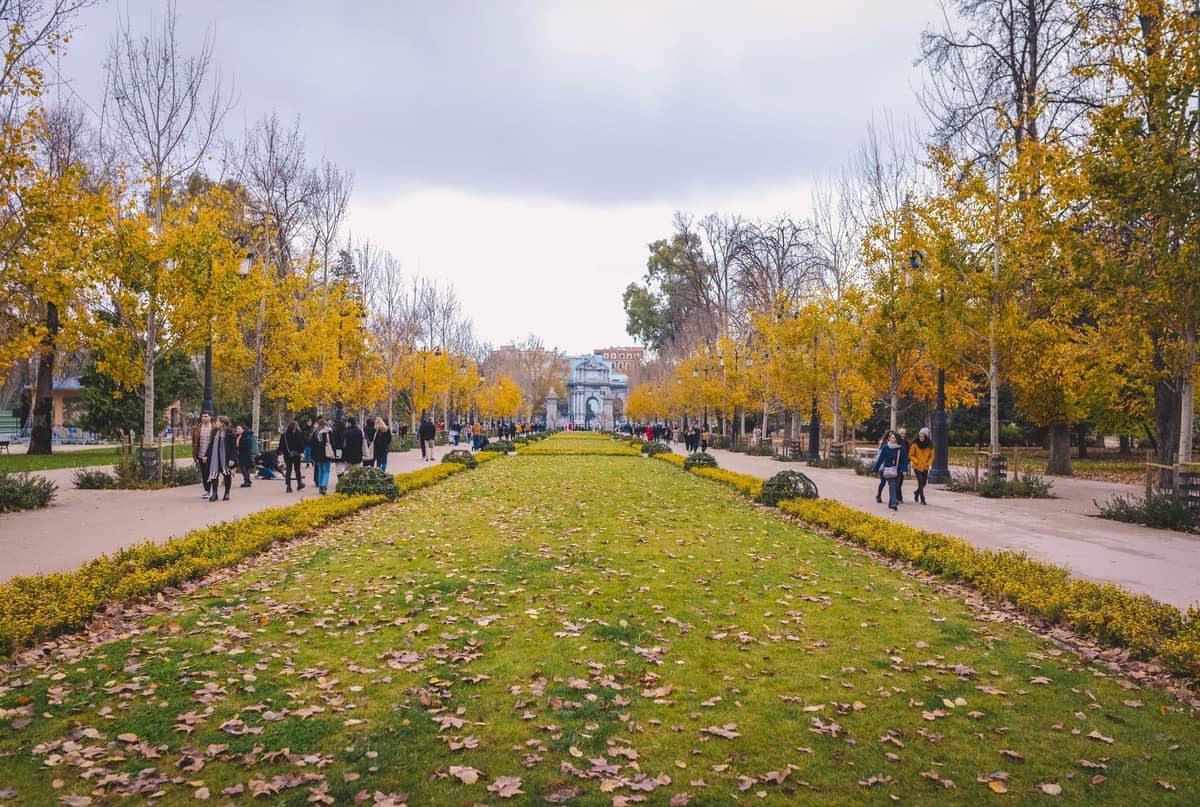
September and October represent Madrid's other strong window, and in some respects autumn edges out spring for practical travellers. The summer heat dissipates through September, which still delivers warm, mostly sunny days around 24 to 26°C, while October settles into quite comfortable 16 to 20°C territory. Crowds thin noticeably after the European summer holiday period ends, and hotel rates drop relative to July and August peaks.
October 12th marks Día de la Hispanidad, Spain's national day, which brings military parades along the Paseo de la Castellana and flag-flying across the city. It is a significant cultural moment, though it does mean some public spaces and transport lines get congested on that specific date. Autumn is also a good season for day trips: the sierras north of the city, reachable via Cercanas train, turn amber and gold in October. Day trips from Madrid are particularly rewarding in autumn weather.
November is a genuine shoulder month: still mild compared to northern Europe, but noticeably quieter and cheaper. Rain increases, and grey days are common, though temperatures remain around 10 to 14°C. For travellers who prioritise museum time over outdoor exploration, November is worth considering seriously, especially for budget-conscious trips.
Winter: The Budget Option with Real Character
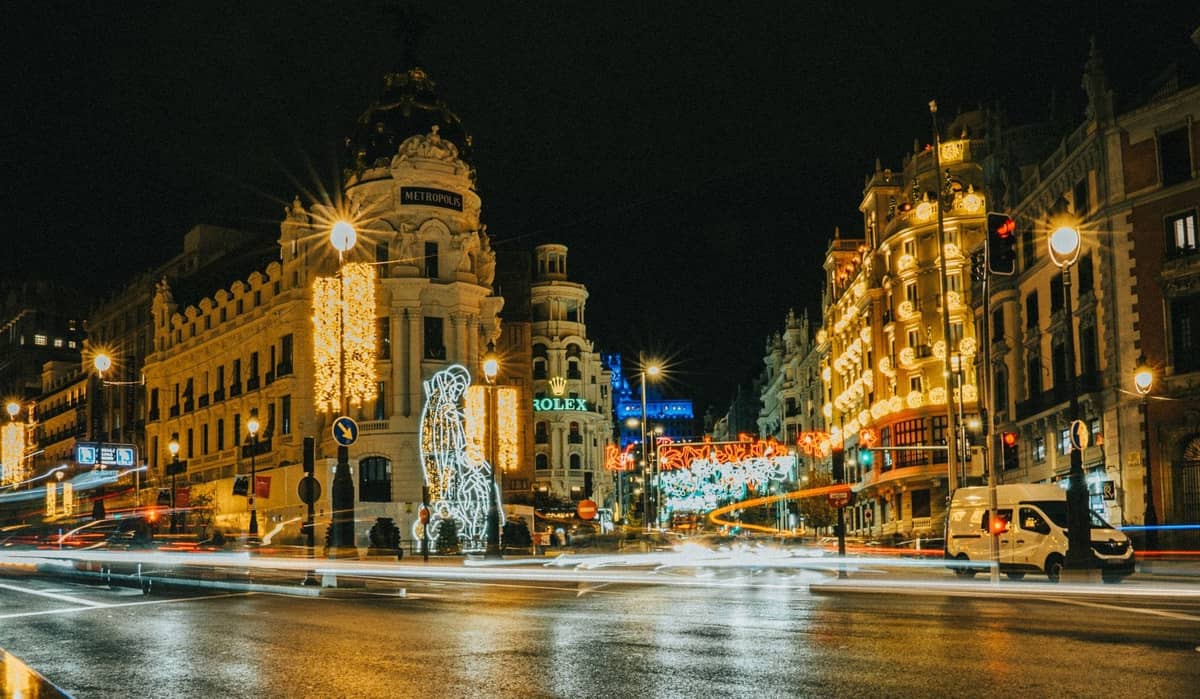
December through February is Madrid's low season by most tourism metrics, but the city has genuine appeal in winter. The Christmas lighting along Gran Vía and Calle de Alcalá is spectacular from late November through early January, and the city's markets and festive atmosphere are worth experiencing. If you are planning a Christmas trip to Madrid, this is one of the better European capitals for the holiday period.
Outside the Christmas and New Year spike (when hotel prices briefly surge), January and February are the cheapest months to visit. Queues at the Prado and Reina Sofia are shorter, you can walk into popular restaurants without a reservation on weekdays, and the city has a more lived-in, local feeling. Daytime temperatures hover between 8 and 12°C, which is cold enough to require a proper coat but not so cold as to make outdoor sightseeing unpleasant. Snow is rare in the city centre, though it does occur occasionally.
- Hotels in January and February can be 30 to 50% cheaper than peak summer rates in similar categories.
- The Prado and Reina Sofia are free to enter on certain weekday evenings (hours subject to change, check official websites before visiting).
- Flamenco venues and jazz clubs operate year-round and are if anything more atmospheric in winter when the city turns inward.
- El Rastro flea market in La Latina runs every Sunday regardless of season, making it a winter-weekend staple.
- Ski resorts in the Sierra de Guadarrama are about 90 minutes from the city by car or bus, making winter a reasonable base for combined city and mountain trips.
Practical Decisions: Matching Your Priorities to the Right Season
The straightforward answer to when to visit Madrid is that it depends on what you are optimising for. If you want comfortable walking weather for covering the major museums and outdoor sights, spring and early autumn are the clear leaders. If you are on a strict budget, January to early March delivers the best value. If nightlife and late evenings outdoors are the priority, summer's long days and terrace culture justify the heat.
Madrid's food scene runs year-round and does not require special timing, though the summer months thin out some neighbourhood spots in August. The tapas culture in Madrid is a constant, not a seasonal event. Similarly, the core art museums, the Royal Palace, and the major parks operate across all seasons with adjusted hours. Checking current opening times and ticket availability before your trip is always worthwhile, as schedules shift seasonally and for private events.
- Best for weather and sightseeing May, early June, September, October
- Best for budget travel January, February, March (excluding Easter)
- Best for festivals and events May (San Isidro), December (Christmas markets), October (Día de la Hispanidad)
- Best for nightlife and outdoor dining June through August, when terraces stay open past midnight
- Best for avoiding crowds January, February, November
✨ Pro tip
Semana Santa (Holy Week before Easter) is a major domestic travel period in Spain. If your dates fall in late March or April, expect higher hotel prices, busy trains, and significant crowds at popular sites. Book well in advance or adjust your dates if flexibility allows.
FAQ
What is the best time to visit Madrid for good weather?
May and September offer the most reliably comfortable conditions: warm enough for outdoor sightseeing, not so hot as to be exhausting. Late April and early October are close runners-up. These months avoid the 35°C-plus extremes of July and August while still delivering mostly sunny skies.
Is Madrid worth visiting in summer?
Yes, but with adjusted expectations. July and August are intensely hot, often exceeding 35°C midday, so plan outdoor activities for the morning and evening. The city's nightlife and terrace culture are at their peak in summer, and museum queues are more manageable than in spring. Hydration and sun protection are essential, not optional.
What is the cheapest time to visit Madrid?
January and February are consistently the lowest-demand months, with hotel rates significantly lower than peak season. The exception is Christmas and New Year, when a brief spike in prices occurs. Early March can also offer good value before spring demand picks up.
What time zone is Madrid in?
Madrid operates on Central European Time (CET), which is UTC+1 in winter. During daylight saving, from late March to late October, the city shifts to Central European Summer Time (CEST) at UTC+2. In practice, this means summer sunsets after 9:30 pm and sunrise before 7 am, while winter days are shorter with sunset around 6 pm.
When is the best time to visit both Madrid and the rest of Spain or Portugal?
If you are combining Madrid with southern Spain or Portugal, spring (April to May) and autumn (September to October) work well across all destinations. These months avoid the coastal crowds and intense heat of August while keeping conditions pleasant for travel. Madrid's shoulder seasons align well with Seville, Lisbon, and the Algarve.