Madrid's San Isidro Festival: What to Expect in May
Every May, Madrid throws one of Europe's great city festivals in honour of San Isidro Labrador. From free open-air concerts and religious processions to the world's most prestigious bullfighting fair, this guide covers everything you need to plan your visit.
Plan and book this trip
Tools from our partner Travelpayouts help you compare flights and hotels. If you book through them, we may earn a commission at no extra cost to you.
Flights
Hotels map
TL;DR
- The San Isidro Festival centres on 15 May (the feast day) but spans roughly 6–17 May, with a full programme of free concerts, religious events, traditional food, and family activities across the city.
- Main venues include Pradera de San Isidro, Plaza Mayor, Las Vistillas Gardens, and Matadero Madrid.
- The bullfighting San Isidro Fair at Las Ventas runs for about a month (roughly mid-May to mid-June) — a completely separate, ticketed programme from the city-wide festivities.
- Traditional foods to try: rosquillas (in four varieties), gallinejas, entresijos, calamari sandwiches, and Madrid-style limonada.
- Many city events are completely free. Book bullfighting tickets well in advance — top corridas sell out weeks ahead.
What Is the San Isidro Festival?
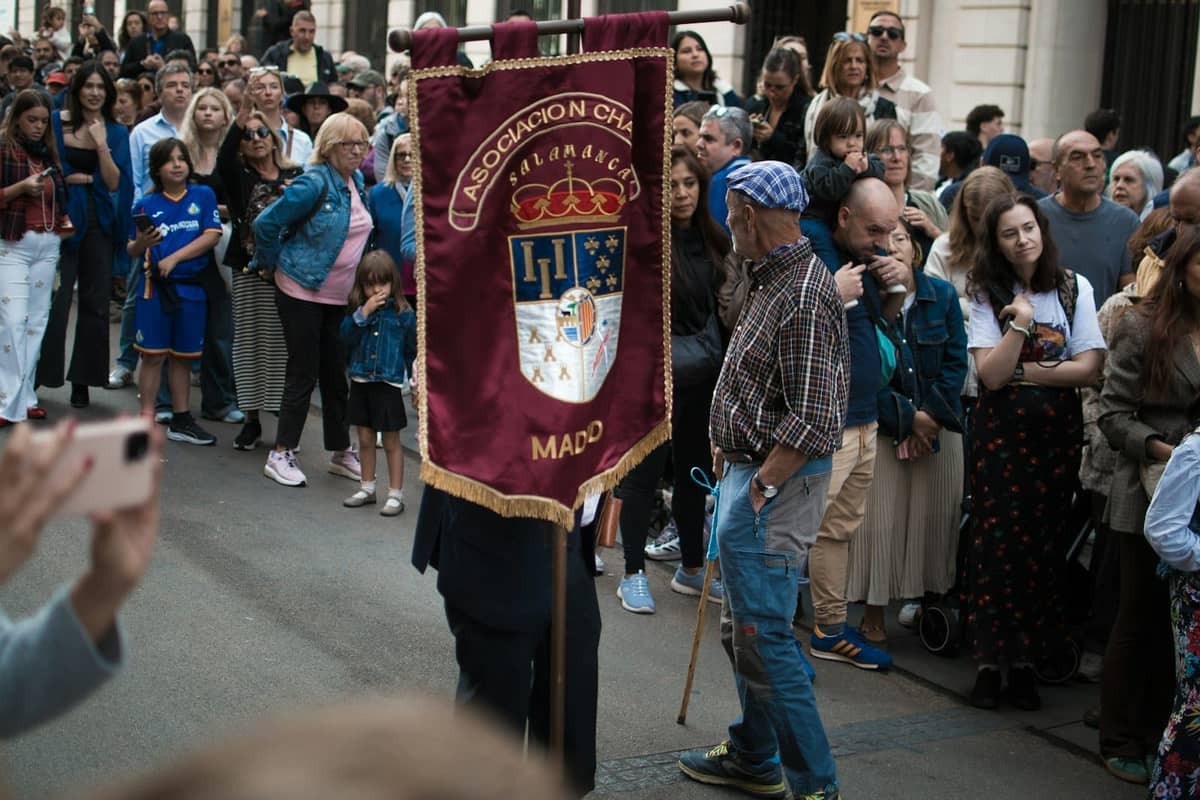
San Isidro Labrador is the patron saint of Madrid, a medieval farmhand who became associated with miracles of water and harvest, canonised in 1622 alongside Teresa of Ávila and Ignatius of Loyola. The city has marked his feast day on 15 May for centuries, and today the Fiestas de San Isidro rank among the most significant local celebrations in Spain. For about ten days each May, the city government and local communities organise a dense calendar of religious ceremonies, open-air concerts, craft fairs, parades in traditional chulapo dress, and fairground attractions.
It is worth clearing up a common point of confusion immediately: there are really two overlapping events that share the San Isidro name. The first is the city-wide fiesta, organised by the Ayuntamiento de Madrid, which typically runs for about a week around 15 May and is largely free. The second is the San Isidro Bullfighting Fair at Las Ventas, which runs for approximately one month from mid-May into mid-June. Both are referred to locally as San Isidro, but they operate on entirely different schedules and budgets. This guide covers both.
Festival Dates and Key Programme
The city-wide festivities follow an official programme published each year by the Ayuntamiento de Madrid. For 2026, the Fiestas de San Isidro are concentrated around the days leading up to and including 15 May, with the main fair operating for roughly a week around the feast day. The actual programme changes annually, so always check the official festival site (sanisidromadrid.com) or the Turismo Madrid portal (esmadrid.com) for the current year's schedule.
- Pregón (opening speech) Traditionally delivered in the days before 15 May to formally launch the festival, often followed by a zarzuela concert. The pregón is a key civic moment and usually takes place at a central Madrid venue.
- Feast Day (15 May) The core religious day. Masses are held at the San Isidro Collegiate Church and the Chapel of the Cuadra de San Isidro. A pilgrimage (romería) proceeds to the Pradera de San Isidro, where the faithful traditionally drink from the saint's spring water, said to have miraculous properties.
- Concerts and Performances Free concerts span flamenco, classical, folk, and popular music. Plaza Mayor, Las Vistillas Gardens, and Matadero Madrid host the majority of outdoor stages.
- Traditional Dress Parades Madrileños dress as chulapos and chulapas — the working-class costume of the city — in colourful polka-dot outfits. The sight is particularly concentrated around the Pradera de San Isidro on the feast day itself.
- Pradera de San Isidro Fairground A classic fairground with rides, stalls, and street food occupies the Pradera park. Rides typically run until midnight Sunday through Thursday, and until 2:00 AM on Fridays and Saturdays.
💡 Local tip
15 May is a public holiday in Madrid. Expect peak crowds at the Pradera de San Isidro from mid-morning onward. If you want a comfortable spot near the spring or the church, arrive before 10:00 AM. Afternoons on the feast day are packed — enjoyable, but not relaxed.
The San Isidro Bullfighting Fair at Las Ventas
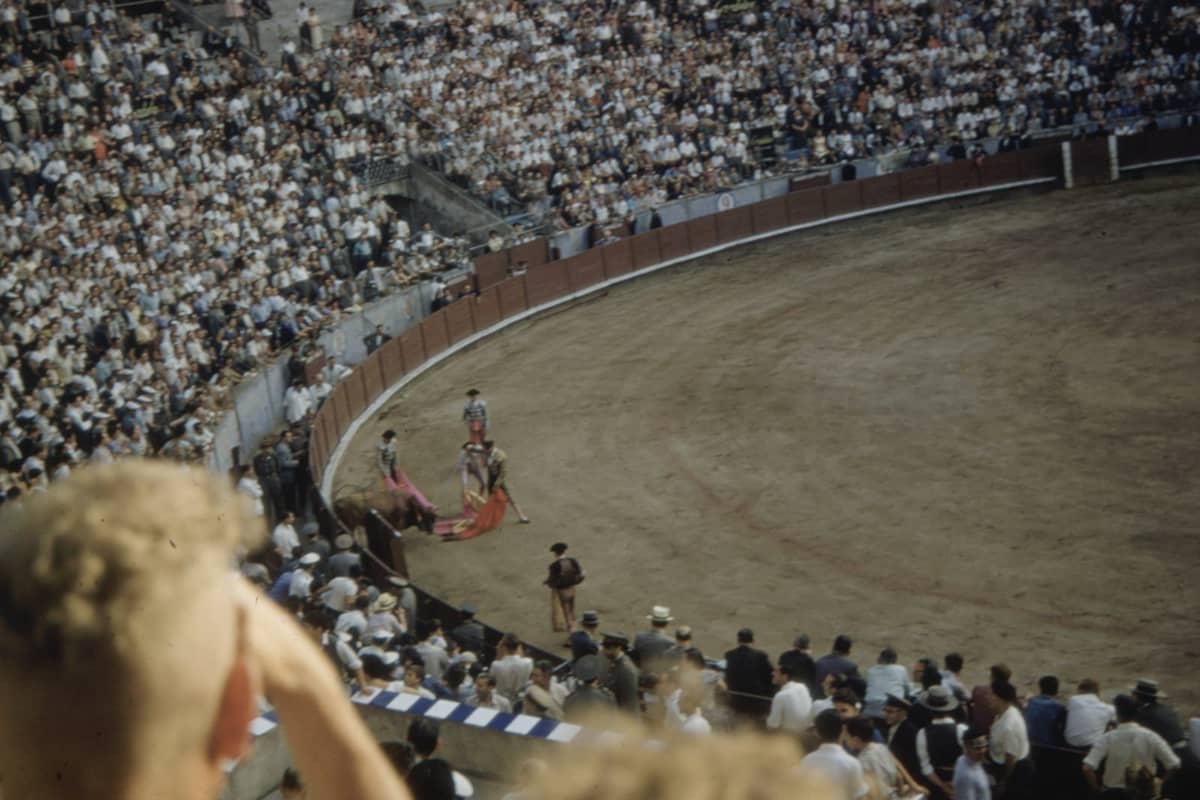
The Plaza de Toros de Las Ventas hosts what is widely regarded as the most prestigious bullfighting fair in the world. The San Isidro cycle attracts the top matadors on the international circuit, and a strong performance here can define a career. For 2026, the fair is expected to run for about a month around the feast day, with evening corridas usually starting at 7:00 PM and gates opening roughly 90 minutes beforehand.
Tickets are sold through Las Ventas' authorised partners. The seat categories matter enormously for comfort. The ring divides into sol (sun), sombra (shade), and sol y sombra (mixed). In mid-May, the Madrid sun is already strong in the afternoon, and sol seats can be genuinely uncomfortable for the two-hour duration of a corrida. Sombra seats cost more — sometimes considerably more for premium corridas — but the experience is significantly better. Book as early as possible; high-profile dates sell out weeks in advance.
⚠️ What to skip
Bullfighting is a divisive subject and is not for everyone. The corridas involve the killing of bulls and can be disturbing for first-time spectators. If you are uncertain, read about the format before attending rather than walking out mid-event — which is disruptive and considered poor etiquette at Las Ventas.
Traditional Food and Drink of San Isidro
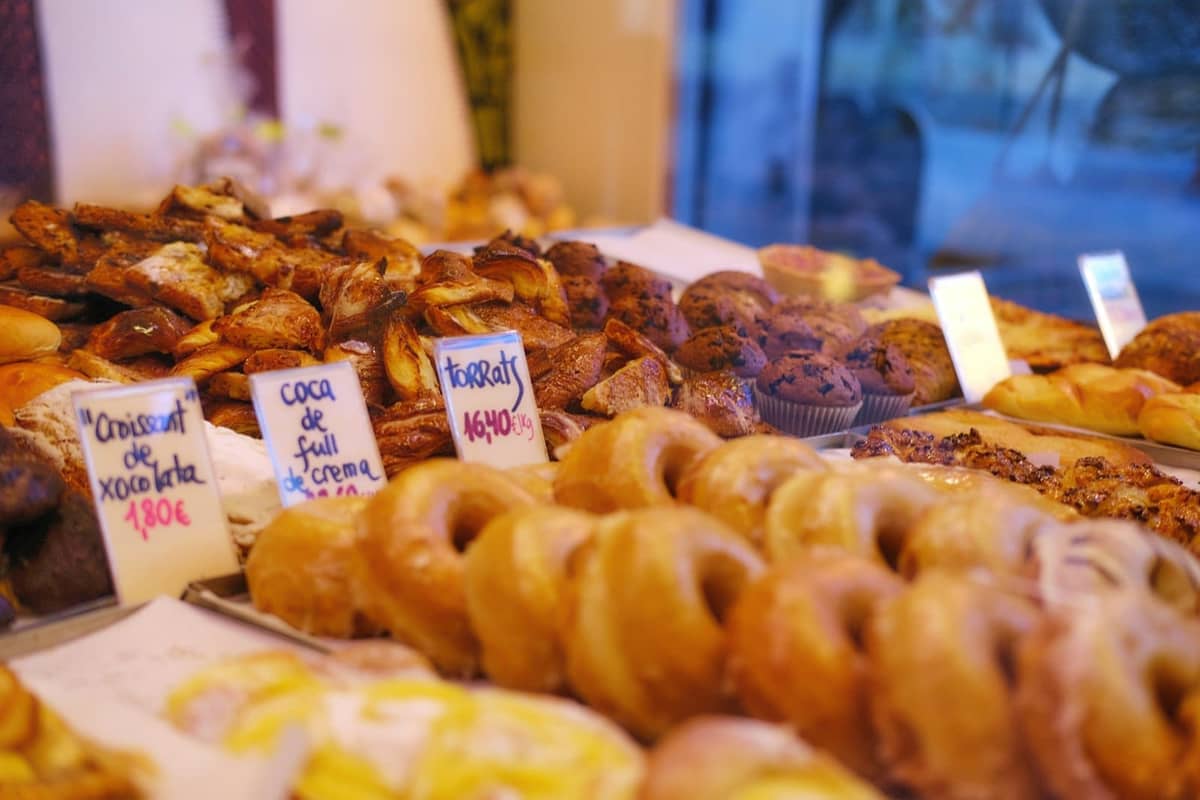
Food is central to how Madrileños experience San Isidro, and certain dishes appear almost exclusively during this period. Knowing what to order — and what each item actually is — makes the experience considerably richer.
- Rosquillas The festival's signature sweet. Four types are traditional: tontas (plain, unglazed), listas (glazed with anise icing), de Santa Clara (meringue-topped), and francesas (almond-coated). Street stalls around the Pradera sell all four. Tontas and listas are the most common; francesas tend to be pricier and less ubiquitous.
- Gallinejas and Entresijos These are fried offal dishes — gallinejas are sheep intestines and entresijos are mesentery fat, both deep-fried until crisp. They are an acquired taste with genuine historical roots in Madrid's working-class food culture. Not for the squeamish, but worth trying if you eat offal.
- Bocadillo de Calamares Fried squid rings in a crusty bread roll — Madrid's great street food contribution and available year-round in the city centre, but especially prominent during San Isidro. The bars around Plaza Mayor serve reliable versions.
- Limonada Madrileña Not lemonade in the conventional sense: this is a punch made with wine, lemon juice, sugar, and chopped fruit. Light, refreshing, and deceptively easy to drink in the May heat. Sold widely at festival stalls.
For a broader picture of where to eat well in Madrid beyond festival stalls, the Madrid food guide and tapas guide cover the city's best restaurants, markets, and neighbourhoods for food in detail.
Where the Festival Happens: Key Venues and Neighbourhoods
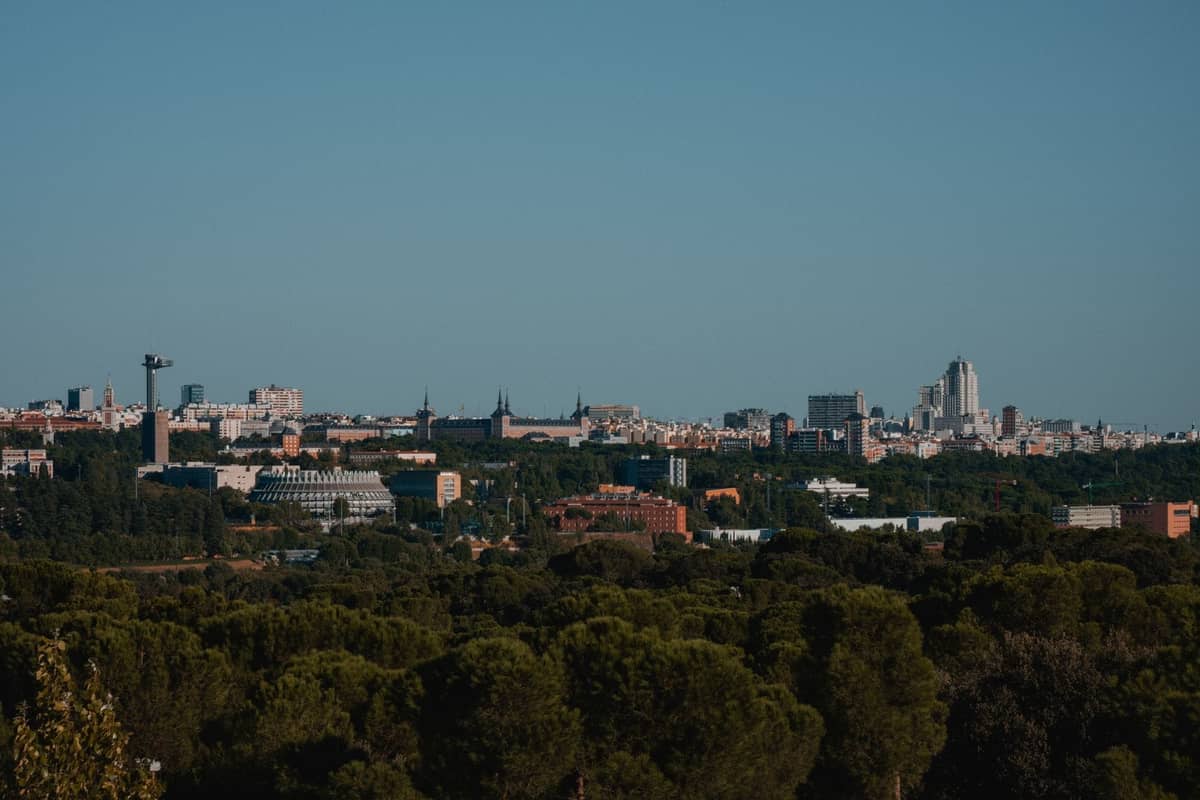
The festival is decentralised, with events spread across multiple areas of the city. The geographic anchor is the Pradera de San Isidro park, located in the Carabanchel district on the south bank of the Manzanares River. Getting there on foot from the city centre takes around 30–40 minutes; the Metro (Line 5, Marqués de Vadillo station) is faster and significantly less tiring. The nearby Madrid Río park makes for a pleasant walk along the river if you prefer to go on foot.
Concerts and performances radiate outward from the Pradera to Plaza Mayor in the historic centre, Las Vistillas Gardens (which offer views toward the Royal Palace), and Matadero Madrid — the former slaughterhouse converted into one of the city's main contemporary arts spaces. Matadero tends to host more alternative and contemporary programming within the festival framework, which can be a good option if traditional zarzuela is not your preference.
Religious events are concentrated around the San Isidro Collegiate Church (Colegiata de San Isidro) on Calle de Toledo in the La Latina district, and the Chapel of the Cuadra de San Isidro near the Pradera. Both sites draw large queues on 15 May; arriving early is essential if you want to participate in the water blessing.
✨ Pro tip
Las Vistillas Gardens, perched above the Manzanares valley, hosts free evening concerts during the festival and offers one of the better views of the Almudena Cathedral and the Royal Palace at dusk. It is less crowded than the Pradera and worth factoring into your itinerary.
Practical Tips for Visiting During San Isidro
May is one of Madrid's best months weather-wise: temperatures typically hover between 18–25°C during the day, with pleasant evenings. Spring showers are possible but usually brief. For a fuller picture of what to expect across the season, the Madrid in spring guide covers the city's climate, crowds, and calendar in detail.
Accommodation fills up quickly around the feast day. If you are planning to visit specifically for 15 May, book at least six to eight weeks in advance. The neighbourhoods closest to the action — La Latina and Sol-Centro — are convenient but will be noisier than usual. For a quieter base with easy access, Chamberí or Malasaña are solid alternatives within walking or Metro distance.
- Check the official festival programme at sanisidromadrid.com before you travel — the schedule is finalised a few weeks before the event and includes precise times and venues for each concert and activity.
- Most city-organised events are free and require no tickets. Simply turn up, though popular concerts at Plaza Mayor can fill up early in the evening.
- For bullfighting tickets, buy through Las Ventas' official or authorised channels. Third-party resellers often charge significant markups, especially for marquee corridas.
- Madrid's Metro runs late during festival periods, but check the official EMT/Metro Madrid schedules for exact last-service times. On the feast day, surface transport around the Pradera can be significantly disrupted.
- Carry cash for street stalls — card readers at fairground food stands are not universal.
- Dress codes are casual for the outdoor events, but modest dress is appropriate if you plan to attend a Mass or enter the collegiate church.
If you are spending more time in the city around the festival, the things to do in Madrid guide and the best museums in Madrid overview will help you fill out the rest of your itinerary. The city's major cultural institutions — the Prado, Reina Sofía, and Thyssen-Bornemisza — all operate normally during the festival period.
Is San Isidro Worth Visiting For?
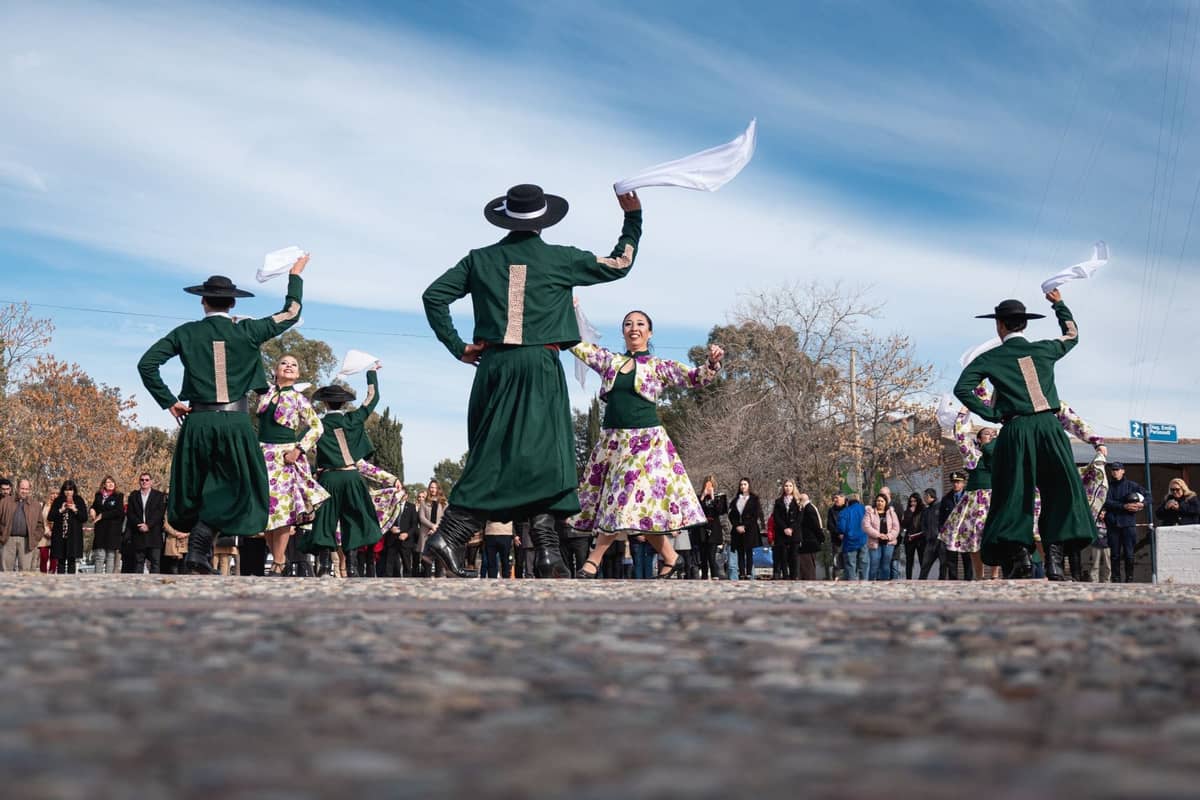
For visitors with a genuine interest in Madrid's local culture, San Isidro is one of the best times to be in the city. The combination of free outdoor concerts, traditional dress, and neighbourhood street life gives a genuine sense of how Madrileños celebrate — without the tourist-facing staging that can flatten other big European festivals. The feast day itself (15 May) is the most photogenic and most crowded single day; if you prefer a more relaxed version of the experience, the days immediately before or after are festive but less overwhelming.
The bullfighting component is worth separating in your thinking. If you have a strong ethical objection to bullfighting, the city festival itself is entirely accessible and enjoyable without ever setting foot near Las Ventas. If you are curious about la corrida as a cultural phenomenon, the San Isidro Fair is the most significant context in which to experience it — but go in with realistic expectations about what you will witness.
Families travelling with children will find the fairground at the Pradera, the outdoor concerts, and the traditional food stalls engaging. For a broader family itinerary, the Madrid with kids guide has practical recommendations on activities and logistics.
FAQ
When exactly is the San Isidro Festival in Madrid?
The feast day of San Isidro Labrador is 15 May each year. The surrounding city-wide festivities typically run for about a week, centred on the days around 15 May. For 2026, the official programme is concentrated around mid-May; check sanisidromadrid.com for the current year's exact dates and daily schedule.
Is the San Isidro Festival free?
The majority of city-organised events — concerts, parades, the fairground, religious ceremonies — are free to attend. The main exception is the San Isidro Bullfighting Fair at Las Ventas, which is a ticketed event. Some special concerts or seated performances within the festival may also require tickets, so check the official programme for specifics.
What is the difference between the city festival and the bullfighting fair?
They share the San Isidro name but are distinct programmes. The city-wide fiesta is a roughly ten-day event organised by the Ayuntamiento de Madrid, centred on the Pradera de San Isidro and Plaza Mayor, with free concerts, traditional food, and religious events. The bullfighting San Isidro Fair at Las Ventas runs for approximately one month (mid-May to mid-June), with 20 consecutive corridas — it is ticketed, separately managed, and significantly longer than the city festival.
How do I get to the Pradera de San Isidro?
The most practical route is Metro Line 5 to Marqués de Vadillo, then a short walk to the park. On 15 May, expect the Metro to be busy. Arriving before 10:00 AM gives you a more comfortable experience; by midday the Pradera is very crowded. Surface buses in the area may be rerouted during the feast day.
What should I eat at San Isidro?
The traditional San Isidro foods are rosquillas (in four varieties: tontas, listas, de Santa Clara, and francesas), gallinejas (fried sheep intestines), entresijos (fried mesentery), bocadillo de calamares (fried squid sandwich), and limonada madrileña (a wine-based fruit punch). Rosquillas and limonada are the most approachable for visitors; gallinejas and entresijos are an acquired taste but are authentically local.