Madrid in Spring: What to Expect in April, May & June
Spring is widely considered the best time to visit Madrid, with mild temperatures, long days, and a packed festival calendar. This guide breaks down what each month actually looks and feels like, from April showers to June's first heat, so you can plan without surprises.
Plan and book this trip
Tools from our partner Travelpayouts help you compare flights and hotels. If you book through them, we may earn a commission at no extra cost to you.
Flights
Hotels map
TL;DR
- April averages around 17°C during the day but stays cool at night. Pack layers and a light rain jacket.
- May is the sweet spot: warm, mostly dry, and full of outdoor events without summer crowds.
- June transitions into summer. Early June is pleasant; by late June temperatures regularly exceed 30°C. Check our best time to visit Madrid guide for a full seasonal comparison.
- Spring is peak grass pollen season (May–June). Allergy sufferers should plan accordingly and bring medication.
- Crowds are manageable in April and May, but major festivals like San Isidro (mid-May) drive hotel prices up. Book at least 6–8 weeks ahead.
Spring Weather in Madrid: Month by Month
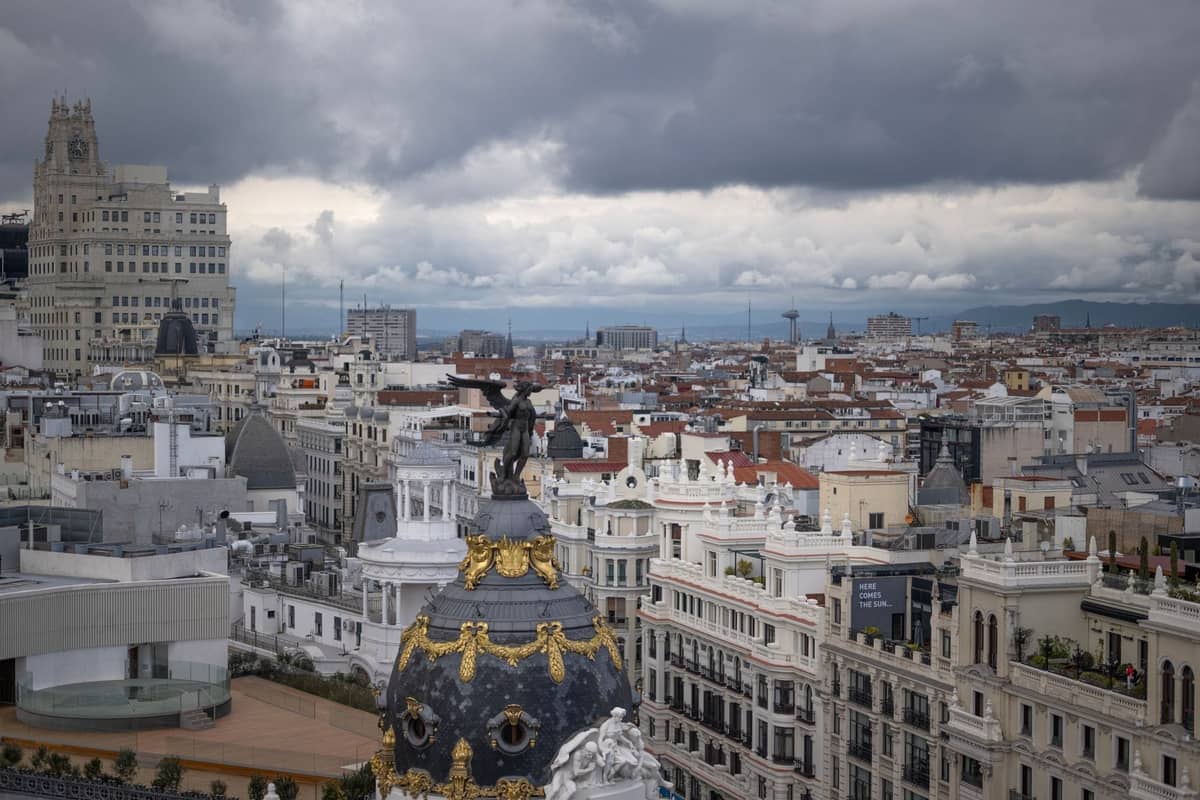
Madrid sits at 667 metres above sea level on the Castilian plateau, which gives it a continental edge that surprises many visitors. Even when the sun is strong, evenings can be noticeably cool. That elevation also means weather can shift fast, especially in April.
- April Average daytime highs around 17°C, with overnight lows closer to 8°C. Expect roughly 10–11 days with some rain, totalling around 50–55 mm across the month. Sunshine is plentiful between showers. This is the coolest and wettest of the three spring months.
- May Daytime temperatures climb to 21–22°C. Statistically, May actually has the most rain days of the year (around 6–7 days with measurable rainfall), but showers tend to be short-lived. Evenings are comfortable without a heavy jacket. The most balanced month of spring.
- June Average daytime highs around 27–28°C, though heat waves can push temperatures above 35°C even in early June. Rainfall drops sharply, and from mid-June onward Madrid enters its dry season. Nights stay in the high teens to low twenties.
ℹ️ Good to know
Madrid averages around 59 days of precipitation per year, making it the driest capital in Europe. The idea that spring here means weeks of rain is a myth. You are far more likely to deal with unexpected heat in June than persistent grey skies in April.
What to Wear: Packing for Each Month
The biggest packing mistake visitors make in Madrid spring is bringing too little or too much. April mornings can feel like a different season than April afternoons. A 15-degree temperature swing within a single day is not unusual.
- April: Jeans or chinos, light to mid-weight layers, a compact rain jacket, and comfortable walking shoes. Avoid heavy coats but bring a proper jumper or sweater for evenings.
- May: Lighter layers work well. T-shirts by day, a long-sleeve shirt or thin cardigan for evenings. Keep a small umbrella or packable rain jacket in your bag.
- June: Summer clothing is appropriate during the day. Linen or breathable fabrics are worth prioritising. Light evenings still benefit from one thin outer layer, at least in early June.
⚠️ What to skip
Hay fever sufferers take note: late May and June are peak season for grass pollen (Gramineae) in Madrid. If you have allergies or asthma, stock up on antihistamines before you arrive and check pollen counts via Spain's national meteorological agency (AEMET). Some days can be severe.
Festivals and Events: What's On in Spring
Spring is Madrid's most event-dense season. The city schedules a disproportionate number of its major cultural and civic celebrations between April and June, which means more reasons to visit but also higher accommodation prices around key dates.
The most significant is the San Isidro Festival in mid-May, a week-long celebration honouring Madrid's patron saint. It includes free concerts on the Pradera de San Isidro, traditional chotis dancing, bullfights at Las Ventas, and street performances across the city. The dates typically fall around May 15. If you plan to visit during this window, book accommodation at least 6–8 weeks in advance.
April brings Semana Santa (Holy Week), which usually falls in late March or April depending on the year. While Madrid's processions are less theatrical than those in Seville or Málaga, the atmosphere in La Latina and around the historic centre is genuinely moving. Many Madrileños leave the city during Holy Week, which actually makes it a quieter time to visit the major attractions.
May also sees the Dos de Mayo celebrations on May 2nd, commemorating the 1808 uprising against Napoleonic forces. The Plaza del Dos de Mayo in Malasaña is the focal point, with concerts and events. It is a public holiday, so expect some closures.
June brings the LGBTQ+ Pride preparations, with the main parade typically held in the first week of July but warm-up events starting in late June. If your trip overlaps with this period, book well ahead. The neighbourhood of Chueca is the epicentre, and hotel prices in central Madrid spike significantly.
Parks, Outdoor Spaces, and What to Do in Spring
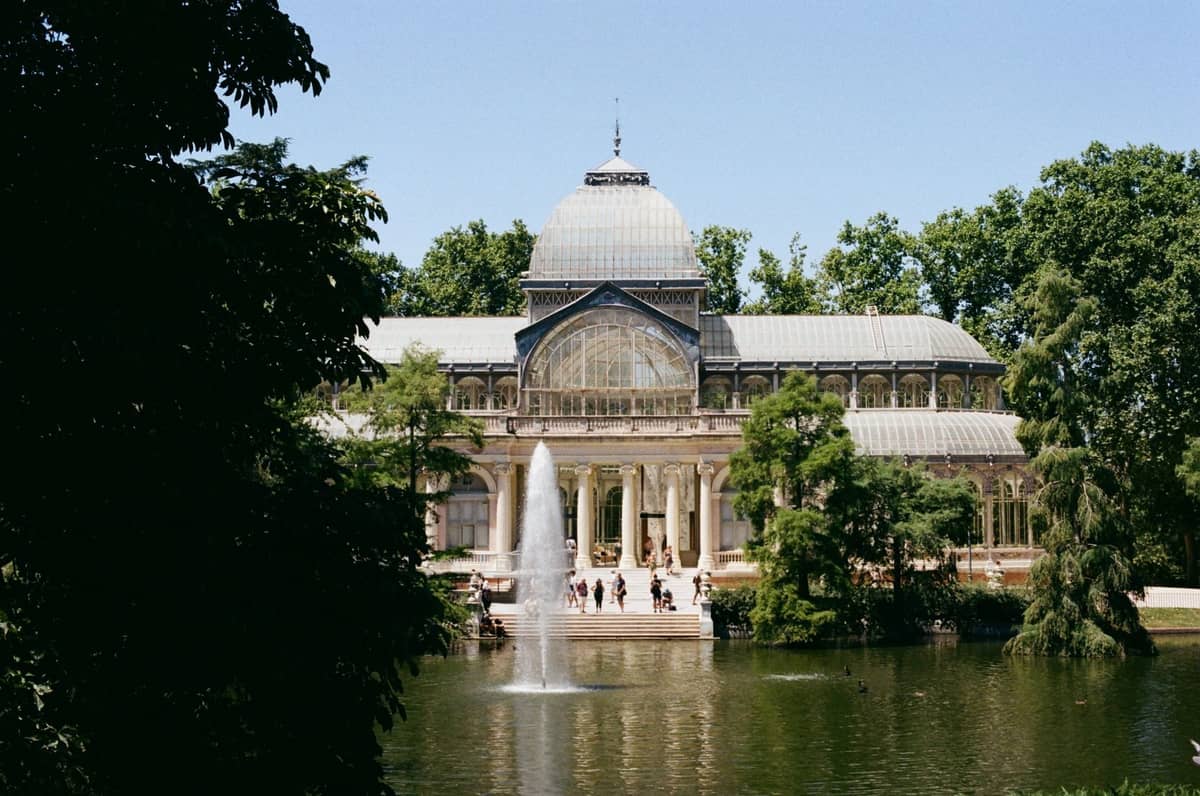
Spring is the season when Madrid's parks earn their reputation. Parque del Retiro is at its best between late April and May, when the rose garden (Rosaleda) comes into full bloom. The park is expansive enough to absorb weekend crowds, but weekday mornings are the quietest time to visit. Rowing boats on the Estanque Grande are available from spring through autumn.
The Real Jardín Botánico, directly adjacent to the Prado, peaks in spring. Admission is a few euros and the gardens are far less crowded than the main museums. It is an underused option for a particularly pleasant hour, especially for anyone with an interest in Mediterranean plant species.
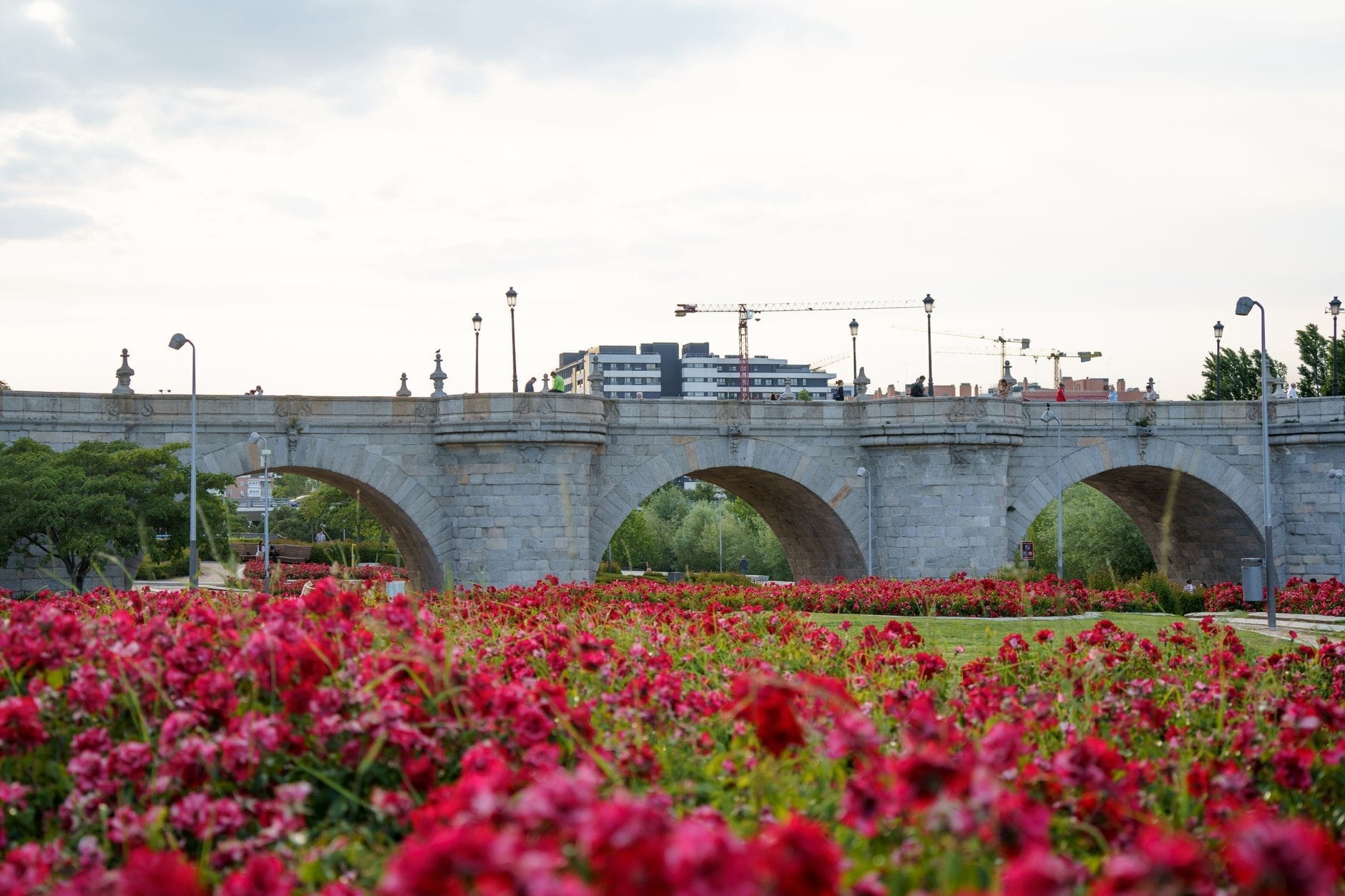
Along the Manzanares River, Madrid Río is a 10-kilometre linear park that connects to the Casa de Campo. It is popular with cyclists, joggers, and families on spring weekends. The Templo de Debod nearby offers one of the best sunset views in the city, particularly photogenic against a clear spring sky.
✨ Pro tip
For the Retiro rose garden, aim for the second or third week of May. By this point most varieties are in full bloom but the peak-weekend crowds have not yet materialized. Go on a Tuesday or Wednesday morning for the most relaxed experience.
Crowds, Prices, and When to Book
Spring occupies a mid-tier in terms of tourism pressure. You will not face the relentless queues of July and August, but you are also not getting winter-low prices. The pattern within the season matters more than the season as a whole.
April is the quietest of the three months, with the exception of Semana Santa, which can compress demand significantly around the Easter weekend. Flights and accommodation during Easter week can be as expensive as August. Outside of that window, April is very good value. Museum queues at the Museo del Prado and Museo Reina Sofía are more manageable than in summer, and free entry hours (typically the last 2 hours before closing) are less overwhelmed.
May is the busiest spring month due to San Isidro and the general uptick in European city-break travel. Hotel rates are noticeably higher than April. If you are flexible on dates, the weeks before or after San Isidro offer better value while the weather is effectively identical.
June starts to trend toward summer prices without yet hitting peak summer crowds. Early June can offer a good balance: warm weather, lively streets, and slightly less competition for accommodation than July. If budget is a concern, our guide to visiting Madrid on a budget covers strategies that apply year-round but are especially useful during shoulder-high season.
Getting Around Madrid in Spring
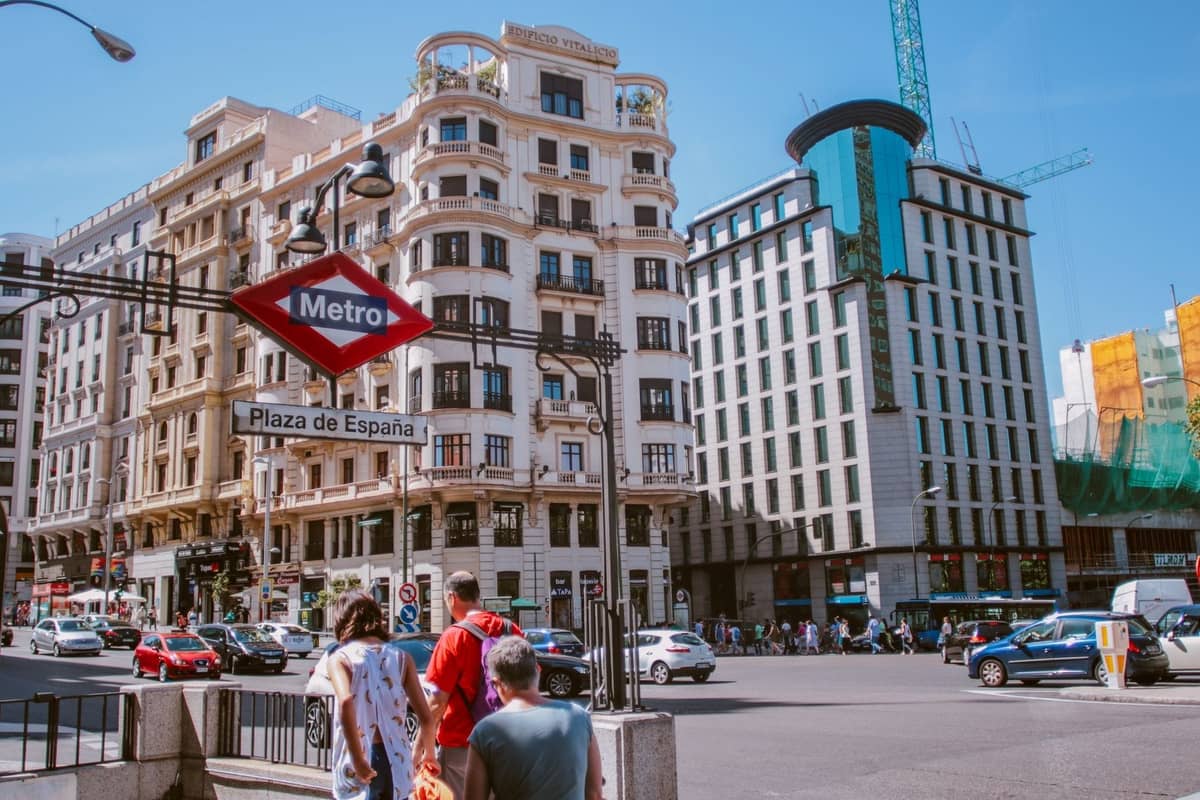
Madrid's public transport network is one of the most efficient in Europe and runs reliably throughout spring. The Metro (one of the largest networks on the continent by length) covers virtually every neighbourhood a visitor would want to reach. A single ticket costs between €1.50 and €2.00 depending on zones, with an additional €3.00 supplement for journeys that include the airport.
If you plan to use public transport heavily, the Abono Turístico (Tourist Travel Pass) offers unlimited use of Metro, EMT buses, and Cercanías commuter rail for 1, 2, 3, 4, 5, or 7 consecutive days across your chosen zones. Prices vary by zone and duration and are updated periodically, so check the Consorcio Regional de Transportes de Madrid website before travelling.
Spring is also ideal for walking. Temperatures in April and May are comfortable enough for long urban walks, and Madrid's compact historic core rewards this. A structured walking tour of Madrid makes sense in spring in a way it simply does not in August heat. The city's pavement café culture (terrazas) comes fully to life from late April onward, making walking between neighbourhoods a pleasure rather than a task.
💡 Local tip
Madrid's Metro Line 8 connects Adolfo Suárez Madrid-Barajas Airport directly to central interchanges like Nuevos Ministerios in around 25–30 minutes. The Cercanías C-1 line also serves Terminal 4. Both options are significantly cheaper than a taxi, which operates on regulated flat fares between the airport and the city centre. Verify current fares before travel.
FAQ
Is spring a good time to visit Madrid?
Yes, spring is one of the best windows to visit. April and May offer mild temperatures, fewer crowds than summer, and a packed events calendar. May in particular is often cited as the ideal month: warm but not hot, with long evenings and the city's outdoor culture fully active. June is pleasant in the first half but can shift quickly into intense summer heat.
Does it rain a lot in Madrid in spring?
Not by most European standards. April has the most rainfall of the three months, typically around 50–55 mm spread over roughly 10–11 days. May has the most rainy days statistically but showers are usually brief. Madrid averages around 59 precipitation days per year total, making it one of the driest capitals in Europe. Bring a compact rain jacket in April and May but do not expect persistent grey weather.
What should I pack for Madrid in April?
Layer up for April. Mornings and evenings can be around 8–10°C while afternoons reach 17°C or higher. Mid-weight layers, a light rain jacket, a jumper or sweater for evenings, and comfortable walking shoes are the core of a practical April packing list. Avoid heavy winter coats but do not leave a proper outer layer behind.
What is the San Isidro Festival and when does it happen?
San Isidro is Madrid's main civic festival, celebrating the city's patron saint around May 15th. The celebration runs for roughly a week and includes free outdoor concerts, traditional dancing, bullfights at Las Ventas bullring, and street events across the city. It is the biggest event of spring. Hotels fill up fast, so book well in advance if your dates overlap.
How hot does Madrid get in June?
June averages daytime highs around 27–28°C, but heat waves are not uncommon and can push temperatures above 35°C. The second half of June marks the beginning of Madrid's dry season, and temperatures become more consistently summer-like. Early June remains relatively comfortable by Madrid summer standards; late June is noticeably hotter and more demanding for sightseeing in midday heat.