Madrid on a Budget: How to Visit Without Breaking the Bank
Madrid is one of Europe's most affordable capitals once you know where to look. This guide breaks down realistic daily costs, free museum windows, budget food strategies, and transport tricks to help you see the best of the city without overspending.
Plan and book this trip
Tools from our partner Travelpayouts help you compare flights and hotels. If you book through them, we may earn a commission at no extra cost to you.
Flights
Hotels map
TL;DR
- A realistic budget day in Madrid runs around €50–€80 per person if you eat the menú del día, use public transport, and time museum visits during free-entry hours.
- The Prado, Reina Sofía, and Thyssen-Bornemisza all offer free entry at specific times each week — see the best museums in Madrid guide for the full breakdown.
- A 10-trip Metrobús card works out cheaper than paying per ride, and Metro Line 8 is the most affordable way to get in from the airport.
- Hostel dorm beds typically start around €20–€35 per night; budget private rooms in guesthouses range from €50–€80 depending on season.
- Shoulder seasons (April–May and September–October) offer lower accommodation prices and more comfortable temperatures — details in the best time to visit Madrid guide.
What Does a Day in Madrid Actually Cost?
Madrid on a budget is entirely achievable, but the numbers vary significantly depending on your choices. A backpacker sleeping in a hostel dorm, eating a set lunch, using the metro, and visiting museums during free hours can get through a full day for around €40–€55. A traveler staying in a budget private room, adding a few drinks, and paying full entry to one museum will land closer to €80–€100. The city rarely forces you to spend big, but it also offers plenty of opportunities to if you are not paying attention.
- Accommodation Hostel dorm beds: €20–€35/night. Budget private rooms or guesthouses: €50–€80/night. Prices rise roughly 20–30% in July, August, and around major events like Feria de San Isidro.
- Food and drink Café con leche: €1.50–€2.50. Bocadillo (sandwich): €3–€7. Menú del día (three-course set lunch with drink): €10–€17 depending on the neighborhood. Supermarket dinner: €5–€10.
- Transport Single Metro ticket: around €1.50–€2 (plus a €1.50–€3 supplement for airport journeys). 10-trip Metrobús card: approximately €12.20. Airport Express bus (Exprés Aeropuerto): check EMT Madrid for current pricing.
- Museums and attractions Full-price museum tickets range from €8–€25. Free-entry windows at major museums make it possible to visit all three Art Triangle institutions at zero cost.
- Miscellaneous A beer or glass of house wine at a bar: €2–€4. A tapa in traditional bars: often included with drinks in areas like La Latina.
ℹ️ Good to know
All pricing figures in this guide are approximate and subject to change. Always verify current fares, ticket prices, and free-entry schedules directly with Metro de Madrid (metromadrid.es) and the official museum websites before your trip.
Free Museum Hours: The Art Triangle on Zero Budget
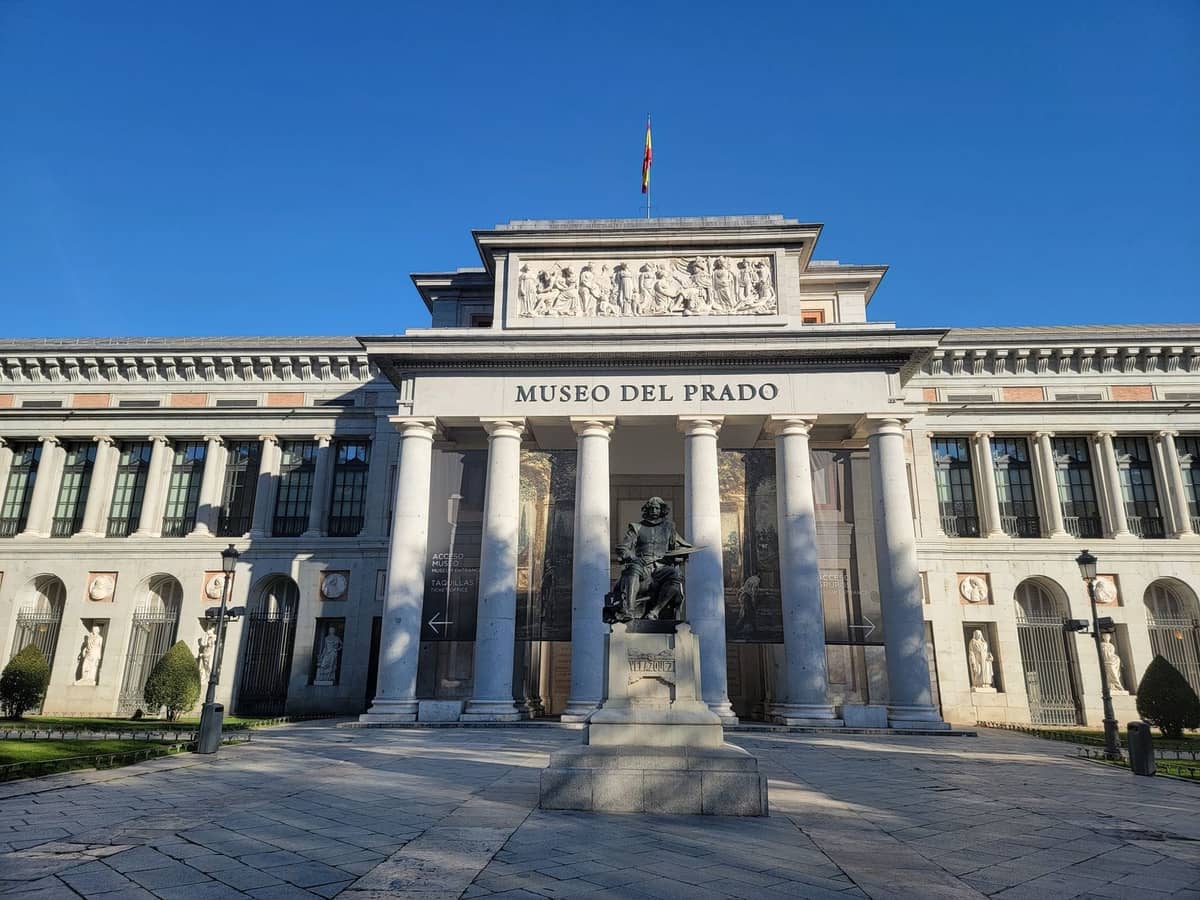
Madrid's three world-class museums sit within walking distance of each other along the Paseo del Prado. Each one offers regular free-entry windows, and if you plan around them, you can visit all three without spending a cent on admission.
The Museo del Prado opens its doors for free Monday through Saturday from 6:00 pm to 8:00 pm, and on Sundays and public holidays from 5:00 pm to 7:00 pm. These windows are popular, so arrive 20–30 minutes before opening to avoid a long queue, especially on Sundays. The collection is enormous — Velázquez, Goya, El Bosco — so pick two or three rooms and go deep rather than trying to sprint through the whole thing.
The Museo Thyssen-Bornemisza is free every Monday from 12:00 pm to 4:00 pm. The permanent collection covers European art from the 13th to the 20th century in a logical, well-organized flow. Monday is a smart day to visit because the Prado is technically closed to standard visitors in the morning, so you can combine your Thyssen free visit with an evening session at the Prado later the same day.
The Museo Reina Sofía — home to Picasso's Guernica and a strong permanent collection of 20th-century Spanish art — offers free entry on weekdays except Tuesday from 7:00 pm to 9:00 pm, and on Sundays and certain public holidays from 12:30 pm to 4:30 pm. Note that it is closed on Tuesdays. Always verify these hours on the official museum website before your visit, as schedules occasionally change around holidays or special exhibitions.
⚠️ What to skip
Free-entry windows at the Prado, Thyssen, and Reina Sofía are confirmed on their respective official websites (museodelprado.es, museothyssen.org, museoreinasofia.es). These hours can change around public holidays and special events, so check before you go rather than turning up and being surprised.
Eating Well Without Spending Much
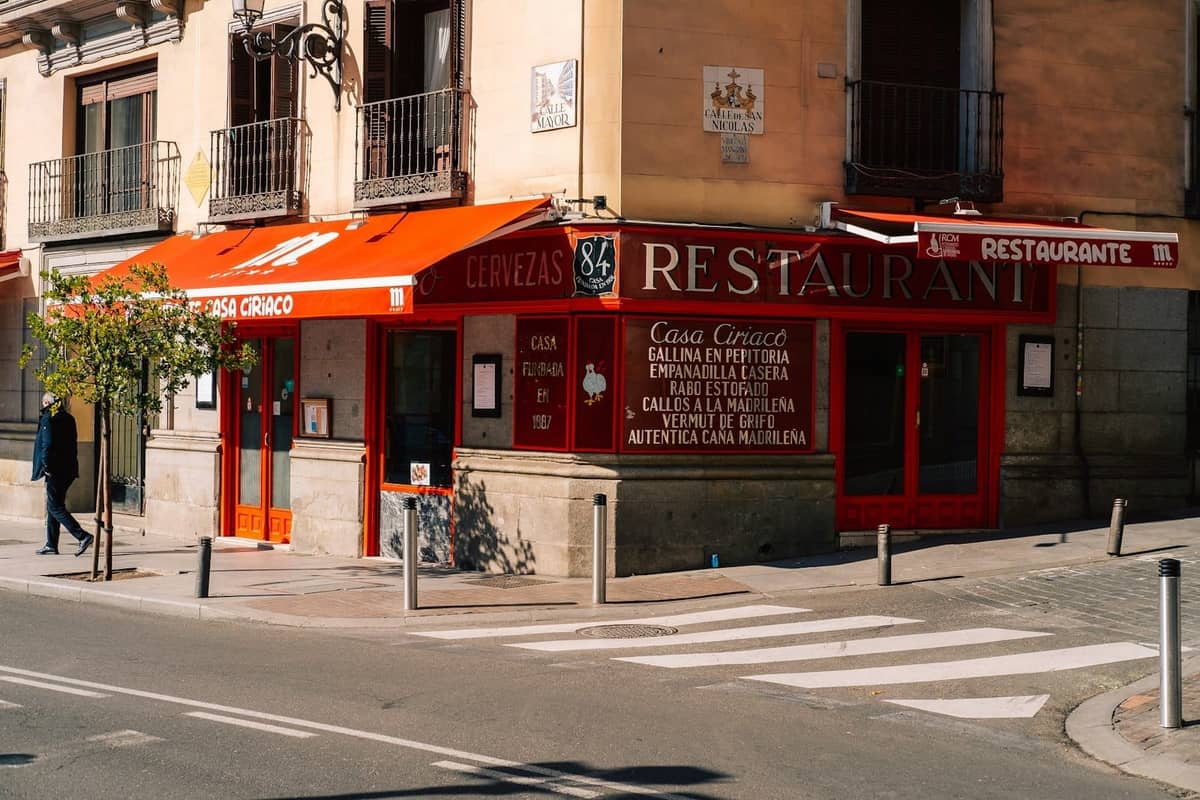
The menú del día is the single best tool a budget traveler has in Madrid. Most sit-down restaurants offer this fixed lunch menu on weekdays, sometimes weekends, typically between 1:30 pm and 4:00 pm. For €10–€17 you get a starter, main course, dessert or coffee, and usually a drink included. This is not a tourist gimmick: locals rely on it too, and the quality in neighborhood restaurants away from the main tourist corridors is often genuinely good.
Where you eat matters as much as what you order. In areas directly around Plaza Mayor and Puerta del Sol, menú del día prices skew toward the top of the range and quality is inconsistent. Head to Chamberí or Lavapiés for better value in working-neighborhood restaurants where the clientele is mostly local.
Tapas culture also works in your favor if you know the geography. In La Latina, many traditional bars still serve a small tapa with each drink — a slice of tortilla, a few olives, a piece of bread with tomato. Order a caña (small draft beer, usually €2–€3) or a vino de la casa and the food arrives automatically. This is not universal across Madrid, but it is common enough in certain neighborhoods to noticeably reduce your food bill if you order drinks at the right places.
- Mercados: Markets like Mercado de Antón Martín offer fresh produce and budget lunch counters that undercut tourist-area restaurants significantly.
- Supermarkets: Mercadona, Lidl, and Carrefour Express have locations throughout the city. A supermarket dinner of bread, cheese, jamón, and fruit costs €6–€10 and is perfectly respectable.
- Bocadillos and pasteles: Spanish bakeries and cafes serve substantial sandwiches on baguette-style bread for €3–€6. A breakfast of churros with chocolate at a traditional chocolatería costs around €4–€6.
- Avoid tourist menus in English: Any menu displayed in multiple languages with photos outside central tourist areas is almost always overpriced relative to what you get.
Getting Around Madrid Without Wasting Money on Transport
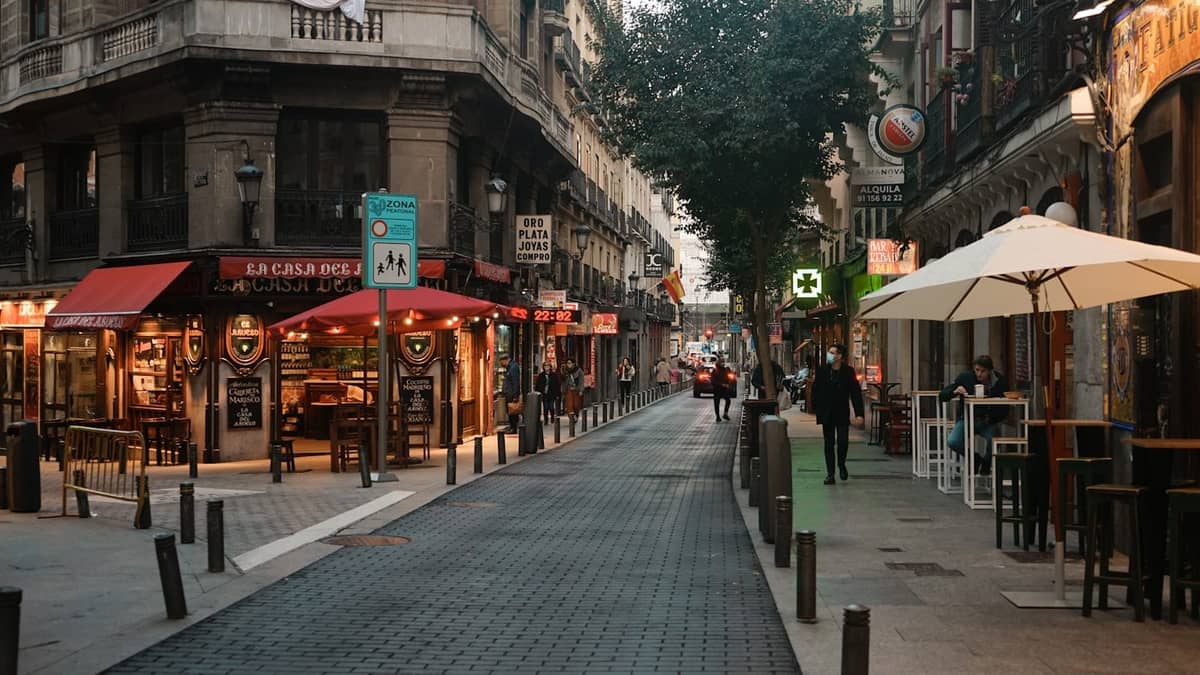
Madrid is a walkable city for its size, especially within the central districts. The area from Sol to the Prado, from Gran Vía to La Latina, covers most of what first-time visitors want to see and is entirely manageable on foot. Comfortable shoes matter more than any transport pass if you are staying centrally.
When you do need the Metro, buy a rechargeable Tarjeta Multi card rather than individual paper tickets. Single-journey fares without a card are slightly more expensive, and the card itself (which costs around €2.50 upfront) pays for itself quickly. Load it with a 10-trip block, which works out to roughly €1.20–€1.50 per journey within zone A, which covers virtually all tourist-relevant destinations. The Metro runs from around 6:00 am to 1:30 am, with night buses (búhos) covering late hours.
Getting in from the airport is where budget travelers often make their most expensive mistake. The official taxi from Adolfo Suárez Madrid–Barajas Airport to the city centre operates on a flat rate (verify the current figure with the Ayuntamiento de Madrid, as it is periodically updated). Metro Line 8 is substantially cheaper and takes around 25–30 minutes from Terminal 4 or the T1–T2–T3 station to Nuevos Ministerios, where you can connect to the rest of the network. Note that airport Metro journeys carry a supplementary charge on top of the standard fare. Cercanías Renfe line C-10 connects Terminal 4 to Chamartín and Atocha and is another affordable option worth checking if you are heading south or need Atocha directly.
✨ Pro tip
If you are staying in Madrid for three or more days, check whether a monthly or multi-day transport pass offers better value than individual 10-trip loads. Metro de Madrid's official site (metromadrid.es) lists all current pass options and zone-based pricing. Students and travelers under 26 may qualify for discounted rates.
Free and Nearly Free Things to Do
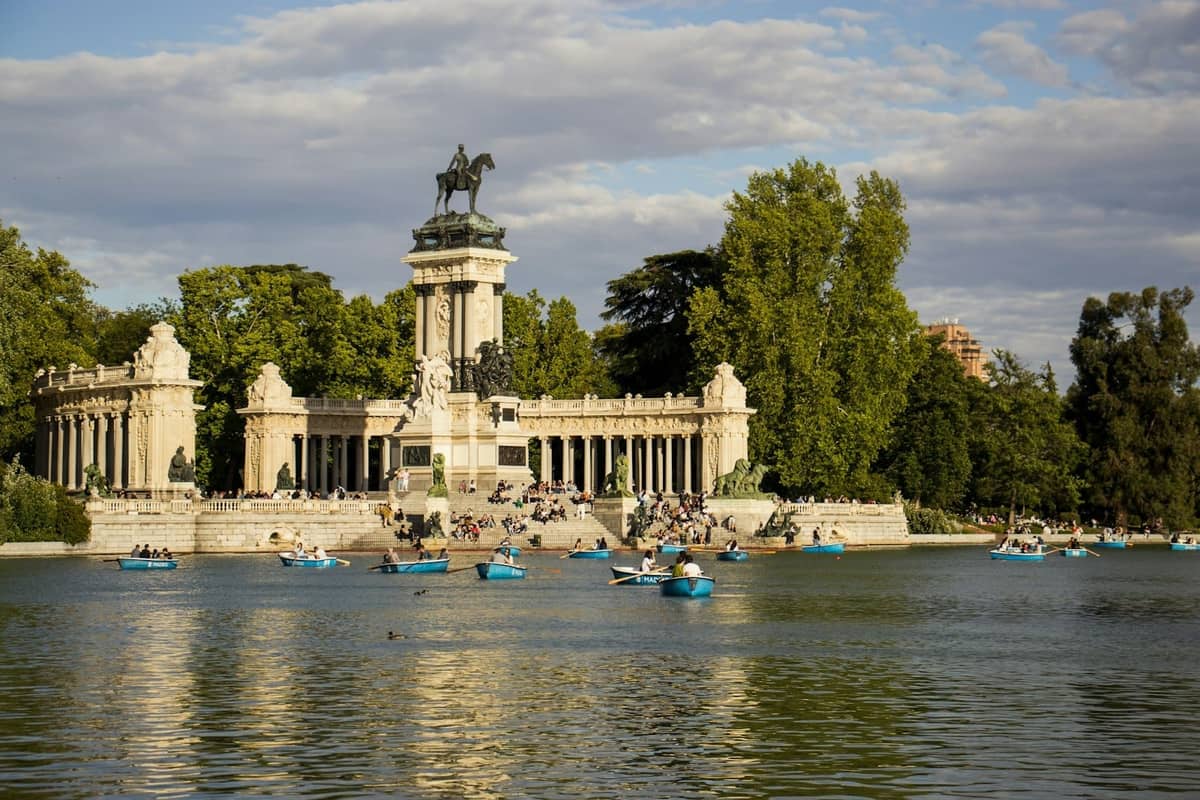
Beyond the museums, Madrid has a solid core of free attractions that do not feel like consolation prizes. Parque del RetiroEl Retiro Park is one of Europe's great urban parks — 125 hectares of gardens, fountains, and tree-lined paths — and entry is free. The rowing boats on the Estanque Grande cost a small hire fee, but walking around the lake costs nothing. On Sunday mornings the park fills with madrileños of all ages, making it one of the most genuine local experiences in the city.
The Templo de Debod, an ancient Egyptian temple gifted to Spain in 1968, sits in Parque del Oeste with views toward the Sierra de Guadarrama. The interior can be visited for free on certain days (check the Ayuntamiento de Madrid site for current schedules). The sunset view from the surrounding gardens is one of the most popular free viewpoints in the city, particularly in spring and autumn.
El Rastro, Madrid's famous Sunday flea market in and around La Latina, is free to browse. The main strip along Ribera de Curtidores gets crowded between 10:00 am and 1:00 pm, and pickpockets operate here, so keep bags in front and do not carry more cash than you plan to spend. The atmosphere is worthwhile even if you buy nothing.
For a broader list of zero-cost options, the free things to do in Madrid guide covers parks, viewpoints, markets, churches, and cultural centers in detail.
Where to Stay on a Budget
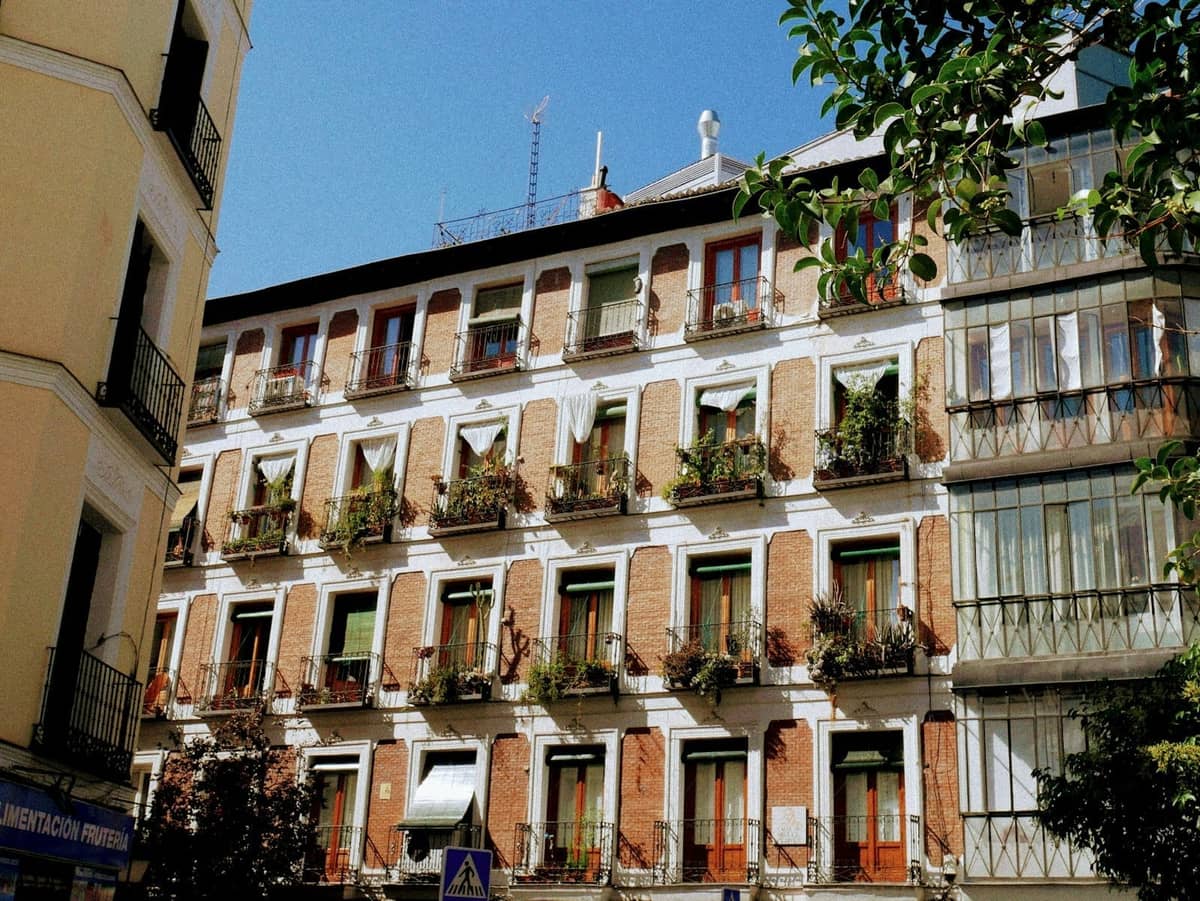
Accommodation is typically the biggest variable in a Madrid budget. The city has a genuine hostel culture, with a range of options across the central neighborhoods. Dorm beds in well-reviewed hostels in Sol, Malasaña, and Chueca generally run €20–€35 per night, though prices spike in August and during major football weekends at the Bernabéu or Metropolitano.
For budget private rooms, look at guesthouses (pensiones or hostales, which are not the same as hostels in Spanish) in Malasaña and around Chueca. These neighborhoods sit just north of Gran Vía and offer good Metro connections and a denser concentration of affordable neighborhood restaurants. Staying in Salamanca or near the Retiro tends to cost more for equivalent quality. The where to stay in Madrid guide covers neighborhood trade-offs in full.
💡 Local tip
Book accommodation for July and August at least 6–8 weeks in advance if you want budget options. Madrid summers are also very hot (frequently above 35°C), so check whether your budget accommodation has air conditioning — it is not universal in older pensiones.
FAQ
How much money do I need per day in Madrid?
A genuine budget day — hostel dorm, menú del día lunch, Metro travel, and free museum entry — can come in around €40–€55. Add a budget private room, a drink or two, and one paid attraction and you are looking at €80–€100. These are working estimates based on typical costs; your actual spend depends heavily on accommodation type and how often you eat out versus self-cater.
Is the Madrid tourist card worth buying?
The Madrid Tourist Card (Tarjeta de Transporte Turístico) covers unlimited Metro, bus, and Cercanías travel for 1–7 days. It is worth calculating against your actual planned journeys. If you are staying centrally and walking a lot, a 10-trip Metrobús block often works out cheaper. The tourist card makes more sense for visitors who plan to use the Metro multiple times per day or who are doing day trips via Cercanías.
What is the cheapest way to get from Madrid airport to the city?
Metro Line 8 is the most affordable option, connecting Barajas Terminal 4 and the T1–T2–T3 station with Nuevos Ministerios in around 25–30 minutes. There is a supplementary charge on airport Metro journeys (on top of the standard fare) — verify the current amount on the Metro de Madrid website. Cercanías line C-1 from Terminal 4 is another affordable route to central stations. Taxis operate on a regulated flat fare; ride-hailing apps (Uber, Cabify, Bolt) offer an alternative, though pricing is dynamic.
Are museum free hours actually worth it, or are they too crowded?
They are well worth it at the Prado and Reina Sofía, but go with realistic expectations. The Prado on a Sunday evening can have a 30-minute queue; arriving 20 minutes before the doors open largely solves this. The Thyssen on Monday lunchtimes is the least crowded of the three free windows and worth prioritizing if you want a relaxed visit. The Prado on a weekday evening (Monday–Saturday, 6:00–8:00 pm) tends to be less hectic than the Sunday slot.
Is Madrid more affordable than Barcelona?
Generally yes, particularly for accommodation and eating out. Madrid's menú del día culture is stronger and more widespread than Barcelona's, and hostel and guesthouse prices in equivalent neighborhoods tend to run slightly lower. Transport within Madrid is also comparably priced. That said, both cities have tourist-trap zones where prices converge, so neighborhood choice matters in both cases.