What to Eat in Madrid: A Complete Food Lover's Guide
Madrid's food scene rewards the curious and punishes the impatient. This guide covers the essential dishes you shouldn't leave without trying, where to find them, what to pay, and how to eat like a local — from a €3 breakfast espresso to a late-night tapa in La Latina.
Plan and book this trip
Tools from our partner Travelpayouts help you compare flights and hotels. If you book through them, we may earn a commission at no extra cost to you.
Flights
Hotels map
TL;DR
- Madrid restaurants serve lunch from 2–4 pm and dinner from 9 pm onward — eating earlier marks you as a tourist and often means worse food.
- The five dishes worth prioritising: cocido madrileño, callos a la madrileña, bocadillo de calamares, tortilla de patatas, and churros con chocolate. See our full Madrid tapas guide for deeper coverage.
- A menú del día (fixed lunch) costs around €12–€18 and is the single best-value meal in the city.
- Tapas are not always free in Madrid — expect to pay €2–€10 per plate at most central bars.
- The best food markets go far beyond groceries: Mercado de San Miguel and Mercado de la Paz are legitimate eating and drinking destinations.
How Madrid Actually Eats: Meal Times and Local Rhythms
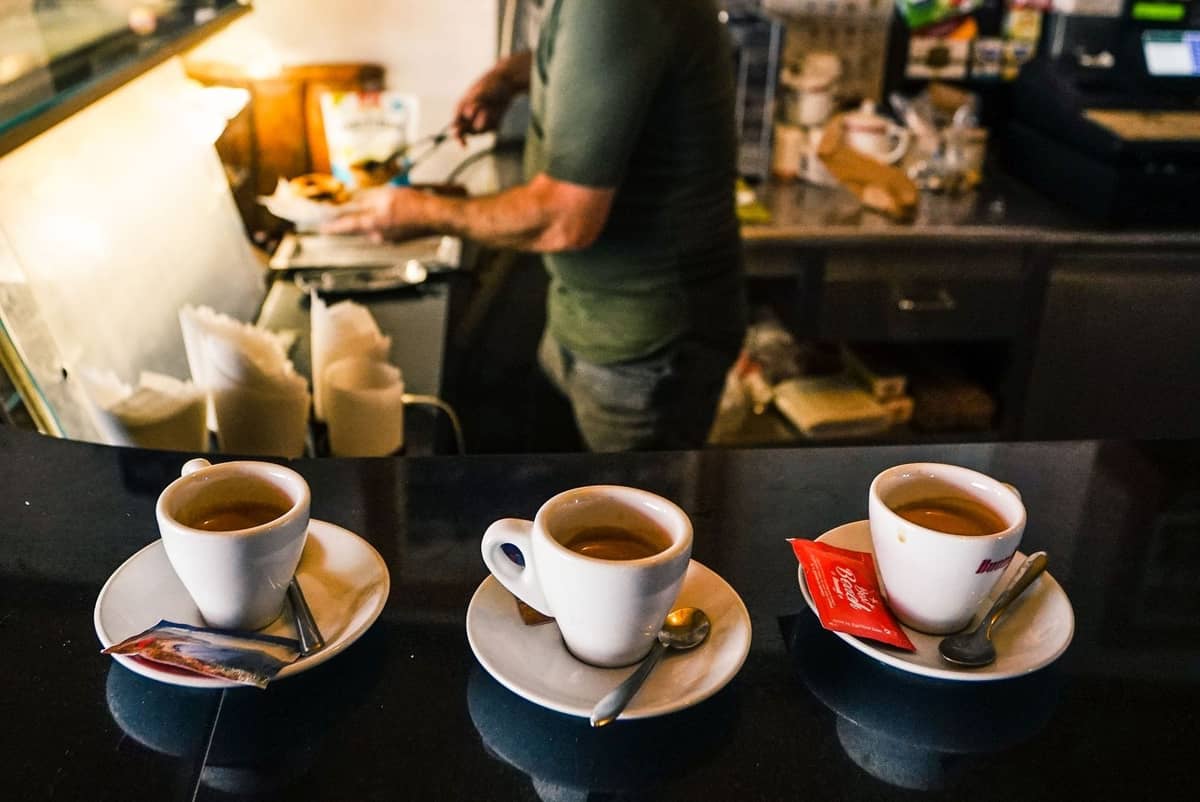
Before you look at a single menu, understanding Madrid's meal schedule is the most useful thing you can do. Madrileños operate on a timetable that still surprises first-time visitors. Breakfast is light and fast, usually a coffee with a tostada or a croissant, consumed standing at a bar counter between 8 and 10 am. Expect to pay around €2–€4 for this combination. A sit-down café breakfast rarely costs more than €5.
Lunch is the main meal of the day, taken seriously and taken late. The window runs from roughly 2 pm to 4 pm, and many restaurants don't open their kitchens until 1:30 pm at the earliest. Dinner is even later: locals rarely sit down before 9 pm, and reservations at popular spots are commonly made for 9:30 or 10 pm. Restaurants that advertise dinner at 7 pm are catering exclusively to tourists, and the food quality often reflects that.
💡 Local tip
If you struggle with late dinners, make lunch your big meal using the menú del día and keep dinner lighter with tapas. You'll eat better, spend less, and feel more like a local doing it.
The menú del día is Madrid's greatest food institution and one of the best deals in European city dining. For around €12–€18, you get bread, a first course (often soup, salad, or a small pasta), a main dish, dessert or coffee, and a drink — usually house wine, beer, or water. Almost every neighbourhood restaurant offers this at lunch on weekdays. Quality varies, but a menú del día at a well-chosen local spot will nearly always outperform a tourist-trap à la carte meal at twice the price.
The Essential Dishes of Madrid Food Culture
Madrid is not a coastal city, which shapes its food identity. The traditional kitchen here is built around slow-cooked meat and legume dishes, offal, fried street food, and the produce of the central Castilian plateau. Modern Madrid has layered Peruvian, Japanese, and contemporary Spanish cooking over this foundation, but the classics remain worth seeking out.
- Cocido Madrileño A three-course chickpea stew served in stages: first the broth as soup with thin pasta, then the chickpeas and vegetables, then the meats (chorizo, morcilla, pork belly, chicken). It's a cold-weather dish, most common from October through March. Restaurants like La Bola and Malacatín have served versions of this for well over a century.
- Callos a la Madrileña Slow-cooked tripe with chorizo, morcilla, paprika, and tomato. Polarising but deeply authentic — if you eat offal, this is one of Spain's finest preparations. Found year-round at traditional tabernas.
- Bocadillo de Calamares A bread roll stuffed with rings of fried squid, often served with a squeeze of lemon or a smear of alioli. The best versions are found around Plaza Mayor and in the bars of the Centro district. A proper bocadillo costs around €3–€5 and makes an ideal late-morning or early-afternoon snack.
- Tortilla de Patatas The Spanish potato omelette, served at room temperature, ideally runny in the centre. Debate over whether to include onion (con cebolla) is genuine and passionate. Every bar serves it; quality ranges enormously. Casa Dani in Mercado de la Paz is frequently cited as one of the best in the city.
- Churros con Chocolate Fried dough sticks dipped in thick, almost pudding-like hot chocolate. Traditionally eaten for breakfast or after a very late night out. The Chocolatería San Ginés near Puerta del Sol has operated since 1894 and is worth visiting at least once, early morning or post-midnight.
Beyond these five, keep an eye out for patatas bravas (fried potatoes with a spiced tomato sauce and sometimes alioli), croquetas de jamón (creamy ham croquettes), and huevos rotos (broken eggs over fried potatoes, often with jamón ibérico). These appear on practically every tapas menu and represent some of Madrid's most reliably good bar food. For a structured approach to eating your way through the bar scene, the Madrid tapas guide covers the best neighbourhoods and specific bars in detail.
⚠️ What to skip
Avoid the restaurants immediately surrounding Plaza Mayor and Puerta del Sol for anything beyond a quick bocadillo de calamares. Most are tourist traps with inflated prices and mediocre food. Walk three or four blocks in any direction and quality improves significantly.
Madrid's Food Markets: Where to Go and What to Expect
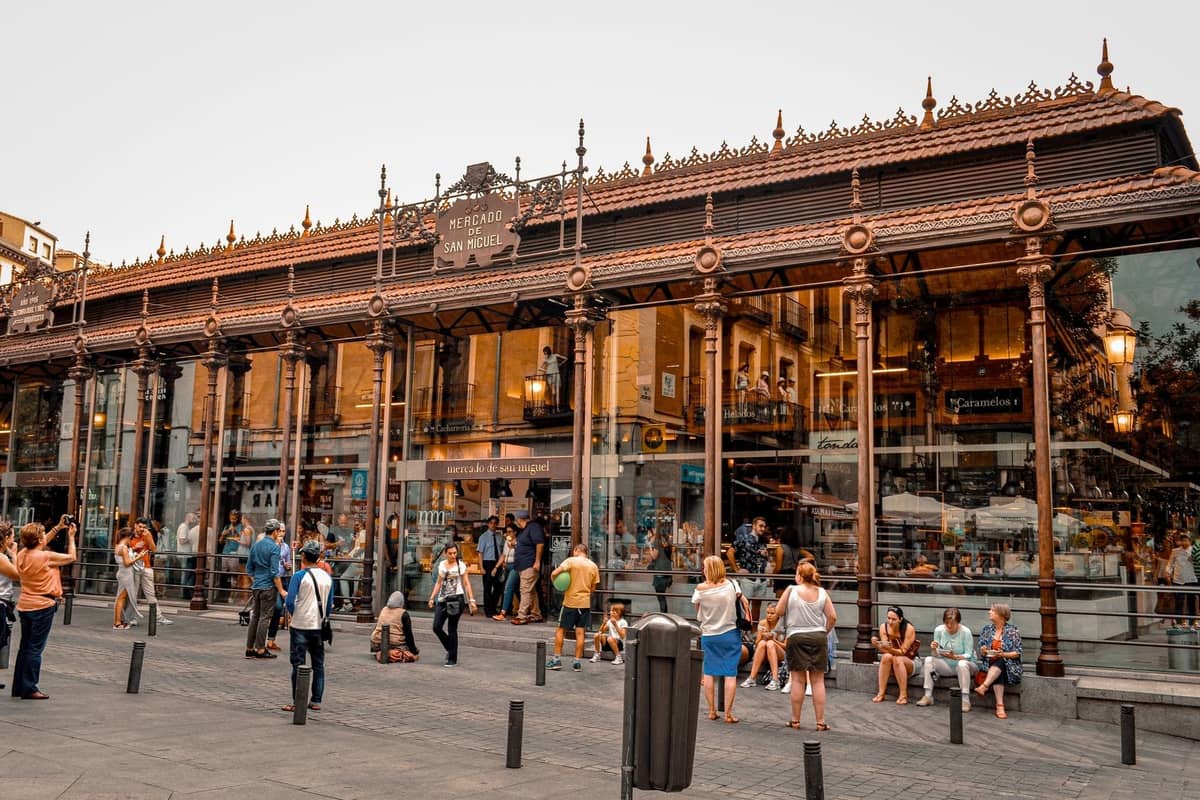
Madrid's markets have undergone a significant transformation. The traditional wet market model still exists — butchers, fishmongers, greengrocers selling to residents — but the most visitor-friendly markets have evolved into hybrid food halls where you can graze, drink, and eat across multiple vendors in a single visit. Not everyone loves this shift, and some locals prefer the quieter neighbourhood markets, but for a food-focused visitor, the major markets are genuinely useful.
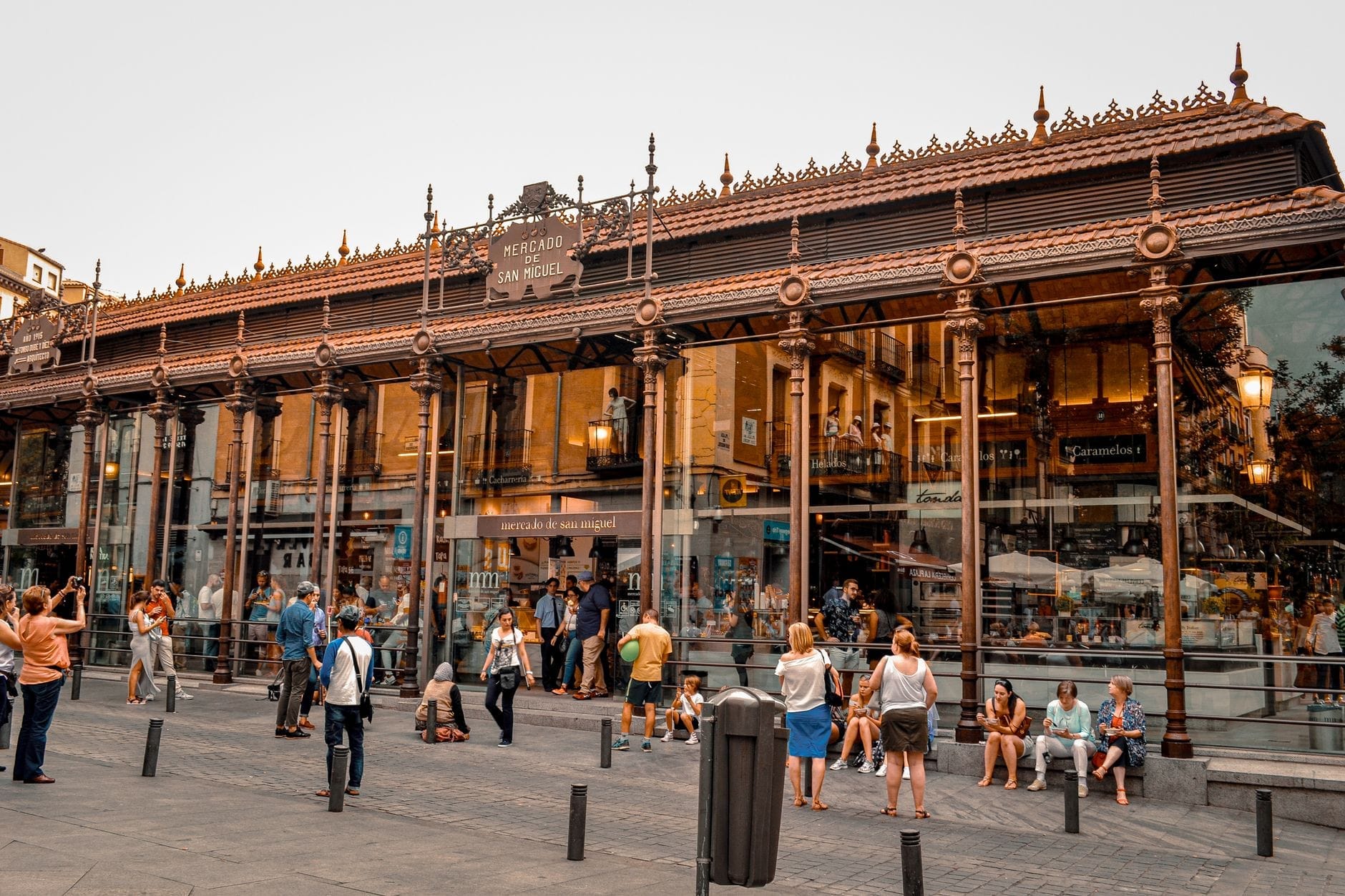
- Mercado de San Miguel The most famous and most photographed, located just off Plaza Mayor in a 1916 cast-iron building. Stalls sell jamón, oysters, vermouth, pintxos, and pastries. It's expensive by Madrid standards (expect to pay 20–30% more than at a normal bar), and it gets extremely crowded on weekend afternoons. Best visited on a weekday morning when it's less chaotic.
- Mercado de Antón Martín A proper neighbourhood market in Lavapiés that also hosts several excellent small restaurants and a well-regarded Japanese food section. More authentic, less touristy, and noticeably cheaper than San Miguel.
- Mercado de la Paz Located in the Salamanca district, this is where the affluent northern barrios shop. High-quality produce, excellent fishmongers, and a handful of good bar counters. Calmer and more local than the central markets.
- Mercado de San Antón In Chueca, with a rooftop terrace restaurant and multiple vendors across three floors. Lively, popular with a younger crowd, and a good option for a drinks-and-snacks lunch.
- Mercado de San Ildefonso A covered street food market in Malasaña with international food stalls alongside Spanish options. More casual than San Miguel, with a strong social atmosphere on weekend evenings.
Sunday mornings deserve special mention. The area around El Rastro flea market in La Latina becomes one of the city's most enjoyable food experiences, with bars along Cava Baja and Cava Alta packed with locals eating patatas bravas and drinking vermouth from around noon. This is the quintessential Madrid Sunday ritual, and it costs almost nothing to participate in.
What to Pay: A Realistic Price Breakdown
Madrid food costs are notably reasonable by Western European capital standards, but they vary significantly depending on where and when you eat. The biggest variable is not the type of food but the location and time of day.
- Breakfast at a neighbourhood café: €2–€4 (coffee and tostada or pastry)
- Menú del día (3-course weekday lunch with drink): €12–€18
- Tapas per plate at a bar: €2–€10 depending on complexity
- Evening tapas crawl with drinks: €15–€25 per person
- Mid-range restaurant dinner (à la carte): €25–€50 per person
- High-end or Michelin-starred tasting menus: €70–€250+ per person
- Beer at a bar: approximately €3
- Espresso (café solo): approximately €1.50–€2
- Bocadillo de calamares: €3–€5
✨ Pro tip
To keep food costs low without sacrificing quality, use the menú del día for lunch every day and build dinners around tapas in La Latina or Malasaña rather than sitting down for full à la carte meals. Budget around €20–€30 per day for food if you're careful, or €35–€50 if you want a proper sit-down dinner most nights.
Tipping customs differ from the US and Northern Europe. Service charges are generally included in the bill; leaving a few coins or rounding up to the nearest euro is common practice at bars and casual restaurants. At mid-range or upscale restaurants, rounding up or leaving 5–10% for good service is appropriate but not obligatory. Nobody expects or requires 15–20% tips. For more practical cost-saving strategies, the Madrid on a budget guide covers food alongside transport and accommodation.
Neighbourhoods for Eating: Where to Go Based on What You Want
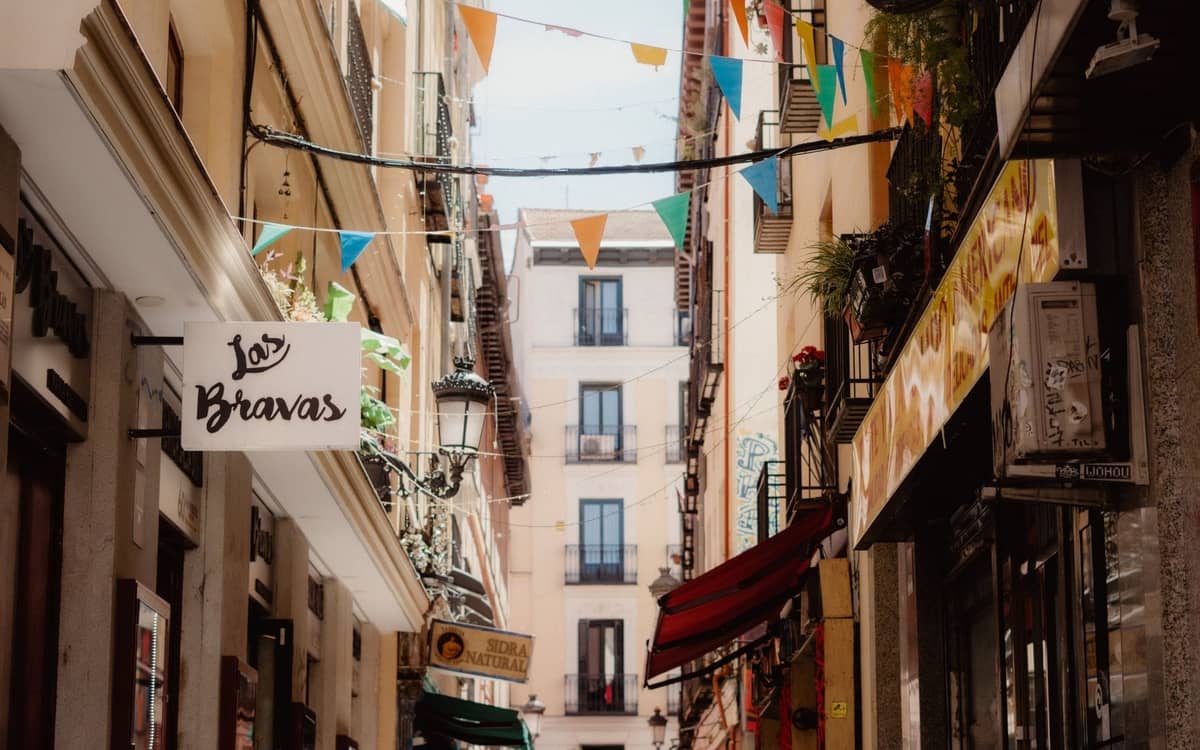
Madrid's food scene is distributed unevenly across its barrios, and choosing where to eat based on neighbourhood context will serve you better than hunting for a single famous restaurant.
La Latina is the default choice for traditional tapas. The streets around Cava Baja are lined with tabernas and tapas bars serving patatas bravas, croquetas, jamón, and glasses of house wine. It's lively every evening but at its best on Sunday afternoons after El Rastro. Malasaña skews younger and more casual, with a mix of traditional bars, international food, and creative small plates. Chueca has a strong café and brunch culture alongside higher-end restaurant options. Salamanca is for a more upscale dinner or a quality lunch — this is where you'll find well-executed traditional cooking at mid-to-high price points.
Lavapiés is the most diverse neighbourhood in the city and reflects that in its food: South Asian, North African, Senegalese, and Chinese restaurants sit alongside traditional Spanish bars and creative wine-focused spots. It's one of the more interesting areas for an exploratory dinner and is generally cheaper than central barrios. Chamberí is a solid choice for a neighbourhood restaurant lunch without tourist pricing — particularly along and around Calle de Ponzano, which has developed into a focused bar and restaurant strip over the past decade.
Seasonal Eating and What Changes Throughout the Year
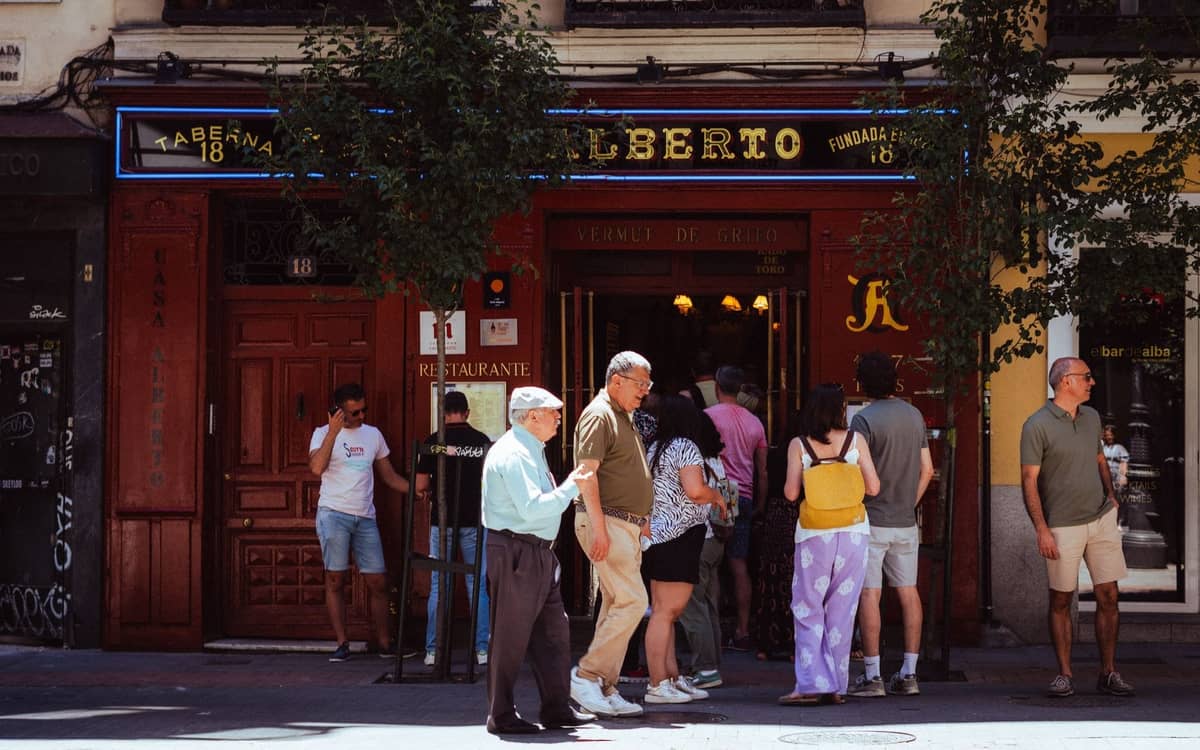
Madrid's food culture shifts noticeably with the seasons. The city sits at 667 metres elevation in the centre of the Iberian Peninsula, which means properly cold winters and very hot summers. The kitchen responds accordingly.
From October through March, cocido madrileño and callos a la madrileña move to the front of menus. These are heavy, warming dishes that make sense when temperatures drop to single digits at night. Some restaurants only serve cocido on specific days of the week, and it sells out early — arrive by 2 pm if you're serious about getting it. Spring and autumn bring milder weather and the best terrace dining conditions; April and May in particular see outdoor seating fill up quickly at lunch.
Summer (June through August) shifts the focus toward lighter eating: gazpacho, salmorejo, fresh seafood brought up from the coast, and cold vermouth on a shaded terrace. Market food halls and rooftop bars are at their busiest. If you're visiting in summer, the Madrid in summer guide has practical context on what to expect across the city during peak heat. For the opposite end of the spectrum, winter has its own appeal — see the Madrid in winter guide for seasonal dining tips.
FAQ
What is the most traditional food in Madrid?
Cocido madrileño is the dish most closely identified with Madrid's culinary identity — a slow-cooked chickpea and meat stew served in three stages. Callos a la madrileña (tripe stew) and the bocadillo de calamares (fried squid sandwich) are the next most authentically Madrileño.
How much does food cost per day in Madrid?
A budget-conscious traveller can eat well for €20–€30 per day by having a simple café breakfast (€3–€4), using the menú del día for lunch (€12–€15), and doing tapas for dinner (€10–€15). A mid-range daily food budget is closer to €40–€60 once you factor in sit-down dinners and drinks.
What time do restaurants open for dinner in Madrid?
Most Madrid restaurants open their dinner kitchens at 8:30 or 9 pm. Locals typically eat between 9 and 11 pm. Restaurants that open at 7 pm are largely catering to tourists. If you want to eat earlier, tapas bars generally serve food continuously from around 7 pm onward.
Are tapas free in Madrid?
Not reliably. Some traditional bars in Madrid still give a free tapa with each drink, but the majority of central bars charge per plate — typically €2–€10 depending on the dish. Free tapas are more common in cities like Granada or Salamanca. Expect to pay in most Madrid bars, especially in tourist-heavy areas.
What is the menú del día and is it worth it?
The menú del día is a fixed-price weekday lunch menu, typically costing €12–€18, that includes a first course, main dish, dessert or coffee, bread, and a drink. It is almost always the best-value meal available in Madrid and the format used by most locals for their main daily meal. It's absolutely worth seeking out.