Madrid in Winter: Christmas Markets, Epiphany & Cold-Weather Tips
Madrid transforms in winter into one of Europe's most festive cities, with over 240 illuminated locations, a Christmas market in Plaza Mayor, and the spectacular Cabalgata de Reyes on 5 January. This guide covers what to expect from the weather, where to find the best markets, how to experience Epiphany like a local, and practical tips for navigating the city in the cold months.
Plan and book this trip
Tools from our partner Travelpayouts help you compare flights and hotels. If you book through them, we may earn a commission at no extra cost to you.
Flights
Hotels map
TL;DR
- Madrid's winter runs roughly December through February, with daytime temperatures around 8–12°C and cold nights near 2–5°C — dress in proper layers.
- The Plaza Mayor Christmas Market is the city's centrepiece: free entry, 104 stalls, running late November through 31 December — see the full Madrid Christmas guide for more detail.
- The holiday season does NOT end on 25 December: markets, events, and festivities continue through Epiphany (6 January), with the Cabalgata de Reyes parade on 5 January as the emotional climax.
- Winter crowds at major museums are lighter than spring or autumn, making it one of the best times to visit the Prado, Reina Sofía, and Thyssen without queuing excessively.
- Flights and hotels are cheaper in January and February once the holiday surge passes — combine low prices with Madrid's excellent budget-friendly options for real value.
What Madrid's Winter Weather Actually Feels Like
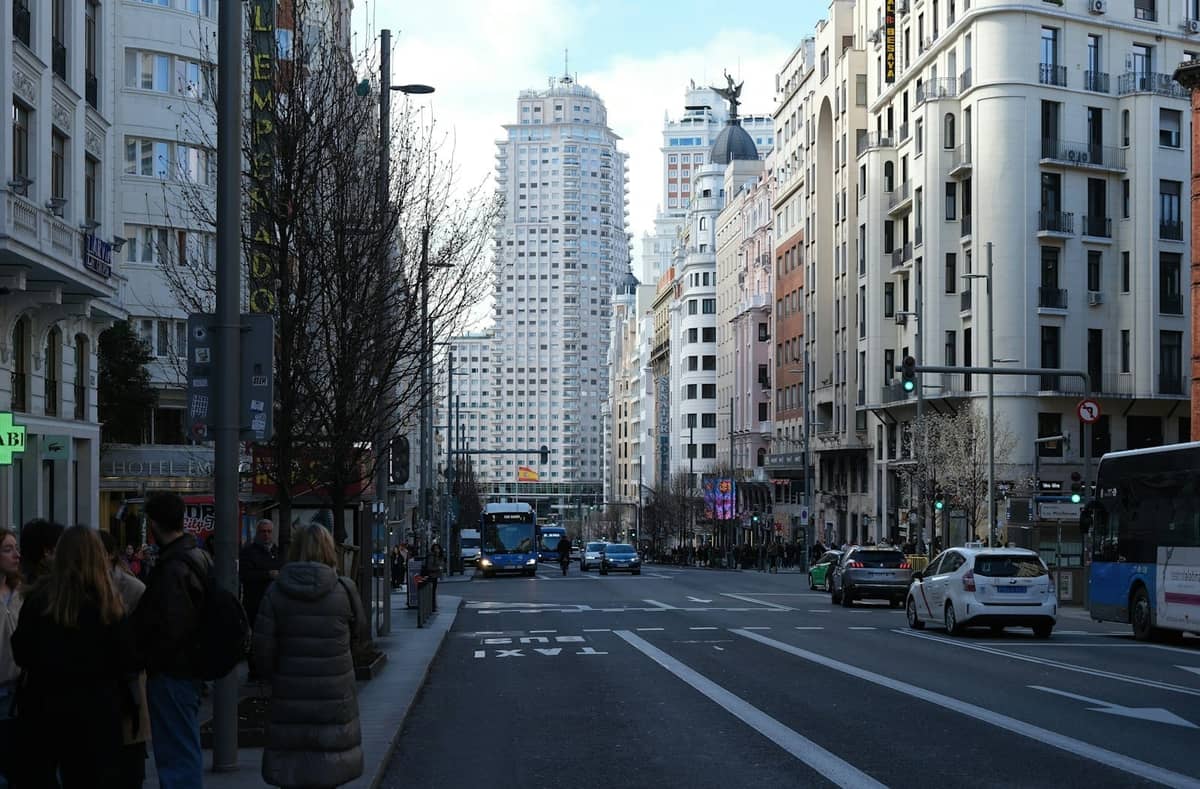
Madrid sits at 667 metres above sea level on the central Iberian plateau, which makes its winters noticeably colder than coastal Spanish cities like Valencia or Malaga. Expect daytime temperatures of 8–12°C in December and January, with nights frequently dropping to 2–5°C. Snow is possible but not common in the city itself, though the Sierra de Guadarrama mountains to the north are white from November onwards.
What surprises most visitors is the sunshine. Even in December, Madrid averages more than 5 hours of direct sun per day. The cold is usually dry rather than damp, which makes outdoor sightseeing more comfortable than the numbers suggest. A good coat, a scarf, and layering underneath will handle most days. Pack gloves for evenings.
💡 Local tip
Madrid's winter sun is deceptive: it looks warm from inside a café but temperatures drop sharply after dusk. Plan outdoor activities for midday and book indoor attractions for late afternoon.
January and February are the quietest months for tourism. Hotel rates fall noticeably after Epiphany weekend, the major museum queues shrink, and you'll find fewer crowds at places like the Retiro park or the Royal Palace. This off-peak window is arguably the most underrated time to visit Madrid for travellers who don't need sunshine and beaches.
The Plaza Mayor Christmas Market: What to Know Before You Go
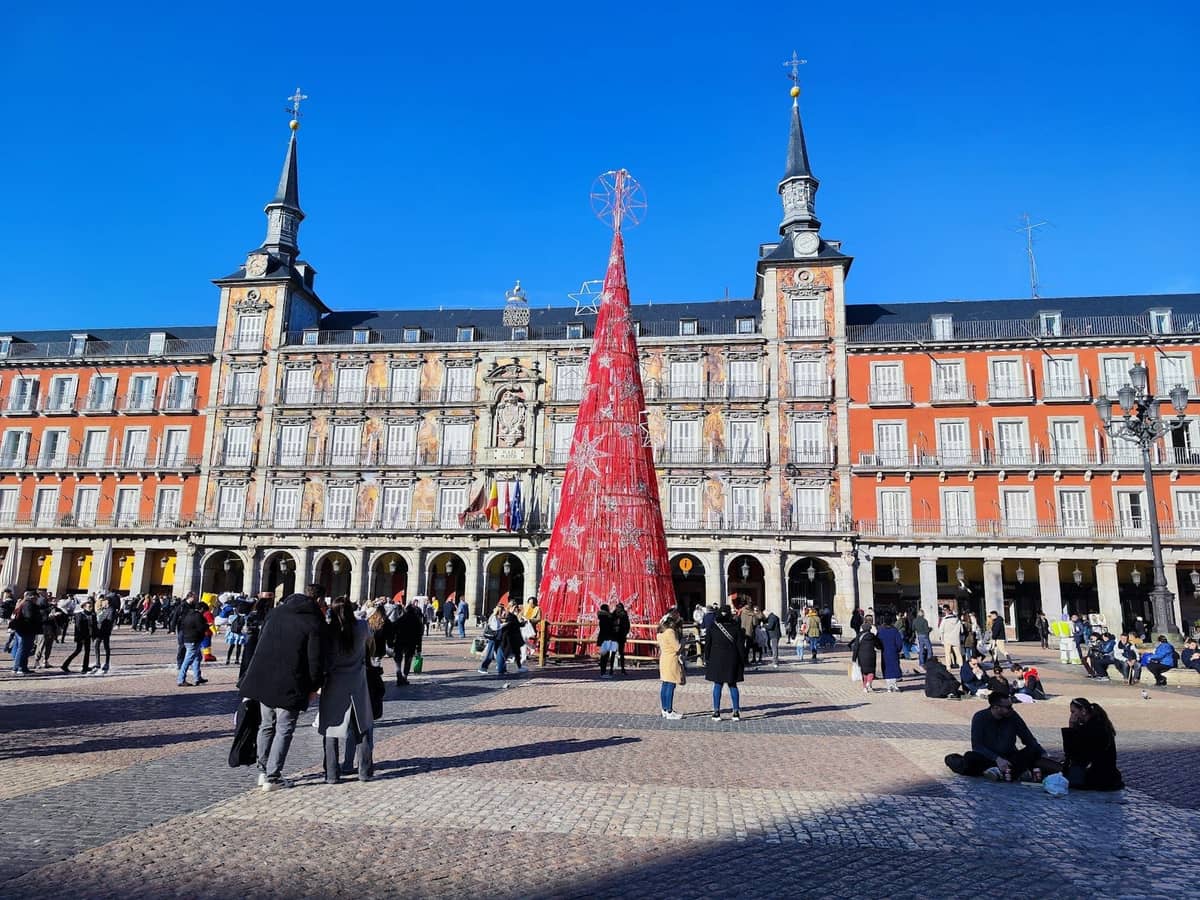
The Plaza Mayor Christmas market is Madrid's oldest and most iconic winter event. It occupies the entire 16th-century square with around 104 stalls, selling nativity figures (figuritas de belén), handmade decorations, toys, musical instruments, and festive food. Entry is completely free.
- Opening period Late November through 31 December — confirm the exact start date annually via Tourism Madrid (esmadrid.com) as it shifts slightly year to year.
- Opening hours Sunday to Thursday 10:00–21:00; Friday, Saturday, and holiday eves 10:00–22:00.
- What's sold Nativity scene figurines are the heart of the market — this is the place Madrileños come to complete their belenes (nativity sets). Also wigs, costumes, fairy lights, and seasonal sweets.
- Crowds Weekday mornings from 10:00–13:00 are the calmest windows. Avoid weekend afternoons and 23–31 December, when the square is genuinely packed.
- Cost Free to enter and browse. Stall prices vary; nativity figurines start from a few euros up to collectible pieces worth much more.
⚠️ What to skip
Pickpocketing increases in Plaza Mayor during the Christmas market, particularly on busy weekend evenings. Keep bags zipped and in front of you. The market itself is safe, but the concentrated crowds attract opportunistic theft.
Beyond Plaza Mayor, several other markets operate across the city each December. The Plaza de España area hosts an artisan market alongside a seasonal ice rink. Paseo de Recoletos — a wide, elegant boulevard between Cibeles and Colón — traditionally stages the Feria Mercado de Artesanía, a crafts market with a more upscale feel than Plaza Mayor. Gran Vía and the Caleido shopping centre also run holiday markets in December and early January. Specific dates change annually, so check the Tourism Madrid events calendar before your trip.
Madrid's Christmas Lights: 240+ Illuminated Locations
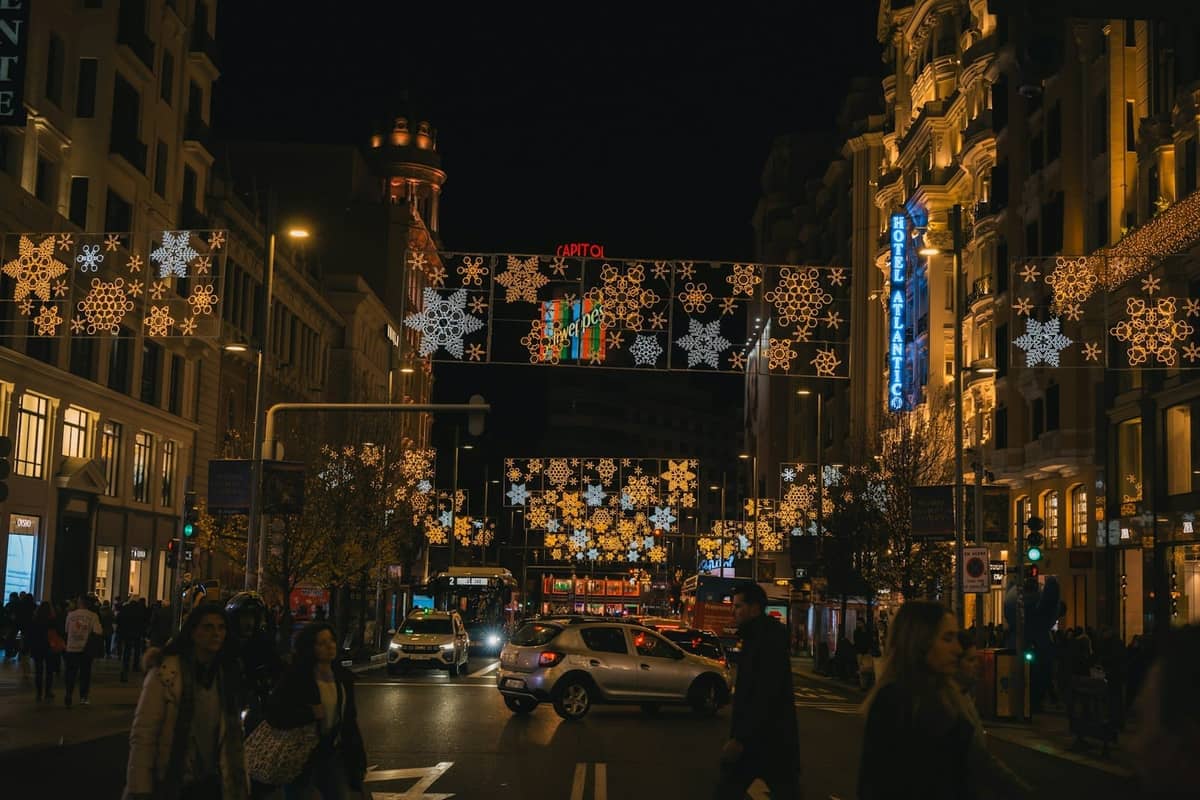
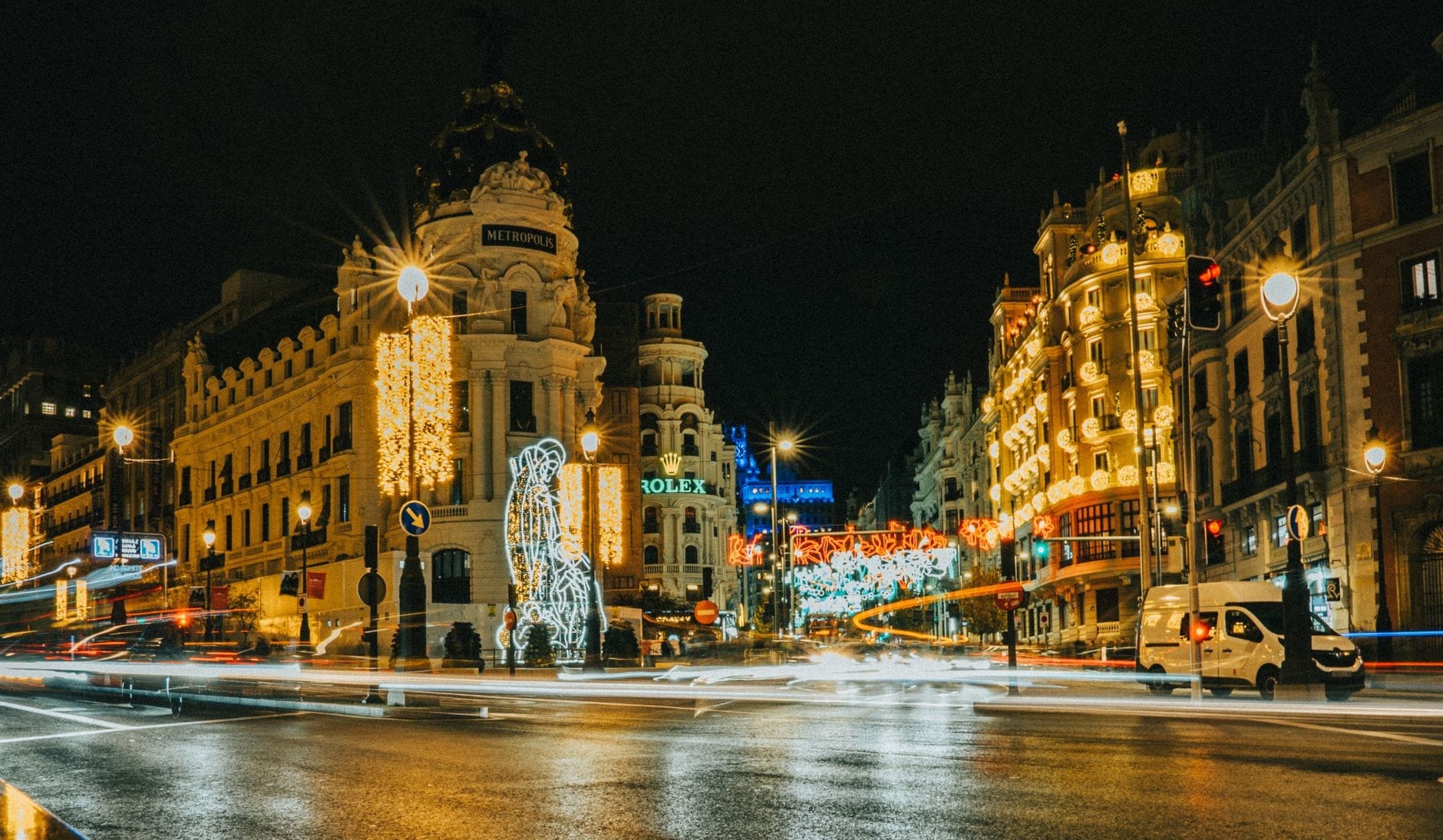
Madrid's municipal Christmas lighting is one of the most extensive in Europe, with over 240 illuminated spots across the city. The lights typically switch on in late November, transforming Gran Vía and the streets radiating from Puerta del Sol into truly impressive spectacles. Gran Vía is the main event: the avenue's entire length is strung with elaborate lighting installations that draw crowds every night.
The Naviluz Christmas bus is a seasonal tourism option that circuits the city's main illuminated streets on a guided route lasting around 50 minutes. Fares have historically ranged from around €4 to €12 depending on ticket type and year. Book through the official Madrid tourism platform rather than third-party resellers to get accurate pricing and availability for the current season.
✨ Pro tip
Skip the Naviluz bus if you're based centrally and prefer to walk. The Gran Vía, Calle de Alcalá, and the streets around Sol and Callao are all walkable in under 20 minutes and the lighting effect is better on foot. Save the bus fare for a decent dinner.
Epiphany and the Cabalgata de Reyes: Madrid's Real Christmas Finale
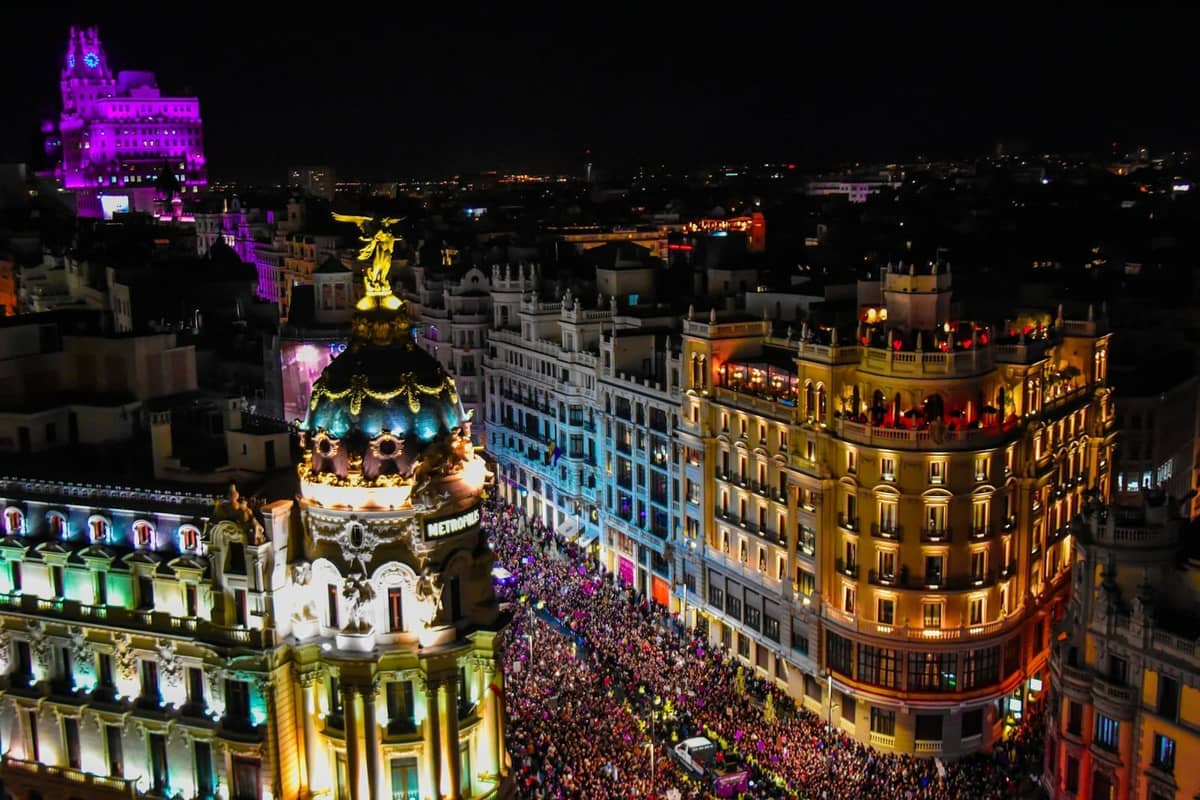
In Spain, 6 January (Día de Reyes, or Epiphany) is the traditional day for exchanging gifts, not 25 December. This means Madrid's festive season peaks twice: once around Christmas and again on Epiphany weekend. For visitors, this is a absolutely unmissable cultural experience, not a tourist performance staged for outsiders.
The Cabalgata de Reyes, held on the evening of 5 January each year, is the centrepiece. Three elaborate floats representing Melchior, Gaspar, and Balthasar parade through central Madrid, with their retinues throwing sweets (caramelos) into the crowds. The parade draws hundreds of thousands of spectators, and the atmosphere is charged with genuine excitement because for Spanish children, this is the equivalent of Christmas Eve night.
- The route changes annually — confirm it on the official Ayuntamiento de Madrid website before you go. Historically the parade has passed through Paseo de la Castellana and central avenues.
- Arrive at least 90 minutes early to claim a good viewing spot, especially if you're bringing children. The best positions fill up fast.
- Bring a bag for the sweets thrown from the floats — catching caramelos is very much part of the tradition.
- Roscón de Reyes, the ring-shaped pastry eaten on 6 January, is sold in every bakery from late December. Try it once. It contains a small hidden figurine — whoever finds it is said to have good luck for the year.
- Most Christmas markets close on or before 31 December, so Epiphany itself is quieter commercially but culturally significant.
Winter Sightseeing: Museums, Palaces, and Cold-Weather Strategy
Winter is an excellent time to tackle Madrid's world-class museum circuit. The Museo del Prado, Museo Reina Sofía, and Museo Thyssen-Bornemisza — the so-called Golden Triangle of Art along the Paseo del Prado — all operate year-round, and the post-holiday January lull means noticeably shorter queues than in spring or summer. The Prado opens free to visitors in the final two hours of each day, typically from 18:00, which is worth factoring into your schedule.
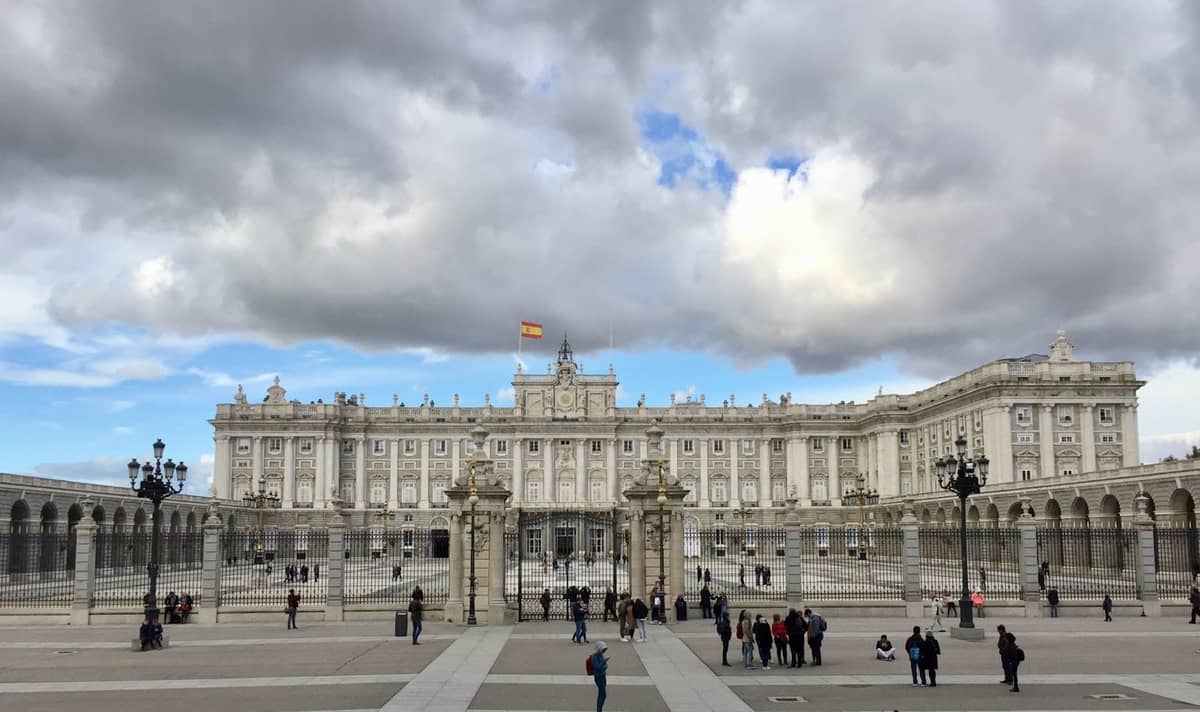
The Palacio Real and the Almudena Cathedral are logical winter pairings: both sit in the same western part of the historic centre, and the walk between them via Plaza de Oriente is pleasant even in cold weather. Opening hours and ticket prices at the Royal Palace are updated periodically by Patrimonio Nacional, so verify current information before visiting.
For cold days when you want warmth and culture without major queuing, the CaixaForum on Paseo del Prado is underrated: excellent temporary exhibitions, a striking building, and a heated interior. The Círculo de Bellas Artes rooftop terrace is less appealing in winter than summer, but the building's interior spaces and café are well worth exploring on a grey afternoon.
Eating, Drinking, and Staying Warm: Winter Food Culture
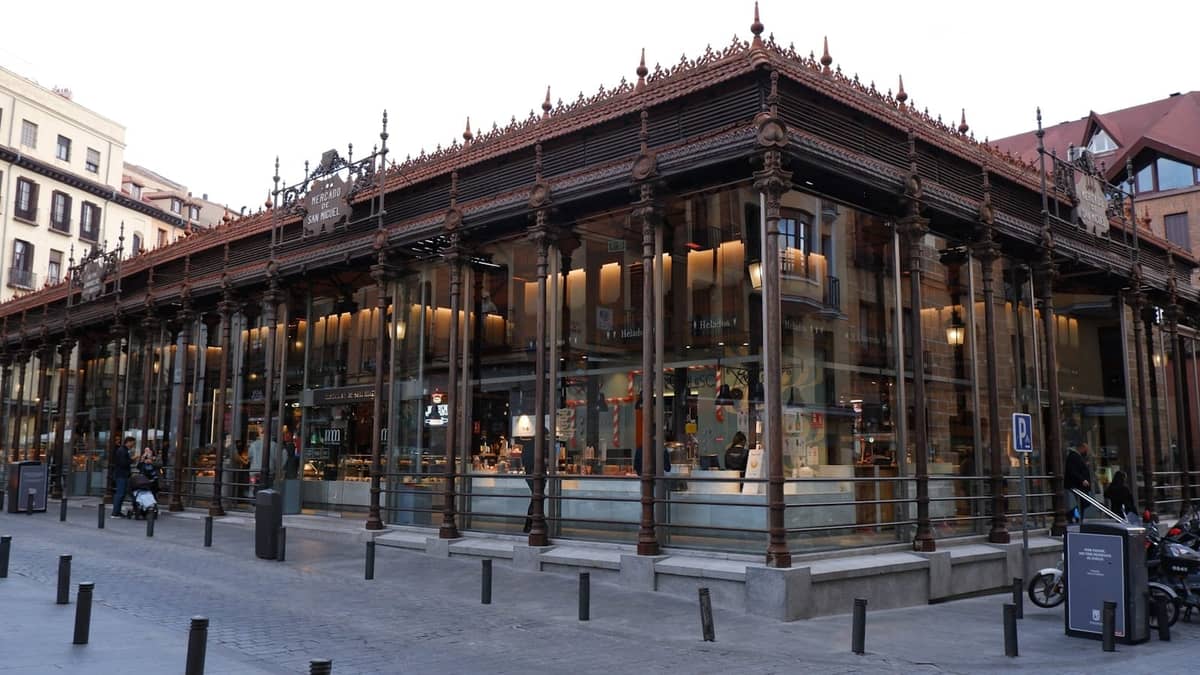
Winter in Madrid has its own food logic. Cocido madrileño, a slow-cooked chickpea stew with meat and vegetables, is the city's definitive cold-weather dish. It's served in two or three courses from the same pot and you'll find it on lunch menus across traditional restaurants in La Latina and Chamberí from roughly October through March. Budget around €15–25 for a full cocido at a sit-down restaurant.
The ritual of churros with thick hot chocolate is at its best in winter. The most famous address is Chocolatería San Ginés, open around the clock and exceptional — though you'll queue on weekend mornings. The post-parade Cabalgata de Reyes crowd often ends up here. For a less touristic option, look for any local bar serving chocolate con churros; the quality difference from San Ginés is marginal and the price is often lower.
- Cocido madrileño The city's signature winter stew. Seek out traditional tabernas rather than tourist-facing restaurants near Sol for the real version.
- Churros con chocolate Best on cold mornings. San Ginés is the classic address but local bars throughout the city serve the same thing with no queue.
- Roscón de Reyes Available from late December through 6 January. Every bakery makes one; the best versions use orange blossom water and are filled with cream or nata.
- Tabernas in winter Madrid's old-school tabernas — particularly around Cava Baja and Huertas — are at their atmospheric best in winter, with warm interiors and slower service than in summer.
FAQ
Is Madrid worth visiting in winter?
Yes, particularly in December for the Christmas markets and Epiphany celebrations, and in January-February for lower prices and shorter museum queues. The cold is manageable and the sunshine is more frequent than northern Europeans expect. The main drawback is that some outdoor activities (Retiro park, rooftop bars) are less appealing in cold weather.
When is the Plaza Mayor Christmas Market in Madrid?
It typically runs from late November through 31 December. Hours are Sunday–Thursday 10:00–21:00 and Friday, Saturday, and holiday eves 10:00–22:00. Entry is free. Confirm the exact start date for any given year on the Tourism Madrid website (esmadrid.com), as it varies slightly.
What is the Cabalgata de Reyes and when does it happen?
The Cabalgata de Reyes is Madrid's Three Kings parade, held every year on the evening of 5 January. It features elaborate floats representing the biblical Magi, who throw sweets to the crowd. It's one of Spain's most significant cultural events. Arrive 90 minutes early for a good viewing spot, and check the official route on the Ayuntamiento de Madrid website before attending.
How cold does Madrid get in December and January?
Daytime temperatures average 8–12°C in December and January, with nights regularly dropping to 2–5°C. Snow in the city centre is possible but uncommon. The cold is generally dry rather than damp, which makes it feel more manageable. A warm coat, scarf, and gloves are essential for evenings.
Are there fewer tourists in Madrid in winter?
December is busy due to Christmas tourism, particularly around the market and Epiphany weekend. January and February are remarkably quiet, with lower hotel rates, shorter queues at major museums, and a more local atmosphere. If you want the festive experience with slightly smaller crowds, the first two weeks of December are better than the final week.