Christmas in Madrid: Markets, Lights & Festive Events
Madrid transforms into one of Europe's most festive cities each December, with illuminated boulevards, outdoor markets, and a calendar packed with seasonal events. This guide covers every major Christmas market, the best neighborhoods for lights, practical timing advice, and what to skip.
Plan and book this trip
Tools from our partner Travelpayouts help you compare flights and hotels. If you book through them, we may earn a commission at no extra cost to you.
Flights
Hotels map
TL;DR
- The Plaza Mayor Christmas Market runs 27 November to 31 December, with 104 free-entry stalls selling nativity figures, decorations, and crafts.
- Madrid has multiple Christmas markets, not just Plaza Mayor: La Navideña in Plaza de España and the artisan Feria de Artesanía on Paseo de Recoletos are strong alternatives.
- December temperatures average 8–12°C during the day and drop to 2–5°C at night, so layer up. See our winter Madrid guide for full seasonal advice.
- The Christmas season officially runs late November through 6 January (Three Kings Day), with the biggest crowds falling between 22 December and 1 January.
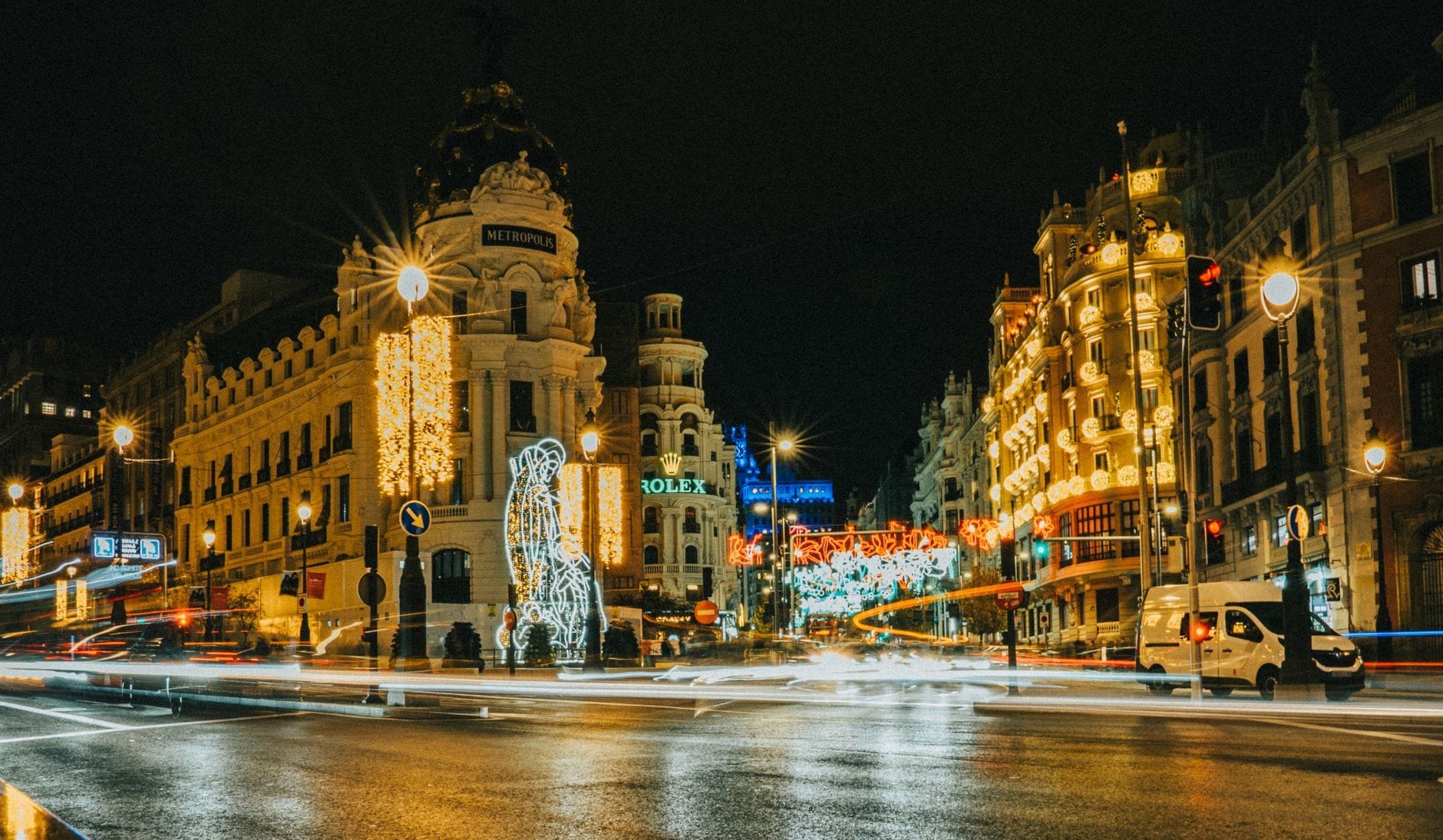
- Combine market visits with Gran Vía's illuminations and the festive window displays along Calle Serrano in Salamanca for a full evening.
When Does Christmas Start in Madrid?
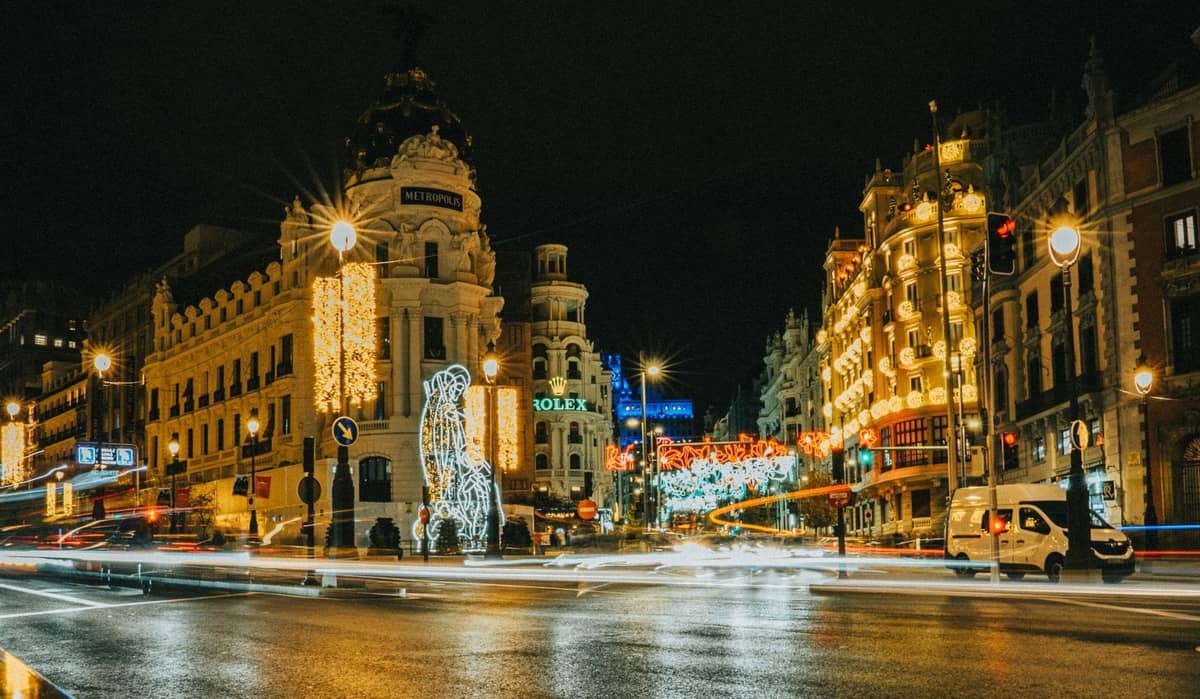
Madrid's festive season kicks into gear in mid-to-late November when the city switches on its street lights and the first markets open. The official season runs all the way through 6 January, the feast of the Reyes Magos (Three Kings), which is actually the bigger gift-giving day in Spanish tradition. If you only have time for one window, the peak period runs from around 22 December to 1 January, when the city is at its most decorated and animated.
The most important date on the calendar for visitors is 31 December: the Puerta del Sol New Year countdown is one of Spain's most televised national traditions, drawing enormous crowds to the square. Tickets are not required, but space is extremely limited and early arrival (from mid-afternoon) is necessary to get a good position. If you want to experience this, book accommodation well in advance as hotel rates spike sharply in the final week of December.
ℹ️ Good to know
In Spain, Christmas Day (25 December) and New Year's Day (1 January) are public holidays, but 6 January (Epiphany / Three Kings Day) is the day children traditionally receive presents. The evening of 5 January sees colorful Cabalgata de Reyes parades through the city streets, and this is a genuinely local event worth planning around.
The Christmas Markets: What's Worth Your Time
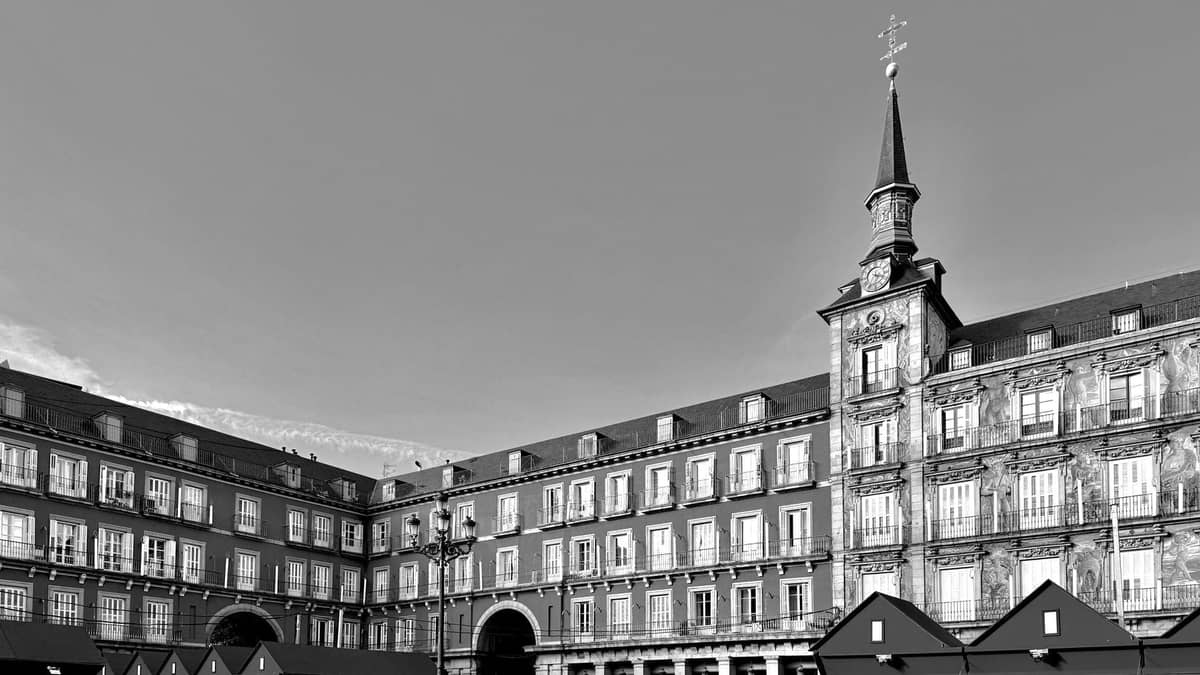
The Plaza Mayor Christmas Market is the oldest and most famous of Madrid's festive markets. According to Tourism Madrid, it runs from late November through 31 December and houses 104 stalls across the square's cobbled interior. Vendors sell nativity scene figurines (belenes), tree ornaments, children's toys, joke items, and musical instruments. Entry is free, and opening hours are Sunday to Thursday 10:00–21:00 and Friday, Saturday, and holiday eves 10:00–22:00.
The atmosphere at Plaza Mayor peaks in the evenings when the Christmas lights reflect off the baroque facades. That said, the market skews traditional rather than artisan: you will find mass-produced decorations and nativity pieces more than handmade crafts. It is still worth a visit for the setting alone, but do not expect the curated quality of Northern European Christmas markets.
- Plaza Mayor Christmas Market Free entry, late November to 31 December. 104 stalls with nativity figures, decorations, and toys. Best visited on a weekday evening to avoid weekend crush.
- La Navideña (Plaza de España) A newer addition to Madrid's Christmas calendar, set in the spacious Plaza de España. Features artisan goods, food stalls, live entertainment, and an ice rink. Good for families.
- Feria Mercado de Artesanía (Paseo de Recoletos) A craft-focused fair running along one of Madrid's most elegant boulevards. Ideal for buying handmade gifts: ceramics, textiles, jewelry, and food products. Better quality than Plaza Mayor for gifting.
- El Mercadillo del Gato (Gran Vía, 13) A seasonal pop-up market with fashion, home decoration, cosmetics, and jewelry. More lifestyle-oriented than traditional Christmas goods.
⚠️ What to skip
Plaza Mayor is heavily pickpocketed during the Christmas season due to dense crowds. Keep bags in front of you and avoid using your phone while stationary in the market. The area around the market's Calle Mayor entrance is particularly busy.
Exact dates for each market vary by year and are sometimes announced only a few weeks before the season starts. The Plaza Mayor market dates are the most stable, but La Navideña and the Artisan Fair dates should be confirmed through the official Tourism Madrid website (esmadrid.com) closer to your travel dates, especially for 2026 and beyond.
Christmas Lights and Illuminations
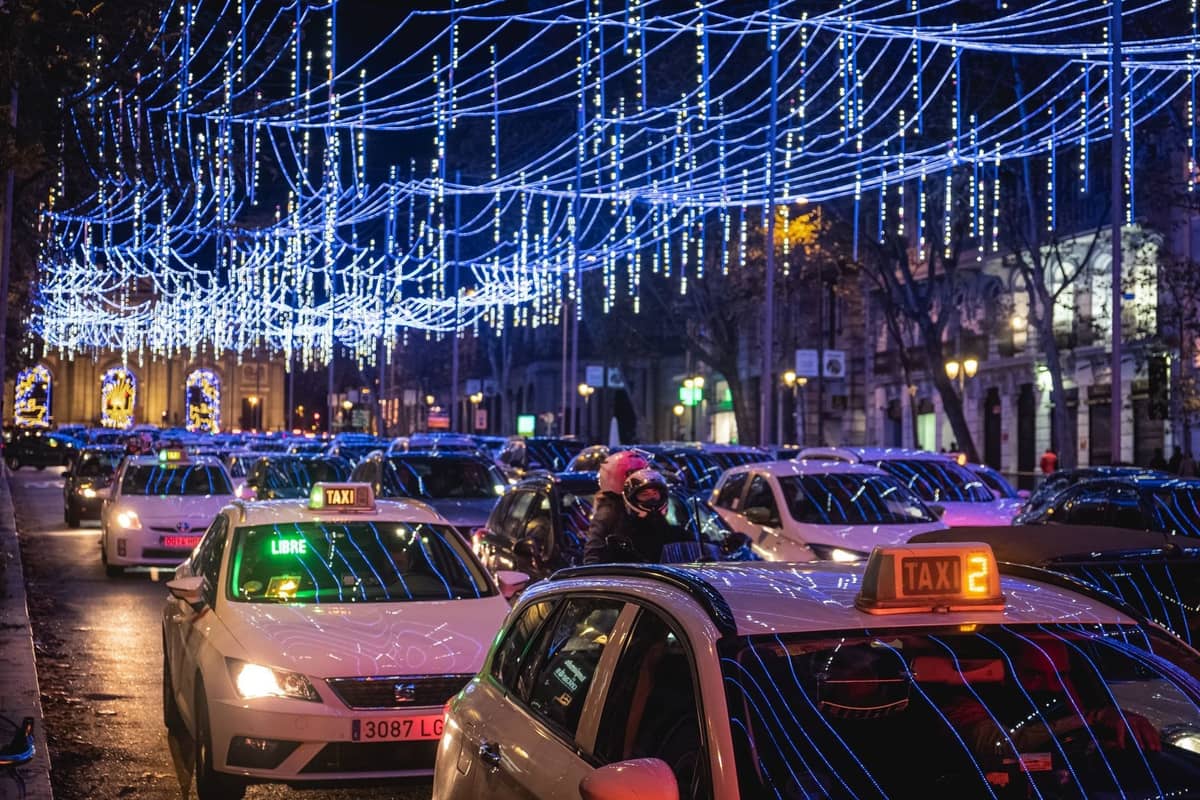
Madrid's street lighting is the most impressive in Spain and rivals any European capital. Gran Vía is the centerpiece: the main commercial boulevard is strung with elaborate overhead light installations for several blocks, and the effect is best appreciated on foot after dark. Combine this with a walk down Sol and Centro, where the streets radiating from Puerta del Sol are all illuminated, creating a walkable circuit of about 2–3 km.
For a more refined version of Christmas shopping and window-gazing, head to the Barrio de Salamanca. The luxury boutiques along Calle Serrano put up elaborate window displays in December, and the neighborhood is noticeably quieter than the tourist-heavy Centro. This is where wealthy madrileños do their Christmas shopping, and the area has a different, more understated quality.
💡 Local tip
The lights on Gran Vía are typically switched on in mid-November, earlier than most markets open. If you arrive in the third week of November, you can enjoy the illuminations without the peak December crowds. The city also lights up the Paseo de Recoletos and Paseo del Prado, making an evening walk between Cibeles and Atocha particularly scenic.
Festive Events and Traditions Beyond the Markets
Markets and lights are the obvious draw, but the deeper Christmas experience in Madrid is in its local traditions. The Lotería de Navidad, held on 22 December, is a national institution: Spaniards gather around televisions and radios to watch children from the San Ildefonso school in Madrid sing out the winning numbers in a long-running ceremony. Bars and cafes across the city play it live, and you will notice the collective tension and celebration if you happen to be inside one.
Nativity scenes (belenes) are displayed across the city throughout December. The largest and most elaborate public belén is traditionally set up in Plaza Mayor, but you will also find them in churches, shopping centers, and public buildings. The Almudena Cathedral is worth visiting in December for both its nativity display and its relatively crowd-free interior compared to summer.
On New Year's Eve, the tradition is to eat twelve grapes at midnight, one for each stroke of the clock at Puerta del Sol. Supermarkets sell pre-prepared grape portions in small cups for this purpose, and you will see people carrying them from late afternoon. The televised countdown from the clock tower at Sol is broadcast nationally, and the square itself holds tens of thousands of people. If you plan to attend, dress warmly and arrive by mid-afternoon to secure a spot.
The Cabalgata de Reyes on the evening of 5 January is the most underrated event of the season for visitors. Multiple floats representing the Three Kings parade through central Madrid, throwing sweets into the crowd. The route changes slightly year to year but typically covers major central streets. This is a hugely popular local event attended primarily by madrileño families rather than tourists, and the atmosphere is warm and unpretentious.
Practical Planning: Weather, Crowds, and Getting Around
December in Madrid is cool but rarely brutal. Daytime temperatures average 8–12°C, dropping to around 2–5°C at night. Snow is possible but uncommon in the city center. Layers are essential, especially for evening market visits, and wind can make it feel colder than the thermometer suggests given Madrid's elevation of around 657 meters above sea level.
The city is very walkable in the Centro and surrounding neighborhoods. Madrid's metro network is extensive and reliable for reaching areas like Salamanca or Chamberí from the center. For full transport options, including metro lines and airport connections, see getting around Madrid.
- Book accommodation at least 6–8 weeks in advance for the Christmas-New Year period, especially if you want to be within walking distance of Puerta del Sol.
- Restaurants are busier than usual in late December, particularly for Christmas Eve (Nochebuena) and New Year's Eve (Nochevieja) dinners. Many serve set menus only on these dates.
- Major museums, including the Prado and Reina Sofía, have reduced hours on 24, 25, and 31 December and are closed on 1 January. Check individual museum websites before visiting.
- The El Rastro flea market does not operate on Christmas Day or New Year's Day, but runs on its normal Sunday schedule on other weeks throughout December.
- Public transport runs extended hours on New Year's Eve, with free metro service overnight into 1 January in recent years (verify current policy with Metro Madrid before your trip).
If you are looking to extend your trip or combine Madrid with another Spanish destination over the holiday period, the Madrid to Seville route is manageable by high-speed train and Seville has its own strong Christmas traditions, including elaborate nativity displays and the Feria de Artesanía.
What to Eat and Drink at Christmas in Madrid
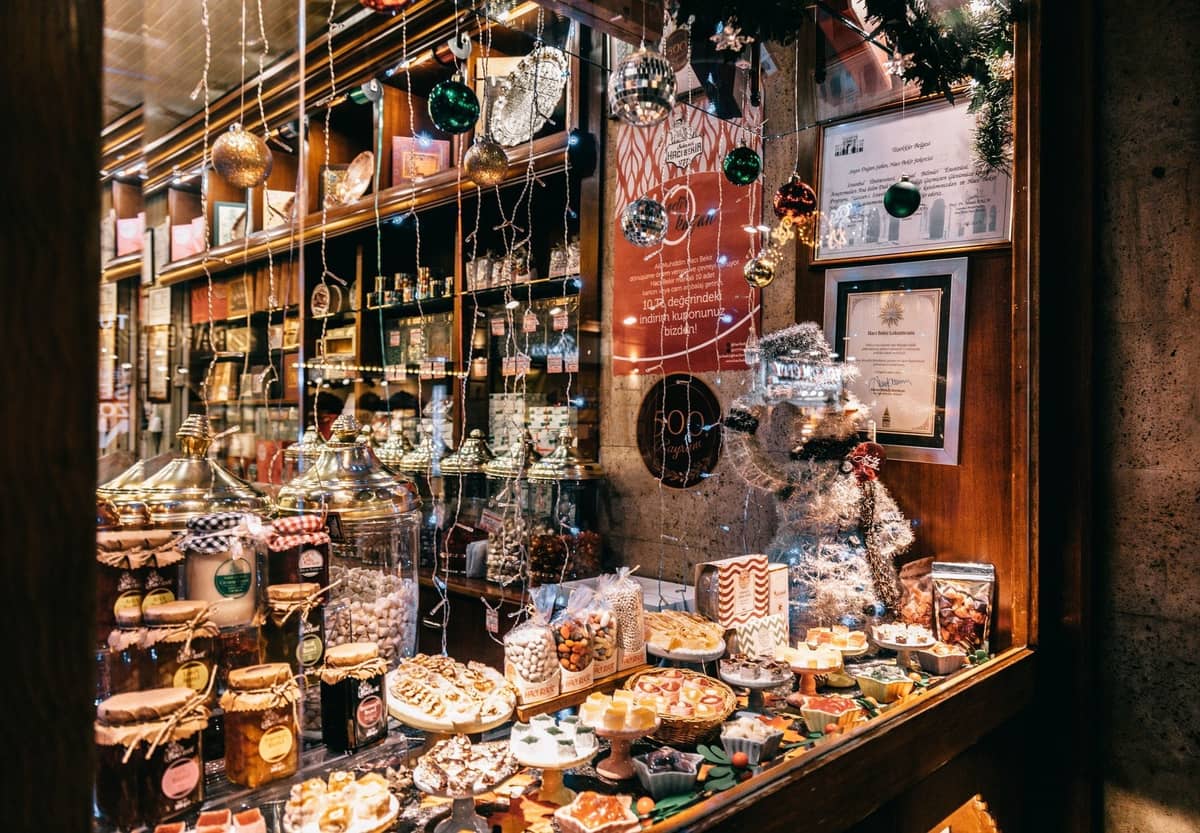
Christmas food in Madrid is specific and worth seeking out. Turron (nougat) in its many varieties, polvorones (crumbly almond shortbreads), and mazapán are everywhere from late November. You can buy quality versions at the market stalls in Plaza Mayor or at Mercado de San Miguel, which operates normally through December and is less than a five-minute walk from Plaza Mayor.
For a warm drink after an evening at the markets, the Chocolatería San Ginés near Sol serves thick hot chocolate with churros and is open through the night. It gets very crowded in December but is an authentic experience. Alternatively, most bars in La Latina serve mulled wine (vino caliente) and seasonal tapas at this time of year.
✨ Pro tip
Christmas Eve (Nochebuena, 24 December) is when Spanish families have their main festive dinner at home. Many restaurants close early or are fully booked weeks in advance on this date. If you are in Madrid on 24 December without a reservation, stock up on food from a supermarket or delicatessen earlier in the day. The Mercado de la Paz in Salamanca is an excellent choice for quality prepared foods and seasonal specialties.
FAQ
When does the Plaza Mayor Christmas market open in Madrid?
The Plaza Mayor Christmas Market typically opens in late November and runs through 31 December. Opening hours are Sunday to Thursday 10:00–21:00, and Friday, Saturday, and holiday eves 10:00–22:00. Entry is free. Exact opening dates vary slightly year to year, so confirm via the official Tourism Madrid website (esmadrid.com) closer to your visit.
Is Christmas a good time to visit Madrid?
Yes, with some caveats. Madrid is delightfully festive in December, with impressive street lights, multiple markets, and a packed events calendar. Temperatures are cool (8–12°C by day, 2–5°C at night) but manageable. The main downside is that the final week of December is very crowded and expensive. If you prefer a more relaxed visit, the first two weeks of December offer the full festive atmosphere without the peak-season crowds and prices.
What is the biggest Christmas event in Madrid?
For sheer scale and local significance, the New Year's Eve countdown at Puerta del Sol is the biggest single event, broadcast nationally and attended by tens of thousands in the square. The Cabalgata de Reyes on 5 January is the most popular family event. For the full Christmas season, the combination of Plaza Mayor market, Gran Vía illuminations, and the Lotería de Navidad on 22 December defines the festive experience.
Are there ice skating rinks in Madrid at Christmas?
Yes. La Navideña market in Plaza de España typically includes an outdoor ice rink. Other temporary rinks also appear in various locations around the city during December. These are seasonal and change year to year, so check the current Tourism Madrid listings for exact locations and opening dates.
Does the El Rastro flea market run during Christmas?
El Rastro operates on its normal Sunday and public holiday morning schedule through most of December, but it does not run on Christmas Day (25 December) or New Year's Day (1 January). It typically resumes the following Sunday. The market is a good option on a December Sunday if you want a non-Christmas-themed shopping experience in a local atmosphere.