Madrid to Seville: Train, Bus & Everything In Between
The Madrid to Seville route is one of Spain's most travelled intercity connections, and you have more options than ever. This guide covers AVE train times, low-cost operators, bus routes, driving, and exactly how to get the best fare.

Plan and book this trip
Tools from our partner Travelpayouts help you compare flights and hotels. If you book through them, we may earn a commission at no extra cost to you.
Flights
Hotels map
TL;DR
- The Madrid to Seville train takes around 2 h 30 min to 2 h 45 min on the AVE high-speed line, making it the fastest and most practical option for most travellers.
- Advance train tickets start from around €14 with low-cost operators like OUIGO and Avlo. Booking 4-6 weeks ahead is the single most effective way to save money.
- Renfe is no longer the only option: iryo and OUIGO also run high-speed services on this corridor, so compare all three before booking.
- Buses are slower (6-10 hours depending on service) and not always cheaper than advance train fares. They make sense for flexibility, not speed.
- Book via Renfe.com, Trainline, or Omio. If you're planning a wider Andalusian trip, see our day trips from Madrid guide for ideas on combining destinations.
The Route at a Glance

Madrid and Seville are roughly 390 km apart as the crow flies, and about 525 km by road. By high-speed rail, the connection is one of the most efficient in Europe: Madrid Puerta de Atocha to Sevilla Santa Justa in around 2 hours 20 minutes to 2 hours 45 minutes on the fastest services. That is faster than flying once you factor in airport check-in, security, and transfers on both ends.
This route has been served by the AVE (Alta Velocidad Española) since 1992, when Spain built the line specifically for the Expo in Seville. More than three decades later, it remains one of the busiest high-speed corridors in Europe, with roughly 20 to 33 daily departures on most days, typically every 30 to 60 minutes during peak hours. The infrastructure is mature, the trains are reliable, and competition between operators has brought prices down significantly compared to a few years ago.
Train: The Strongest Option for Most People

The Madrid to Seville train is the default choice for good reason. Journey times are fixed regardless of traffic, the seats are comfortable, you arrive directly in the city centre at Santa Justa station, and the frequency means missing one train is rarely a crisis. Both origin and destination stations are well-connected to metro, taxi, and bus networks.
- Renfe AVE / Alvia The original high-speed operator. Offers multiple fare classes including Básico, Elige, and Prémium. Advance fares from around €30-37, rising sharply close to departure. Book via Renfe.com for the best selection of times and fares.
- Avlo (by Renfe) Renfe's low-cost subsidiary. Stripped-back service with fewer amenities, but tickets from around €14-20 when booked well in advance. No changes or refunds on the cheapest fares, so only book if your plans are fixed.
- iryo Private high-speed operator that entered the Madrid-Seville corridor in 2022. Competitive pricing, modern rolling stock, and occasionally undercutting Renfe on the same routes. Worth checking alongside Renfe before committing.
- OUIGO España The Spanish arm of the French low-cost rail brand. Tickets can be extremely cheap (sometimes under €15) but extras like luggage beyond a small bag cost additional fees. Read the conditions carefully before booking.
⚠️ What to skip
Spanish high-speed trains close boarding approximately 10 minutes before departure, and they mean it. Unlike airports where gates close 15-20 minutes before, the gate at Atocha for AVE services is a physical barrier that shuts. Arrive at the station at least 20-25 minutes before your train, especially during holiday periods when queues at security (yes, there is a bag scan) are longer.
Prices vary considerably by operator, class, and how far in advance you book. Atocha is Madrid's main intercity rail hub and is well-connected to the Metro (line 1), Cercanías commuter trains, and buses. If you're spending time in the city before travelling, check our guide to getting around Madrid to understand how to navigate from your neighbourhood to the station without stress.
What You Should Expect to Pay
Pricing on the Madrid to Seville corridor has become genuinely dynamic since competition opened up. The cheapest possible fares (Avlo, OUIGO, or promotional Renfe tickets) start under €10-20 for a one-way journey. Realistic advance fares on standard AVE services run €30-50. Book within a week of travel or during peak season (Easter week in Seville is particularly extreme) and you can easily pay €70-100 or more.
- Book 4-6 weeks in advance for the best balance of price and flexibility.
- Tuesday and Wednesday departures are usually cheaper than Friday afternoon or Sunday evening trains.
- Avlo and OUIGO fares are budget-level but carry strict no-change, no-refund policies on the cheapest tiers.
- iryo sometimes has promotional fares that undercut Renfe on popular times, so check both.
- For groups of 4+, splitting into individual bookings rather than one group booking can occasionally find cheaper per-person fares.
✨ Pro tip
Renfe offers two loyalty-based discount cards worth knowing: the Tarjeta Dorada (for travellers over 60) gives up to 40% off and typically costs €6 for one year (with higher-priced multi‑year options); the Más Renfe Joven card (ages 14-25) gives up to 30% off and costs €50 per year. If you're in either age bracket and planning more than one or two train journeys in Spain, both cards pay for themselves quickly.
Bus: Slower, But Not Worthless

The bus between Madrid and Seville exists, and it has its place, but go in with clear expectations. The fastest scheduled bus service covers the route in around 6 hours 11 minutes; many journeys are in the 6.5-8 hour range, with some slower services taking longer. For most travellers, that is a significant sacrifice compared to the 2.5-hour train, and the cost difference has narrowed considerably since low-cost rail operators entered the market.
Bus fares typically range from €30 to €55 one-way, though prices spike sharply during Semana Santa (Holy Week in Seville is one of the most attended events in Spain), the Feria de Abril, and peak summer. Direct services are available from Madrid Estación Sur de Autobuses (the main intercity hub in Madrid, at Méndez Álvaro) operated by companies including Alsa and Socibus. The bus does have one advantage: it is often bookable much closer to departure without the same price penalty as trains.
ℹ️ Good to know
The common assumption that buses are always cheaper than trains is outdated on this route. When Avlo or OUIGO seats are available weeks in advance, the train is often the same price or cheaper, and significantly faster. Buses make the most sense if you need flexibility without a booking, are travelling on a very tight budget and have the time, or if all train seats are sold out for your date.
Flying and Driving: When They Make Sense
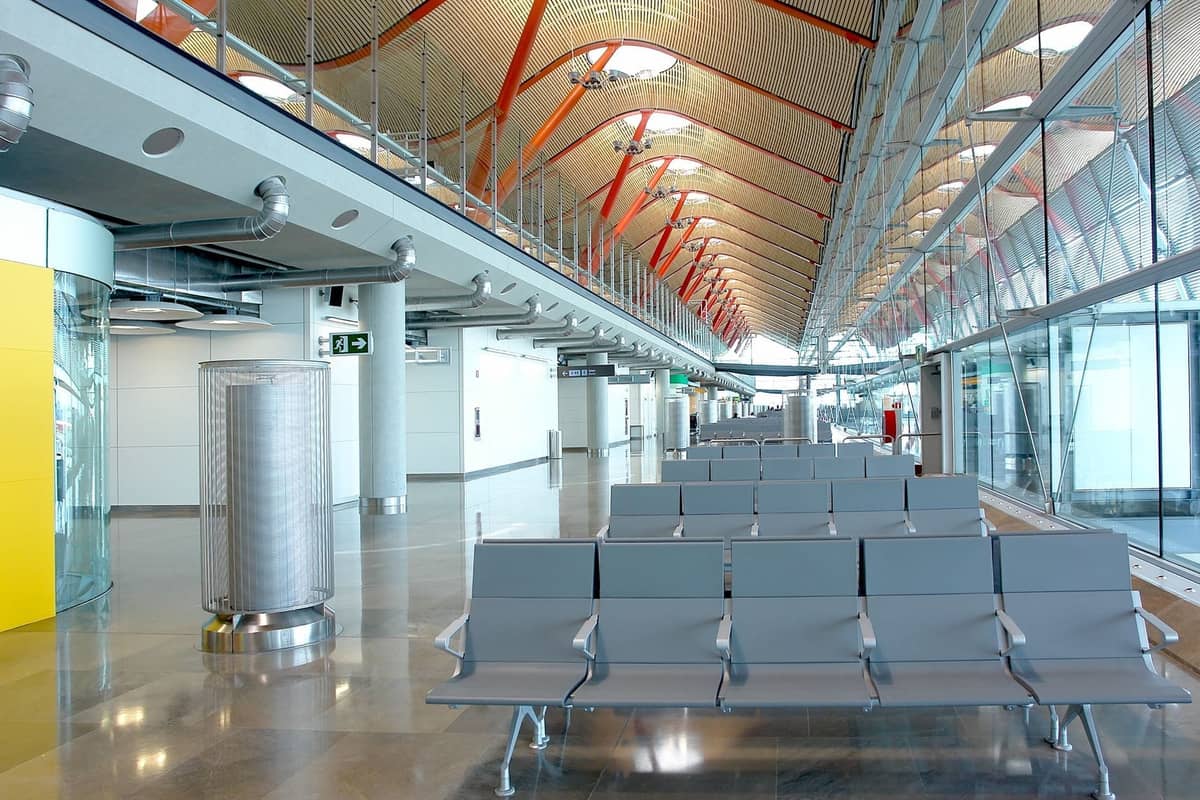
Flights between Madrid (MAD, Adolfo Suárez Madrid-Barajas Airport) and Seville (SVQ) exist and are operated by Iberia and Vueling among others, but the total door-to-door time rarely beats the train once you account for getting to Barajas (at least 30-40 minutes from central Madrid), checking in, security, a typical 1 hour 5–10 minute flight, baggage claim, and transport from Seville airport into the city centre. Flights make sense if you find a remarkably cheap fare and have flexible luggage, but for most itineraries the train wins on total travel time.
Driving is around 525 km by road and takes approximately 5 hours 15 minutes in normal traffic via the A-4 motorway south. It becomes a reasonable option if you are travelling with a group, plan to explore the Andalusian countryside en route, or are continuing beyond Seville to places like Jerez, Cádiz, or Córdoba where rail connections are less direct. Toll costs and fuel should be factored in; the A-4 is a free autopista for most of the route. Parking in central Seville, however, is expensive and scarce.
Booking Strategy and Practical Logistics
For train tickets, book directly on Renfe.com for the full range of times and fares, or use Trainline and Omio to compare across operators including iryo and OUIGO in a single search. Third-party aggregators sometimes add small booking fees, so if you find the fare you want, cross-check the operator's own site. For context on how rail travel fits into a broader Spain trip, our Madrid to Lisbon travel guide covers a similar multi-modal comparison if you are extending west.
Seville itself is best explored on foot or by bike; the historic centre around the Cathedral, the Alcázar, and the Barrio de Santa Cruz is compact. If you are planning a longer trip through Andalusia, Madrid makes an excellent base for onward connections. Spain's high-speed network also connects Madrid to Valencia, Córdoba, Málaga, and beyond. For planning a full week, our Madrid one-week itinerary can help you structure when to schedule the Seville leg.
- Renfe.com: official Renfe booking, most complete timetable for AVE and Alvia services.
- Ouigo.es: book directly for OUIGO low-cost fares; always check baggage allowances.
- iryo.eu: direct booking for iryo high-speed services.
- Trainline / Omio: multi-operator comparison tools, useful for spotting the cheapest fare across all operators at a glance.
- Alsa.com: primary bus operator for Madrid-Seville coaches.
💡 Local tip
If you are visiting Seville during Semana Santa (Holy Week, date varies each year but falls March-April) or the Feria de Abril (two weeks after Easter), book trains at least 6-8 weeks in advance. These are among the most attended events in Spain, and trains sell out completely on key dates. Prices also rise steeply. The same applies to accommodation in Seville itself.
Madrid Puerta de Atocha is the departure point for virtually all high-speed services south. It is a large, modern station with food options, luggage lockers, and a famous botanical atrium in the old station building. Arrive with time to spare and check your platform on the departure boards once you are inside, as platforms are typically assigned 15-20 minutes before departure. For more on navigating Madrid before your trip, our things to do in Madrid guide covers the city's top attractions if you have a day or two before heading south.
FAQ
How long does the train from Madrid to Seville take?
The fastest services on the Madrid to Seville route take around 2 hours 20 minutes to 2 hours 45 minutes. Most scheduled trains fall in the 2 h 30 min to 3 h range depending on the service type (AVE, Alvia, iryo, or OUIGO). There is no slower regional train option on this route; all high-speed services use the dedicated AVE track.
How much does the Madrid to Seville train cost?
Prices vary by operator, class, and how far in advance you book. Low-cost operators (Avlo, OUIGO) offer fares from under €10 on promotional sales. Standard Renfe AVE advance fares typically run €30-50. Last-minute or peak-season fares (Easter week, Feria de Abril) can exceed €70-100. Booking 4-6 weeks ahead gives the best combination of price and flexibility.
Is the bus from Madrid to Seville worth it?
Only in specific circumstances. Bus fares range from around €30 to €55, but the journey takes 6-10 hours compared to 2.5 hours by train. Since low-cost rail operators now offer fares in a similar price range, the bus no longer holds a reliable cost advantage. It makes sense if you need to travel at very short notice without a booking, or if all train seats for your date are sold out.
Which station in Madrid do trains to Seville depart from?
All high-speed trains to Seville depart from Madrid Puerta de Atocha (formally Estación Madrid Puerta de Atocha-Almudena Grandes). It is located in the Arganzuela district, connected to Metro line 1 at the Atocha Renfe stop and to Cercanías commuter trains. Do not confuse it with Atocha Cercanías, which is the commuter rail level of the same complex.
Should I book the Madrid to Seville train in advance?
Yes, especially if you want the cheapest fares or are travelling during peak periods. For standard travel, booking 2-4 weeks ahead is usually sufficient. For Semana Santa, the Feria de Abril, or any major long weekend, book 6-8 weeks ahead. Promotional fares on Avlo and OUIGO are released well in advance and sell out quickly.