One Week in Madrid: The Complete 7-Day Itinerary
Seven days in Madrid gives you enough time to cover the world-class museums, explore distinct neighborhoods, eat well, and still fit in a day trip or two. This guide breaks it all down day by day, with practical logistics, tested recommendations, and the details most itineraries skip.
Plan and book this trip
Tools from our partner Travelpayouts help you compare flights and hotels. If you book through them, we may earn a commission at no extra cost to you.
Flights
Hotels map
TL;DR
- Seven days is enough for the Prado, Reina Sofía, Thyssen, the Royal Palace, Retiro Park, and meaningful time in neighborhoods like La Latina, Malasaña, and Salamanca.
- Reserve days 4 or 5 for a day trip: Toledo by Avant train (about 36 minutes each way) is the strongest choice; Segovia and El Escorial are solid alternatives. See our day trips from Madrid guide for full details.
- Book Prado and Royal Palace tickets in advance — both offer timed entry and sell out in high season. Prado admission is around €15, Royal Palace around €14.
- Avoid scheduling the Prado on a Monday (closed) or the Royal Palace on days with official ceremonies — check Patrimonio Nacional before you go.
- Spring (April–May) and autumn (September–October) are the most comfortable seasons for a walking-heavy itinerary. Summer regularly exceeds 35°C. Check our best time to visit Madrid guide before booking.
Before You Arrive: Logistics That Actually Matter
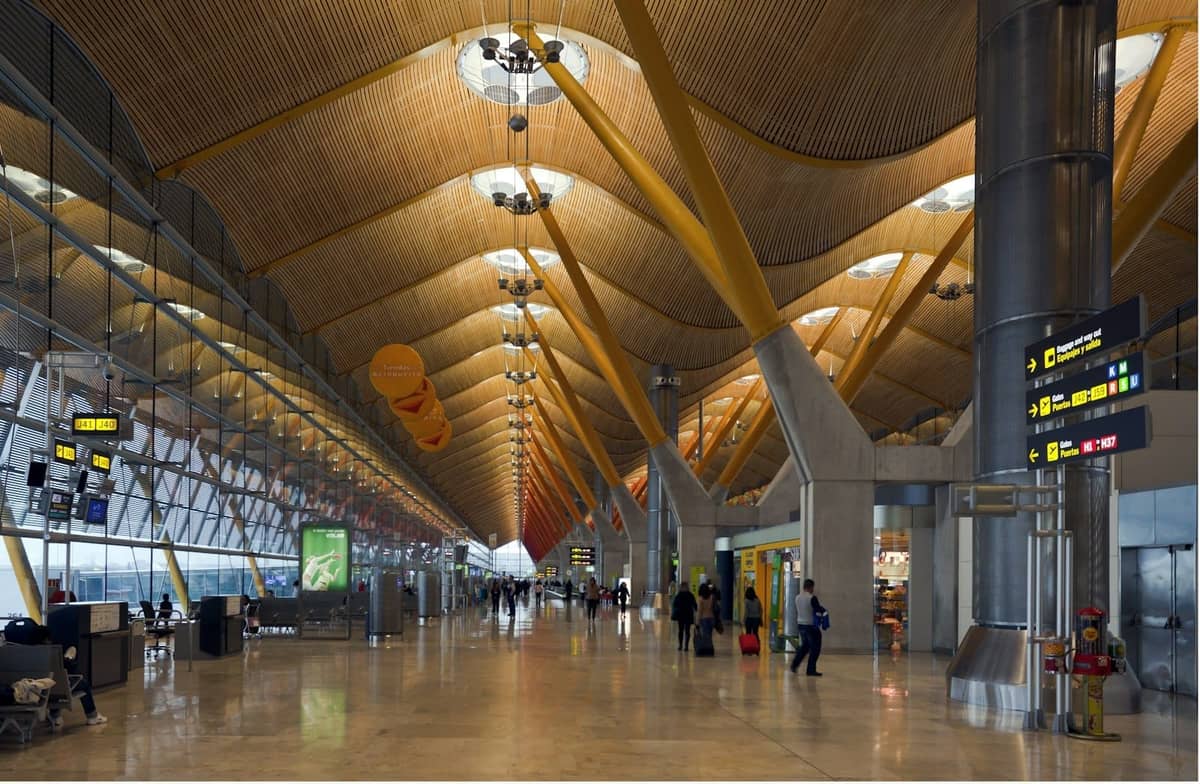
Madrid sits at 667 metres above sea level in the geographic centre of the Iberian Peninsula, served by Adolfo Suárez Madrid-Barajas Airport (IATA: MAD), about 12–15 km from Puerta del Sol. From the airport, Metro Line 8 reaches central interchange stations like Nuevos Ministerios in roughly 25-30 minutes. The airport supplement raises the ticket price above a standard metro fare, so check current Metro Madrid pricing before you travel. Taxis charge a fixed fare of around €30 between the airport and central Madrid, which is worth it if you have heavy luggage or arrive late.
Once in the city, the Metro covers almost everything you need. For a walking-heavy week, a 10-trip metro card saves money over single tickets. If you plan to combine metro, bus, and Cercanías trains (useful for reaching Atocha for day trips), a combined transport card simplifies things considerably. Ride-hailing apps including Uber, Cabify, and Bolt operate in Madrid under Spain's VTC regulations, though availability and pricing fluctuate.
💡 Local tip
Spain uses Type C and Type F plugs at 230V/50Hz. Bring a European adaptor if your devices use flat-pin plugs. Madrid tap water is safe to drink — skip the bottled water budget.
For accommodation, where you stay shapes your week. The Sol-Centro area keeps you within walking distance of nearly every major sight but comes with noise and higher prices. Malasaña and Chueca offer better value with easy metro access. For full neighbourhood breakdowns and hotel picks, see our where to stay in Madrid guide.
Days 1-2: The Art Triangle and the Historic Core
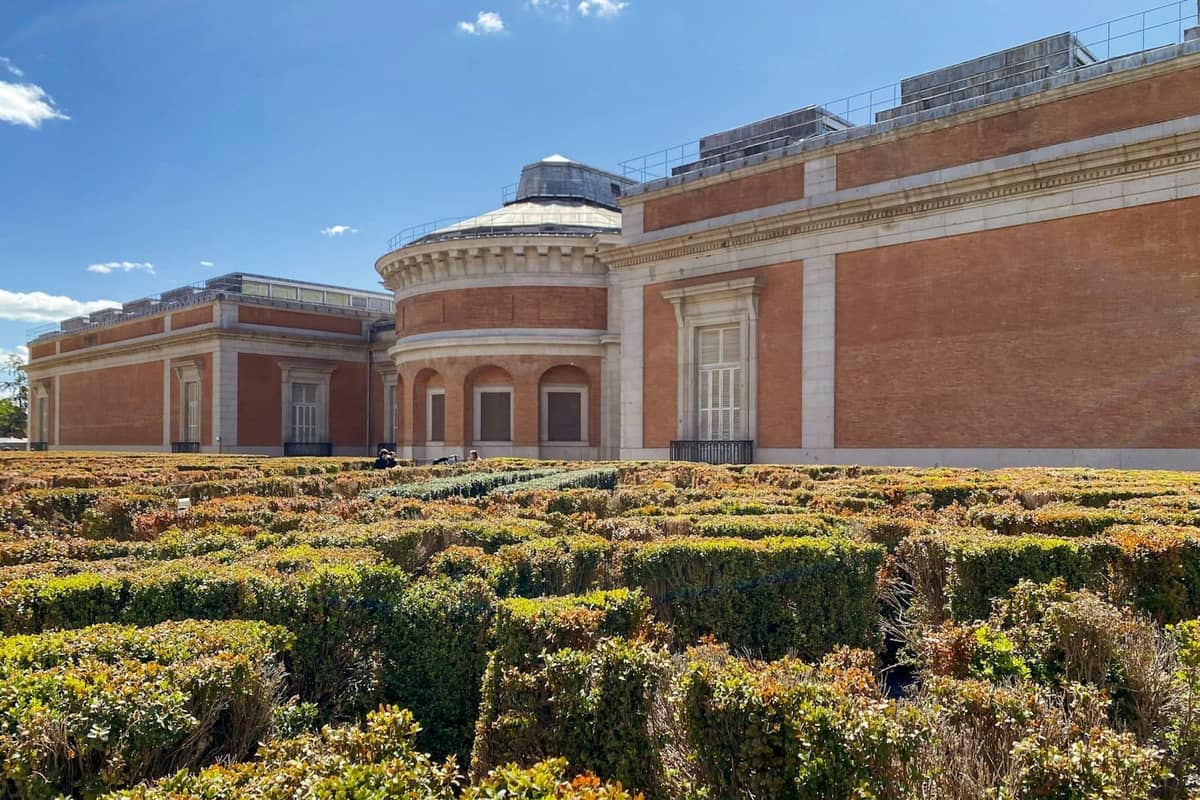
Start with the Prado. Not because it is obligatory, but because once you understand what is inside — Velázquez's Las Meninas, Goya's Black Paintings, Bosch's Garden of Earthly Delights — everything else in Madrid makes more cultural sense. Allocate a full morning, minimum three hours. Book timed entry online in advance through the Museo Nacional del Prado website; adult tickets are €15. Arriving without a booking during peak season (June-August, Easter week, long weekends) risks a long queue or sold-out slots.
After the Prado, walk north along the Paseo del Prado to the Thyssen-Bornemisza. This is the most underrated of the three major museums: a private collection spanning Renaissance to 20th-century work, with far fewer crowds than the Prado. Admission is around €13 for adults. On Day 2, head to the Museo Reina Sofía for Picasso's Guernica and a deep archive of 20th-century Spanish art. The permanent collection is free on Monday and Wednesday evenings (hours vary — verify on the official site).
Use the afternoon of Day 2 to decompress in the historic core. Plaza Mayor is worth seeing early in the morning before the tourist crowds arrive; midday it becomes crowded and the surrounding cafés are overpriced. Walk south into La Latina for a better lunch, then continue to the Mercado de San Miguel — it's atmospheric but tourist-priced, so treat it as a stroll rather than a meal plan.
⚠️ What to skip
The Prado is open every day except certain public holidays, while the Reina Sofía is closed on Tuesdays. Build your schedule around this or you will waste half a day arriving at a shut door.
Day 3: Royal Madrid and Retiro Park
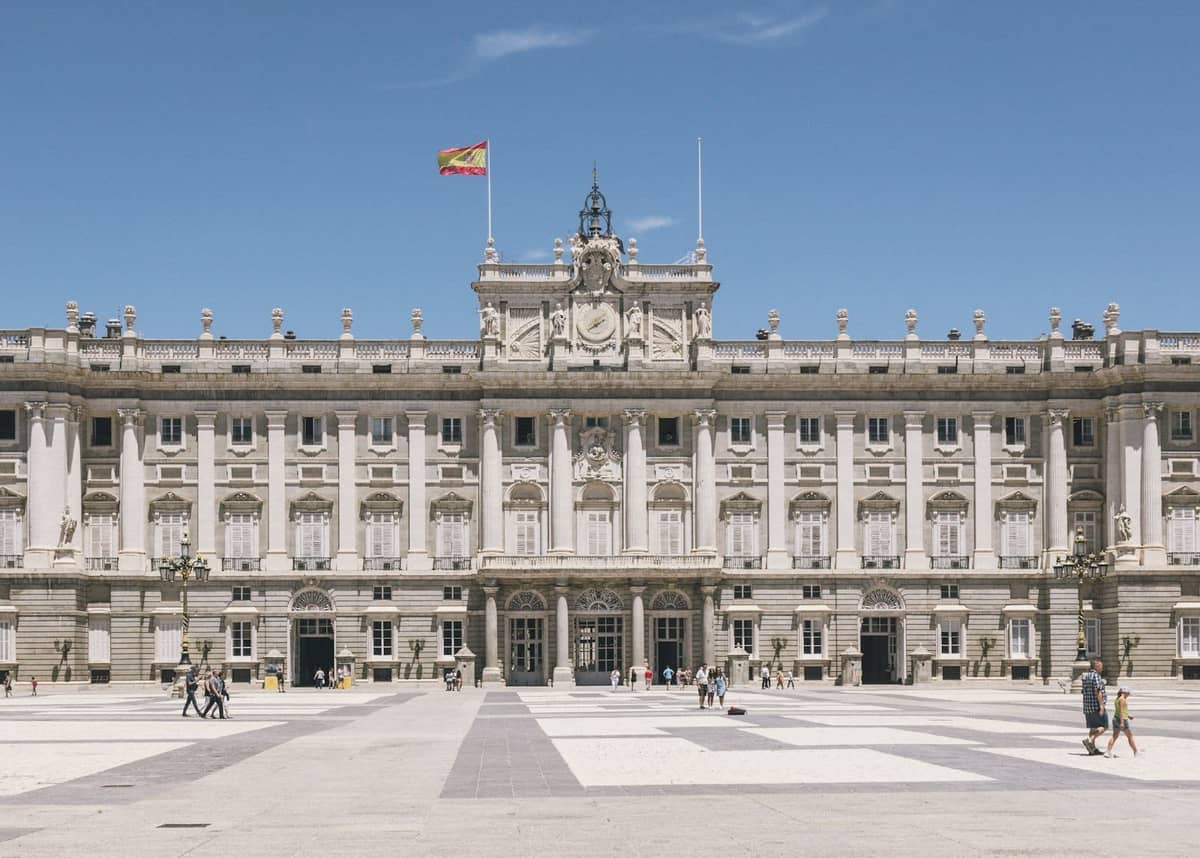
The Royal Palace of Madrid (Palacio Real) is the largest royal palace in Western Europe by floor area, with over 3,000 rooms, though only a portion is open to visitors. Tickets are around €14 for adults; book through Patrimonio Nacional in advance, particularly from March to October. The Almudena Cathedral sits directly opposite and is free to enter, though the rooftop viewpoint charges a small fee. Together they make a logical morning pairing.
The Jardines de Sabatini behind the Palace offer one of the better free viewpoints in central Madrid. From there, walk east toward Templo de Debod — a genuine ancient Egyptian temple relocated to Madrid in the 1970s, gifted by Egypt. Free entry, though the interior queue can stretch long in summer. The sunset view west from here over Casa de Campo is worth the detour.
Spend the afternoon in Parque del Retiro. At 350 acres, it is large enough that you can avoid the main lake crowds entirely by walking toward the Palacio de Cristal or the rose garden. Rowing boats are available to rent on the Estanque Grande, typically around €8 for 45 minutes. The park is free to enter and busiest on Sunday mornings when locals come in force.
Day 4: Day Trip to Toledo
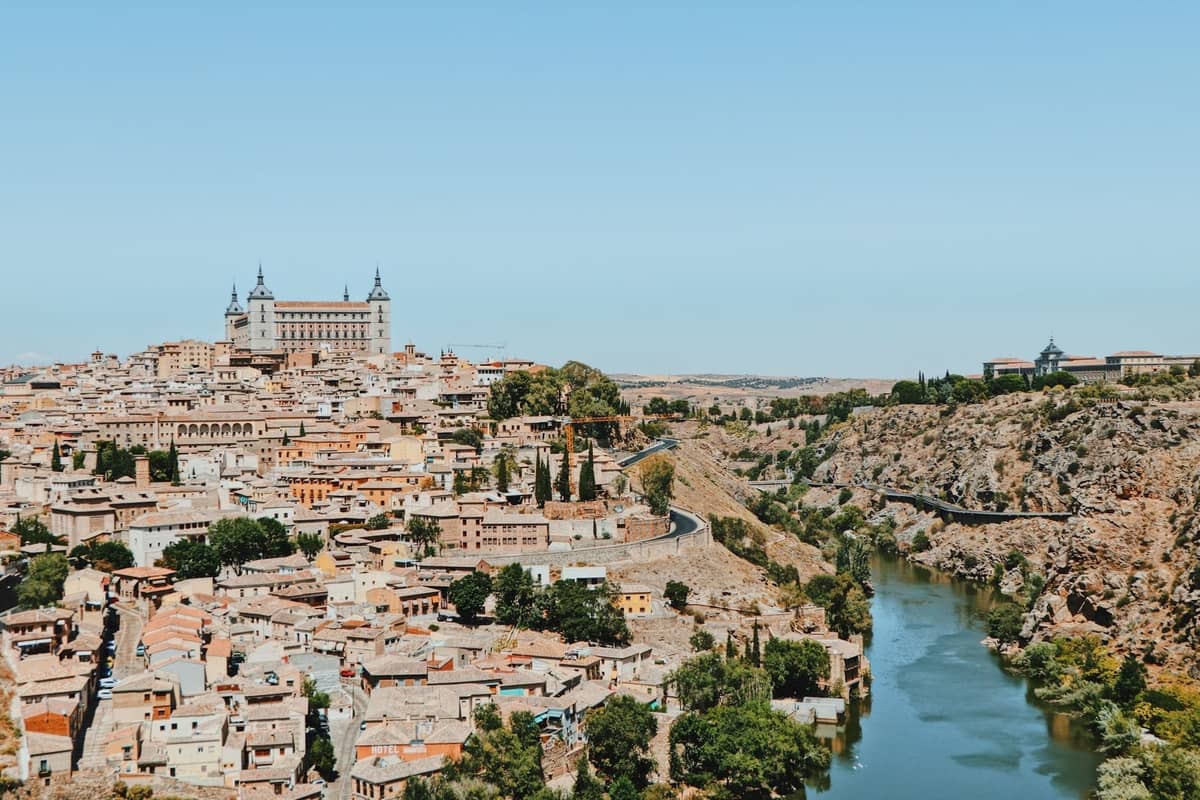
Toledo is the strongest single day trip from Madrid, and the logistics are simple enough that there is little reason to skip it. Take the Avant high-speed train from Madrid Puerta de Atocha-Almudena Grandes station — the journey takes around 33–36 minutes, with advance-purchase round-trip fares often starting around €20–30. Book Renfe tickets online a few days ahead, especially on weekends, as trains fill up.
Toledo was capital of Castile and functioned for centuries as a city where Christian, Muslim, and Jewish communities coexisted within a small walled hilltop — which is why its cathedral, mosque-turned-church, and synagogues sit within minutes of each other. The Cathedral of Toledo is exceptional; El Greco's The Burial of the Count of Orgaz, in the Iglesia de Santo Tomé, is one of the great paintings you can see in Spain outside a national museum. Plan five to six hours in the city to avoid feeling rushed. The hill back up from the train station is steep — take the escalators built into the city walls on the return.
✨ Pro tip
If Toledo is sold out or you have already been, Segovia (high-speed train, about 30 minutes each way from Chamartín) is the next best option. The Roman aqueduct and Alcázar make it easily worth a half-day. El Escorial suits architecture and history enthusiasts more than general visitors.
Days 5-6: Neighborhoods, Food, and Local Madrid
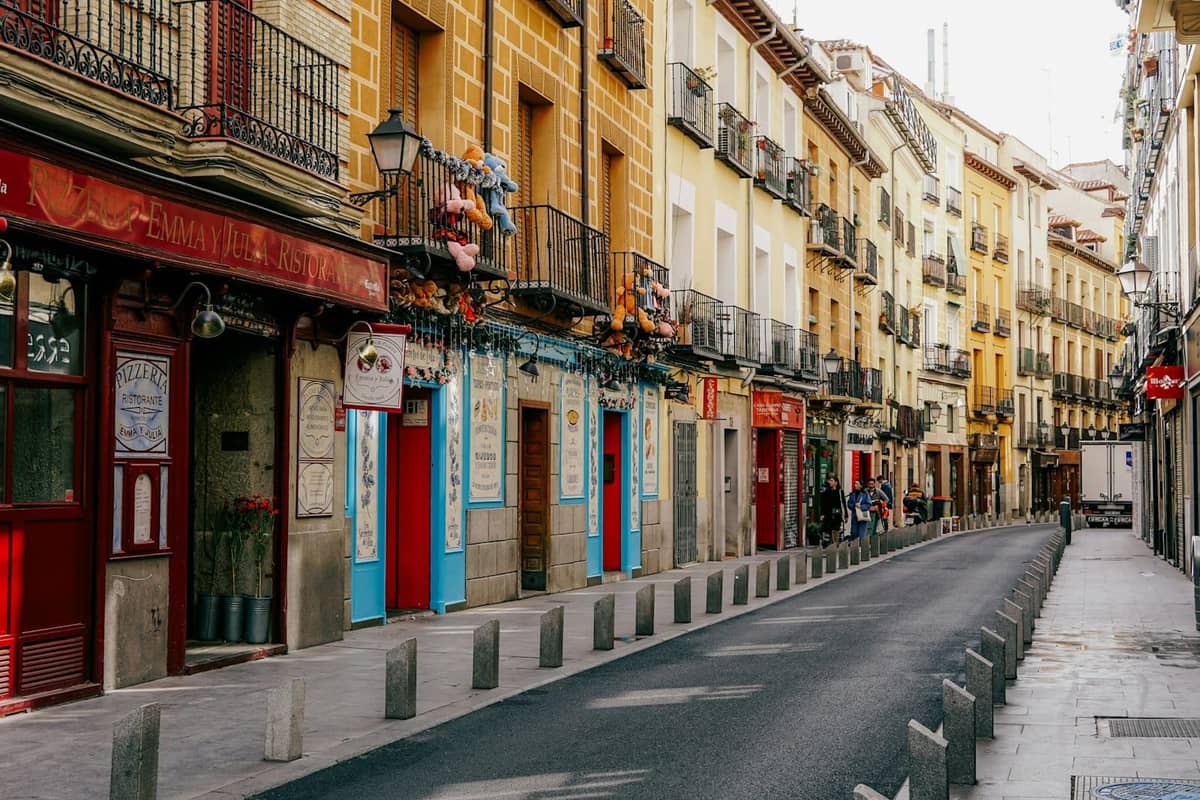
Madrid's neighborhoods are distinct enough to occupy two full days of pleasant, low-pressure exploration. Start with Malasaña in the morning — the area around Plaza del Dos de Mayo has good coffee shops, independent bookstores, and a genuinely local feel that the tourist centre lacks. Walk south through Chueca, Madrid's LGBTQ+ neighbourhood and one of the most architecturally coherent parts of inner Madrid.
For food, read a dedicated guide before committing to restaurants. Madrid's tapas culture is strong but requires knowing where to go: the area around Cava Baja in La Latina is the most reliable stretch for traditional tapas bars. For a proper Madrid lunch — the main meal of the day, typically between 2pm and 4pm — look at where to eat in Madrid for specific restaurant recommendations. Sobrino de Botín, officially recognized as the world's oldest restaurant (founded 1725), serves Castilian roast suckling pig; it's worth booking for the history, though the food is traditional rather than exceptional.
Day 6 is best spent in Barrio de Salamanca and along the Calle Serrano corridor for those interested in design, luxury retail, and quieter streets. The Mercado de la Paz on Calle Ayala is a working neighbourhood market with a good deli section and far less tourist footfall than Mercado de San Miguel. On Sunday, El Rastro flea market in La Latina is one of the more authentically local experiences in Madrid — hundreds of stalls, mostly between 9am and 3pm, free to browse.
- Best food experiences for a week in Madrid Churros with chocolate at Chocolatería San Ginés (open late, near Puerta del Sol); tapas crawl along Cava Baja in La Latina; a set-menu lunch (menú del día) at a neighborhood restaurant, typically €12-15 for three courses with wine; vermouth (vermut) before Sunday lunch, a genuine local ritual.
- What to skip Restaurants directly on Plaza Mayor charge tourist prices for average food. The Mercado de San Miguel is atmospheric but expensive for small bites — use it for browsing, not a proper meal.
- Madrid nightlife note Dinner before 9:30pm marks you as a tourist. Bars fill after midnight, clubs after 2am. If late nights appeal, Malasaña and Chueca are the most accessible areas for first-timers.
Day 7: Secondary Museums, Views, and Departure Prep
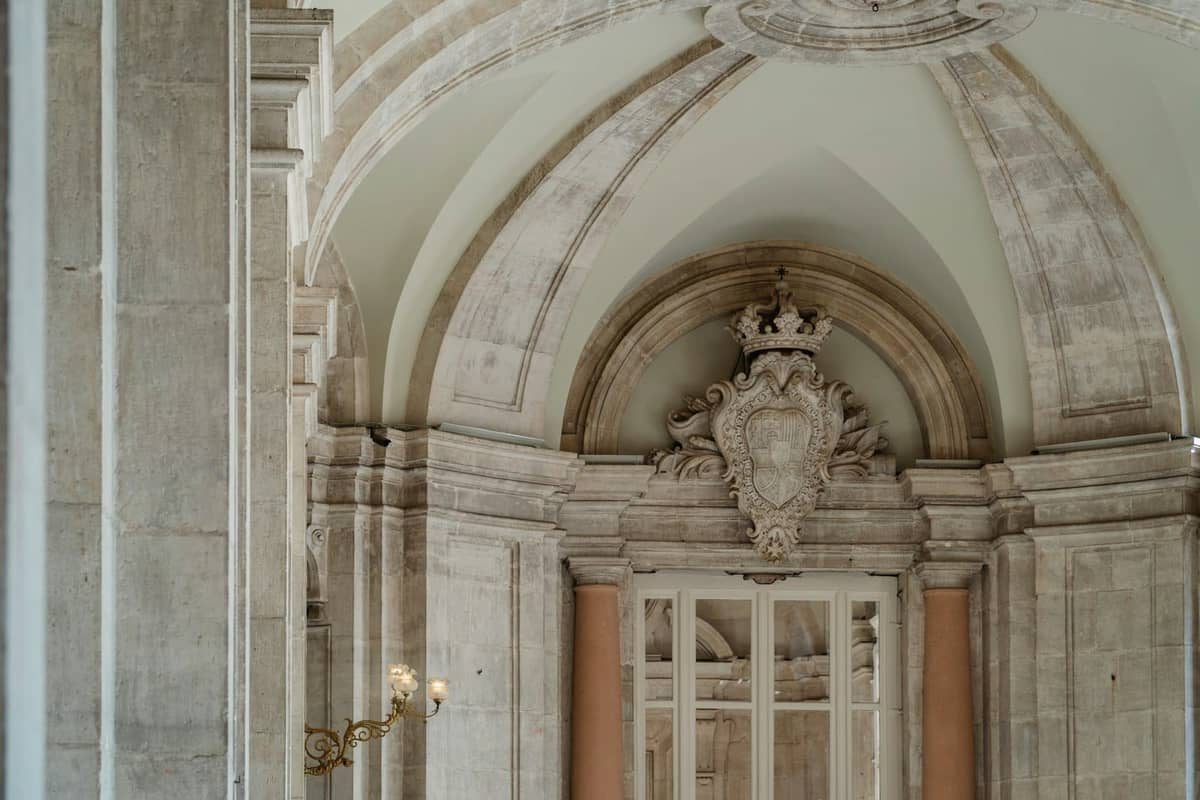
If you have spent days 1-2 at the Art Triangle, the final day is better used on Madrid's less-visited but truly excellent secondary museums. The Museo Cerralbo is a 19th-century aristocratic mansion frozen in time, with free entry during designated hours on Thursdays and Sundays and almost always uncrowded. The Real Academia de Bellas Artes de San Fernando holds an important collection including Goya self-portraits, often overlooked because of proximity to the Prado.
For views, the rooftop of the Círculo de Bellas Artes on Calle Alcalá charges a small entry fee (around €4) and gives one of the best 360-degree perspectives over central Madrid. The Palacio de Cibeles observatory terrace is free on certain days. Both are far less crowded than Gran Vía viewpoints and provide better sightlines.
If your flight is afternoon or evening, the Retiro neighbourhood (the district, not just the park) works well for a final morning: good café options, the Botanical Garden alongside the park, and easy metro and Cercanías access at nearby Atocha for airport connections via Line 8 (with a transfer) or Cercanías trains. Give yourself at least 45 minutes from central Madrid to the airport, more during morning and evening rush hours.
- Prado Museum: open daily except certain public holidays, free entry to the collection in the last two hours (times vary — check current schedule)
- Royal Palace: book via Patrimonio Nacional; check for official ceremony closures on their calendar
- Retiro Park: free entry, open daily; most crowded Sunday mornings
- Toledo day trip: Avant train from Atocha, around 36 minutes, book on Renfe.com
- El Rastro flea market: Sundays and public holidays, La Latina, roughly 9am-3pm, free entry
- Emergency number in Spain: 112 (police, fire, medical)
ℹ️ Good to know
Madrid operates on Central European Time (UTC+1 in winter, UTC+2 during summer daylight saving). Spain uses the Euro (EUR). The country dialing code is +34. Service charges are often included in restaurant bills; leaving small change or rounding up is common but tipping is not mandatory.
- Day 1-2: Art Triangle Prado (book ahead, ~€15), Thyssen-Bornemisza (~€13), Reina Sofía (free on certain evenings). Walking distance between all three along Paseo del Prado.
- Day 3: Royal Madrid Royal Palace (~€12, book via Patrimonio Nacional), Almudena Cathedral (free), Sabatini Gardens (free), Templo de Debod (free), Retiro Park afternoon (free).
- Day 4: Toledo Day Trip Avant train from Atocha (~36 min, ~€11-14 return). Cathedral, El Greco museum, Alcázar, city walls. Full day — leave by 9am, return by 7pm.
- Day 5-6: Neighborhoods and Food Malasaña, Chueca, La Latina tapas on Cava Baja, Salamanca and Mercado de la Paz, El Rastro on Sunday morning.
- Day 7: Secondary Museums and Views Museo Cerralbo (free Sundays), Real Academia de Bellas Artes, Círculo de Bellas Artes rooftop (~€4), Retiro area final morning before departure.
FAQ
Is one week enough time to see Madrid?
Seven days is enough to cover Madrid's major museums, several neighborhoods, and one or two day trips without feeling rushed. The main limitation is museum fatigue — pacing three of the world's top art collections across three days is the right approach rather than trying to do them all in one.
What is the best day trip from Madrid for a one-week itinerary?
Toledo is the strongest choice: the Avant train from Atocha takes about 36 minutes each way, the city is compact and walkable, and the concentration of historic monuments is exceptional. Segovia is the best alternative if Toledo doesn't appeal, particularly for the Roman aqueduct and Alcázar.
Do I need to book Madrid museum tickets in advance?
Yes, for the Prado and Royal Palace during any busy period (spring, summer, Easter, long weekends). Both offer timed-entry tickets through their official websites. The Reina Sofía and Thyssen are somewhat easier to enter on the day, but booking ahead is still worth doing to avoid wasted time.
What is the best time of year for a one-week Madrid trip?
April-May and September-October offer the most comfortable walking temperatures (roughly 18-25°C) and manageable crowds. July-August regularly exceeds 35°C, which makes long outdoor days truly exhausting and requires rescheduling activities to mornings and evenings. December-February is mild by northern European standards but can be cold at night.
How much does a week in Madrid cost?
Madrid is mid-range by European capital standards. Budget roughly €15 for Prado entry, €14 for the Royal Palace, €20–30 return for the Toledo train if booked in advance, and €12-15 per person for a three-course lunch at a neighbourhood restaurant with wine. Accommodation ranges from around €60-90 per night for a decent mid-range hotel in a central location to €150+ for four-star options in Salamanca or the historic centre.