Círculo de Bellas Artes: Madrid's Cultural Landmark Worth Every Cent
Few buildings in central Madrid earn attention on multiple levels at once. The Círculo de Bellas Artes delivers: a landmark Palacios-designed tower within the Paisaje de la Luz UNESCO World Heritage area with a rooftop terrace above the Gran Vía skyline, rotating art exhibitions, and one of the city's most atmospheric cafés. Entry to the building and La Pecera café is free; the rooftop, exhibitions, and combined tickets have separate fees starting from around €6.
Quick Facts
- Location
- Calle de Alcalá 42, 28014 Madrid (corner of Gran Vía)
- Getting There
- Banco de España (Line 2)
- Time Needed
- 1.5–3 hours (rooftop + exhibition + café)
- Cost
- Free entry to building; Rooftop €6, reduced €5; Exhibition €6; Combined €7
- Best for
- Architecture fans, city views, evening drinks, contemporary art
- Official website
- www.circulobellasartes.com
What Is the Círculo de Bellas Artes?
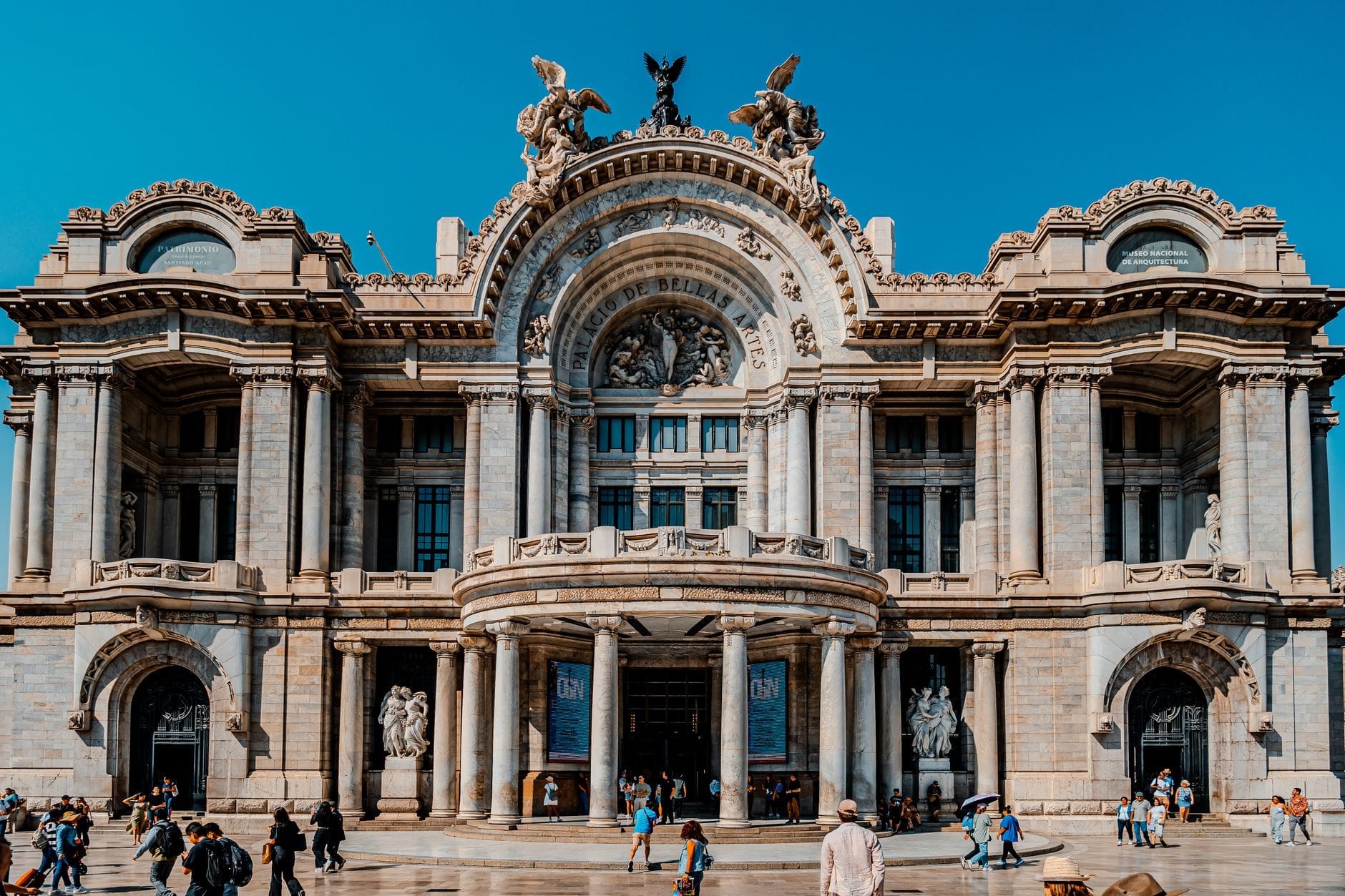
The Círculo de Bellas Artes de Madrid is a private cultural institution founded in 1880, dedicated to promoting the arts across disciplines: visual art, cinema, theatre, music, and literature. It operates out of a landmark building at Calle de Alcalá 42, designed by architect Antonio Palacios and completed in 1926. At approximately 15,000 square metres of interior space spread across multiple floors, it functions simultaneously as an exhibition venue, a theatre, a cinema, a ballroom, and a rooftop bar.
The building was declared a Bien de Interés Cultural (Spain's highest heritage category) in 1981. In 2021, the wider "Paisaje de la Luz" — the Paseo del Prado and Buen Retiro area that includes Círculo de Bellas Artes — was inscribed as a UNESCO World Heritage Site on 25 July that year. That UNESCO listing covers the wider cultural corridor along Paseo del Prado, of which Calle de Alcalá forms a key extension.
Visitors approaching from the Metro will arrive on Calle de Alcalá and see the tower rising above the surrounding streetscape. The building sits at a pivotal junction: turn right and you are on Gran Vía, Madrid's most dramatic commercial boulevard. The positioning is deliberate — Palacios designed the CBA as a civic anchor for this part of the city, and it still reads that way.
💡 Local tip
You can walk into the ground floor and visit La Pecera café without buying any ticket. This makes the building accessible even if you only want a coffee and a look at the interior architecture.
The Architecture: Antonio Palacios and the 1926 Building
Antonio Palacios is one of the defining architects of early 20th-century Madrid, responsible for the Palacio de Comunicaciones (now Palacio de Cibeles) and several other major civic buildings. The Círculo de Bellas Artes is considered among his most refined works. The style is an eclectic mix of classicism and early Modernisme, featuring a rusticated stone base, tall arched windows, sculptural ornament across the facade, and a tower that culminates in a distinctive crowning figure — the goddess Minerva, patron of the arts.
Inside, the spatial hierarchy is clearly legible: the ground-floor lobby opens into La Pecera (the fishbowl café), a double-height room with enormous arched windows overlooking Calle de Alcalá. The name 'La Pecera' comes from those windows — passersby can see the café's patrons inside, as if peering into a tank. Painted ceilings, ornate pilasters, and worn marble floors give the interior a quality that no renovation has yet managed to over-polish. It retains the slightly faded grandeur of a genuine cultural institution rather than a designed experience.
The building sits at the edge of what the Paseo del Prado UNESCO zone covers, placing it in direct company with the Prado, the Thyssen-Bornemisza, and the Reina Sofía. That context matters: this is part of one of Europe's most concentrated cultural corridors, and the CBA contributes to it as both a working venue and an architectural monument.
Tickets & tours
Hand-picked options from our booking partner. Prices are indicative; availability and final rates are confirmed when you complete your booking.
Cervantes in Madrid private tour in the literary quarter
From 35 €Instant confirmationFree cancellationGuided walking tour of Madrid's Literary Quarter
From 25 €Instant confirmationFree cancellationPaseo del Arte pass for Museo Nacional Thyssen-Bornemisza, Reina Sofia Museum and Prado Museum
From 37 €Instant confirmationRoyal Monastery of El Escorial and the Valley of the Fallen trip from Madrid
From 64 €Instant confirmationFree cancellation
The Rooftop (Azotea): Madrid's Most Underrated High Point
The rooftop terrace — the Azotea — is what draws most first-time visitors, and it justifies the €6 admission price without much debate. The elevator opens onto a long, open terrace high above street level, from which you can see west toward the Royal Palace, north along the Gran Vía's canyon of early 20th-century buildings, south across the rooftops of the historic centre, and east toward the Retiro park treeline.
The views work at different times of day in very different ways. In the late morning, the light hits the building facades across Alcalá and Gran Vía from the east, making the stonework glow. In the hour before sunset, the terrace turns golden and the sky behind the Gran Vía buildings shifts through amber. After dark, the illuminated skyline is clean and unobstructed by floodlit tourist traps — this is simply how central Madrid looks at night, and the terrace puts you above it.
The rooftop bar serves drinks, which means on Friday and Saturday evenings it fills up with a mix of locals and visitors, with waits for a spot at the railing. If you want the view without the crowd, arrive as it opens at 10:00 on a weekday, or just after opening on a weekend morning. Weekday evenings around 20:00–21:00 hit a sweet spot: warm light, manageable crowds, the city starting to stir for dinner.
⚠️ What to skip
Rooftop hours are subject to change and seasonal variation. Always verify current opening times on the official website before visiting. Sunday through Thursday closing is at 01:30 (last access 00:30); Friday and Saturday at 02:00 (last access 01:00).
If you want a direct comparison for rooftop views around central Madrid, the Palacio de Cibeles rooftop offers a different angle from the south end of Paseo del Prado. Each has its merits; the CBA is slightly more intimate and closer to the Gran Vía perspective.
La Pecera Café: A Working Madrileño Institution
La Pecera is open Sunday to Thursday 09:00–01:00, and Friday to Saturday 09:00–03:00. It functions as a proper café through the morning — people read newspapers at the marble tables, laptops appear despite the analogue atmosphere — and transitions into a bar by evening. The coffee is fine; the setting is exceptional. Ordering a cortado at one of the window tables and watching the Alcalá foot traffic is a very specific pleasure that costs very little.
The room itself makes an impression from the moment you enter. The ceiling is high, painted, and genuinely old. The proportions feel like a European café that was designed to host serious conversation rather than quick transactions. On weekday mornings it is quiet enough to hear the newspaper pages turning. By weekend evenings it becomes louder, candlelit in the corners, and fills with a mixture of post-theatre crowds and people starting a late night.
ℹ️ Good to know
Access to La Pecera and the building lobby is free. No ticket required. This makes it one of the most accessible pieces of listed architecture in central Madrid.
Exhibitions, Cinema, and the Programme
The exhibition galleries are open Tuesday through Sunday, 11:00–14:00 and 17:00–21:00. Tickets are €6, with a reduced rate of €5. The programming covers contemporary visual art, photography, and experimental formats, with a reputation for commissioning work that would not fit easily into the more institutional museums along the Paseo del Prado. The scale is right for an afternoon visit: large enough to be serious, compact enough not to exhaust.
The CBA also operates a cinema (Cine Estudio) with a programme focused on auteur and repertory film, a theatre space, and a regular series of talks and lectures. The full programme is published on the official website and changes month to month. If you are in Madrid for several days and want a cultural evening that is not the Prado or a flamenco show, checking the CBA programme for concerts or screenings is a reliable move.
Guided visits of the building run Tuesday through Friday, 10:00–13:00 and 16:30–17:30, and require advance reservation by phone (+34 91 389 24 35) or email (visitasguiadas@circulobellasartes.com). Tickets for guided visits are €7. For those interested in Madrid's early 20th-century architectural heritage, this is worth pairing with a visit to the key buildings on Madrid's architecture trail.
Getting There and Practical Logistics
The most direct Metro access is Banco de España on Line 2. The station exit onto Calle de Alcalá puts you within a two-minute walk of the building's entrance at number 42. The Sevilla station (also on Line 2) is noted to have been closed for works at various points; confirm current status before relying on it.
Street-level access to the building is straightforward for pedestrians. Arrival by private car is difficult due to restricted vehicle access in the surrounding streets. The building has internal freight elevators and lift access between floors, but visitors with specific accessibility requirements should contact the institution directly at info@circulobellasartes.com to confirm current arrangements before visiting.
The CBA sits between two of central Madrid's most walkable zones. Heading west along Alcalá leads you in five minutes to Plaza de Cibeles and the Paseo del Prado. Heading northwest takes you toward Gran Vía. Both are natural extensions of a walk that starts or ends here.
💡 Local tip
Buy the combined rooftop plus exhibition ticket for €7 (reduced €6). It is €5 less than buying separately, and most visitors end up wanting both once they are in the building.
Insider Tips
- The rooftop is busiest on Friday and Saturday nights after 21:00. For a quieter experience with better photography conditions, go on a Tuesday or Wednesday morning around 10:30 — the terrace is nearly empty and the eastern light is at its best.
- La Pecera's window tables overlooking Calle de Alcalá are limited. If getting one matters to you, arrive just as the café opens at 09:00 on a weekday rather than mid-morning when the room fills.
- The Círculo publishes a monthly cultural programme that includes cinema, theatre, and concerts that rarely appear on major tourist platforms. Check the official website before your trip — a CBA film screening or talk can make an evening that is completely different from anything on a standard Madrid itinerary.
- The building's main staircase and gallery corridors are worth examining slowly on a guided visit. The architectural detailing in the upper floors — painted ceilings, ironwork balustrades — is less visible on a self-guided pass-through.
- The combined ticket (exhibitions plus rooftop, €7) can be purchased at the door. There is no need to book online for standard access, though guided visit slots do require advance reservation.
Who Is Círculo de Bellas Artes For?
- Architecture and design enthusiasts who want to understand Madrid's early 20th-century civic ambitions
- Photographers seeking an elevated city view that avoids the most tourist-saturated vantage points
- Travellers who want a genuine cultural programme, not just sightseeing: film, exhibitions, talks, and theatre under one roof
- Anyone looking for an atmospheric café stop that costs nothing to enter and feels like the real city
- Evening visitors who want a rooftop drink with genuine skyline views without booking a hotel bar
Nearby Attractions
Other things to see while in Sol & Centro:
- Catedral de la Almudena
The Almudena Cathedral took more than a century from the laying of its foundation stone to its consecration in 1993, making it one of Europe's newest major cathedrals. Free to enter and directly opposite the Royal Palace, it rewards visitors who look beyond its mismatched facade to discover a surprisingly bold and colorful interior.
- Campo del Moro Gardens
The Jardines del Campo del Moro spread across more than 20 hectares directly behind the Royal Palace, offering one of the most dramatic views of the Palacio Real in Madrid. Admission is free, crowds are thin compared to the palace itself, and the romantic English-style landscape feels worlds away from the city streets above.
- Edificio Metrópolis
Standing at the junction of Calle de Alcalá and Gran Vía, the Edificio Metrópolis is Madrid's most iconic piece of Belle Époque architecture. Its slate dome, gilded detailing, and winged Victory statue make it a landmark that rewards careful observation, even though the building itself is not a public museum. Here is everything you need to know before you go.
- Espacio Fundación Telefónica
Occupying four floors of the iconic Telefónica building on Gran Vía, Espacio Fundación Telefónica is one of Madrid's most rewarding free cultural spaces. Opened in 2012, it presents rotating exhibitions on art, digital culture, and the history of telecommunications across 6,000 square metres of gallery space inside a 1920s architectural landmark.