Where to Eat in Madrid: Best Restaurants & Food Areas
Madrid's food scene spans centuries-old taverns, world-class tasting menus, and multicultural street-level dining. This guide breaks down the best restaurants by neighborhood and budget, with practical booking advice and frank takes on what to skip.
Plan and book this trip
Tools from our partner Travelpayouts help you compare flights and hotels. If you book through them, we may earn a commission at no extra cost to you.
Flights
Hotels map
TL;DR
- Madrid restaurants follow Spanish meal times: lunch runs roughly 13:30–16:00, dinner rarely starts before 21:00.
- La Latina and Austrias are the top areas for traditional tapas; Salamanca leads for upscale dining.
- Tapas are not free in Madrid — unlike some other Spanish cities. See our Madrid tapas guide for what to order and where.
- Three-Michelin-star DiverXO costs €200+ per person and books out weeks in advance — reserve early.
- The best eating neighborhoods are concentrated in a walkable core: Centro, Chueca, Lavapiés, and Salamanca.
How Madrid Eats: Timings, Customs, and What to Expect
Before choosing where to eat in Madrid, understanding the rhythm of eating here matters more than any list. Madrileños eat late by most standards. Before choosing where to eat in Madrid, understanding the rhythm of eating here matters more than any list. Madrileños eat late by most standards. Lunch, the main meal of the day, runs from roughly 13:30 to 16:00. Dinner service in most restaurants does not start until 20:30 or 21:00, and tables are often at their fullest between 22:00 and 23:00. If you arrive at a restaurant at 19:30 expecting a full dinner service, you may find staff still setting up. Dinner service in most restaurants does not start until 20:30 or 21:00, and tables are often at their fullest between 22:00 and 23:00. If you arrive at a restaurant at 19:30 expecting a full dinner service, you may find staff still setting up.
The menú del día is one of the best deals in the city. Most traditional restaurants and tabernas offer a fixed two- or three-course lunch menu on weekdays, typically including bread, a drink, and dessert, Most traditional restaurants and tabernas offer a fixed two- or three-course lunch menu on weekdays, typically including bread, a drink, and dessert, for around €10–€16. This is how locals eat their main meal, and it often represents significantly better value than ordering à la carte in the same restaurant at dinner.
⚠️ What to skip
Tapas are not universally free in Madrid. In most bars across the city, tapas are paid items. The culture of receiving a free bite with every drink is far more common in Granada, Almería, or Jaén. Tapas are not universally free in Madrid. In most bars across the city, tapas are paid items. The culture of receiving a free bite with every drink is far more common in Granada, Almería, or Jaén. In Madrid, expect to pay a few euros per tapa, or order a larger ración to share.
Tipping is discretionary. Service charges are generally included in the bill. Rounding up or leaving a few euros on the table is appreciated but never expected the way it is in North America. In higher-end restaurants, a tip of 5–10% is increasingly common, particularly from international visitors.
The Best Food Neighborhoods in Madrid
Madrid's eating scene is geographically concentrated. The neighborhoods below represent the most distinct food identities in the city. For a broader orientation to each area, Madrid's food guide covers the full picture, from market culture to regional Spanish cuisine.
- La Latina & Austrias The old town core. This is where you find Madrid's most concentrated cluster of traditional tabernas, tapas bars, and wine-friendly bodegas. Calle Cava Baja is the main artery, lined with bars that have been feeding locals since well before tourism arrived. Busy every night, but especially packed on Sunday afternoons after El Rastro market.
- Salamanca Madrid's most affluent district and the address for upscale dining, gourmet delicatessens, and restaurants catering to a well-heeled local crowd. Casa Dani in Mercado de la Paz on Calle Ayala is the standout casual option here, famous city-wide for its tortilla. The market itself is worth a visit for premium Spanish produce.
- Chueca & Salesas Trendy without being exclusively tourist-facing. This pocket of the city has strong representation of contemporary Spanish cooking, natural wine bars, and creative mid-range dining. The food here tends to be more inventive and less traditional than La Latina, with a younger crowd to match.
- Lavapiés Madrid's most multicultural district, and the most interesting neighborhood for non-Spanish food. Affordable South Asian, North African, and Latin American restaurants sit alongside small Spanish bars. Prices are consistently lower here than in Salamanca or Chueca.
- Las Letras (Barrio de las Letras) The literary quarter around Plaza de Santa Ana, with a dense mix of wine bars, taverns, and mid-range restaurants. It is popular with tourists but remains genuinely enjoyable. Good for an early evening drink and pintxos before dinner elsewhere.
Traditional Madrid Restaurants Worth Knowing
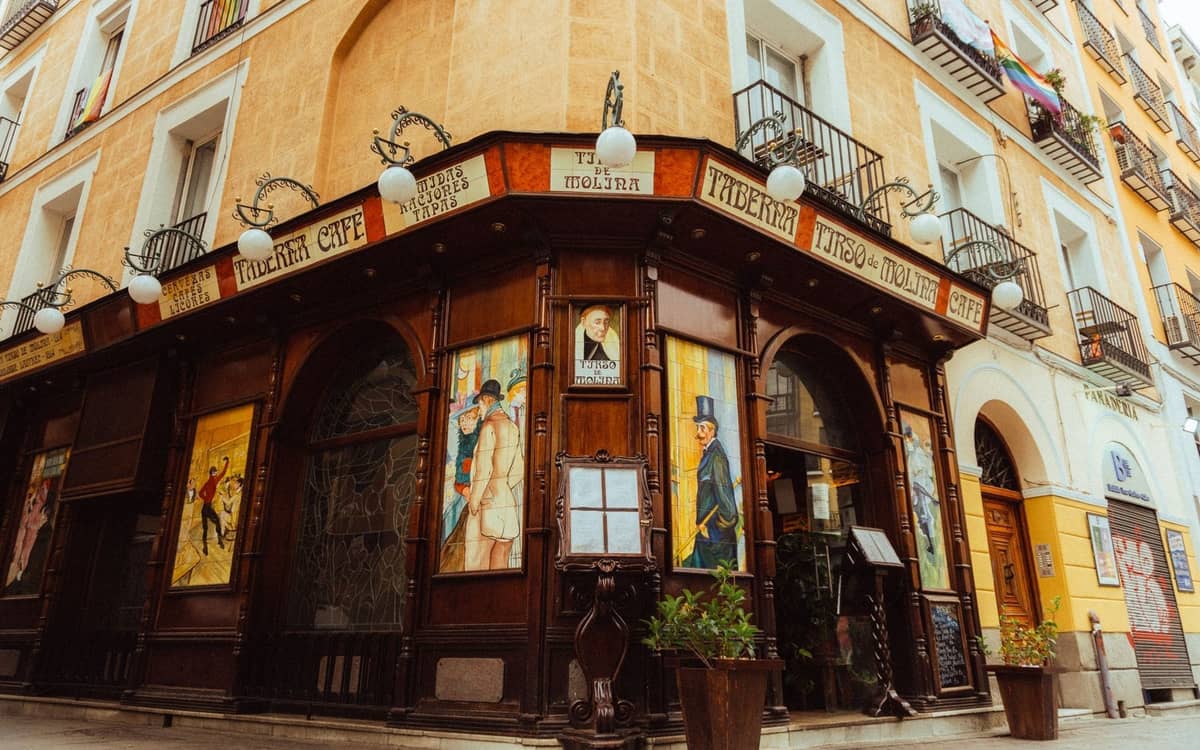
Madrid has genuine culinary history. Sobrino de BotínSobrino de Botín on Calle Cuchilleros holds the Guinness World Record as the world's oldest restaurant, operating continuously since 1725. It serves roast suckling pig (cochinillo) and roast lamb (cordero asado) from a wood-fired oven that has not been extinguished since it opened. The experience is more institution than revelation — food is good, not transformative — but as a piece of living history it is hard to match.
Lhardy, on Carrera de San Jerónimo 8, has been open since 1839. Its ground-floor counter is a Madrid institution: you can stop in for a small glass of consommé from a silver urn, a croqueta, or a glass of vermouth without sitting down for a full meal. The upstairs dining rooms are formal and serve classic Madrid cooking including cocido madrileño, the city's signature chickpea and meat stew.
Casa Labra, just off Puerta del Sol, is less famous internationally but a consistent local favorite. It has been serving salt cod croquetas and bacalao rebozado since 1860. Prices are low, the room is unpretentious, and the quality is reliable. For context on the broader historic center food scene, La Latina and Sol and Centro have the highest concentration of these traditional venues.
💡 Local tip
Cocido madrileño is Madrid's defining dish: a slow-cooked stew of chickpeas, vegetables, chorizo, morcilla, and various cuts of meat, traditionally served in two or three courses starting with the broth. It is a winter dish by nature and best eaten at lunch. Several classic restaurants serve it only on specific days of the week, so check ahead.
Fine Dining and Michelin-Starred Restaurants
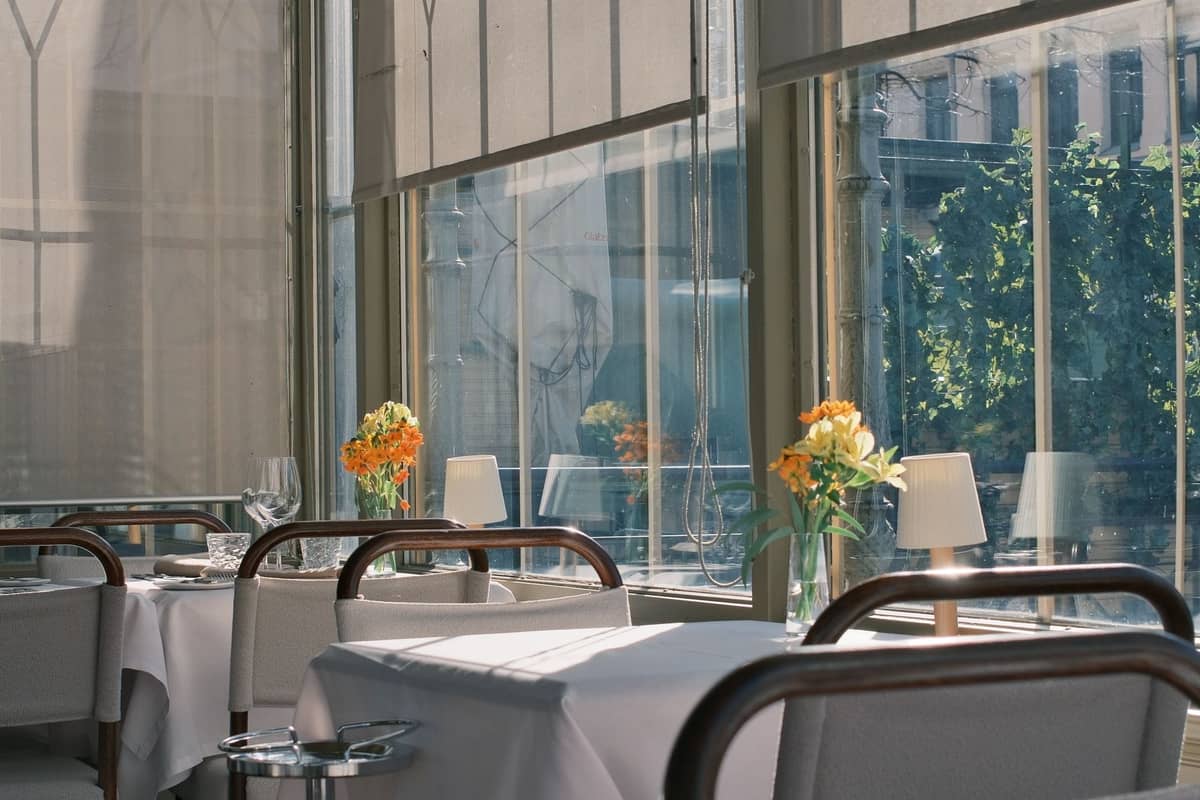
Madrid has one of Spain's most concentrated clusters of Michelin-starred restaurants. DiverXO, headed by chef David Muñoz, holds three Michelin stars and is widely considered one of the most theatrical and unconventional dining experiences in Europe. Tasting menus run to €200 or more per person before wine. Reservations open months in advance and are very difficult to secure. This is not a casual splurge — it demands planning, a specific appetite for avant-garde cooking, and a significant budget.
Below three stars, Madrid has several two-star and one-star restaurants that offer exceptional cooking at slightly more accessible price points, though 'accessible' is relative. Coque (modern Spanish with deep classical roots), DSTAgE (a globally influenced tasting menu), and Smoked Room (fire-focused cooking) are among the most consistently praised at the €120–€200+ tasting menu range. Paco Roncero Restaurante is another long-standing entry in this tier. All require advance reservations, especially on weekends.
For travelers wanting a fine dining experience without the full tasting menu commitment, several Michelin-starred chefs run more casual sibling restaurants or bar counters where you can eat à la carte for €50–€90 per person. This is often the smarter approach: the cooking reflects the same kitchen philosophy at a fraction of the price and with same-day availability.
Mid-Range and Tapas Bars: The Real Daily Diet
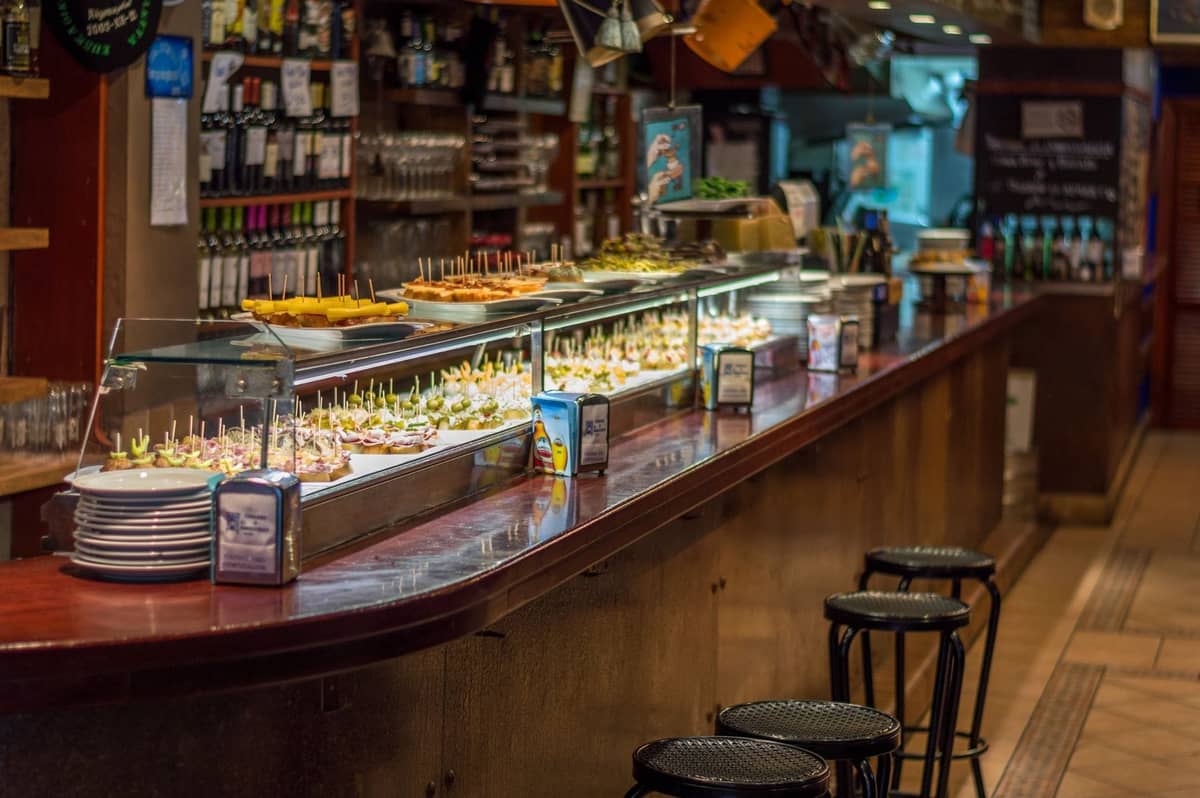
The most rewarding eating in Madrid happens in the €20–€40 per person range, in places that locals actually fill on a Tuesday evening. Along Cava Baja in La Latina, you will find a run of tabernas serving grilled meats, fried fish, and wine from the barrel. The quality varies, so pick places with chalkboard menus and a Spanish-speaking crowd over those with laminated photo menus pitched at tourists.
Rosi La Loca in Malasaña draws consistent praise for creative tapas with quality ingredients at reasonable prices. Taberna El Sur, near the Las Letras neighborhood, is a reliable mid-range option for traditional Spanish cooking. In Chueca, the bar scene around Calle de la Libertad offers natural wine and modern pintxos in a more design-conscious environment.
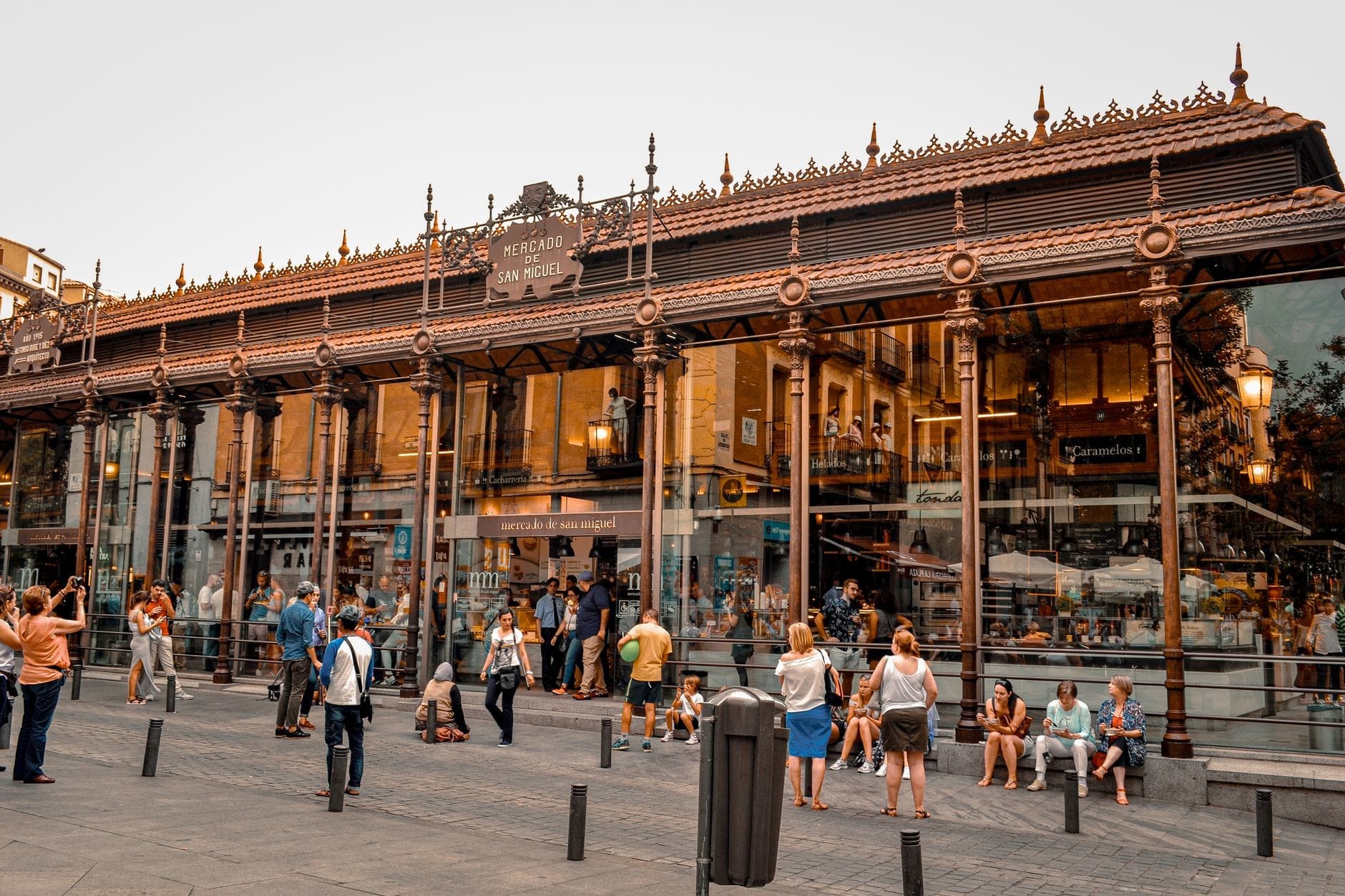
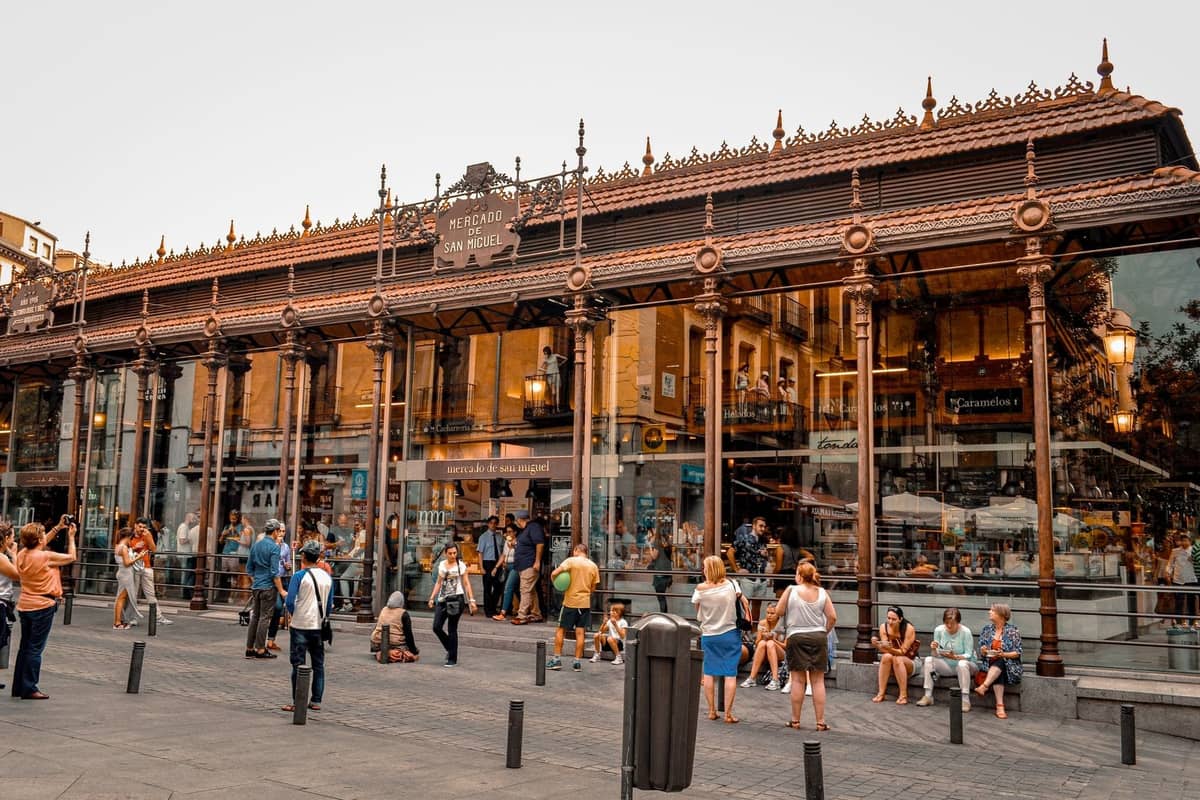
Madrid's food markets are underrated eating destinations. Mercado de San Miguel near Plaza Mayor is the most famous and, candidly, the most tourist-oriented — fine for a quick bite but overpriced for a full meal. Mercado de la Paz in Salamanca and Mercado de Antón Martín in Las Letras offer better value and a more local atmosphere, with proper stalls and counter seating.
✨ Pro tip
The best time to eat tapas in La Latina is Sunday afternoon, starting around 13:30, when locals come directly from El Rastro flea market. The entire neighborhood is at its most alive between 14:00 and 17:00 on Sundays. Arrive early at popular bars or expect to eat standing at the bar, which is entirely normal.
Practical Booking and Budget Guide
Most restaurants in Madrid can be booked through their official websites or via platforms like The Fork (TheFork.es, known locally as ElTenedor), which covers a large proportion of mid-range to upscale dining. Michelin-starred restaurants often manage their own reservations directly and do not always list on aggregator platforms. For top-end places, check the restaurant's official website first.
- Budget (under €15 per person): Menú del día lunches at neighborhood tabernas, market stalls at Antón Martín, counter meals at traditional bars like Casa Labra
- Mid-range (€20–€45 per person): Most tapas bars in La Latina and Chueca, sit-down meals at contemporary spots in Malasaña and Las Letras
- Upscale (€50–€120 per person): Salamanca's better restaurants, chef-driven casual formats, some one-Michelin-star spots at lunch
- Fine dining (€120–€200+ per person): Tasting menus at Coque, DSTAgE, Smoked Room, Paco Roncero; requires advance booking
- Top tier (€200+ per person): DiverXO; reserve months ahead via their official booking system
Visitors on a tighter budget will find Madrid entirely manageable. The menú del día system means a proper three-course lunch with wine costs less than a sandwich in many European capitals. For more strategies, eating and traveling in Madrid on a budget covers the full range of options without cutting on quality.
One practical note on restaurant days off: most Madrid restaurants close one day per week, most commonly Sunday evening or all day Monday. Some traditional places also close on Saturday lunch. Always check the restaurant's current hours before making a trip, as these patterns vary and can change seasonally.
FAQ
What is the best area to eat in Madrid?
La Latina is the most concentrated area for traditional tapas and tabernas, particularly along Cava Baja. Salamanca is best for upscale dining. Chueca and Malasaña have the strongest selection of contemporary mid-range restaurants. Lavapiés offers the best international food at the lowest prices. For a single evening out, Las Letras around Plaza de Santa Ana is the most convenient combination of quality and variety.
What is the most traditional food to eat in Madrid?
Cocido madrileño is the city's signature dish: a chickpea stew with various meats served in multiple courses, traditionally at lunch. Other local classics include callos a la madrileña (tripe stew), soldaditos de Pavía (battered salt cod), and bocadillo de calamares (a squid sandwich eaten at counter bars near Plaza Mayor). For dessert, churros with chocolate at San Ginés is a genuine Madrid tradition, not a tourist invention.
Do I need to book restaurants in Madrid in advance?
For Michelin-starred and well-known tasting menu restaurants, advance booking is essential — weeks or months ahead for the most sought-after spots. For mid-range restaurants on weekends, booking a day or two ahead is wise. On weekday lunches, most places can accommodate walk-ins. Traditional tapas bars along Cava Baja and in La Latina generally do not take reservations and operate on a first-come, first-served basis.
What time do restaurants open for dinner in Madrid?
Most Madrid restaurants open for dinner at 20:30 or 21:00. Arriving before 21:00 typically means you will be among the first customers of the evening. Peak dinner time is 22:00–23:00. Most Madrid restaurants open for dinner at 20:30 or 21:00. Arriving before 21:00 typically means you will be among the first customers of the evening. Peak dinner time is 22:00–23:00. Kitchens in traditional restaurants often stop taking orders later on weekends than on weeknights.
Is food in Madrid expensive?
Madrid food costs span an enormous range. A menú del día lunch at a local restaurant costs €12–€16 including drink and dessert, which is excellent value by European standards. A tapas evening for two with wine in La Latina typically runs €40–€70 total. Fine dining tasting menus start at around €120 per person and go well above €200 at three-star level. The city rewards travelers who eat their main meal at lunch and graze at bars in the evening.