Best Day Trips from Madrid: Toledo, Segovia, Ávila and Beyond
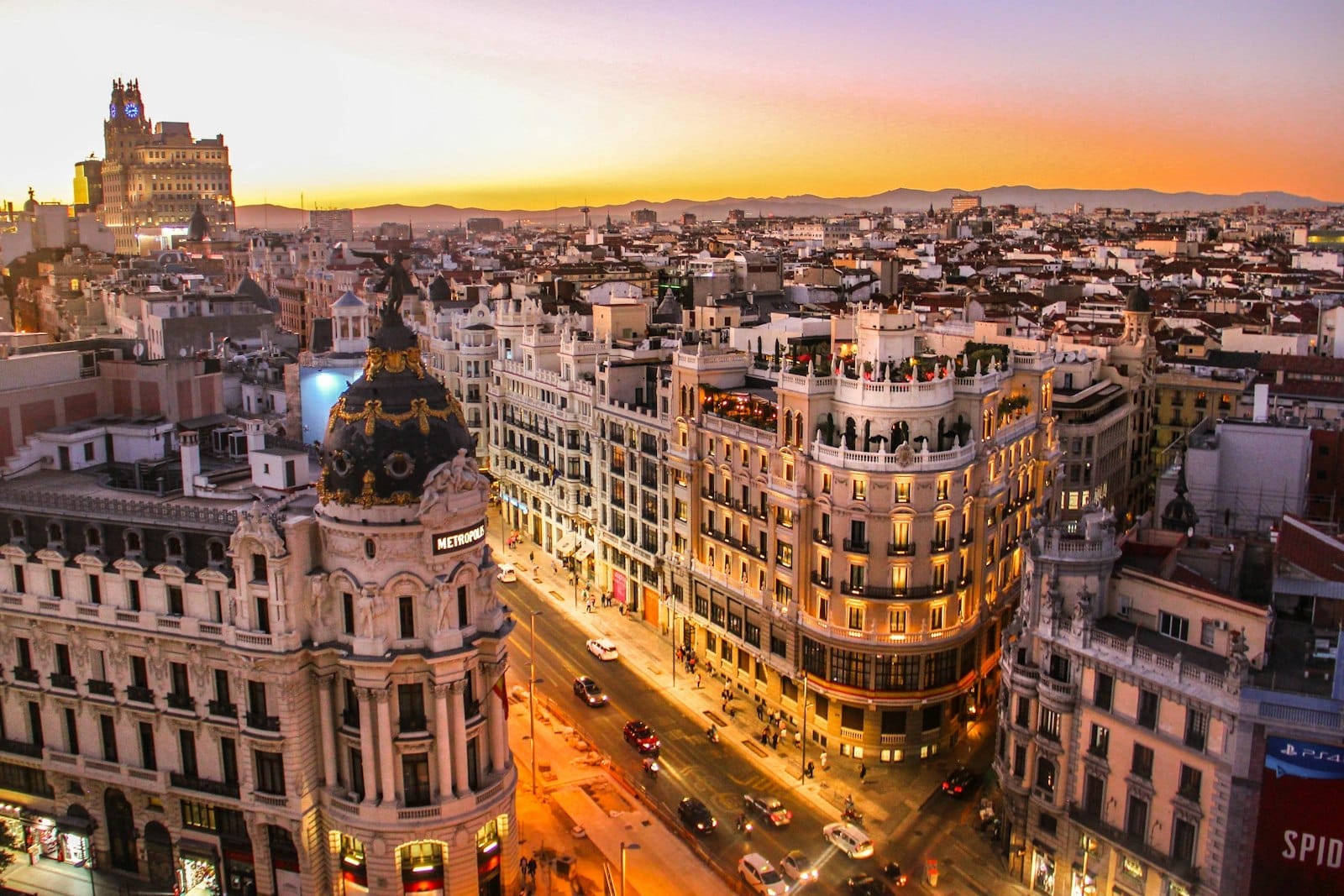
Madrid sits at the geographic heart of Spain, putting some of the country's most remarkable cities and landscapes within an hour or two by train. This guide covers the best day trips from Madrid, from UNESCO World Heritage cities to royal palaces and medieval walls.
Plan and book this trip
Tools from our partner Travelpayouts help you compare flights and hotels. If you book through them, we may earn a commission at no extra cost to you.
Flights
Hotels map
Few capital cities in Europe are as well positioned for day trips as Madrid. Toledo is just 30 minutes away by high-speed Avant train, Segovia even less, and a handful of extraordinary destinations sit within two hours in any direction. Whether you want medieval cathedrals, Roman aqueducts, Renaissance monasteries, or mountain scenery, central Spain delivers. If you're planning your time carefully, our 3-day Madrid itinerary can help you decide which days to keep in the city and which to spend outside it. For those with more time, the one-week Madrid itinerary builds in the best day trips alongside the city's essential sights. Spring (March to May) and autumn (September to November) are the best seasons for day trips, when temperatures are comfortable for walking and queues at major monuments are shorter than in peak summer.
✨ Pro tip
Book AVE train tickets to Toledo and Segovia in advance on the Renfe website. Seats sell out on weekends, and early booking often secures cheaper fares. Return tickets to Toledo are typically under €30 when booked in advance.
UNESCO World Heritage Cities
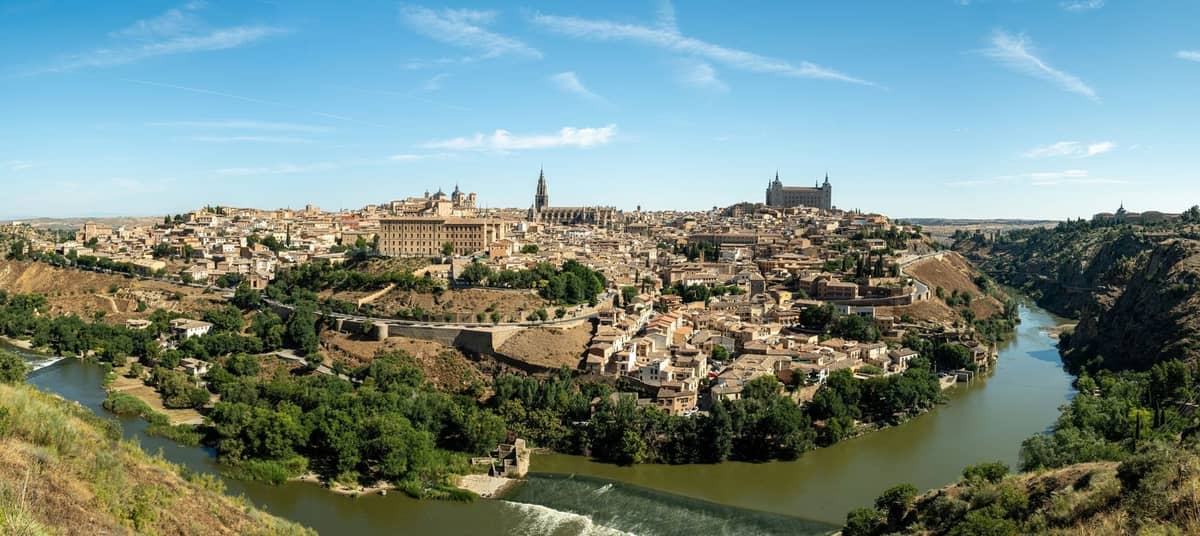
The three cities most consistently recommended for day trips from Madrid all carry UNESCO World Heritage status: Toledo, Segovia, and Ávila. Each is compact enough to cover on foot in a single day, and each has a distinct character. Toledo rewards slow wandering through its layered Christian, Moorish, and Jewish history. Segovia stuns with its Roman engineering and fairytale Alcázar. Ávila impresses with some of the best-preserved medieval city walls in Spain. All three are reachable by train from Madrid’s main stations (Atocha for Toledo and Ávila; Chamartín Clara Campoamor for Segovia). If you're on a tight budget, check the Madrid on a budget guide for tips on keeping day-trip costs low.
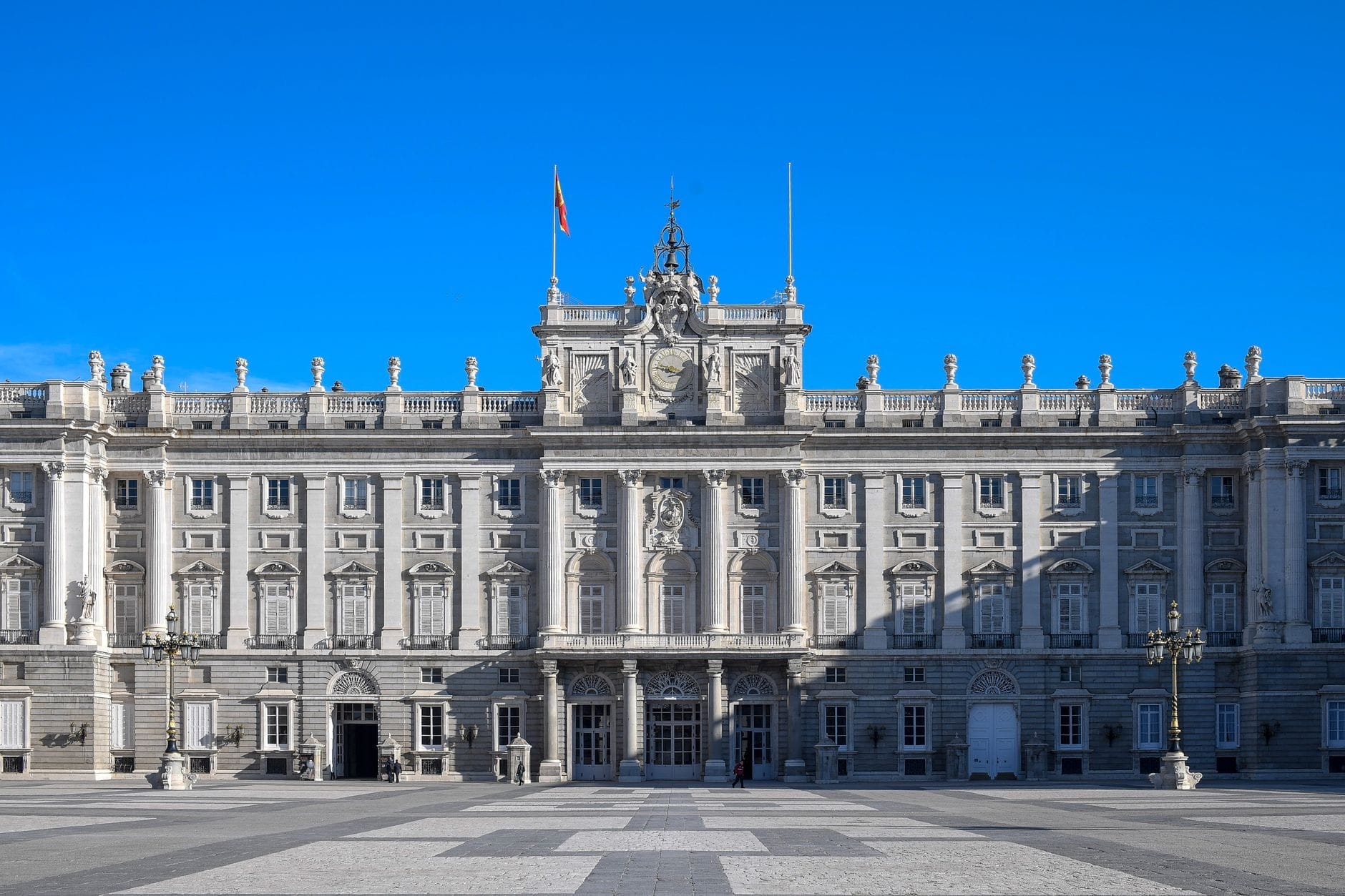
1. Use Madrid's Royal Palace as a Reference Point Before Heading Out
Before leaving Madrid, orient yourself with the Royal Palace, the largest in Western Europe. Its scale and Baroque grandeur put Toledo's Alcázar and Segovia's castle in perspective, and the visit takes 1.5 to 2 hours.
Explore1. Use Madrid's Royal Palace as a Reference Point Before Heading Out
Before leaving Madrid, orient yourself with the Royal Palace, the largest in Western Europe. Its scale and Baroque grandeur put Toledo's Alcázar and Segovia's castle in perspective, and the visit takes 1.5 to 2 hours.
Explore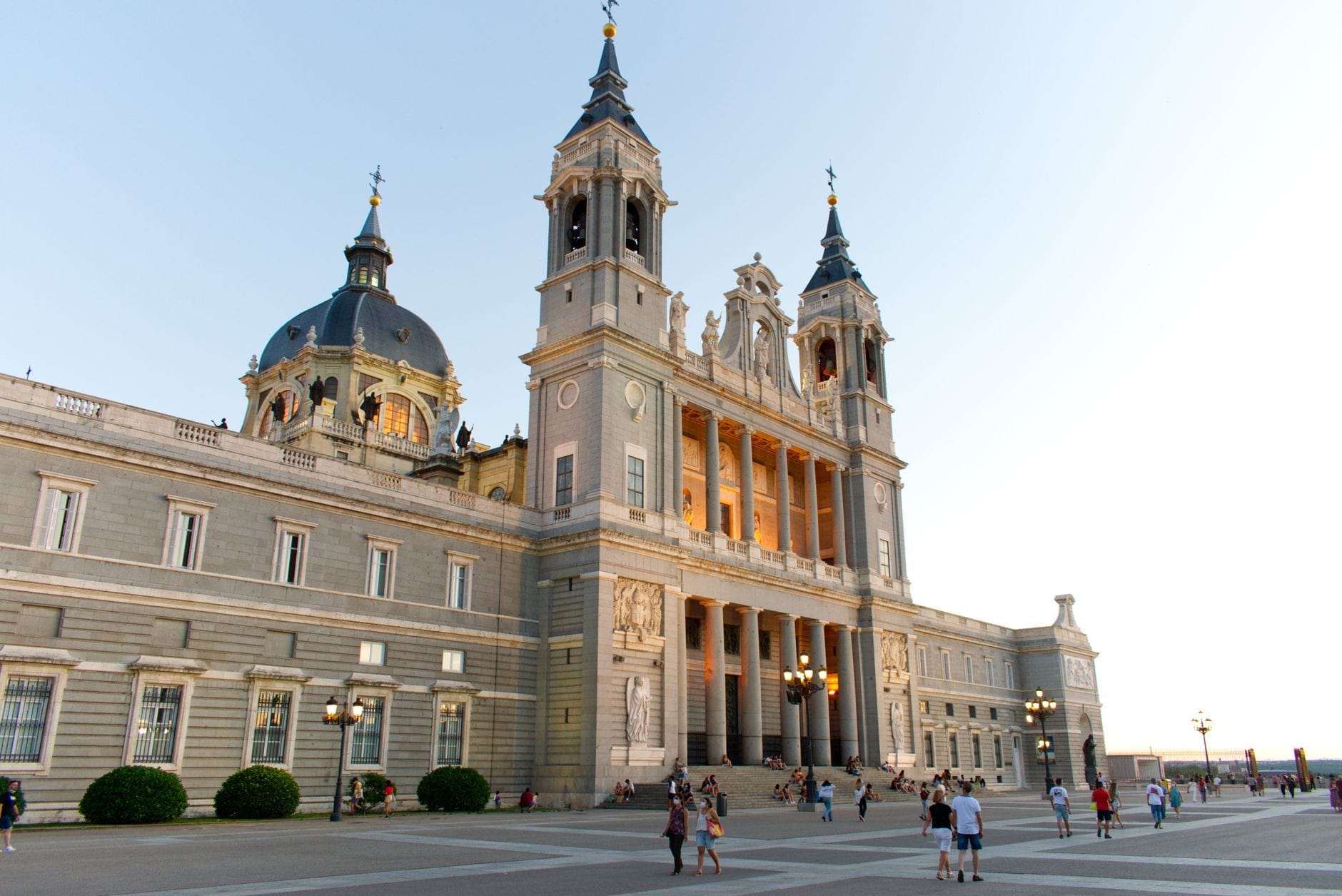
2. Pair the Almudena Cathedral with Toledo's Cathedral for a Striking Contrast
Toledo's Gothic cathedral is one of Spain's greatest, and visiting Madrid's own Almudena first makes the comparison fascinating. The Almudena, completed in 1993, shows how cathedral architecture evolved over centuries of interrupted construction.
Explore2. Pair the Almudena Cathedral with Toledo's Cathedral for a Striking Contrast
Toledo's Gothic cathedral is one of Spain's greatest, and visiting Madrid's own Almudena first makes the comparison fascinating. The Almudena, completed in 1993, shows how cathedral architecture evolved over centuries of interrupted construction.
Explore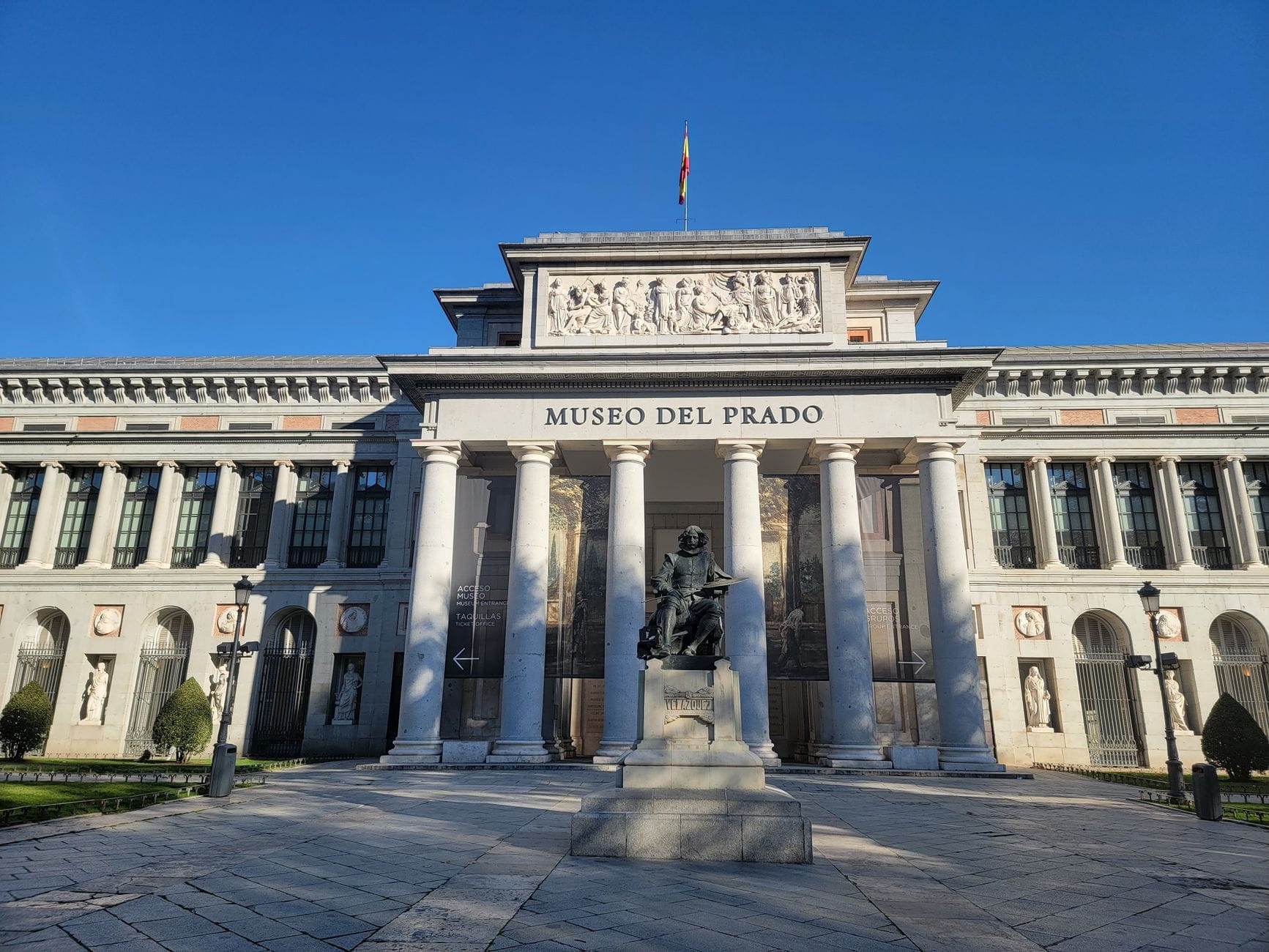
3. See El Greco in the Prado Before Visiting His Adopted City of Toledo
Toledo was El Greco's home for nearly 40 years, and the city holds some of his greatest works. Seeing his paintings in the Prado first gives you essential context before tracking down his masterpieces in Toledo's churches and the Casa y Museo del Greco.
Explore3. See El Greco in the Prado Before Visiting His Adopted City of Toledo
Toledo was El Greco's home for nearly 40 years, and the city holds some of his greatest works. Seeing his paintings in the Prado first gives you essential context before tracking down his masterpieces in Toledo's churches and the Casa y Museo del Greco.
ExploreRoyal Palaces and Monasteries Near Madrid
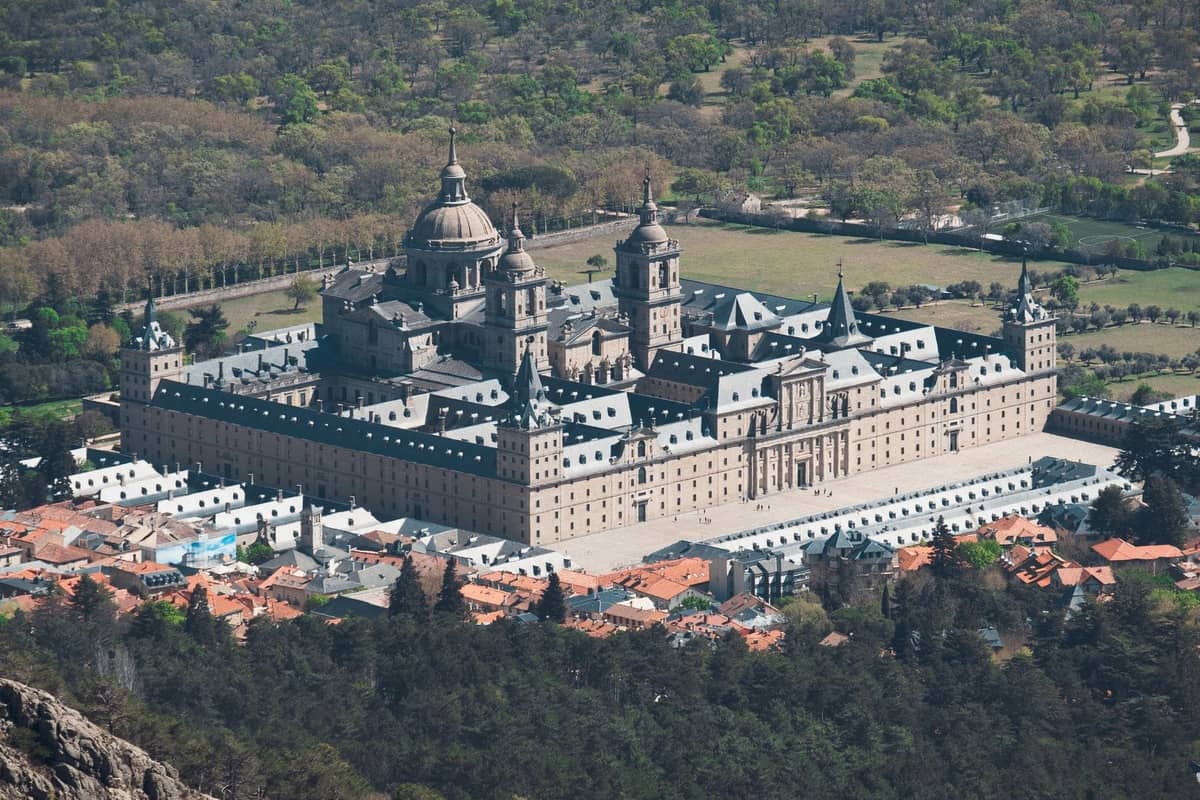
The Spanish royal family left an extraordinary legacy of palaces and monasteries within striking distance of Madrid. El Escorial, the vast Renaissance complex built by Philip II in the Sierra de Guadarrama foothills, is the most famous and sits about 50 km northwest of the city. Aranjuez, the royal summer residence with its Baroque palace and romantic gardens, lies about 50 km south. Both are reachable by Cercanías commuter train from central Madrid, including Atocha. The palace architecture in the region connects directly with what you see in Madrid itself: for more context on the city's built heritage, see the Madrid architecture guide.
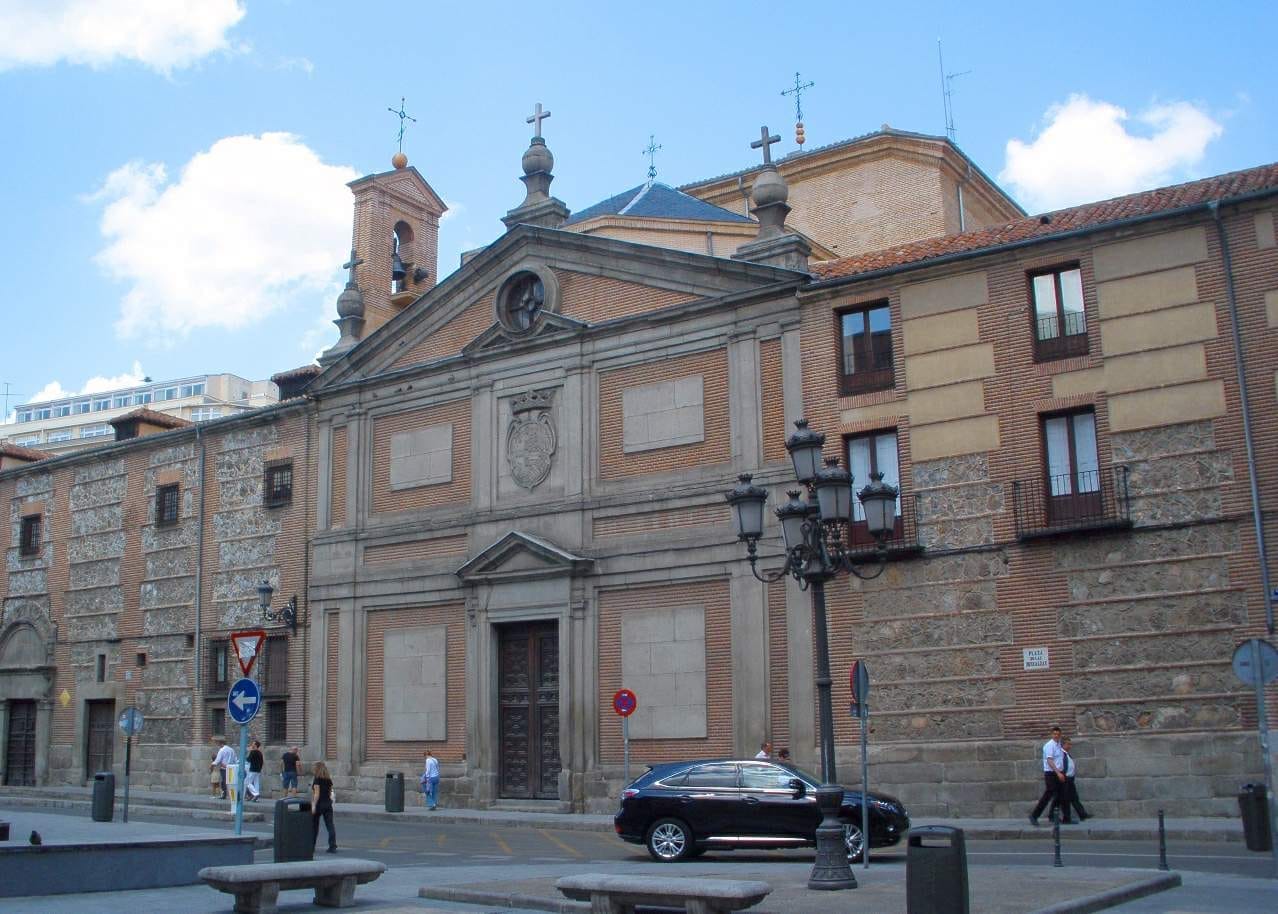
4. Explore Royal Convent Art Before Visiting El Escorial's Monastery
The Descalzas Reales in central Madrid is a 16th-century royal convent with five centuries of accumulated art and relics. Visiting it before El Escorial gives you a vivid introduction to the Habsburg court's religious patronage and the scale of Spain's royal monasteries.
Explore4. Explore Royal Convent Art Before Visiting El Escorial's Monastery
The Descalzas Reales in central Madrid is a 16th-century royal convent with five centuries of accumulated art and relics. Visiting it before El Escorial gives you a vivid introduction to the Habsburg court's religious patronage and the scale of Spain's royal monasteries.
Explore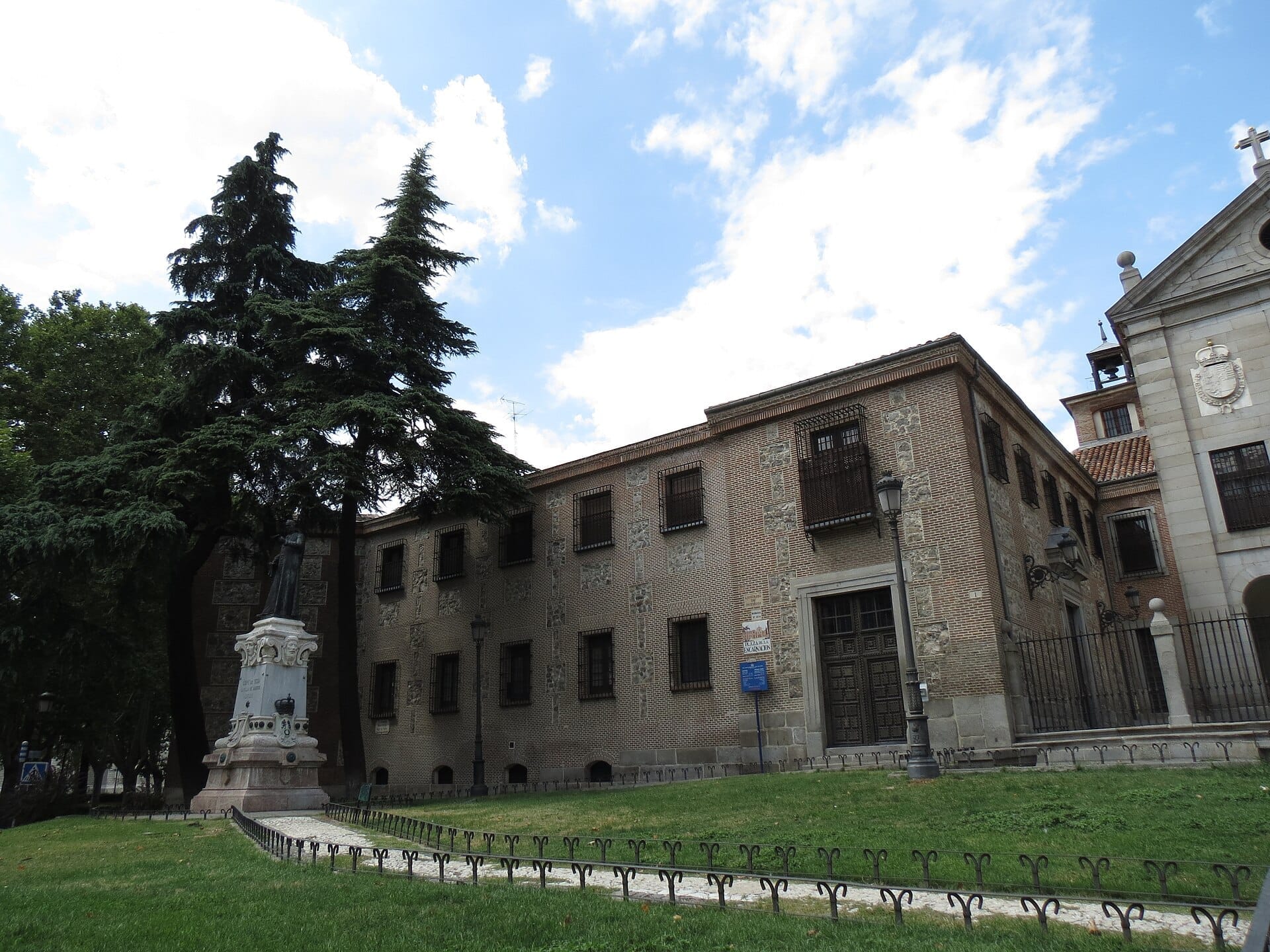
5. Visit the Monastery of the Incarnation for Habsburg Baroque Context
This 17th-century royal convent near the Royal Palace holds important Baroque art and a remarkable reliquary room. It complements both the Descalzas Reales and the monasteries you'll encounter on day trips to El Escorial and Ávila.
Explore5. Visit the Monastery of the Incarnation for Habsburg Baroque Context
This 17th-century royal convent near the Royal Palace holds important Baroque art and a remarkable reliquary room. It complements both the Descalzas Reales and the monasteries you'll encounter on day trips to El Escorial and Ávila.
Explore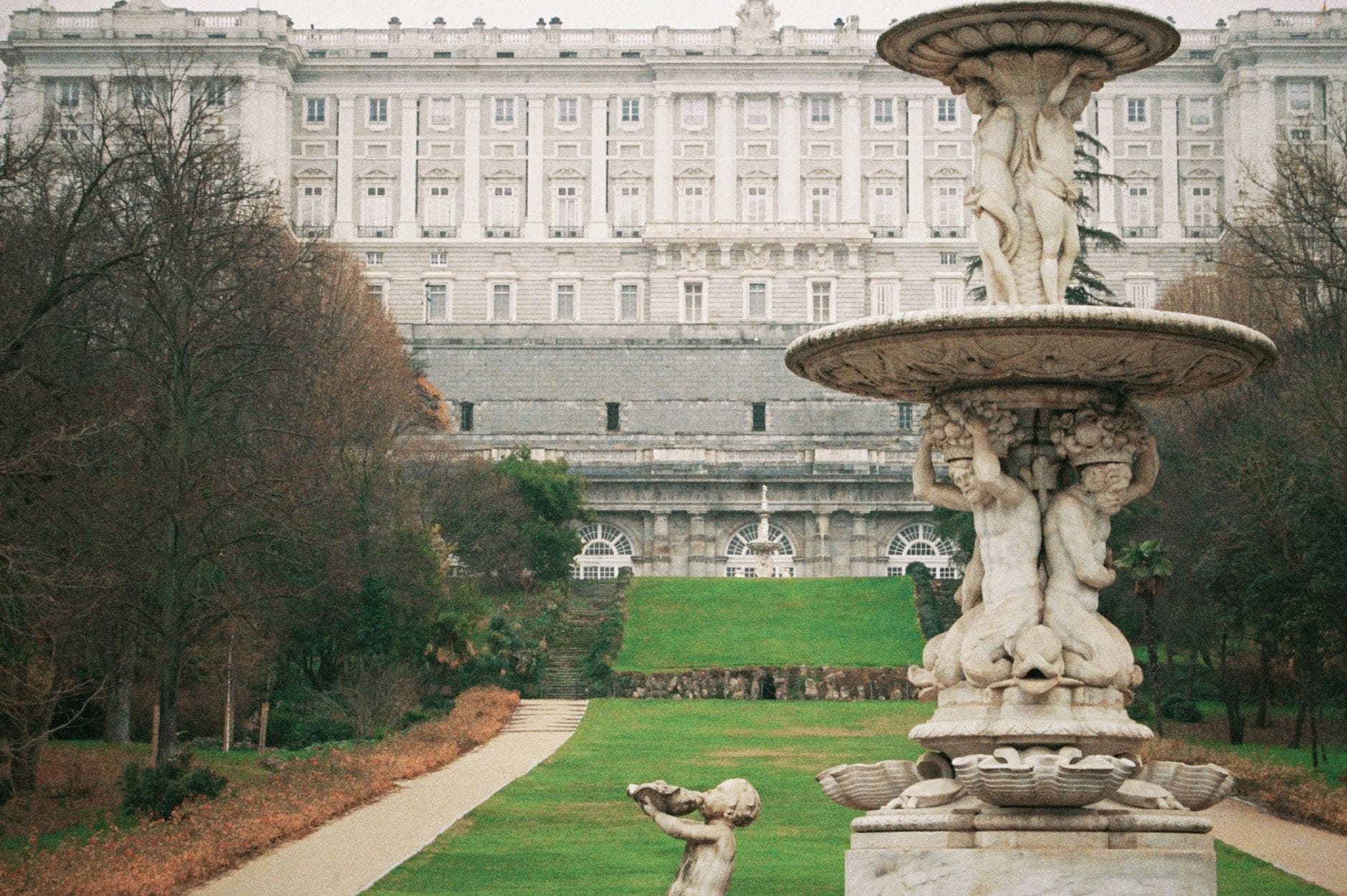
6. Walk the Campo del Moro Gardens for Palace Views Before Exploring Further Afield
The Campo del Moro's English-style landscape garden below the Royal Palace offers the finest views of the palace's western facade. It's a calm, crowd-free start to a day before catching the train to El Escorial or Aranjuez.
Explore6. Walk the Campo del Moro Gardens for Palace Views Before Exploring Further Afield
The Campo del Moro's English-style landscape garden below the Royal Palace offers the finest views of the palace's western facade. It's a calm, crowd-free start to a day before catching the train to El Escorial or Aranjuez.
Explore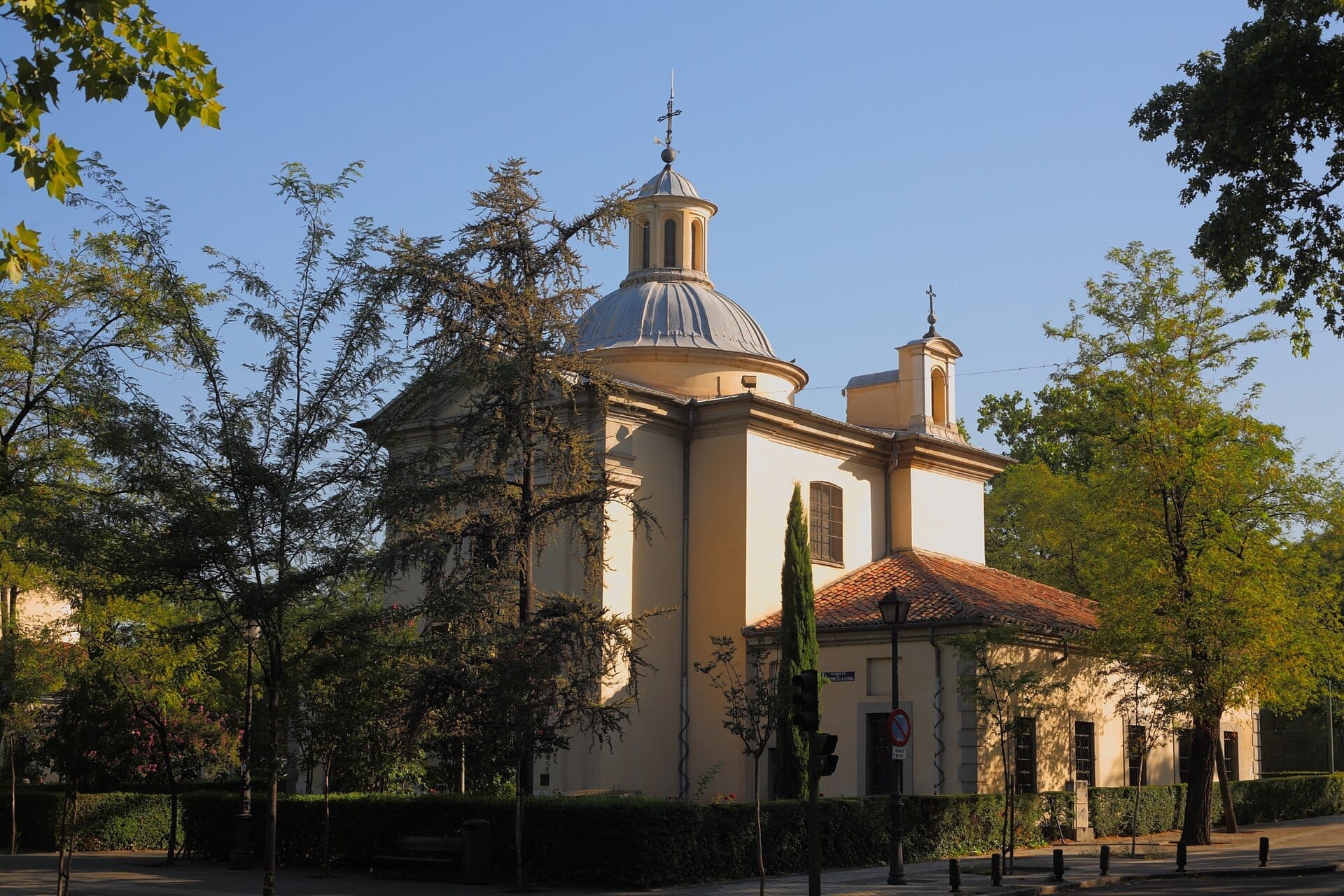
7. See Goya's Ceiling Frescoes at San Antonio de la Florida
This small neoclassical hermitage near the Manzanares contains Goya's extraordinary 1798 ceiling frescoes, painted with remarkable freedom and immediacy. Goya is buried here. It takes 30 minutes and pairs beautifully with a day trip to Goya's birthplace in Fuendetodos, Aragon.
Explore7. See Goya's Ceiling Frescoes at San Antonio de la Florida
This small neoclassical hermitage near the Manzanares contains Goya's extraordinary 1798 ceiling frescoes, painted with remarkable freedom and immediacy. Goya is buried here. It takes 30 minutes and pairs beautifully with a day trip to Goya's birthplace in Fuendetodos, Aragon.
ExploreMountain Escapes: The Sierra de Guadarrama
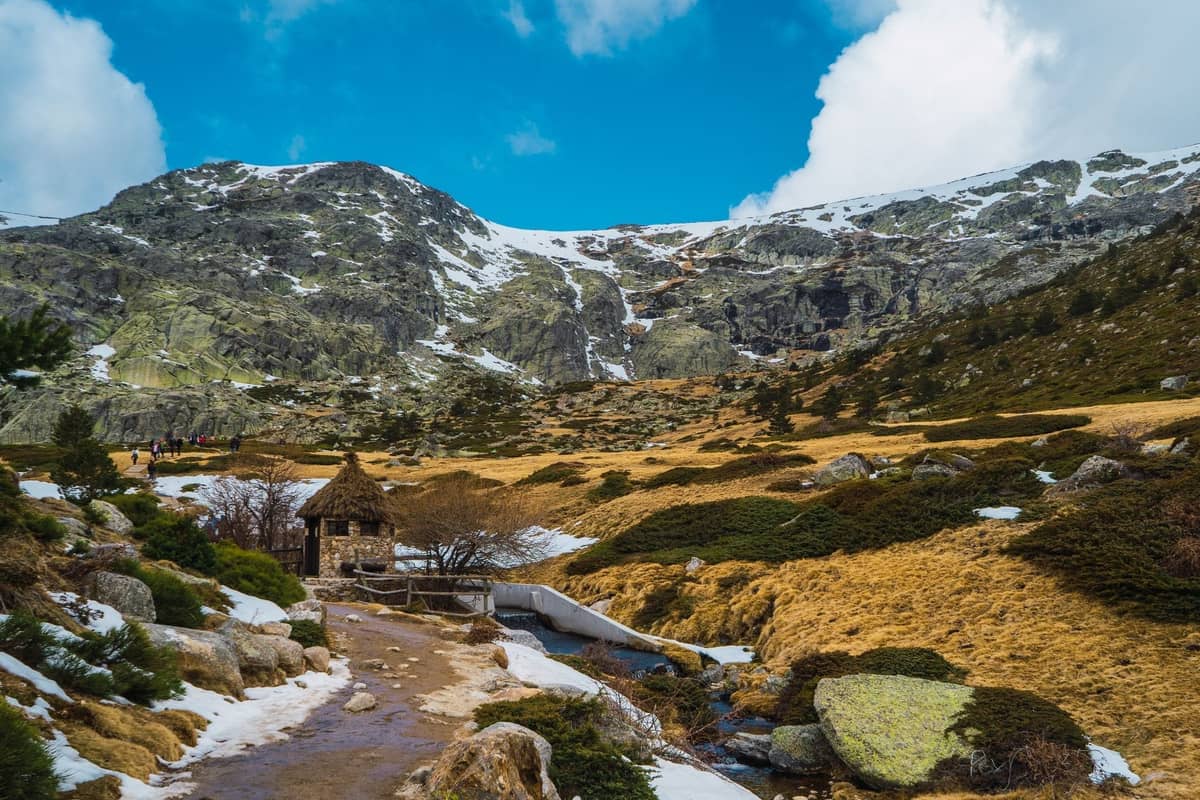
The Sierra de Guadarrama mountain range begins less than 60 km north of Madrid's city center and is one of the capital's great natural assets. Towns like Cercedilla and Navacerrada offer serious hiking and mountain biking within about 60 to 75 minutes by Cercanías train. In winter, the Navacerrada ski resort is one of the closest skiing areas to a major European capital. For a detailed overview of the hiking options, see the Madrid hiking day trips guide. Before heading into the mountains, Madrid's own urban parks can give you a taste of green space and help you plan your gear.
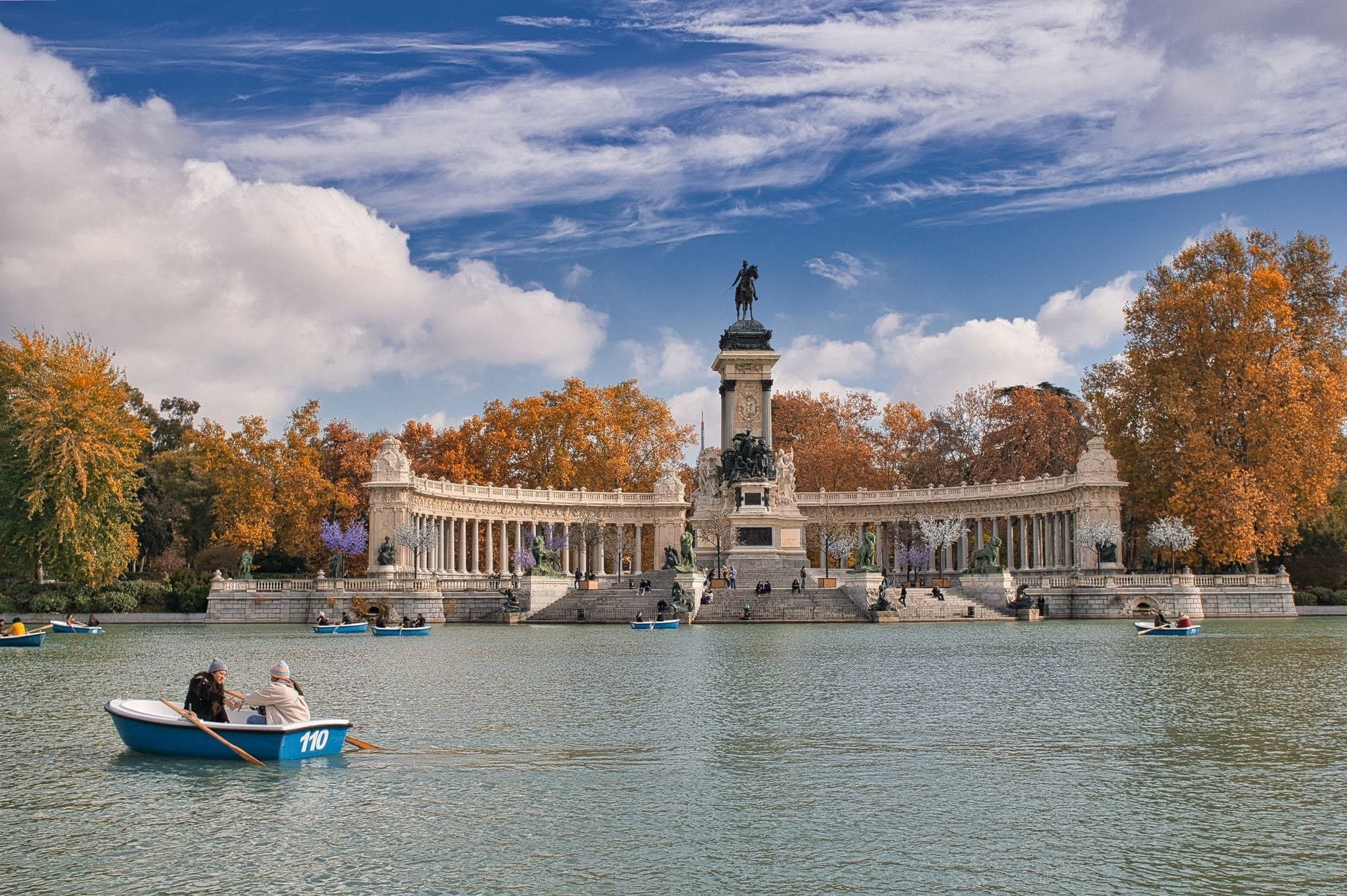
8. Warm Up with a Morning in El Retiro Before a Sierra Day Trip
El Retiro's 125 hectares of woodland, formal gardens, and a rowing lake make it Madrid's most complete urban park. An early morning walk here is a pleasant way to start a day before catching the train north into the Sierra de Guadarrama for serious hiking.
Explore8. Warm Up with a Morning in El Retiro Before a Sierra Day Trip
El Retiro's 125 hectares of woodland, formal gardens, and a rowing lake make it Madrid's most complete urban park. An early morning walk here is a pleasant way to start a day before catching the train north into the Sierra de Guadarrama for serious hiking.
Explore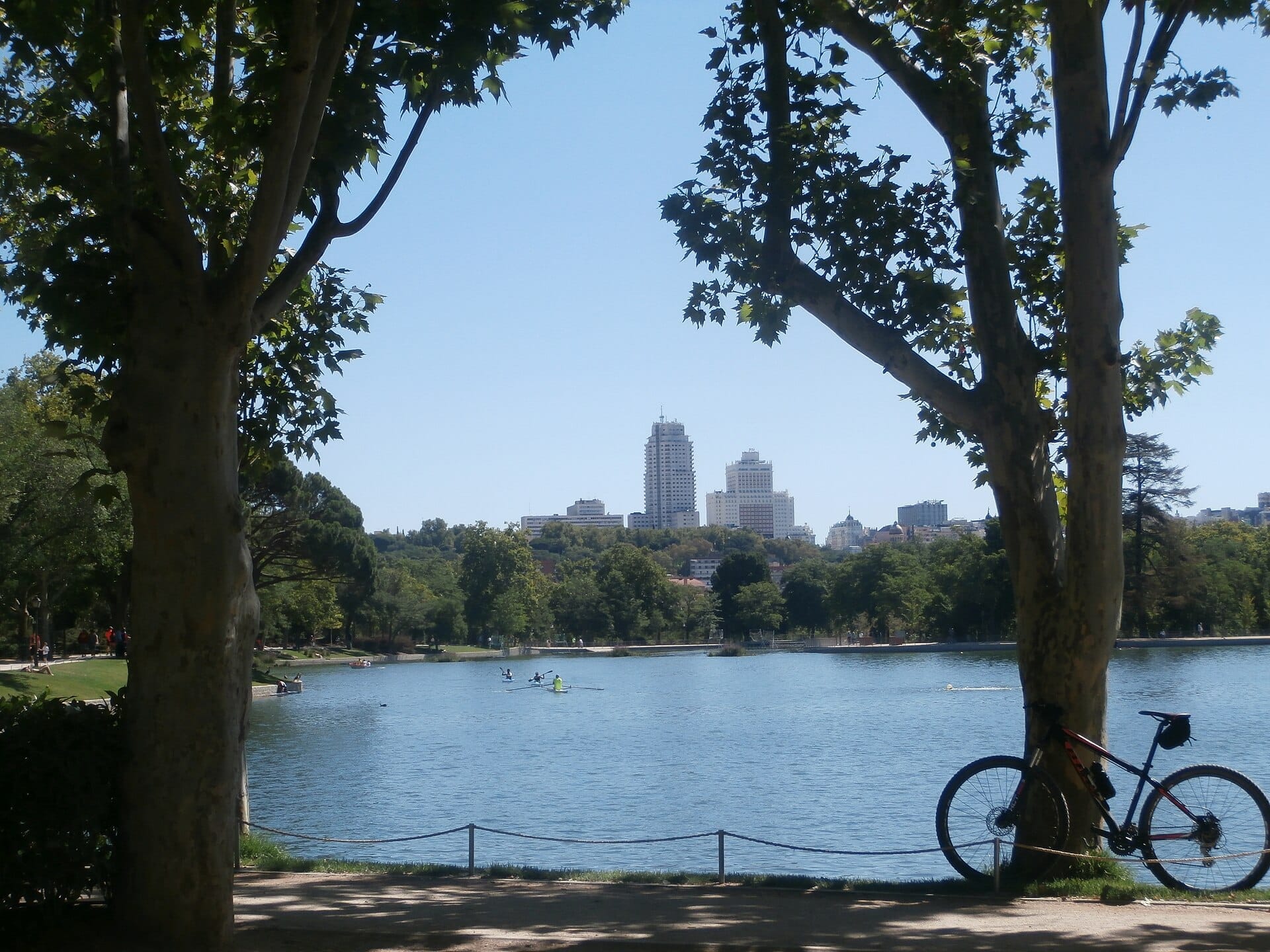
9. Explore Casa de Campo's Trails as a Mountain Warm-Up
At 1,700 hectares, Casa de Campo is Madrid's largest park, with mountain biking trails, a lake, and woodland paths. It's an excellent half-day warm-up before a longer Sierra excursion, and the cable car across to the Parque del Oeste is a highlight in itself.
Explore9. Explore Casa de Campo's Trails as a Mountain Warm-Up
At 1,700 hectares, Casa de Campo is Madrid's largest park, with mountain biking trails, a lake, and woodland paths. It's an excellent half-day warm-up before a longer Sierra excursion, and the cable car across to the Parque del Oeste is a highlight in itself.
Explore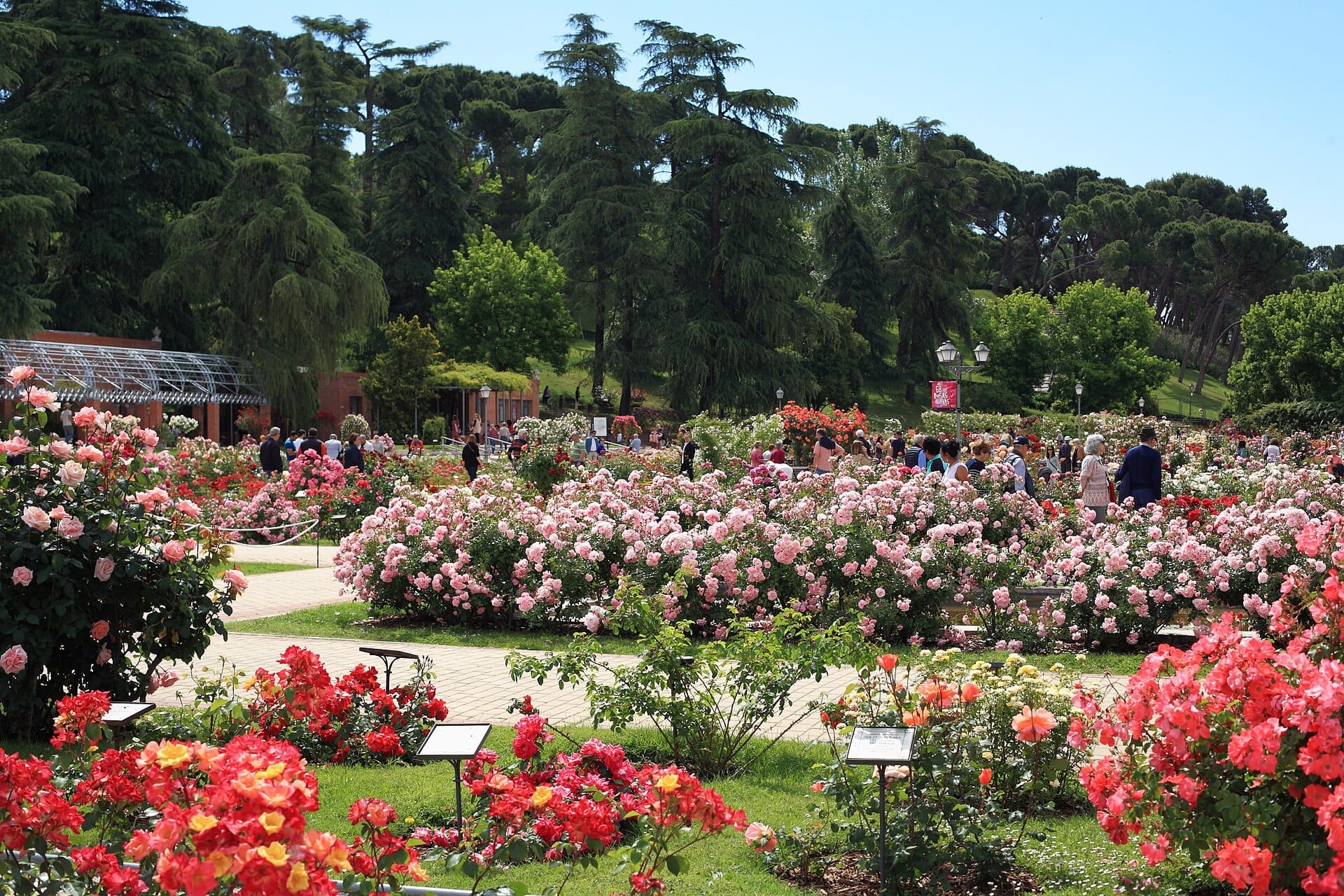
10. Take the Cable Car from Parque del Oeste Toward the Sierra
The Teleférico de Madrid departs from Parque del Oeste and sweeps across to Casa de Campo, offering aerial views over the Manzanares valley and the Sierra de Guadarrama on the horizon. It's a 15-minute ride that sets the mood for a mountain day trip perfectly.
Explore10. Take the Cable Car from Parque del Oeste Toward the Sierra
The Teleférico de Madrid departs from Parque del Oeste and sweeps across to Casa de Campo, offering aerial views over the Manzanares valley and the Sierra de Guadarrama on the horizon. It's a 15-minute ride that sets the mood for a mountain day trip perfectly.
Explore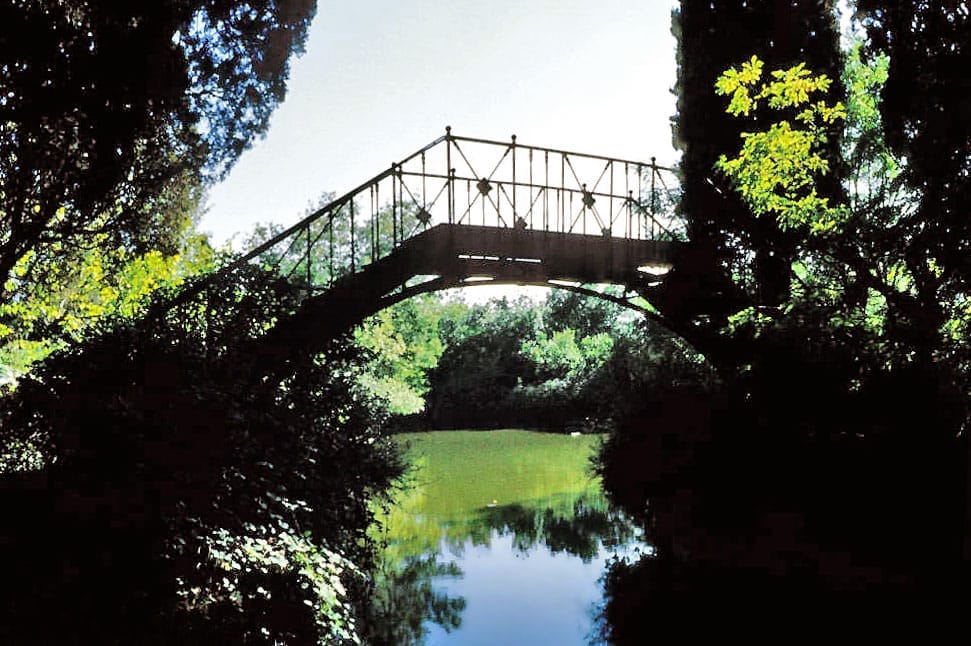
11. Discover El Capricho, Madrid's Most Mysterious Park
This 18th-century aristocratic garden in Madrid's northeast contains a labyrinth, artificial ruins, a neoclassical palace, and a Spanish Civil War bunker. Open only on weekends, it's one of the city's most unusual half-day excursions before heading further afield.
Explore11. Discover El Capricho, Madrid's Most Mysterious Park
This 18th-century aristocratic garden in Madrid's northeast contains a labyrinth, artificial ruins, a neoclassical palace, and a Spanish Civil War bunker. Open only on weekends, it's one of the city's most unusual half-day excursions before heading further afield.
ExploreNature and Seasonal Highlights Within the Region
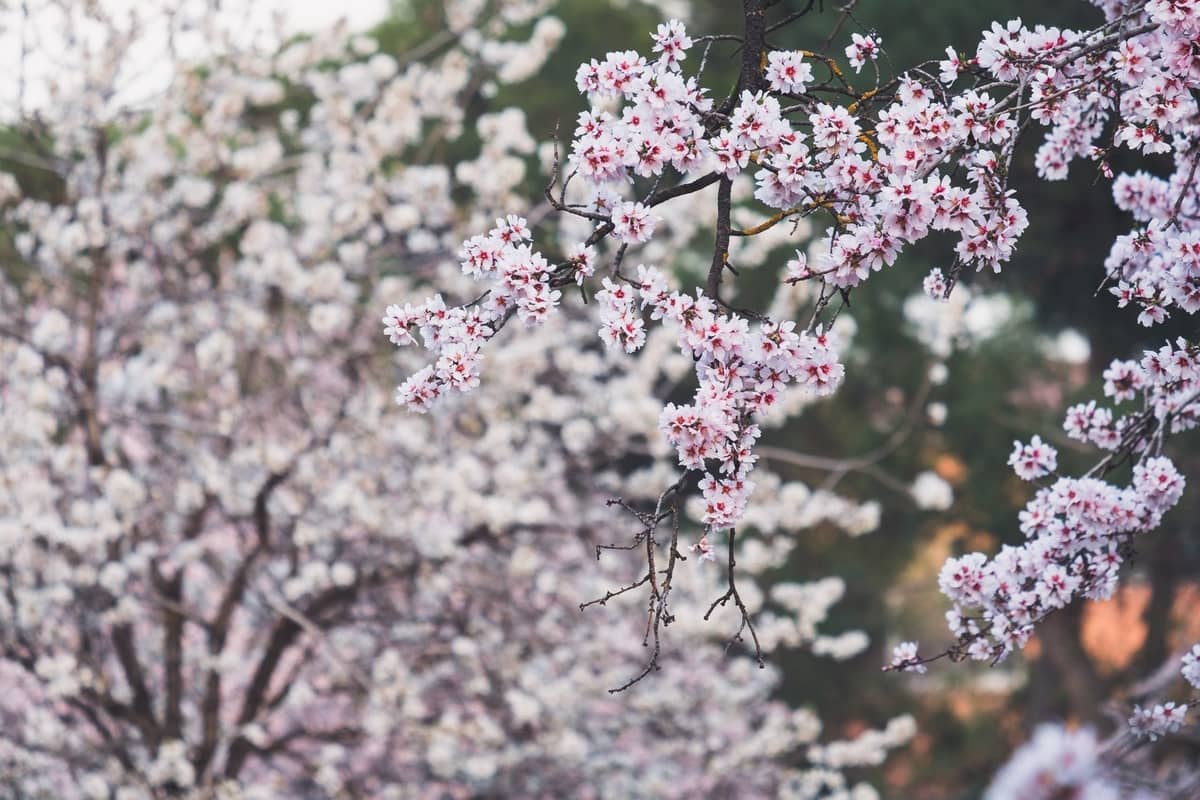
Beyond the mountains, the region around Madrid offers seasonal natural spectacles worth planning a trip around. The almond blossoms at Parque Quinta de los Molinos in late February are extraordinary. The wetlands of Las Tablas de Daimiel and the dramatic rock formations of La Ciudad Encantada in Cuenca (about 2 hours by bus from Madrid) are popular regional excursions. For those who prefer to stay within Madrid's city limits, the Madrid in spring guide covers the best seasonal parks and gardens inside the city.
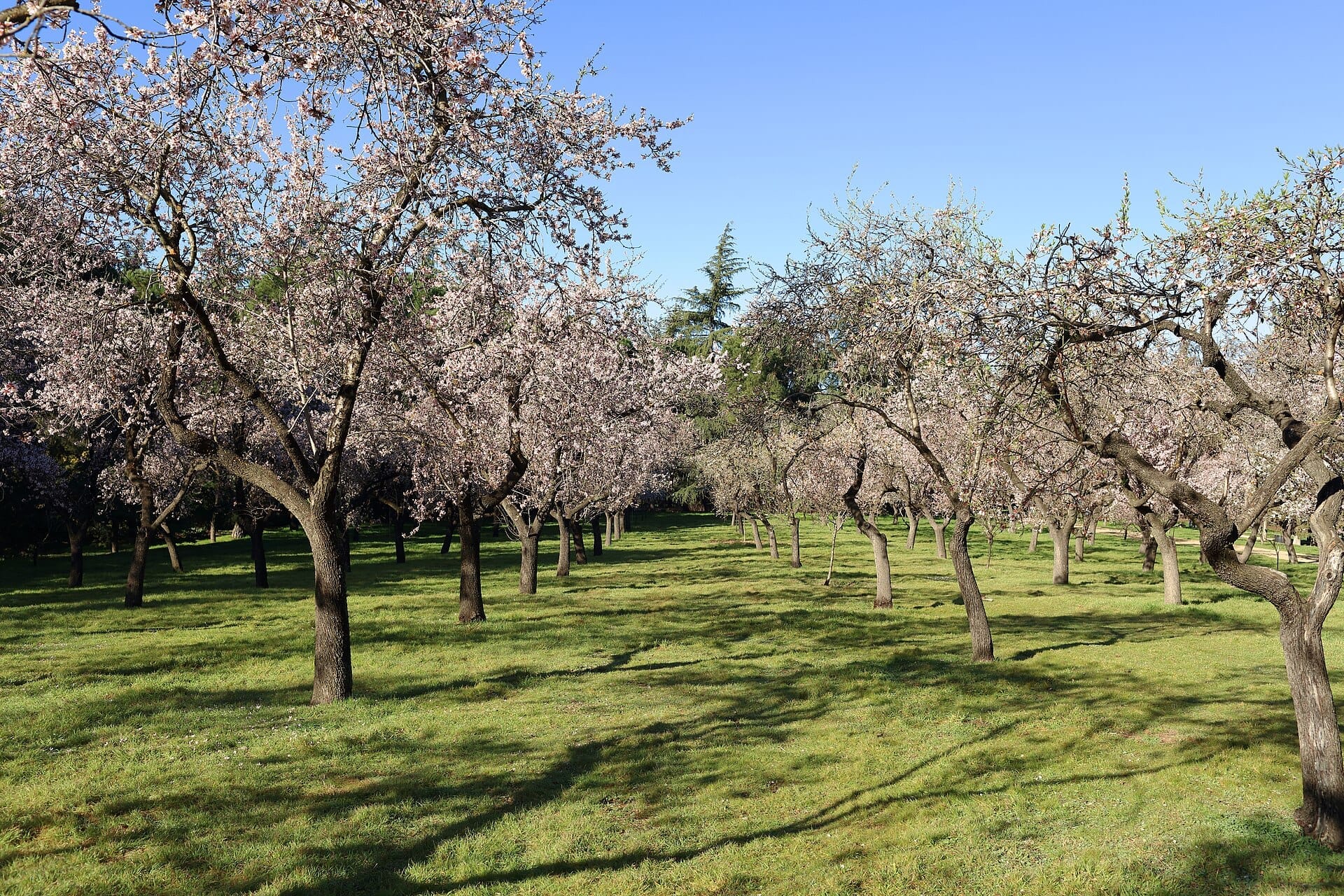
12. See the Almond Blossom at Parque Quinta de los Molinos in Late February
Each February, thousands of almond trees turn this former royal estate pink and white in one of Madrid's most spectacular seasonal events. The park is free, open daily, and reachable by Metro Line 5. Plan for late February to mid-March for peak bloom.
Explore12. See the Almond Blossom at Parque Quinta de los Molinos in Late February
Each February, thousands of almond trees turn this former royal estate pink and white in one of Madrid's most spectacular seasonal events. The park is free, open daily, and reachable by Metro Line 5. Plan for late February to mid-March for peak bloom.
Explore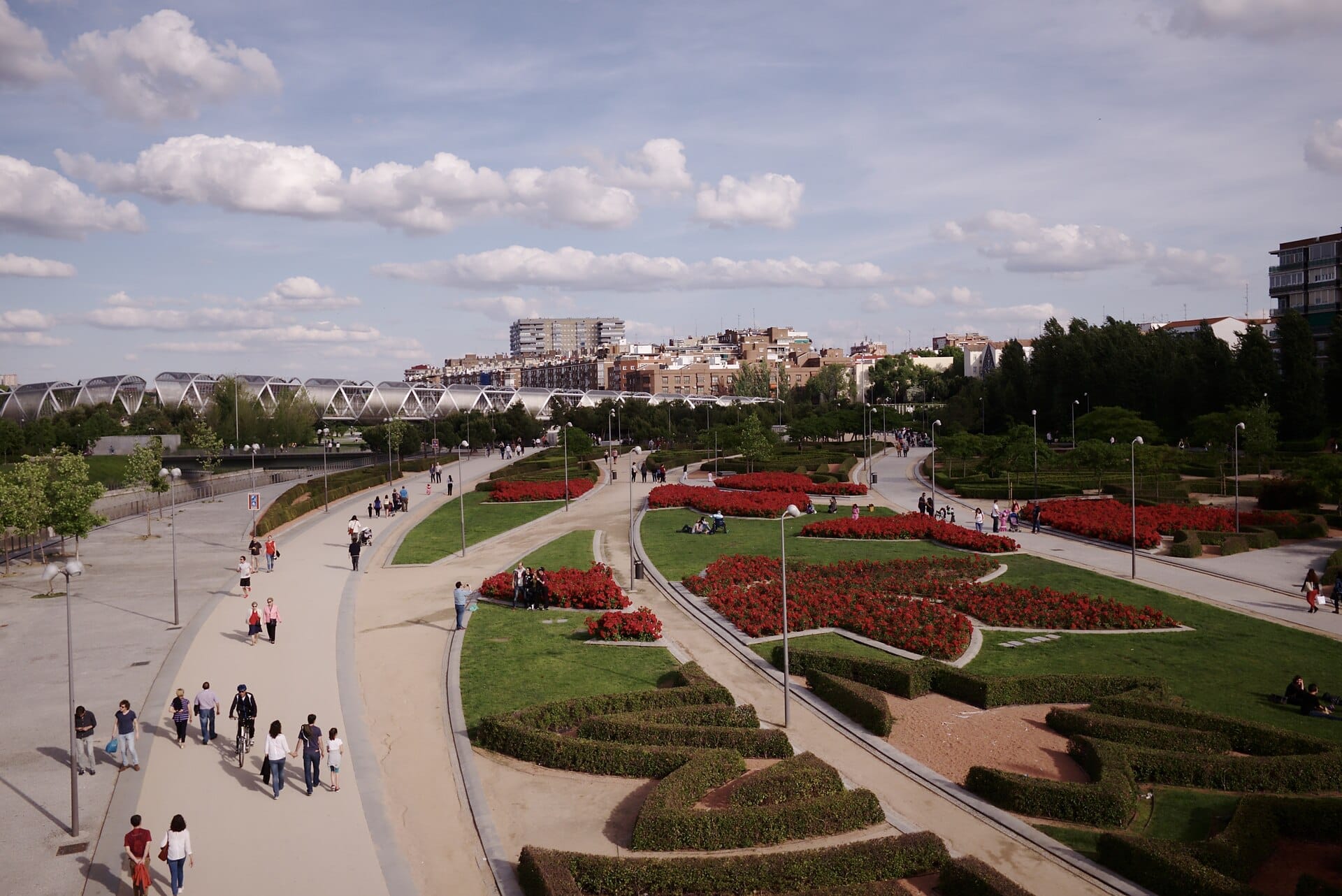
13. Walk or Cycle Madrid Río Along the Manzanares River
This 10-km riverside park was created by burying the M-30 motorway underground and runs continuously from the Segovia Bridge to Legazpi. Rent a bike at one of the BiciMAD stations and ride its full length; it takes about 90 minutes and ends near Matadero Madrid.
Explore13. Walk or Cycle Madrid Río Along the Manzanares River
This 10-km riverside park was created by burying the M-30 motorway underground and runs continuously from the Segovia Bridge to Legazpi. Rent a bike at one of the BiciMAD stations and ride its full length; it takes about 90 minutes and ends near Matadero Madrid.
Explore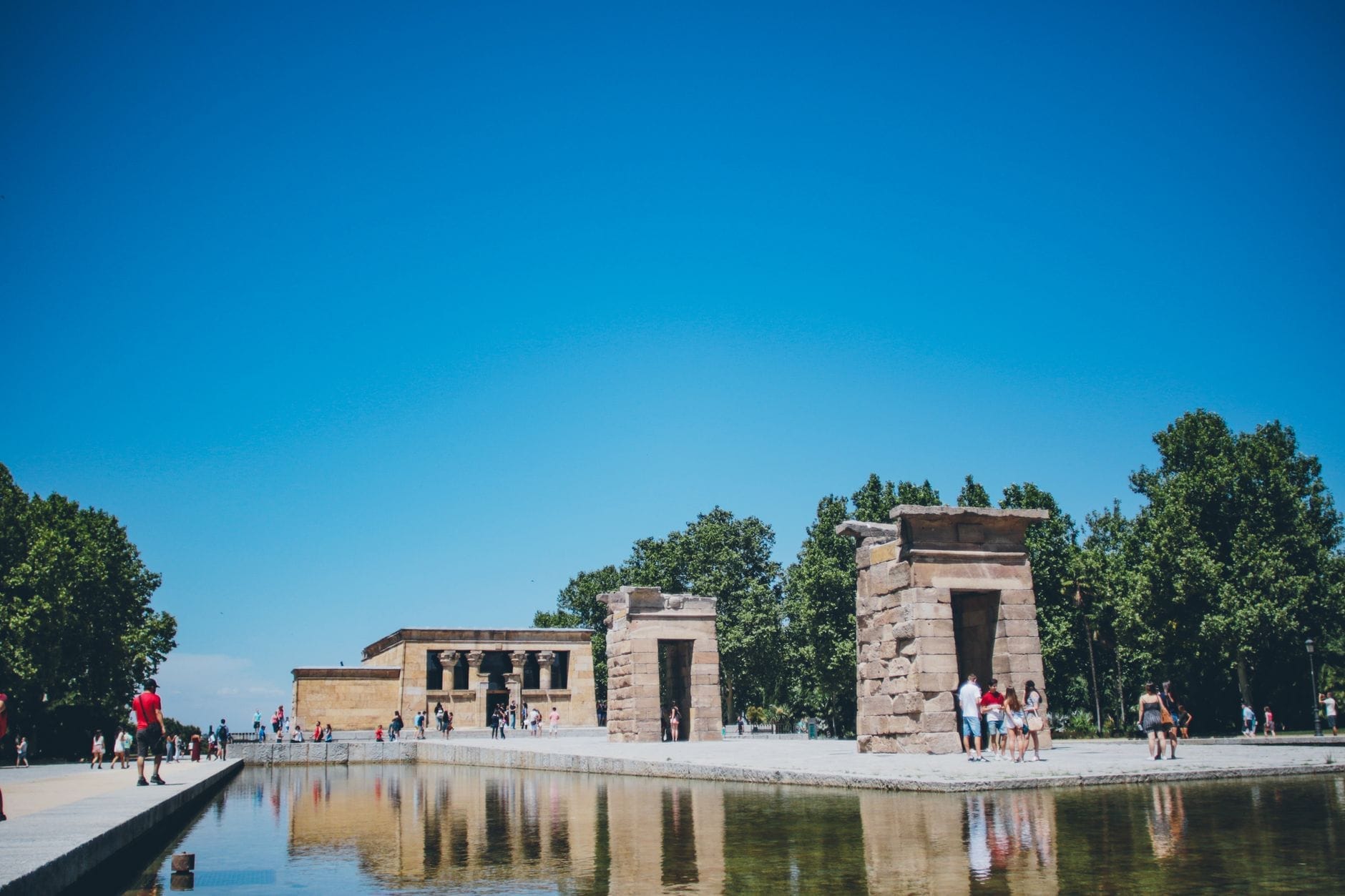
14. Catch Sunset at Templo de Debod Before an Evening Day-Trip Return
A genuine 2nd-century BC Egyptian temple in Parque del Oeste, with a reflecting pool and sweeping views toward the Sierra de Guadarrama. It's the city's finest sunset spot, ideal for ending a day in Madrid before or after a regional day trip.
Explore14. Catch Sunset at Templo de Debod Before an Evening Day-Trip Return
A genuine 2nd-century BC Egyptian temple in Parque del Oeste, with a reflecting pool and sweeping views toward the Sierra de Guadarrama. It's the city's finest sunset spot, ideal for ending a day in Madrid before or after a regional day trip.
ExploreCultural and Architectural Excursions
Day trips from Madrid don't have to mean leaving the city's cultural orbit entirely. Alcalá de Henares, Cervantes's birthplace and a UNESCO World Heritage university town, is just about 35 minutes by Cercanías train from Atocha. Chinchón, a perfectly preserved medieval square town 45 km southeast of Madrid, is best reached by regional bus. Cuenca, famous for its hanging houses and dramatic gorge setting, is about 1 hour by high-speed train but justifies an early start. For those who prefer to explore Madrid's own extraordinary cultural layer before venturing out, the best museums in Madrid guide is essential reading.
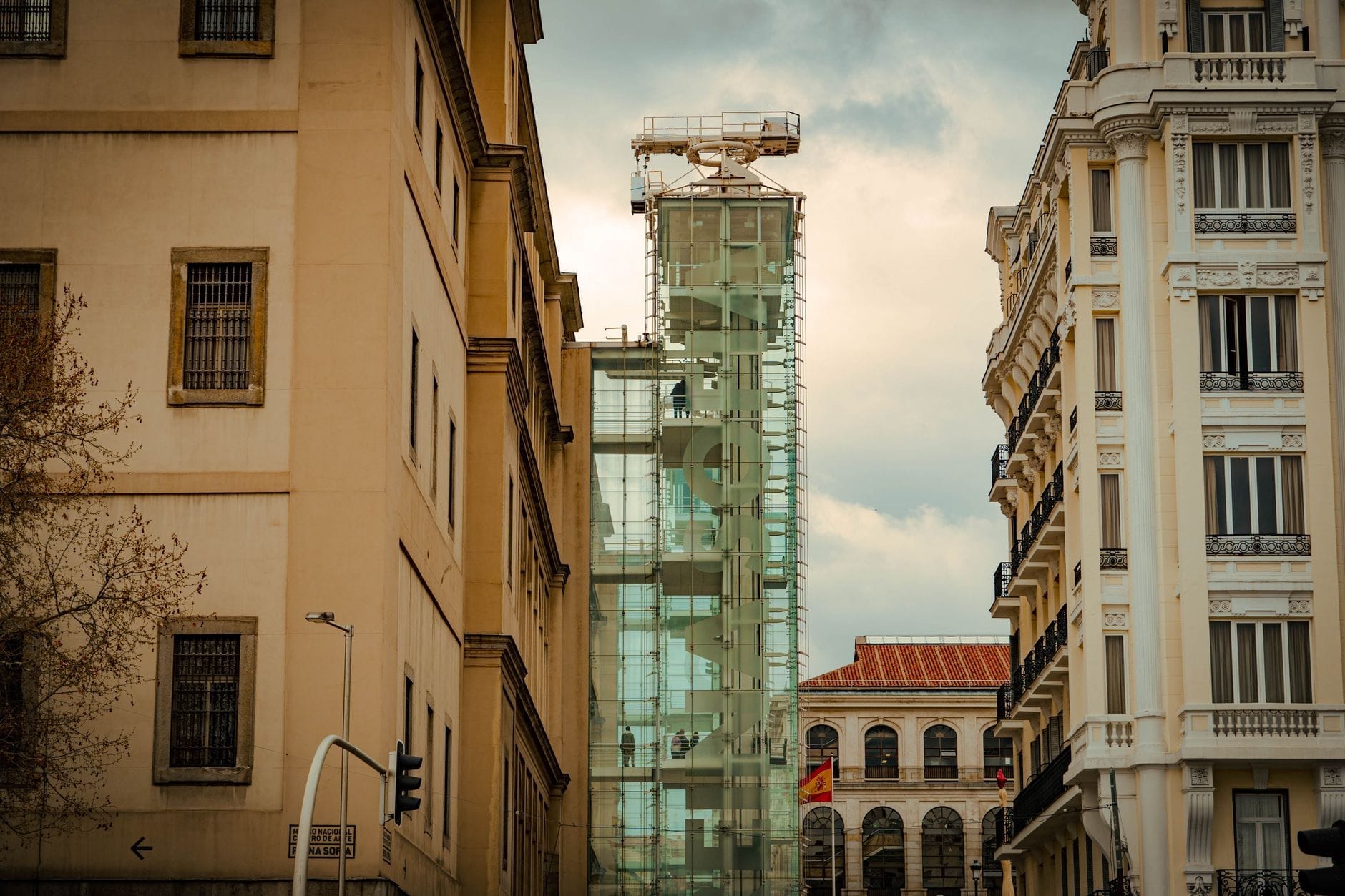
15. See Guernica at the Reina Sofía Before Exploring Civil War Sites in the Region
Picasso's Guernica, housed in the Reina Sofía, depicts the 1937 bombing of a Basque town and is the most powerful single artwork in Spain. Seeing it before visiting Civil War battlefield sites in the Madrid region, like the Valley of the Fallen, deepens the experience considerably.
Explore15. See Guernica at the Reina Sofía Before Exploring Civil War Sites in the Region
Picasso's Guernica, housed in the Reina Sofía, depicts the 1937 bombing of a Basque town and is the most powerful single artwork in Spain. Seeing it before visiting Civil War battlefield sites in the Madrid region, like the Valley of the Fallen, deepens the experience considerably.
Explore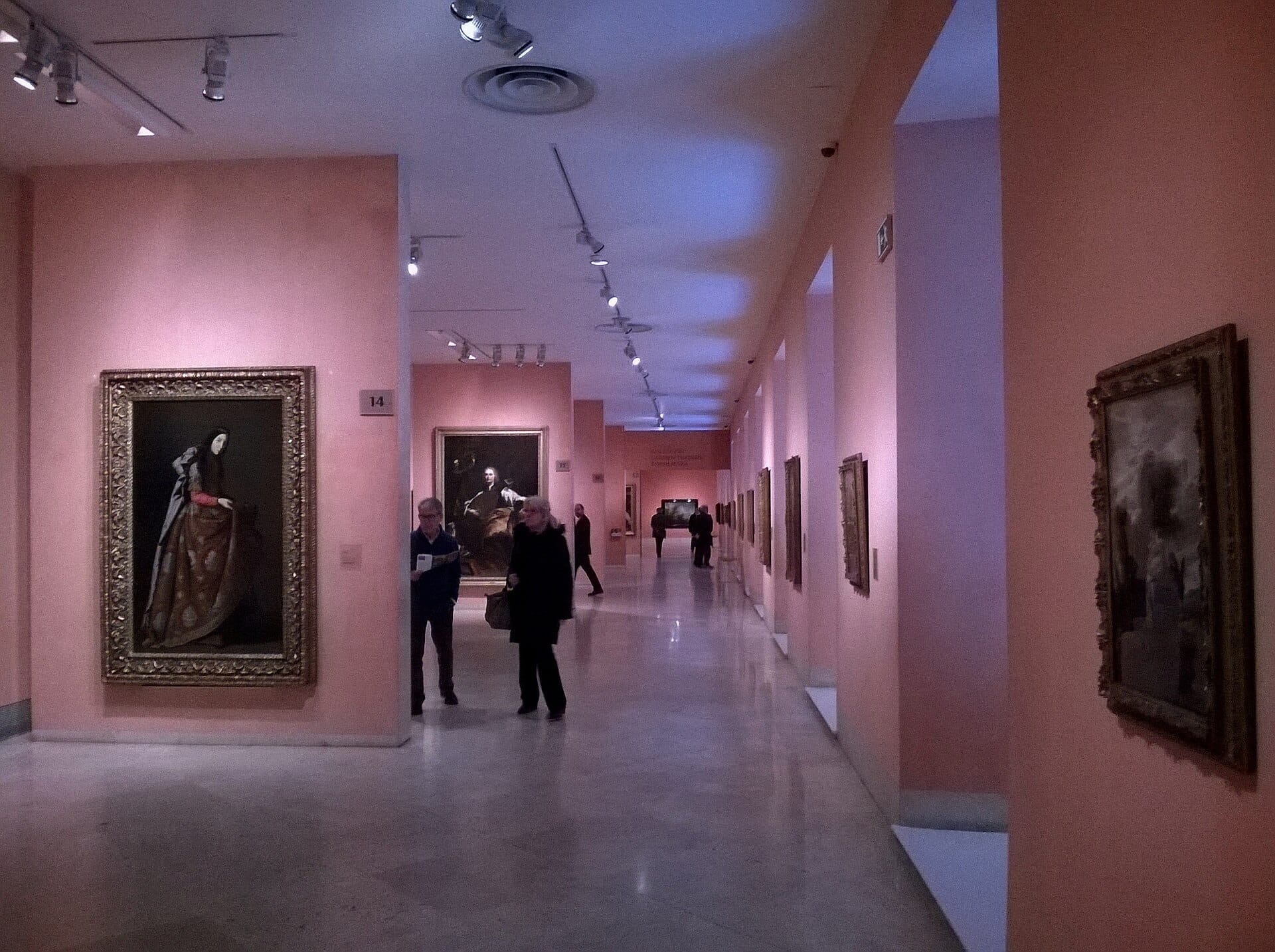
16. Use the Thyssen's Spanish Art Collection as Context for Regional Visits
The Thyssen's survey of Western art from the 13th century to the 20th is the best single introduction to Spanish painting in Madrid. Its works by El Greco, Zurbarán, and Goya give excellent context before visiting Toledo's churches or the El Greco museum.
Explore16. Use the Thyssen's Spanish Art Collection as Context for Regional Visits
The Thyssen's survey of Western art from the 13th century to the 20th is the best single introduction to Spanish painting in Madrid. Its works by El Greco, Zurbarán, and Goya give excellent context before visiting Toledo's churches or the El Greco museum.
Explore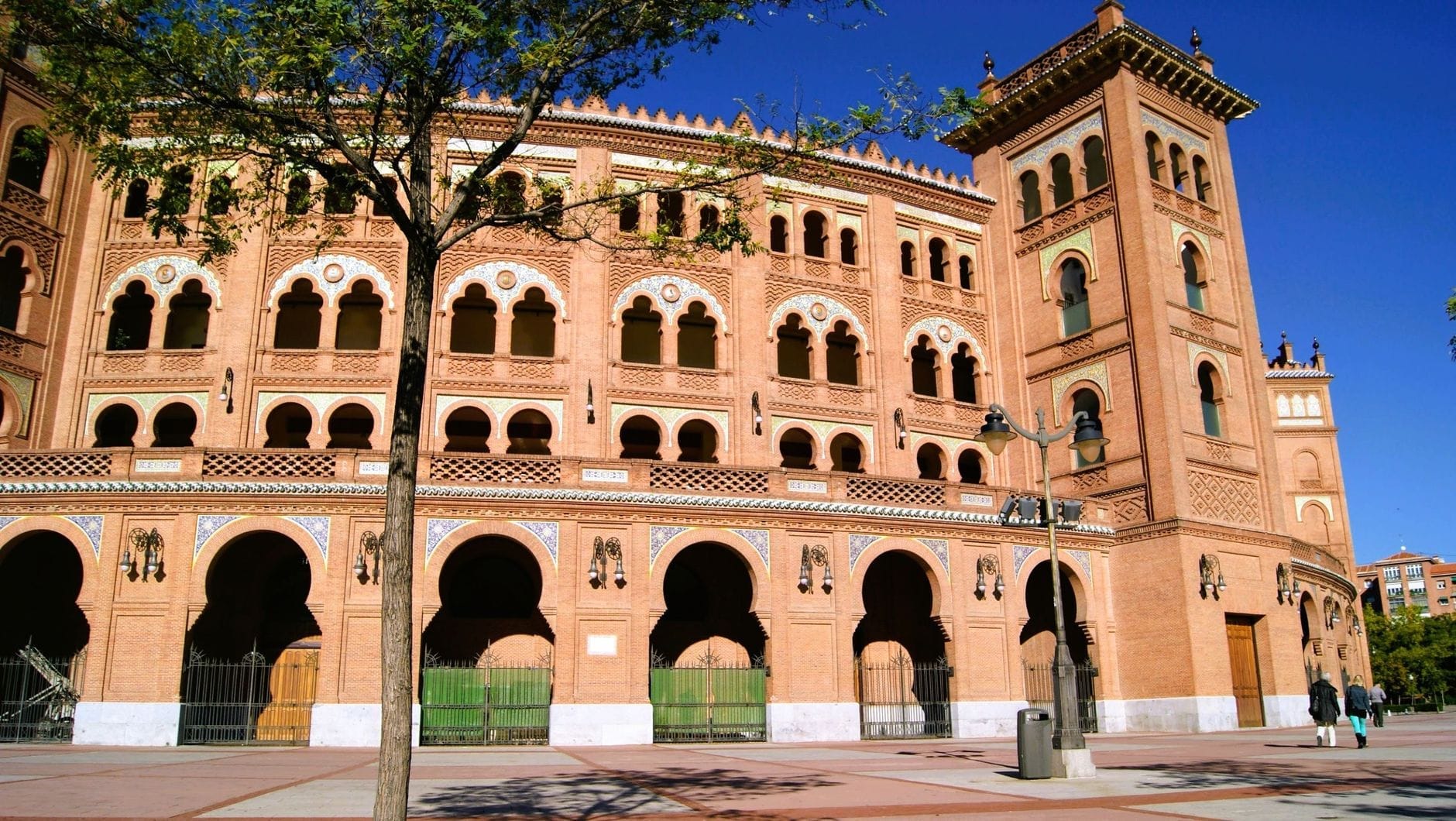
17. Visit Las Ventas and the Bullfighting Museum for Castilian Cultural Context
Las Ventas is the world's most prestigious bullring, a 1931 Neo-Mudéjar masterpiece seating 23,000. The Bullfighting Museum inside traces the corrida's history across Castile. Even for non-fans, the architecture alone and its cultural weight repay a 90-minute visit.
Explore17. Visit Las Ventas and the Bullfighting Museum for Castilian Cultural Context
Las Ventas is the world's most prestigious bullring, a 1931 Neo-Mudéjar masterpiece seating 23,000. The Bullfighting Museum inside traces the corrida's history across Castile. Even for non-fans, the architecture alone and its cultural weight repay a 90-minute visit.
Explore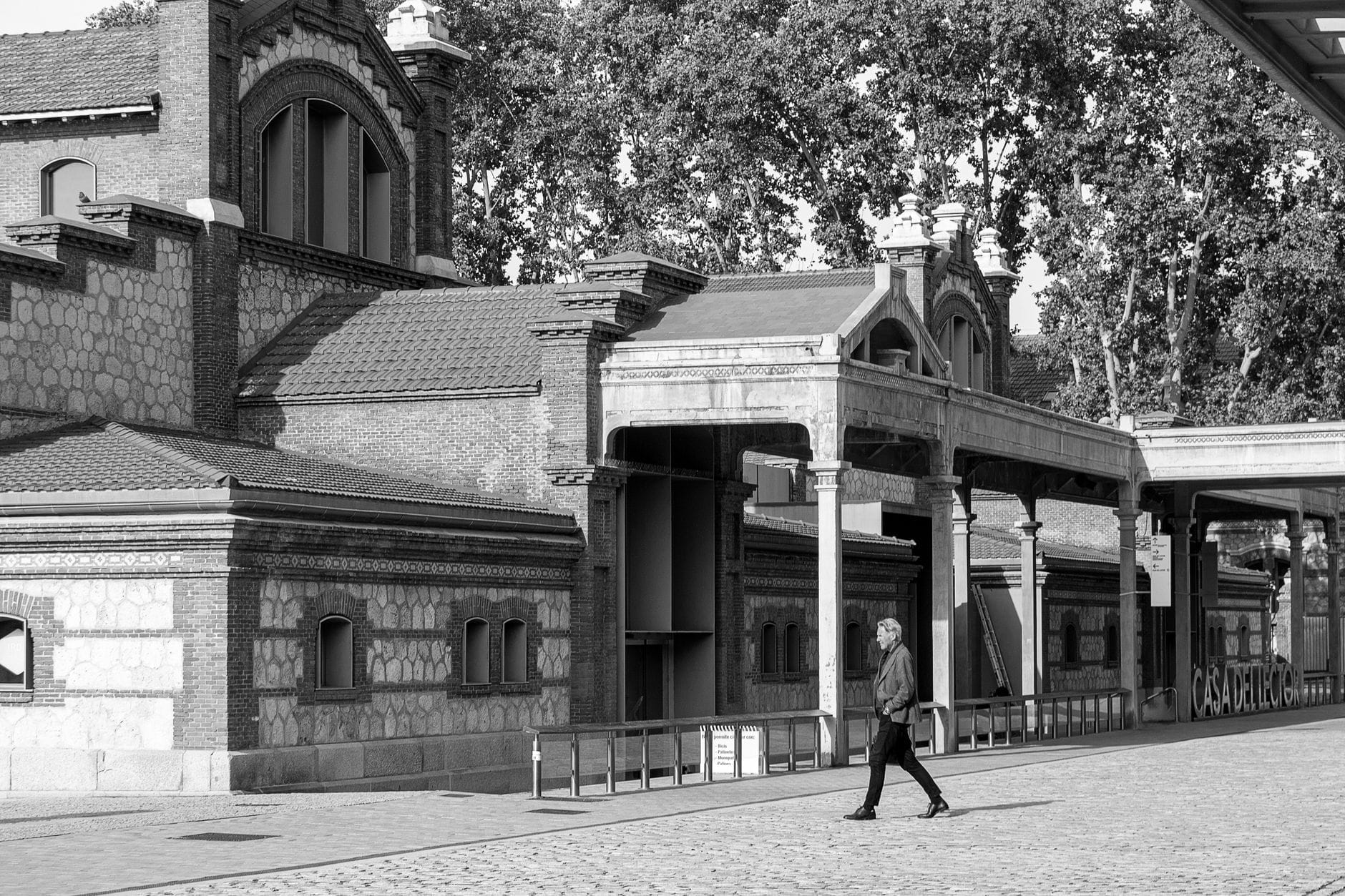
18. Explore Matadero Madrid on the Route to Aranjuez
This vast former slaughterhouse on the Manzanares, now a contemporary arts campus, sits on the road south toward Aranjuez. Combine a morning at Matadero's exhibitions and weekend market with an afternoon train ride to Aranjuez's royal gardens and Baroque palace.
Explore18. Explore Matadero Madrid on the Route to Aranjuez
This vast former slaughterhouse on the Manzanares, now a contemporary arts campus, sits on the road south toward Aranjuez. Combine a morning at Matadero's exhibitions and weekend market with an afternoon train ride to Aranjuez's royal gardens and Baroque palace.
Explore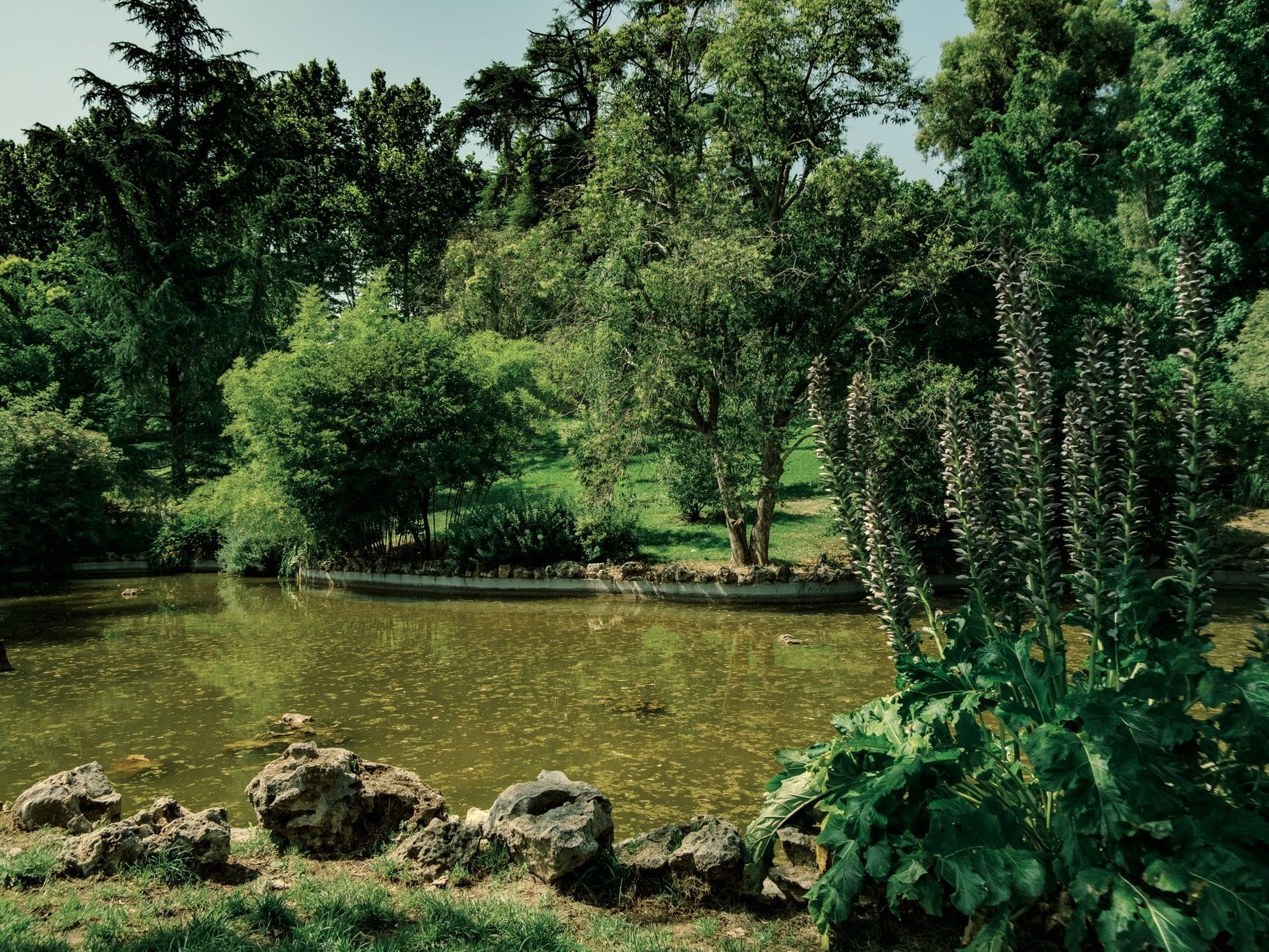
19. Visit the Royal Botanical Garden as a Gentle Prelude to Aranjuez's Gardens
The 18th-century Royal Botanical Garden adjacent to the Prado contains over 5,000 plant species in terraced beds and glasshouses. It's a calm, scholarly space that prepares the eye beautifully for the formal French gardens and ornamental canals of the Aranjuez royal estate.
Explore19. Visit the Royal Botanical Garden as a Gentle Prelude to Aranjuez's Gardens
The 18th-century Royal Botanical Garden adjacent to the Prado contains over 5,000 plant species in terraced beds and glasshouses. It's a calm, scholarly space that prepares the eye beautifully for the formal French gardens and ornamental canals of the Aranjuez royal estate.
ExploreFAQ
What is the best day trip from Madrid?
Toledo is consistently ranked the single best day trip from Madrid. It's about 30 minutes by Avant high-speed train from Atocha station, and the city's medieval old town contains a Gothic cathedral, El Greco paintings, Moorish architecture, and Jewish heritage within a compact, walkable area. Segovia is an excellent alternative if Roman history and a fairytale castle appeal more.
Can I do day trips from Madrid without a car?
Yes. Toledo (Avant high-speed train, ~30–35 min), Segovia (high-speed train, ~30 min), Ávila (regional train, ~90 min), Alcalá de Henares (Cercanías, ~35–40 min), El Escorial (Cercanías, ~55–65 min), and Aranjuez (Cercanías, ~45–55 min) are all reachable by train from Madrid Atocha or Chamartín. Organized coach tours also serve most of these destinations daily. Verify current timetables and fares on Renfe.com before travel.
How many day trips can I fit into a week in Madrid?
Realistically, two or three day trips in a week is comfortable without feeling rushed. Toledo and Segovia are the most rewarding and each deserves a full day. A third trip to Ávila, El Escorial, or the Sierra de Guadarrama can fill a third day, leaving the remaining days for Madrid's museums, neighborhoods, and food scene.
When is the best time of year for day trips from Madrid?
Spring (March to May) and autumn (September to November) offer the most comfortable walking temperatures and shorter queues at major monuments like Toledo's cathedral and the Segovia Alcázar. Summer (July to August) can see temperatures above 35°C in cities like Toledo, which sit even lower and hotter than Madrid. Winter day trips are perfectly viable, especially for El Escorial and mountain excursions.
How much does a day trip from Madrid cost?
A self-organized day trip by train is very affordable. AVE or high-speed return fares to Toledo typically range from €20 to €30 if booked in advance on Renfe. Organized guided day tours (including transport and a guide) start at around €40 to €50 per person. Entry fees at individual monuments vary; Toledo's cathedral, for example, charges a separate entry fee. Always verify current prices before travel.