Hiking Near Madrid: Best Day Trips to the Sierra de Guadarrama
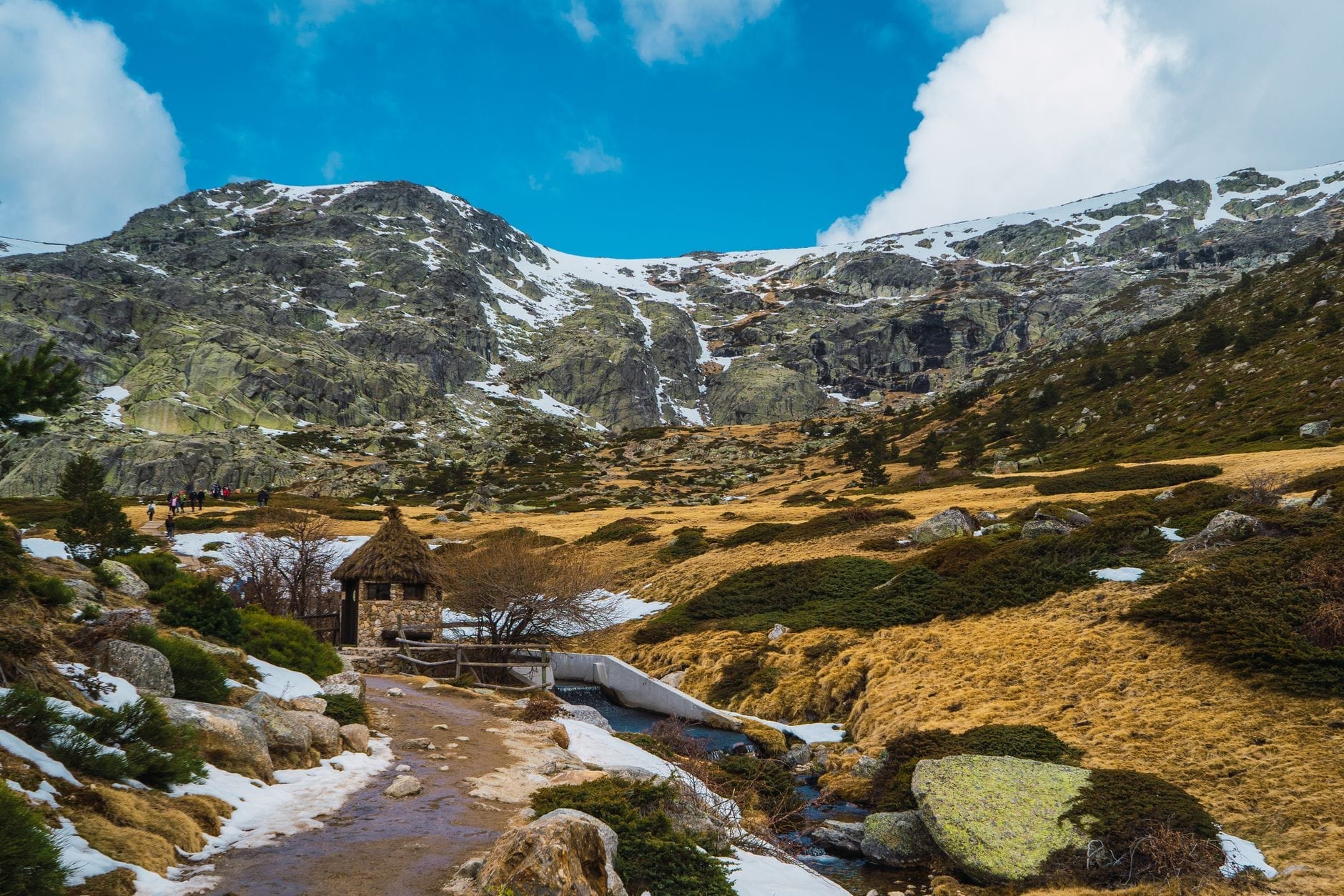
The Sierra de Guadarrama sits just about an hour to 90 minutes from central Madrid and offers over 80 km of marked trails through pine forests, granite peaks, and high mountain passes. This guide covers the best hiking areas, how to get there by bus or train, and what to do in the city to prepare for your mountain day.
Plan and book this trip
Tools from our partner Travelpayouts help you compare flights and hotels. If you book through them, we may earn a commission at no extra cost to you.
Flights
Hotels map
Madrid is one of Europe's best cities for urban hiking access. Within an hour of the city center, the Sierra de Guadarrama National Park delivers proper mountain terrain: the rocky ridgelines of Siete Picos, the granite chaos of La Pedriza, the pine valleys above Cercedilla, and high passes that hold snow well into spring. None of this requires a car. Cercanías commuter trains and regional buses connect central Madrid to trailheads at Cercedilla, Navacerrada, and Manzanares el Real on a timetable that works for day trips. But if you're spending a few days in the city first, it's worth building in some warm-up walks and viewpoints that give you a feel for the landscape. The classic three-day Madrid itinerary pairs well with a Sierra day trip on day four, and the Moncloa-Argüelles district is the natural jumping-off point: buses to the mountains depart from nearby Plaza de Castilla, and the area's parks and viewpoints already face the sierra.
✨ Pro tip
Check Renfe's Cercanías website for current timetables before any mountain day trip. Schedules on public holidays differ significantly from weekdays, and the Navacerrada line in particular has seen service changes in recent years.
Best Views of the Sierra from the City
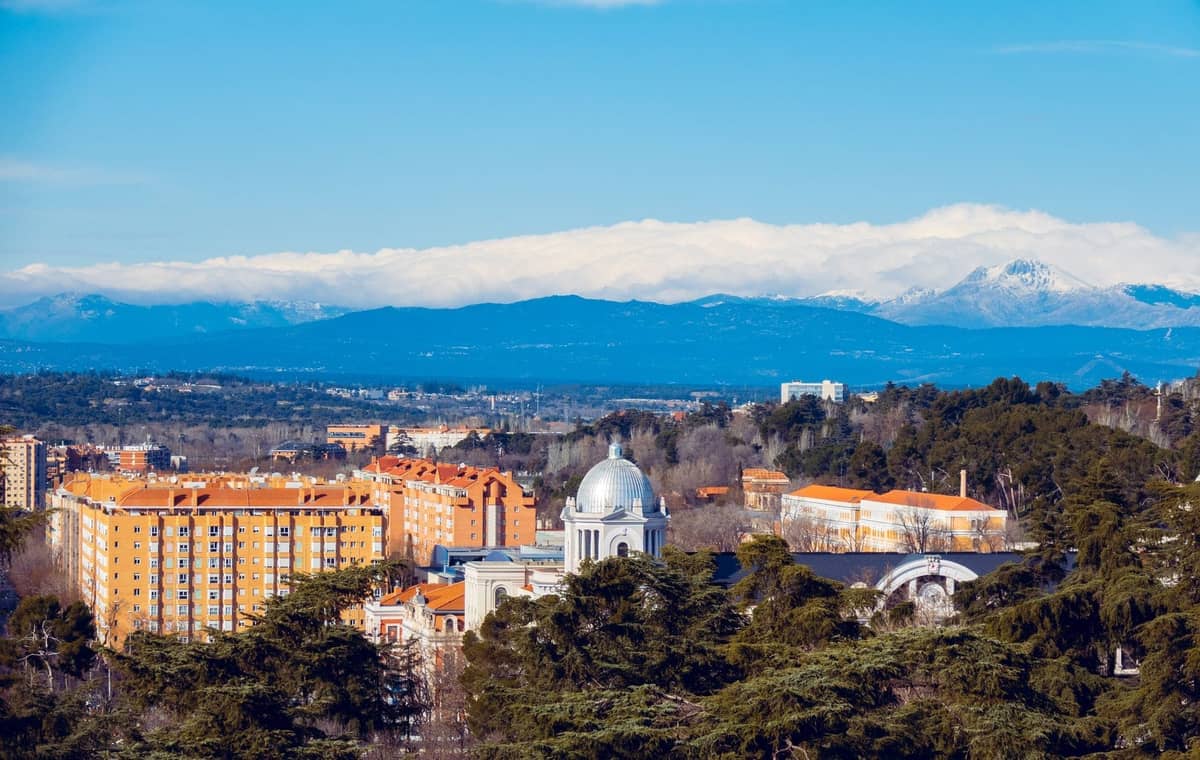
Before heading into the mountains, it helps to see them from the city itself. On clear winter and spring days, the snow-capped peaks of the Guadarrama are visible from multiple points across Madrid, giving you a preview of the terrain. The Moncloa and Argüelles area offers the clearest sightlines, and two of the city's best viewpoints are right here.
1. Spot the Sierra from the Faro de Moncloa Observation Tower
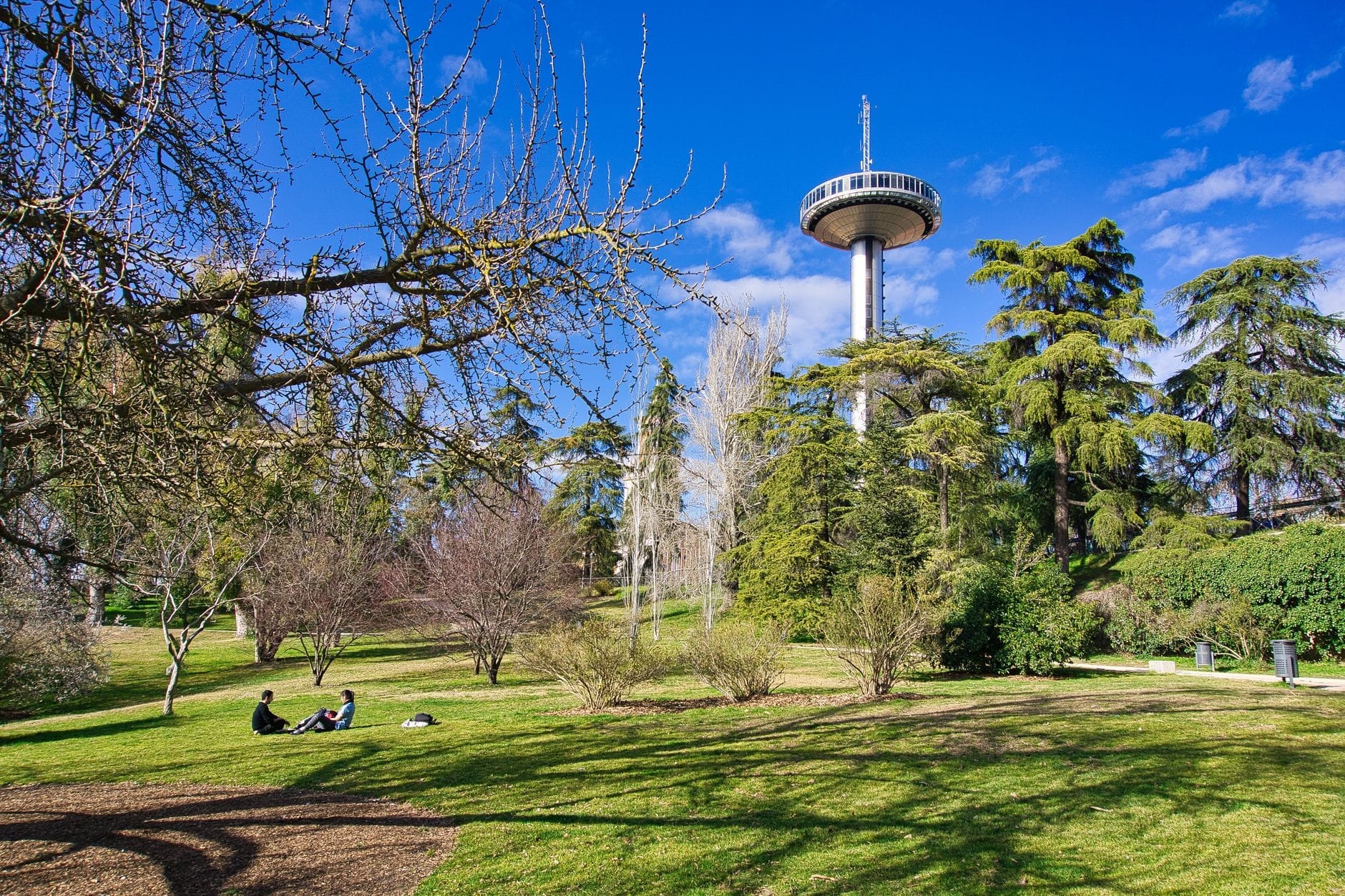
This 92-meter telecommunications tower has a public observation deck with 360-degree views. On clear days, the Sierra de Guadarrama and El Escorial are visible to the northwest, giving hikers a vivid sense of scale before heading out.
Explore1. Spot the Sierra from the Faro de Moncloa Observation Tower
This 92-meter telecommunications tower has a public observation deck with 360-degree views. On clear days, the Sierra de Guadarrama and El Escorial are visible to the northwest, giving hikers a vivid sense of scale before heading out.
Explore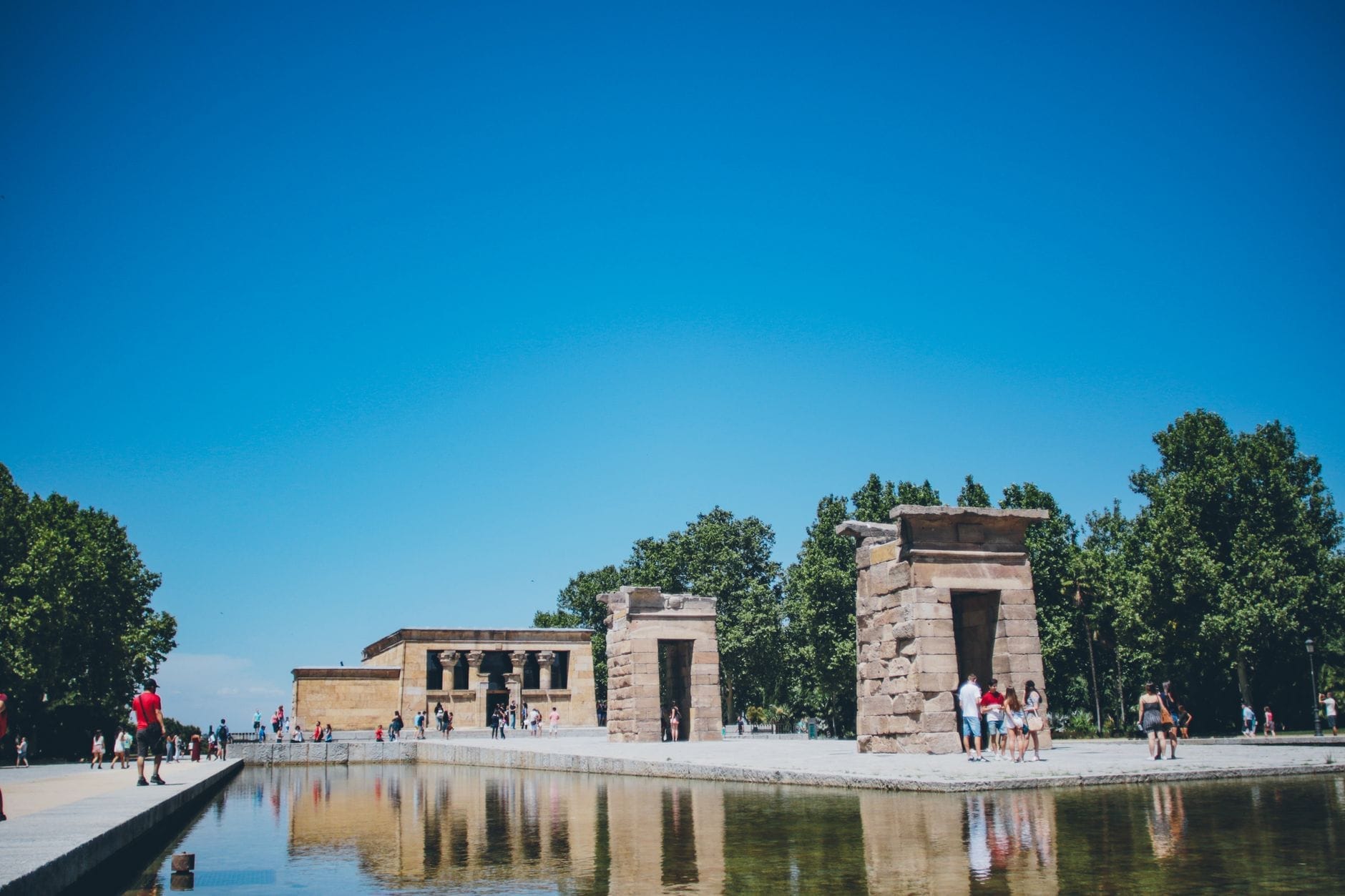
2. Scan the Guadarrama Horizon at Sunset from Templo de Debod
Madrid's transplanted Egyptian temple sits in Parque del Oeste with open western sightlines toward the Sierra de Guadarrama. Come at sunset to see the peaks silhouetted behind the city, a memorable preview of the hiking terrain ahead.
Explore2. Scan the Guadarrama Horizon at Sunset from Templo de Debod
Madrid's transplanted Egyptian temple sits in Parque del Oeste with open western sightlines toward the Sierra de Guadarrama. Come at sunset to see the peaks silhouetted behind the city, a memorable preview of the hiking terrain ahead.
Explore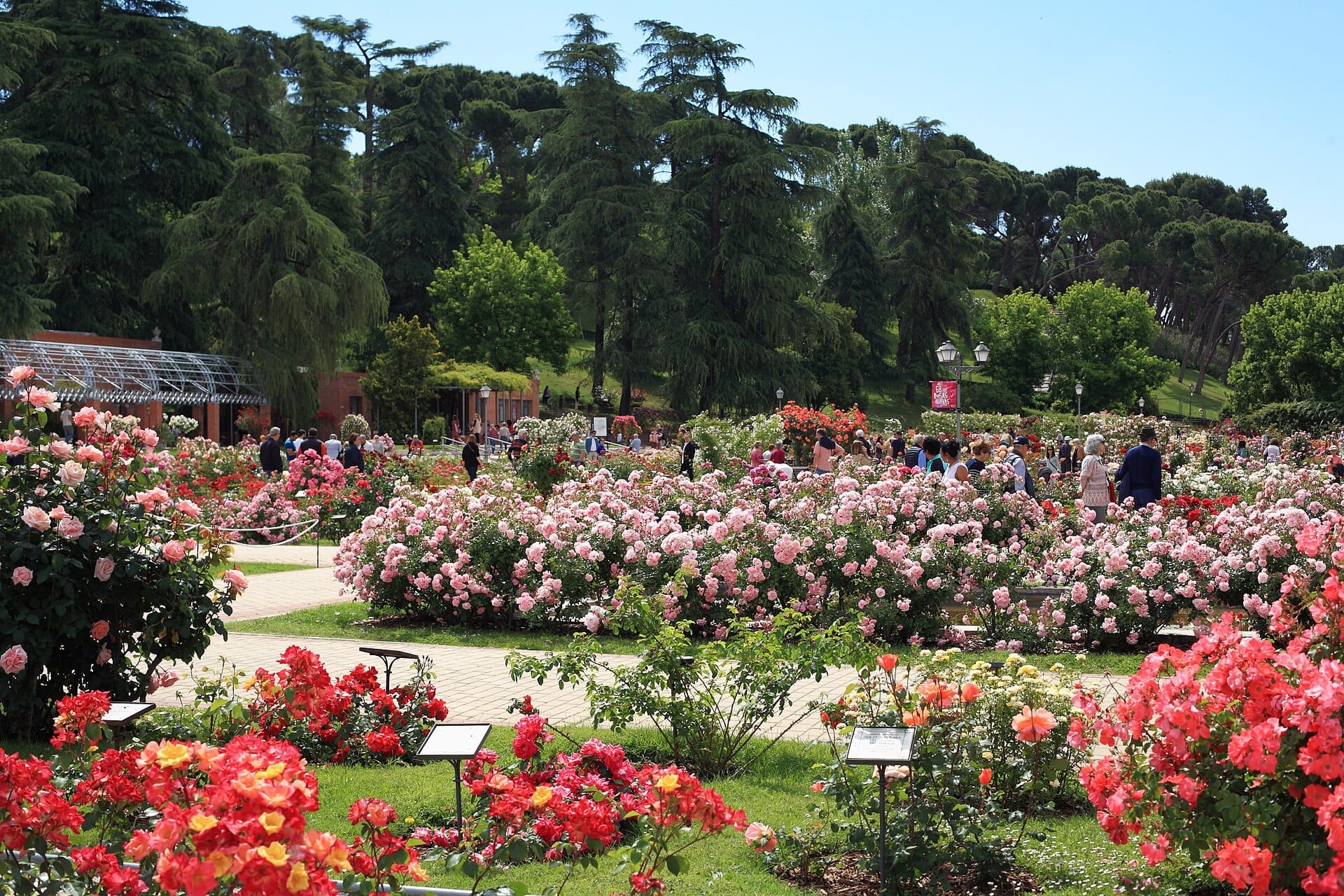
3. Walk Parque del Oeste for Open Sierra Sightlines
This large romantic park on Madrid's western edge has clear views toward the Sierra de Guadarrama on good weather days. It's also where the Teleférico cable car departs for Casa de Campo, a useful warm-up walk for legs before the mountains.
Explore3. Walk Parque del Oeste for Open Sierra Sightlines
This large romantic park on Madrid's western edge has clear views toward the Sierra de Guadarrama on good weather days. It's also where the Teleférico cable car departs for Casa de Campo, a useful warm-up walk for legs before the mountains.
ExploreWarm-Up Hikes and Green Spaces in the City
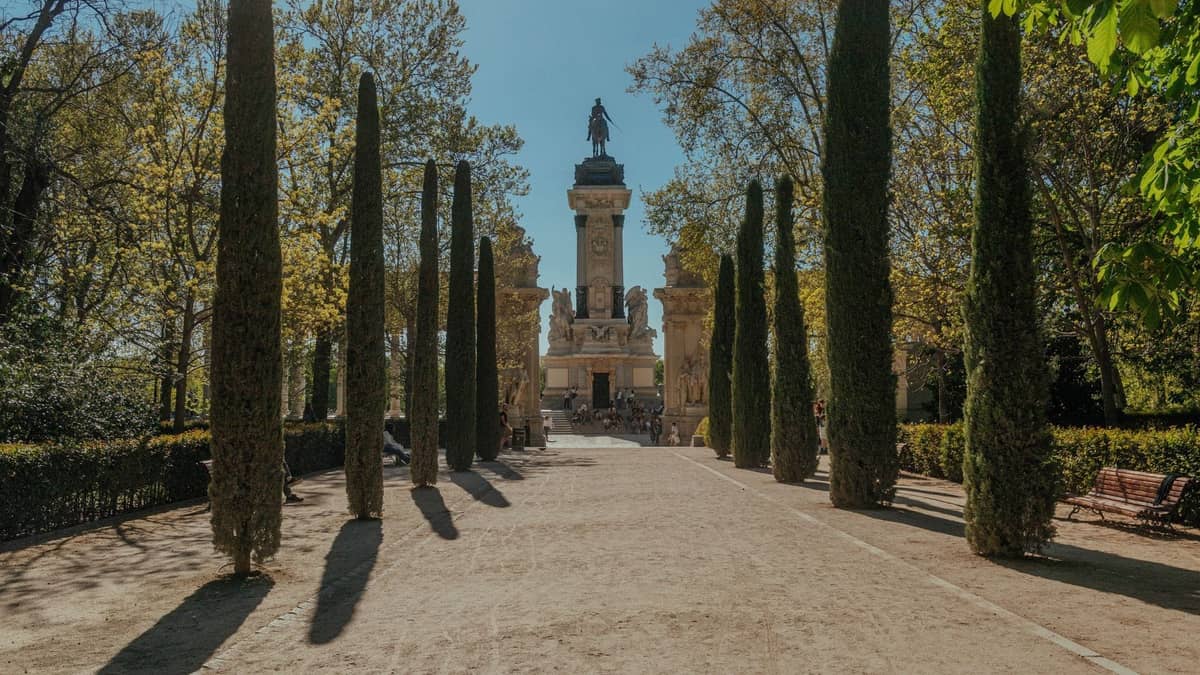
If you're arriving in Madrid a day or two before your sierra hike, the city has several large green spaces ideal for shaking off travel stiffness and testing your walking shoes. El Retiro is the obvious first choice, but Casa de Campo and Madrid Río deserve attention for anyone planning a serious day in the mountains.
4. Walk the Full 125 Hectares of El Retiro Before Your Mountain Day
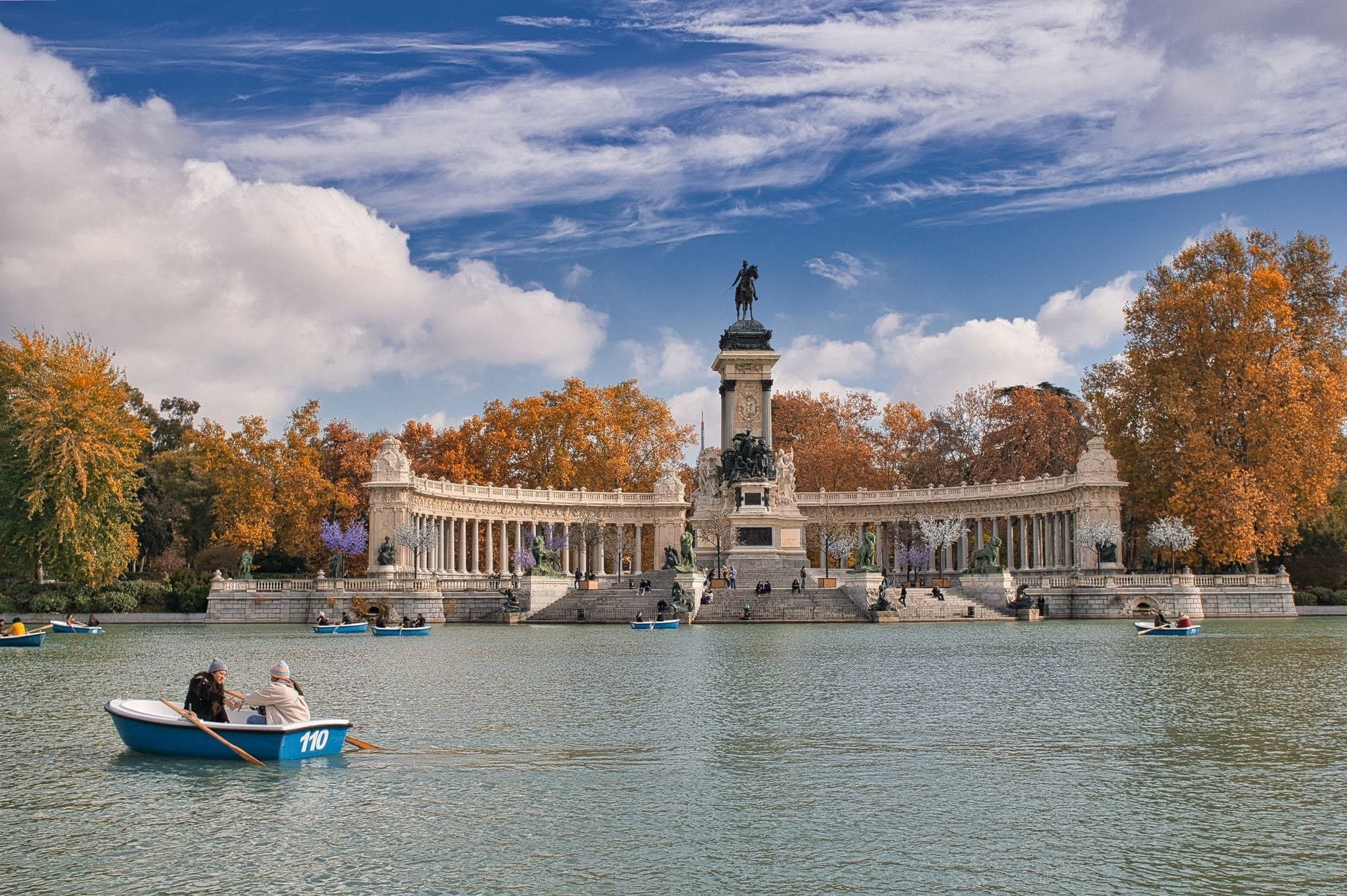
El Retiro's 125 hectares include woodland paths, rose gardens, and a rowing lake. A full circuit takes 2 to 3 hours and is a practical warm-up for legs before tackling sierra trails the following day.
Explore4. Walk the Full 125 Hectares of El Retiro Before Your Mountain Day
El Retiro's 125 hectares include woodland paths, rose gardens, and a rowing lake. A full circuit takes 2 to 3 hours and is a practical warm-up for legs before tackling sierra trails the following day.
Explore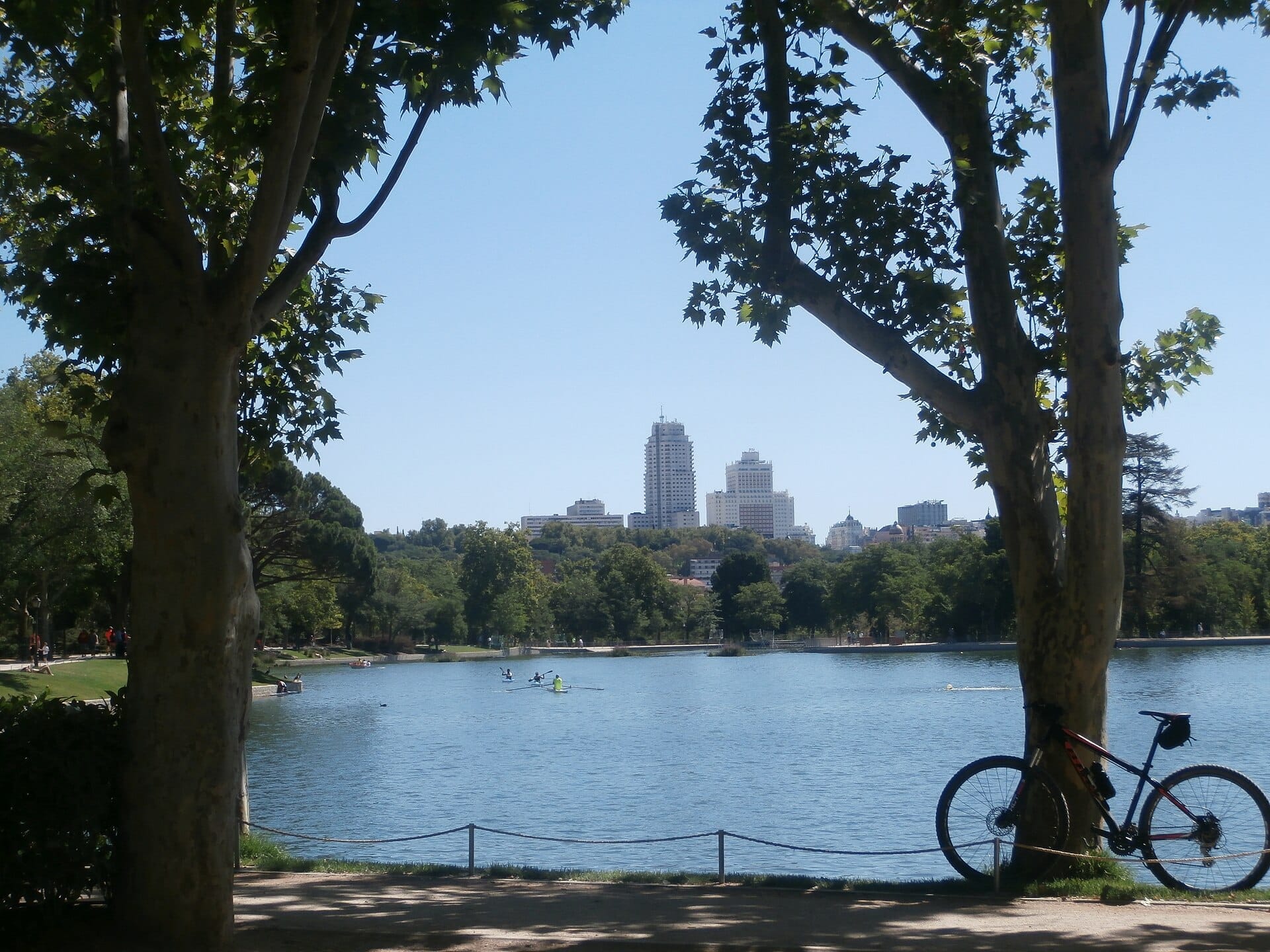
5. Trail-Run or Mountain-Bike Through Casa de Campo
Madrid's largest park covers 1,700 hectares of former royal hunting grounds with mountain biking trails, woodland paths, and a lake. Serious hikers use it to test gear and legs before heading to the Guadarrama. The Teleférico arrives here too.
Explore5. Trail-Run or Mountain-Bike Through Casa de Campo
Madrid's largest park covers 1,700 hectares of former royal hunting grounds with mountain biking trails, woodland paths, and a lake. Serious hikers use it to test gear and legs before heading to the Guadarrama. The Teleférico arrives here too.
Explore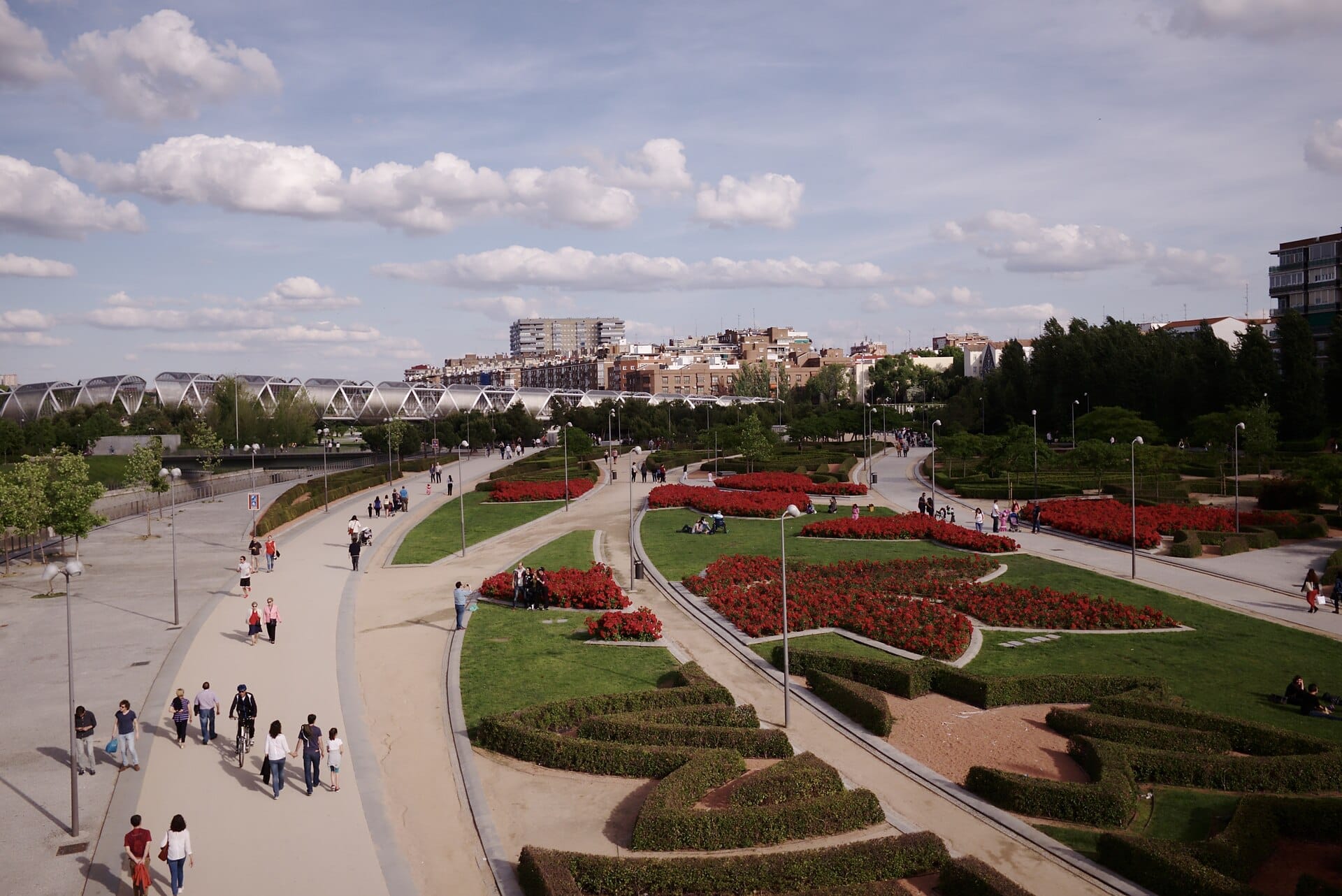
6. Follow the Full 10-km Madrid Río Trail Along the Manzanares
This continuous riverside park stretches 10 km along the Manzanares and is a genuine urban trail. Walk it end-to-end for a flat but satisfying leg-loosener, with good views toward Casa de Campo and the mountains beyond the city.
Explore6. Follow the Full 10-km Madrid Río Trail Along the Manzanares
This continuous riverside park stretches 10 km along the Manzanares and is a genuine urban trail. Walk it end-to-end for a flat but satisfying leg-loosener, with good views toward Casa de Campo and the mountains beyond the city.
Explore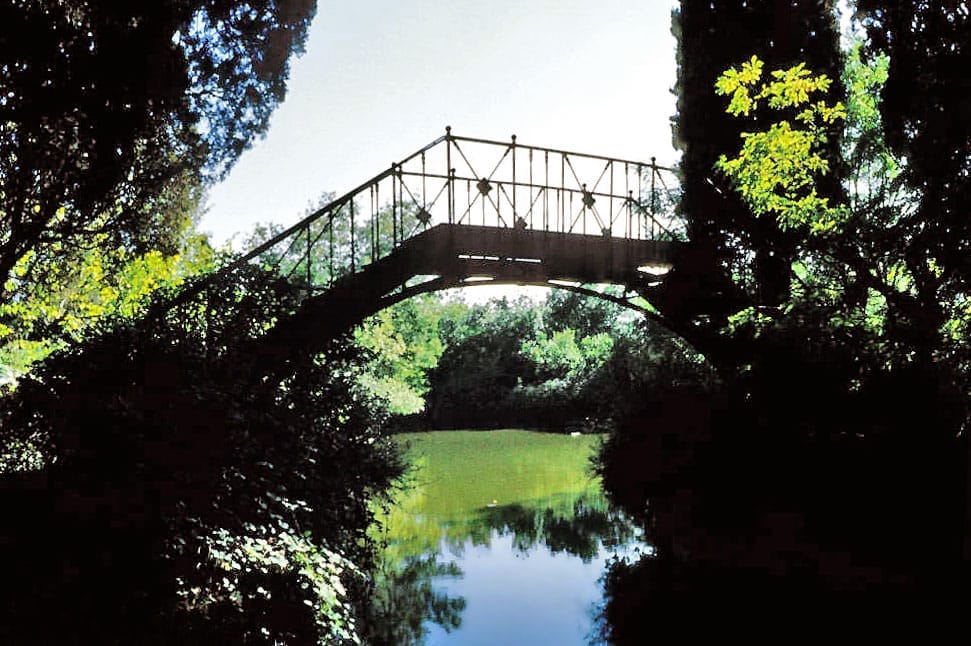
7. Explore the Labyrinth and Grounds of the Mysterious El Capricho
This 18th-century aristocratic garden in the city's northeast has a labyrinth, artificial ruins, woodland paths, and a bunker from the Spanish Civil War. Open only on weekends, it rewards an unhurried morning walk before a sierra day.
Explore7. Explore the Labyrinth and Grounds of the Mysterious El Capricho
This 18th-century aristocratic garden in the city's northeast has a labyrinth, artificial ruins, woodland paths, and a bunker from the Spanish Civil War. Open only on weekends, it rewards an unhurried morning walk before a sierra day.
ExploreDeparture Points and Pre-Hike Logistics in the City
Getting your logistics right the night before saves time on the morning of your hike. The main transport hubs for the Sierra de Guadarrama are Cercanías stations at Atocha and Chamartín, plus bus services from Plaza de Castilla. If you're picking up gear, snacks, or checking maps, the Moncloa and Sol neighborhoods are practical bases. For broader trip planning in the city, the guide to getting around Madrid covers Cercanías routes and zone pricing in detail.
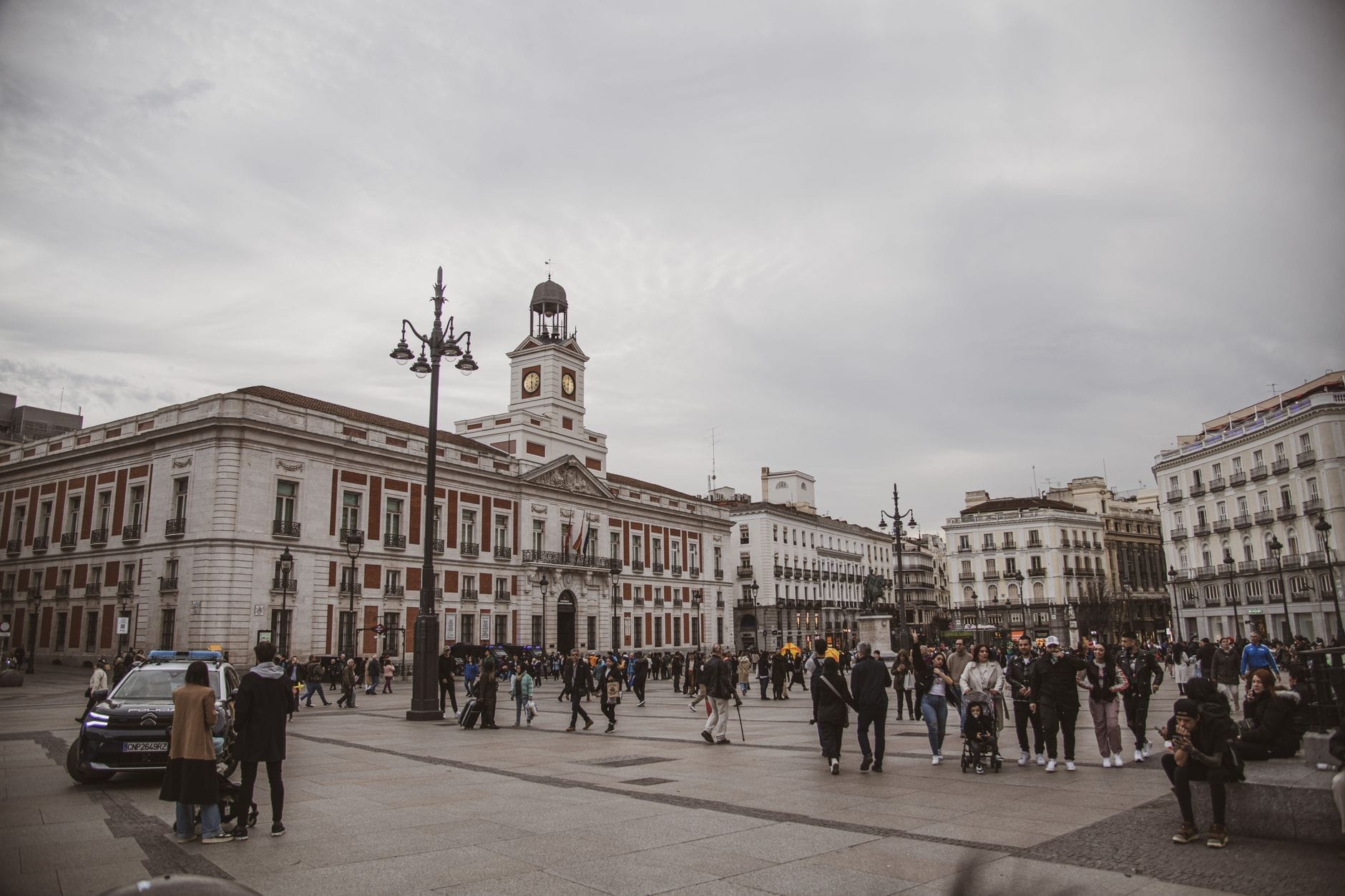
8. Use Puerta del Sol as Your Central Hub for Onward Connections
Sol is the interchange hub for Metro lines heading to Atocha and Chamartín, the two main Cercanías departure points for Guadarrama trains. Multiple supermarkets and bakeries here are convenient for assembling a packed lunch the evening before.
Explore8. Use Puerta del Sol as Your Central Hub for Onward Connections
Sol is the interchange hub for Metro lines heading to Atocha and Chamartín, the two main Cercanías departure points for Guadarrama trains. Multiple supermarkets and bakeries here are convenient for assembling a packed lunch the evening before.
Explore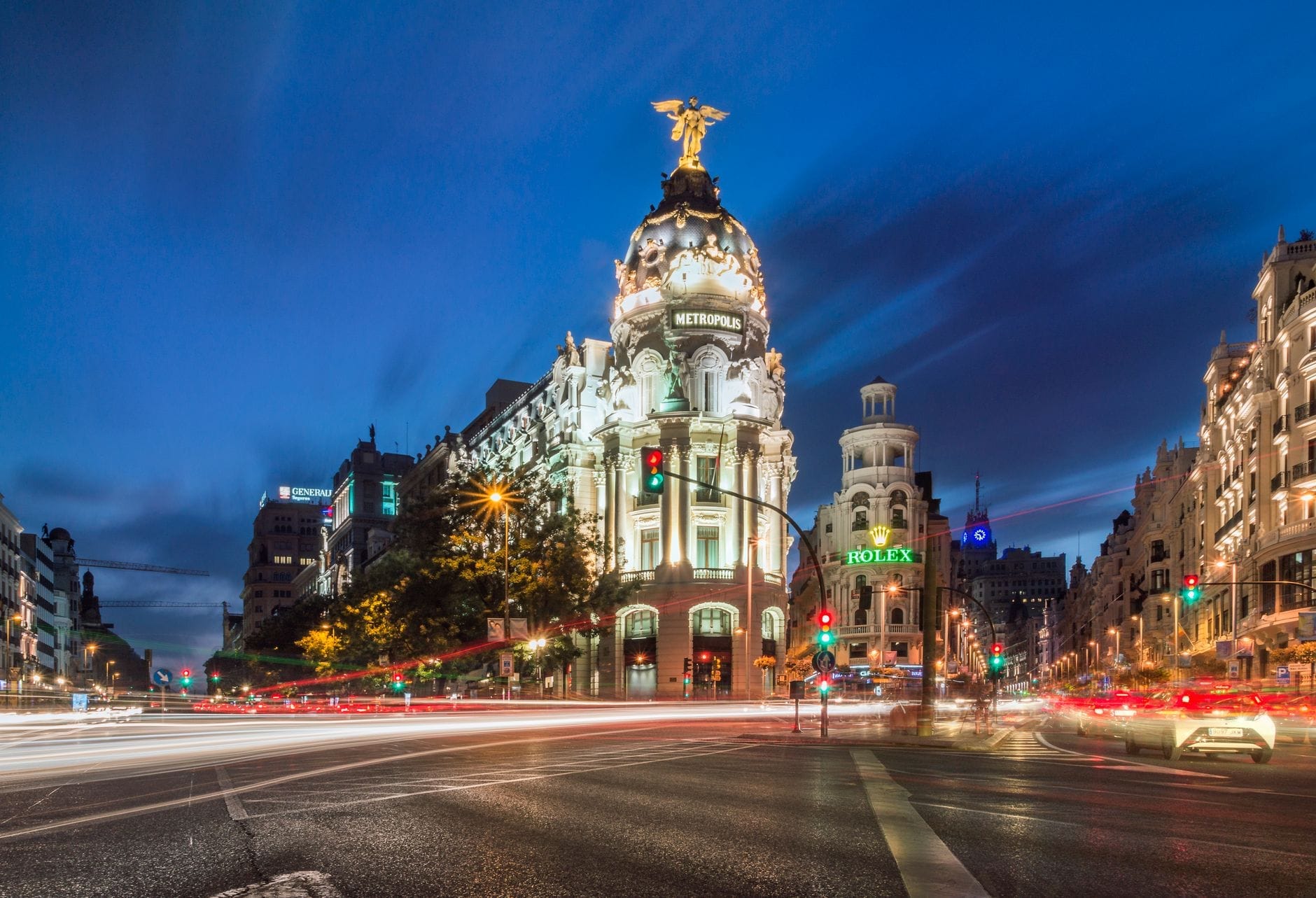
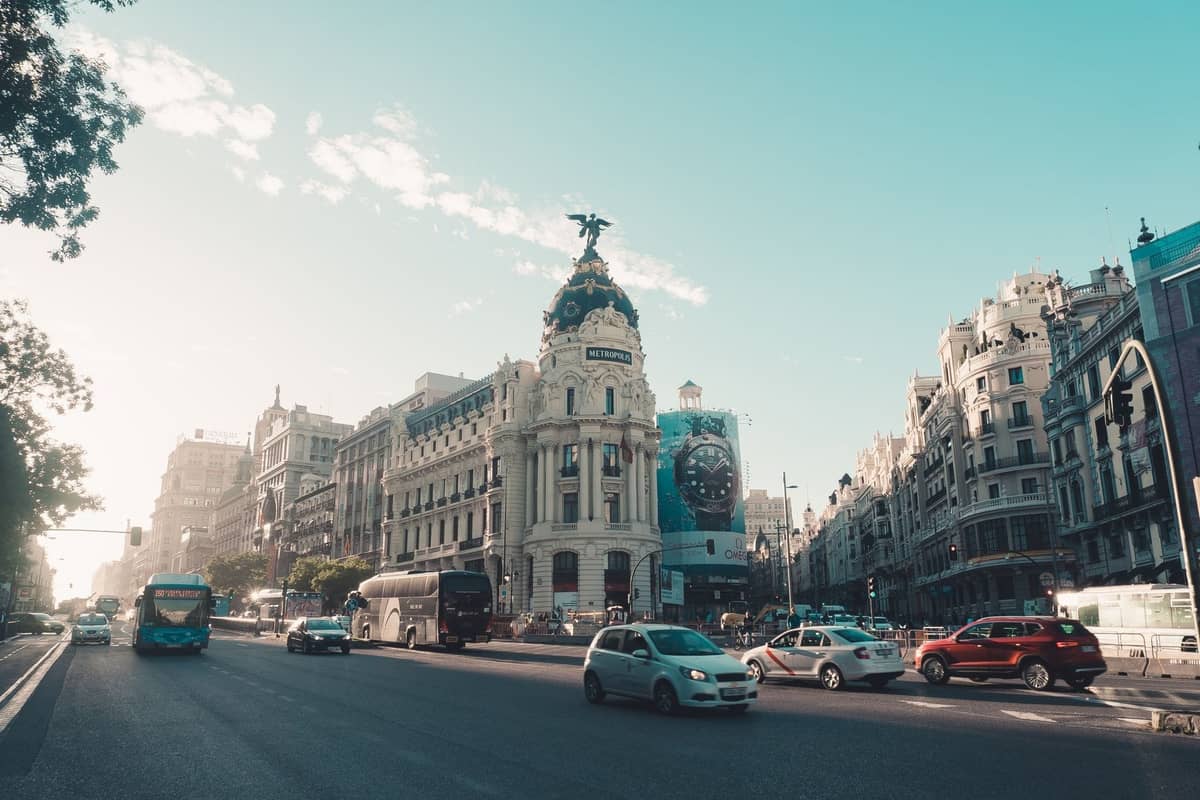
9. Stock Up on Supplies Along Gran Vía the Night Before
Gran Vía has large supermarkets, pharmacies, and sports shops within easy walking distance, making it a practical evening stop to assemble hiking supplies. Several outdoor gear stores on nearby streets sell walking poles, sunscreen, and trail snacks.
Explore9. Stock Up on Supplies Along Gran Vía the Night Before
Gran Vía has large supermarkets, pharmacies, and sports shops within easy walking distance, making it a practical evening stop to assemble hiking supplies. Several outdoor gear stores on nearby streets sell walking poles, sunscreen, and trail snacks.
Exploreℹ️ Good to know
Bus 724 from Plaza de Castilla to Manzanares el Real takes around one hour and puts you within 45 minutes' walk of La Pedriza, the most dramatic granite hiking area in the range. Cercanías Line C-8 reaches Cercedilla from Atocha and Chamartín, with a connection from Cercedilla to Puerto de Navacerrada via the separate C-9 mountain line.
Cultural Context: Understanding Madrid Before the Mountains
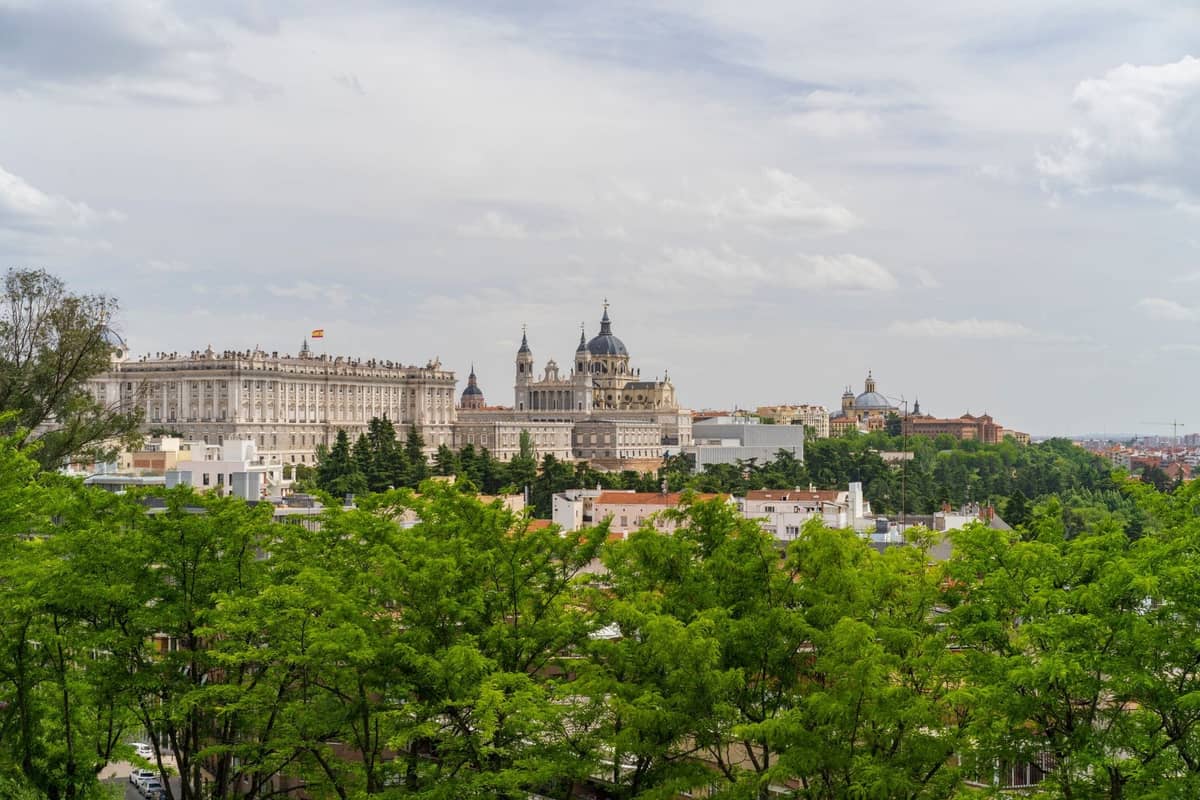
The Sierra de Guadarrama isn't just a backdrop to the city. It's shaped Madrid's water supply, its royal retreats, and its identity. The royal families who built the Palacio Real and El Escorial used these mountains for hunting, and many of the forest paths hikers follow today are historic royal routes. Spending an afternoon at the Royal Palace or in the city's parks gives useful cultural context for the landscape you'll walk through. If you want to explore further, the day trips from Madrid guide covers El Escorial, which sits at the mountain's base and makes an excellent combination with a half-day hike at Cercedilla.
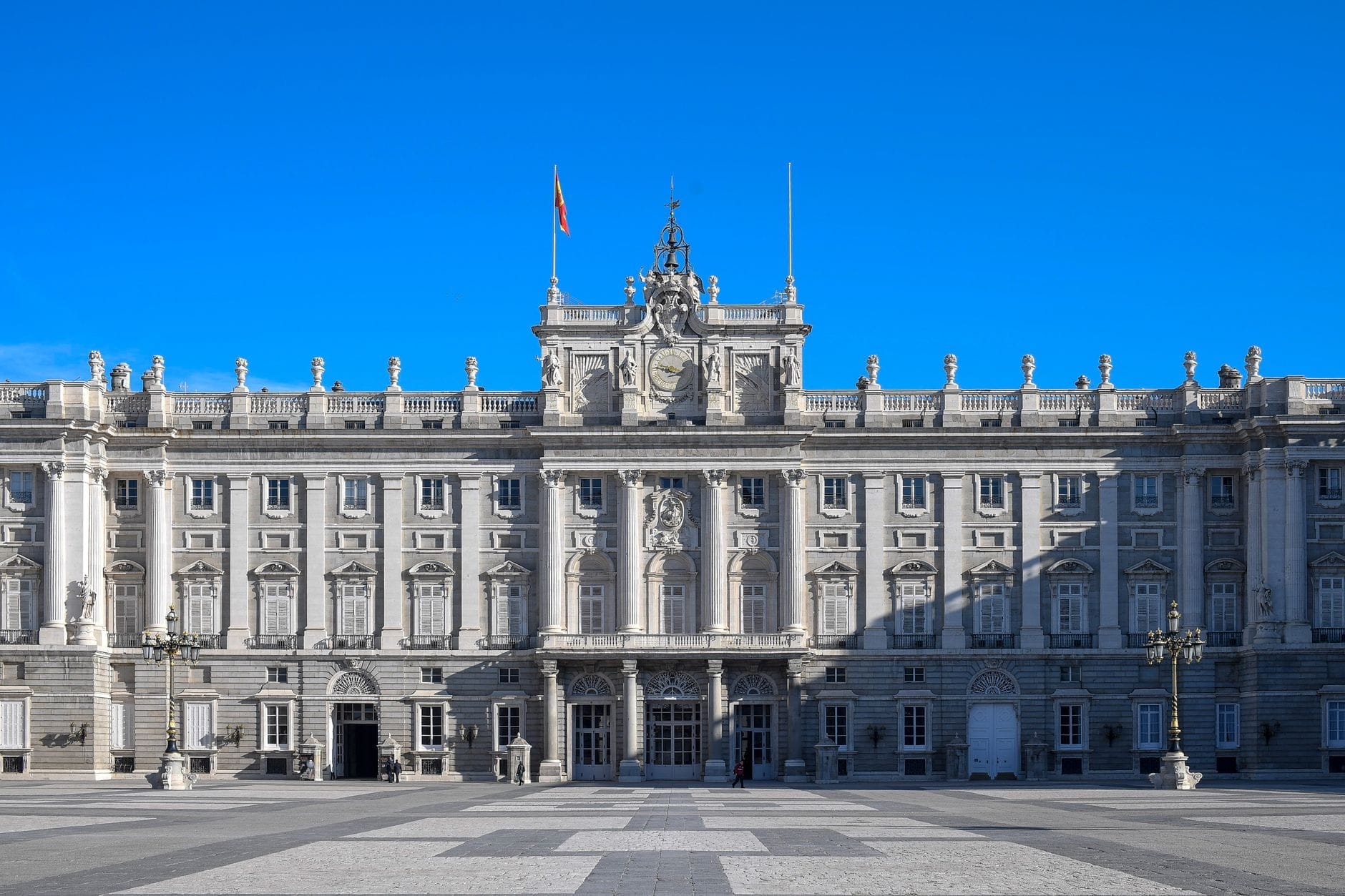
10. Visit the Royal Palace to Understand the Sierra's Royal History
The Bourbon kings who built this 3,418-room palace also hunted in the Guadarrama and commissioned the roads that now carry hikers to the passes. The palace's western terrace faces toward the mountains and gives a strong sense of how the sierra dominated royal Madrid.
Explore10. Visit the Royal Palace to Understand the Sierra's Royal History
The Bourbon kings who built this 3,418-room palace also hunted in the Guadarrama and commissioned the roads that now carry hikers to the passes. The palace's western terrace faces toward the mountains and gives a strong sense of how the sierra dominated royal Madrid.
Explore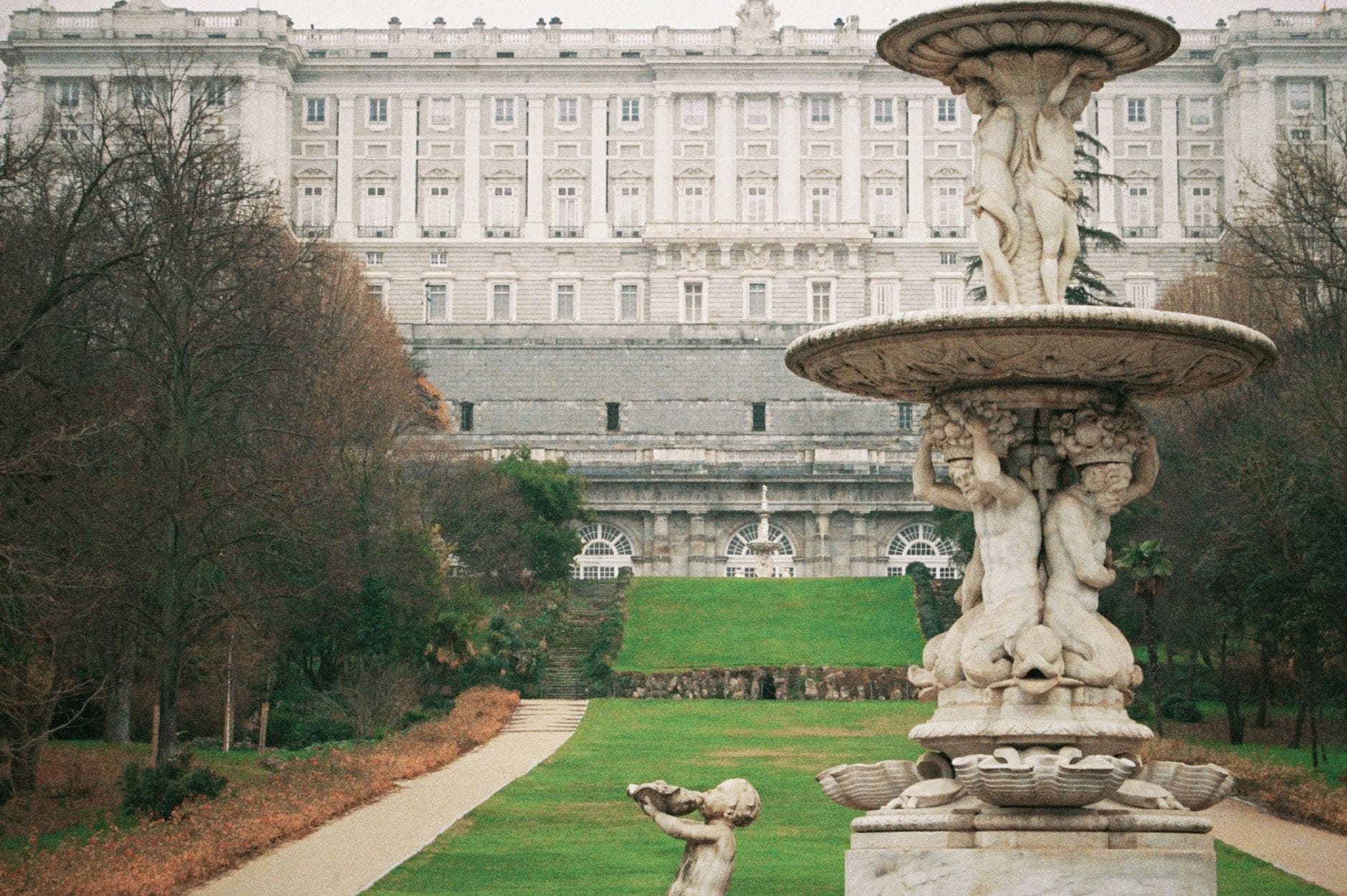
11. Walk the Campo del Moro for a View Toward the Sierra de Guadarrama
This English-style landscape garden below the Royal Palace looks northwest toward the Manzanares valley and, on clear days, toward the Sierra de Guadarrama. It's one of Madrid's quietest green spaces and a pleasant pre-hike evening walk.
Explore11. Walk the Campo del Moro for a View Toward the Sierra de Guadarrama
This English-style landscape garden below the Royal Palace looks northwest toward the Manzanares valley and, on clear days, toward the Sierra de Guadarrama. It's one of Madrid's quietest green spaces and a pleasant pre-hike evening walk.
Explore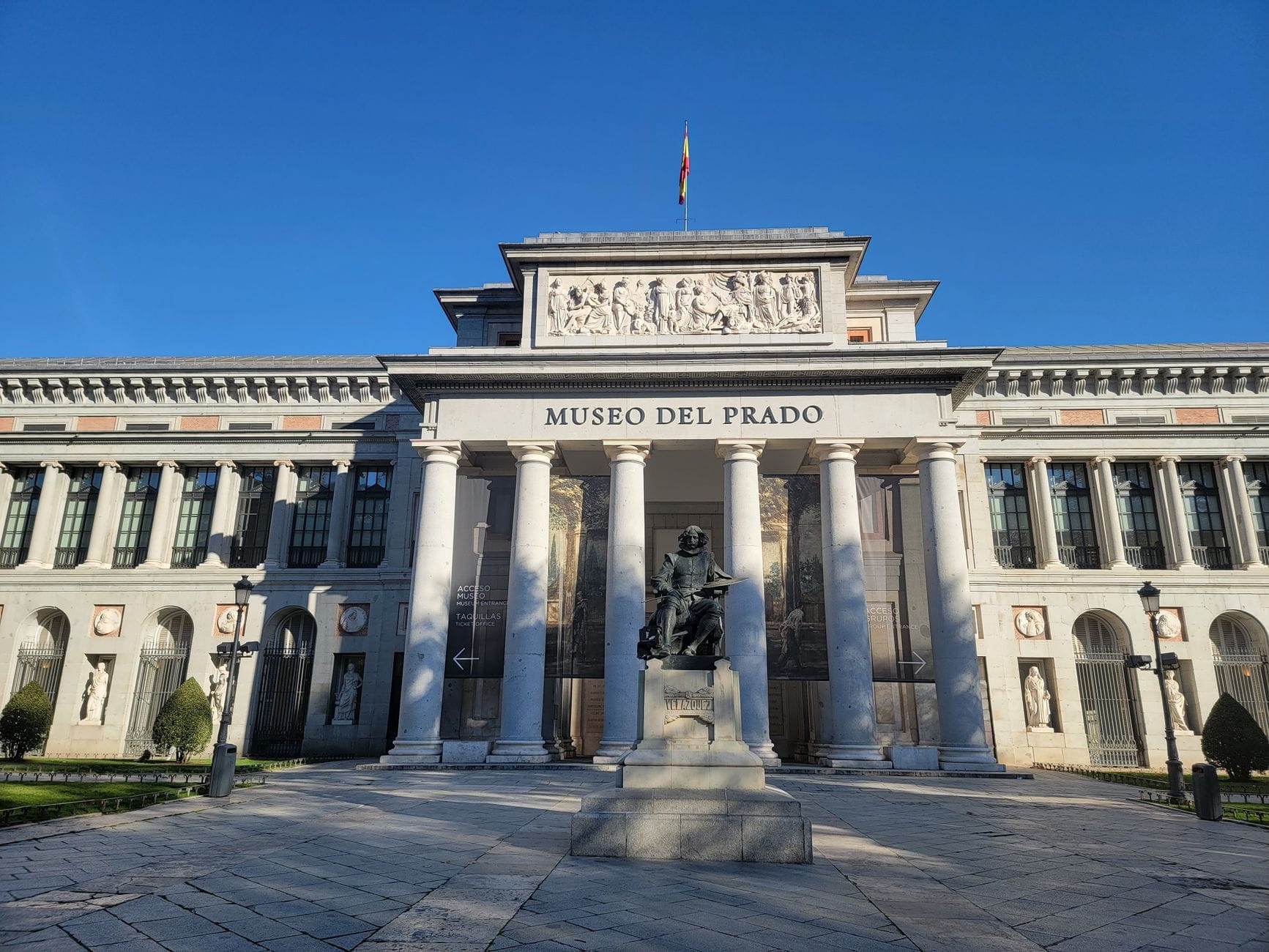
12. See Guadarrama Landscapes in Spanish Painting at the Prado
Spanish painters, especially the Generation of 98 associated with the Castilian landscape, depicted the Sierra de Guadarrama repeatedly. The Prado's collection gives historical depth to the scenery you'll hike through, with Velázquez's sierra backgrounds particularly notable.
Explore12. See Guadarrama Landscapes in Spanish Painting at the Prado
Spanish painters, especially the Generation of 98 associated with the Castilian landscape, depicted the Sierra de Guadarrama repeatedly. The Prado's collection gives historical depth to the scenery you'll hike through, with Velázquez's sierra backgrounds particularly notable.
Explore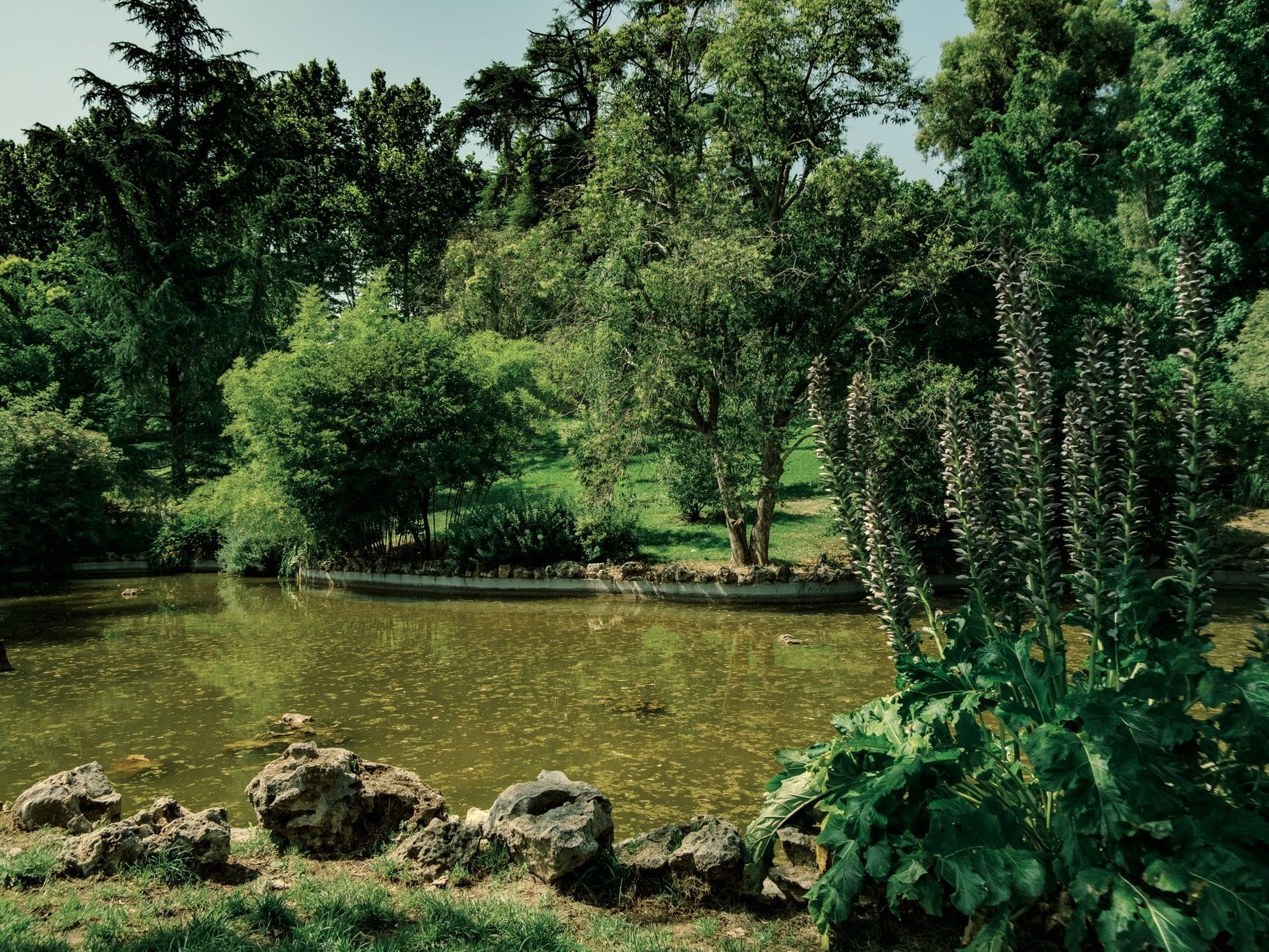
13. Learn the Flora You'll Encounter on Trails at the Botanical Garden
The 18th-century botanical garden adjacent to the Prado contains many of the plant species found in the Guadarrama: Scots pine, rockrose, lavender, and mountain wildflowers. An hour here helps you identify what you'll see on the trails.
Explore13. Learn the Flora You'll Encounter on Trails at the Botanical Garden
The 18th-century botanical garden adjacent to the Prado contains many of the plant species found in the Guadarrama: Scots pine, rockrose, lavender, and mountain wildflowers. An hour here helps you identify what you'll see on the trails.
ExploreAfter the Hike: Recovery and Reward in the City
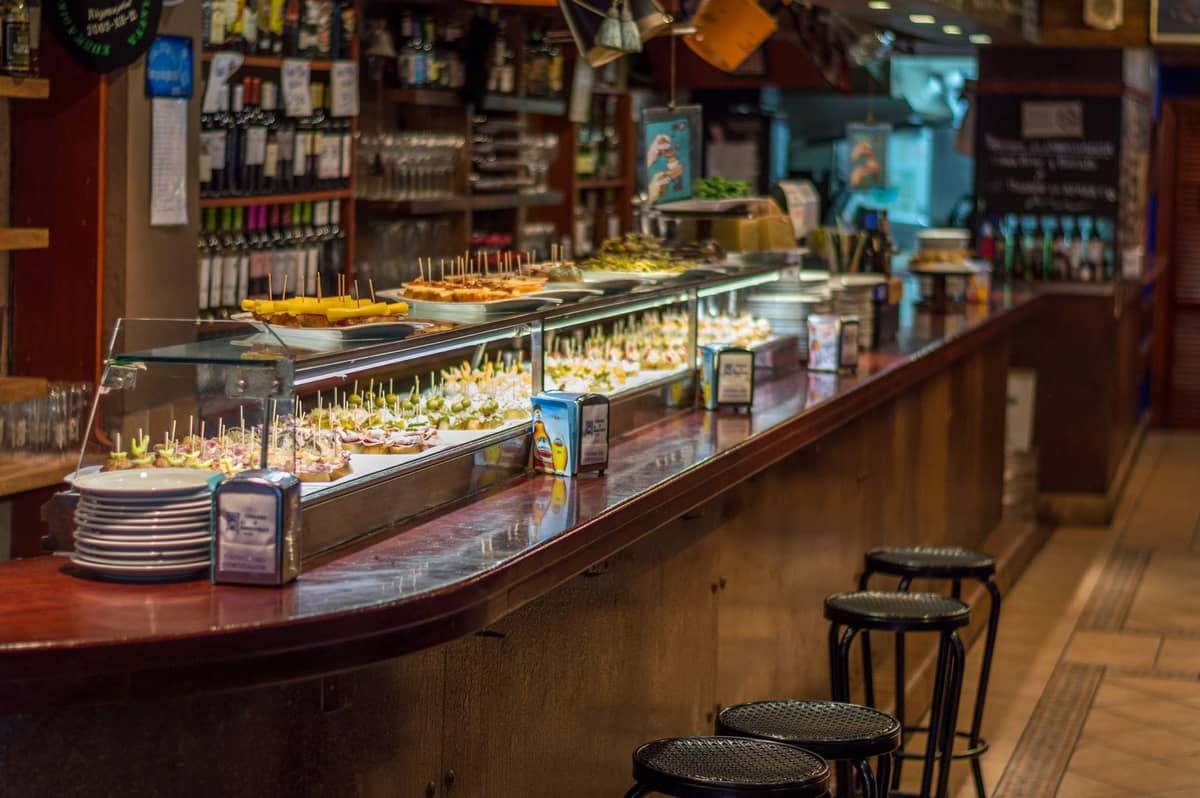
After a long day in the mountains, Madrid's food culture provides one of the best possible recoveries. The city's late dining culture means you can return from the sierra in the early evening and still eat well at a proper hour. La Latina is the natural destination for post-hike eating, with traditional tabernas serving hearty Madrid classics like cocido madrileño and grilled meats that make sense after a day on exposed ridgelines.
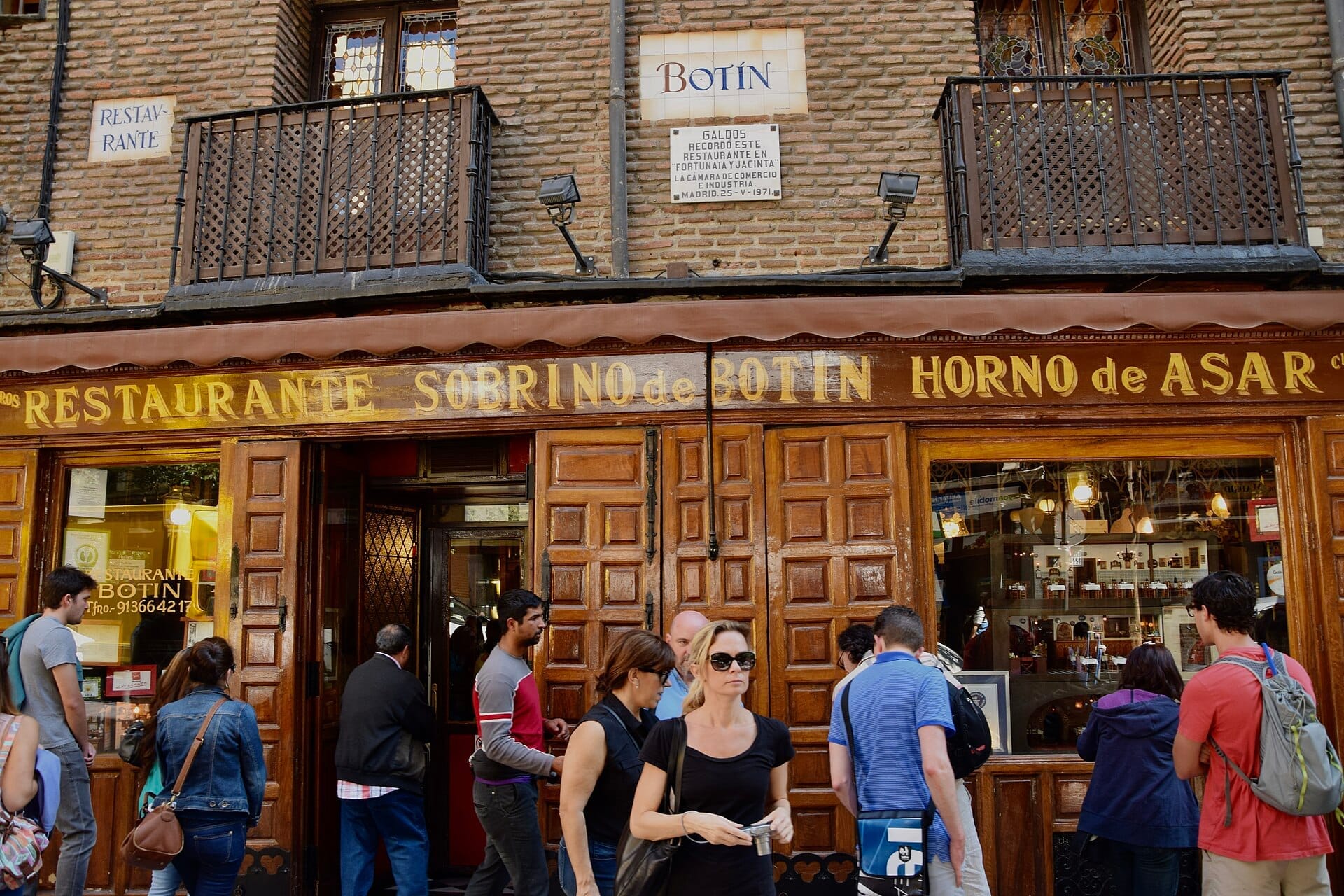
14. Restore with Roast Lamb at the World's Oldest Restaurant
After a hard sierra day, Botín's wood-fired cochinillo or cordero asado near Plaza Mayor delivers the calorie reset you need. The restaurant has operated since 1725 and is worth the splurge after a demanding mountain route. Book ahead.
Explore14. Restore with Roast Lamb at the World's Oldest Restaurant
After a hard sierra day, Botín's wood-fired cochinillo or cordero asado near Plaza Mayor delivers the calorie reset you need. The restaurant has operated since 1725 and is worth the splurge after a demanding mountain route. Book ahead.
Explore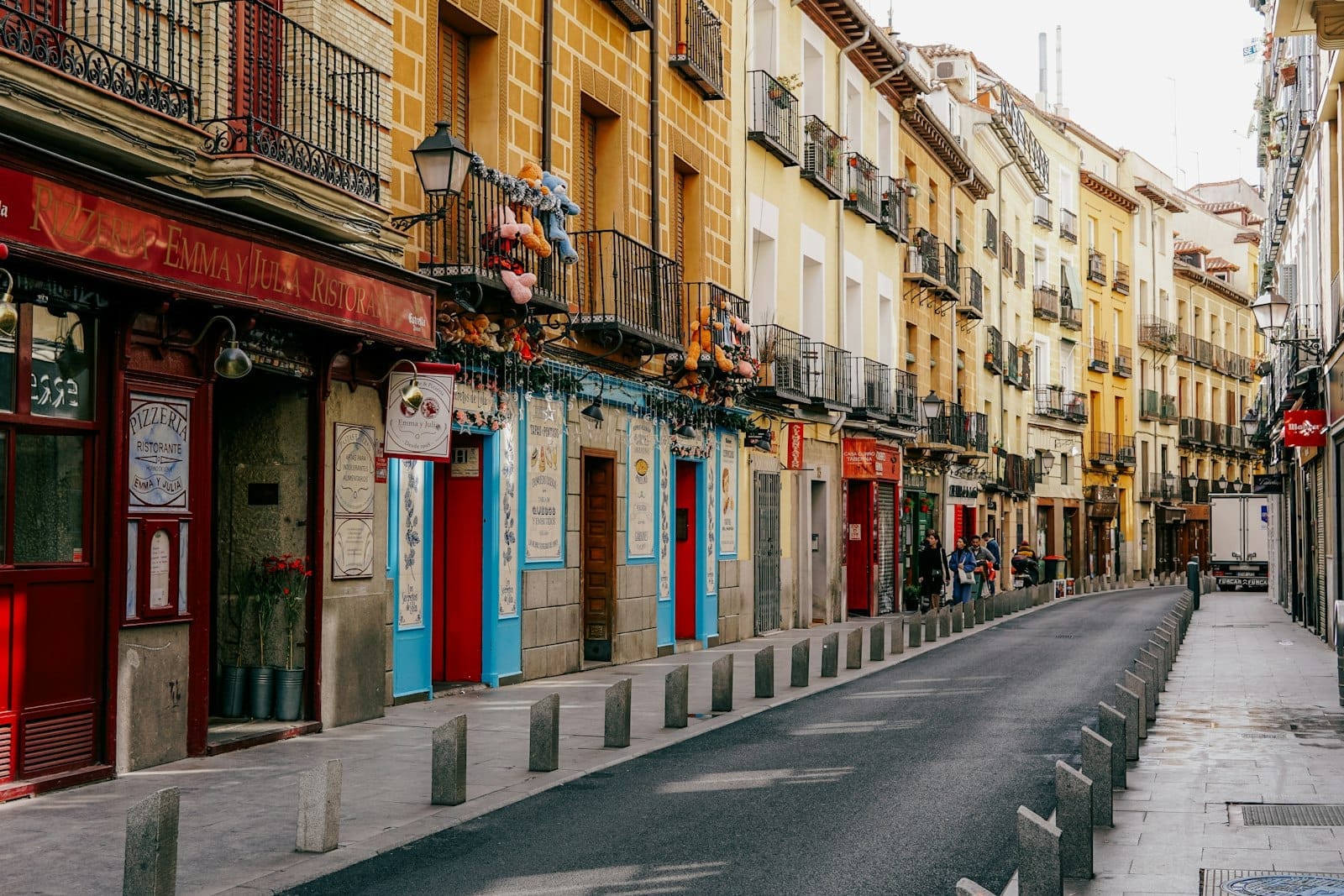
15. Refuel with Tapas and Wine on La Latina's Famous Tapas Street
Cava Baja's row of traditional tabernas in La Latina is the best street in Madrid for a post-hike evening: cold beer, patatas bravas, jamón, and hearty Madrid stews in atmospheric medieval surroundings. Arrive by 8pm to find a seat.
Explore15. Refuel with Tapas and Wine on La Latina's Famous Tapas Street
Cava Baja's row of traditional tabernas in La Latina is the best street in Madrid for a post-hike evening: cold beer, patatas bravas, jamón, and hearty Madrid stews in atmospheric medieval surroundings. Arrive by 8pm to find a seat.
Explore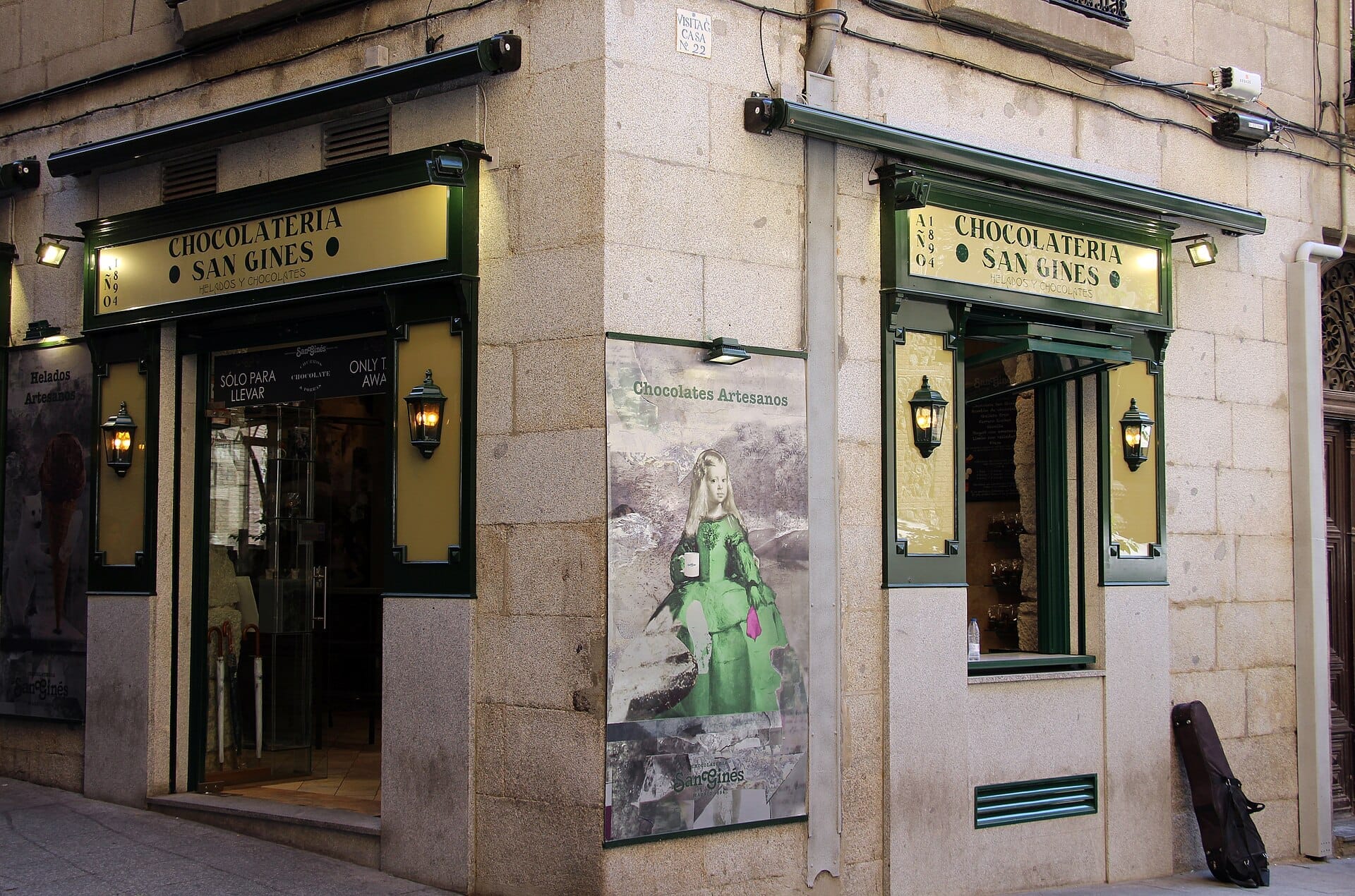
16. End Your Mountain Day with Churros con Chocolate at San Ginés
Few things pair better with tired legs than San Ginés churros and thick hot chocolate. This historic café near Sol has served hikers, workers, and night owls since 1894. It's open through the night, so it works whenever you get back to the city.
Explore16. End Your Mountain Day with Churros con Chocolate at San Ginés
Few things pair better with tired legs than San Ginés churros and thick hot chocolate. This historic café near Sol has served hikers, workers, and night owls since 1894. It's open through the night, so it works whenever you get back to the city.
Explore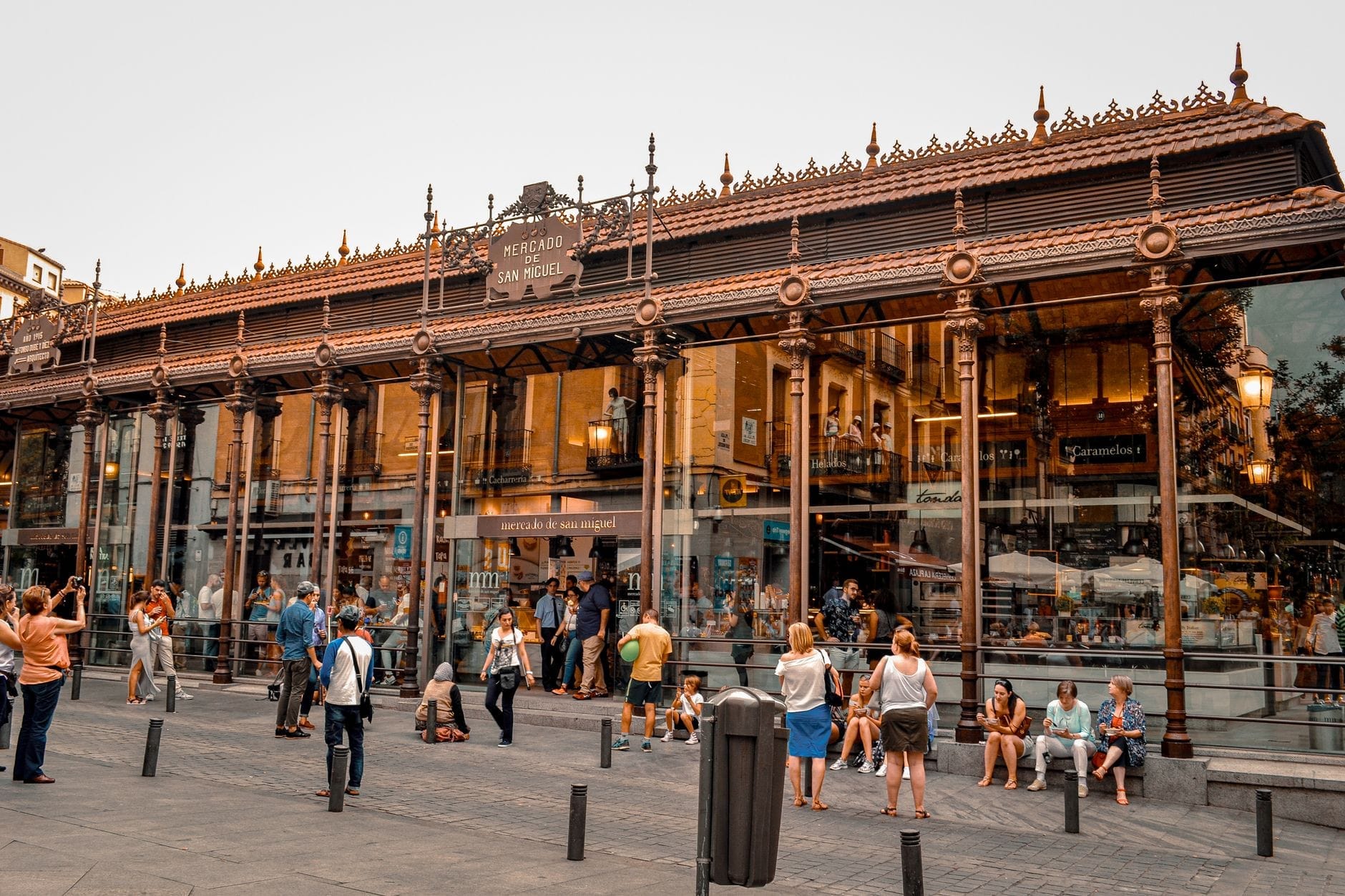
17. Graze Your Way Through the Mercado de San Miguel
This 1916 iron-and-glass market near Plaza Mayor is ideal for informal post-hike grazing: pintxos, seafood, jamón, vermouth, and wine at standing counters. It gets crowded after 7pm, so arrive earlier if you've returned from the mountains by late afternoon.
Explore17. Graze Your Way Through the Mercado de San Miguel
This 1916 iron-and-glass market near Plaza Mayor is ideal for informal post-hike grazing: pintxos, seafood, jamón, vermouth, and wine at standing counters. It gets crowded after 7pm, so arrive earlier if you've returned from the mountains by late afternoon.
ExploreFAQ
How do I get to the Sierra de Guadarrama from Madrid without a car?
Cercanías Line C-8 from Atocha or Chamartín reaches Cercedilla with regular service, where you can connect to the C-9 mountain line for Puerto de Navacerrada and Cotos. Bus 724 from Plaza de Castilla goes to Manzanares el Real in about an hour, the main gateway for La Pedriza. Always check current timetables on the Renfe website before traveling, especially on public holidays.
What is the best time of year to hike in the Sierra de Guadarrama?
April to June and September to October offer the most comfortable conditions: moderate temperatures, wildflowers in spring, and clear skies in autumn. Summer hiking is possible but hot on exposed ridges. Winter requires crampons and appropriate gear for higher routes like Siete Picos or Peñalara.
Are there guided hiking day trips from Madrid to the Sierra de Guadarrama?
Yes. Guided tours with round-trip transport from central Madrid are available through platforms like GetYourGuide and Tripadvisor. These typically include a guide, transport, and sometimes equipment. They're a practical option if you don't want to navigate transport and trailheads independently.
How difficult are the hiking trails in the Sierra de Guadarrama?
The range offers routes for all levels. Easy valley walks around Cercedilla and Fuenfría suit beginners and families. Siete Picos and La Pedriza involve more elevation gain and rough terrain. The summit of Peñalara (2,428 m) is the highest point and requires a full day and good fitness in any season.
What should I bring on a day hike in the Sierra de Guadarrama?
Carry at least 2 liters of water, sun protection, layers for wind and temperature drops at altitude, and solid footwear. In winter, trekking poles and microspikes or crampons are often essential on higher routes. Download an offline trail map before you go, as signal can be unreliable in the national park.