Real Monasterio de la Encarnación: Madrid's Overlooked Royal Monastery
Founded in 1611 at the initiative of Queen Margarita de Austria-Estiria, wife of King Felipe III, and managed by Patrimonio Nacional, the Real Monasterio de la Encarnación holds an important collection of 17th-century devotional art and relics. It sits just steps from the Royal Palace, yet draws a fraction of its crowds.
Quick Facts
- Location
- Plaza de la Encarnación 1, 28013 Madrid (Palacio–Centro)
- Getting There
- Ópera (Lines 2, 5, Ramal Ópera–Príncipe Pío) or Plaza de España (Lines 3, 10)
- Time Needed
- Around 50 minutes (guided tour only)
- Cost
- €9 general; free Wed & Thu 16:00–18:30
- Best for
- Art history lovers, Habsburg-era enthusiasts, budget visitors on free afternoons
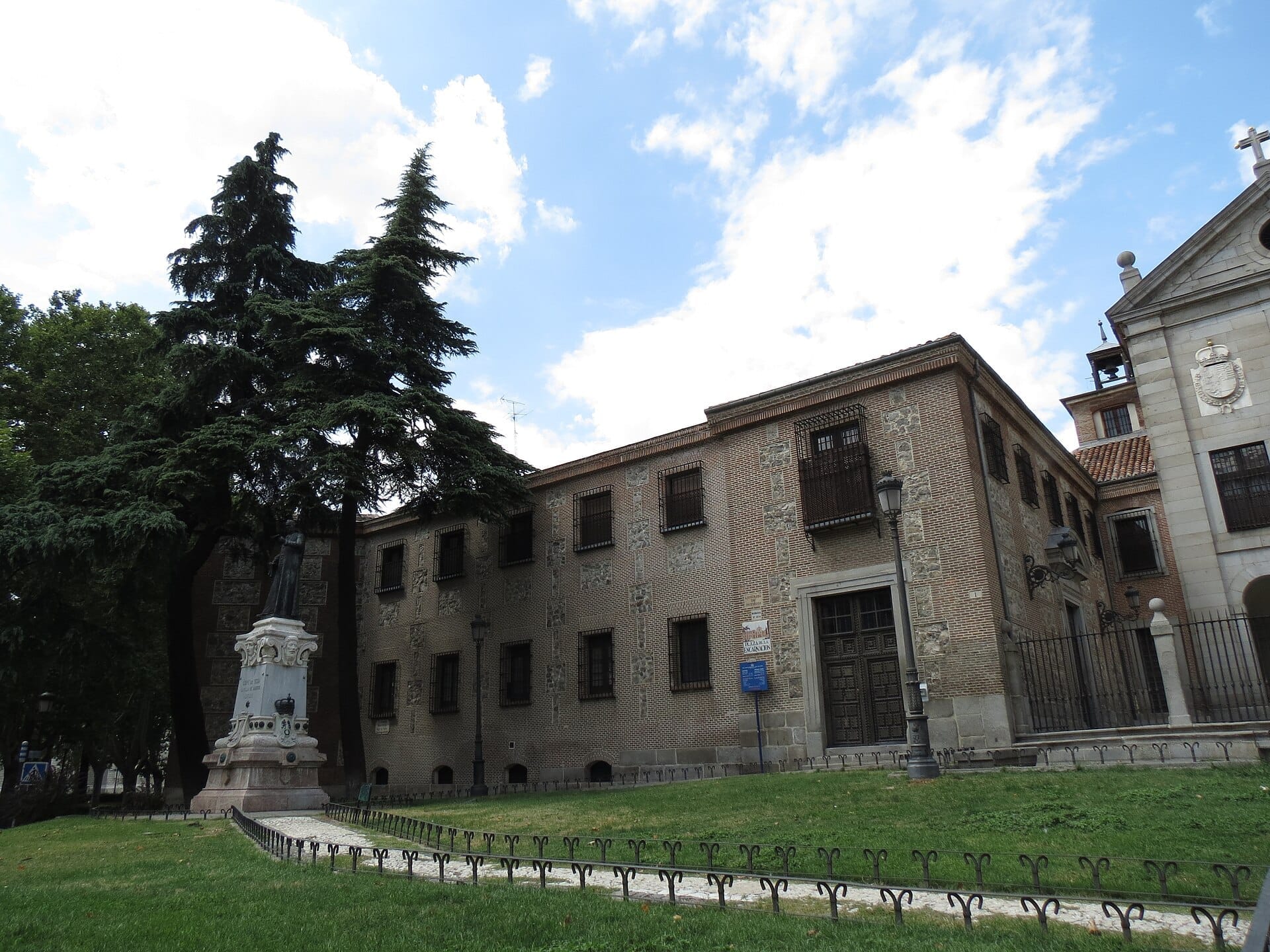
What the Real Monasterio de la Encarnación Actually Is
The Real Monasterio de la Encarnación is a working Augustinian Recollect convent and royal monument in the heart of old Madrid. It was founded in 1611 by King Felipe III and his queen, Margarita de Austria-Estiria, at her initiative as a place of prayer, dynastic prestige, and royal retreat. The building was completed by 1616 under the direction of architects Juan Gómez de Mora and Fray Alberto de la Madre de Dios, two defining figures of the austere Madrid Baroque style that also shaped the Plaza Mayor.
Unlike the Prado or the Reina Sofía, this is not a secular museum. Augustinian nuns still live in a cloistered section of the complex. The areas open to visitors are managed by Patrimonio Nacional, the body responsible for Spain's royal heritage sites, and every visit is guided. That structure shapes the experience: you move at the group's pace, through rooms that feel less like display halls and more like interrupted private spaces.
The monastery sits on Plaza de la Encarnación, a quiet square between the Royal Palace of Madrid and the Teatro Real. Tourists flood both of those landmarks daily, yet the monastery's own square stays calm. The contrast makes it one of the more peaceful places to start a morning in central Madrid.
The Architecture: Two Centuries, Two Styles
The exterior of the monastery reads as restrained Herrerian Baroque: granite-framed windows, ochre plasterwork, and a plain façade that signals contemplative rather than courtly intention. Gómez de Mora, who also designed the Plaza Mayor a year earlier, brought the same logic of functional severity to this commission. The result is a building that looks modest from the square but opens into surprising depth once you step through the entrance.
Inside, the most significant architectural shift happened over a century after the original construction. Between 1755 and 1775, Ventura Rodríguez, one of the leading architects of the Spanish Enlightenment, redesigned the church interior in a neoclassical style. The contrast between the 17th-century structural shell and Rodríguez's interior language, with its clean pilasters and restrained ornament, gives the church an unusual layered quality that rewards close attention.
💡 Local tip
The monastery was declared a Bien de Interés Cultural (protected heritage site) in 1984. Visits are always guided, and the guide sets the pace. Arrive at least 10 minutes before your slot — late arrivals may not be admitted to an ongoing tour.
Tickets & tours
Hand-picked options from our booking partner. Prices are indicative; availability and final rates are confirmed when you complete your booking.
Monasterio de las Descalzas Reales guided tour
From 13 €Instant confirmationMonasterio de las Descalzas tickets and guided tour
From 19 €Instant confirmationFree cancellationFlexible time Real Madrid: Bernabeu Stadium & Museum Entry
From 42 €Instant confirmationMonastery of La Encarnacion guided tour
From 13 €Instant confirmation
The Collection: Art and Relics in the Same Room
The monastery's holdings span two very different categories: devotional art from the 17th century and a relic collection that is, by any measure, extraordinary. The painting collection includes works attributed to artists active in Madrid during the reigns of Felipe III and Felipe IV, including portraits, religious scenes, and devotional images that were commissioned specifically for the monastery's spaces. Many pieces have never left these walls.
The relic room is the detail that most visitors remember and that most guidebooks underplay. The monastery holds a notably large collection of Catholic relics in Spain, including reliquaries in silver, gilt copper, and rock crystal that date from the 16th to 18th centuries. The centrepiece, which draws particular attention on the feast day of San Pantaleón (July 27), is a vial said to contain the saint's dried blood, which reportedly liquefies on that specific date each year. Whether you approach this as theology, folklore, or material culture, the room itself is visually dense and unlike anything else in Madrid.
The sacristy and cloister areas also hold carved wooden sculptures, liturgical silverwork, and tapestries that reflect the Habsburg taste for devotional luxury. The overall impression is not of museum curation but of accumulated religious life, objects that were used rather than displayed.
Visiting: Times, Crowds, and What to Expect
Opening hours follow a split-day structure on weekdays: Tuesday through Saturday, the monastery opens 10:00 to 14:00, then again 16:00 to 18:30, with last admission one hour before closing (13:00 and 17:30 respectively). On Sundays and public holidays, it opens 10:00 to 15:00 (last admission 14:00). The monastery is closed every Monday.
The late afternoon session on Wednesdays and Thursdays is free of charge, which makes it the busiest slot of the week. If your priority is space and quiet, go on a Tuesday or Saturday morning. The 10:00 opening tends to draw mostly history-focused visitors rather than tourists ticking off highlights, and the guided group at that hour is typically small. Midday can bring school groups, particularly in spring.
General admission is €9. The free sessions run Wednesday and Thursday from 16:00 to 18:30. Advance booking is recommended during busy seasons. Check the Patrimonio Nacional site before visiting, as hours and pricing are periodically updated. Visitors exploring the wider historic core can combine a visit here with the Plaza de Oriente and the Almudena Cathedral within a single morning.
⚠️ What to skip
The monastery has a historic structure with steps and uneven surfaces, and official listings do not provide detailed accessibility information. Visitors with reduced mobility or wheelchair users should check with Patrimonio Nacional directly before planning a visit.
How the Space Feels at Different Times of Day
Morning visits in cooler months have a particular quality. The granite exterior holds the cold overnight, and the interior temperature in the church drops noticeably compared to the street. Bring a light layer even in spring or early autumn. The narrow corridors of the cloister are dimly lit by design, and the shift from the bright square outside into that interior light takes a moment to adjust to.
During the free afternoon sessions, the group composition shifts. You'll likely share the tour with locals, students, and families alongside tourists, and the atmosphere is slightly less reverential. Guides cover the same route and material, but the questions tend to range more widely. The late light through the cloister windows in the 17:00 slot can be quite striking in autumn.
The square outside the monastery, Plaza de la Encarnación, is worth a few minutes at any time. It connects naturally to the pedestrian routes toward the Royal Palace and to Calle del Arenal below. In the early morning, before the larger attractions open, this corner of central Madrid is nearly empty, and the façade reads clearly without tour group noise.
Worth Your Time?
The Real Monasterio de la Encarnación is not a blockbuster attraction, and it doesn't try to be. If you are primarily interested in contemporary art, Spanish modernism, or large exhibition-style museums, this is not the right stop. The guided-only format means you have no freedom to linger or double back, and if the guide moves through a room quickly, you may not get enough time with the pieces that interest you most.
For visitors with a genuine interest in Habsburg history, Spanish Baroque architecture, or the material culture of Catholic devotion, the monastery delivers at a level well above its profile. It belongs alongside the Real Monasterio de las Descalzas Reales as one of Madrid's two surviving royal convents open to the public, and the two are worth comparing directly: the Descalzas is richer in tapestries and painting, while the Encarnación's relic collection is the more distinctive holding.
Both monasteries are covered in various Madrid churches and religious sites guides, but they tend to be listed without the detail their collections deserve. Budget roughly 90 minutes for the visit itself, plus travel time. The location is central enough that it fits naturally into a broader morning in the historic core.
Insider Tips
- Book tickets in advance through the Patrimonio Nacional website, especially for weekend morning slots in spring (April–May) and autumn (September–October) when guided groups fill quickly.
- The feast day of San Pantaleón falls on July 27. If you are in Madrid that day and interested in the relic room's central curiosity — the vial of blood said to liquefy on that date — this is an unusual reason to time a visit.
- The free entry sessions on Wednesday and Thursday afternoons are worth using if crowds don't bother you. Arrive close to 16:00 rather than later; the last admission is 17:30 and the final tour slot can fill.
- The monastery is a short walk from the Ópera metro exit, but the approach from Plaza de Oriente (coming from the Royal Palace side) gives you the best sense of the historic urban sequence: palace, garden, monastery.
- Photography policies inside the monastery can vary by tour and guide. Ask your guide at the start of the tour rather than at a specific artwork — it avoids interrupting the flow and sets clear expectations early.
Who Is Real Monasterio de la Encarnación For?
- Habsburg history and Spanish Golden Age art enthusiasts
- Visitors wanting a quieter, less-crowded alternative to the major royal sites
- Budget travellers using the free Wednesday and Thursday afternoon sessions
- Travellers combining the monastery with the Royal Palace and Teatro Real on a single morning
- Anyone interested in Catholic material culture, reliquaries, and devotional art
Nearby Attractions
Other things to see while in Sol & Centro:
- Catedral de la Almudena
The Almudena Cathedral took more than a century from the laying of its foundation stone to its consecration in 1993, making it one of Europe's newest major cathedrals. Free to enter and directly opposite the Royal Palace, it rewards visitors who look beyond its mismatched facade to discover a surprisingly bold and colorful interior.
- Campo del Moro Gardens
The Jardines del Campo del Moro spread across more than 20 hectares directly behind the Royal Palace, offering one of the most dramatic views of the Palacio Real in Madrid. Admission is free, crowds are thin compared to the palace itself, and the romantic English-style landscape feels worlds away from the city streets above.
- Círculo de Bellas Artes
Few buildings in central Madrid earn attention on multiple levels at once. The Círculo de Bellas Artes delivers: a landmark Palacios-designed tower within the Paisaje de la Luz UNESCO World Heritage area with a rooftop terrace above the Gran Vía skyline, rotating art exhibitions, and one of the city's most atmospheric cafés. Entry to the building and La Pecera café is free; the rooftop, exhibitions, and combined tickets have separate fees starting from around €6.
- Edificio Metrópolis
Standing at the junction of Calle de Alcalá and Gran Vía, the Edificio Metrópolis is Madrid's most iconic piece of Belle Époque architecture. Its slate dome, gilded detailing, and winged Victory statue make it a landmark that rewards careful observation, even though the building itself is not a public museum. Here is everything you need to know before you go.