Best Churches & Religious Sites in Madrid
Madrid's religious heritage goes far deeper than its famous cathedral. The city holds royal convents still inhabited by nuns, a basilica with one of the world's largest domes, a hermitage painted by Goya, and an Egyptian temple reconstructed in a city park. This guide covers the best of them all.
Plan and book this trip
Tools from our partner Travelpayouts help you compare flights and hotels. If you book through them, we may earn a commission at no extra cost to you.
Flights
Hotels map
Madrid's Catholic identity is woven into its urban fabric, from the grand axis formed by the Almudena Cathedral and the Royal Palace to the quiet medieval squares of La Latina where ancient parish churches anchor centuries-old neighborhoods. But this is also a city of surprises: cloistered convents hiding Spain's greatest collections of Baroque art, a neoclassical hermitage containing Goya's most intimate masterpiece, and an 18th-century royal chapel steps from the tourist crowds of Sol. Whether you have an afternoon or a full week, Madrid's religious sites reward those who look beyond the obvious.
💡 Local tip
Many Madrid churches close between roughly 13:00 and 16:00. Plan morning or late-afternoon visits. Dress modestly: covered shoulders and knees are expected at active places of worship.
The Cathedral & Major Basilicas
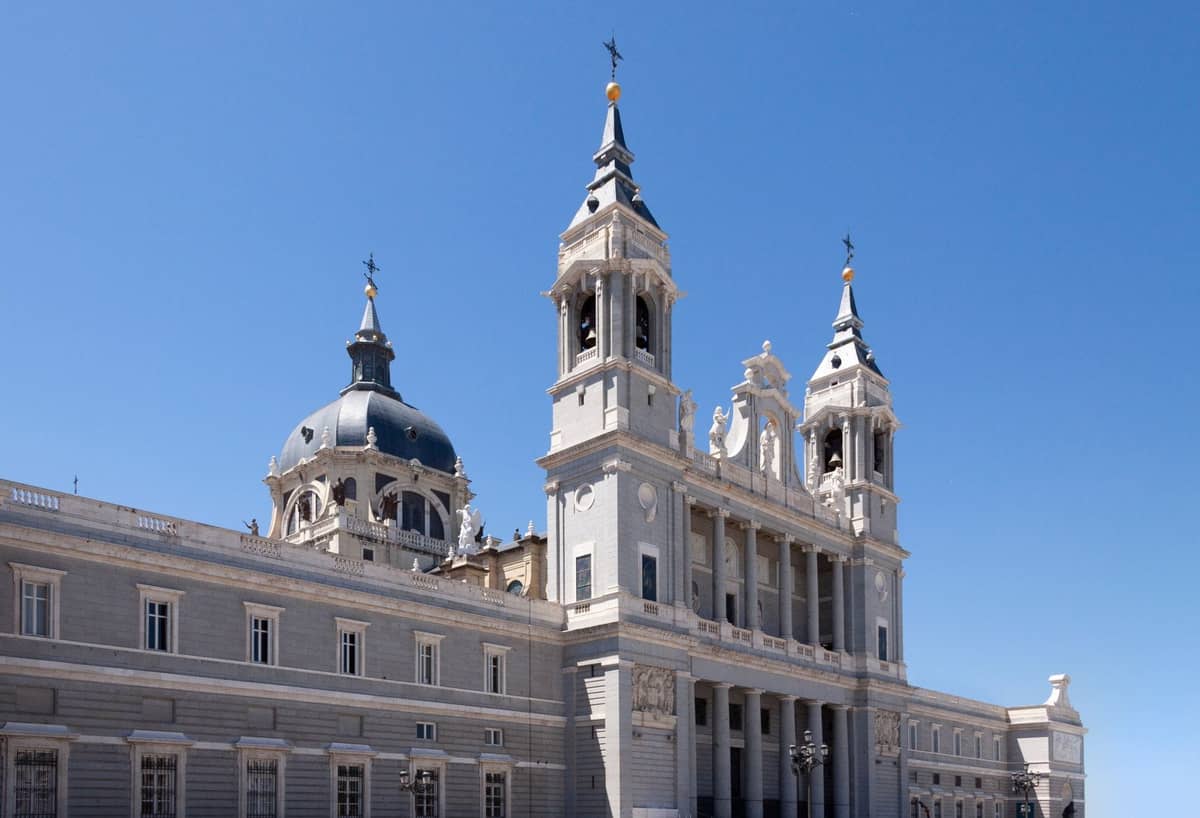
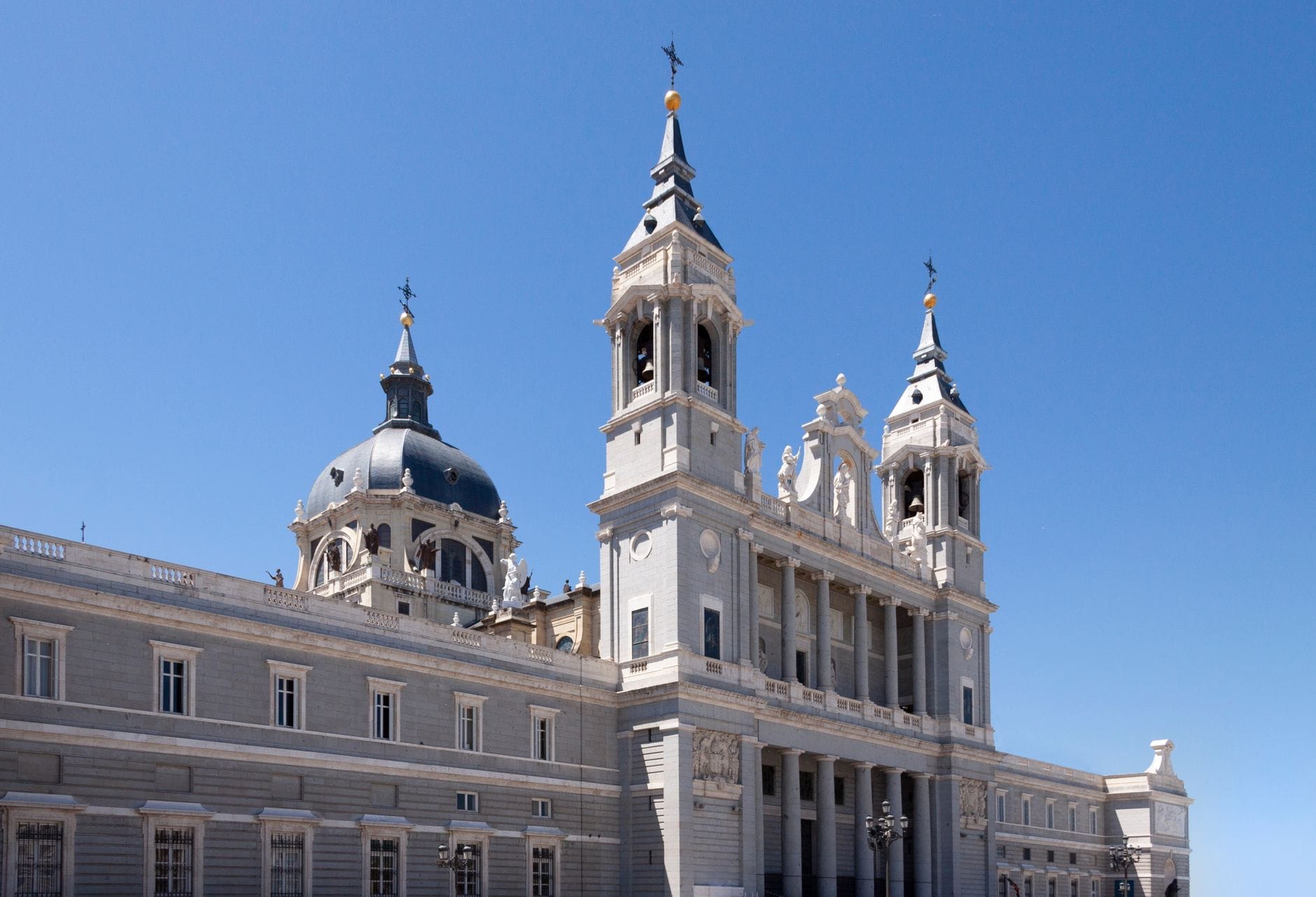
Madrid's grandest religious buildings are the natural starting point. The Almudena Cathedral and San Francisco el Grande are the city's two landmark ecclesiastical monuments, each extraordinary in scale and artistic content. For a broader view of Madrid's architectural heritage in this area, the Madrid architecture guide covers the surrounding streetscape in useful detail.
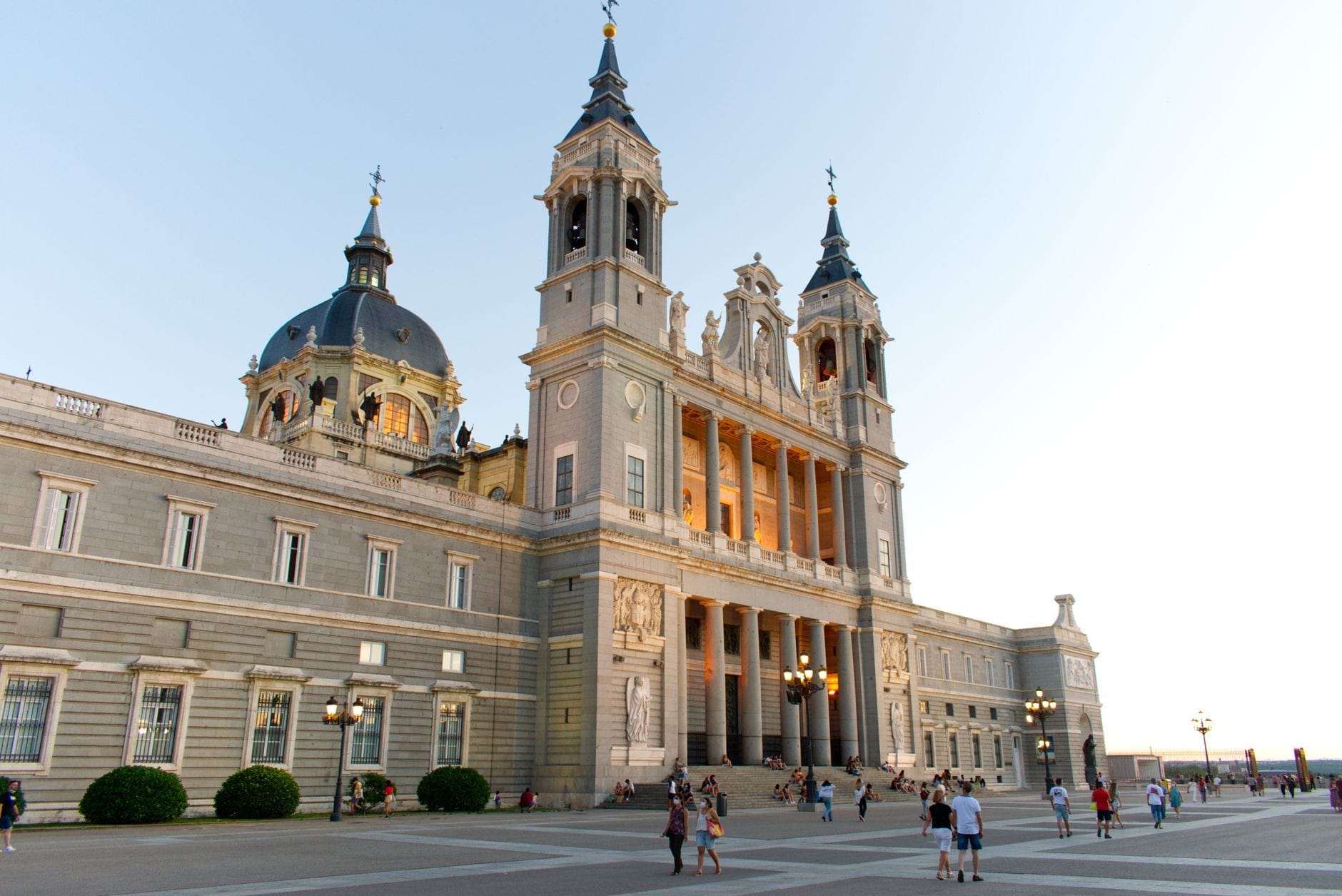
1. Stand Inside Madrid's Cathedral, Over a Century in the Making
Completed in 1993 after more than 100 years of construction, the Almudena blends neo-Gothic, neo-Romanesque, and neoclassical styles. Its position directly opposite the Royal Palace creates one of Madrid's great architectural pairings. The crypt below is free to enter.
Explore1. Stand Inside Madrid's Cathedral, Over a Century in the Making
Completed in 1993 after more than 100 years of construction, the Almudena blends neo-Gothic, neo-Romanesque, and neoclassical styles. Its position directly opposite the Royal Palace creates one of Madrid's great architectural pairings. The crypt below is free to enter.
Explore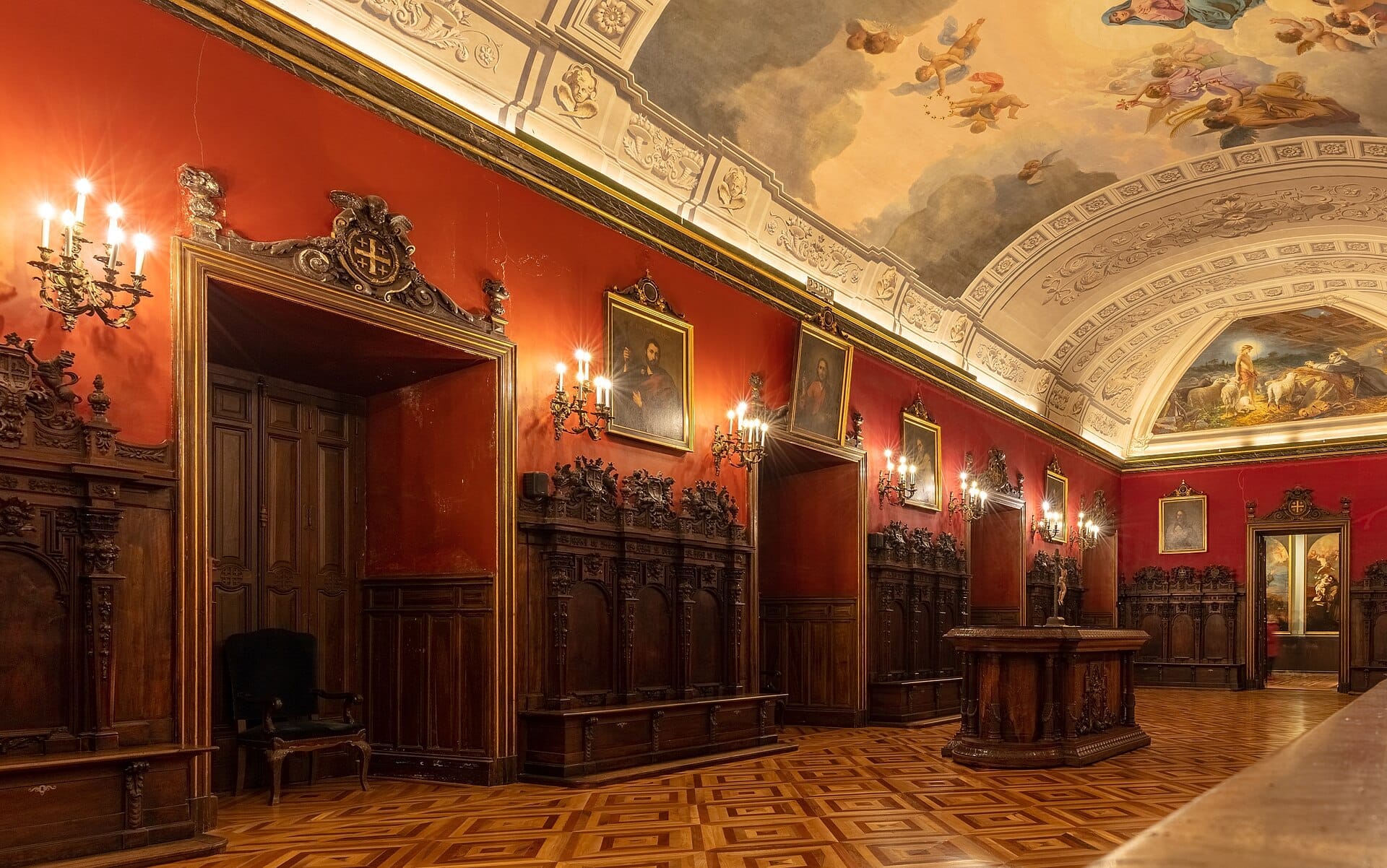
2. Marvel at One of the World's Largest Church Domes at San Francisco el Grande
This 18th-century neoclassical basilica in La Latina has a dome diameter larger than St Paul's in London. Inside, six ornate chapels contain paintings by Goya, Zurbarán, and other Spanish masters. Entry costs around €3 and visits are best on weekday mornings when it's quietest.
Explore2. Marvel at One of the World's Largest Church Domes at San Francisco el Grande
This 18th-century neoclassical basilica in La Latina has a dome diameter larger than St Paul's in London. Inside, six ornate chapels contain paintings by Goya, Zurbarán, and other Spanish masters. Entry costs around €3 and visits are best on weekday mornings when it's quietest.
ExploreRoyal Convents & Hidden Treasures
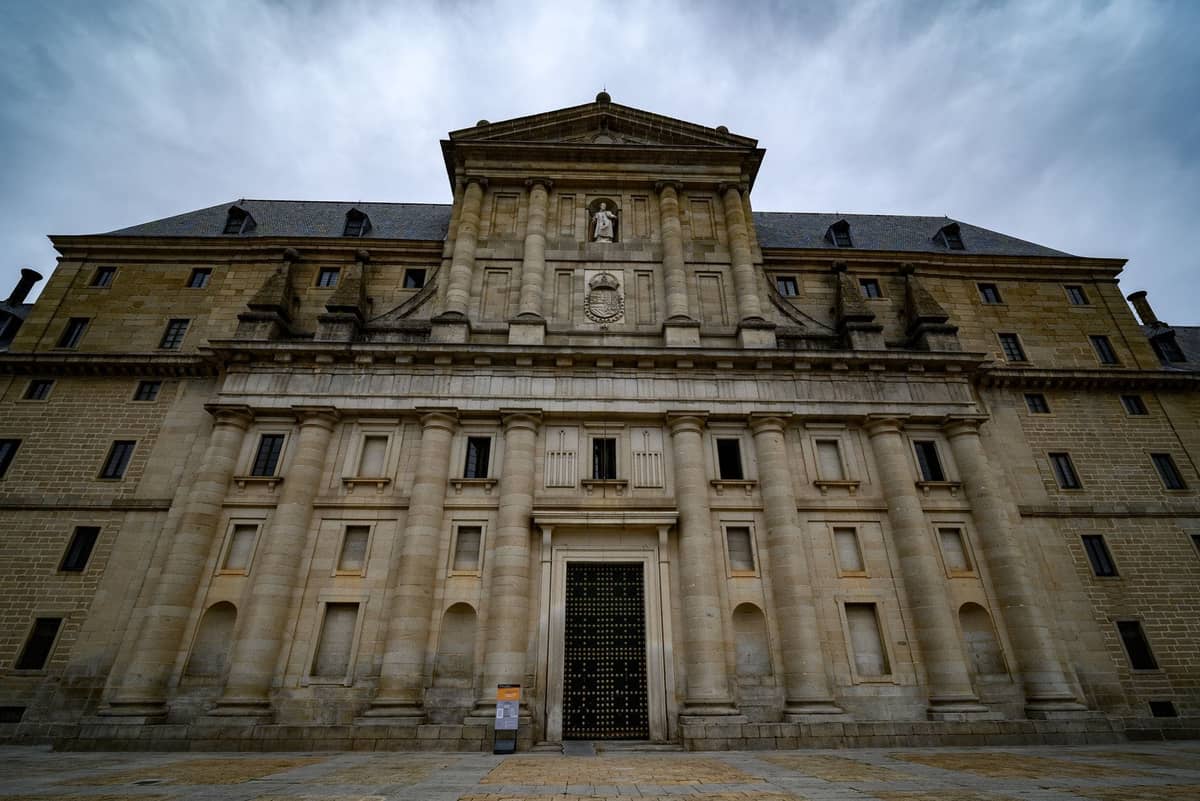
Madrid has a remarkable concentration of royal foundations, convents and monasteries patronized by the Habsburg and Bourbon dynasties over five centuries. Most tourists walk straight past them. The two Descalzas and Encarnación convents, both a short walk from Puerta del Sol, contain art collections that rival any museum in the city. If you're planning a full cultural itinerary, the best museums in Madrid guide pairs well with these sites.
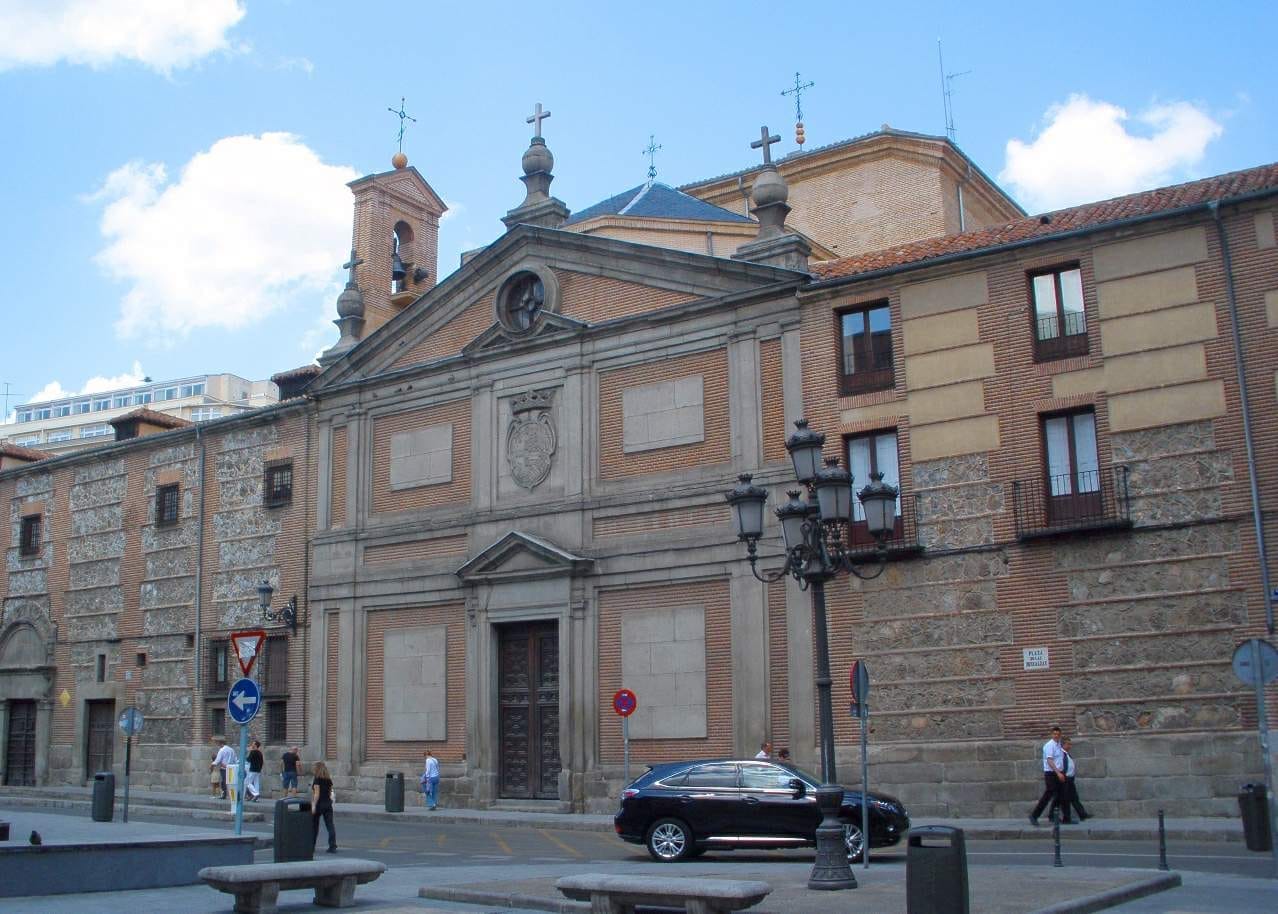
3. Explore the Monastery of the Barefoot Royals, Madrid's Most Extraordinary Hidden Treasure
A 16th-century royal convent still inhabited by Franciscan nuns, the Descalzas Reales contains staggering collections of tapestries, paintings, reliquaries, and sculptures accumulated through five centuries of royal patronage. Entry is by guided tour only; pre-booking is strongly advised.
Explore3. Explore the Monastery of the Barefoot Royals, Madrid's Most Extraordinary Hidden Treasure
A 16th-century royal convent still inhabited by Franciscan nuns, the Descalzas Reales contains staggering collections of tapestries, paintings, reliquaries, and sculptures accumulated through five centuries of royal patronage. Entry is by guided tour only; pre-booking is strongly advised.
Explore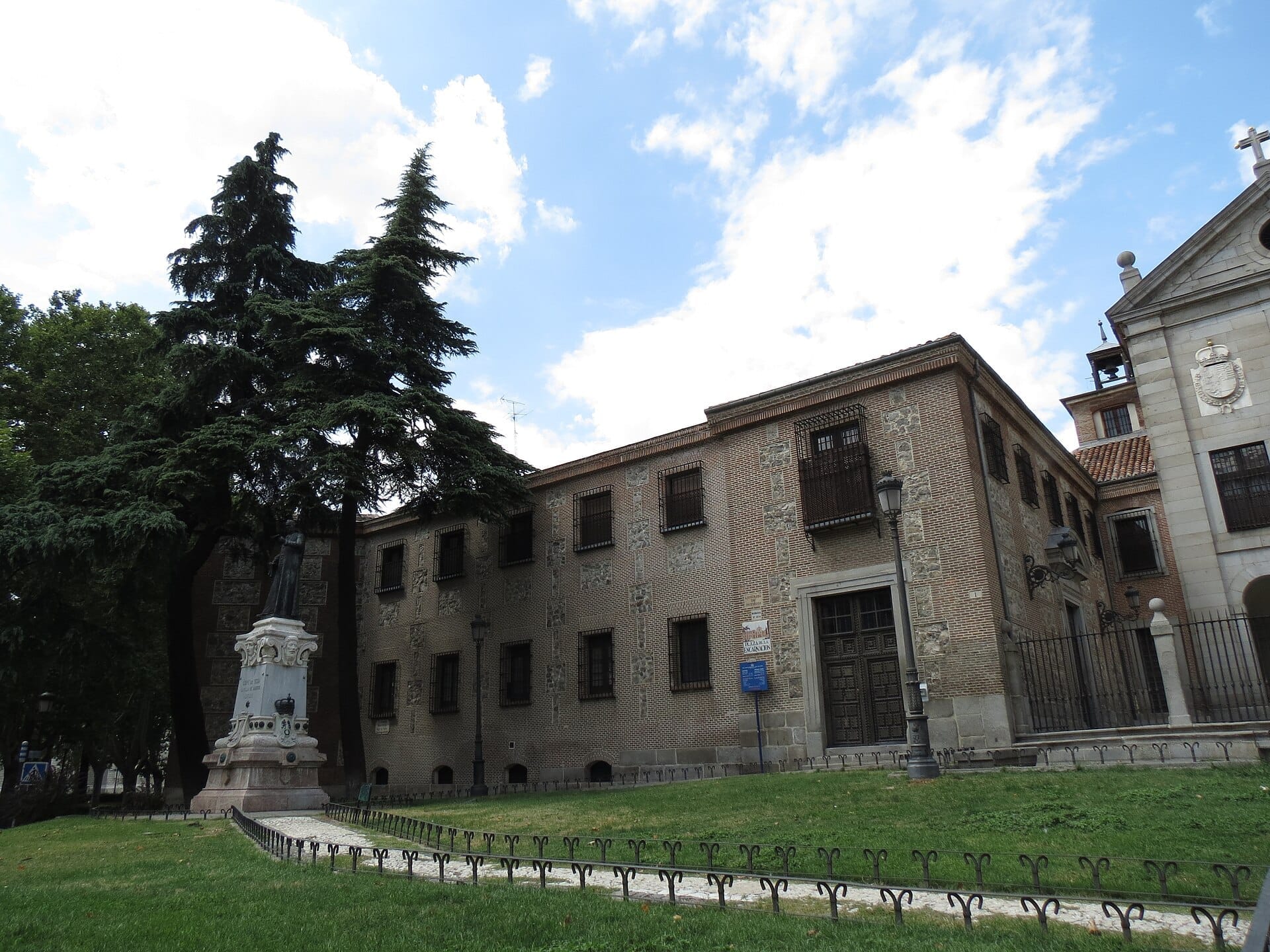
4. Discover Baroque Art and Royal Relics at the Monastery of the Incarnation
Built in 1616 by Queen Margaret of Austria, this royal convent near the Royal Palace holds one of Spain's most important Baroque art collections. Its reliquary room contains over 1,500 relics, including a vial of the blood of Saint Januarius that allegedly liquefies each September.
Explore4. Discover Baroque Art and Royal Relics at the Monastery of the Incarnation
Built in 1616 by Queen Margaret of Austria, this royal convent near the Royal Palace holds one of Spain's most important Baroque art collections. Its reliquary room contains over 1,500 relics, including a vial of the blood of Saint Januarius that allegedly liquefies each September.
ExploreGoya's Sacred Spaces
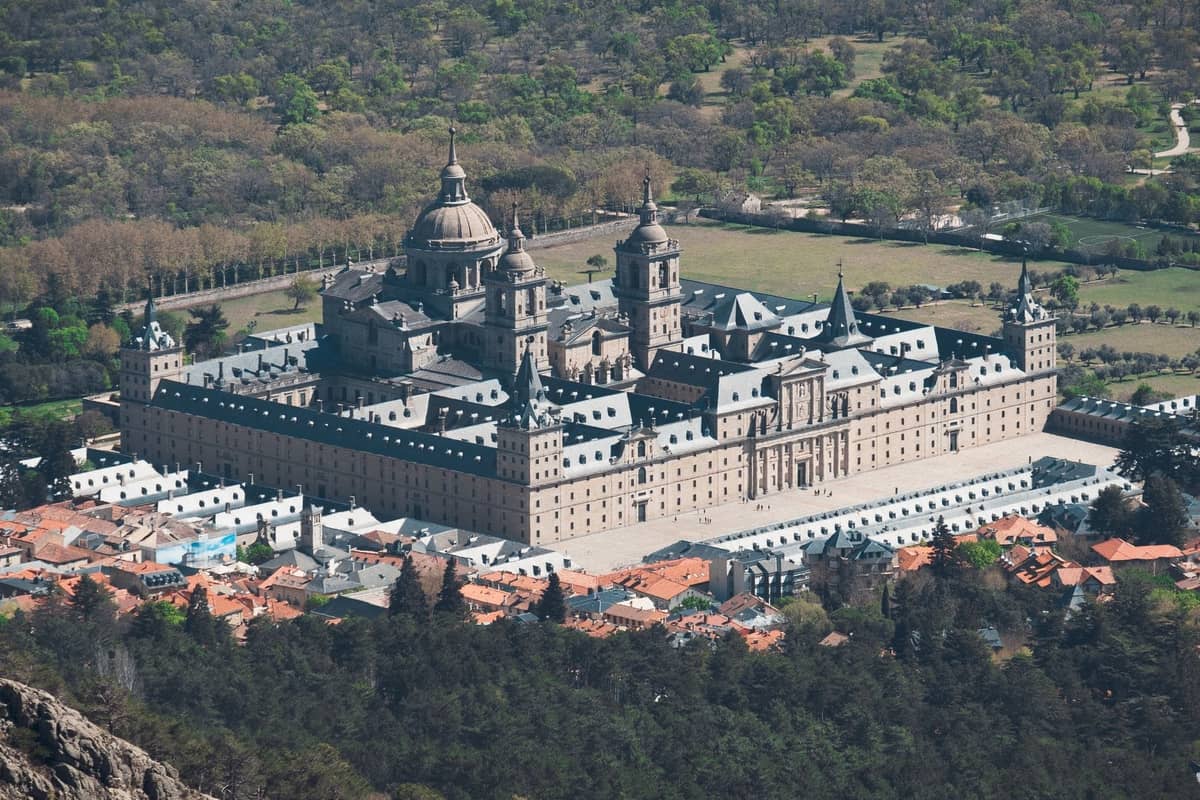
Francisco Goya's relationship with Madrid's religious architecture produced some of his most extraordinary work. Two sites in particular are essential for anyone following the painter's trail through the city, and both can be combined with a walk through the Moncloa-Argüelles area or a visit to the Prado.
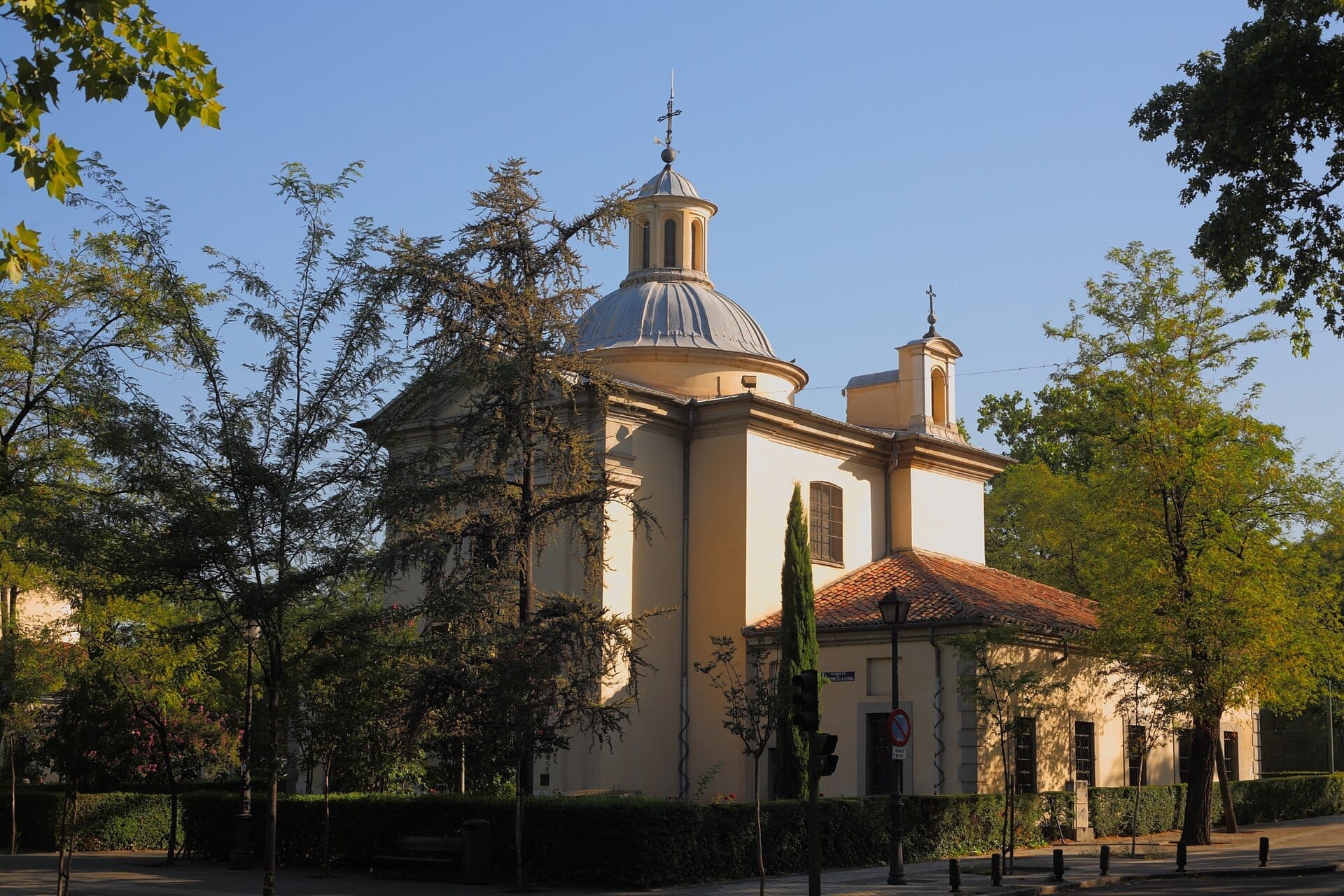
5. See Goya's Ceiling Frescoes at the Hermitage of San Antonio de la Florida
Painted in just four months in 1798, Goya's dome and ceiling frescoes here are among his most inventive works, depicting Saint Anthony's miracle with a cast of real 18th-century madrileños. Goya is buried beneath the frescoes he created. Entry is free and the space is rarely crowded.
Explore5. See Goya's Ceiling Frescoes at the Hermitage of San Antonio de la Florida
Painted in just four months in 1798, Goya's dome and ceiling frescoes here are among his most inventive works, depicting Saint Anthony's miracle with a cast of real 18th-century madrileños. Goya is buried beneath the frescoes he created. Entry is free and the space is rarely crowded.
Explore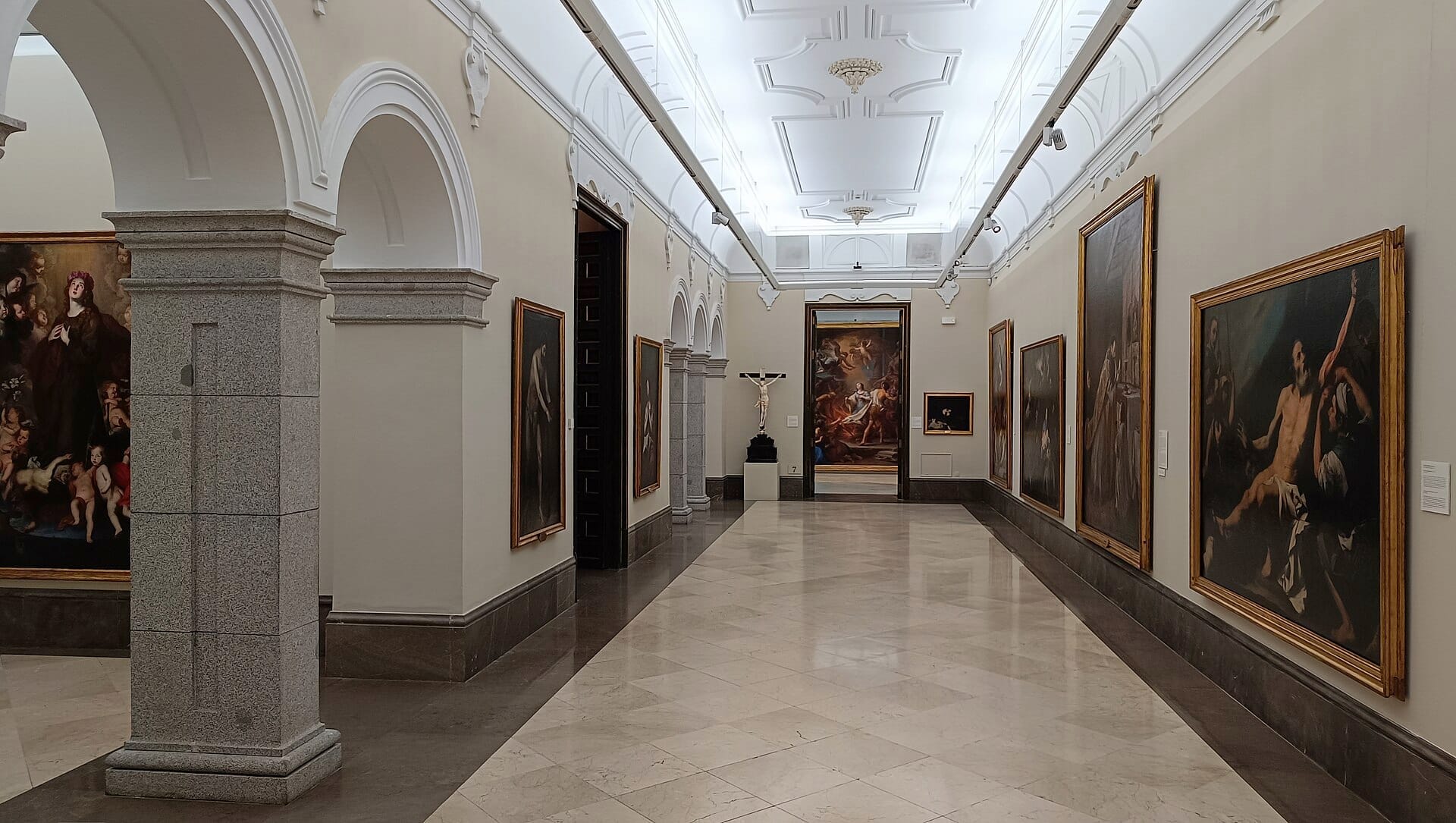
6. Find Goya's Religious Paintings at the Royal Academy of Fine Arts
Goya served as director of this institution, and the collection includes several of his religious works alongside paintings by Velázquez, Zurbarán, and Rubens. The 18th-century palace on Calle Alcalá is one of Madrid's most underrated cultural stops, and entry costs are modest.
Explore6. Find Goya's Religious Paintings at the Royal Academy of Fine Arts
Goya served as director of this institution, and the collection includes several of his religious works alongside paintings by Velázquez, Zurbarán, and Rubens. The 18th-century palace on Calle Alcalá is one of Madrid's most underrated cultural stops, and entry costs are modest.
ExploreAncient & Unexpected Places of Worship
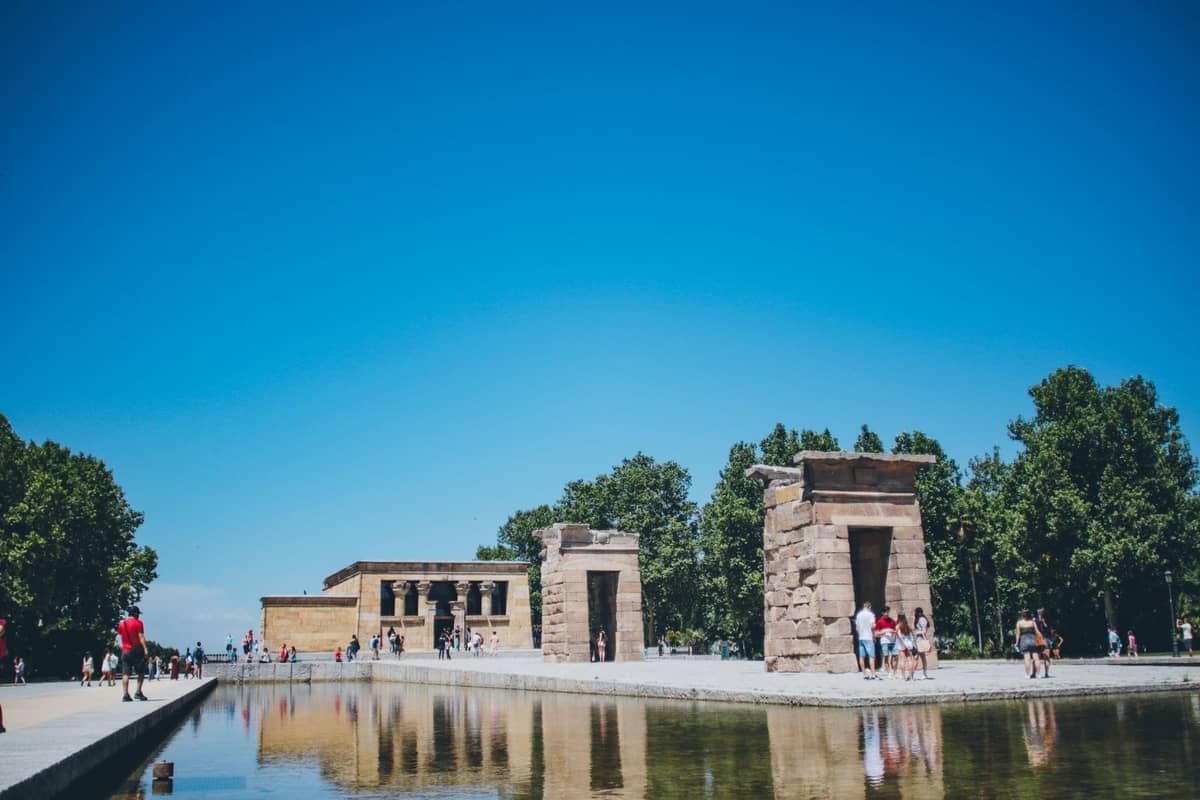
Not every sacred site in Madrid is a Catholic church. The city's most unexpected religious monument predates Christianity entirely. The Templo de Debod and the medieval square of Plaza de la Paja sit at opposite ends of the city's sacred timeline, and both reward a visit. The area around La Latina in particular preserves more medieval religious architecture than anywhere else in the city.
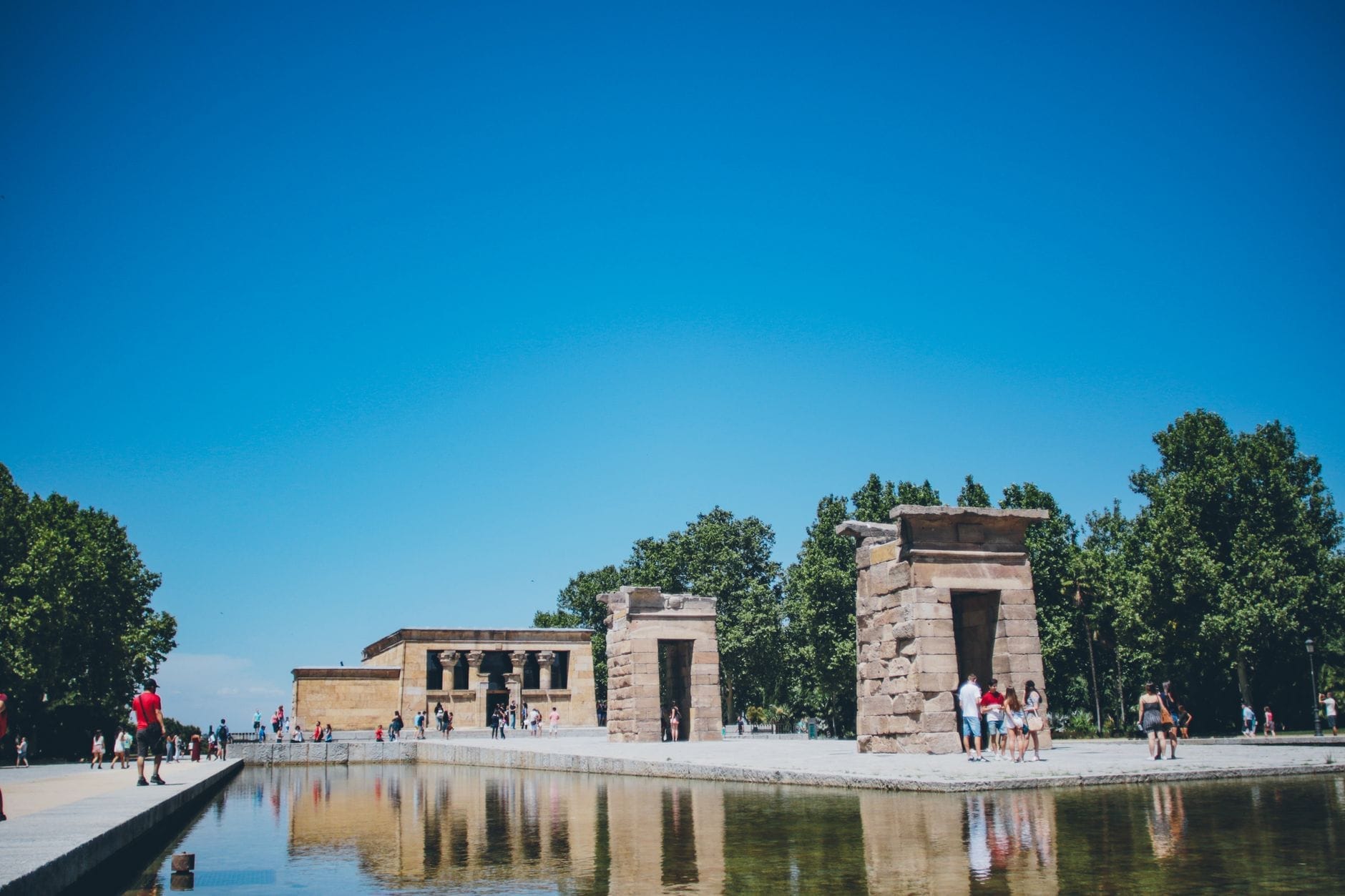
7. Visit a 2,000-Year-Old Egyptian Temple Rebuilt in the Heart of Madrid
A genuine 2nd-century BC Egyptian temple, dismantled and gifted to Spain by Egypt in 1968, now reconstructed in the Parque del Oeste with a reflecting pool. Inside, small exhibition rooms explain its origins. The temple also frames the city's most popular sunset view over the Manzanares valley.
Explore7. Visit a 2,000-Year-Old Egyptian Temple Rebuilt in the Heart of Madrid
A genuine 2nd-century BC Egyptian temple, dismantled and gifted to Spain by Egypt in 1968, now reconstructed in the Parque del Oeste with a reflecting pool. Inside, small exhibition rooms explain its origins. The temple also frames the city's most popular sunset view over the Manzanares valley.
Explore
8. Discover Medieval Religious Madrid at Plaza de la Paja
This tranquil square in La Latina was a medieval marketplace surrounded by churches and episcopal palaces. The adjacent Capilla del Obispo (Bishop's Chapel) is one of Madrid's finest Gothic buildings. The square itself offers terrace seating and a genuine sense of the city's pre-Bourbon past.
Explore8. Discover Medieval Religious Madrid at Plaza de la Paja
This tranquil square in La Latina was a medieval marketplace surrounded by churches and episcopal palaces. The adjacent Capilla del Obispo (Bishop's Chapel) is one of Madrid's finest Gothic buildings. The square itself offers terrace seating and a genuine sense of the city's pre-Bourbon past.
ExploreThe Setting: Squares, Gardens & Paired Monuments
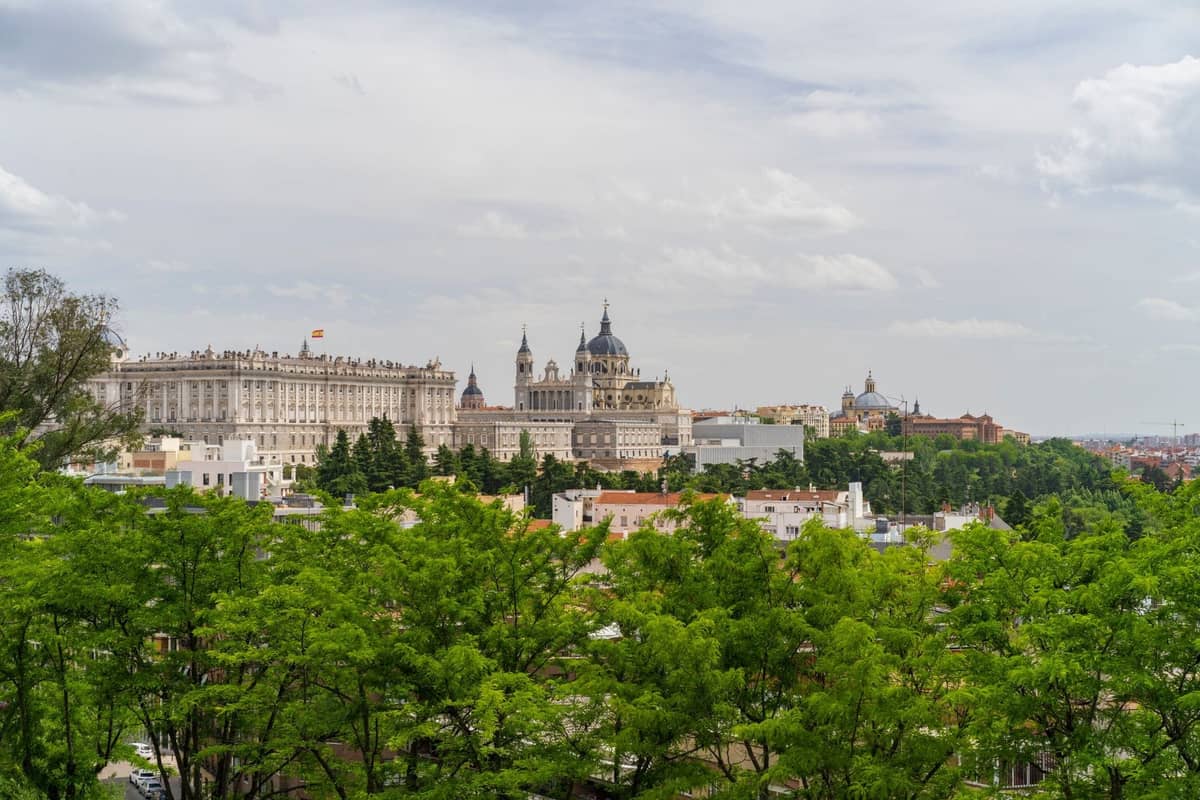
Madrid's religious sites rarely stand alone. The Almudena Cathedral and Royal Palace form one of Europe's great architectural pairings, and the gardens around them are among the city's finest outdoor spaces. For anyone visiting the cathedral area, these surrounding sites complete the picture. The best views in Madrid guide covers the viewpoints from the palace gardens in more detail.
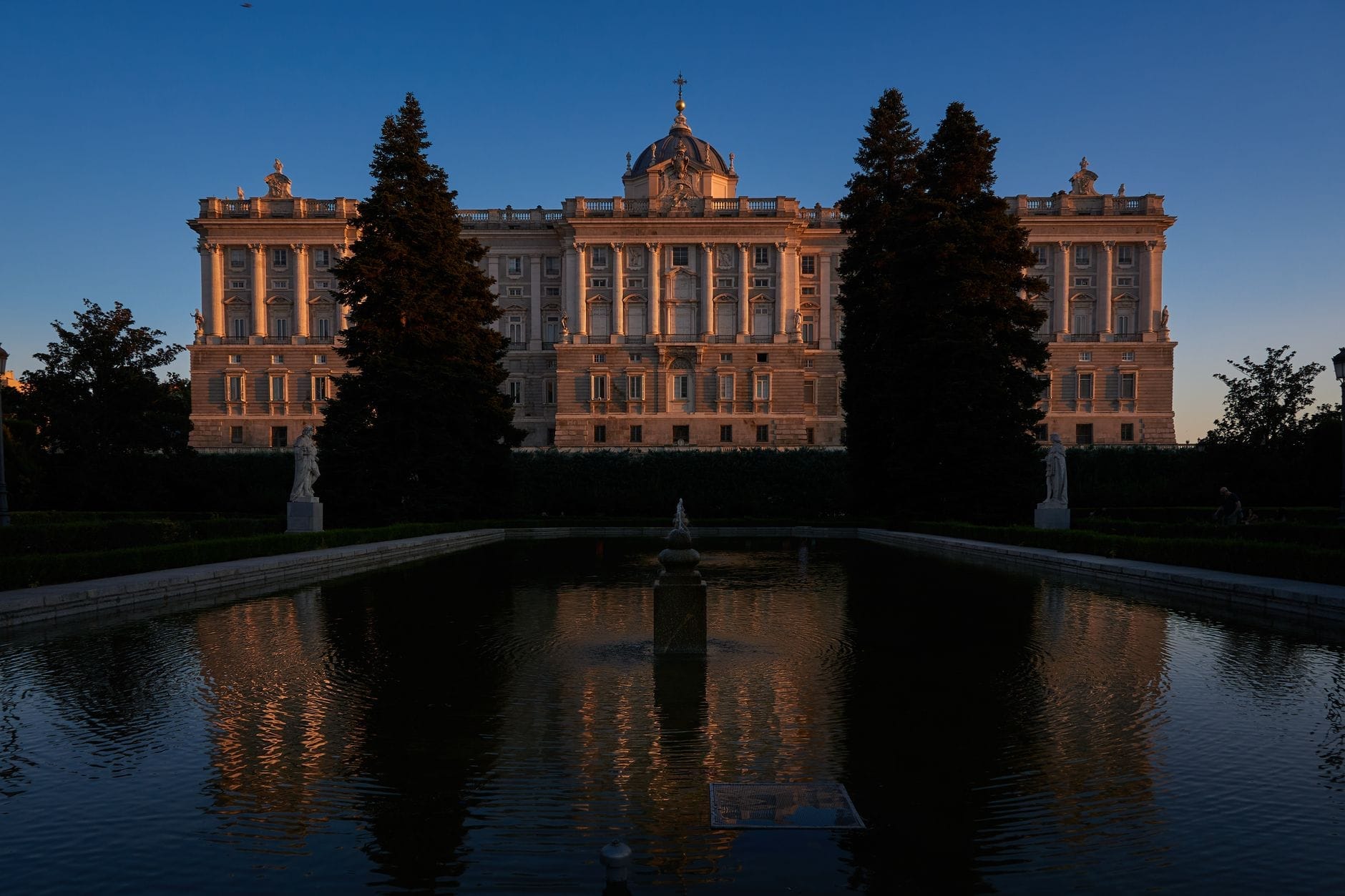
9. Walk the Sabatini Gardens for the Best View of the Cathedral and Royal Palace
Laid out in formal French style on the north side of the Royal Palace, these gardens frame the palace's neoclassical facade beautifully. They're the ideal place to orient yourself before visiting the Almudena or Encarnación convent, and are especially atmospheric at dusk when the palace is lit.
Explore9. Walk the Sabatini Gardens for the Best View of the Cathedral and Royal Palace
Laid out in formal French style on the north side of the Royal Palace, these gardens frame the palace's neoclassical facade beautifully. They're the ideal place to orient yourself before visiting the Almudena or Encarnación convent, and are especially atmospheric at dusk when the palace is lit.
Explore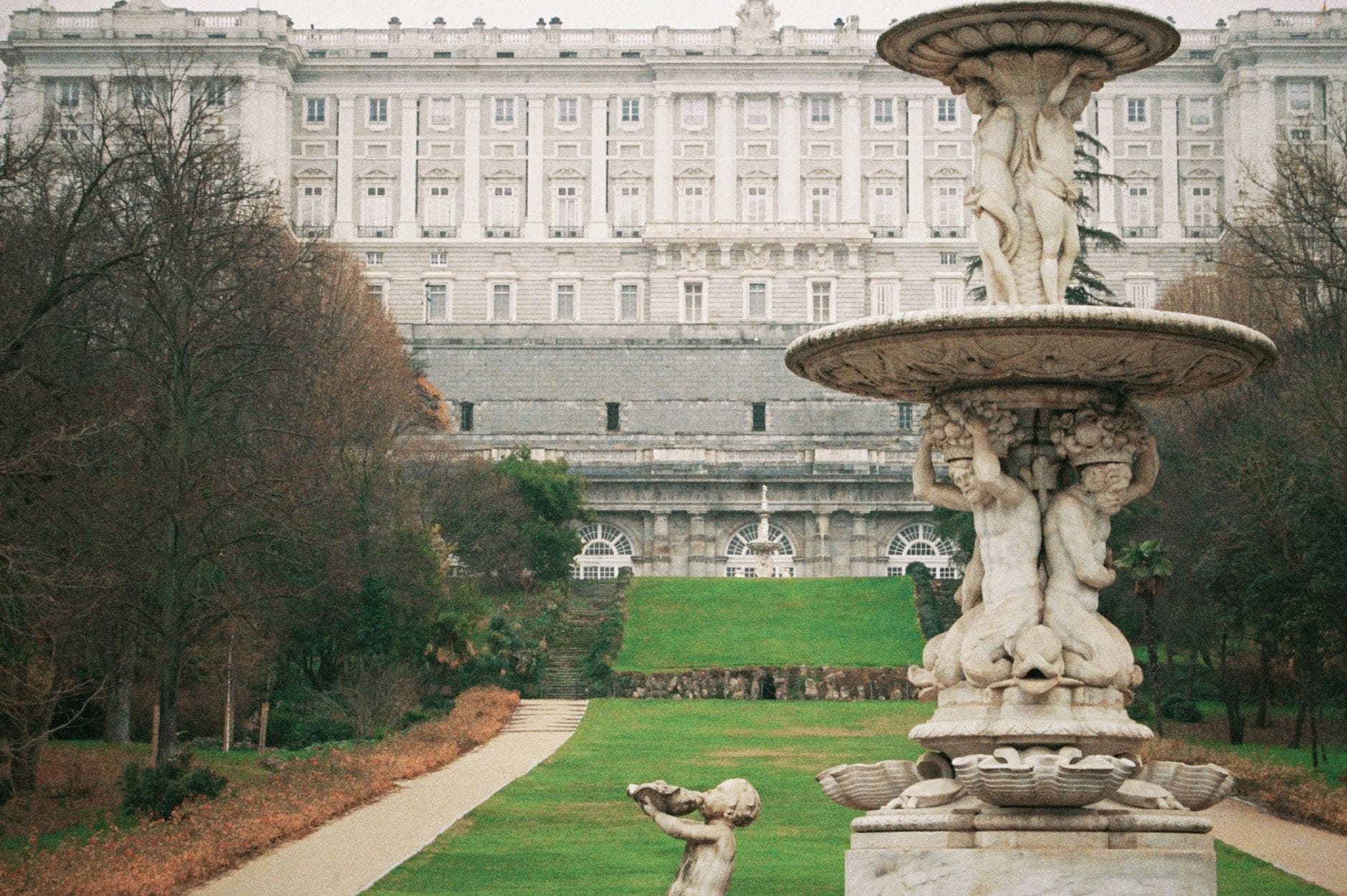
10. See the Royal Palace's Western Facade from the Campo del Moro Gardens
This romantic English-style landscape garden below the Royal Palace is one of Madrid's least-visited green spaces, and one of its most beautiful. From its central paths you see the palace towering above the Manzanares valley, providing the full scale of the complex that frames the Almudena Cathedral.
Explore10. See the Royal Palace's Western Facade from the Campo del Moro Gardens
This romantic English-style landscape garden below the Royal Palace is one of Madrid's least-visited green spaces, and one of its most beautiful. From its central paths you see the palace towering above the Manzanares valley, providing the full scale of the complex that frames the Almudena Cathedral.
Explore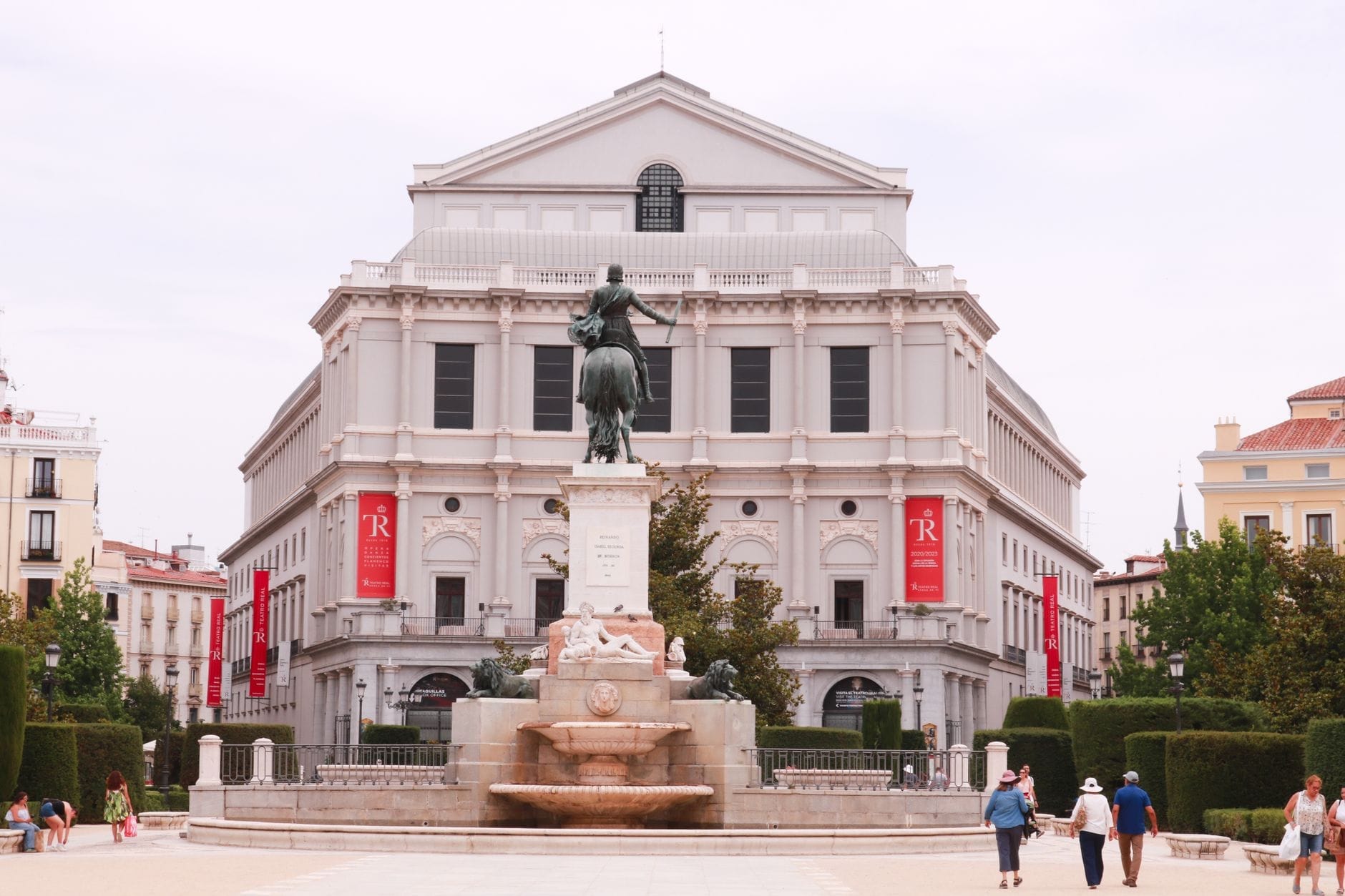
11. Stroll Plaza de Oriente Between the Royal Palace, Teatro Real, and Cathedral Quarter
This elegant formal square connects the Royal Palace with the Teatro Real opera house, lined with statues of Spanish monarchs. It sits at the natural junction between the cathedral complex, the royal gardens, and the old city, making it the best starting point for any religious heritage walk.
Explore11. Stroll Plaza de Oriente Between the Royal Palace, Teatro Real, and Cathedral Quarter
This elegant formal square connects the Royal Palace with the Teatro Real opera house, lined with statues of Spanish monarchs. It sits at the natural junction between the cathedral complex, the royal gardens, and the old city, making it the best starting point for any religious heritage walk.
ExploreNeighborhood Churches Worth Seeking Out
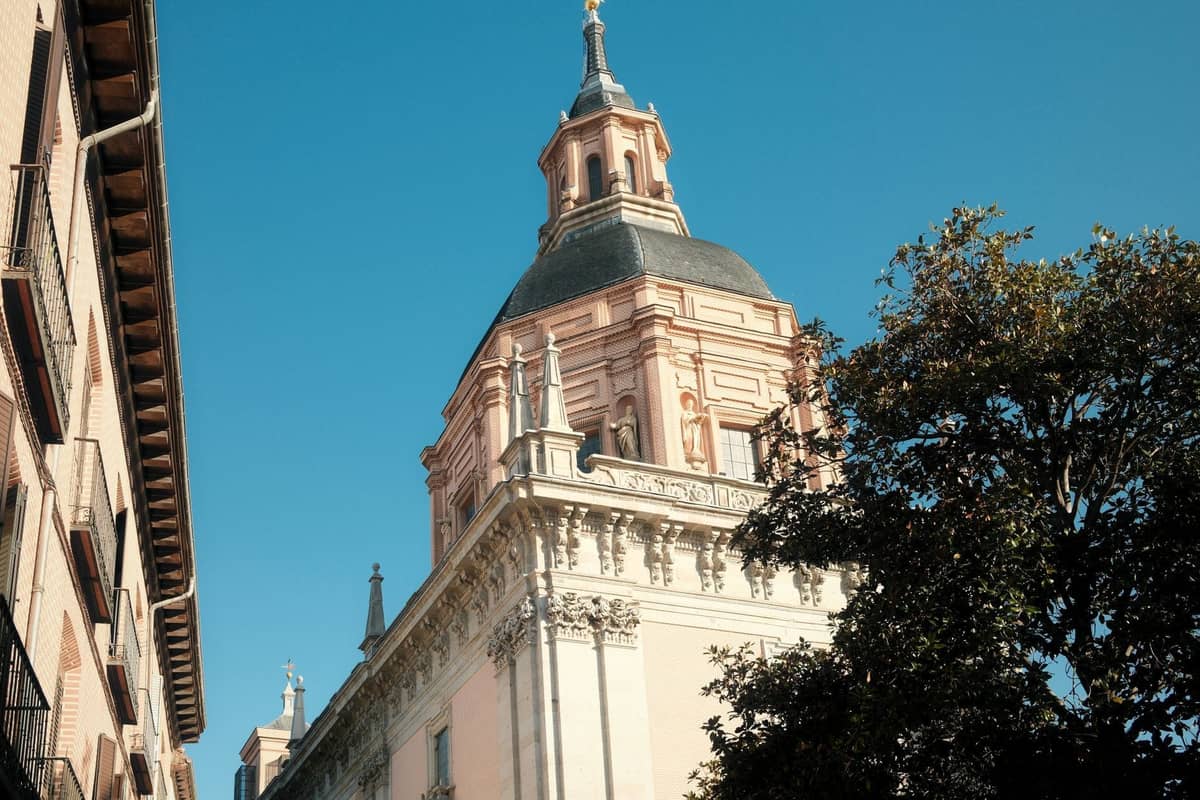
Beyond the major monuments, Madrid's neighborhood churches hold quiet surprises. The parish church of San Ginés near Puerta del Sol contains a rare El Greco painting and is open for free visits; the Iglesia de San Isidro on Calle Toledo was the city's cathedral for nearly 200 years. These are not separately listed in the available attraction slugs, but the areas around Sol Centro and La Latina repay aimless walking for those who like to push open unmarked church doors.
✨ Pro tip
The Descalzas Reales and Encarnación convents are managed by Patrimonio Nacional. They share a combined ticket and are only open at specific times with guided tours. Check the Patrimonio Nacional website before you go, as hours change seasonally.
FAQ
Is the Almudena Cathedral free to visit?
The main body of the cathedral is free to enter (a small donation is suggested). There is a single paid ticket to visit the museum, sacristy, chapterhouse and dome/roof terrace, which offers views over the Royal Palace and the city. Check current prices on the cathedral's official website before visiting, as they are subject to change.
Do I need to book tickets in advance for the royal convents?
It is strongly recommended. The Descalzas Reales and the Monasterio de la Encarnación are managed by Patrimonio Nacional and operate mainly with timed guided tours with limited capacity. Both are very popular and often sell out, especially on weekends, so you should book online through the Patrimonio Nacional website in advance whenever possible.
What should I wear when visiting churches in Madrid?
Dress modestly: covered shoulders and knees are expected at all active places of worship, including the Almudena Cathedral. Casual tourist dress is generally fine for museum-style religious sites like the Ermita de San Antonio de la Florida, but it is respectful to cover up regardless.
Is the Ermita de San Antonio de la Florida really free?
Yes, entry to the Ermita de San Antonio de la Florida is free. It is closed on Mondays and has limited opening hours, so check the Madrid municipal museum website before visiting. It is located near the Manzanares river, about 15–20 minutes on foot from Plaza de España.
Can I attend a Mass at the Almudena Cathedral?
Yes. The Almudena Cathedral holds several Masses daily, including on weekdays. Visitors attending a religious service enter free of charge, though the museum areas are closed during services. Mass times in English are occasionally offered; check the cathedral's official parish website for the current schedule.