Hidden Gems in Madrid: 18 Off the Beaten Path Experiences Worth Seeking Out
Madrid rewards curious visitors who look beyond the Prado and Plaza Mayor. From a royal convent hiding five centuries of treasures to a park that erupts in almond blossom each February, these are the experiences that most tourists never find but locals quietly love.
Plan and book this trip
Tools from our partner Travelpayouts help you compare flights and hotels. If you book through them, we may earn a commission at no extra cost to you.
Flights
Hotels map
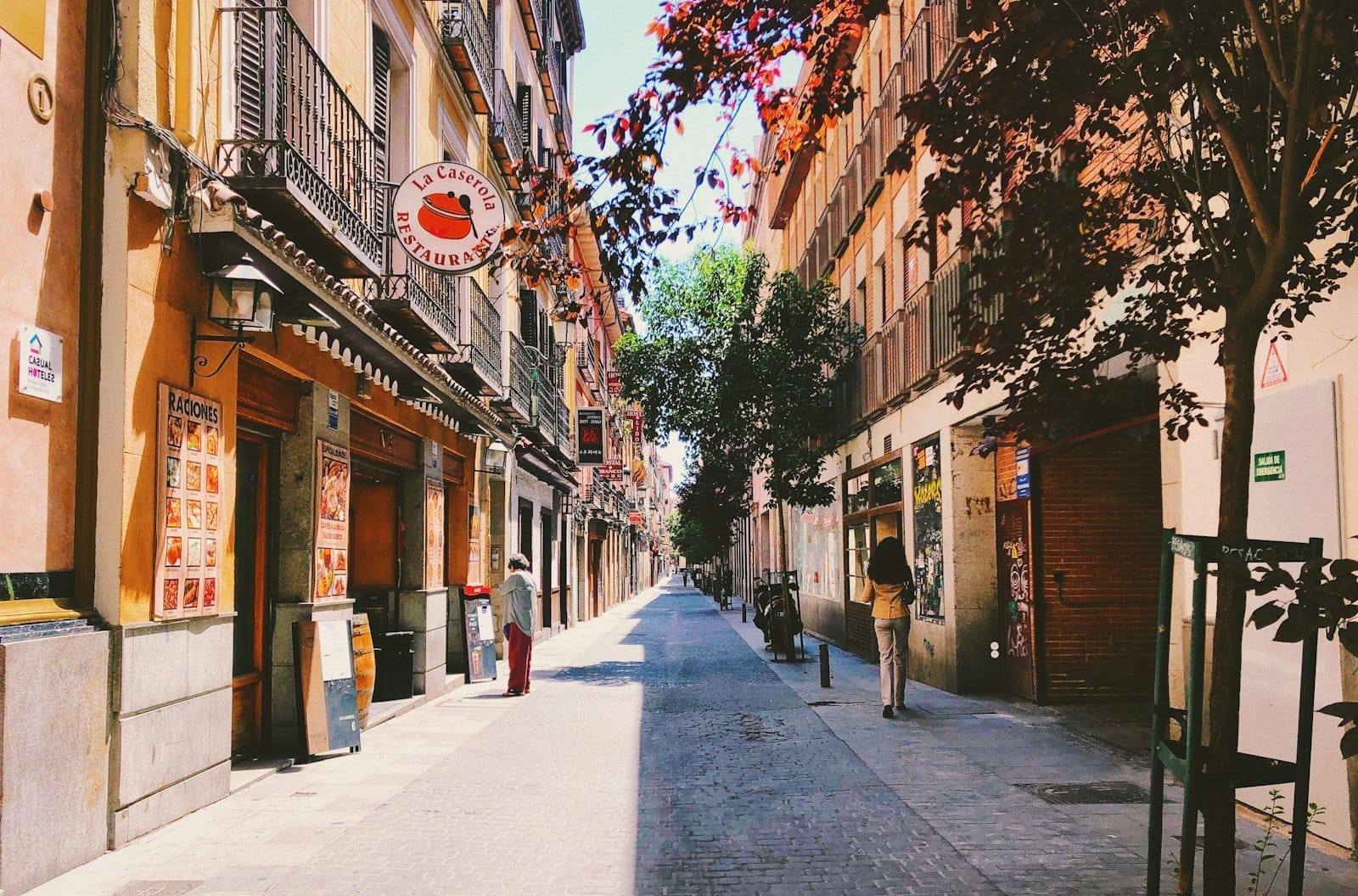
Most visitors to Madrid follow the same well-worn route: Plaza Mayor, the Prado, Retiro, Gran Vía. That circuit is excellent, but it covers only a fraction of what the city offers. The real Madrid reveals itself in a 16th-century convent hidden behind an unmarked door near Puerta del Sol, a Goya-covered hermitage by the river that almost nobody visits, and a park in the northeast that looks like a snow scene in February thanks to thousands of almond trees in bloom. This guide focuses on places that deliver genuine surprise: underrated museums, local food streets, quiet gardens, and architectural curiosities that sit just outside the tourist circuit yet are easy to reach by metro. For context on how to structure your time, our complete Madrid guide covers the full picture, and if budget is a concern, the free things to do in Madrid guide pairs well with several entries here.
Secret Museums & Hidden Collections
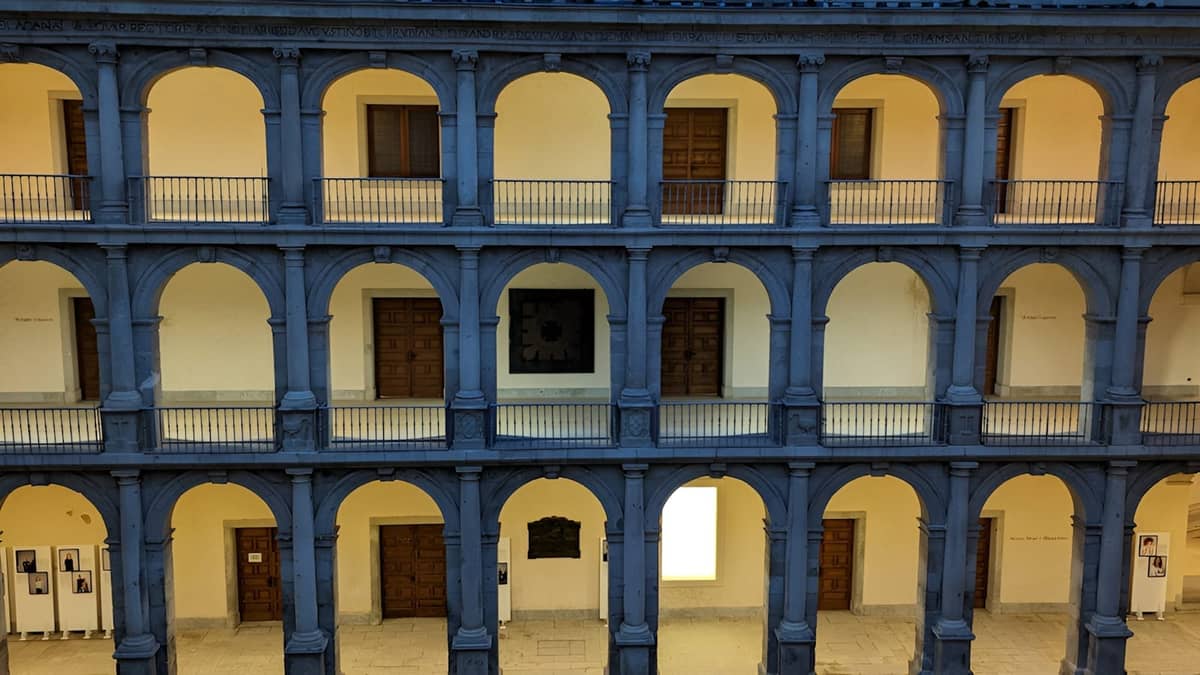
Madrid's museum scene extends far beyond the Golden Triangle. The neighborhoods of Moncloa-Argüelles and Malasaña alone contain enough overlooked collections to fill two full days, and most of them are visited by a fraction of the people who queue outside the Reina Sofía.
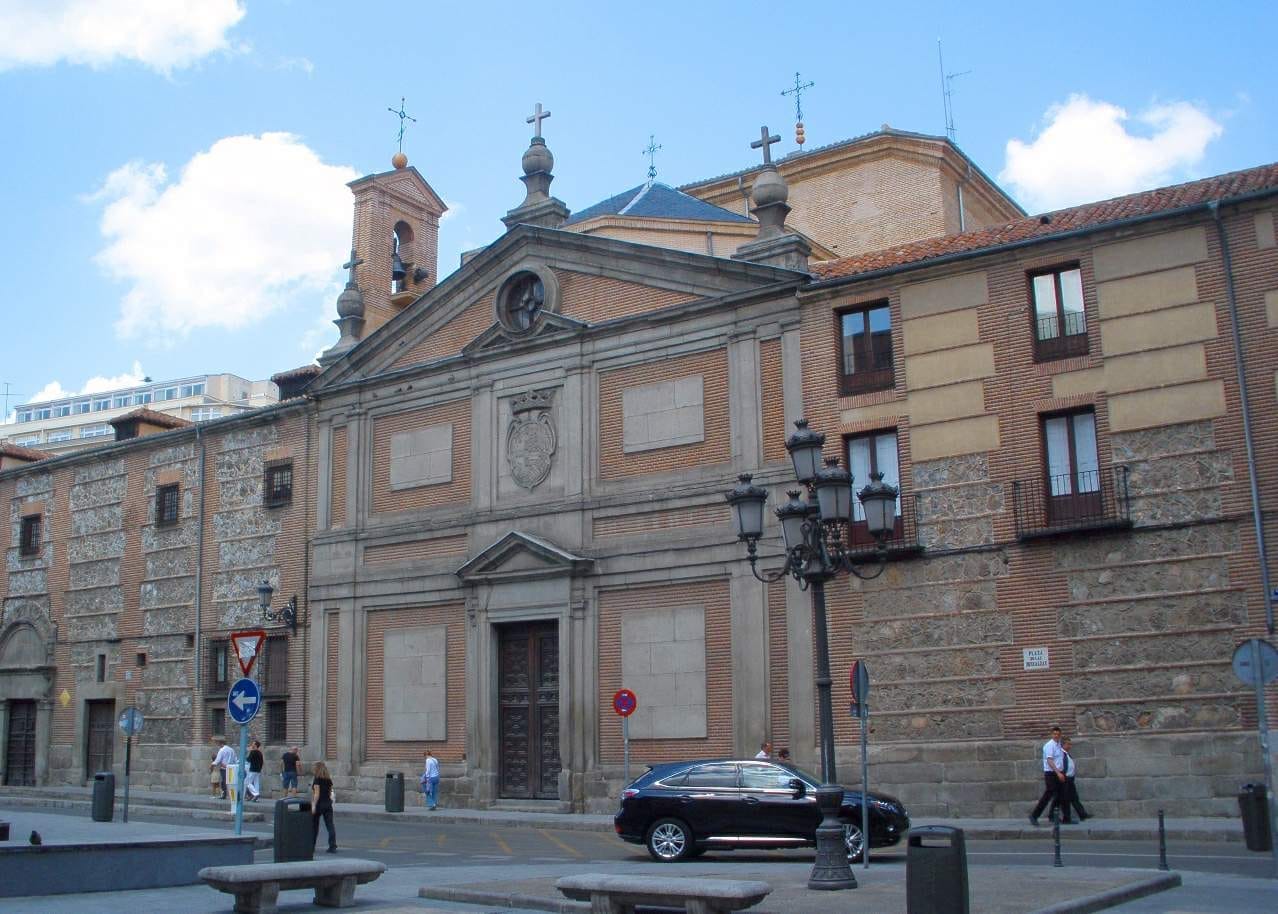
1. Step Inside Madrid's Most Extraordinary Hidden Convent
A 16th-century royal convent still inhabited by nuns, concealing tapestries, Flemish paintings, and reliquaries accumulated by royal patronage over 500 years. Visits are guided only, groups are small, and the experience feels genuinely exclusive.
Explore1. Step Inside Madrid's Most Extraordinary Hidden Convent
A 16th-century royal convent still inhabited by nuns, concealing tapestries, Flemish paintings, and reliquaries accumulated by royal patronage over 500 years. Visits are guided only, groups are small, and the experience feels genuinely exclusive.
Explore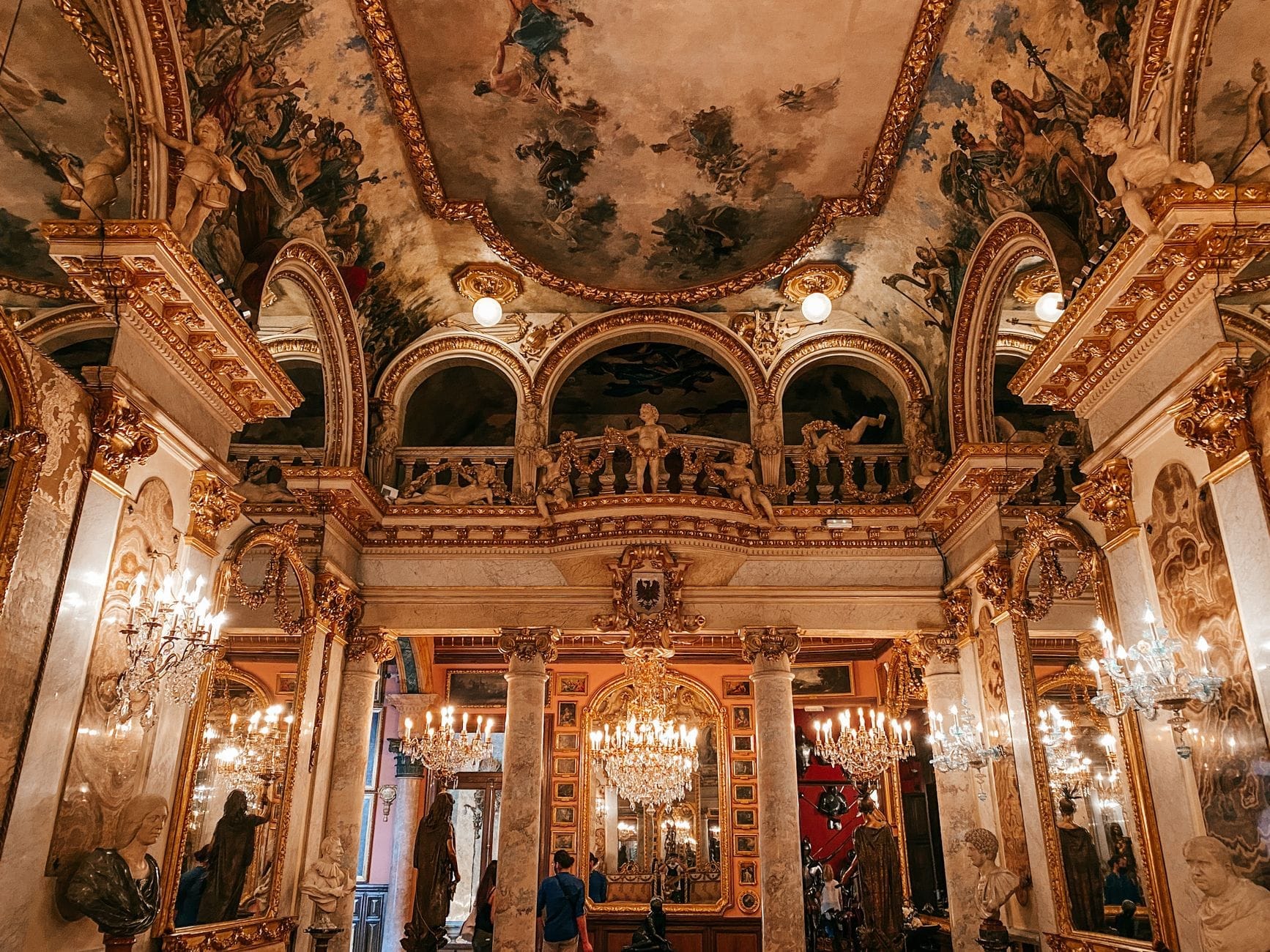
2. Tour a Perfectly Preserved 19th-Century Aristocratic Palace
The Marquis of Cerralbo's palace-museum near Plaza de España preserves his art collection exactly as he left it: Goyas, suits of armor, and gilded ballrooms with almost no crowds. One of Madrid's most intimate and transportive museum experiences.
Explore2. Tour a Perfectly Preserved 19th-Century Aristocratic Palace
The Marquis of Cerralbo's palace-museum near Plaza de España preserves his art collection exactly as he left it: Goyas, suits of armor, and gilded ballrooms with almost no crowds. One of Madrid's most intimate and transportive museum experiences.
Explore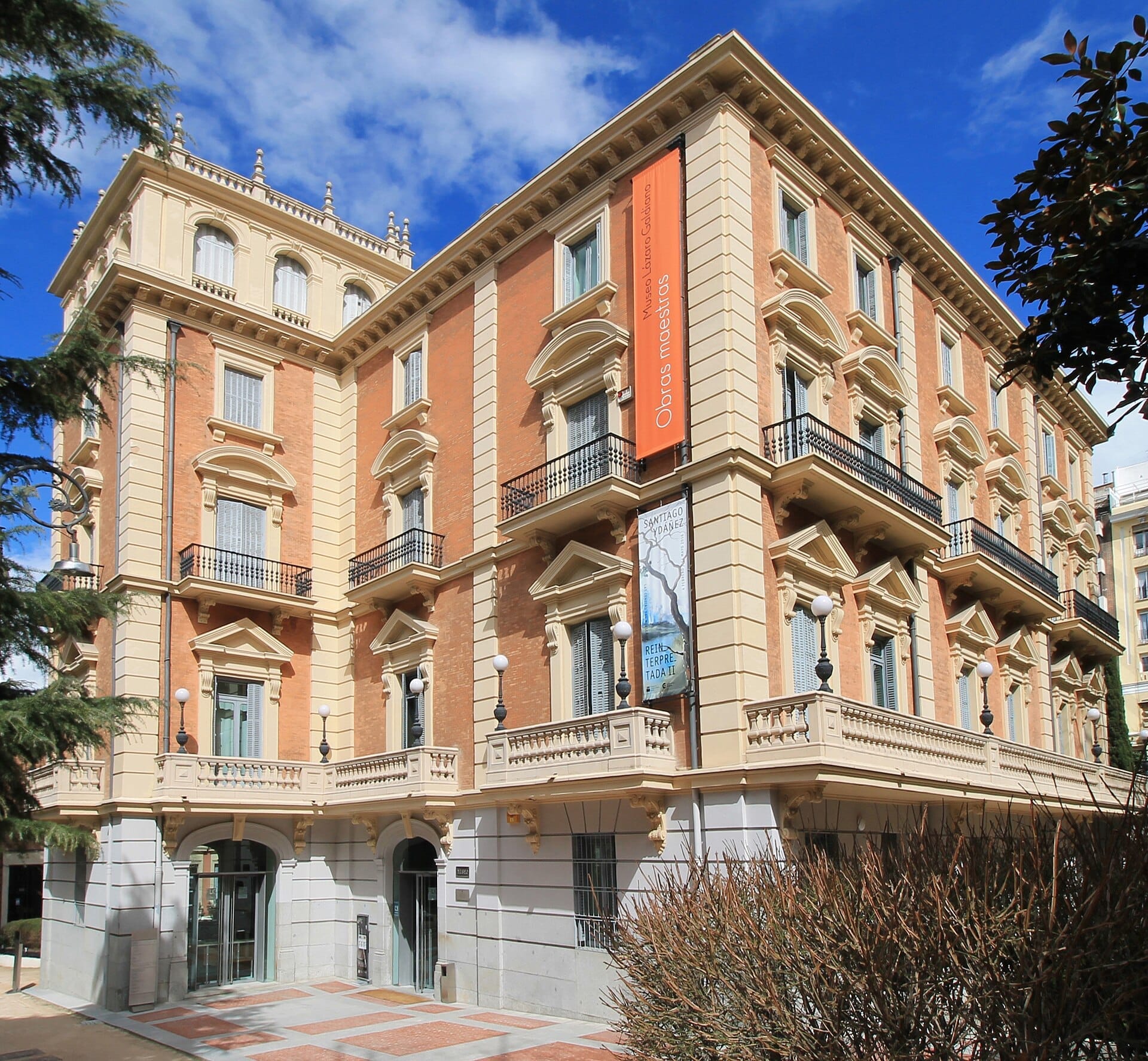
3. Discover 13,000 Treasures in a Salamanca Palace
A private palace in Salamanca housing an astonishing collection: Bosch panels, Goya portraits, medieval ivories, and Renaissance enamels. Far fewer visitors than the Golden Triangle museums, yet the quality of individual works is comparable.
Explore3. Discover 13,000 Treasures in a Salamanca Palace
A private palace in Salamanca housing an astonishing collection: Bosch panels, Goya portraits, medieval ivories, and Renaissance enamels. Far fewer visitors than the Golden Triangle museums, yet the quality of individual works is comparable.
Explore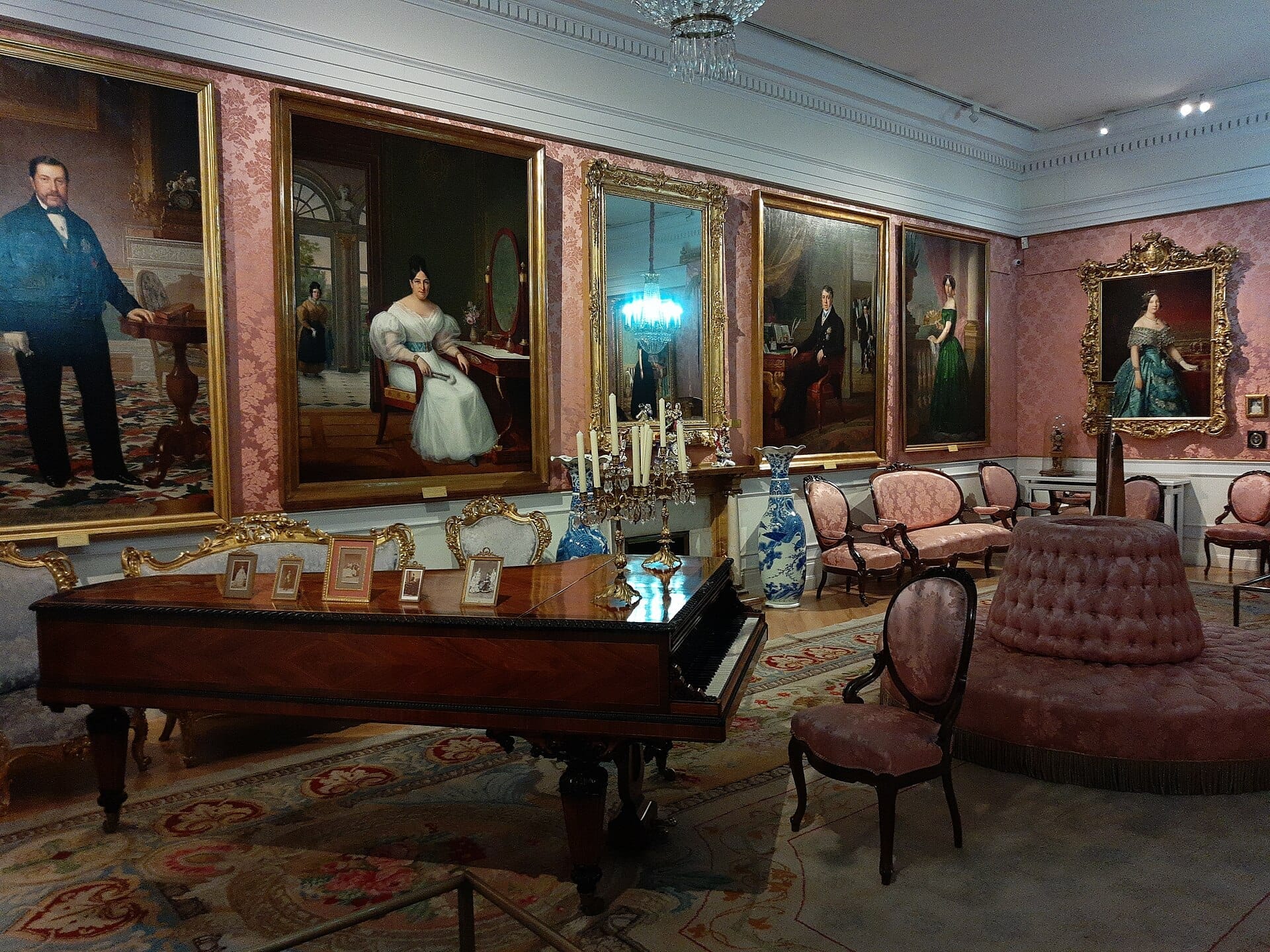
4. Time-Travel to Goya's Era at the Romanticism Museum
A perfectly preserved 19th-century aristocratic home filled with Romantic-era paintings, furniture, and personal objects. The atmosphere is unlike any other museum in Madrid, and the quiet garden café is one of the city's nicest spots for a coffee break.
Explore4. Time-Travel to Goya's Era at the Romanticism Museum
A perfectly preserved 19th-century aristocratic home filled with Romantic-era paintings, furniture, and personal objects. The atmosphere is unlike any other museum in Madrid, and the quiet garden café is one of the city's nicest spots for a coffee break.
Explore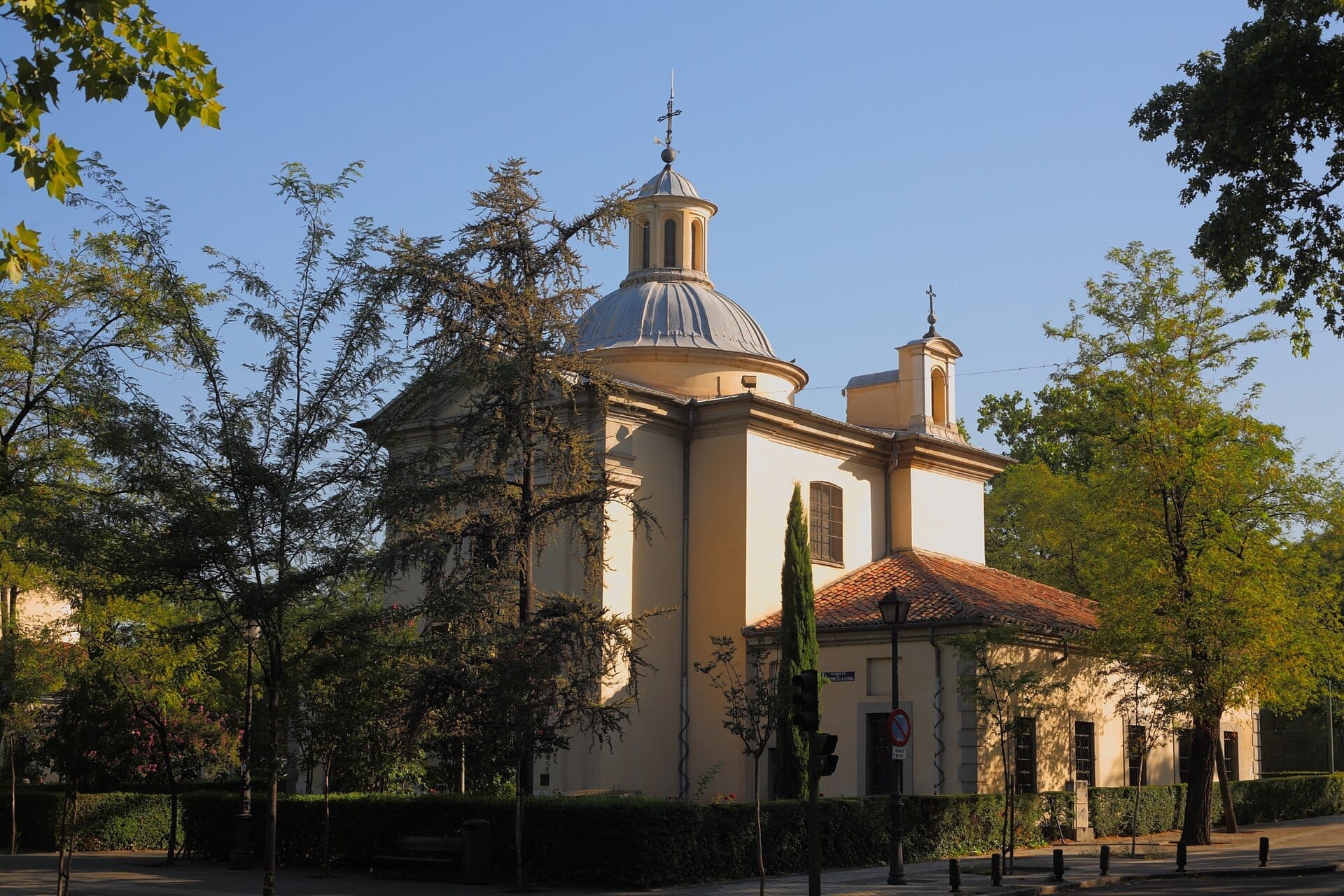
5. Find Goya's Greatest Frescoes in a Forgotten Hermitage
A small neoclassical hermitage near the Manzanares where Goya painted his masterpiece ceiling fresco in 1798, depicting Saint Anthony's miracle with real madrileños as models. Goya is buried here. Almost no one visits, and entry is free.
Explore5. Find Goya's Greatest Frescoes in a Forgotten Hermitage
A small neoclassical hermitage near the Manzanares where Goya painted his masterpiece ceiling fresco in 1798, depicting Saint Anthony's miracle with real madrileños as models. Goya is buried here. Almost no one visits, and entry is free.
Explore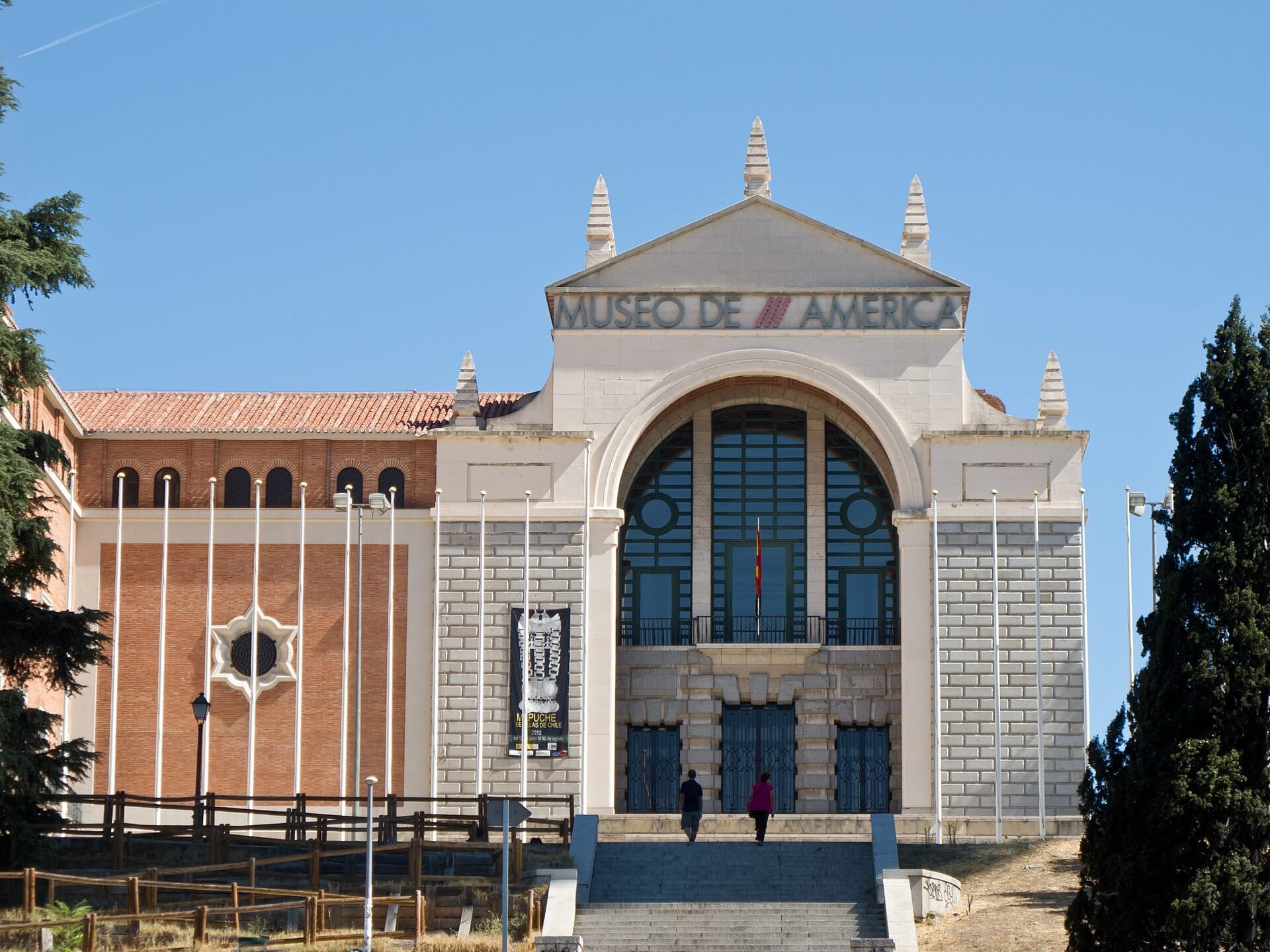
6. Explore Pre-Columbian Wonders at This Underrated Museum
One of Europe's finest collections of pre-Columbian and colonial-era art, including the Mayan Codex Tro-Cortesianus and the Treasure of the Quimbayas. In Moncloa, consistently overlooked by tourists despite holding objects of world-class importance.
Explore6. Explore Pre-Columbian Wonders at This Underrated Museum
One of Europe's finest collections of pre-Columbian and colonial-era art, including the Mayan Codex Tro-Cortesianus and the Treasure of the Quimbayas. In Moncloa, consistently overlooked by tourists despite holding objects of world-class importance.
Explore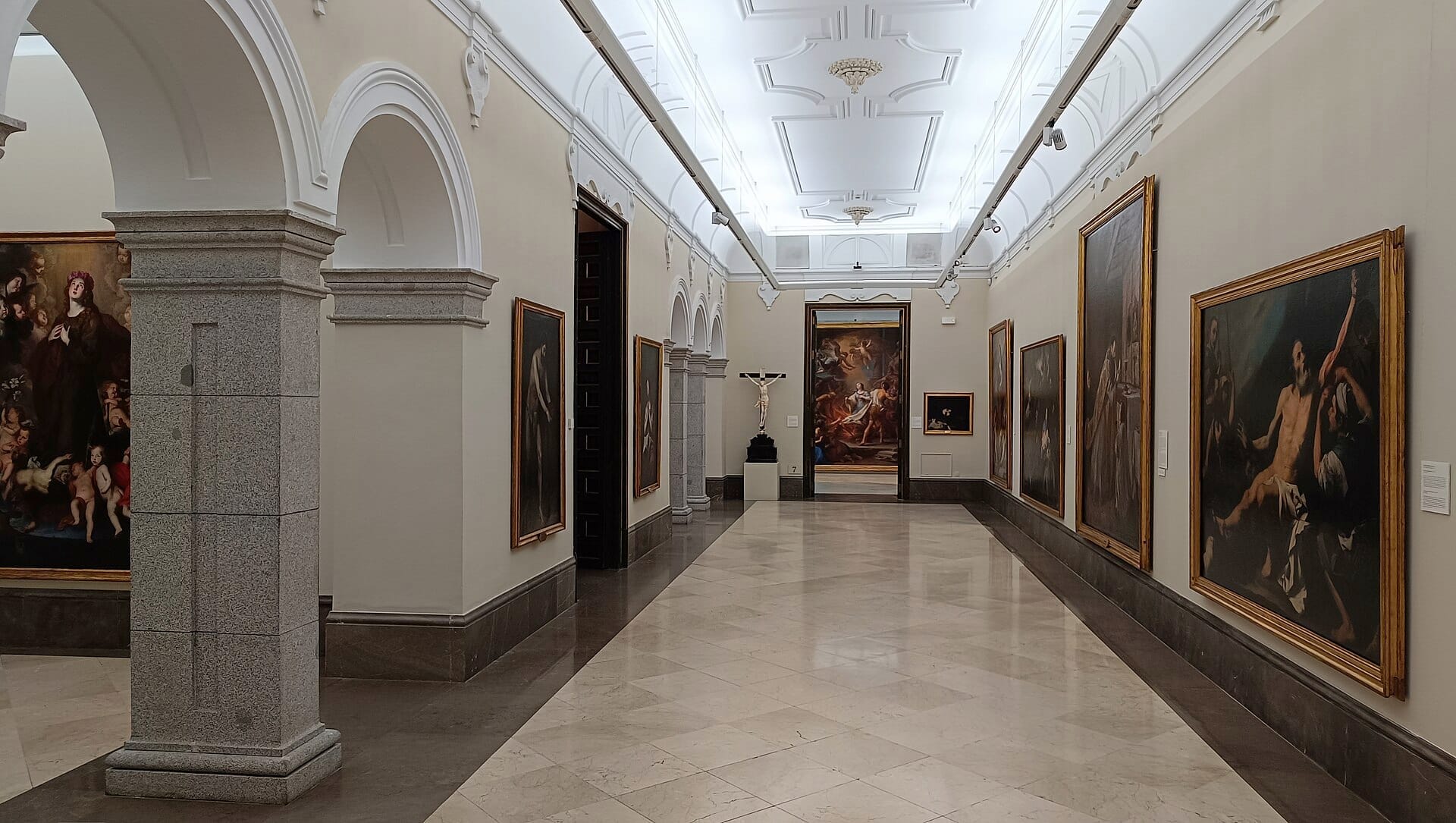
7. See a Remarkable Goya Collection on Calle de Alcalá
This 18th-century Royal Academy on Calle de Alcalá holds works by Goya, Velázquez, Zurbarán, and Rubens that would be headline attractions elsewhere. Goya was director here. Most tourists walk straight past the entrance without knowing what's inside.
Explore7. See a Remarkable Goya Collection on Calle de Alcalá
This 18th-century Royal Academy on Calle de Alcalá holds works by Goya, Velázquez, Zurbarán, and Rubens that would be headline attractions elsewhere. Goya was director here. Most tourists walk straight past the entrance without knowing what's inside.
Explore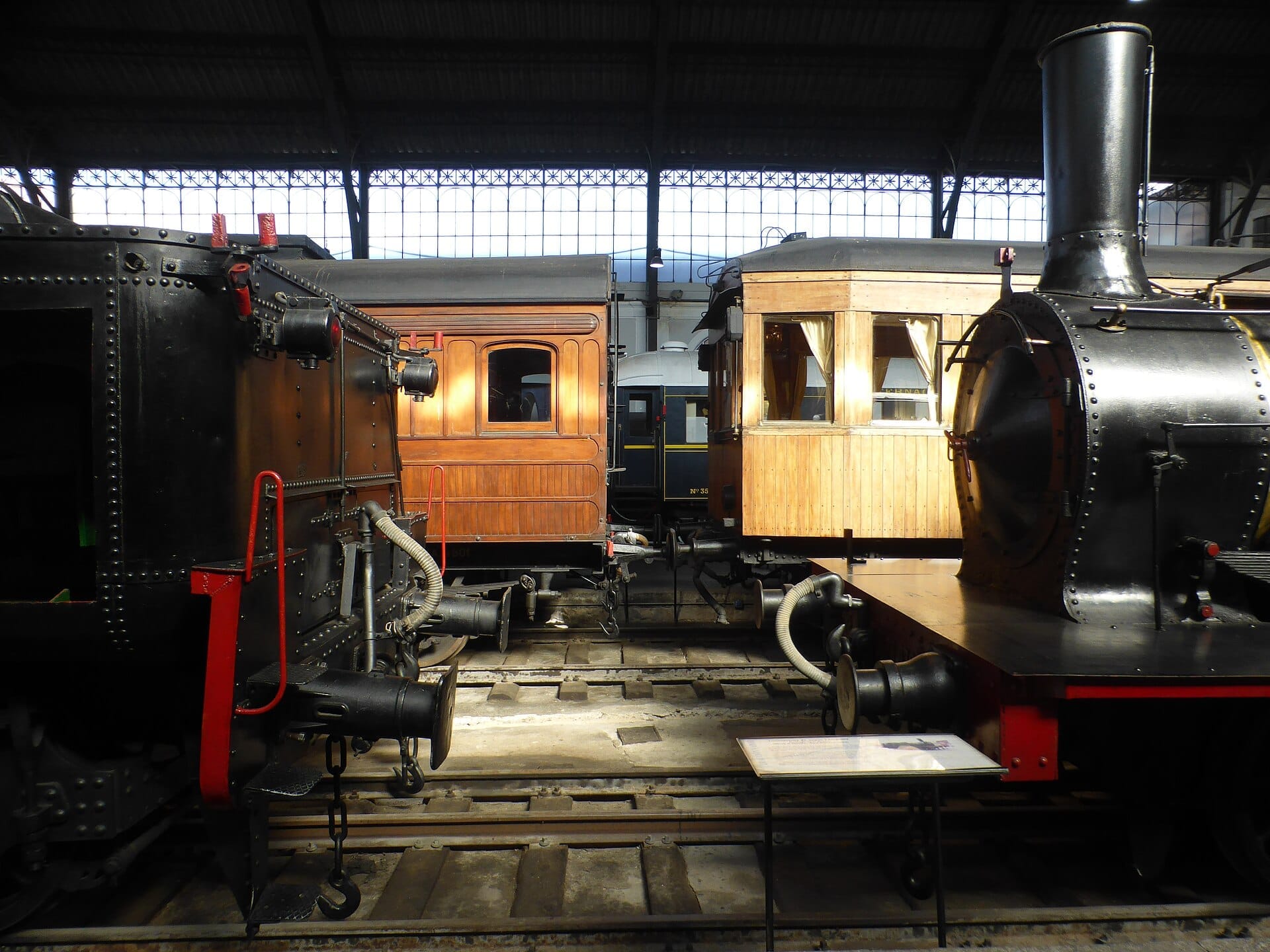
8. Wander Through a Victorian Train Shed Full of Historic Locomotives
The Railway Museum occupies the gorgeous 1880 Delicias station, a soaring iron-and-glass structure housing historic locomotives and carriages. The building alone justifies the visit. Families love it, and it remains one of Madrid's most atmospheric and overlooked museums.
Explore8. Wander Through a Victorian Train Shed Full of Historic Locomotives
The Railway Museum occupies the gorgeous 1880 Delicias station, a soaring iron-and-glass structure housing historic locomotives and carriages. The building alone justifies the visit. Families love it, and it remains one of Madrid's most atmospheric and overlooked museums.
ExploreQuiet Parks & Secret Gardens
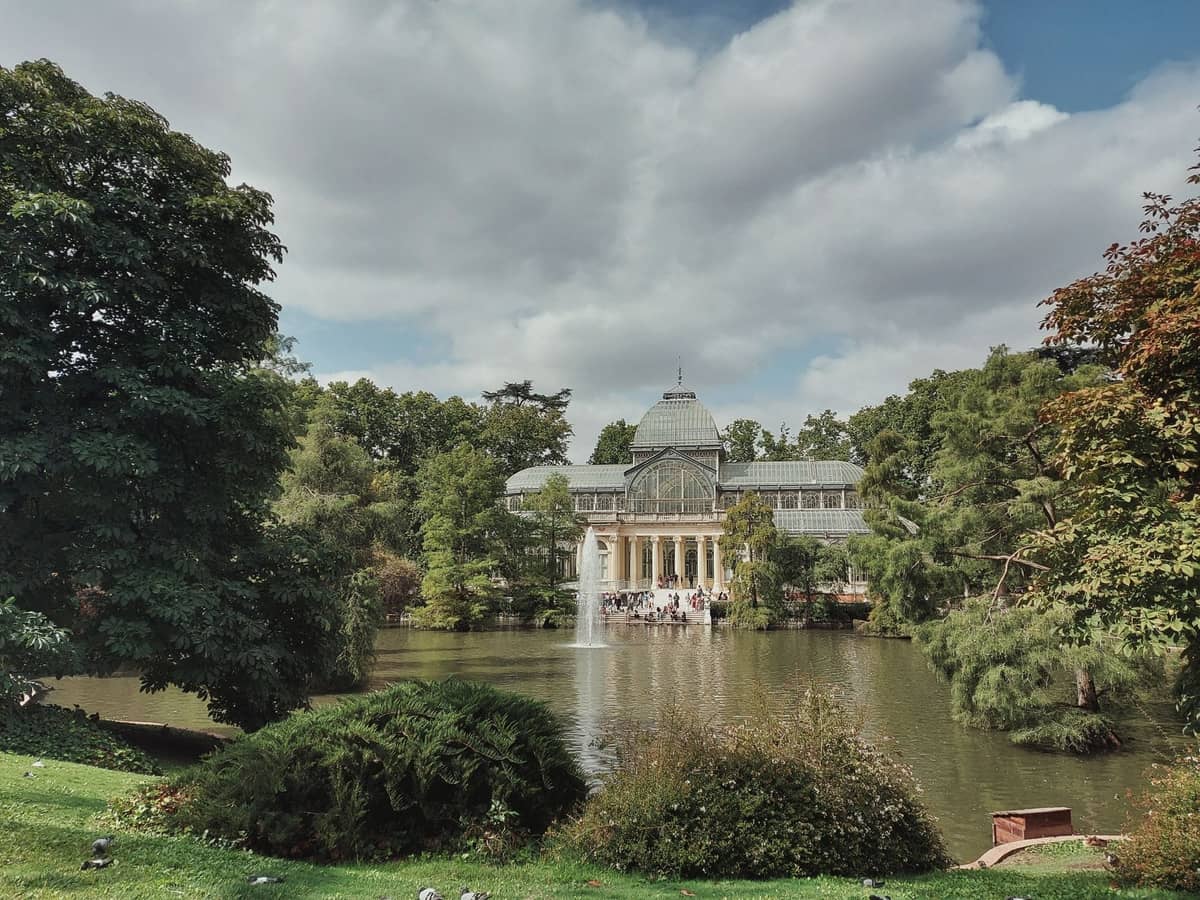
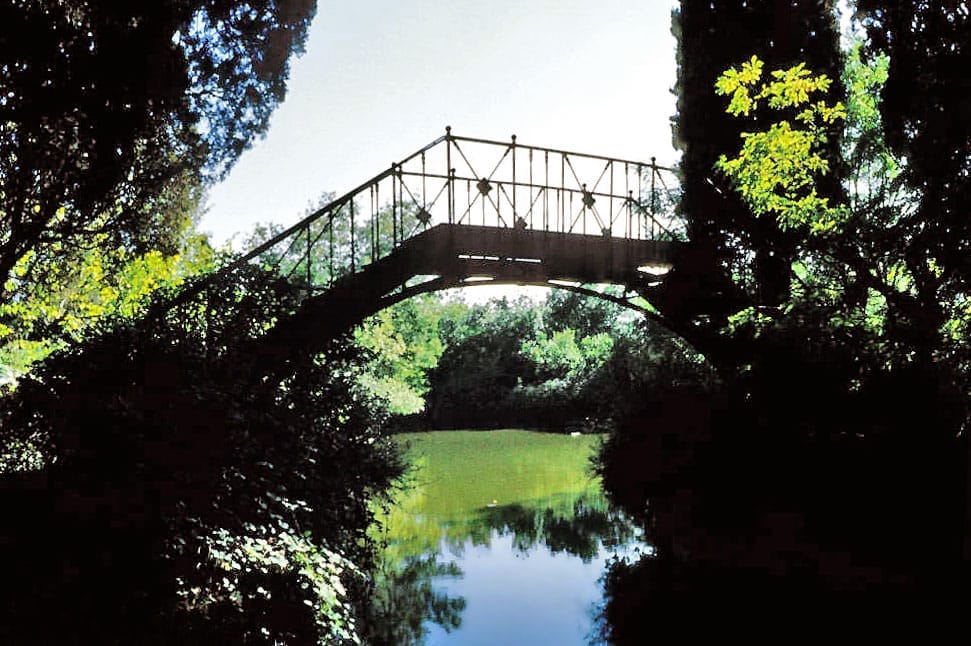
9. Get Lost in Madrid's Most Mysterious Romantic Garden
An 18th-century aristocratic park in the northeast with a labyrinth, artificial ruins, a hermitage, a neoclassical palace, and a Civil War bunker beneath its grounds. Open only on weekends, and one of the most truly surprising green spaces in Spain.
Explore9. Get Lost in Madrid's Most Mysterious Romantic Garden
An 18th-century aristocratic park in the northeast with a labyrinth, artificial ruins, a hermitage, a neoclassical palace, and a Civil War bunker beneath its grounds. Open only on weekends, and one of the most truly surprising green spaces in Spain.
Explore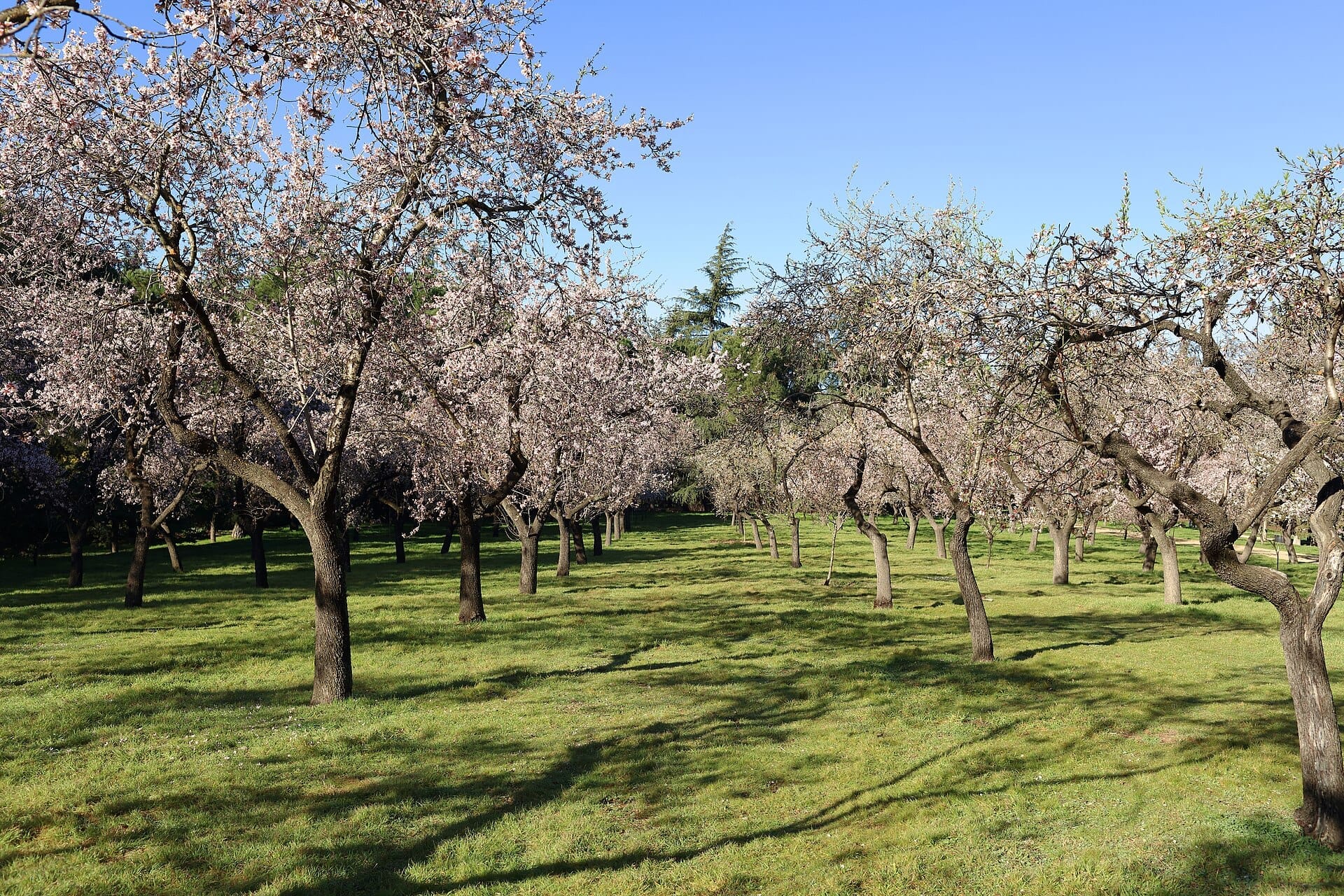
10. See Madrid Transformed by Almond Blossom in Late February
A former royal estate in eastern Madrid where thousands of almond trees turn pink and white each February and March. Free entry, local crowds, zero tourist infrastructure, and one of the most magical seasonal spectacles in the entire city.
Explore10. See Madrid Transformed by Almond Blossom in Late February
A former royal estate in eastern Madrid where thousands of almond trees turn pink and white each February and March. Free entry, local crowds, zero tourist infrastructure, and one of the most magical seasonal spectacles in the entire city.
Explore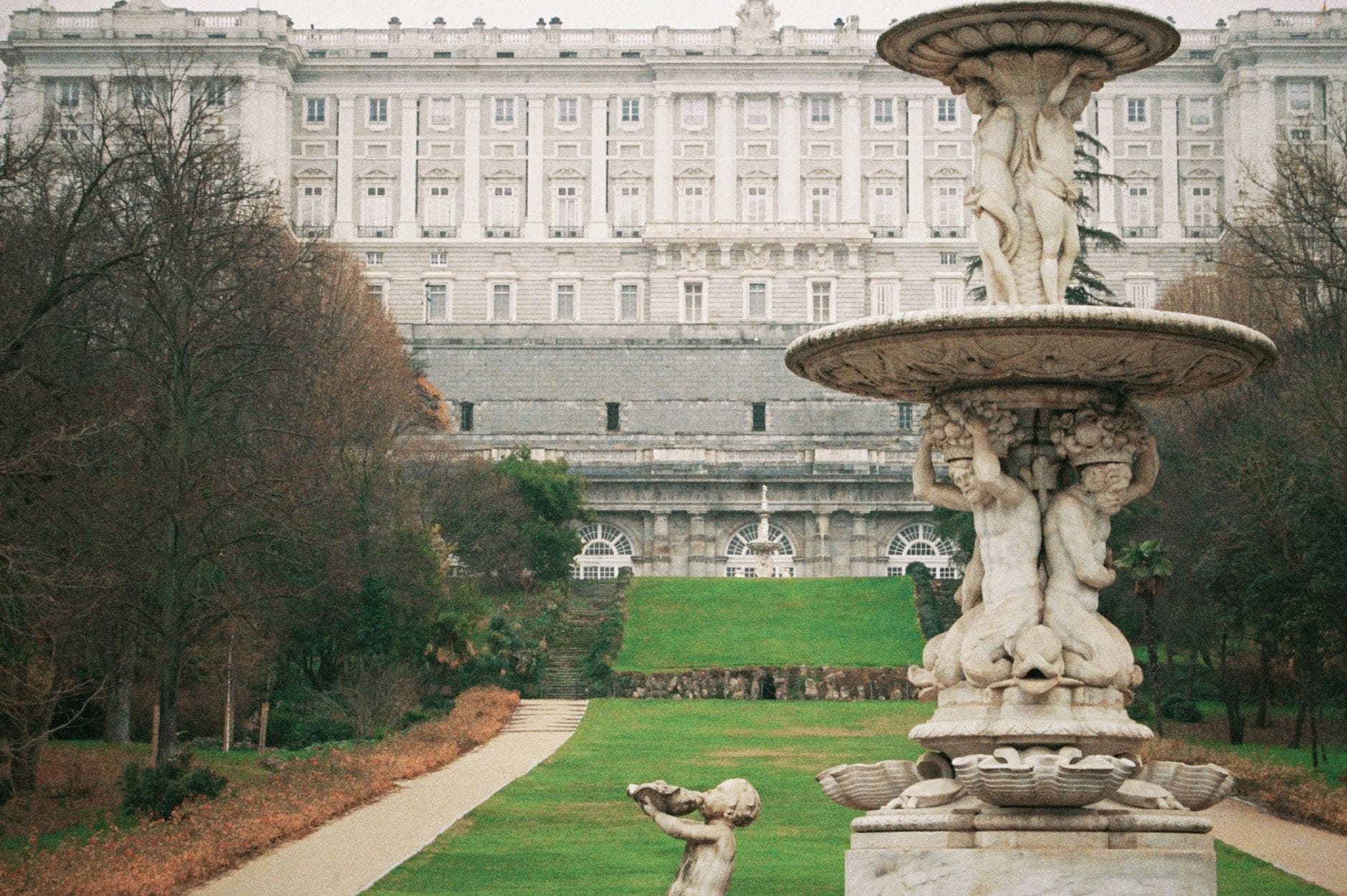
11. Find the Royal Palace's Most Dramatic View in a Forgotten Garden
An English-style landscape garden on the western slope below the Royal Palace, offering the most imposing view of the palace's facade. Almost entirely crowd-free despite being minutes from the tourist center. An extraordinary and underused green space.
Explore11. Find the Royal Palace's Most Dramatic View in a Forgotten Garden
An English-style landscape garden on the western slope below the Royal Palace, offering the most imposing view of the palace's facade. Almost entirely crowd-free despite being minutes from the tourist center. An extraordinary and underused green space.
Explore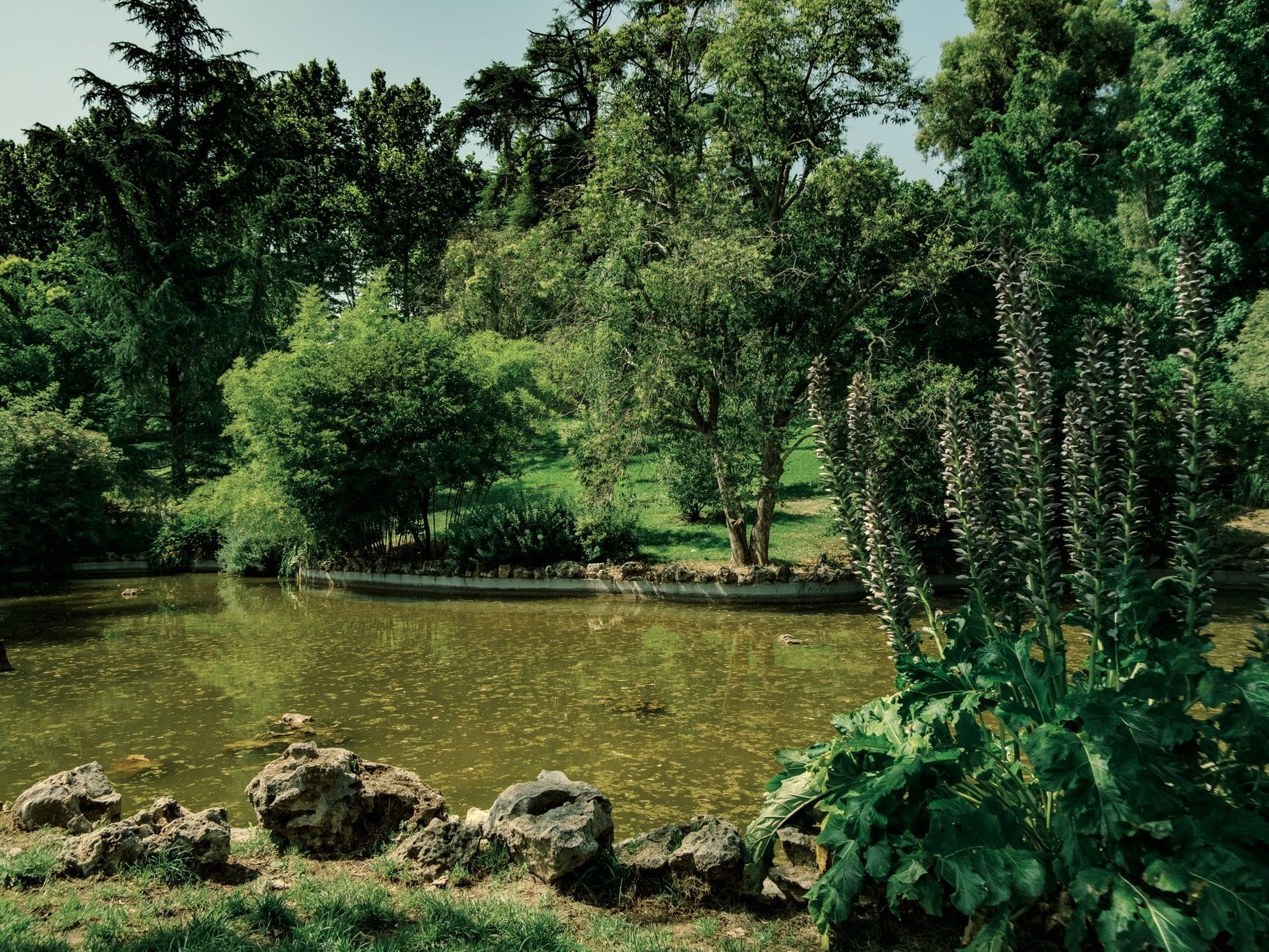
12. Escape the Prado Crowds in the Royal Botanical Garden Next Door
An 18th-century scientific garden adjacent to the Prado with over 5,000 plant species across terraced beds and greenhouses. Entry costs a few euros and the contrast with the museum crowds outside is immediate. Go on a weekday morning for genuine tranquility.
Explore12. Escape the Prado Crowds in the Royal Botanical Garden Next Door
An 18th-century scientific garden adjacent to the Prado with over 5,000 plant species across terraced beds and greenhouses. Entry costs a few euros and the contrast with the museum crowds outside is immediate. Go on a weekday morning for genuine tranquility.
ExploreLocal Neighborhoods & Food Streets
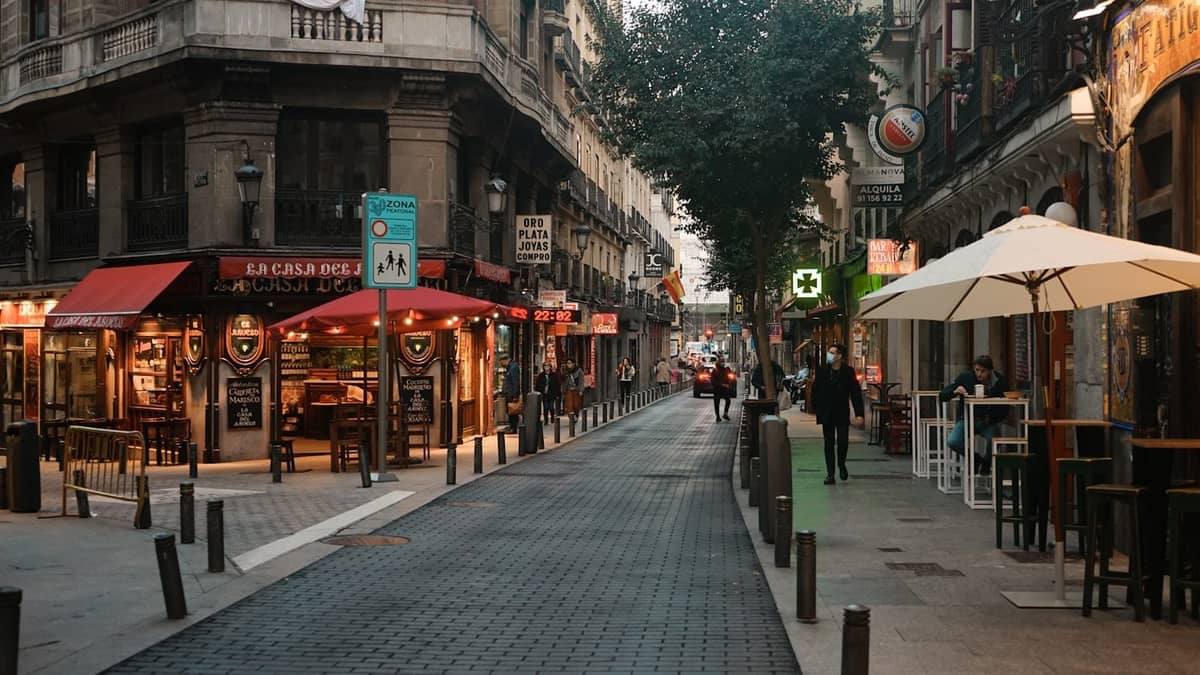
Some of the best hidden-gem experiences in Madrid are not specific attractions but entire streets that locals have made their own. The Chamberí district is particularly rewarding for this kind of exploration, and our Madrid food guide goes deeper into where madrileños actually eat.
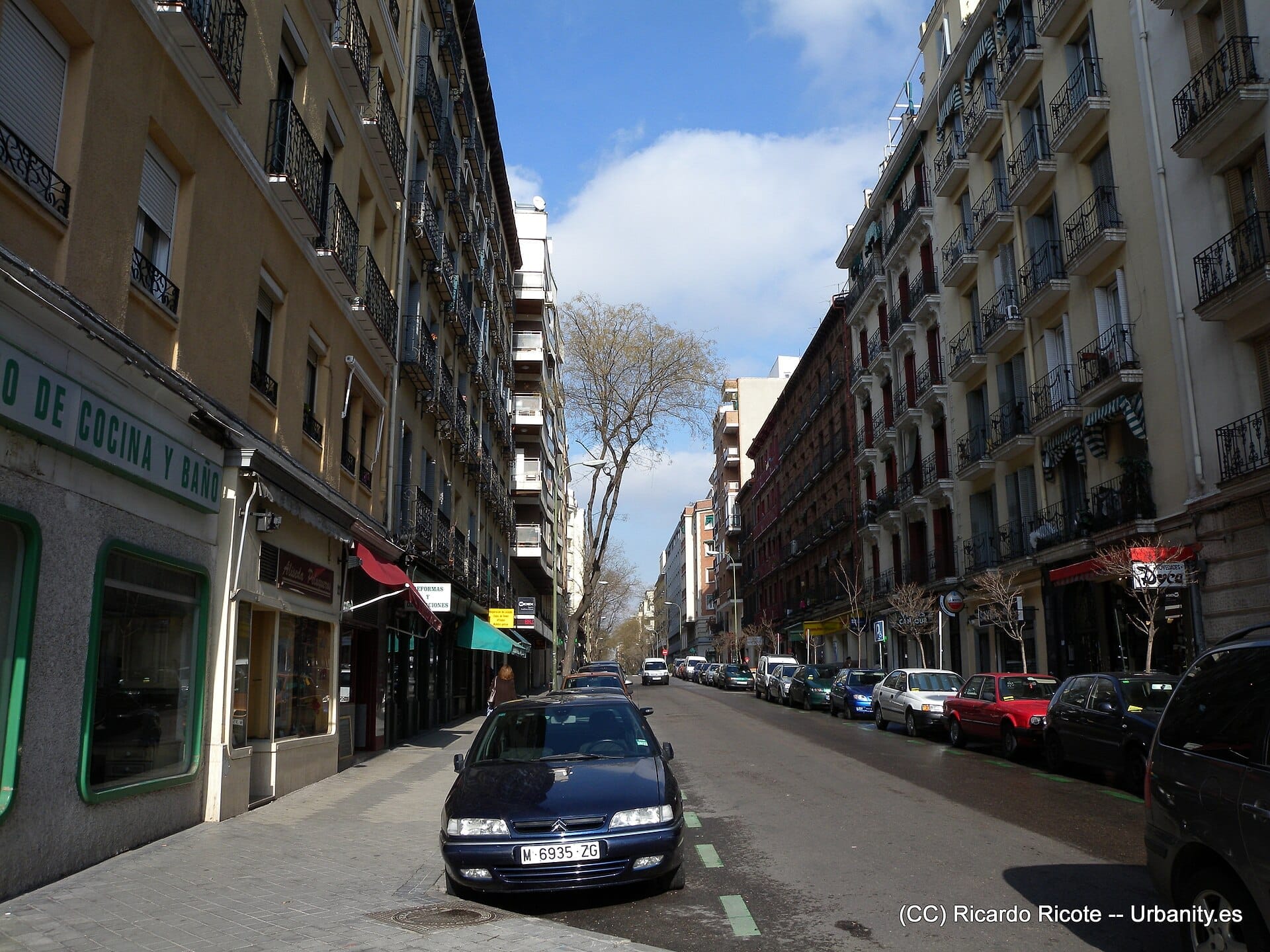
13. Eat on Chamberí's Celebrated Tapas Street Like a Local
A single block in Chamberí that has become Madrid's most talked-about dining destination: natural wine bars, innovative pintxos, and neighborhood restaurants where tourists are still a rarity. Come from 8pm on a Thursday or Friday for the full atmosphere.
Explore13. Eat on Chamberí's Celebrated Tapas Street Like a Local
A single block in Chamberí that has become Madrid's most talked-about dining destination: natural wine bars, innovative pintxos, and neighborhood restaurants where tourists are still a rarity. Come from 8pm on a Thursday or Friday for the full atmosphere.
Explore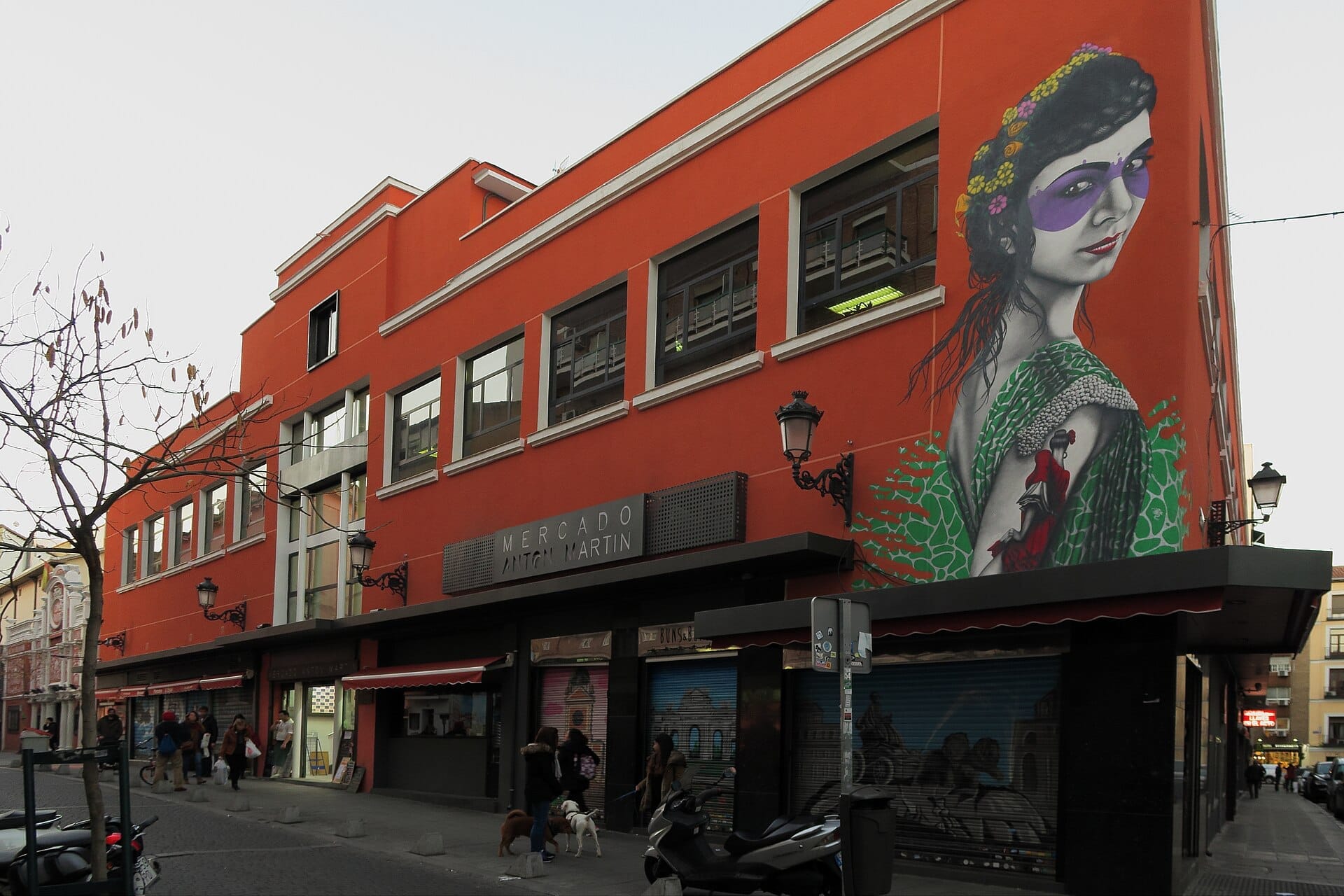
14. Shop at a Untouristy Neighborhood Market
The Mercado de Antón Martín on the Lavapiés-Huertas border is a real neighborhood market: excellent fresh produce, a beloved Japanese food counter, and almost no tourist presence. It's the kind of market experience that most of Madrid's famous markets no longer offer.
Explore14. Shop at a Untouristy Neighborhood Market
The Mercado de Antón Martín on the Lavapiés-Huertas border is a real neighborhood market: excellent fresh produce, a beloved Japanese food counter, and almost no tourist presence. It's the kind of market experience that most of Madrid's famous markets no longer offer.
Explore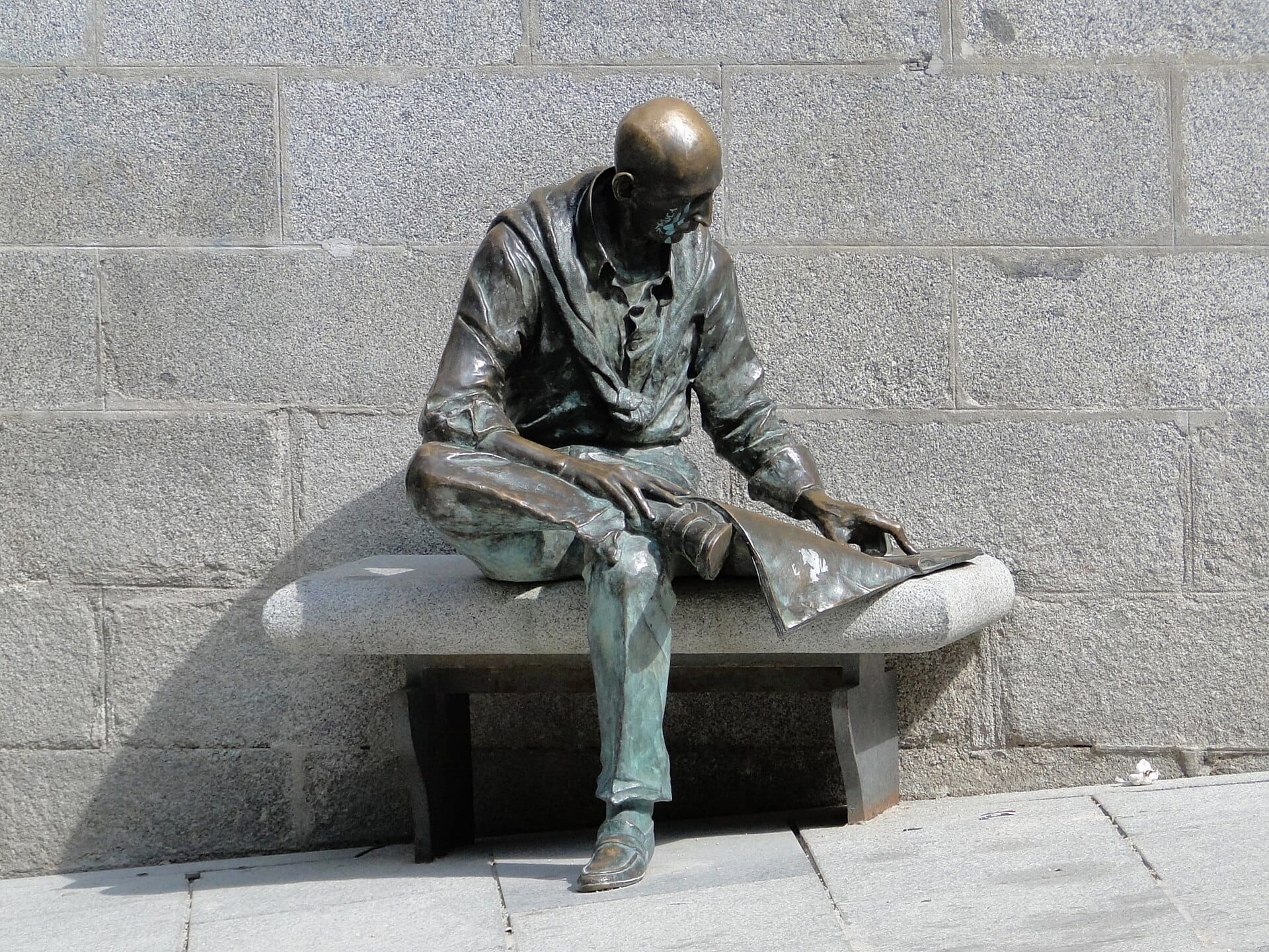
15. Discover La Latina's Most Atmospheric Medieval Square
One of Madrid's oldest squares, surrounded by ancient churches and palaces, with terrace bars that attract locals rather than tourists. The adjacent garden offers sweeping views over the Manzanares valley. Few visitors wander this far from Cava Baja.
Explore15. Discover La Latina's Most Atmospheric Medieval Square
One of Madrid's oldest squares, surrounded by ancient churches and palaces, with terrace bars that attract locals rather than tourists. The adjacent garden offers sweeping views over the Manzanares valley. Few visitors wander this far from Cava Baja.
Explore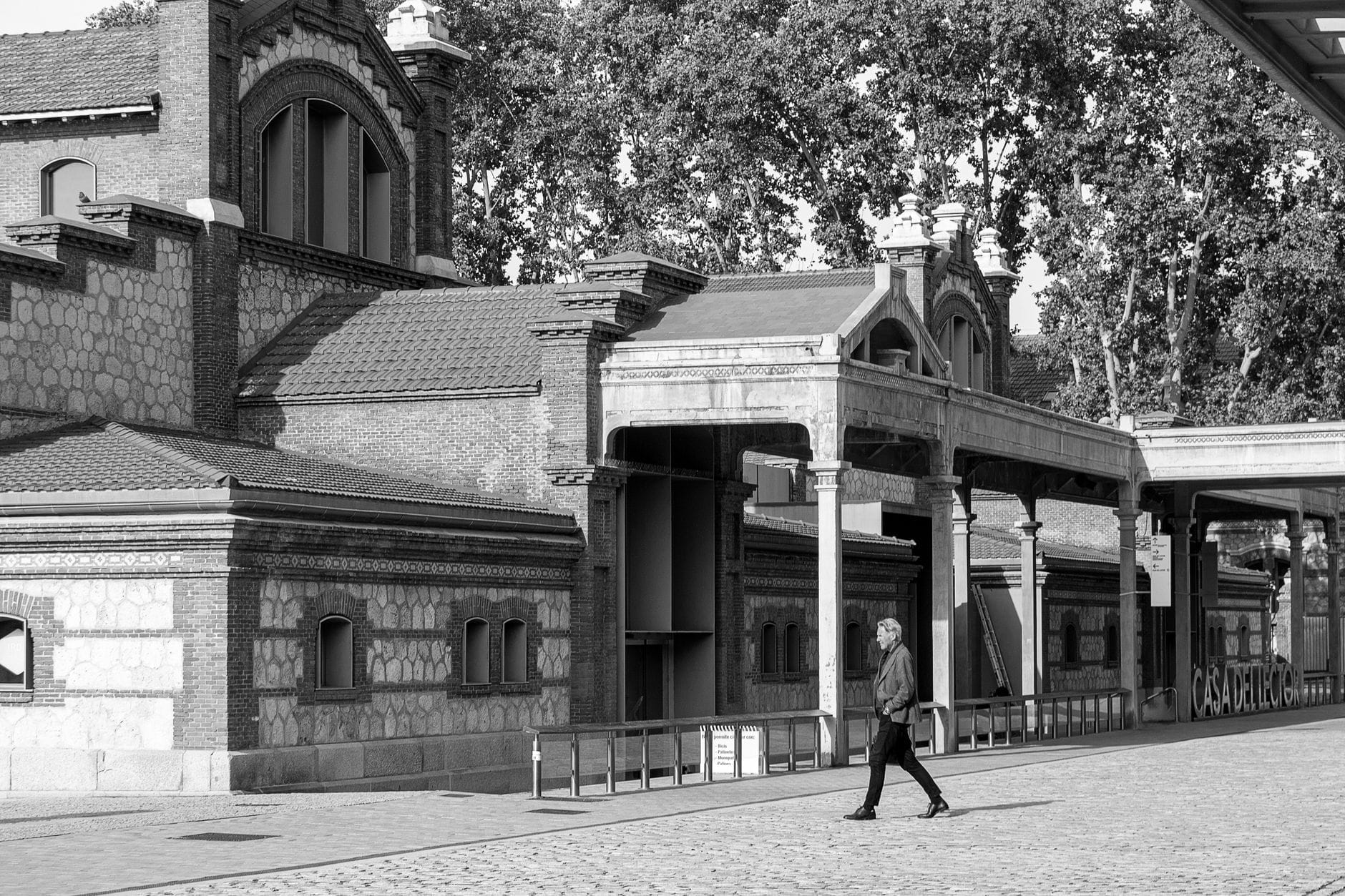
16. Explore Madrid's Most Ambitious Cultural Campus on the Manzanares
A vast former slaughterhouse complex transformed into a contemporary arts center with exhibition halls, cinema, theatre, and a weekend market. Largely missed by first-time visitors, Matadero is where Madrid's creative community actually gathers.
Explore16. Explore Madrid's Most Ambitious Cultural Campus on the Manzanares
A vast former slaughterhouse complex transformed into a contemporary arts center with exhibition halls, cinema, theatre, and a weekend market. Largely missed by first-time visitors, Matadero is where Madrid's creative community actually gathers.
ExploreOverlooked Architecture & Viewpoints
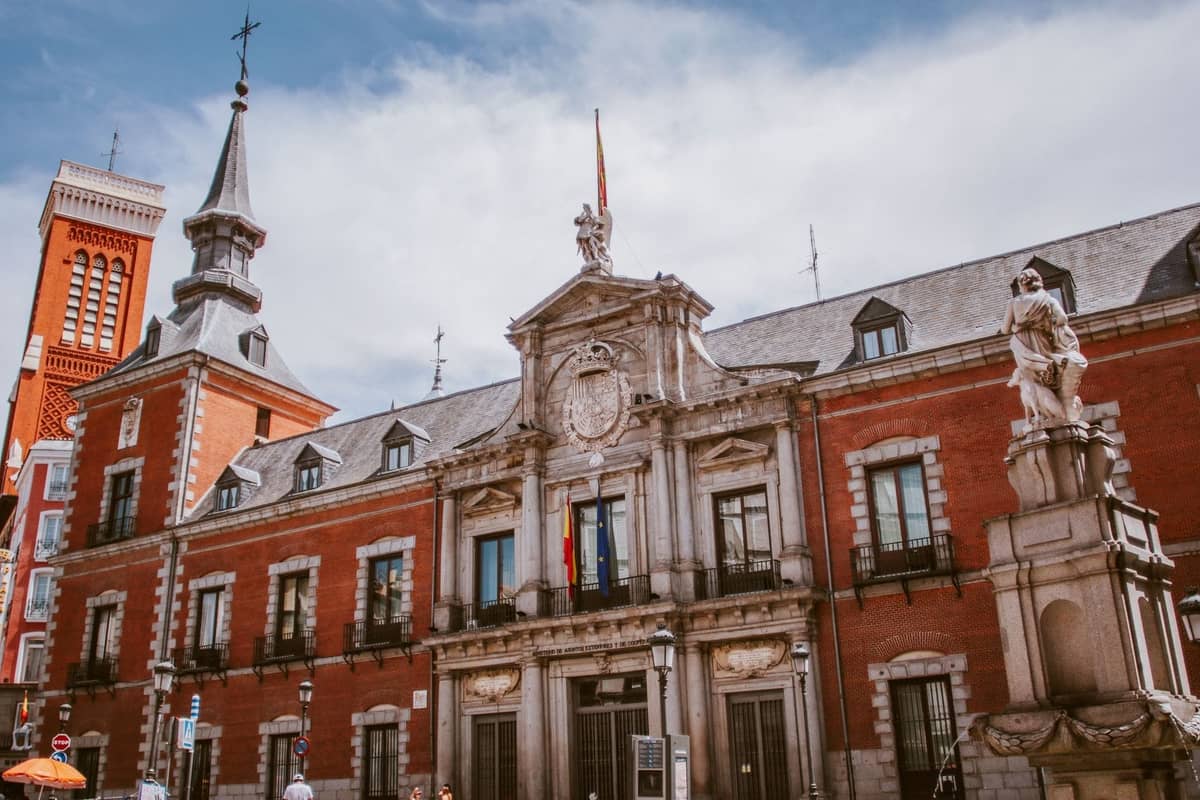
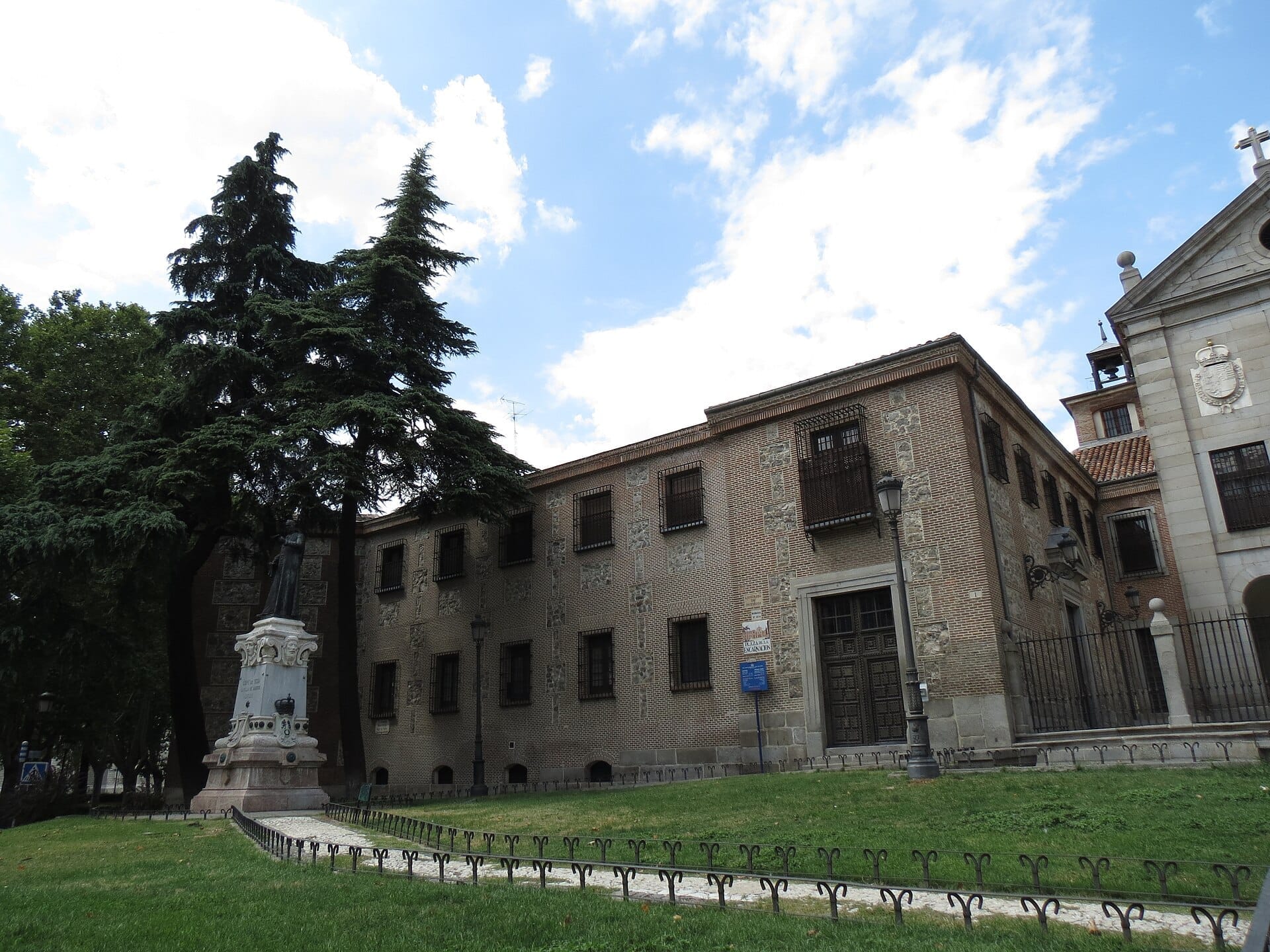
17. Visit the Royal Convent That Descalzas Reales' Visitors Always Skip
A 17th-century royal convent near the Royal Palace with one of Spain's finest Baroque art collections and a remarkable reliquary room. Far fewer visitors than Descalzas Reales, making it the perfect companion visit for anyone serious about Madrid's royal heritage.
Explore17. Visit the Royal Convent That Descalzas Reales' Visitors Always Skip
A 17th-century royal convent near the Royal Palace with one of Spain's finest Baroque art collections and a remarkable reliquary room. Far fewer visitors than Descalzas Reales, making it the perfect companion visit for anyone serious about Madrid's royal heritage.
Explore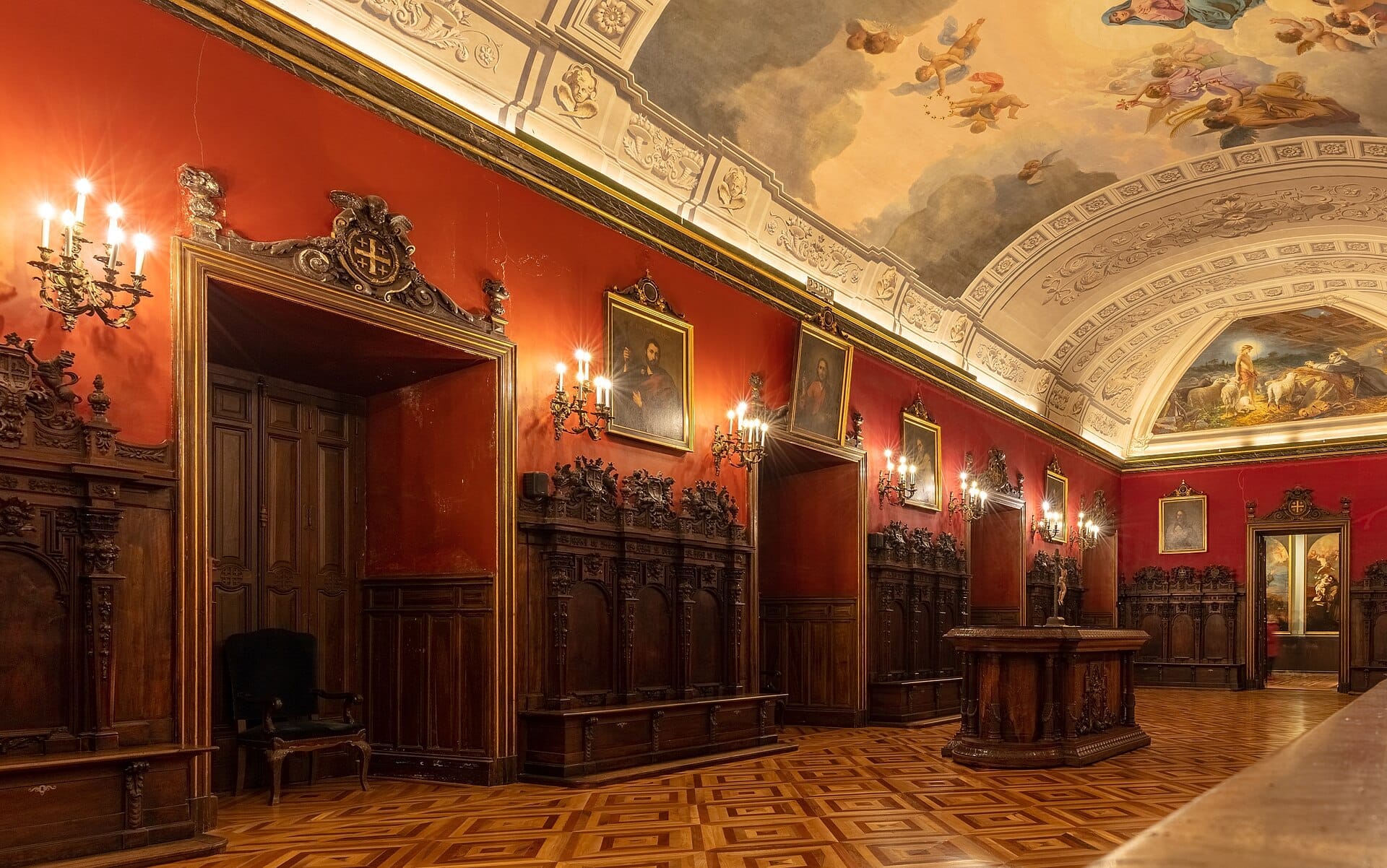
18. Stand Beneath One of the World's Largest Church Domes
An 18th-century neoclassical basilica in La Latina with a dome diameter that rivals St. Peter's in Rome, containing significant works by Goya and Zurbarán. Consistently overlooked in favor of the Almudena, yet one of Madrid's most impressive interiors.
Explore18. Stand Beneath One of the World's Largest Church Domes
An 18th-century neoclassical basilica in La Latina with a dome diameter that rivals St. Peter's in Rome, containing significant works by Goya and Zurbarán. Consistently overlooked in favor of the Almudena, yet one of Madrid's most impressive interiors.
Explore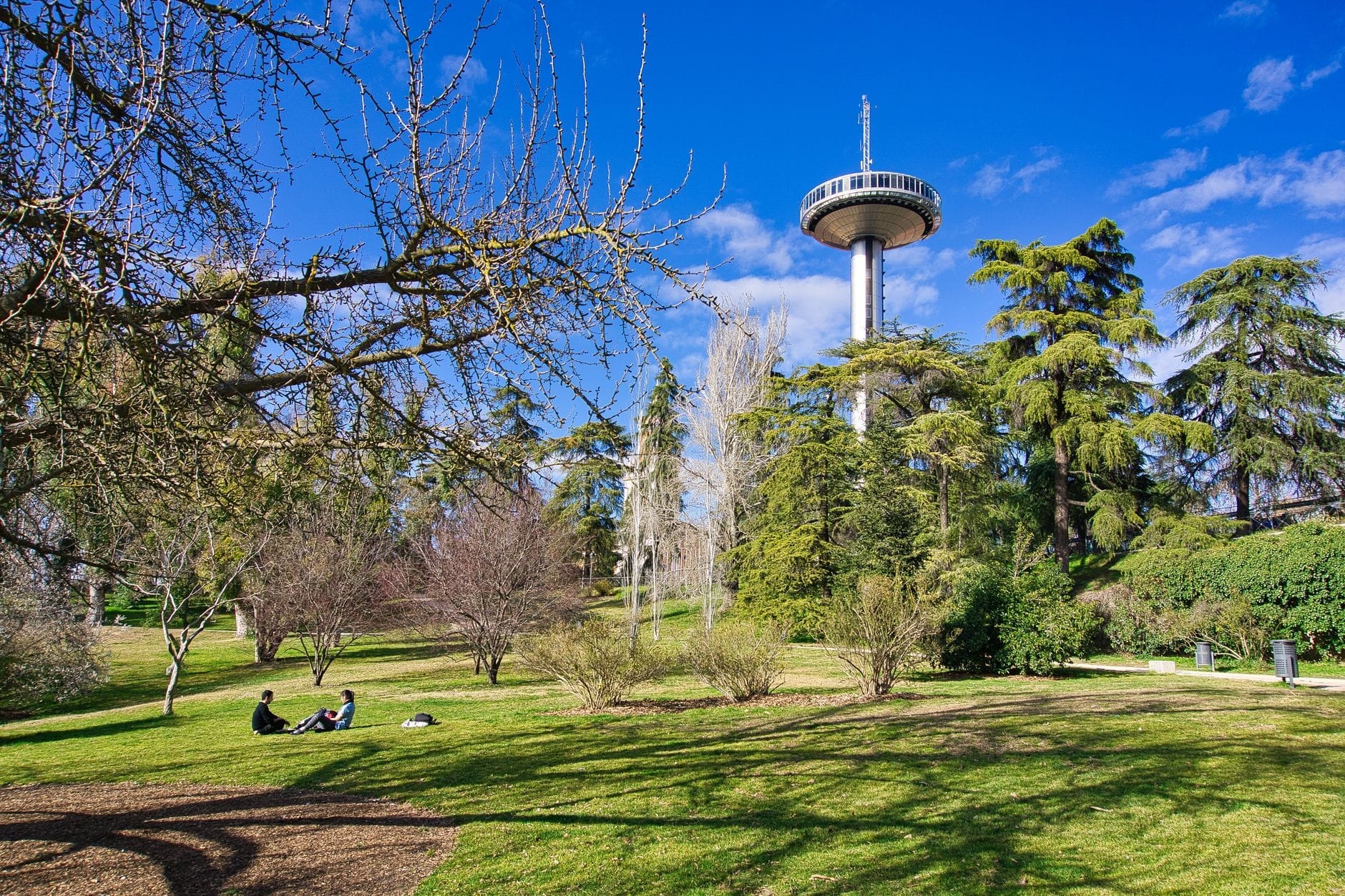
19. Get a 360-Degree View of Madrid from a Telecommunications Tower
The 92-meter Faro de Moncloa has a public observation deck with panoramic views stretching to the Sierra de Guadarrama. Far less crowded than the Círculo de Bellas Artes rooftop, and the perspective from the west of the city is entirely different.
Explore19. Get a 360-Degree View of Madrid from a Telecommunications Tower
The 92-meter Faro de Moncloa has a public observation deck with panoramic views stretching to the Sierra de Guadarrama. Far less crowded than the Círculo de Bellas Artes rooftop, and the perspective from the west of the city is entirely different.
Explore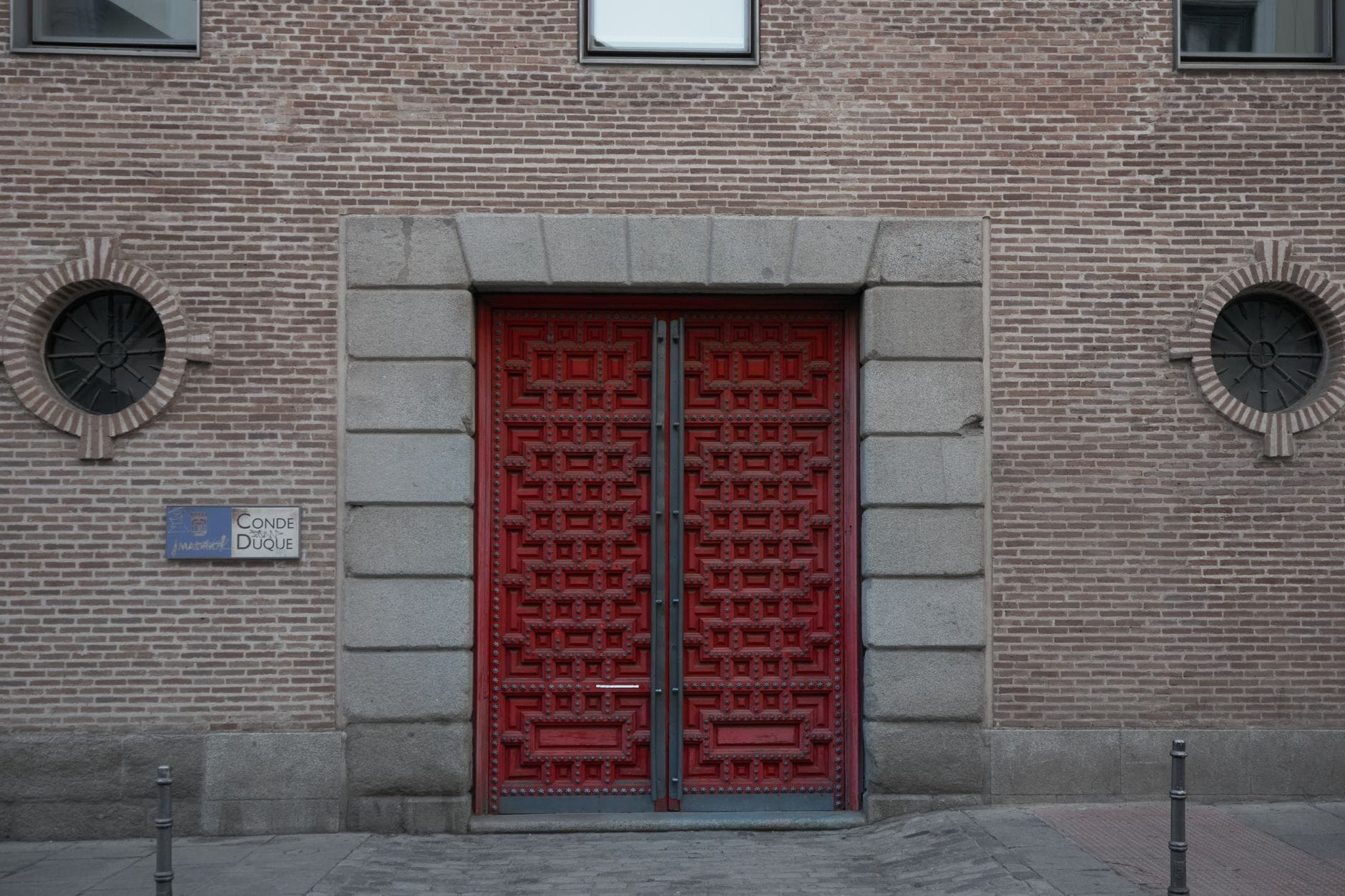
20. Find a Hidden Cultural Campus Inside an 18th-Century Barracks
A vast military barracks in the Conde Duque neighborhood transformed into exhibition spaces, a contemporary art museum, and a summer festival stage. The building's sheer scale surprises first-time visitors, and the surrounding streets are some of Madrid's most characterful.
Explore20. Find a Hidden Cultural Campus Inside an 18th-Century Barracks
A vast military barracks in the Conde Duque neighborhood transformed into exhibition spaces, a contemporary art museum, and a summer festival stage. The building's sheer scale surprises first-time visitors, and the surrounding streets are some of Madrid's most characterful.
Explore✨ Pro tip
Descalzas Reales and the Monasterio de la Encarnación both strongly recommend advance booking through Patrimonio Nacional's website, as groups are small and slots often sell out, especially on weekends, so it's wise to book at least a week ahead.
FAQ
What are the most underrated museums in Madrid?
The Museo Cerralbo, Museo Lázaro Galdiano, Museo del Romanticismo, and the Real Academia de Bellas Artes de San Fernando are all world-class collections that see a fraction of the visitors the Prado attracts. The Ermita de San Antonio de la Florida is free and contains one of Goya's greatest works.
Which parks in Madrid are less crowded than El Retiro?
Parque El Capricho (generally open to the public on weekends and public holidays, with seasonal schedules) and Parque Quinta de los Molinos are both exceptional and rarely busy. Campo del Moro, directly below the Royal Palace, offers one of Madrid's finest views with almost no crowds even in high season.
When is the best time to visit Parque Quinta de los Molinos for the almond blossom?
Late February to mid-March, depending on the year. The timing varies by about two weeks depending on winter temperatures. Check local Madrid blogs or the park's social media in early February for updates on bloom progress.
Are Madrid's hidden gem attractions free to visit?
Several are free: the Ermita de San Antonio de la Florida, Espacio Fundación Telefónica, and public parks like Parque El Capricho and Parque Quinta de los Molinos do not normally charge an entry fee. Others like Museo Cerralbo and Museo del Romanticismo charge a small fee, typically under €5.
How do I get to Matadero Madrid from the city center?
Take metro Line 3 or Line 6 to Legazpi station, then walk about 5 minutes south from Plaza de Legazpi following signs for Matadero Madrid and Madrid Río. It's also accessible from the Madrid Río park on foot or by bike. Check the Matadero Madrid website before visiting as opening hours vary by event.