Luxury Madrid: The Ultimate Upscale Travel Guide
Madrid punches well above its weight as a luxury destination. This guide covers the best five-star hotels, designer shopping streets, fine dining, and cultural experiences that make the Spanish capital one of Europe's most rewarding upscale city breaks.
Plan and book this trip
Tools from our partner Travelpayouts help you compare flights and hotels. If you book through them, we may earn a commission at no extra cost to you.
Flights
Hotels map
TL;DR
- The Salamanca district, specifically the streets around Calle Serrano and José Ortega y Gasset, is Madrid's primary luxury corridor, concentrated with five-star hotels, designer boutiques, and high-end restaurants. See our guide to Barrio de Salamanca for a deeper dive.
- Flagship properties include the Four Seasons Hotel Madrid in the historic Centro Canalejas complex and the Rosewood Villa Magna on Paseo de la Castellana.
- Luxury dining is spread across multiple neighborhoods: the museum district, Gran Vía corridor, and Salamanca all have Michelin-recognized restaurants.
- Spring (April to May) and early autumn (September to October) offer the best conditions for an upscale visit. Summer exceeds 35°C regularly. See the best time to visit Madrid for full seasonal detail.
- You do not need a car. Madrid's city center is compact, walkable, and served by one of Europe's largest metro systems. Taxis and private hire vehicles handle everything else.
Where to Stay: Madrid's Best Luxury Hotels
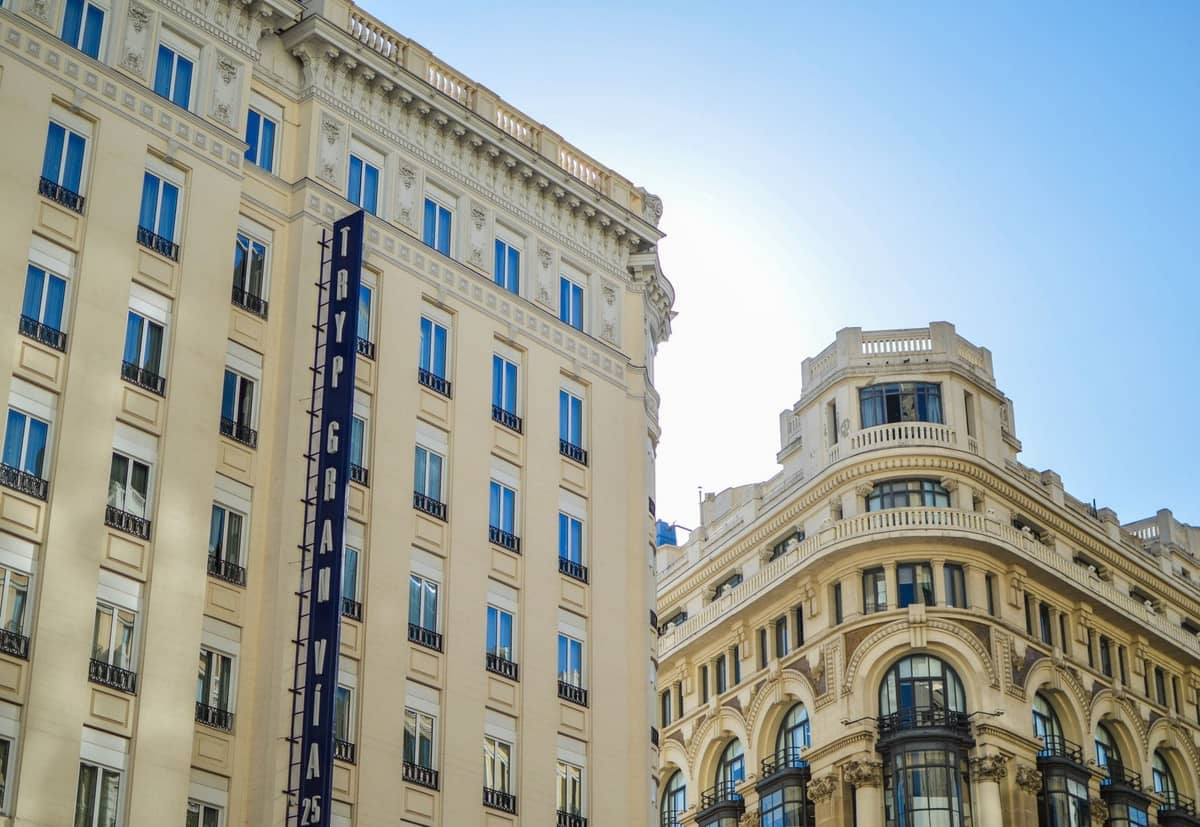
Madrid hotels at the five-star level have improved substantially over the past decade. The opening of the Four Seasons Hotel Madrid in 2020 inside the painstakingly restored Centro Canalejas complex, a block of seven protected 19th-century buildings near Puerta del Sol, signaled that the city was serious about competing with Paris, London, and Milan for the top tier of international travelers. The property has 200 rooms and suites, a rooftop terrace with panoramic city views, and a spa of over 1,400 square meters. It is genuinely exceptional, not just by Madrid standards.
For travelers who want to be in Salamanca rather than the historic center, the Rosewood Villa Magna on Paseo de la Castellana is the benchmark. The hotel sits steps from the Calle Serrano shopping corridor, with Hermès, Louis Vuitton, and Loewe within a five-minute walk. The property is relatively intimate at around 150 rooms, and that scale makes service noticeably more personal than some larger five-star competitors.
- Four Seasons Hotel Madrid Historic Centro Canalejas complex near Puerta del Sol. Rooftop pool, multiple restaurants, 2,000 sqm spa. Ideal for travelers who want to walk to the Prado, Thyssen, and Reina Sofía.
- Rosewood Villa Magna Paseo de la Castellana in Salamanca. Intimate scale, excellent personalized service, immediate access to the city's top shopping street. Best base for luxury retail.
- Hotel Mandarin Oriental Ritz, Madrid A Belle Époque landmark near the Paseo del Prado, reopened after a major renovation. One of Europe's most storied hotel buildings, with a famous garden terrace. Expect rates that reflect the prestige.
- Gran Meliá Palacio de los Duques Located near the Palacio Real, blending historic architecture with contemporary interiors. Good choice for travelers prioritizing the Habsburg-era sights of central Madrid.
- Only YOU Hotel & Lounge Madrid Not a classic five-star but worth including for design-focused travelers on a slightly lower luxury budget. Located in Chueca, strong on style, bar culture, and location.
💡 Local tip
If you plan to base yourself in Salamanca, book well in advance for September and October. The combination of mild weather, the opening of the cultural season, and Madrid Fashion Week compresses demand significantly. Rates can increase by 40 to 60 percent compared to August.
Luxury Shopping: From Serrano to Las Rozas Village
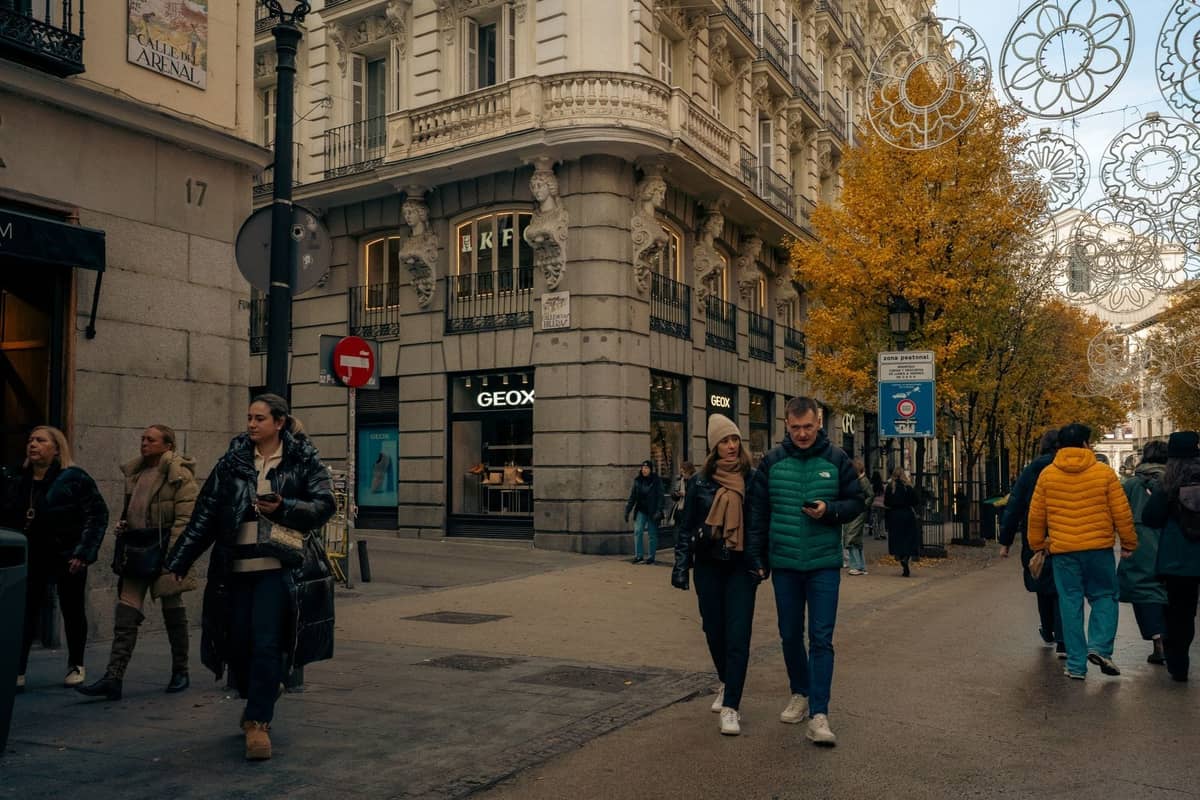
Madrid's luxury retail is concentrated in Salamanca, specifically along two parallel axes: Calle Serrano and Calle José Ortega y Gasset. Serrano covers the mid-to-high range, with Zara's premium lines, Mango Committed, and established Spanish brands alongside international mid-luxury labels. Ortega y Gasset is where the flagship stores of Dior, Chanel, Prada, Bottega Veneta, and Burberry cluster together on a tree-lined boulevard that feels like a calmer, sunnier version of Avenue Montaigne.
For travelers specifically interested in Spanish luxury, look beyond the international flagships. Loewe, the Madrid-founded leather goods house now owned by LVMH, has flagship stores in both Salamanca and the city center. Their Casa Loewe on Serrano is worth visiting even if you are not buying: the space itself is beautifully designed. Purificación García and Roberto Verino represent high-quality Spanish design at slightly more accessible price points. For antiques and one-of-a-kind pieces, the galleries around Calle del Prado and the Rastro's surrounding permanent shops offer serious browsing.
Las Rozas Village, approximately 30 kilometers northwest of the city center, is an open-air outlet mall with discounted stock from Valentino, Balenciaga, Salvatore Ferragamo, and around 100 other brands. A dedicated shuttle runs from central Madrid. It is a legitimate option, not a budget afterthought, but be realistic: the selection and availability of specific items varies considerably, and summer visits are uncomfortable in the heat.
⚠️ What to skip
The Mercado de San Miguel near Plaza Mayor is photogenic but primarily tourist-facing. For truly high-quality food shopping, the Mercado de la Paz in Salamanca is where local residents and restaurant buyers actually shop for premium ingredients, cured meats, and artisan products.
Fine Dining and Upscale Gastronomy
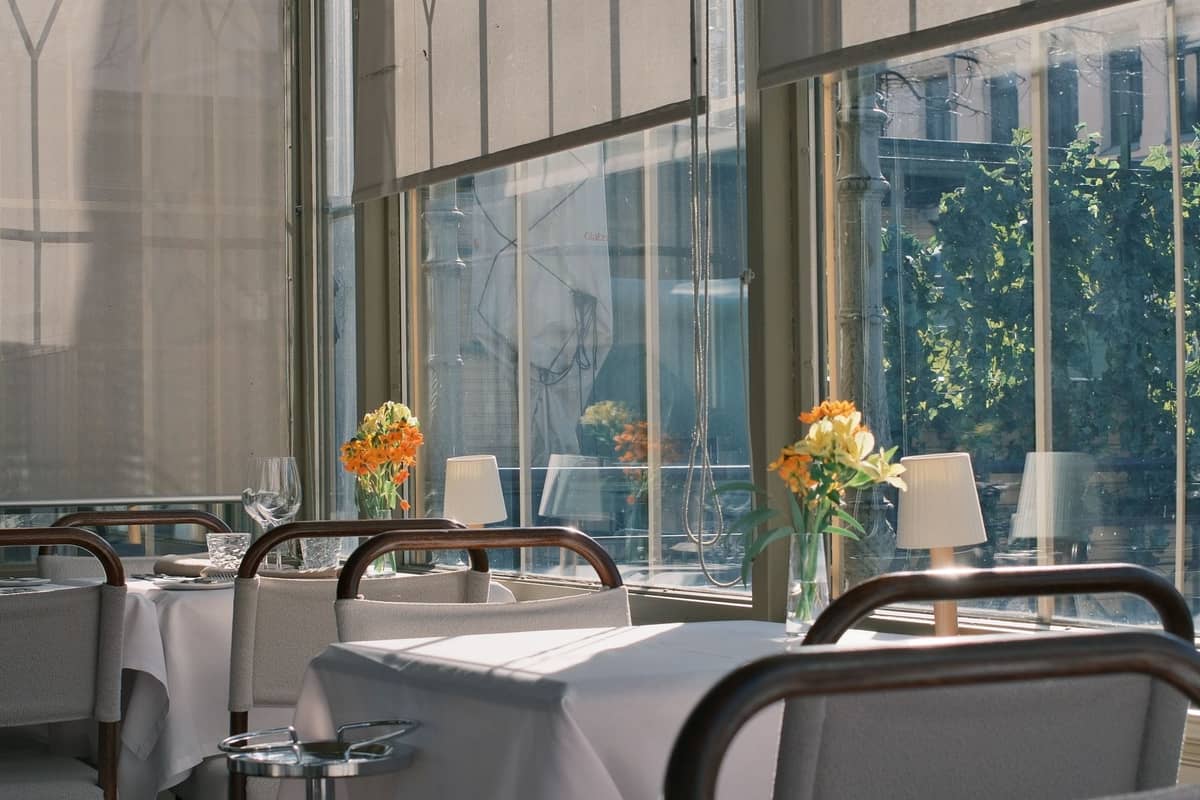
Madrid has become one of Europe's most serious dining cities over the past fifteen years. The city currently holds more Michelin stars than it did a decade ago, and the spread of quality has moved well beyond a handful of landmark restaurants. That said, the highest concentration of fine dining remains in Salamanca and the area around the Paseo del Prado.
DiverXO, run by chef Dabiz Muñoz, holds three Michelin stars and consistently ranks among the top restaurants in the world. It is theatrical, challenging, and quite unlike anywhere else in Europe. Reservations are released months in advance and sell out quickly. For a slightly more accessible introduction to Madrid's top-tier dining, StreetXO, Muñoz's street-food concept at the Platea Madrid complex, gives some sense of the approach at a lower price point.
Ramón Freixa Madrid in the Hotel Único holds two Michelin stars and offers a more formally classical fine dining experience. For travelers who want to understand traditional Spanish cuisine at its most refined, Coque (also two stars) offers a multi-course tasting menu that moves through Castilian culinary tradition with real intelligence. Neither restaurant is cheap: expect 150 to 250 euros per person for full tasting menus with wine pairings.
Not every upscale meal needs a Michelin star. Madrid's tapas culture, when accessed at the right places, delivers quality that rivals formal dining at a fraction of the cost. The bars along Cava Baja in La Latina serve pintxos and small plates that use serious ingredients: Iberian ham from Extremadura, Galician percebes, aged Manchego. This is where knowing the city pays off far more than booking the obvious tourist spots.
Culture at the Top Level: Madrid's World-Class Museums
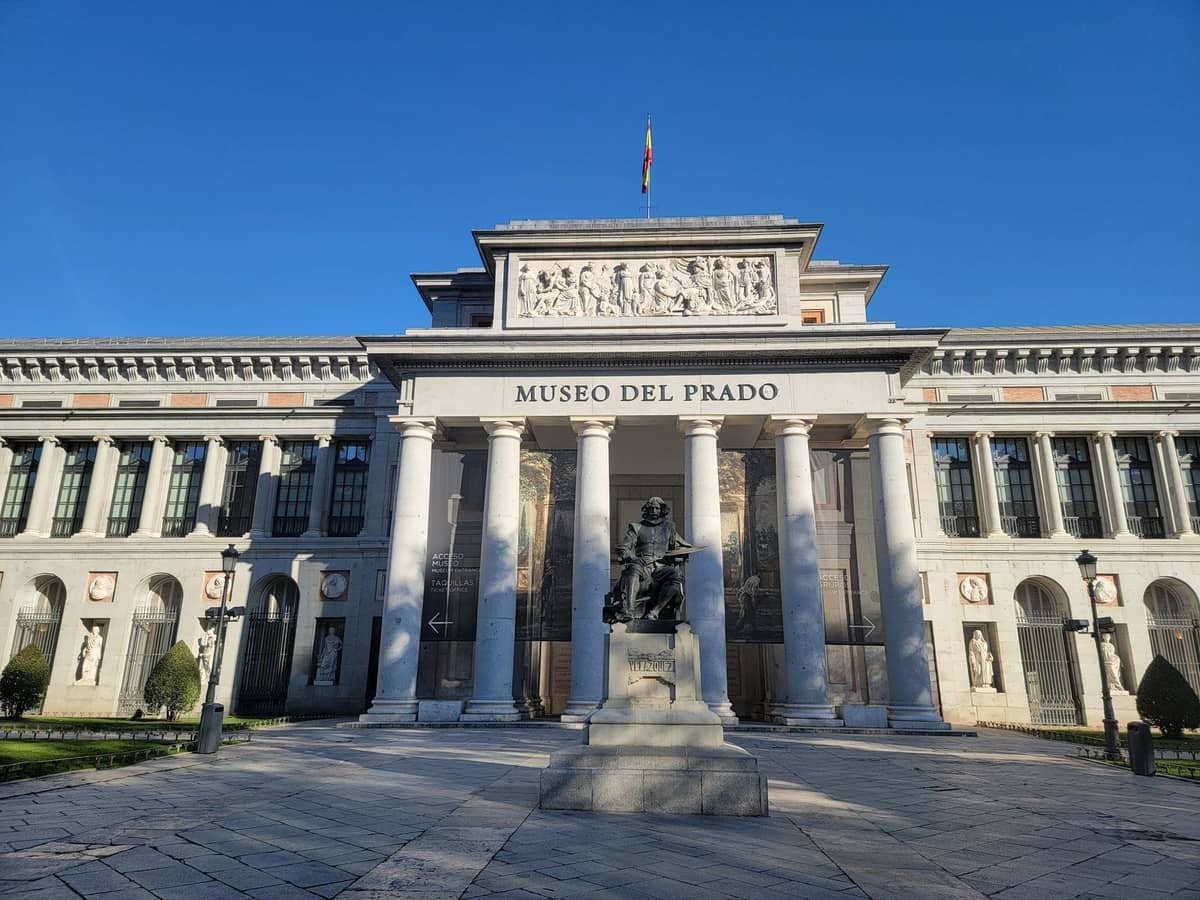
The Paseo del Prado museum corridor is, objectively, one of the greatest concentrations of art anywhere in the world. Within a 15-minute walk, you have the Museo del Prado, the Museo Thyssen-Bornemisza, and the Museo Reina Sofía. For a luxury trip, the practical move is to buy priority-access tickets in advance for each and allocate a full day per museum rather than cramming all three into 48 hours.
The Prado general adult ticket is 15 euros, which is remarkable value given the collection. Free entry applies to EU and Latin American residents on specific late-afternoon slots (Monday to Saturday 18:00 to 20:00, Sundays 17:00 to 19:00, but always verify current hours on the museum's official website before visiting, as these change). For luxury travelers, the better approach is a private guided tour: several firms operate after-hours or small-group expert tours that allow access to sections of the collection rarely seen in standard visits.
✨ Pro tip
The Museo Thyssen-Bornemisza is consistently underestimated. Its collection spans from 13th-century Italian primitives to 20th-century American abstraction, and because it draws smaller crowds than the Prado, you can spend an hour with a Hopper or a Klimt without anyone standing in your way. The temporary exhibitions here are also regularly world-class.
Beyond the golden triangle, the Real Academia de Bellas Artes de San Fernando on Calle de Alcalá houses a significant collection including Goya self-portraits, and is often uncrowded even on busy weekends. For architecture enthusiasts, the CaixaForum Madrid near the Prado, designed by Herzog and de Meuron, is worth visiting for the building alone.
Neighborhoods Worth Knowing for Upscale Travelers
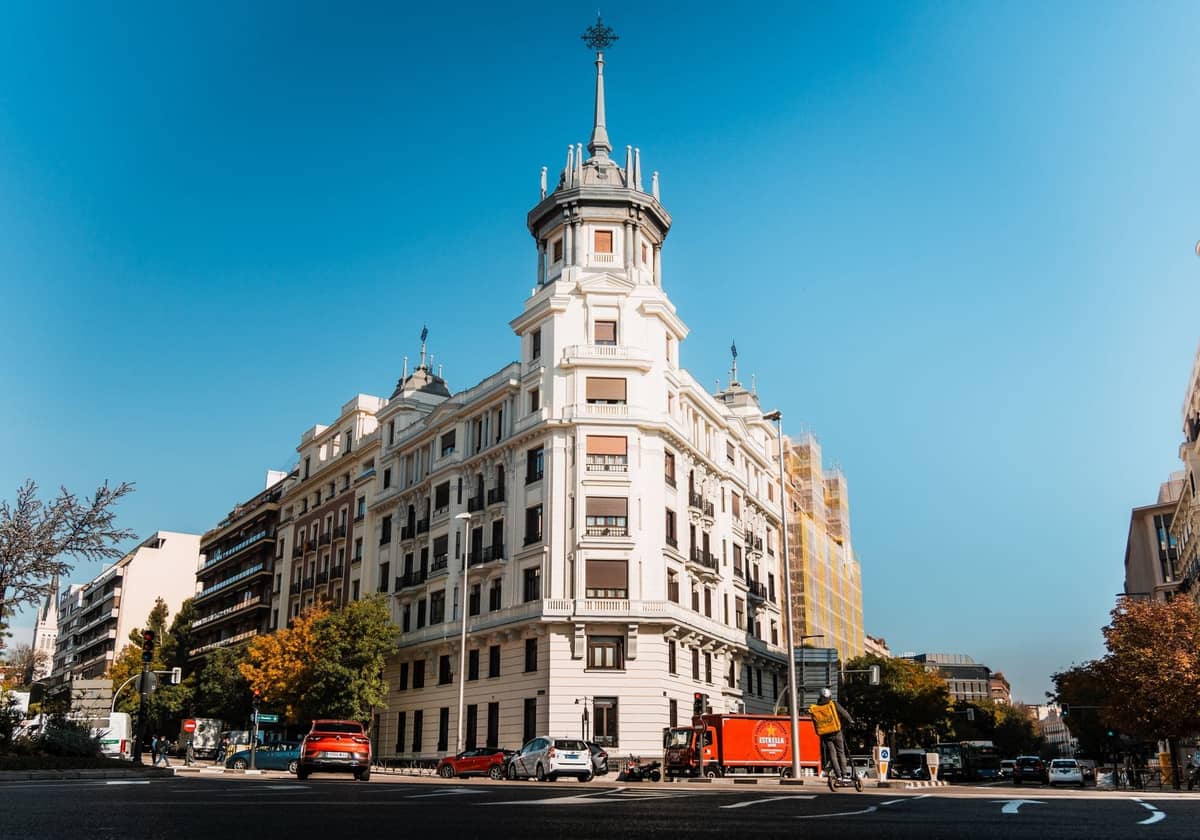
Salamanca is the obvious anchor, but Madrid's upscale geography is more distributed than the neighborhood-centric framing suggests. Chamberí immediately to the north of Centro is where many of Madrid's wealthier residents actually live, and the restaurant and bar scene there reflects genuine local affluence rather than tourist positioning. Calle de Ponzano and the surrounding streets have some of the best wine bars and modern Spanish restaurants in the city.
The area immediately around the Palacio Real and Plaza de Oriente is underused by luxury travelers who position themselves in Salamanca. The Teatro Real, Madrid's principal opera house, is on this plaza and offers performances from September to July at a very high standard. Booking a box or premium orchestra seat for a performance is one of the most truly special experiences Madrid offers, and tickets are often more available and better priced than at equivalent venues in Vienna or Milan.
- Salamanca: the core luxury hub. Five-star hotels, designer flagships, fine dining. Stay here if shopping and hotel quality are the priority.
- Paseo del Prado corridor: best base for museum-focused visits. The Mandarin Oriental Ritz and Four Seasons are both within walking distance of all three major museums.
- Chamberí: the local luxury alternative. Fewer tourists, excellent restaurants, residential character. Best accessed as a dining or evening destination rather than a hotel base.
- Sol and Centro: central location with good transport links to everywhere. Hotel quality at the five-star level is represented by the Four Seasons. Livelier and more mixed than Salamanca.
- Palacio Real area: underrated for upscale evening culture. The Teatro Real, Jardines de Sabatini, and Campo del Moro are all within a short walk.
Practical Logistics for a High-End Madrid Visit
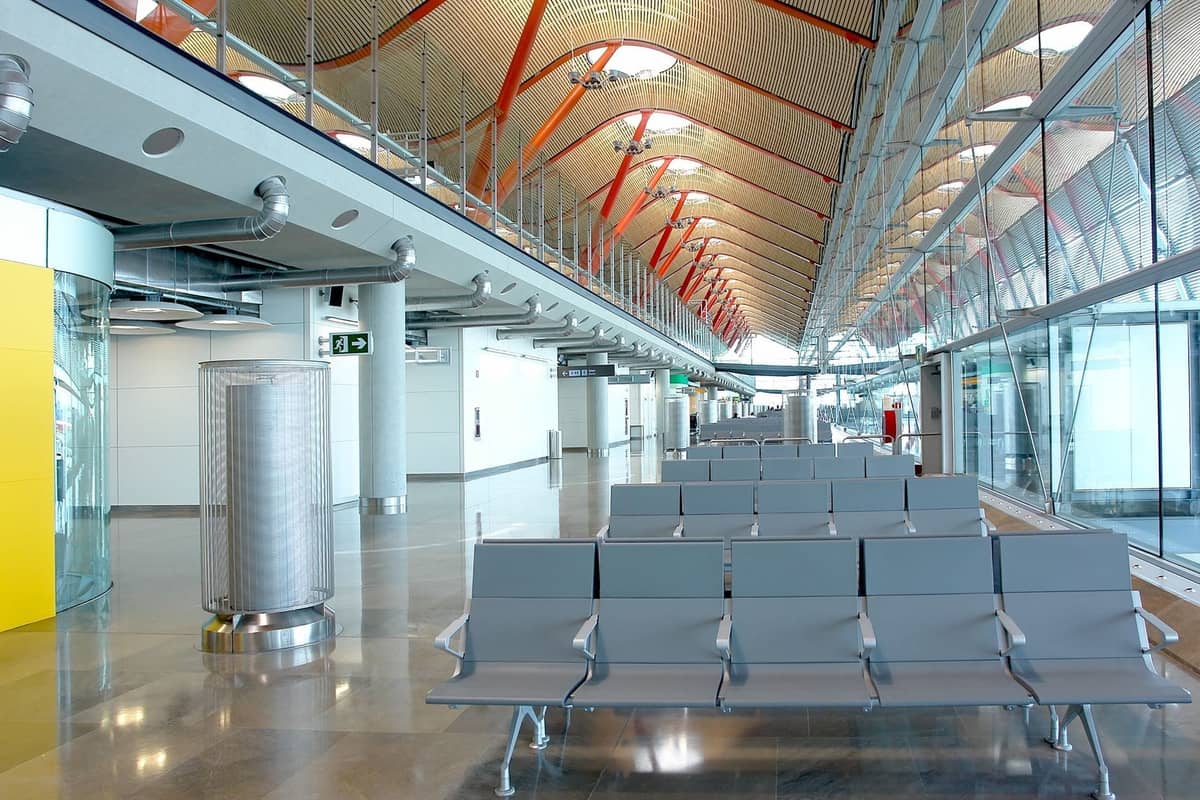
Madrid Barajas Airport (IATA: MAD), officially Adolfo Suárez Madrid-Barajas Airport, is roughly 12 to 13 kilometers from the city center. Metro Line 8 connects Terminal 4 and the T1-T2-T3 hub with Nuevos Ministerios in around 15 to 20 minutes. For a luxury visit, a private transfer is the more practical choice: journey time is similar but you avoid luggage handling on the metro, and the fixed price is predictable. Official city taxis also operate from all terminals with regulated tariffs. Confirm current rates with the Ayuntamiento de Madrid before traveling, as flat-fare policies are periodically updated.
Within the city, walking covers most of central Madrid surprisingly well. The distance from the Prado to the Palacio Real is around 2 kilometers; Salamanca to Retiro Park is under a kilometer. The Madrid Metro is one of the largest in Europe and reaches every part of the city cleanly and quickly. For evenings out or cross-city transfers, Cabify and Uber both operate legally in Madrid under VTC regulations, though availability and pricing should be confirmed before your trip. For the full picture on getting around, see the getting around Madrid guide.
A note on dress codes: Madrid's luxury venues expect smart casual as a baseline. Most fine dining restaurants do not enforce jacket requirements for men, but turning up in trainers and a t-shirt to a two-Michelin-star restaurant will make the evening less enjoyable for everyone. The Teatro Real has no enforced dress code but the audience skews formal. Religious sites, including the Almudena Cathedral adjacent to the Palacio Real, require covered shoulders and knees regardless of the season.
ℹ️ Good to know
Spain uses Type C and Type F plugs at 230V, 50Hz. The euro is the currency. Tipping is discretionary: rounding up or leaving small coins is appreciated in bars and cafes; in fine dining, 5 to 10 percent is appropriate if service has been truly excellent, but service charges are sometimes already included. Check the bill before tipping. Emergency services: 112.
FAQ
What is the best area to stay in Madrid for a luxury trip?
Salamanca is the primary choice, with the Rosewood Villa Magna and several other five-star properties positioned close to designer shopping on Calle Serrano and Ortega y Gasset. For travelers prioritizing museum access and historic atmosphere, the area around Paseo del Prado (home to the Mandarin Oriental Ritz) and the central hub around Puerta del Sol (where the Four Seasons is located) are equally valid. The right choice depends on your priorities: retail and residential calm point to Salamanca; culture and walkability point to the Prado corridor.
How much should I budget per night for a five-star hotel in Madrid?
Madrid five-star rates vary considerably by season and property. As a general range, expect 300 to 600 euros per night at properties like the Rosewood Villa Magna or Gran Meliá Palacio de los Duques in standard conditions. The Four Seasons and Mandarin Oriental Ritz can run higher, particularly during peak periods like September, October, and major events. Summer (July to August) often sees lower hotel rates as the heat discourages some visitors, which can represent good value if you plan indoor-heavy itineraries.
Are there Michelin-starred restaurants in Madrid?
Yes, and the number has grown considerably. DiverXO holds three stars and is among the most celebrated restaurants in Europe, though reservations require planning months ahead. Ramón Freixa Madrid and Coque both hold two stars and offer different styles of high-end Spanish cuisine. Several one-star restaurants offer excellent tasting menus at more accessible price points. Booking ahead is essential for all Michelin-level dining in Madrid.
Is Madrid a good luxury destination compared to Barcelona?
The two cities serve different luxury profiles. Madrid tends to offer better value per night at the five-star level, a stronger fine dining scene, and more concentrated museum culture. Barcelona has stronger architectural tourism (Gaudí) and beach proximity. For pure art, gastronomy, and upscale shopping, Madrid is arguably the stronger choice. For design architecture and Mediterranean lifestyle, Barcelona has the advantage. They are different enough that comparison is often less useful than simply matching the city to your interests.
What is the best time of year for a luxury trip to Madrid?
April to May and September to October are the clearest recommendations. Spring brings mild temperatures (around 18 to 24°C), blooming parks, and a full cultural calendar. Autumn brings the new opera and theatre season, major art exhibitions, and comfortable weather. Summer (June to August) is hot, with July and August regularly exceeding 35°C, which pushes the luxury experience indoors toward hotel spas, air-conditioned museums, and evening dining. Winter is cool but manageable, with shorter queues at major museums and lower hotel rates outside the Christmas period.