Is Madrid Safe? Practical Safety Tips and Scams to Avoid
Madrid ranks among Europe's safer capital cities, but tourists face real risks from pickpocketing, distraction theft, and a handful of well-documented scams. This guide breaks down the actual threats, neighborhood by neighborhood, and gives you practical tools to stay safe without being paranoid.
Plan and book this trip
Tools from our partner Travelpayouts help you compare flights and hotels. If you book through them, we may earn a commission at no extra cost to you.
Flights
Hotels map
TL;DR
- Madrid is generally safe for tourists. Official advisories from the US, UK, and Australia classify Spain as a low-risk destination, not a travel-warning country.
- The biggest real threat is petty theft: pickpocketing and distraction scams around Puerta del Sol, Plaza Mayor, and the Metro.
- Fake police officers, shell-game street games, and unlicensed taxis are the most common tourist-targeted scams.
- Call 112 for all emergencies. It works for police, fire, and medical services across Spain.
- Standard precautions, keeping bags in front, using licensed taxis or ride-hailing apps, and staying alert in crowded areas, will cover the vast majority of risks.
How Safe Is Madrid, Really?
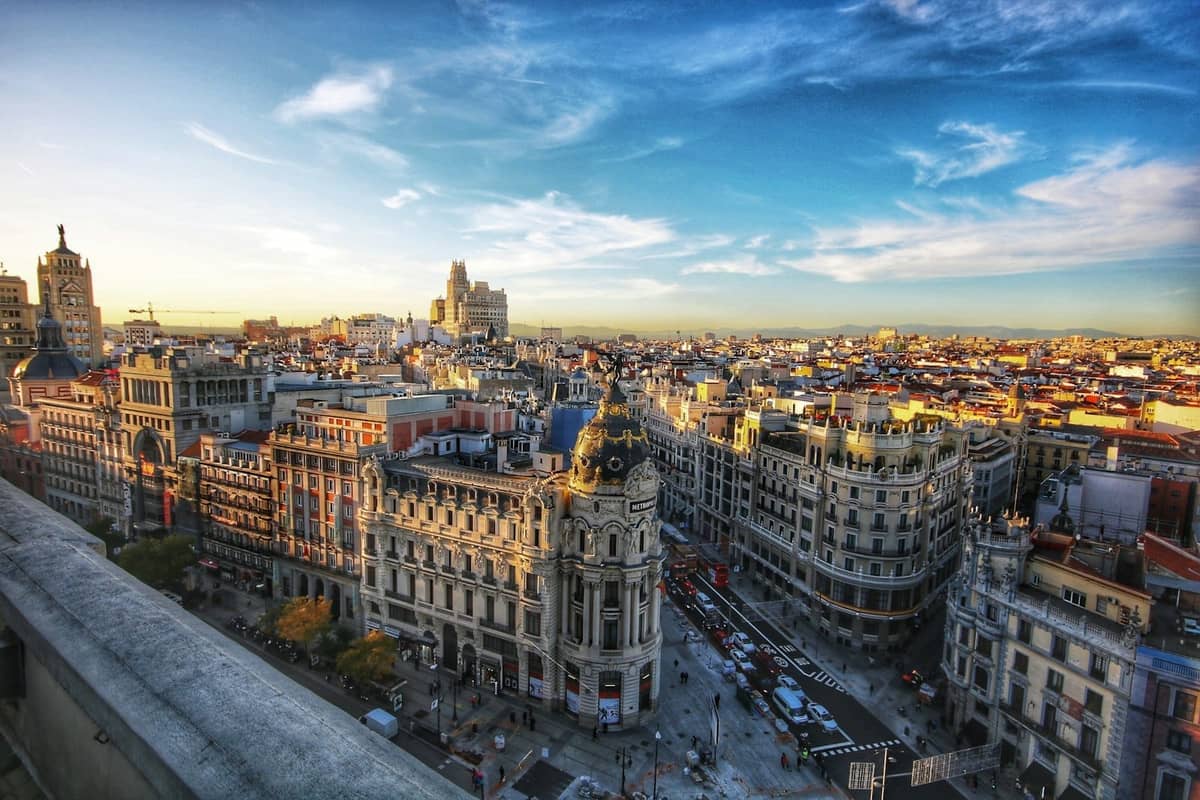
Madrid is the capital of Spain and home to around 3.4 million people in the municipality and roughly 6.9 million in the wider metropolitan area. For context, this is one of the largest cities in the European Union, and it functions like one: well-policed, with extensive public transport, and a strong tourism infrastructure that takes visitor safety seriously.
Official travel advisories from the United States (Travel.State.gov), United Kingdom (GOV.UK), and Australia (Smartraveller) all maintain Spain at their lowest or second-lowest risk level. None issue a travel warning against visiting Madrid. The advisories focus on three specific concerns: petty theft in tourist areas, the general terrorism risk present across major European cities, and occasional disruption from demonstrations or strikes. These are risks you'd encounter in London, Paris, or Rome, not indicators of a dangerous city.
ℹ️ Good to know
Spain is part of the Schengen Area. Nationals of the EU, US, Canada, UK, Australia, and many other countries can enter visa-free for short stays. Always verify current entry requirements with Spain's Ministry of Foreign Affairs before travel, as rules change.
The most common misconception is that Madrid is broadly unsafe. That framing is wrong. What is accurate is that certain high-traffic tourist zones, particularly around Gran Vía, the Metro, and major markets, concentrate opportunistic theft. Knowing where and how it happens puts you well ahead of most visitors.
The Most Common Scams Targeting Tourists
Madrid's scam ecosystem is well-documented and, frankly, not very sophisticated. The same patterns repeat year after year, which means they're easy to recognize once you know what to look for.
- The Distraction Theft The most prevalent crime against tourists. A team of two or more people: one creates a distraction (spilling something, asking for directions, showing you something), another lifts your wallet or phone. Extremely common on the Metro, around Puerta del Sol, and near major museums. Keep bags in front and phones off tables.
- Fake Police Officers Individuals posing as plainclothes police approach tourists claiming to check for 'counterfeit currency' or drug possession. Genuine Madrid police officers may ask for ID but will never ask to inspect your wallet or purse. If someone claiming to be a police officer asks for your cash or cards, refuse and request to go to the nearest police station.
- The Shell Game (Trile) Illegal street gambling, typically on Gran Vía or near major squares. You watch a ball move under cups and bet on where it ends up. The game is rigged. Bystanders cheering are part of the operation. Never bet, and don't stop to watch.
- The 'Free' Rosemary or Bracelet A person hands you something 'for luck' then demands payment once it's in your hands. Common near the Royal Palace and Puerta del Sol. Decline firmly before it touches you.
- Unlicensed Taxis Drivers approaching you at the airport or train stations offering rides at attractive prices. In Spain, using an unlicensed taxi can result in fines of up to €600 for the passenger in some jurisdictions. Use official white Madrid taxis (identifiable by the red diagonal stripe and taxi light on the roof) or pre-book through licensed apps.
- Overcharging at Informal Venues Some bars and restaurants near Plaza Mayor and around tourist squares have been known to present inflated bills or add charges not shown on the menu. Always ask to see a printed menu before ordering, and check your bill before paying.
⚠️ What to skip
If you are approached by someone claiming to be a plainclothes police officer, do not hand over your wallet. Ask to be escorted to the nearest official police station (Comisaría). Real officers will comply. Scammers will not.
Neighborhood Safety: Where to Be Alert
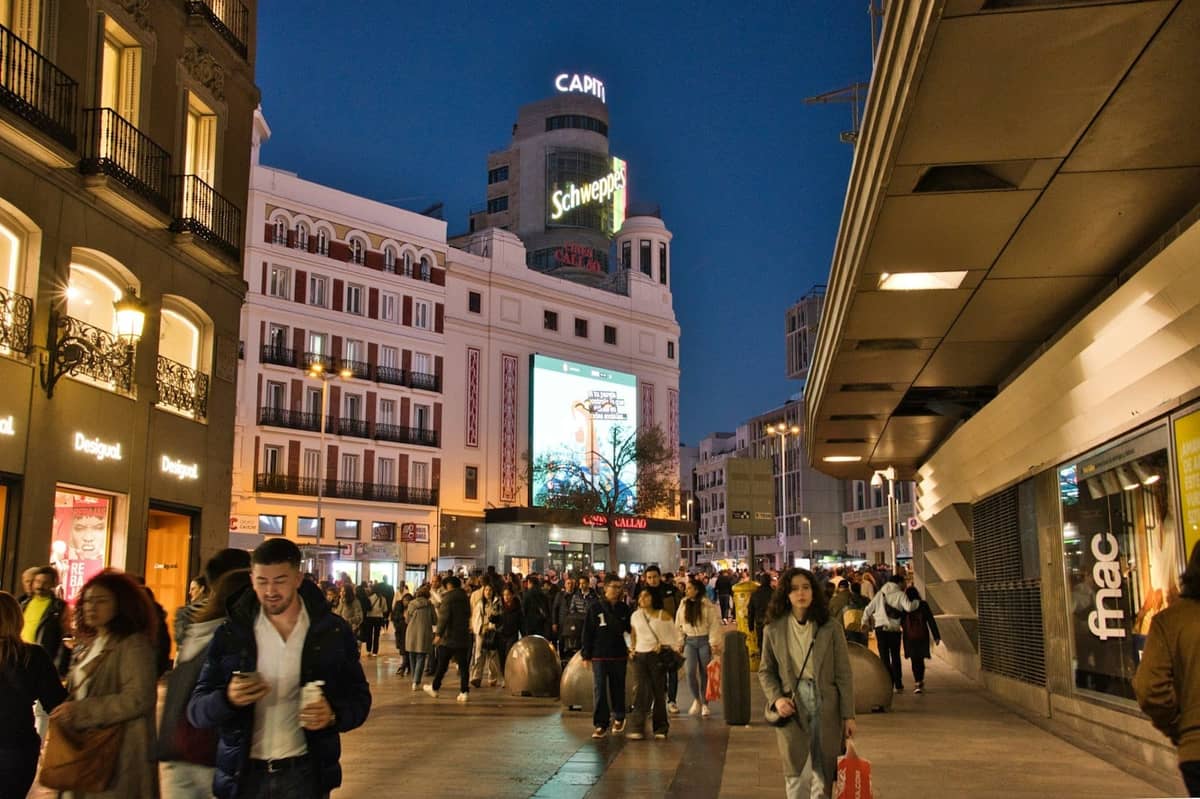
Madrid's neighborhoods vary considerably in character. The central districts, particularly Sol and Centro, see the highest concentration of tourist-targeted petty crime simply because they have the highest concentration of tourists. That doesn't make them dangerous to walk through; it means you apply basic precautions.
Areas like Barrio de Salamanca and Chamberí are quieter, more residential, and see very little tourist-targeted crime. Malasaña and Chueca have a strong local nightlife culture and are generally safe, though late-night crowds can attract opportunistic theft as in any European city.
- Puerta del Sol, Plaza Mayor, Gran Vía Highest tourist density, highest pickpocket risk. Be alert, especially on Metro Line 1, 2, and 3 interchanges. Keep phones in pockets, not in hand.
- La Latina and Lavapiés Lively and generally safe. Lavapiés is one of Madrid's most diverse neighborhoods and is sometimes described as edgy, but tourist crime there is not significantly higher than in other central areas.
- Retiro Park Very safe during the day and heavily used by families and joggers. After dark, stick to well-lit paths and avoid isolated areas of the park.
- Metro System Safe overall but the prime location for distraction theft. Be especially alert at airport Line 8, and on lines serving the tourist center. Keep bags zipped and facing forward.
- Adolfo Suárez Madrid–Barajas Airport Unlicensed taxi touts operate near arrivals. Use the official taxi rank, Metro Line 8, or pre-booked apps. The airport is about 12 km from the city center.
Practical Safety Tips That Actually Work
The security measures that protect you most in Madrid are behavioral, not technological. Here is what makes a genuine difference:
- Carry a photocopy or digital scan of your passport rather than the original. Spain does require you to carry ID, but a certified copy or your driver's license often suffices for routine checks. Keep the original passport locked in your accommodation safe.
- Use an anti-theft bag or money belt for passports and large amounts of cash, especially on the Metro and in crowded market areas like El Rastro.
- Don't keep your phone on café or restaurant tables. Phone snatching is quick and increasingly common in tourist-heavy areas.
- Split your cash: keep daily spending money in your pocket and larger amounts separately. Losing €40 is recoverable; losing everything in one theft is not.
- Be cautious with ATMs. Use machines attached to bank branches rather than standalone ATMs on busy streets. Cover the keypad when entering your PIN.
- Tap water in Madrid is safe to drink. You do not need to buy bottled water, and doing so constantly marks you as an obvious tourist target.
✨ Pro tip
Madrid sits at around 665 meters above sea level, higher than you'd expect for a southern European city. In summer, temperatures frequently exceed 35°C. Heat exhaustion is a genuine risk for tourists spending long days outdoors. Carry water, wear a hat, and plan indoor breaks during peak afternoon heat, especially in July and August.
Transport Safety and Getting Around Securely
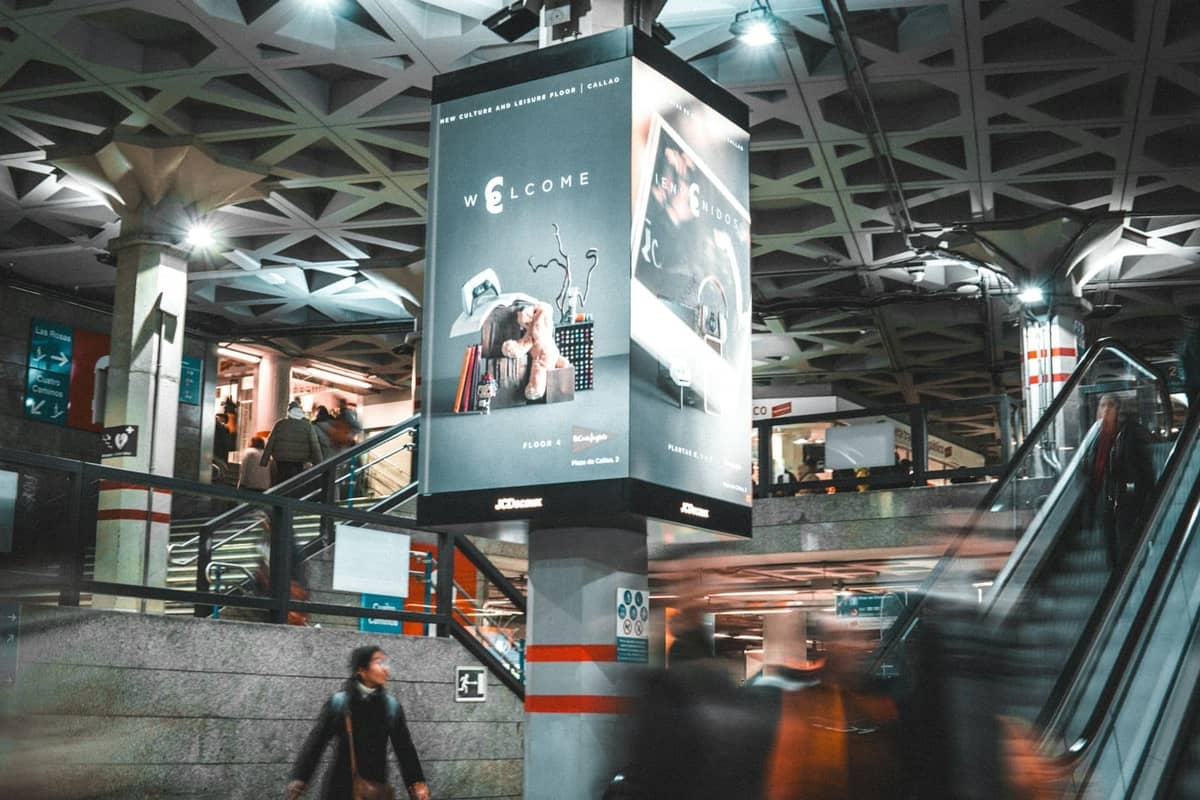
Madrid's public transport system is extensive and generally safe. The Metro, EMT city buses, and Cercanías suburban trains all operate reliably. For a full breakdown of options, getting around Madrid covers routes, costs, and timing in detail.
For taxis, Madrid's official cabs are white with a red diagonal stripe on the door and a taxi light on the roof. Licensed taxis use meters and are regulated by the Madrid City Council. Ride-hailing services including Uber, Cabify, and Bolt have operated in Madrid under Spain's VTC private-hire regulations, though availability and regulations should be confirmed before your trip, as these can change. The key point: never accept a ride from an unofficial driver who approaches you in arrivals halls or at train stations.
If you plan to drive, be aware that Madrid's central low-emission zone (often referred to under the current "Madrid 360" scheme) has vehicle access restrictions. Fines for unauthorized entry are significant. Most tourists visiting only the city have no need for a rental car.
Seasonal and Situational Risks
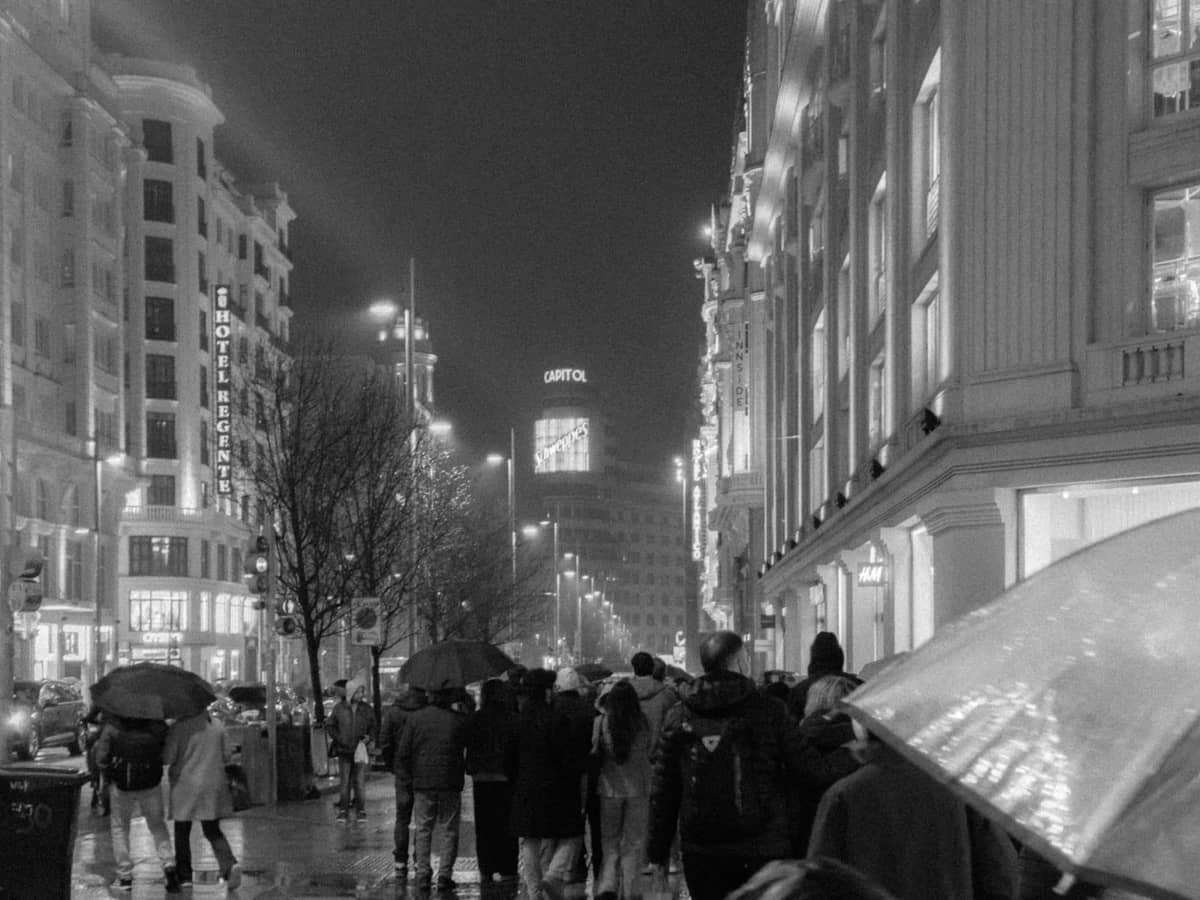
Beyond crime, a few situational risks are worth knowing before you arrive. Flash flooding can disrupt travel across Spain, including Madrid's road network and outer districts. The Spanish State Meteorological Agency (AEMET) publishes real-time weather alerts at aemet.es. Check these before any day trip or if heavy rain is forecast.
Demonstrations are a regular feature of Madrid life given its status as the national capital. They are usually peaceful but can disrupt Metro services and traffic. Strikes in the aviation or rail sector can affect travel to and from the city. If you're planning day trips from Madrid or onward travel, keep an eye on transport news, especially during major election periods or national holidays.
Spain maintains a general terrorism alert at the national level, consistent with most Western European countries. This is standard across the continent and does not translate to a specific elevated risk in Madrid's tourist areas. Follow standard awareness practices: be alert in crowded spaces and report anything suspicious to police or by calling 112.
💡 Local tip
Save 112 in your phone before you travel. It works across all of Spain for police, fire, and medical emergencies. Spain's country dialing code is +34 for calls from outside the country.
What to Do If Something Goes Wrong
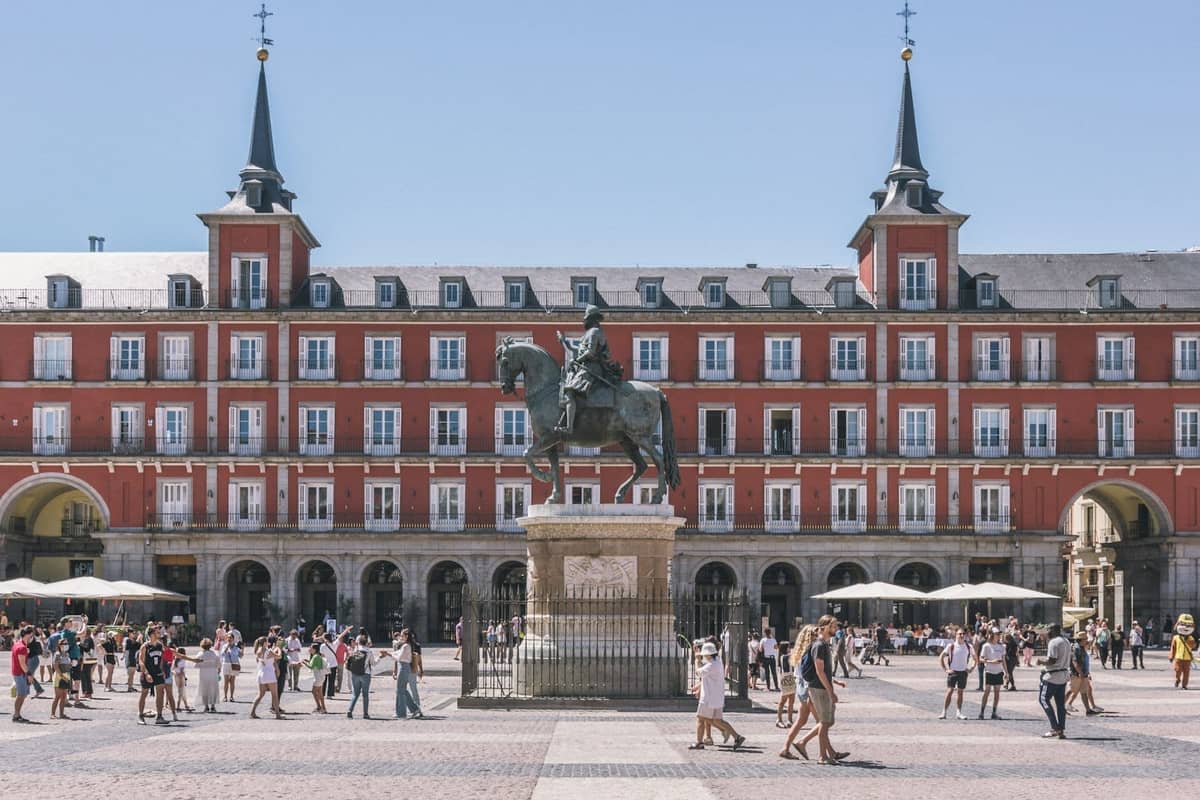
If you are the victim of theft, report it to the police as soon as possible. For tourist areas, the Oficina de Atención al Turista Extranjero (tourist police office) near Puerta del Sol is a practical first stop. You will need a police report (denuncia) for insurance claims. You can also file a denuncia online through the Spanish National Police website, which is useful if time is limited.
For lost passports, contact your country's nearest embassy or consulate. Madrid has consulates for most major nations. Keep a note of your embassy's emergency contact number separate from your phone. If your phone is also stolen, you will want this written down.
Travel insurance is strongly recommended. Ensure it covers theft of personal belongings, medical costs, and ideally trip disruption. Spain's public health system will treat emergencies, but having coverage avoids complications. For more practical planning across the city, the complete guide to things to do in Madrid and our Madrid solo travel guide both include additional safety-relevant logistics.
FAQ
Is Madrid safe for solo female travelers?
Yes, Madrid is considered one of the more welcoming European capitals for solo female travelers. The same precautions that apply to all tourists apply here: stay alert in crowded tourist areas, use licensed transport, and trust your instincts at night. Madrid's nightlife is active and generally safe, though late-night Metro journeys require the same awareness as any large city. The solo travel guide for Madrid covers this in more detail.
Which areas of Madrid should tourists avoid?
Madrid has no neighborhoods visitors need to categorically avoid. Some outer districts are less touristically developed, but are not dangerous. The highest risk of petty crime is concentrated in the central tourist zones: Puerta del Sol, Plaza Mayor, Gran Vía, and the Metro lines serving them. Being alert there is more important than avoiding any specific area.
Is the Madrid Metro safe at night?
The Metro runs late into the night on weekends and is generally safe. The main risk is pickpocketing on busy lines, not physical danger. Trains on Line 8 (airport) and Lines 1 and 2 through the center are the most targeted for distraction theft. Keep your bag in front of you and minimize phone use while standing on platforms or in carriages.
What should I do if a 'police officer' asks for my wallet?
Do not hand it over. Genuine Spanish police officers can ask to see your ID, but they have no legal basis to inspect your wallet or cash. If approached, ask firmly to be taken to the nearest police station (Comisaría). A real officer will agree. Anyone who refuses or backs away is running a scam. You can call 112 to confirm the identity of officers if you feel unsafe.
Is tap water safe to drink in Madrid?
Yes. Madrid's municipal water supply is treated and regularly tested. Tap water is safe to drink throughout the city. Buying bottled water is a personal preference, not a health necessity, and carrying a reusable bottle will save you money and reduce your tourist profile.