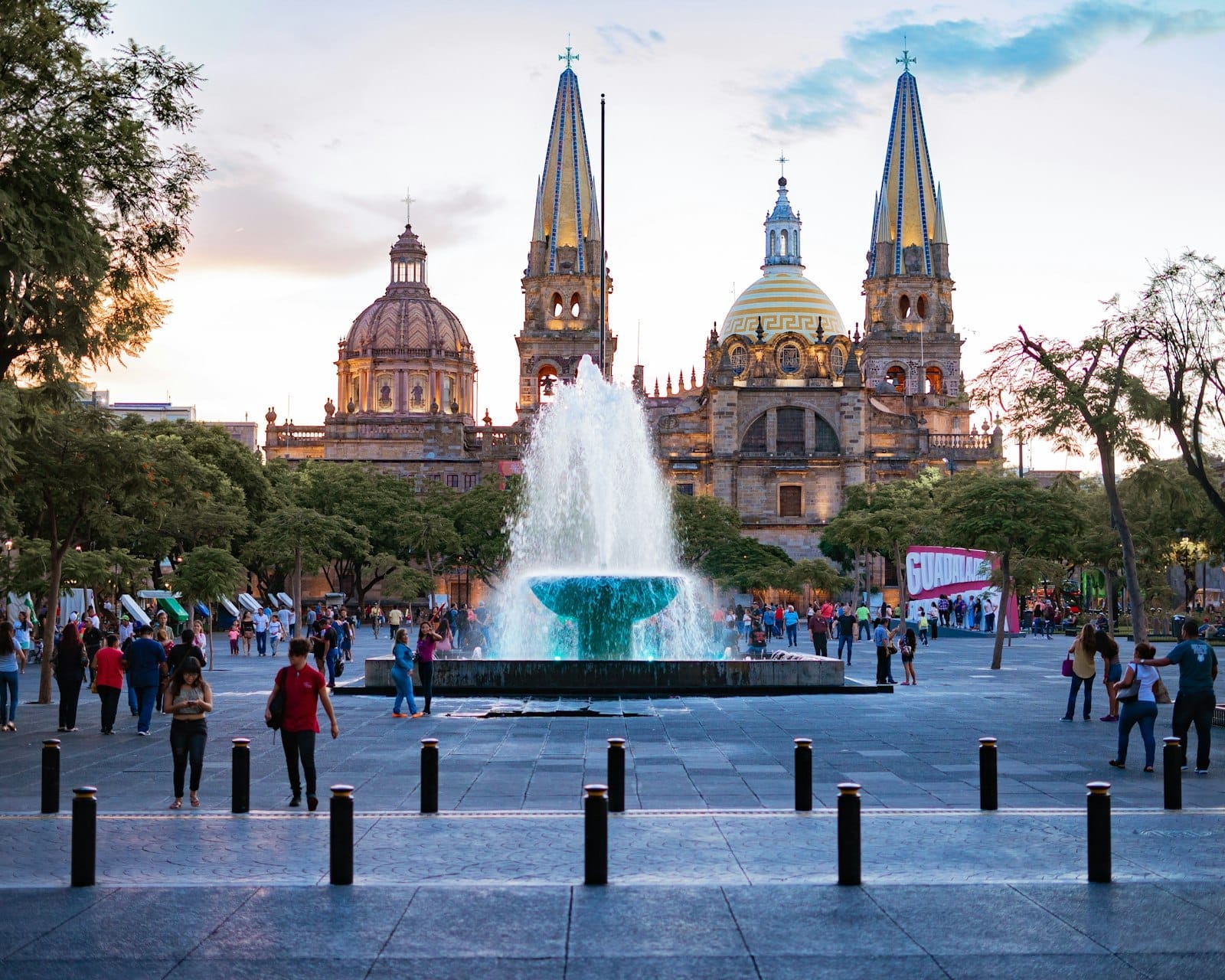
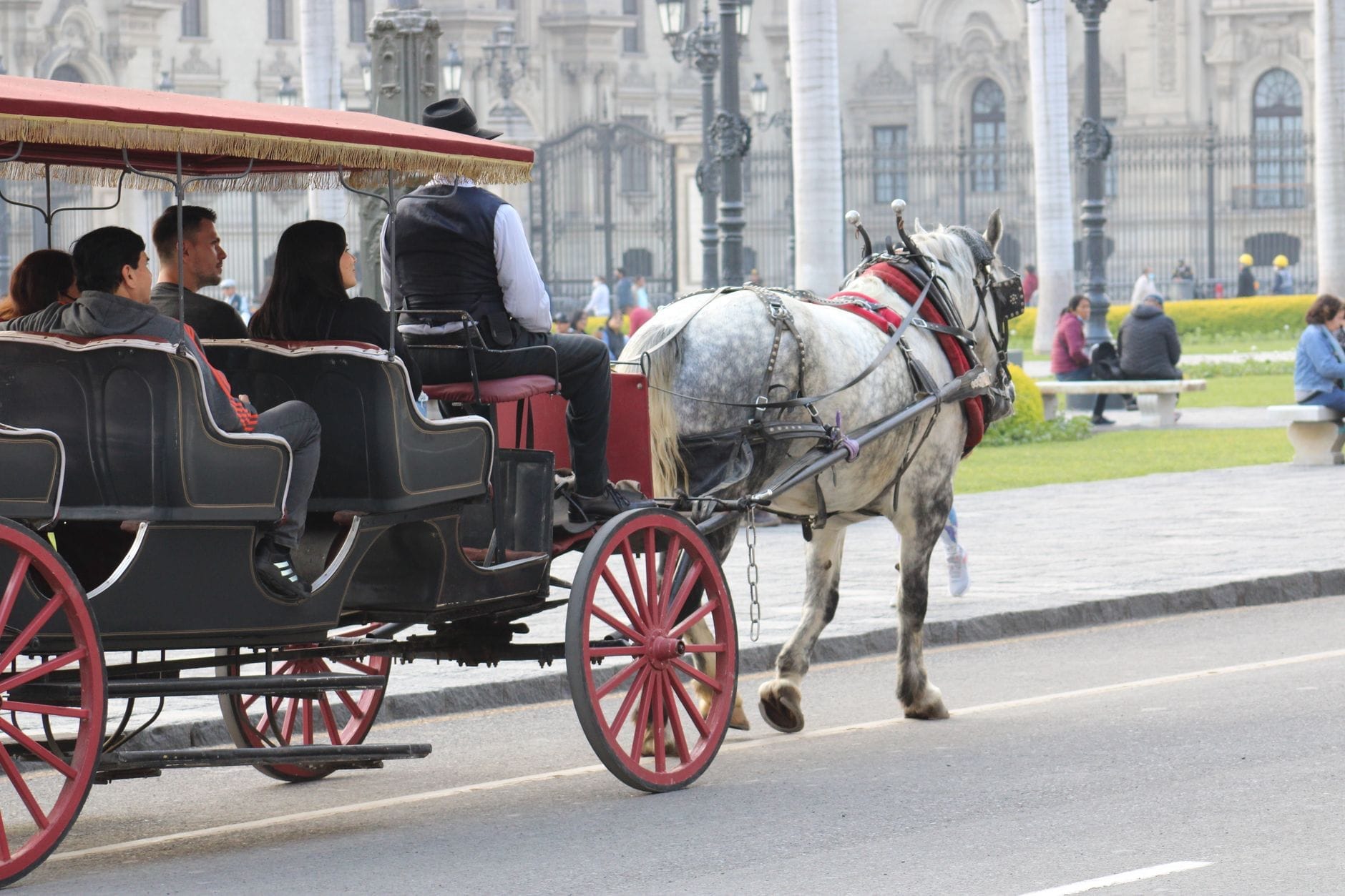
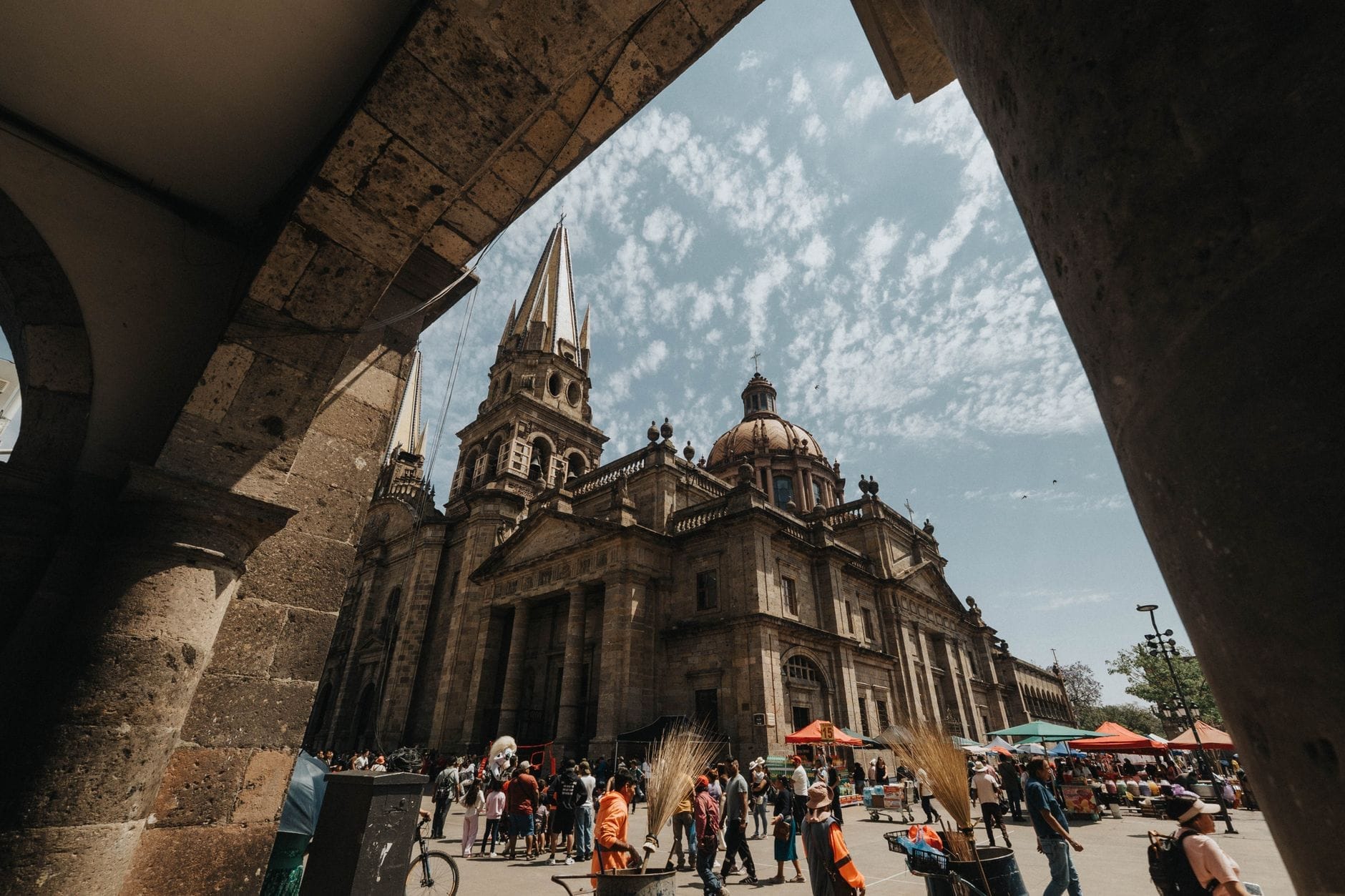
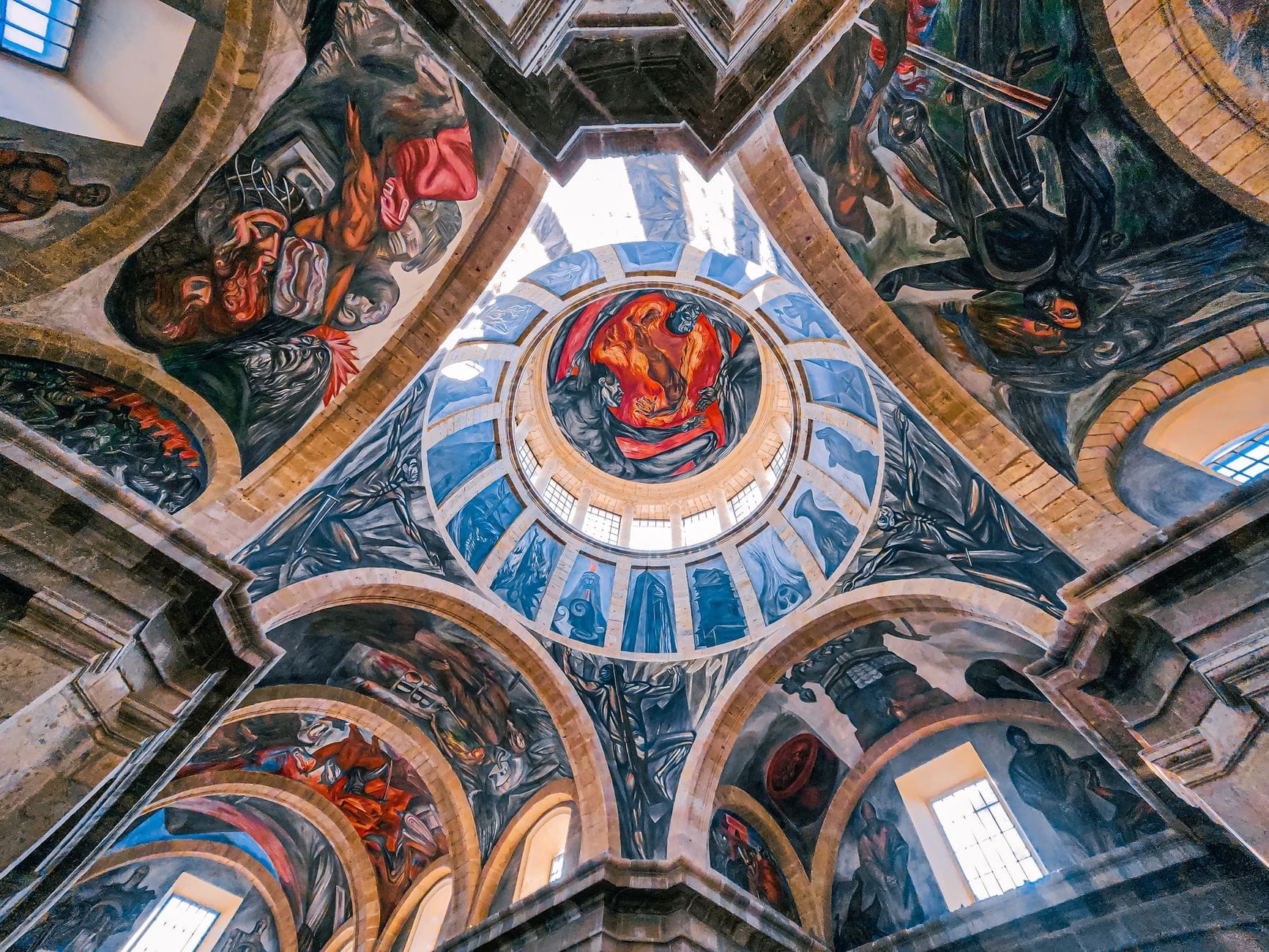
The Centro Histórico is where Guadalajara began and where its identity is most concentrated. Spanning the cathedral complex, grand plazas, and centuries-old civic buildings, this neighborhood puts the city's history, culture, and daily street life within walking distance of each other.
The Centro Histórico is the original core of Guadalajara, Jalisco, founded on 14 February 1542 in its current location and still functioning as the city's civic and cultural center more than four centuries later. Its skyline is anchored by the twin-spired cathedral, its streets alternate between colonial grandeur and chaotic commerce, and its plazas fill daily with everyone from government workers and schoolchildren to mariachi musicians and tourists. No other part of the city compresses so much history, architecture, and street life into such a walkable area.
Orientation: Where the Centro Histórico Sits
The Centro Histórico occupies the geographic and symbolic heart of Guadalajara, sitting within the municipality of Guadalajara, capital of the state of Jalisco, Mexico. Its official boundaries form a rough rectangle: Calle San Felipe to the north, Avenida de la Paz to the south, Calzada del Federalismo to the west, and Calzada Independencia to the east. The latter follows the former bed of the Río San Juan de Dios, which was channeled underground during the 20th century, and today carries the Mi Macro Calzada BRT line along the neighborhood's eastern edge.
Within those boundaries, the district covers a manageable area that most visitors can cross on foot in about twenty minutes. The true center of gravity is the cathedral block and its surrounding plazas, which link westward to Avenida 16 de Septiembre and eastward through the pedestrian Plaza Tapatía all the way to the Hospicio Cabañas. Understanding this east-west axis makes the whole neighborhood legible: almost everything worth seeing sits within a few blocks of it.
To the west, across Calzada del Federalismo, lies Colonia Americana, the city's most architecturally rich residential neighborhood. To the northwest sits Zapopan, and directly south the neighborhood transitions into less tourist-oriented commercial zones. The Centro Histórico is the node from which everything else in the city radiates, and orienting yourself here first makes the rest of Guadalajara easier to understand.
Character and Atmosphere
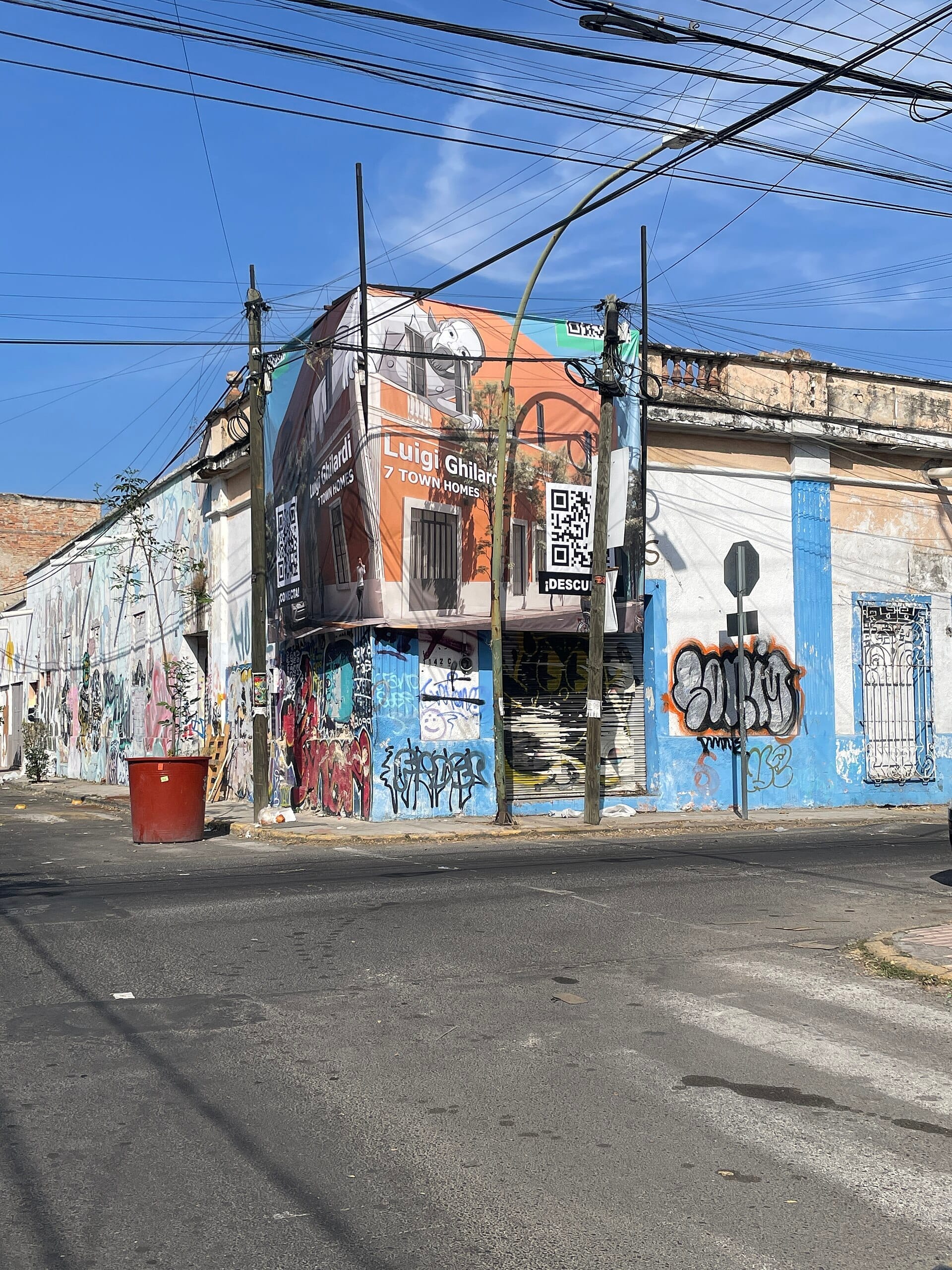
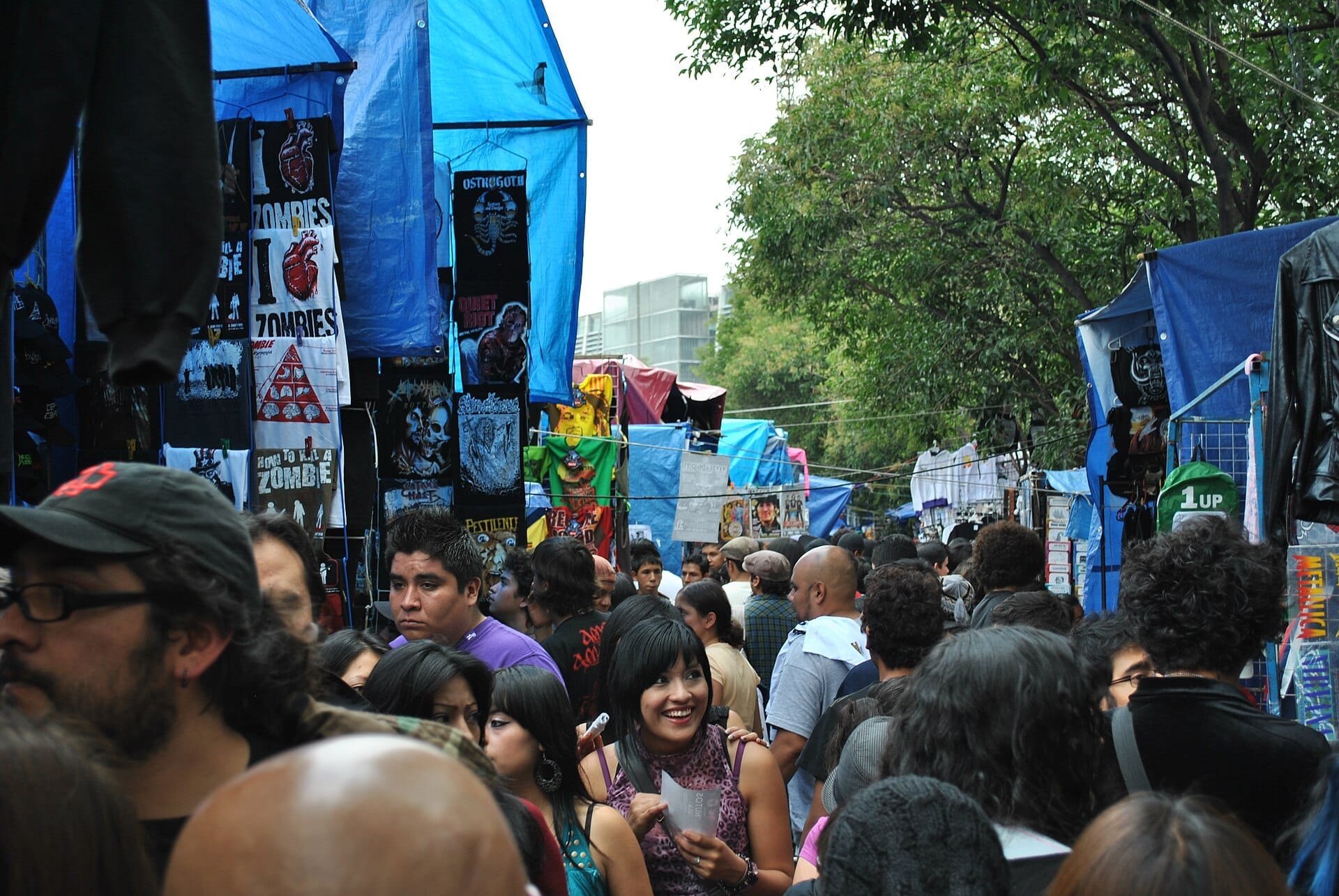
The Centro Histórico does not have the curated calm of a preserved old town. It is a working downtown where colonial architecture shares walls with hardware stores, wholesale clothing shops, and food stalls. The streets around the cathedral plazas feel formal and open; two blocks in any direction, the character shifts toward dense urban commerce, with narrow sidewalks, delivery motorcycles, and vendors selling everything from phone repairs to fresh-squeezed juice.
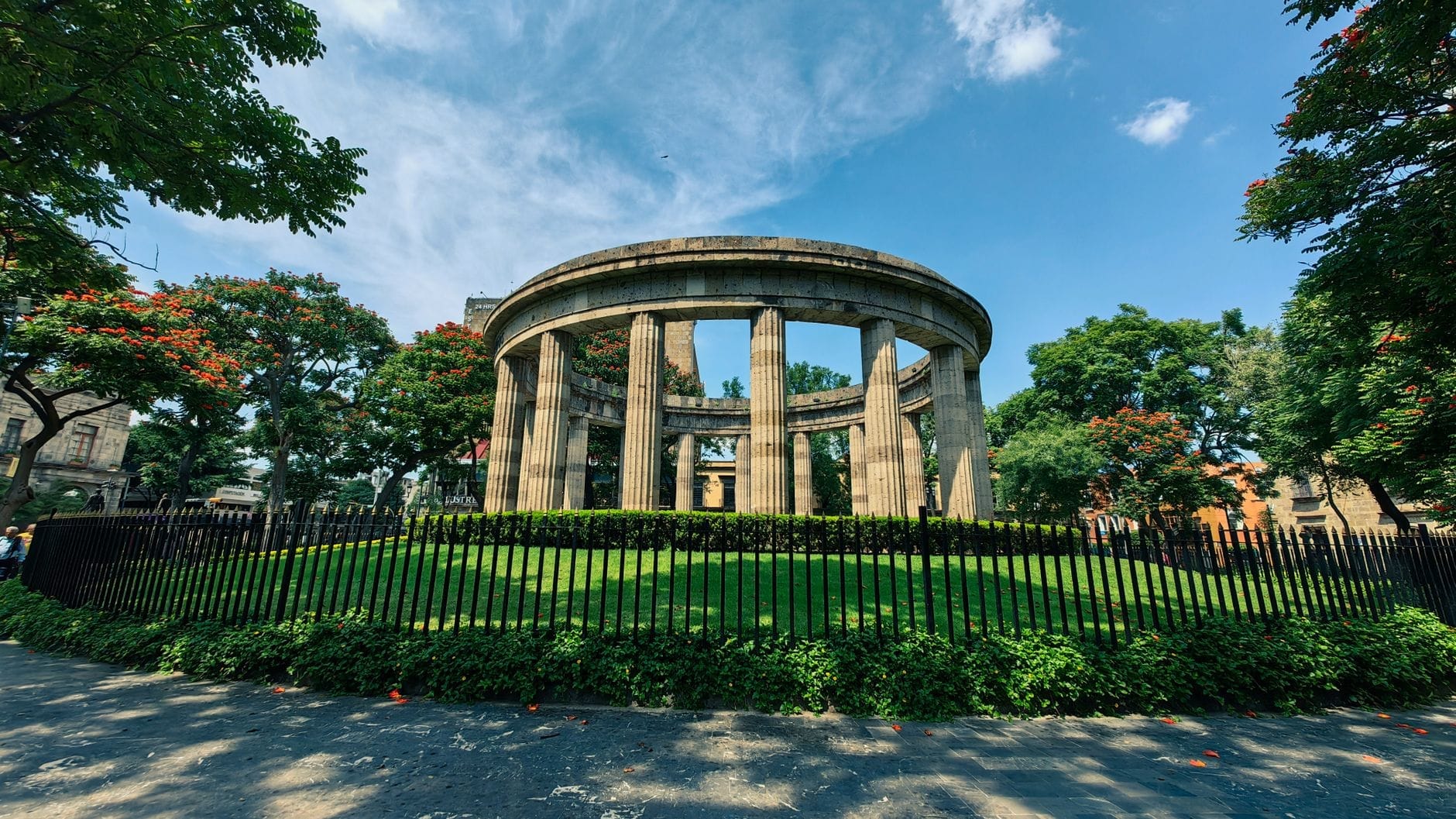
Early mornings belong to the neighborhood's residents and workers. By 7 a.m., juice and torta stands near the Mercado Corona are already crowded, pigeons own the Rotonda de los Jaliscienses Ilustres, and the light falls at a low angle across the cathedral's stone facade in a way that makes the whole plaza look like a stage set. The air is cool at this elevation, around 1,560 meters, and the streets have a purposeful quiet before the day's traffic builds.
By midday the plazas are full. Government workers cross Plaza de Armas on their lunch breaks, tour groups cluster around the cathedral doors, and the pedestrian streets near Avenida Juárez fill with shoppers. The sound landscape is layered: church bells, traffic from Calzada Independencia, the occasional mariachi group warming up near Teatro Degollado. Afternoons in summer bring brief but heavy rains, typically between 3 and 5 p.m., and the covered arcades along the plaza perimeter become useful shelter.
After dark, the Centro Histórico changes tone. The formal plazas around the cathedral remain reasonably active until around 9 or 10 p.m., with couples on benches and street vendors selling snacks. The blocks further from the main plaza, particularly toward the eastern edge near Calzada Independencia and the Mercado San Juan de Dios, become less pedestrian-friendly at night and warrant the same awareness you would apply in any dense urban downtown.
⚠️ What to skip
The Centro Histórico is a busy urban area, not a tourist bubble. Petty theft, including phone snatching and pickpocketing, is a risk in crowded market zones and on packed buses. Keep bags in front of you, avoid displaying expensive cameras or jewelry in less-trafficked streets, and consult current travel advisories from your government before visiting.
What to See and Do
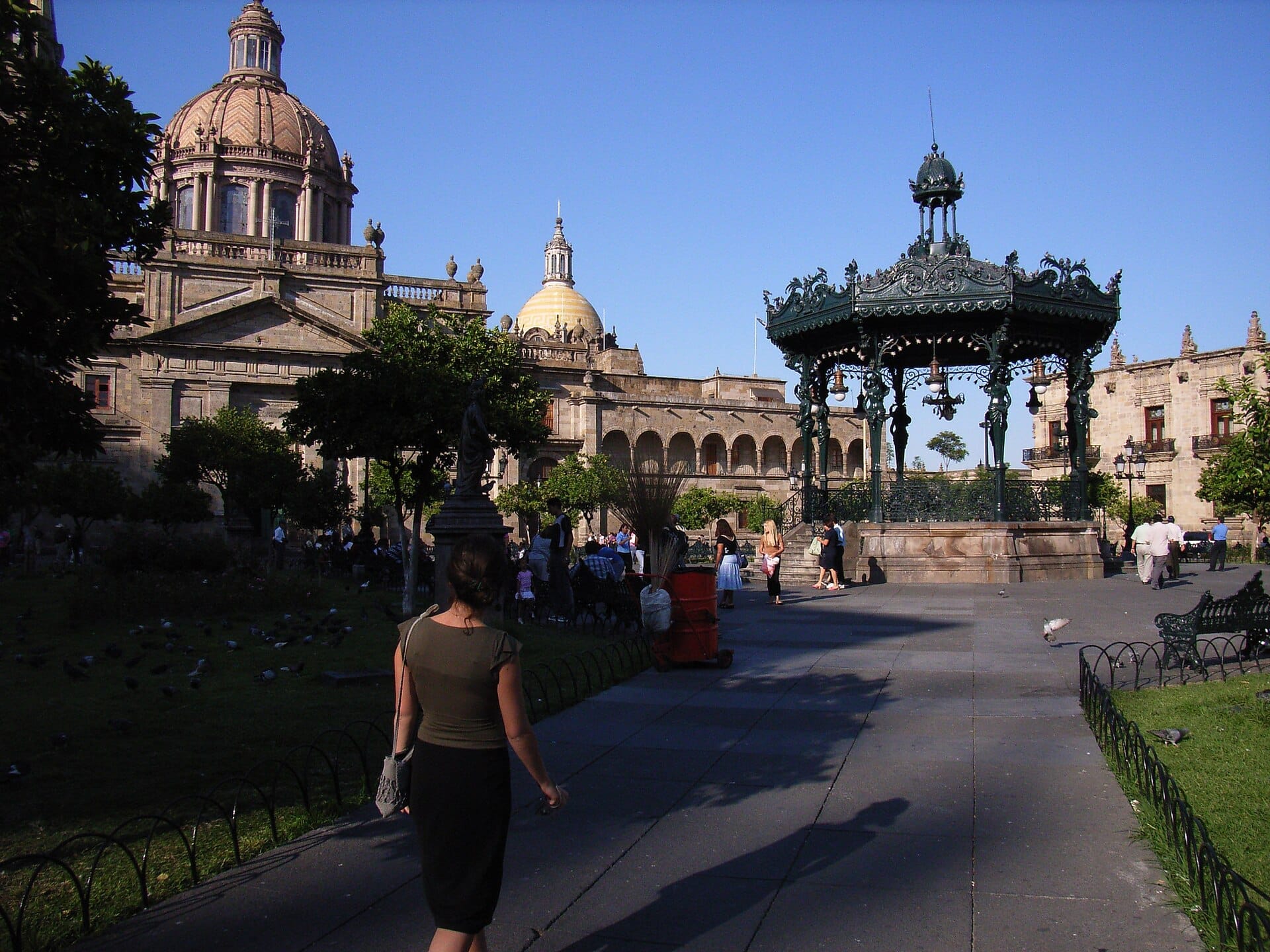
The most important single site in the neighborhood is the Guadalajara Cathedral, formally the Catedral de la Asunción de María Santísima. Construction began in 1551 and the building was modified repeatedly over the following centuries, which explains the mix of Gothic, Baroque, and Neoclassical elements. Its twin yellow-tiled towers are the city's most recognizable silhouette. Entry is free, and the interior, with its painted vaulted ceilings and side chapels, rewards a slow walk.
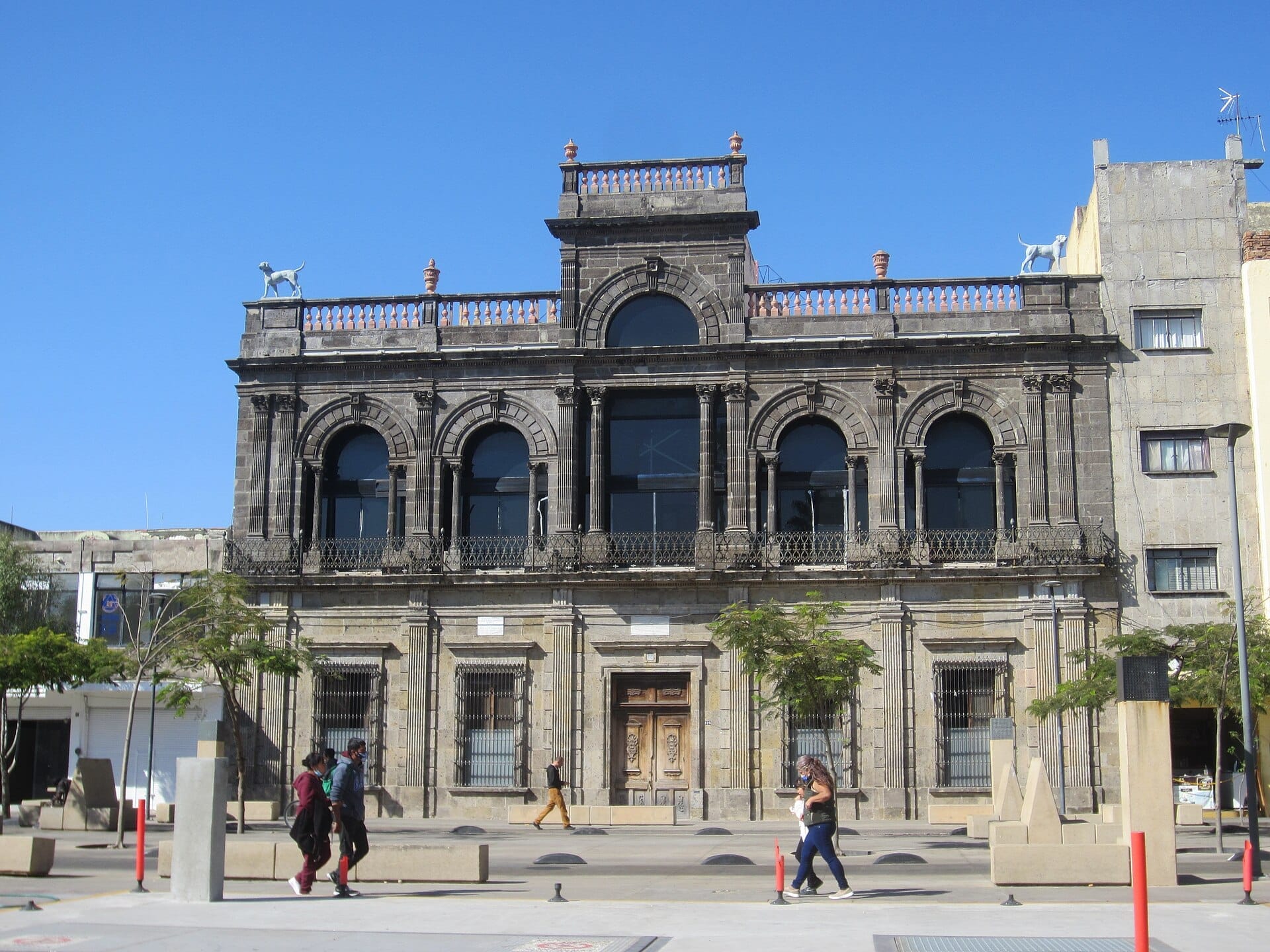
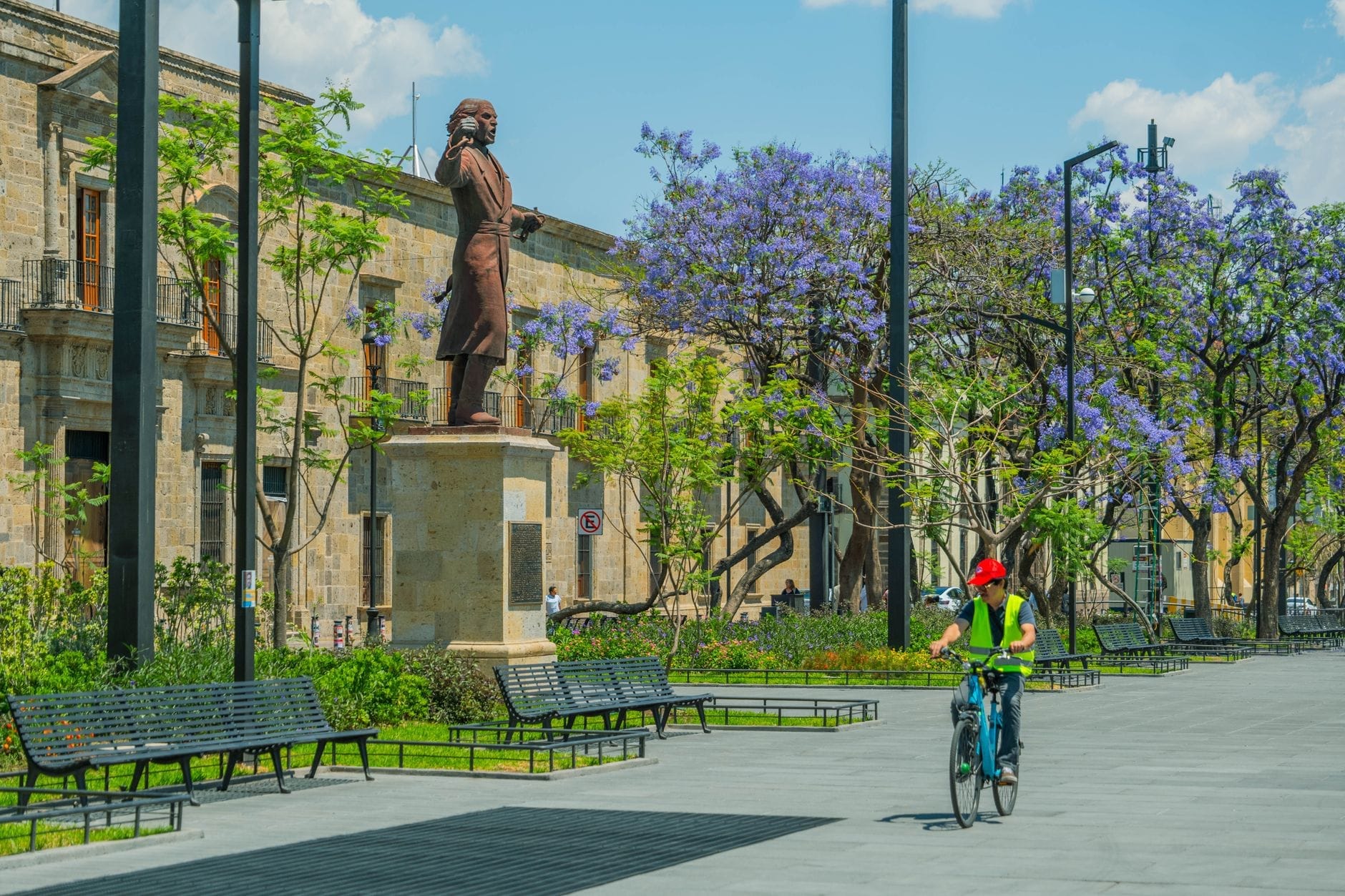
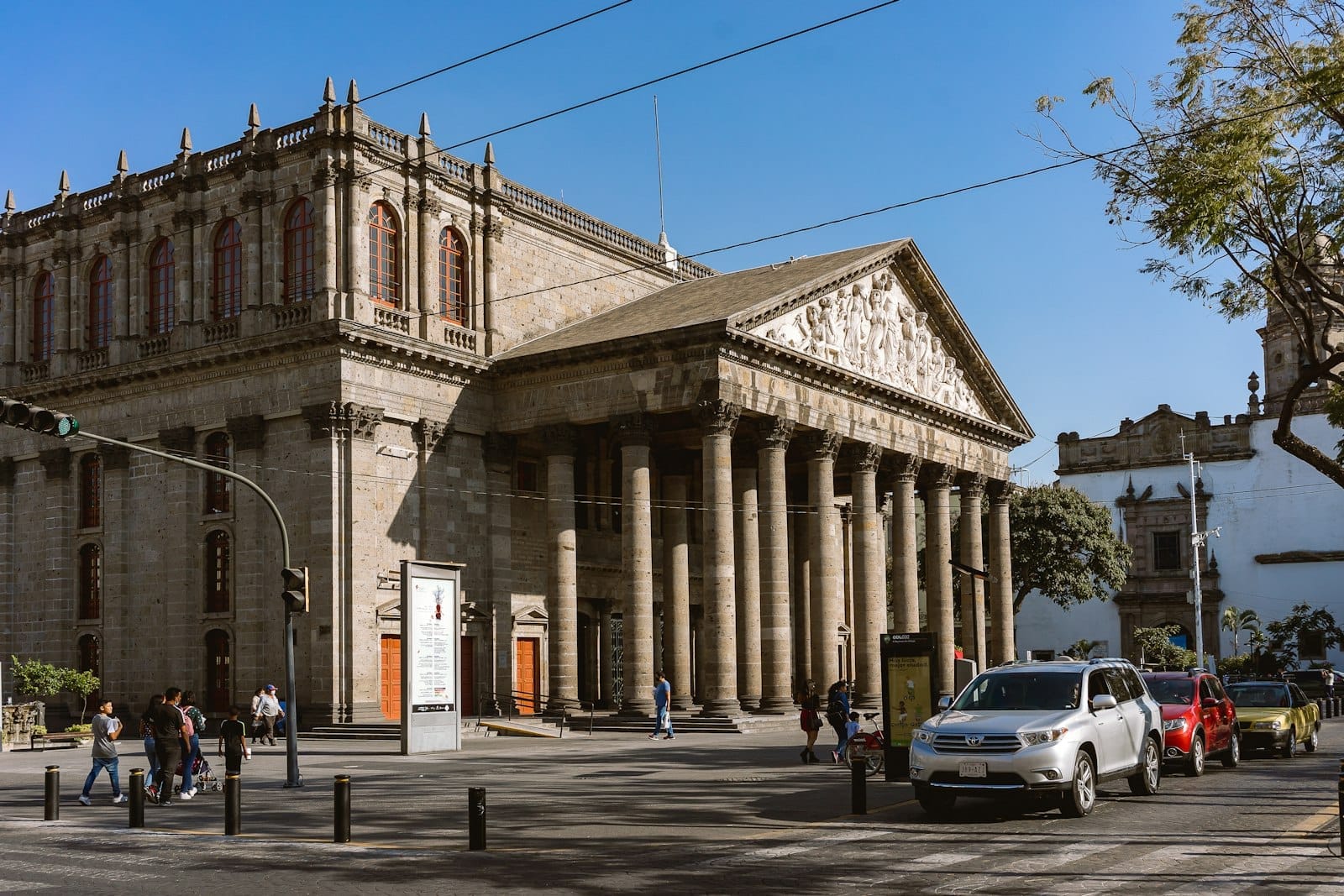
Flanking the cathedral are four interconnected plazas that together form one of the most coherent civic spaces in Mexico. Plaza de Armas sits to the south and hosts an ornate French-made kiosk at its center. To the north, the Rotonda de los Jaliscienses Ilustres features a circular colonnade honoring Jalisco's most notable historical figures, with their remains interred beneath the ring of columns. To the east, Plaza de la Liberación stretches toward the Teatro Degollado, a grand neoclassical theater that remains an active cultural venue.
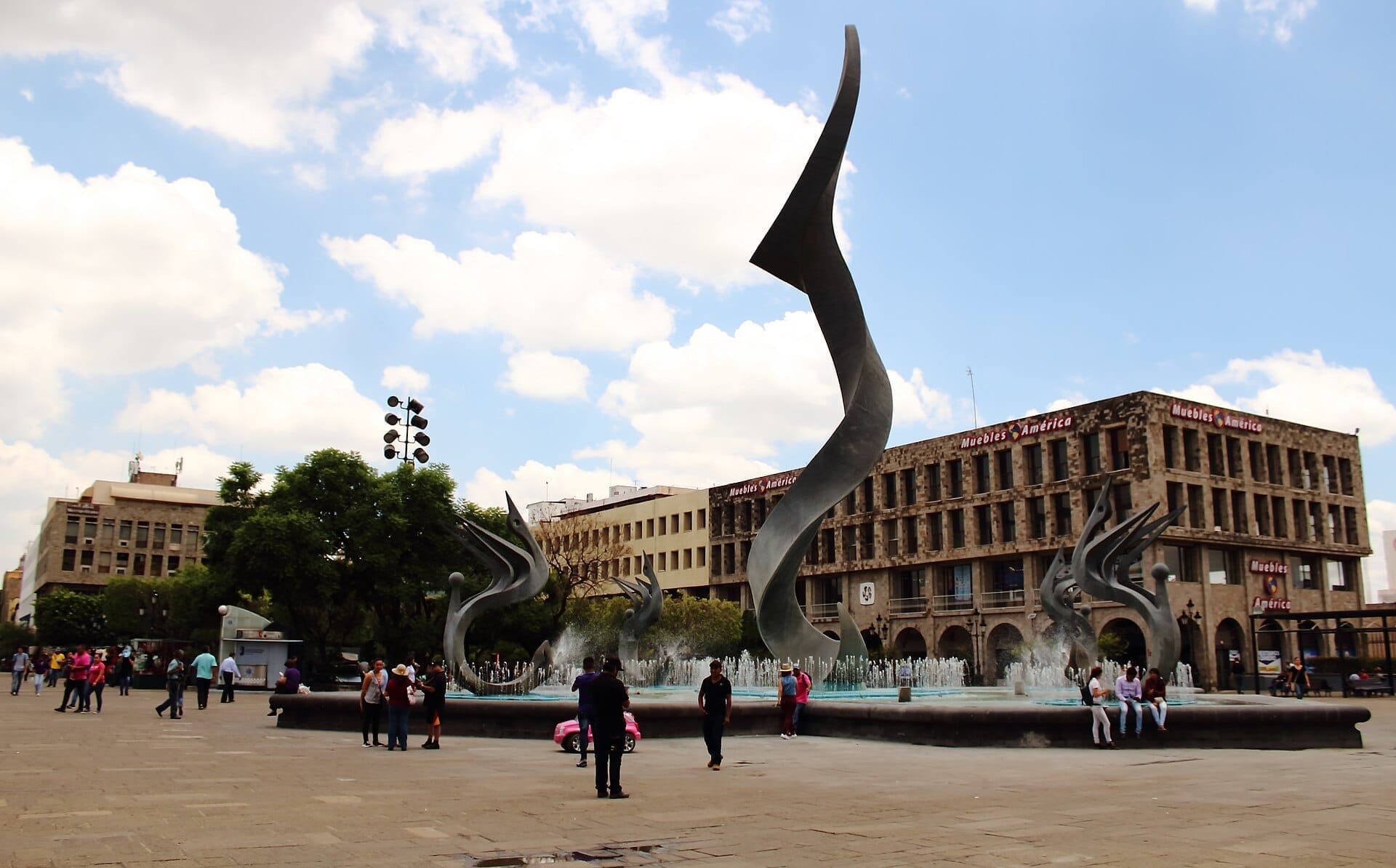
Continuing east past the Teatro Degollado, you enter the Plaza Tapatía, a large pedestrian esplanade lined with shops and fountains that connects the cathedral district to the Hospicio Cabañas at its far eastern end. The Hospicio Cabañas is the neighborhood's most significant cultural monument, a UNESCO World Heritage Site and home to the celebrated murals painted by José Clemente Orozco in the early 20th century. The chapel ceiling alone is worth the entrance fee.
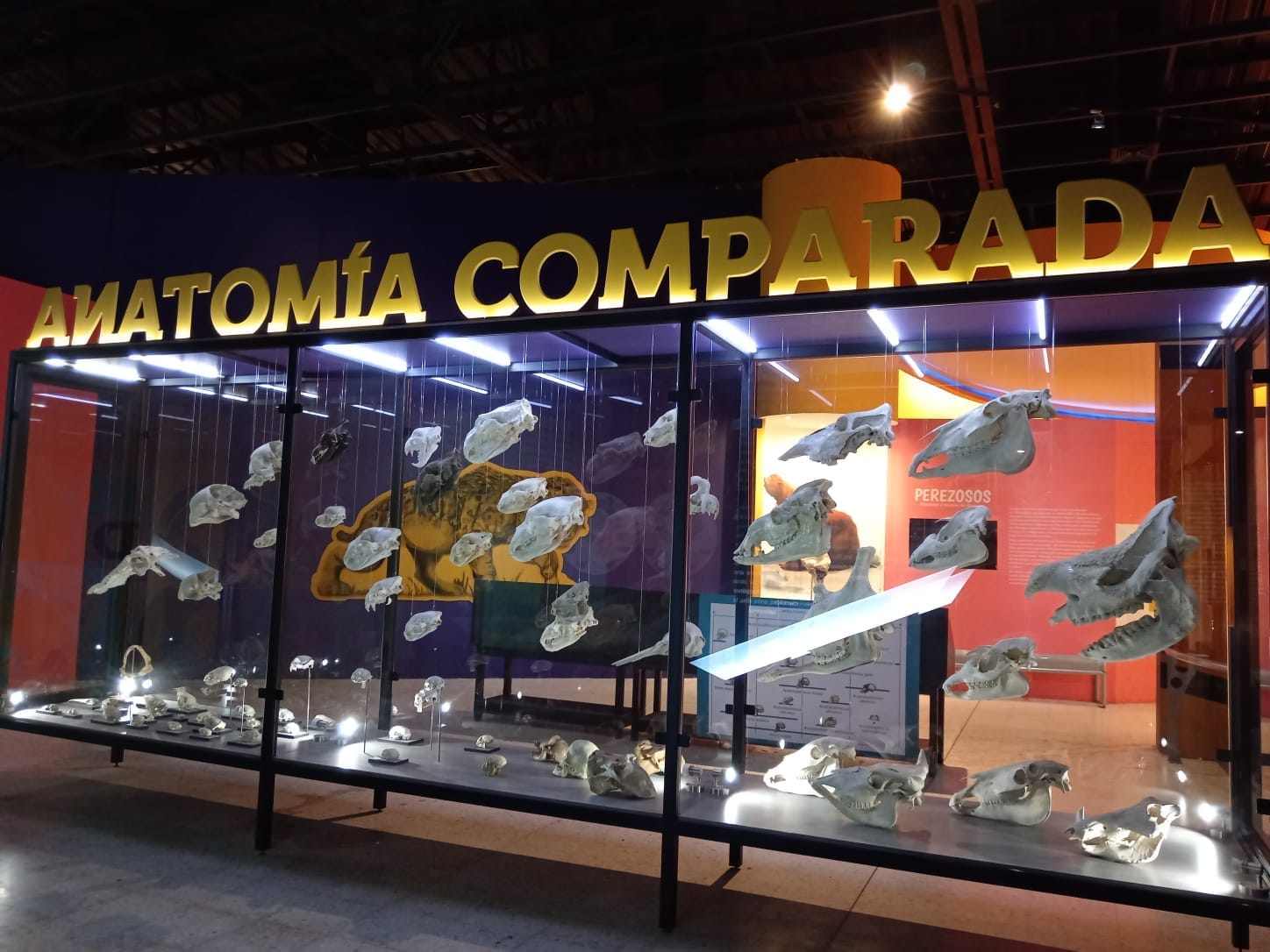
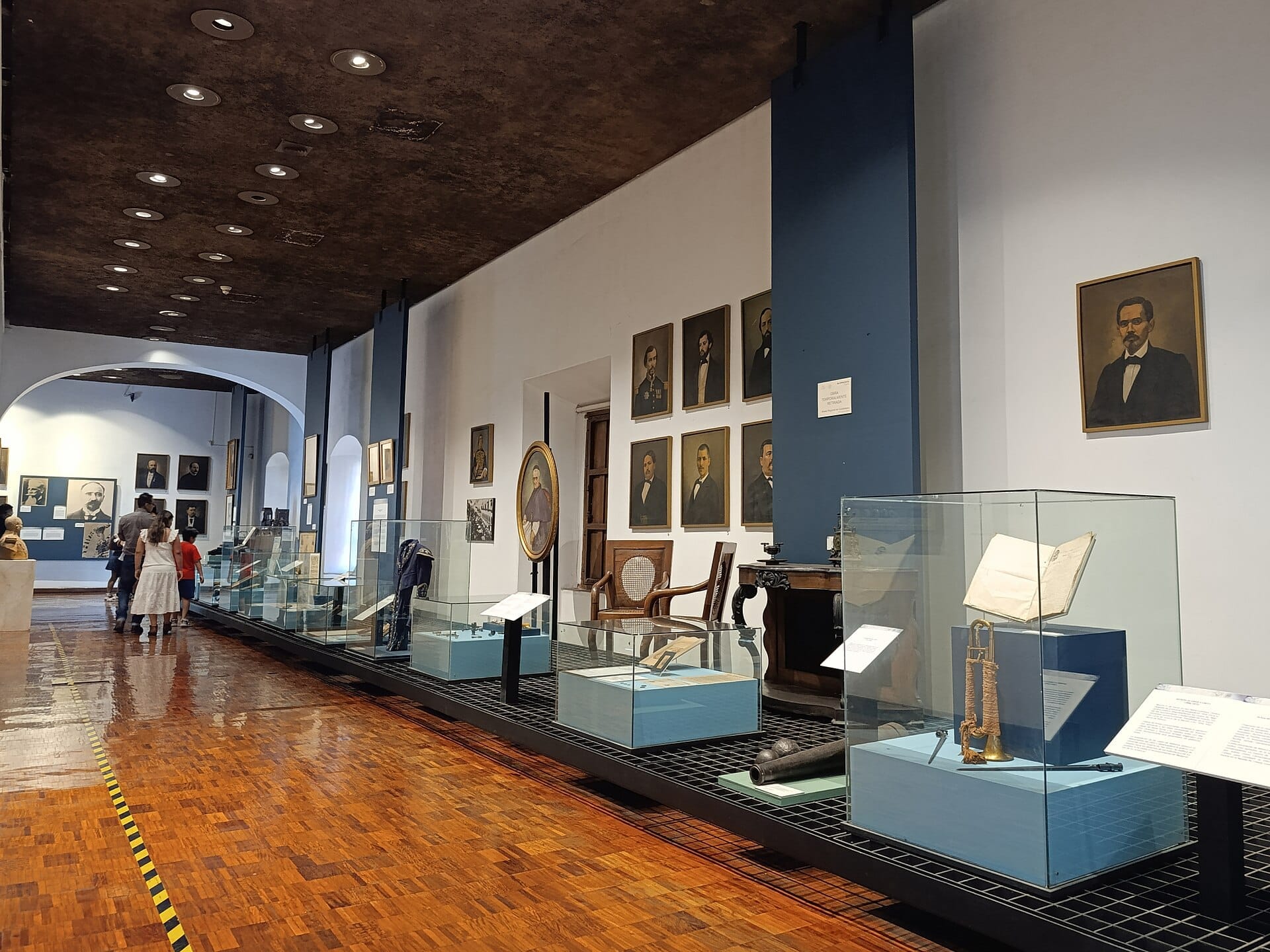
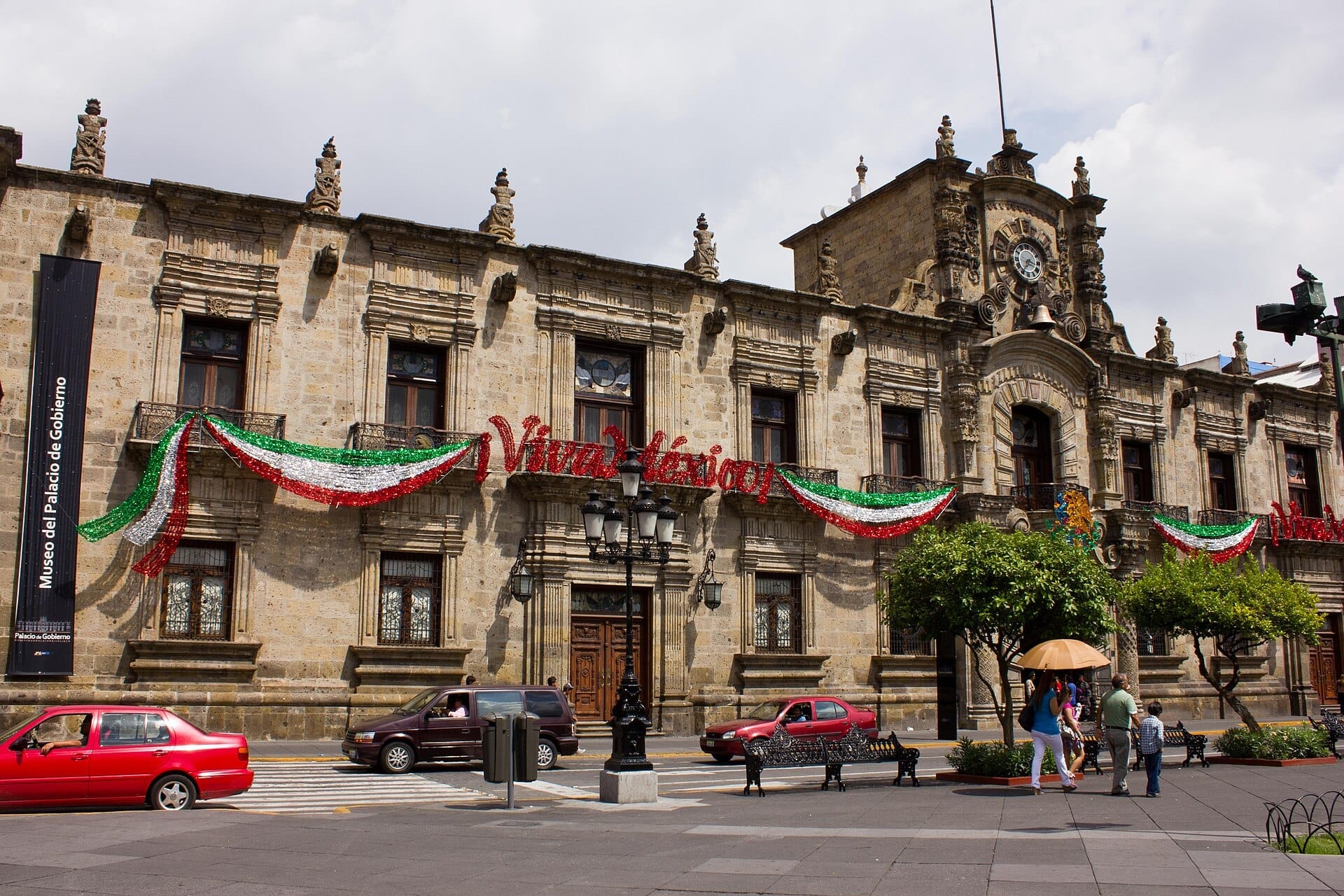
For museums, the Museo Regional de Guadalajara on Calle Liceo occupies a former seminary and covers pre-Hispanic artifacts, colonial art, and natural history exhibits in an architecturally impressive setting. The Palacio de Gobierno de Jalisco on Plaza de Armas is open to visitors and contains additional Orozco murals on its grand staircase, including the famous depiction of Miguel Hidalgo. Entry is free.
Guadalajara Cathedral: free entry, open daily except during certain restricted times for services or events
Hospicio Cabañas: UNESCO World Heritage Site, Orozco murals, paid entry
Museo Regional de Guadalajara: pre-Hispanic and colonial collections, paid entry
Palacio de Gobierno de Jalisco: Orozco murals, free entry
Teatro Degollado: active theater, check program for performances
Mercado San Juan de Dios: often described as Latin America's largest covered market, on the eastern edge of the district
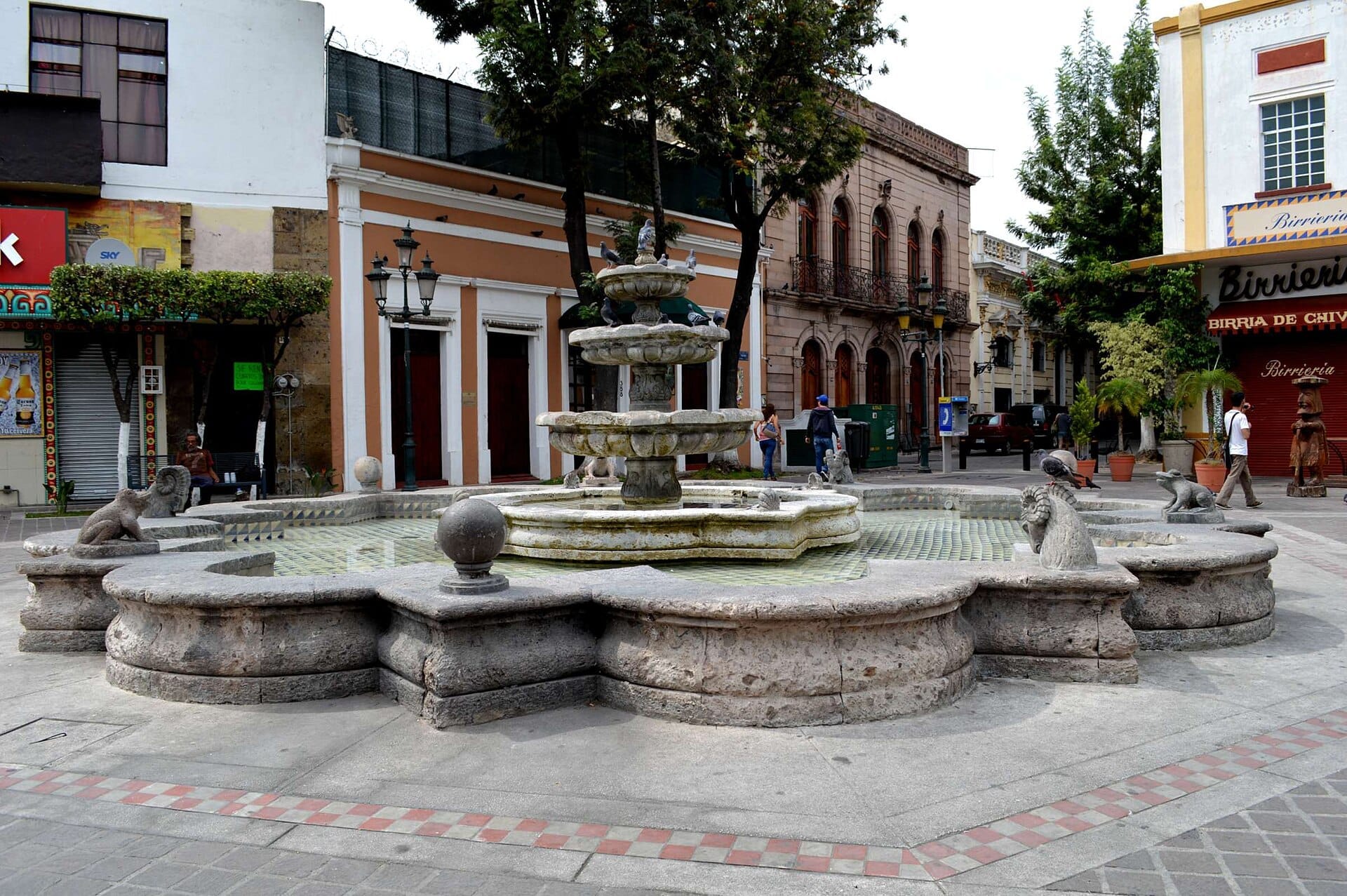
Nueve Esquinas: a quieter historic corner southwest of the cathedral, known for birria restaurants and colonial streetscapes
If you are following a structured route through the area, the Guadalajara walking tour guide maps out the most logical sequence for covering the main plaza cluster and the Hospicio Cabañas without backtracking. For context on the murals specifically, the guide to Orozco's murals in Guadalajara explains what you are looking at and why they matter.
💡 Local tip
The Palacio de Gobierno murals are free and often overlooked by visitors who pay to enter Hospicio Cabañas. If your time is limited, the Palacio staircase mural is one of Orozco's most powerful works and takes less than 20 minutes to view properly.
Eating and Drinking
The food scene in the Centro Histórico skews toward traditional Jaliscan cooking, street food, and no-frills market dining rather than the contemporary restaurant culture you find in Colonia Americana or Chapultepec. That is not a limitation; it is a different kind of eating, and some of the best value meals in Guadalajara are here.
The area around Nueve Esquinas, a tight knot of streets southwest of the cathedral near Avenida Colón, has been associated with birria, the slow-cooked goat or beef stew that is one of Jalisco's signature dishes, for decades. Several long-established restaurants here serve it with consommé, tortillas, and chiles toreados. Lunch service on weekends can involve waits.
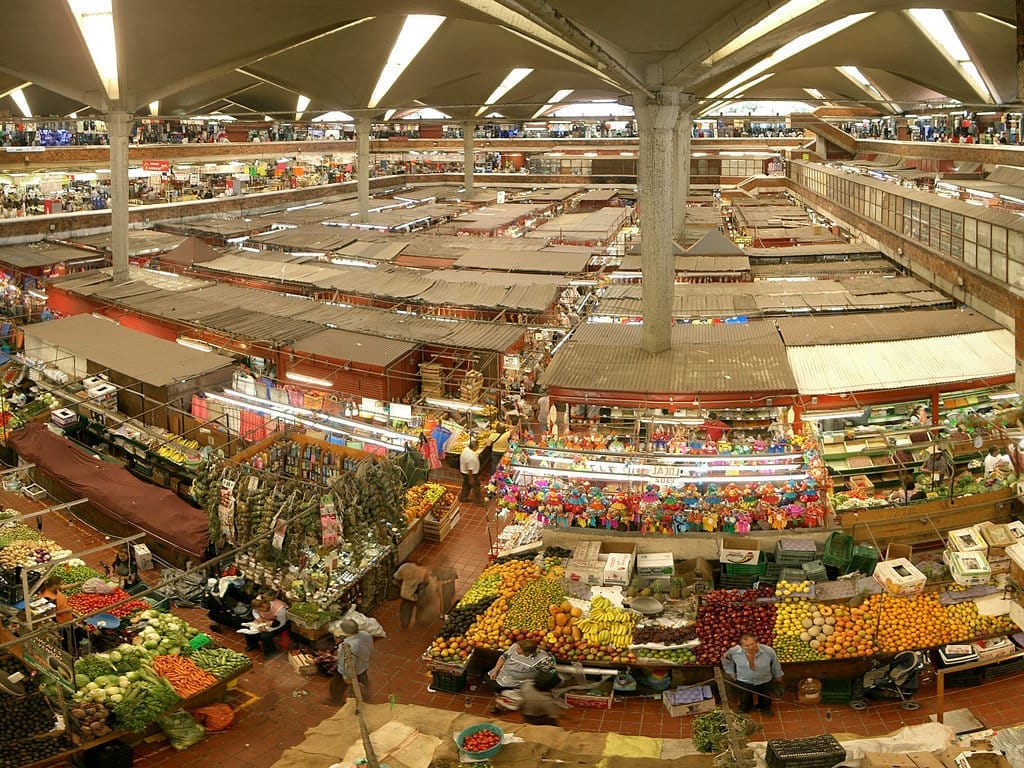
The Mercado Corona, located on Calle Medrano a few blocks northwest of the cathedral, is the neighborhood's main traditional market and a reliable place for breakfast and lunch. Stalls inside serve tortas ahogadas (sandwiches drowned in a spiced tomato sauce, another Guadalajara specialty), pozole, and fresh fruit with chili and lime. Prices are well below restaurant levels and the experience is entirely local.
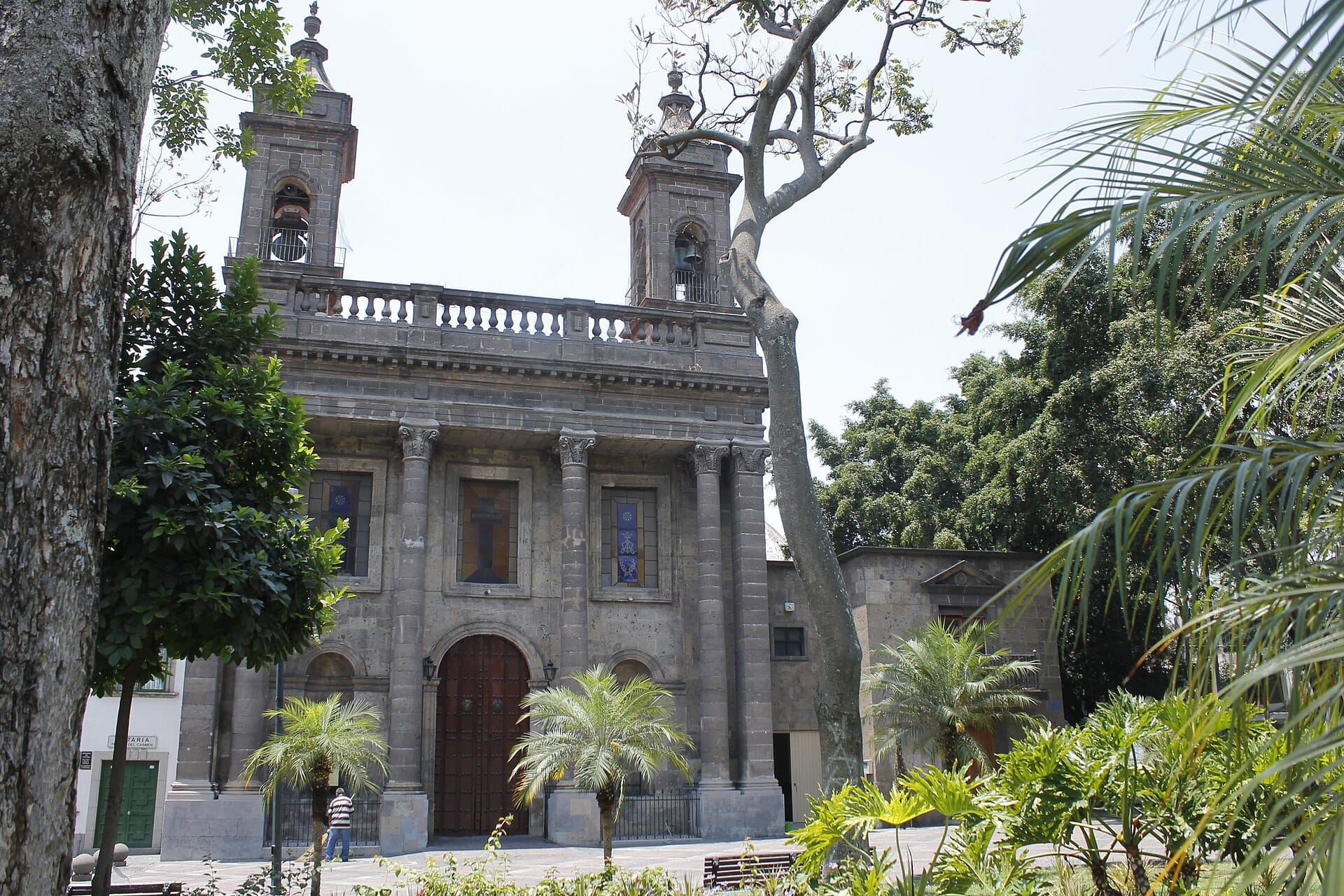
Along and around Plaza Tapatía, restaurants and cafés cater to a tourist and office-worker mix. Food quality here is adequate but rarely exceptional, and prices are somewhat inflated by the location. For a sit-down meal with good coffee and a calmer atmosphere, most locals would suggest heading a few blocks west into the streets around Avenida Hidalgo or south toward the Templo del Carmen area.
For a broader overview of what to eat and where to eat it across the city, the Guadalajara food guide covers regional specialties and neighborhood dining options in depth.
Birria: slow-cooked meat stew, best around Nueve Esquinas
Tortas ahogadas: a Guadalajara-specific sandwich drowned in tomato-chile sauce, found at Mercado Corona and street stalls
Pozole: hominy soup, widely available at market stalls
Agua fresca and fresh juice: found at virtually every market stall
Street tacos: multiple small stands operate near Calzada Independencia and around the market zones
Getting There and Around
The Centro Histórico is the best-connected neighborhood in Guadalajara for public transport. The SITEUR metro system (Sistema de Tren Eléctrico Urbano) has a station directly serving the area: Guadalajara Centro on Line 2, which runs east-west through the city. From this station you can reach the main plaza cluster on foot in under ten minutes heading east.
Along the eastern boundary, Calzada Independencia carries the Mi Macro Calzada BRT line, connecting the Centro Histórico northward toward Huentitán and southward toward the broader metropolitan network. Conventional Mi Transporte buses serve virtually every part of the city from stops throughout the neighborhood, though routes can be confusing for first-time visitors without a local transit app.
From the airport (GDL, Miguel Hidalgo y Costilla International), the Centro Histórico is approximately 17 to 20 km by road. Ride-hailing services including Uber and DiDi operate at the airport and are generally the most straightforward option. Authorized airport taxis are available at fixed-rate counters in arrivals. Fares and availability change regularly, so verify current rates via the apps or at the airport counter on arrival.
Within the historic center itself, walking is the most practical way to move between the cathedral, plazas, and Hospicio Cabañas. The Plaza Tapatía pedestrian esplanade makes this east-west axis car-free and straightforward. For getting to other parts of the city, the guide to getting around Guadalajara explains the metro lines, BRT routes, and ride-hailing options in detail.
ℹ️ Good to know
The historic center is best explored on foot, but the streets around Mercado San Juan de Dios and Calzada Independencia carry heavy traffic and are less pleasant to walk. If you are crossing to the eastern side of the neighborhood, the pedestrian route through Plaza Tapatía is consistently preferable to the roadside alternatives.
Where to Stay
The Centro Histórico has a reasonable range of accommodation, from large business hotels on and near Avenida Juárez to smaller boutique and budget options inside converted colonial buildings a few blocks from the plaza. Staying here puts you within walking distance of the main landmarks and makes early-morning and late-evening visits to the cathedral plazas easy.
The tradeoff is noise and atmosphere. Daytime street noise in the Centro Histórico is significant, and some blocks see commercial activity that does not wind down until late. The neighborhood is not a quiet retreat. Travelers who want easy access to the historic center but prefer calmer surroundings and a more residential feel tend to stay in Colonia Americana, which is a short taxi or bus ride west and has a broader range of design hotels and guesthouses.
For a full breakdown of accommodation options by neighborhood type and traveler profile, the guide to where to stay in Guadalajara covers the tradeoffs between the Centro Histórico, Colonia Americana, Chapultepec, and other options across the city.
Practical Notes
The Centro Histórico operates on Mexican Central Standard Time (CST, UTC-6), and does not currently observe daylight saving time. The currency is the Mexican peso (MXN). Most restaurants and market stalls in the neighborhood operate on cash, though larger hotels and some restaurants accept cards. Tap water throughout Guadalajara is not recommended for drinking; stick to bottled or filtered water, which is universally available.
Religious buildings including the cathedral and the various churches around the historic center expect modest dress, meaning covered shoulders and no beachwear. Entry is generally free but donations are customary. The emergency number throughout Mexico is 911. Mexico's country code is +52, and Guadalajara's area code is 33.
If this is your first time in the city, the 3-day Guadalajara itinerary builds the Centro Histórico into a logical sequence with other neighborhoods and day trips. For those concerned about safety across the city more broadly, the safety guide for Guadalajara addresses common questions with reference to current official sources.
TL;DR
The Centro Histórico is Guadalajara's founding district, home to the cathedral, four interconnected plazas, the Hospicio Cabañas UNESCO site, and the Orozco murals in the Palacio de Gobierno — the highest concentration of major sights in the city.
Best suited to first-time visitors to Guadalajara who want to understand the city's history and architecture, and to anyone who prioritizes walkability and proximity to landmarks over quietness and nightlife.
The food scene is strong for traditional Jaliscan cooking, street food, and market dining, particularly around Nueve Esquinas (birria) and Mercado Corona (tortas ahogadas and market breakfasts).
Noise, crowds, and petty theft risk in market zones are real considerations. This is not a polished tourist district; it is a functioning urban downtown with colonial monuments layered into it.
Transit access is excellent: the SITEUR metro's Guadalajara Centro station and the Mi Macro Calzada BRT on Calzada Independencia connect the neighborhood to the rest of the metropolitan area.
Three days is enough to cover Guadalajara's colonial core, its craft-focused suburbs, and a day trip to the town that gave tequila its name. This itinerary is structured around walking distance, public transport, and realistic timing — not nierealnych oczekiwań.
Guadalajara is a stronger museum city than many visitors expect. From the UNESCO-listed Hospicio Cabañas to free contemporary art at MUSA, here are the best museums in Guadalajara, organized by theme so you can plan your time well.
Guadalajara's climate divides cleanly into a dry season and a rainy season, but the best time to visit depends on what you're after. This guide breaks down weather, festivals, crowds, and pricing by season so you can plan with confidence.
Guadalajara sits at the center of one of Mexico's richest regions for day tripping. Within about two hours in any direction you'll find UNESCO World Heritage sites, mountain Pueblos Mágicos, Mexico's largest freshwater lake, and ancient circular pyramids unlike anything else in the country.
Guadalajara rewards budget travelers more generously than almost any city in Mexico. Its historic plazas, colonial churches, world-class murals, urban forests, and street markets are largely free to enter, making it possible to spend days here without opening your wallet.
Guadalajara has one of the most practical urban transport networks in Mexico. This guide breaks down every option — from the MiTren metro to MiBici bike-share — with real prices, route logic, and clear guidance on what to skip.
Miguel Hidalgo y Costilla International Airport (GDL) is Mexico's third-busiest airport, handling over 17 million passengers a year. This guide covers every transfer option from the airport to Guadalajara city center, terminal layouts, facilities, and practical arrival tips so you know exactly what to expect before you land.
Guadalajara's architectural story spans five centuries, from the towering twin spires of its Metropolitan Cathedral to the clean geometric lines of Luis Barragán's early modernist houses. This guide covers the landmark buildings worth your time, how to visit them, and the historical context that makes each one matter.
Day of the Dead in Guadalajara is a multi-week affair that blends pre-Hispanic tradition, Catholic observance, and the city's own Fiestas de Octubre into something far bigger than a single night. This guide covers the best altar displays, cultural events, practical logistics, and common misconceptions so you can experience it properly.
Guadalajara, Jalisco is quietly becoming one of Latin America's most practical bases for remote workers. This guide covers monthly costs, coworking spaces, the best neighborhoods, visa options, internet reliability, and everything else you need to decide if Mexico's second-largest city is right for your nomad setup.
Guadalajara, Jalisco, Mexico hosts some of Latin America's most significant cultural events — a world-class film festival, the largest Spanish-language book fair, October-long celebrations, and a mariachi gathering with deep roots in Jalisco identity. This guide breaks down the full annual calendar with practical detail on timing, crowds, and what actually deserves your attention.
Guadalajara, Jalisco is one of Mexico's most important food cities, home to torta ahogada, birria, carne en su jugo, and jericalla. This guide covers every essential dish, where to find the best versions, what to pay, and how to eat like a local from breakfast through late-night cantina.
Guadalajara, Jalisco's capital, rewards couples with colonial plazas, candlelit Tlaquepaque galleries, agave-field train rides, and one of Mexico's most walkable lake shores. This guide covers the most genuinely romantic experiences in the city, with honest timing advice, neighborhood breakdowns, and booking details.
October is one of Guadalajara's most eventful months, with the citywide Fiestas de Octubre, the lead-up to Día de los Muertos, and weather that finally starts to ease off the rainy season. This guide covers what to expect, what to pack, how to book smart, and which events are worth your time.
Guadalajara, Jalisco, is the cultural capital of mariachi music. This guide covers the best places to hear live performances, how to hire a band, what the International Mariachi Festival involves, and what to expect as a first-time visitor — including honest notes on pricing, crowds, and common misconceptions.
Guadalajara has one of Mexico's most dynamic nightlife scenes, built around world-class tequila bars, craft cocktail lounges, and clubs that run until dawn. This guide covers the best neighborhoods, top venues by category, what things actually cost, and how to navigate the scene like a local.
Guadalajara, Jalisco, Mexico is one of the most affordable major cities in North America for travelers. This guide breaks down real costs for transport, accommodation, food, and attractions, plus timing tips to stretch your pesos further.
Guadalajara and Mexico City are both world-class destinations, but they offer very different experiences. This guide breaks down the key differences in size, cost, climate, culture, and logistics so you can make an informed choice — or plan both.
Guadalajara's Centro Histórico is one of Mexico's most walkable downtown cores, with a chain of linked plazas connecting colonial churches, world-class murals, and a UNESCO World Heritage site within roughly 5 kilometres. This guide gives you a practical route, landmark-by-landmark breakdown, opening hours, and the practical tips you need to do it right.
Guadalajara, Jalisco, Mexico packs a remarkable range of kid-friendly attractions into a compact, navigable city. This guide covers the top family activities, practical logistics, seasonal advice, and honest rankings to help you plan a trip your kids will actually enjoy.
Guadalajara is one of Mexico's largest metropolitan areas and one of the country's most culturally significant cities. But is it worth your trip? This guide cuts through the hype with a clear-eyed look at what the city actually offers, who it suits best, and what to watch out for.
Guadalajara, Mexico is moderately safe for tourists who travel smart. This guide breaks down the real risks by neighborhood, time of day, and transport type, so you can plan your trip with accurate expectations rather than fear or false confidence.
Mexico's largest freshwater lake sits just one hour from Guadalajara, making it one of the most rewarding day trips in Jalisco. This guide covers how to get there independently or on a guided tour, what to do in Chapala and the Pueblo Mágico of Ajijic, honest seasonal advice, and what the tourism brochures tend to leave out.
Guadalajara holds the greatest concentration of José Clemente Orozco murals in the world, anchored by the UNESCO-listed Hospicio Cabañas and the Palacio de Gobierno. This guide covers every major site, what to look for in each fresco cycle, practical visiting logistics, and clear guidance on what to skip.
Guadalajara, Jalisco, Mexico offers one of Mexico's most diverse shopping landscapes — from one of the country's largest indoor markets to artisan towns, high-end malls, and a major shoe district. This guide breaks down where to go, what to buy, and how to avoid overpaying.
The town of Tequila is 60–70 km northwest of Guadalajara and one of the most rewarding day trips in all of Mexico. This guide covers every transport option, the best distillery tours, what the Jose Cuervo Express train actually delivers, and how to avoid the most common tourist mistakes.
Guadalajara, the capital of Jalisco, is one of Mexico's most rewarding cities for travelers who look beyond the obvious. This guide covers the best things to do in Guadalajara, from the UNESCO-listed Hospicio Cabañas to craft markets in Tlaquepaque, with practical details on timing, pricing, and what to skip.
Choosing where to stay in Guadalajara, Jalisco shapes your entire trip. This guide breaks down the city's top neighbourhoods by travel style, with straightforward assessments of what each area delivers, what it lacks, and who it suits best.