Shopping in Guadalajara: Markets, Malls & Artisan Crafts
Guadalajara, Jalisco, Mexico offers one of Mexico's most diverse shopping landscapes — from one of the country's largest indoor markets to artisan towns, high-end malls, and a major shoe district. This guide breaks down where to go, what to buy, and how to avoid overpaying.
Plan and book this trip
Tools from our partner Travelpayouts help you compare flights and hotels. If you book through them, we may earn a commission at no extra cost to you.
Flights
Hotels map
TL;DR
- Mercado Libertad (San Juan de Dios) is one of Latin America's largest indoor markets, with nearly 3,000 stands open daily from 8:00 to 20:00.
- Tonalá and Tlaquepaque are Mexico's top artisan destinations for ceramics, blown glass, and carved furniture — and prices are significantly lower than in Mexico City boutiques.
- Tonalá's tianguis runs Thursday and Sunday only, roughly 8:00–15:00. Miss those days and you miss the best selection and prices.
- For luxury brands and international retail, Andares mall in Zapopan (Blvrd Puerta de Hierro 4965) is the top choice, open daily 11:00–21:00.
- Bring cash (Mexican pesos, MXN) for markets and tianguis; cards are widely accepted at malls and established shops.
Why Guadalajara Is a Standout Shopping Destination
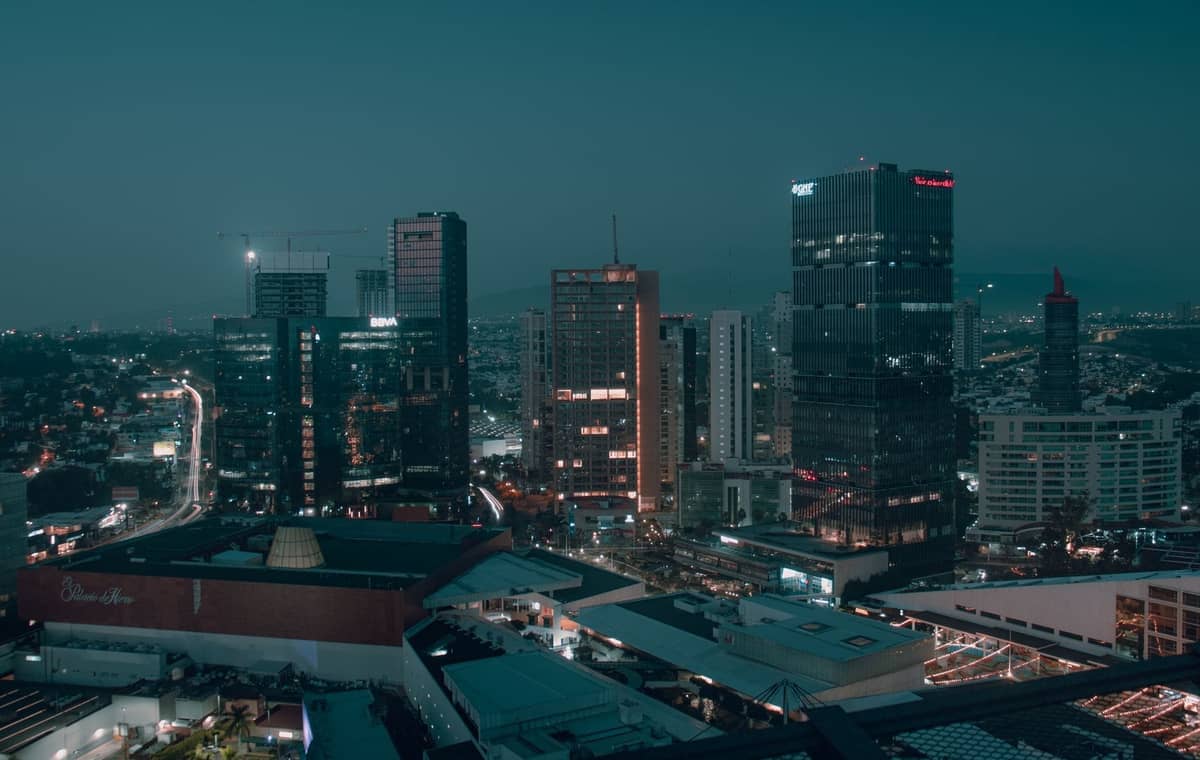
Guadalajara, the capital of Jalisco in western Mexico, sits at around 1,550 m above sea level and holds a metro population of over 5.1 million people. That scale matters for shopping: the city has enough density to support both international retail infrastructure and a deep, living tradition of artisan craft production that dates back centuries. Travel Weekly has noted that the artisan towns in the Guadalajara metro area offer a wider array of goods than most rivals in Mexico, a claim backed by the sheer volume of workshops and market stalls operating daily.
The city's shopping geography breaks into three layers: the historic downtown markets, the artisan suburb corridor of Tonalá and Tlaquepaque, and the modern mall strip running through Zapopan. Each layer serves a different purpose and budget. Treating them as interchangeable is one of the most common mistakes visitors make.
ℹ️ Good to know
Guadalajara is recognized by UNESCO as a Creative City of Media Arts. The city's craft tradition, widely associated with Jalisco's cultural identity, is supported by official bodies including the Secretaría de Cultura Jalisco. When vendors claim their work is 'authentic Talavera' or 'certified Huichol art,' it is worth asking about provenance, as these terms carry legal and cultural weight.
Mercado Libertad: The Market That Earns Its Superlatives
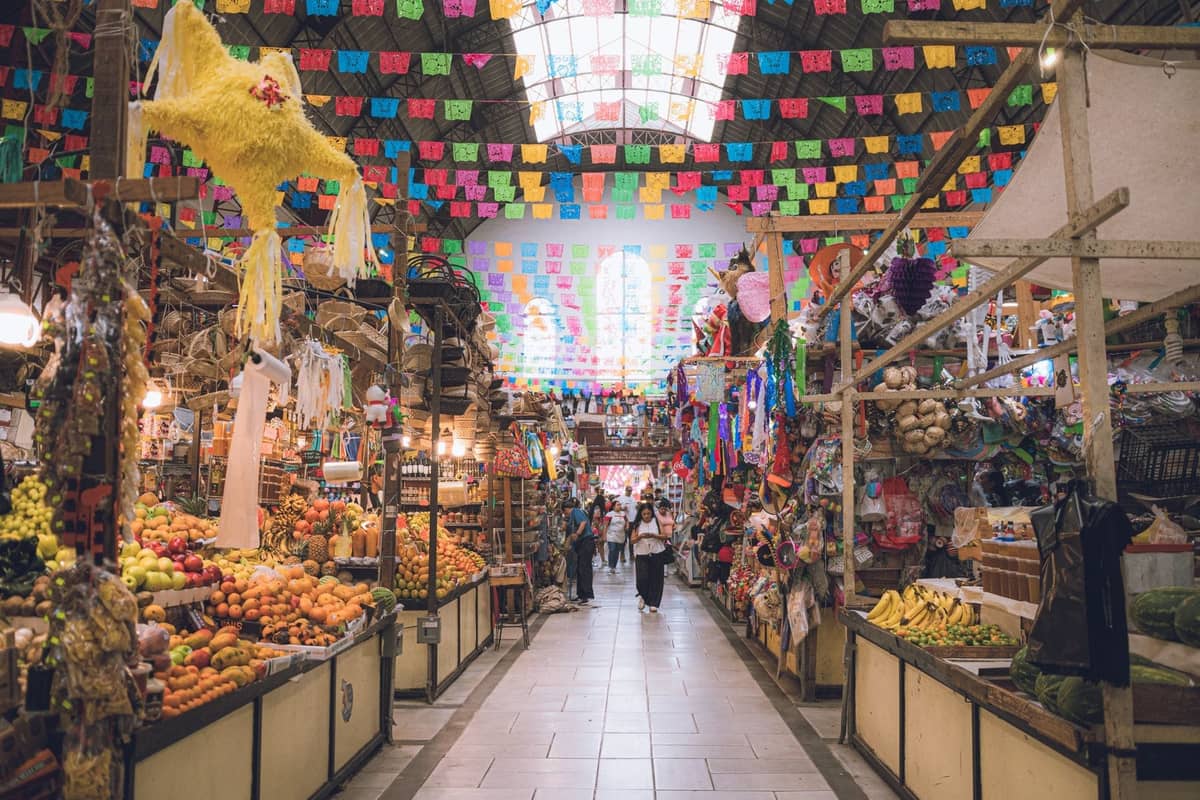
Formally called Mercado San Juan de Dios, Mercado Libertad covers roughly 40,000 m² across three floors and houses close to 3,000 stalls. It sits in the Centro Histórico at the corner of Calzada Independencia and Avenida Javier Mina, and it is open daily from approximately 8:00 to 20:00.
The ground floor is where food dominates: birria, tortas ahogadas, fresh produce, spices, and regional candies. The upper floors shift toward apparel, leather goods, crafts, electronics, and household items. The mix is genuinely broad, not just a tourist souvenir hall. Wholesale buyers from across Mexico come here to source leather accessories and handmade goods at prices that retail shops cannot match.
For visitors, the practical advice is to arrive before 11:00, when the aisles are manageable and vendors are more willing to negotiate. After 14:00 on weekends, crowds from the surrounding neighborhoods fill the building and navigation becomes slow. Saturday mornings are busy but lively; Tuesday and Wednesday mornings are noticeably quieter. Prices are in Mexican pesos (MXN); most stalls are cash-only, though a growing number of larger stands now accept cards.
⚠️ What to skip
Pickpocketing is reported in crowded market areas across Guadalajara, including Mercado Libertad. Keep bags zipped and in front of you, use a money belt or front pocket for cash, and avoid carrying more pesos than you need for the day. The market itself is not inherently dangerous, but standard urban precautions apply.
Tonalá and Tlaquepaque: Mexico's Artisan Capitals
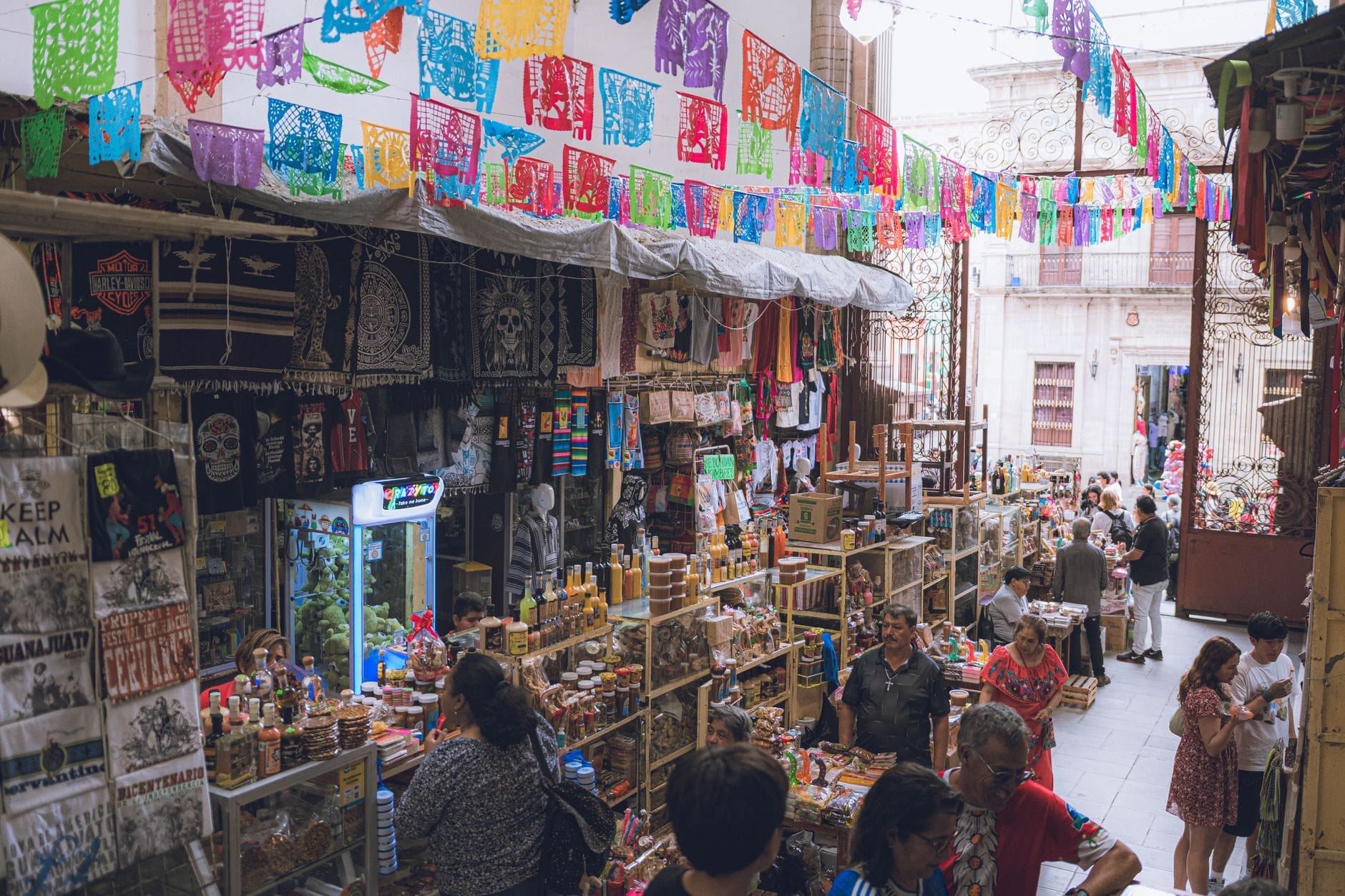
If you are specifically looking for handmade crafts, these two municipalities within the Guadalajara metro area have no real equivalent elsewhere in Mexico. Tonalá is the production hub: hundreds of workshops and family studios line its streets, making ceramics, papier-mâché figures, hand-painted Talavera-style pottery, burnished clay, blown glass, and wrought iron pieces. The town's permanent shops are open most days, but the real event is the tianguis.
The Tonalá tianguis operates every Thursday and Sunday along Avenida Tonaltecas and several surrounding streets, roughly from 8:00 to 15:00. Wholesale buyers from the United States, Canada, and Europe show up on these days to fill containers with goods for resale. Individual travelers benefit from the same competitive pricing. A Talavera-inspired decorative plate that sells for 400-600 MXN at a Tlaquepaque gallery might cost 150-250 MXN directly from the Tonalá workshop. Those numbers shift constantly, but the principle holds.
TlaquepaqueTlaquepaque is the more curated, gallery-oriented counterpart. The pedestrian street zone around Calle Independencia and Andador Independencia is lined with shops selling carved wooden furniture, blown glass, fine ceramics, hand-stitched textiles, and art. Prices are higher here than in Tonalá, but quality control is generally more consistent and the shopping experience is calmer. Many pieces come with certificates of origin or artist attribution.
- Best for budget craft shopping Tonalá tianguis on Thursday or Sunday morning — arrive by 9:00 for the widest selection before vendors pack up.
- Best for quality artisan pieces Tlaquepaque's gallery district along Calle Independencia — expect to pay a premium but get more context on each piece.
- Best for bulk or wholesale Tonalá workshops directly — many studios sell wholesale minimums of 6-12 units to individuals if you ask.
- Best for Huichol (Wixarika) beadwork Tlaquepaque specialty galleries — authentic pieces are labor-intensive and will cost significantly more than imitations.
- Best for blown glass Several Tonalá workshops allow visitors to watch production; look for signs reading 'taller de soplado de vidrio'.
✨ Pro tip
Tonalá and Tlaquepaque are approximately 15–20 minutes from downtown Guadalajara by car or ride-hail (Uber and DiDi both operate in the metro area). Combining both towns in one day is practical: spend Thursday morning in Tonalá for the tianguis, then head to Tlaquepaque in the afternoon when the main craft galleries are open and the pedestrian zone is at its best.
Modern Malls: When You Need Air Conditioning and International Brands
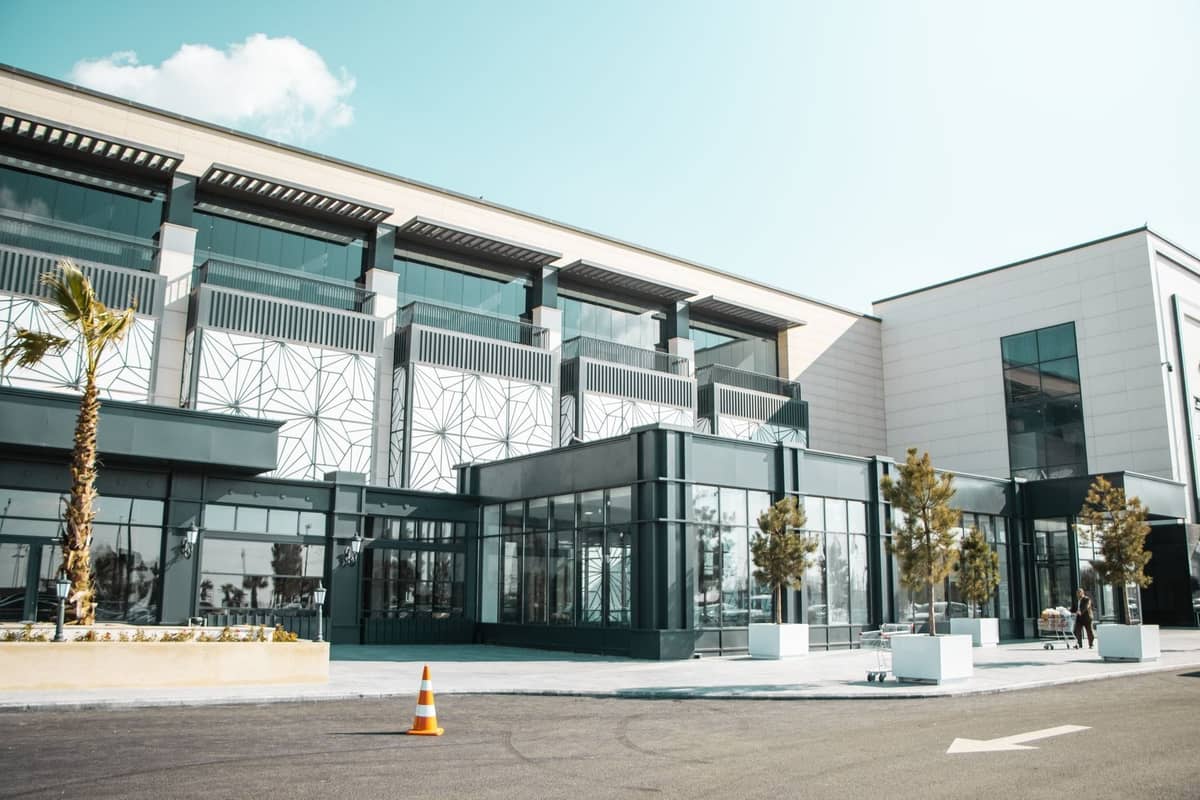
Guadalajara's mall scene is more developed than most visitors expect. AndaresAndares in Zapopan (Blvrd Puerta de Hierro 4965) is the flagship: an open-air luxury mall with brands like Zara, Massimo Dutti, Apple, and upscale Mexican restaurant chains. It opens daily at 11:00 and closes at 21:30. The design is pleasant for strolling, with garden areas and a strong food and beverage offering.
Centro Magno on Avenida Vallarta is a mid-range alternative closer to the city center, with a cinema, a solid mix of Mexican and international clothing brands, and easier access from the Colonia Americana neighborhood. Plaza Sania covers similar ground in a different zone. None of these will surprise travelers accustomed to malls in Mexico City or Monterrey, but they are useful for restocking basics, picking up electronics, or spending a rainy afternoon.
Galería del Calzado is a specialist center worth mentioning separately. With around 64 stores dedicated to footwear, it reflects Guadalajara's historic role as one of Mexico's main shoe-production centers. Prices for locally made leather shoes are noticeably lower than in other Mexican cities. If footwear is on your list, this is a more reliable source than random market stalls.
Practical Shopping Tips: Prices, Bargaining, and Logistics
The currency throughout Mexico is the Mexican peso (MXN). At markets and tianguis, cash is the expected payment method; many small vendors do not have card terminals. At malls, established craft galleries in Tlaquepaque, and larger Tonalá shops, cards (Visa and Mastercard) are widely accepted. American Express is less common outside luxury establishments. Bring enough pesos before heading to Tonalá or Mercado Libertad, as ATMs in those areas can have queues.
Bargaining is normal and expected at tianguis and open-air markets. It is less common in Tlaquepaque galleries and essentially absent in malls. A reasonable opening counter-offer in tianguis settings is around 70-75% of the asking price; most transactions settle somewhere in between. Being polite and unhurried works better than aggressive negotiation, and buying multiple items from the same vendor almost always results in a better overall price.
- Arrive early: markets are less crowded and vendors are more flexible on price before 11:00.
- Bring small bills: vendors in tianguis often cannot break large notes like 500 or 1,000 MXN early in the day.
- Weigh shipping costs before buying large furniture or ceramics from Tonalá; several shops have established relationships with international freight companies.
- Check for the 'Hecho en México' certification on craft items if authenticity matters — some mass-produced imports are sold alongside handmade pieces in larger markets.
- Tipping is not expected in market transactions, but rounding up for exceptional service at food stalls is common.
What to Buy: Guadalajara's Best Craft Categories
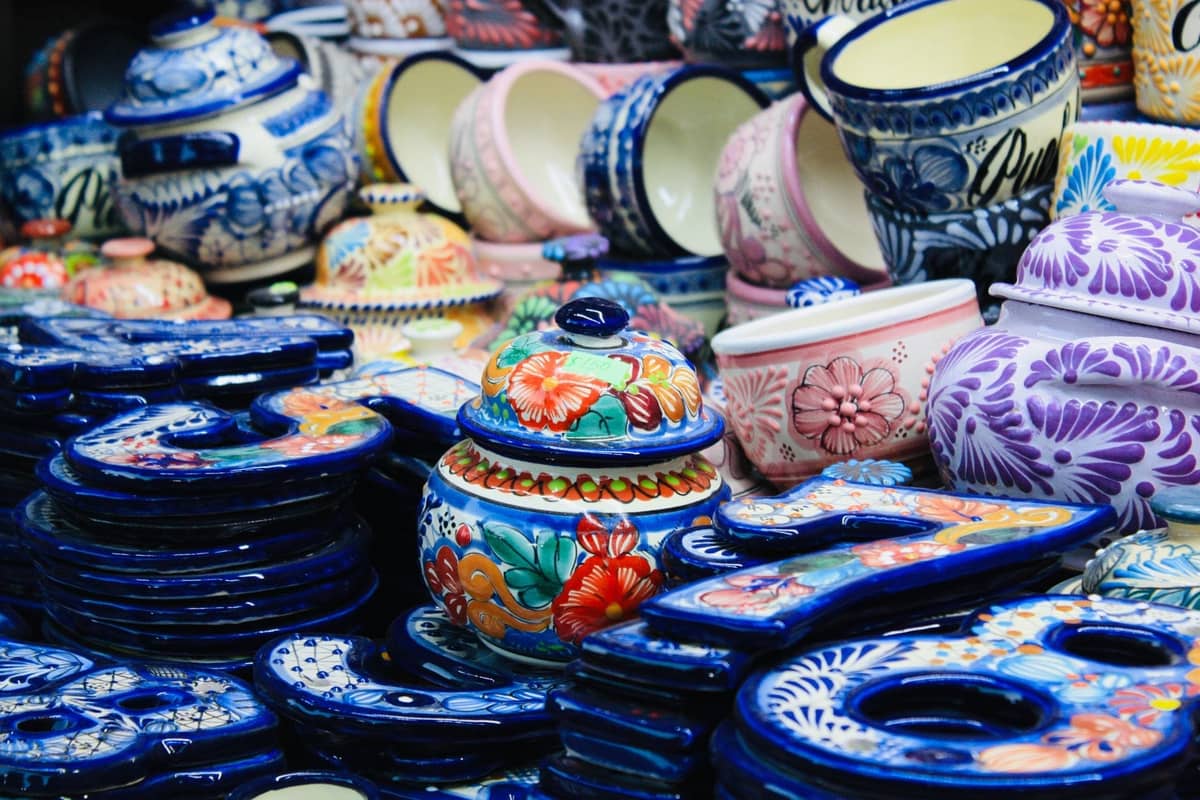
Jalisco has one of the broadest ranges of craft traditions in Mexico. The state's artisan output, centered largely on Tonalá and Tlaquepaque, covers categories that are difficult to find at this quality and price point elsewhere. If you are planning a full shopping day, the Tonalá crafts market combined with Tlaquepaque's galleries gives the most comprehensive overview of what the region produces.
- Blown glass (vidrio soplado) Tonalá is one of Mexico's main production centers. Pitchers, vases, and decorative objects in vivid colors are produced in on-site workshops. Fragile to transport but worth the effort.
- Talavera-style ceramics Hand-painted plates, bowls, and tiles with bold geometric patterns. True certified Talavera originates from Puebla, but Jalisco's version (often called majolica) has its own distinct regional style.
- Papier-mâché figures Skeletal figures, animals, and fantastical creatures painted in intricate detail. A specialty of several Tonalá family workshops and a strong gift option given its light weight.
- Huichol (Wixarika) beadwork and yarn paintings Intricate ceremonial art using small glass beads or yarn pressed into wax. Authentic pieces are expensive and time-consuming to produce — be cautious of very cheap versions.
- Leather goods Belts, wallets, bags, and footwear, with Mercado Libertad and the Galería del Calzado as the best-stocked sources.
- Silver and metalwork Decorative silver and gold-finish pieces, including jewelry, frames, and small sculptures, are well represented at Tonalá's tianguis.
Getting Around the Shopping Districts
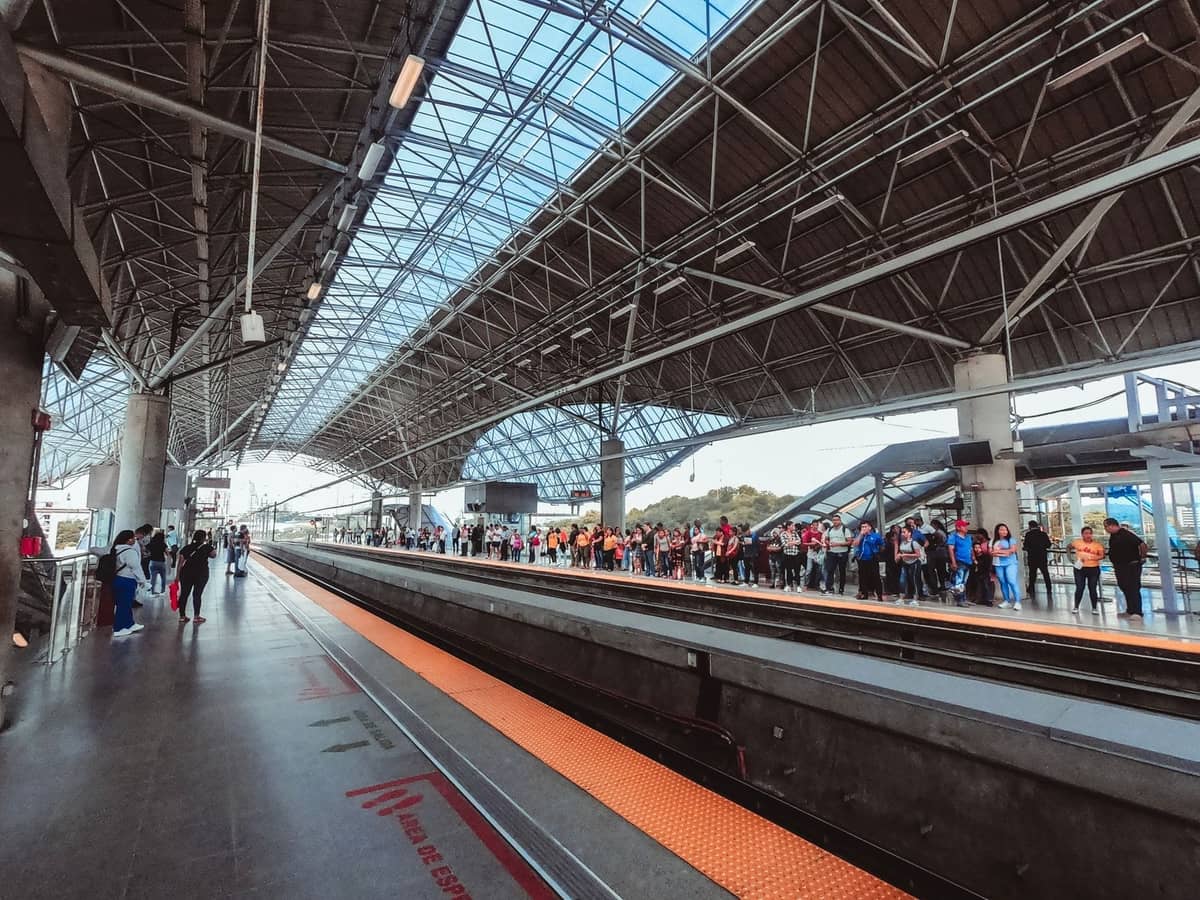
Guadalajara's metro system (SITEUR) connects the downtown area and parts of Zapopan and Tlaquepaque on Lines 1, 2, and 3, but direct connections to the artisan districts require a combination of metro and bus or ride-hail. For most visitors, Uber or DiDi are the most practical options for reaching Tonalá and Tlaquepaque. Expect to pay around 100-200 MXN each way from central Guadalajara, depending on traffic and time of day. For a complete overview of moving between these neighborhoods, the getting around Guadalajara guide covers all transport options in detail.
If you are staying in the Colonia Americana or Zona Minerva area, Mercado Libertad and the Centro Histórico are roughly 20-25 minutes by ride-hail. Andares in Zapopan is about 20-30 minutes northwest. Plan for longer transit times during weekday rush hours (roughly 8:00-9:30 and 18:00-19:30) and on Sunday afternoons when the tianguis disperses and traffic around Tonalá backs up.
FAQ
What is the best market to visit in Guadalajara?
For sheer scale and variety, Mercado Libertad (San Juan de Dios) is the standout: nearly 3,000 stalls covering food, crafts, leather, and apparel across 40,000 m², open daily 8:00-20:00. For artisan crafts specifically, Tonalá's Thursday and Sunday tianguis is the most price-competitive option in the entire Guadalajara metro area.
Is bargaining acceptable in Guadalajara markets?
Yes, in tianguis and open-air markets it is standard practice. Starting around 70-75% of the asking price is reasonable. Bargaining is less common in established Tlaquepaque galleries and not expected in malls. Buying multiple items from one vendor almost always leads to a better combined price.
What days does the Tonalá craft market operate?
The main Tonalá tianguis runs every Thursday and Sunday along Avenida Tonaltecas and surrounding streets, roughly from 8:00 to 15:00. Permanent shops throughout Tonalá are open most other days, but the street market with its wholesale-level variety and pricing only happens on those two days.
Can I find authentic Huichol (Wixarika) art in Guadalajara?
Yes, particularly in specialty galleries in Tlaquepaque. Authentic Huichol beadwork and yarn paintings are made by Wixarika artists and are labor-intensive — a small genuine piece will cost significantly more than cheap imitations. Look for galleries that can explain the artist's origin and the symbolic meaning of the imagery, which is a basic marker of authenticity.
How do I get from Guadalajara city center to Tonalá and Tlaquepaque?
Uber and DiDi are the most convenient options, typically 100-200 MXN each way from central Guadalajara, and 15-20 minutes outside rush hour. Line 3 of the Guadalajara metro stops near Tlaquepaque (Central de Autobuses station area), but the walk from the station to the main craft zone is around 15-20 minutes. Tonalá requires a bus connection after the metro or a direct ride-hail.