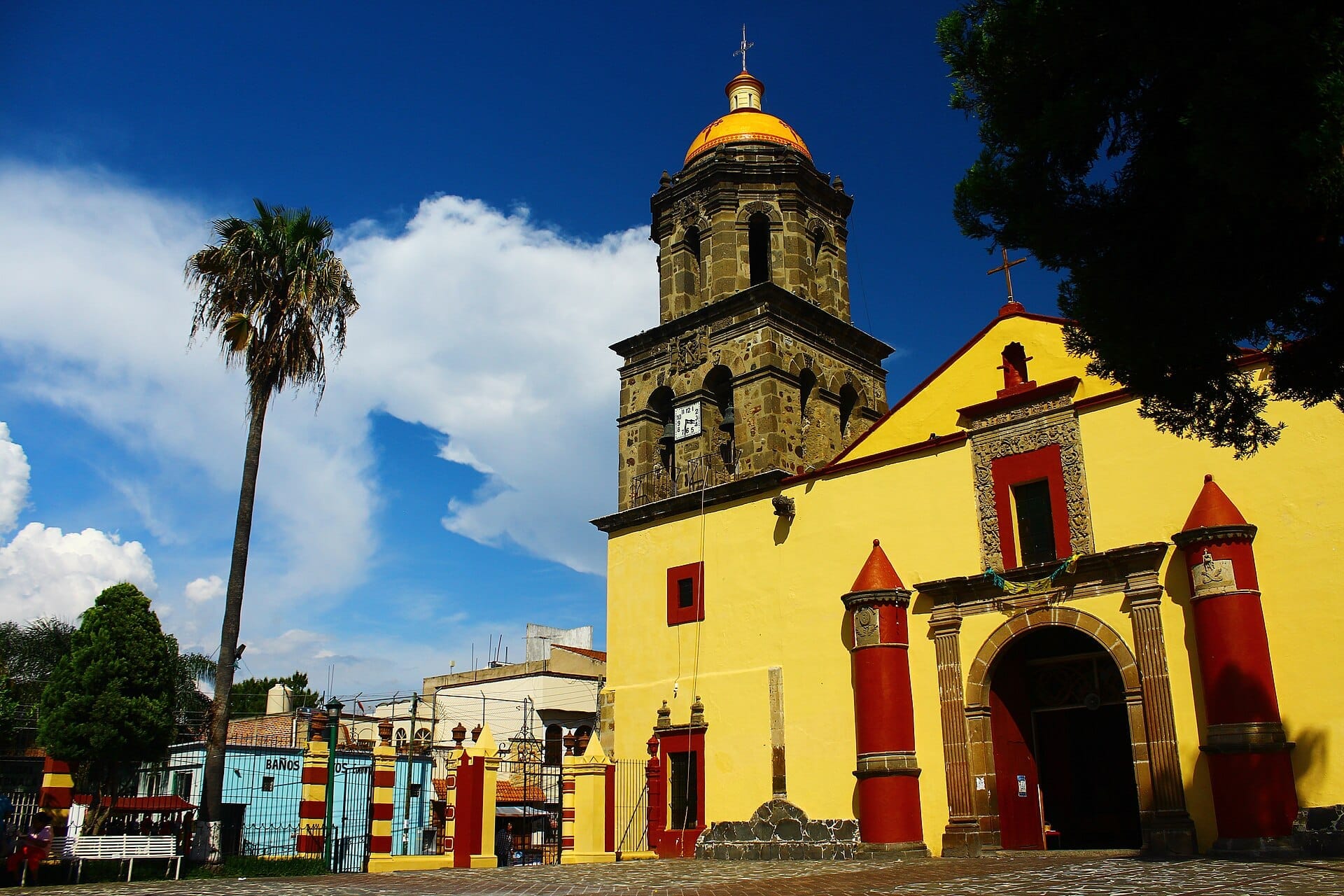
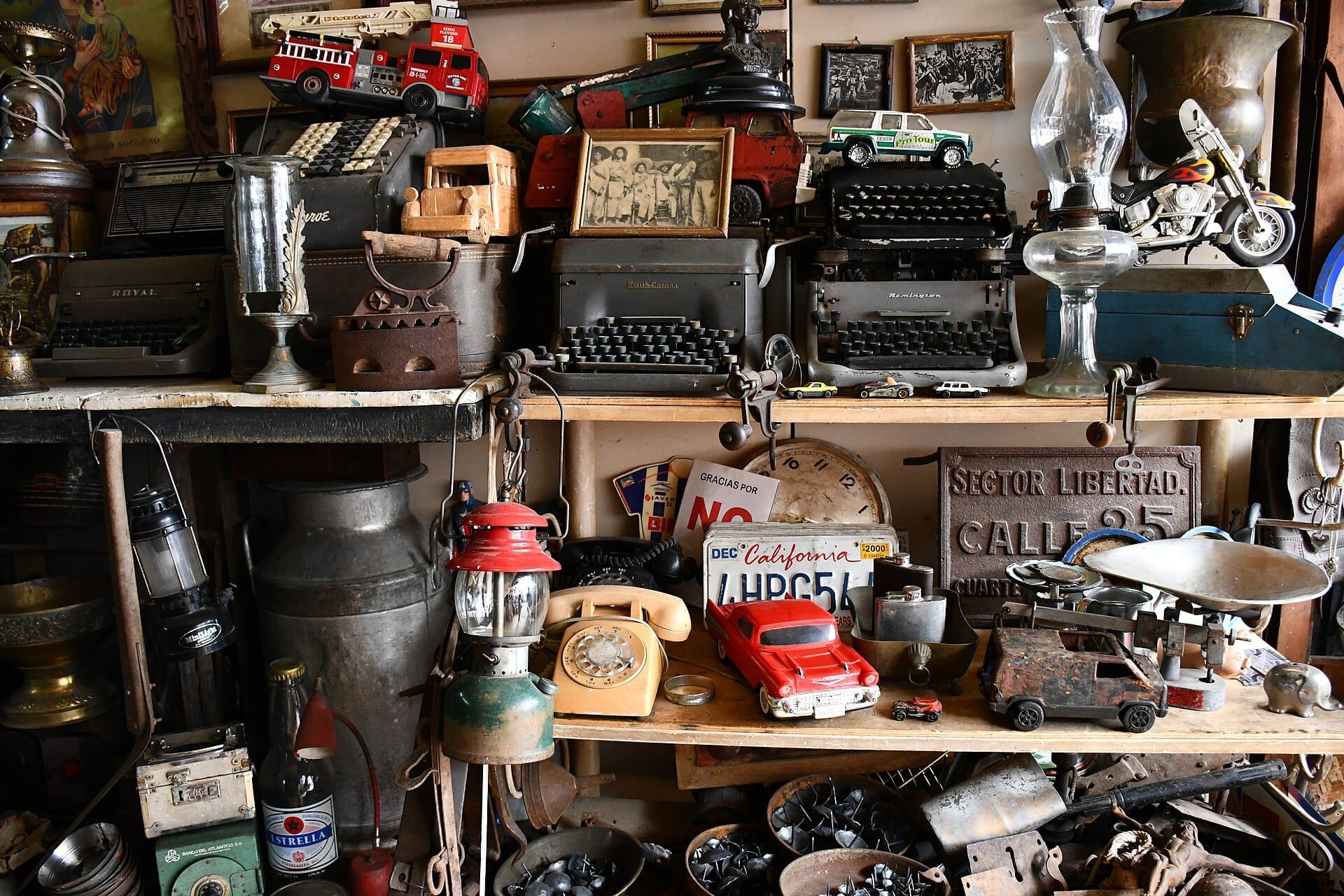
Tonalá is a city within the Guadalajara metropolitan area in Jalisco, Mexico, built around a centuries-old tradition of ceramics, blown glass, and handcrafted furniture. Its pedestrian-friendly center fills with workshop storefronts, market stalls, and ceramics museums, making it a major destination for artisan goods.
Tonalá sits on the eastern edge of the Guadalajara metro area in Jalisco, Mexico, and has been producing ceramics since pre-Hispanic times. Today it functions as the metropolitan area's artisan hub: a compact city center where workshops, wholesale showrooms, and street markets exist side by side, and where the goods on display range from hand-painted talavera to smoked-glass vases exported around the world.
Orientation
Tonalá is a separate municipality within the Guadalajara metropolitan area, sitting to the east of both the city of Guadalajara and San Pedro Tlaquepaque. Its urban core is located at roughly 1,523 meters above sea level, slightly lower than the Centro Histórico, and covers a municipal area of about 119 square kilometers. For practical purposes, most visitors are interested in the historic center, which is compact enough to cover on foot in a few hours.
The commercial and cultural spine of the city runs along the Tonalá crafts market zone, with Avenida Juárez and Avenida Hidalgo forming the main east-west corridors. Avenida Tonalá feeds traffic in from the west, connecting Tonalá directly to Tlaquepaque and, beyond that, to the wider Guadalajara road network. Avenida Tonalá runs parallel and carries much of the foot traffic through the vendor district.
Tonalá and Tlaquepaque are often visited together since they sit roughly 4 kilometers apart along a shared urban corridor. Tlaquepaque has a more polished, tourist-facing aesthetic; Tonalá is rawer and more working, with active workshops and wholesale warehouses alongside retail shops. Together they form what many buyers — domestic and international — treat as a single crafts circuit.
ℹ️ Good to know
Tonalá is a municipality in its own right, not a neighborhood of Guadalajara city. It sits within the Zona Metropolitana de Guadalajara, which has a population of over 5 million across several adjoining municipalities including Zapopan, Tlaquepaque, Guadalajara proper, and Tonalá.
Character and Atmosphere
Early morning in Tonalá belongs to the suppliers. Before 9 a.m., pickup trucks loaded with ceramic urns, papier-mâché figures, and flat-packed wooden furniture move through the streets, and workshop shutters roll up to reveal artisans already at work behind rows of drying pottery. The air carries a faint smell of kiln dust and lacquer. This is the working version of the city, before the day-trip coaches arrive.
By mid-morning, the main streets fill considerably. Avenida Juárez and the surrounding pedestrian stretches become a continuous run of storefronts selling ceramics, textiles, wrought iron, blown glass, carved wood, and painted furniture. The light is flat and bright around noon, which makes the painted surfaces of traditional pottery — the deep blues and oranges of Jalisco-style work — look especially vivid. Prices are typically marked but negotiation is expected, particularly for bulk purchases.
Thursday and Sunday are the city's main tianguis days, when street vendors set up along the main avenues and the number of stalls roughly doubles. These market days draw both domestic wholesale buyers and individual tourists. The pace is noticeably faster, the sidewalks narrower with goods spilling out, and the energy more transactional. If you want to browse without pressure, a Tuesday or Wednesday morning is considerably calmer.
After around 5 p.m., the commercial district quiets quickly. Many shops begin closing, vendors pack down their stalls, and the streets return to something resembling a provincial Mexican town rather than a crafts market. The restaurants around the central plaza stay open later, and the pace shifts from commerce to something more local and unhurried. Tonalá does not have a significant nightlife scene; by 9 p.m. the main streets are largely quiet.
What to See and Do
The ceramics industry here predates the Spanish conquest, and Tonalá currently has multiple museums dedicated to documenting that history. The Museo Regional de la Cerámica — see the regional ceramics museum — is the most authoritative collection in the area, covering pre-Hispanic techniques through to contemporary production. Walking through it before you start shopping gives a useful frame of reference for what you'll see in the workshops.
The workshops themselves are the real draw. Unlike a conventional craft market where finished goods are displayed behind glass, many of Tonalá's workshops are open-format: you can watch artisans painting, firing, and assembling pieces in real time. Some larger workshops run informal demonstrations or allow visitors to observe the production floor. This makes Tonalá a genuinely educational experience for anyone interested in craft production, not just a shopping destination.
The main commercial stretch around Avenida Juárez and the adjacent pedestrian zones covers maybe ten city blocks, but density is high and it takes several hours to walk slowly through. Beyond the main avenue, the streets leading north and south contain smaller, less-visited workshops where prices are sometimes lower and the work is less curated for tourists. These side streets reward patient exploration.
Visit the Thursday and Sunday tianguis for the widest range of stalls and the most competitive wholesale pricing
Walk the side streets off Avenida Juárez to find working workshops and smaller family-run operations
Seek out blown-glass studios, where Tonalá's recycled-glass tradition produces distinctive smoked and bubble-glass pieces
Check the ceramics museums to understand the pre-Hispanic roots of local production before buying
Look for talavera-style painted pottery, carved wood furniture, papier-mâché figures, and hand-forged iron goods — Tonalá produces all of these in quantity
💡 Local tip
If you plan to ship purchases home, several shops near the main market zone can arrange packing and freight for larger ceramic or furniture pieces. Confirm costs and insurance before committing to a large purchase.
Eating and Drinking
The food scene in Tonalá is functional rather than destination-worthy on its own. That said, the area around the central plaza and Avenida Juárez has a reasonable concentration of traditional Jalisco-style restaurants serving birria, pozole, tortas ahogadas, and daily comida corrida menus. Prices are noticeably lower than in Tlaquepaque's tourist-facing restaurants, and portions tend toward the generous.
Street food is present throughout the market area, particularly on tianguis days. Vendors set up carts selling elotes, tamales, and various antojitos along the main avenues. For a broader look at Jalisco's food culture, the Guadalajara food guide covers regional specialties in more depth. In Tonalá specifically, look for stalls selling agua de Jamaica and horchata as midday refreshment — the walk between workshops in the midday heat can be tiring.
The café culture here is thin compared to Colonia Americana or the Chapultepec corridor in Guadalajara proper. There are a handful of small cafés around the central plaza that serve decent drip coffee and pastries, but specialty coffee is not something Tonalá has developed. If caffeine is a priority, fuel up before you arrive or treat it as an opportunity to drink the local agua fresca instead.
For a sit-down lunch between market rounds, the restaurants on and near the plaza tend to be the most reliable option. Look for places advertising comida corrida — a set three-course midday meal — which typically runs well under 100 MXN and gives you a soup, a main, and water or juice. These menus change daily and are usually chalked on boards outside the entrance.
Getting There and Around
Tonalá has no metro station; the Guadalajara metro system (SITEUR's Lines 1, 2, and 3) does not extend this far east. The most practical options from central Guadalajara are a ride-hailing app or a local bus. From the Centro Histórico, a ride via Uber or DiDi to the Tonalá market area typically takes 25 to 40 minutes depending on traffic and runs well under 100 MXN at most times of day, though prices vary with demand.
Regional bus routes operate along the main road corridors connecting Guadalajara, Tlaquepaque, and Tonalá, and these are significantly cheaper than ride-hailing. The buses are part of the Mi Transporte network coordinated by the state of Jalisco. Route numbers and schedules are subject to change; check current information at the Gobierno de Jalisco's Mi Movilidad platform or ask locally, as service frequency varies considerably by time of day.
From Tlaquepaque, Tonalá is roughly 4 kilometers east — a short bus ride or a short ride-share trip. Some visitors combine both municipalities in a single day, starting in Tlaquepaque in the morning and moving east to Tonalá by midday. For the full context of both areas, see the things to do in Guadalajara guide, which situates both crafts towns within a wider metro-area itinerary.
Within Tonalá's center, walking is the only practical way to cover the market streets. The commercial zone is dense but not large, and the main avenues are flat and straightforward to navigate. On tianguis days, stall traffic can slow pedestrian movement considerably; build in extra time if you are trying to cover the full circuit.
⚠️ What to skip
If you plan to buy large or heavy items — ceramics urns, furniture, iron fixtures — bring cash and confirm transport logistics before you purchase. Standard ride-hailing cars and local buses will not accommodate large packages. Arrange a taxi van or truck service in advance, or use the shipping services offered by larger workshops.
Where to Stay
Most visitors to Tonalá stay in Guadalajara proper and make a day trip out. The city does have accommodation options, primarily small hotels and guesthouses in and around the center, and a few travelers — particularly those on extended craft-buying trips — prefer to stay here for the early-morning access to workshops and wholesale yards before the day crowds arrive. For a full picture of accommodation options across the metro area, the where to stay in Guadalajara guide compares neighborhoods in detail.
Staying in Tonalá makes most sense if your primary purpose is buying in bulk from workshops, shipping furniture or large ceramics pieces, or spending multiple days working through the wholesale market. For leisure travelers, staying in Guadalajara and making a day trip is more practical: the city's restaurant scene, nightlife, and cultural calendar all outpace what Tonalá offers after the shops close.
The accommodation options in Tonalá's center are modest: expect small family-run properties with basic amenities rather than boutique hotels or international chains. That said, the neighborhood is generally considered low-key and calm compared to central Guadalajara, and travelers staying here report a quieter environment at night. Safety conditions in any Mexican urban area can change; consult current official travel advisories from your country's foreign ministry before making plans.
Is Tonalá Worth the Trip?
The honest answer depends on what you want from a visit to the Guadalajara metro area. Tonalá is one of the most concentrated wholesale and retail craft destinations in Mexico — if ceramics, blown glass, talavera, carved wood, or hand-forged iron goods interest you, it is a genuinely excellent place to spend a morning or a full day. If you are primarily interested in colonial architecture, contemporary restaurants, or cultural institutions, the Centro Histórico or Colonia Americana will serve you better.
Tonalá pairs naturally with Tlaquepaque as a single-day crafts circuit. The two municipalities sit close together and have complementary personalities: Tlaquepaque is more polished and restaurant-forward, while Tonalá is more raw, wholesale-oriented, and workshop-dense. Together they make a strong argument for a full day away from the city center. The 3 days in Guadalajara itinerary typically allocates one of those days to the eastern craft corridor.
What Tonalá is not: a conventional tourist neighborhood with restaurants open late, rooftop bars, or a varied evening program. It closes early, it is focused almost entirely on commerce, and it lacks the atmosphere of a place designed for extended leisure stays. Come for the craft production, stay for the markets, and plan to be back in Guadalajara for dinner.
TL;DR
Tonalá is the Guadalajara metro area's main crafts and ceramics destination, with a pre-Hispanic production tradition still active in working workshops across the center
Thursday and Sunday tianguis days are the most intensive market days; quieter weekday mornings suit browsing over buying
No metro access — get here by ride-share, regional bus, or taxi; allow 25 to 40 minutes from central Guadalajara
Best for: craft shoppers, ceramics enthusiasts, wholesale buyers, and travelers combining it with a Tlaquepaque day trip
Not suited to travelers prioritizing nightlife, high-end dining, or cultural institutions — plan it as a daytime excursion from a Guadalajara base
Three days is enough to cover Guadalajara's colonial core, its craft-focused suburbs, and a day trip to the town that gave tequila its name. This itinerary is structured around walking distance, public transport, and realistic timing — not nierealnych oczekiwań.
Guadalajara is a stronger museum city than many visitors expect. From the UNESCO-listed Hospicio Cabañas to free contemporary art at MUSA, here are the best museums in Guadalajara, organized by theme so you can plan your time well.
Guadalajara's climate divides cleanly into a dry season and a rainy season, but the best time to visit depends on what you're after. This guide breaks down weather, festivals, crowds, and pricing by season so you can plan with confidence.
Guadalajara sits at the center of one of Mexico's richest regions for day tripping. Within about two hours in any direction you'll find UNESCO World Heritage sites, mountain Pueblos Mágicos, Mexico's largest freshwater lake, and ancient circular pyramids unlike anything else in the country.
Guadalajara rewards budget travelers more generously than almost any city in Mexico. Its historic plazas, colonial churches, world-class murals, urban forests, and street markets are largely free to enter, making it possible to spend days here without opening your wallet.
Guadalajara has one of the most practical urban transport networks in Mexico. This guide breaks down every option — from the MiTren metro to MiBici bike-share — with real prices, route logic, and clear guidance on what to skip.
Miguel Hidalgo y Costilla International Airport (GDL) is Mexico's third-busiest airport, handling over 17 million passengers a year. This guide covers every transfer option from the airport to Guadalajara city center, terminal layouts, facilities, and practical arrival tips so you know exactly what to expect before you land.
Guadalajara's architectural story spans five centuries, from the towering twin spires of its Metropolitan Cathedral to the clean geometric lines of Luis Barragán's early modernist houses. This guide covers the landmark buildings worth your time, how to visit them, and the historical context that makes each one matter.
Day of the Dead in Guadalajara is a multi-week affair that blends pre-Hispanic tradition, Catholic observance, and the city's own Fiestas de Octubre into something far bigger than a single night. This guide covers the best altar displays, cultural events, practical logistics, and common misconceptions so you can experience it properly.
Guadalajara, Jalisco is quietly becoming one of Latin America's most practical bases for remote workers. This guide covers monthly costs, coworking spaces, the best neighborhoods, visa options, internet reliability, and everything else you need to decide if Mexico's second-largest city is right for your nomad setup.
Guadalajara, Jalisco, Mexico hosts some of Latin America's most significant cultural events — a world-class film festival, the largest Spanish-language book fair, October-long celebrations, and a mariachi gathering with deep roots in Jalisco identity. This guide breaks down the full annual calendar with practical detail on timing, crowds, and what actually deserves your attention.
Guadalajara, Jalisco is one of Mexico's most important food cities, home to torta ahogada, birria, carne en su jugo, and jericalla. This guide covers every essential dish, where to find the best versions, what to pay, and how to eat like a local from breakfast through late-night cantina.
Guadalajara, Jalisco's capital, rewards couples with colonial plazas, candlelit Tlaquepaque galleries, agave-field train rides, and one of Mexico's most walkable lake shores. This guide covers the most genuinely romantic experiences in the city, with honest timing advice, neighborhood breakdowns, and booking details.
October is one of Guadalajara's most eventful months, with the citywide Fiestas de Octubre, the lead-up to Día de los Muertos, and weather that finally starts to ease off the rainy season. This guide covers what to expect, what to pack, how to book smart, and which events are worth your time.
Guadalajara, Jalisco, is the cultural capital of mariachi music. This guide covers the best places to hear live performances, how to hire a band, what the International Mariachi Festival involves, and what to expect as a first-time visitor — including honest notes on pricing, crowds, and common misconceptions.
Guadalajara has one of Mexico's most dynamic nightlife scenes, built around world-class tequila bars, craft cocktail lounges, and clubs that run until dawn. This guide covers the best neighborhoods, top venues by category, what things actually cost, and how to navigate the scene like a local.
Guadalajara, Jalisco, Mexico is one of the most affordable major cities in North America for travelers. This guide breaks down real costs for transport, accommodation, food, and attractions, plus timing tips to stretch your pesos further.
Guadalajara and Mexico City are both world-class destinations, but they offer very different experiences. This guide breaks down the key differences in size, cost, climate, culture, and logistics so you can make an informed choice — or plan both.
Guadalajara's Centro Histórico is one of Mexico's most walkable downtown cores, with a chain of linked plazas connecting colonial churches, world-class murals, and a UNESCO World Heritage site within roughly 5 kilometres. This guide gives you a practical route, landmark-by-landmark breakdown, opening hours, and the practical tips you need to do it right.
Guadalajara, Jalisco, Mexico packs a remarkable range of kid-friendly attractions into a compact, navigable city. This guide covers the top family activities, practical logistics, seasonal advice, and honest rankings to help you plan a trip your kids will actually enjoy.
Guadalajara is one of Mexico's largest metropolitan areas and one of the country's most culturally significant cities. But is it worth your trip? This guide cuts through the hype with a clear-eyed look at what the city actually offers, who it suits best, and what to watch out for.
Guadalajara, Mexico is moderately safe for tourists who travel smart. This guide breaks down the real risks by neighborhood, time of day, and transport type, so you can plan your trip with accurate expectations rather than fear or false confidence.
Mexico's largest freshwater lake sits just one hour from Guadalajara, making it one of the most rewarding day trips in Jalisco. This guide covers how to get there independently or on a guided tour, what to do in Chapala and the Pueblo Mágico of Ajijic, honest seasonal advice, and what the tourism brochures tend to leave out.
Guadalajara holds the greatest concentration of José Clemente Orozco murals in the world, anchored by the UNESCO-listed Hospicio Cabañas and the Palacio de Gobierno. This guide covers every major site, what to look for in each fresco cycle, practical visiting logistics, and clear guidance on what to skip.
Guadalajara, Jalisco, Mexico offers one of Mexico's most diverse shopping landscapes — from one of the country's largest indoor markets to artisan towns, high-end malls, and a major shoe district. This guide breaks down where to go, what to buy, and how to avoid overpaying.
The town of Tequila is 60–70 km northwest of Guadalajara and one of the most rewarding day trips in all of Mexico. This guide covers every transport option, the best distillery tours, what the Jose Cuervo Express train actually delivers, and how to avoid the most common tourist mistakes.
Guadalajara, the capital of Jalisco, is one of Mexico's most rewarding cities for travelers who look beyond the obvious. This guide covers the best things to do in Guadalajara, from the UNESCO-listed Hospicio Cabañas to craft markets in Tlaquepaque, with practical details on timing, pricing, and what to skip.
Choosing where to stay in Guadalajara, Jalisco shapes your entire trip. This guide breaks down the city's top neighbourhoods by travel style, with straightforward assessments of what each area delivers, what it lacks, and who it suits best.