Guadalajara for Digital Nomads: A Complete Guide (2026)
Guadalajara, Jalisco is quietly becoming one of Latin America's most practical bases for remote workers. This guide covers monthly costs, coworking spaces, the best neighborhoods, visa options, internet reliability, and everything else you need to decide if Mexico's second-largest city is right for your nomad setup.
Plan and book this trip
Tools from our partner Travelpayouts help you compare flights and hotels. If you book through them, we may earn a commission at no extra cost to you.
Flights
Hotels map
TL;DR
- A comfortable nomad lifestyle in Guadalajara costs roughly US$1,200–2,200/month, depending on neighborhood and how often you eat out.
- Colonia Americana and Providencia are the top two neighborhoods for remote workers: walkable, central, and with reliable fiber internet around 100 Mbps. See the full Colonia Americana neighborhood guide for more detail.
- US, Canadian, and EU citizens can enter without arranging a visa in advance and may be granted up to 180 days on arrival at the discretion of the immigration officer. A Temporary Resident Visa is available for longer stays.
- Coworking memberships run around US$150–180/month. Major providers include WeWork, IOS Offices, Metta Coworking, and Colabora.
- The city sits at 1,550 m elevation, giving it a mild year-round climate. The main downside is afternoon thunderstorms from June to September. Check the best time to visit Guadalajara for a full seasonal breakdown.
Why Digital Nomads Are Choosing Guadalajara
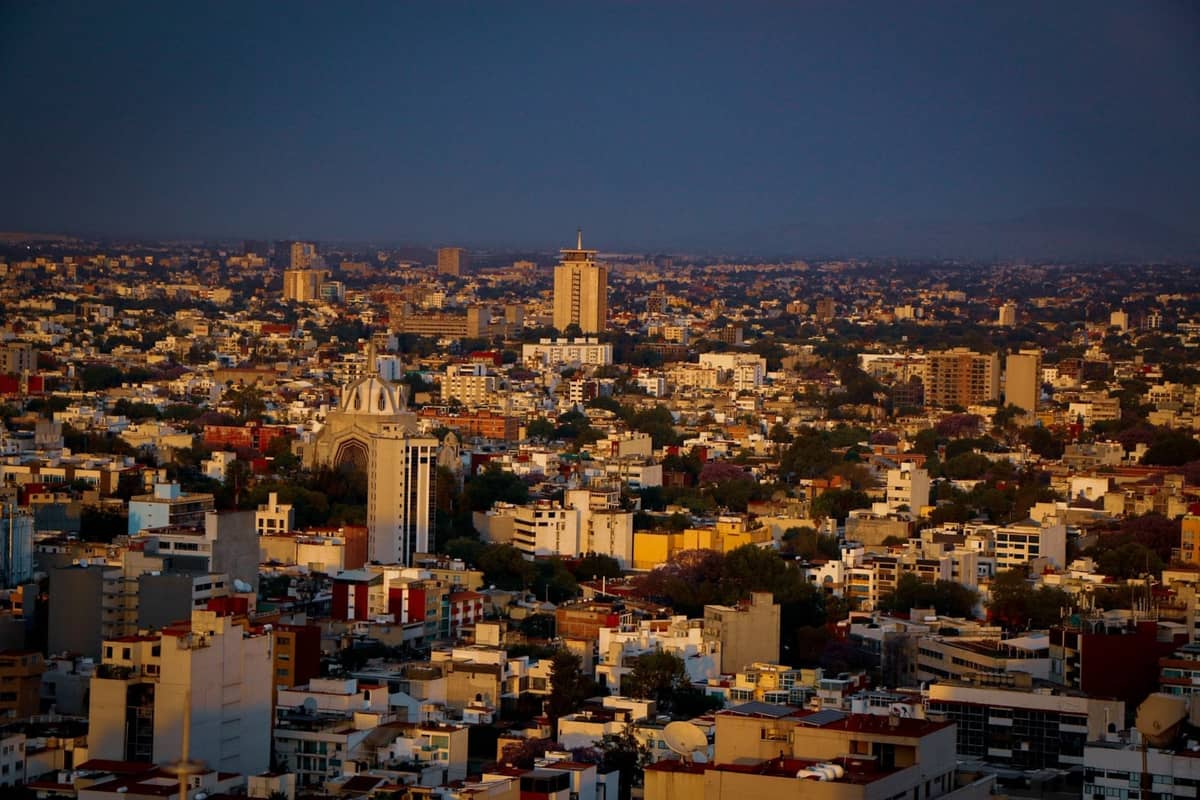
Guadalajara, the capital of Jalisco state in western Mexico, is one of the country's largest metropolitan areas, with roughly 5.3 million people in the greater urban zone. It is not a beach town, and it is not trying to be. What it offers remote workers is a combination that is increasingly hard to find: a genuine city with real infrastructure, a cost of living that meaningfully undercuts comparable cities in the US or Europe, and a growing tech and startup ecosystem that brings English-speaking professionals into the mix.
The city sits at approximately 1,550 meters above sea level in the Atemajac Valley, which keeps temperatures moderate year-round. Daytime highs typically range from 21 to 29°C (70–85°F) across most months, with cooler evenings. There is no air conditioning problem in November, no heating problem in August. For nomads working out of cafés and coworking spaces, the climate is a practical advantage. Beyond logistics, Guadalajara has genuine cultural weight: it is closely associated with mariachi and tequila traditions recognized by Mexico's cultural and tourism authorities, and the festival calendar includes events like the Guadalajara International Book Fair (FIL, usually late November) and the Guadalajara International Film Festival (FICG, typically April), which draw international visitors and professionals to the city each year.
ℹ️ Good to know
Guadalajara is listed as a UNESCO Creative City of Media Arts, which reflects the city's growing ecosystem of design, tech, and creative industries. This is part of why the nomad community here skews toward developers, designers, and content creators rather than purely lifestyle travelers.
Cost of Living Breakdown for Remote Workers
The most commonly reported monthly budget for a mid-range nomad lifestyle in Guadalajara is around US$1,300, with a realistic comfortable range of US$1,200–2,200 depending on apartment quality, social spending, and whether you lean toward home cooking or restaurants. These numbers assume you are renting a furnished apartment, using a coworking space several days a week, and eating out occasionally at local spots.
- 1-bedroom apartment (Colonia Americana or Providencia) US$600–850/month for a furnished unit in the most popular nomad neighborhoods. Prices rise quickly for newer builds with amenities like a gym or rooftop.
- Coworking membership US$150–180/month for a standard hot desk at mid-range spaces. Drop-in day passes typically run US$15–25.
- Groceries (cooking at home) US$250–400/month. Local markets and supermarkets like Walmart, Chedraui, and La Comer keep costs reasonable.
- Eating out at local spots Around US$6–8 per meal at a sit-down local restaurant. A comida corrida (set lunch menu) at a neighborhood spot typically runs MXN 80–120.
- Transport (Uber + occasional Metro) US$40–80/month depending on frequency. Short Uber rides within central neighborhoods cost MXN 50–100.
- Utilities and internet (residential) Usually included in furnished apartment rent, but when separate, budget US$50–80/month for electricity and fiber internet.
The Mexican peso (MXN) is the local currency. At the time most nomad cost guides were compiled, the USD-to-MXN exchange rate made Guadalajara significantly cheaper than comparable cities in Colombia, Portugal, or Southeast Asia on a like-for-like basis. Exchange rates shift, so run current comparisons before making relocation decisions. ATMs are widely available, and major credit cards are accepted at most coworking spaces, restaurants, and larger shops, though smaller local markets and street vendors typically prefer cash.
💡 Local tip
Avoid exchanging currency at the airport if possible. Rates at airport kiosks are significantly worse than at city-center banks or withdrawing from ATMs with low foreign-transaction fees. Use a bank ATM (Banorte, BBVA, Santander) rather than standalone machines for better rates and lower skimming risk.
Best Neighborhoods for Digital Nomads
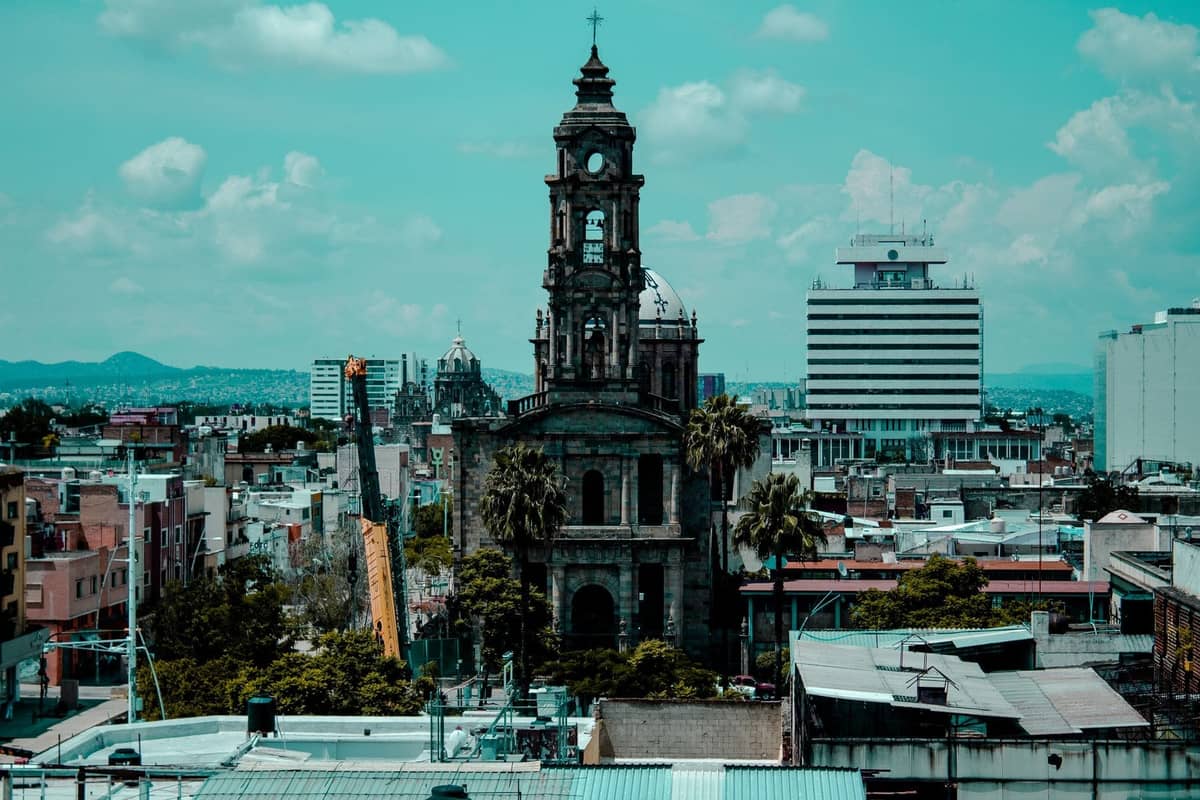
Neighborhood choice in Guadalajara matters more than in some smaller cities because the metro area spans multiple municipalities. Most nomads settle in one of two central neighborhoods: Colonia Americana or Providencia. Both are within the municipality of Guadalajara proper, walkable, and well-supplied with cafés, gyms, and restaurants.
- Colonia Americana The most popular nomad neighborhood. Early 20th-century architecture, dense café culture, street art, and a strong nightlife scene. Avenida Chapultepec runs through it with dozens of coffee shops and restaurants. Fiber internet in newer buildings averages around 100 Mbps down / 90 Mbps up. Slightly noisier than Providencia on weekends.
- Providencia Quieter, slightly more upscale residential feel. Good restaurant density on Avenida Providencia and Avenida Montevideo. Popular with longer-term expats and professionals. Slightly higher rents than Colonia Americana for comparable units.
- Zona Minerva / Vallarta The area around Glorieta La Minerva and Avenida Vallarta. More commercial and hotel-heavy, but central with good transit access. Works well if you want easy Uber access to multiple parts of the city.
- Zapopan (Andares area) If you need proximity to tech company offices or prefer a more suburban feel with upscale malls, northwestern Zapopan is worth considering. It is farther from the historic core but has modern infrastructure and good highway access.
Avoid committing to an apartment in Tonalá or the eastern suburbs without first testing the commute to coworking spaces or cafés you plan to use regularly. The metro area is large. A 30-minute Uber to your coworking space daily adds up both in cost and time. For a broader view of where to base yourself, the Guadalajara neighborhood guide for accommodation covers options across price ranges.
Internet, Coworking Spaces, and Work Infrastructure
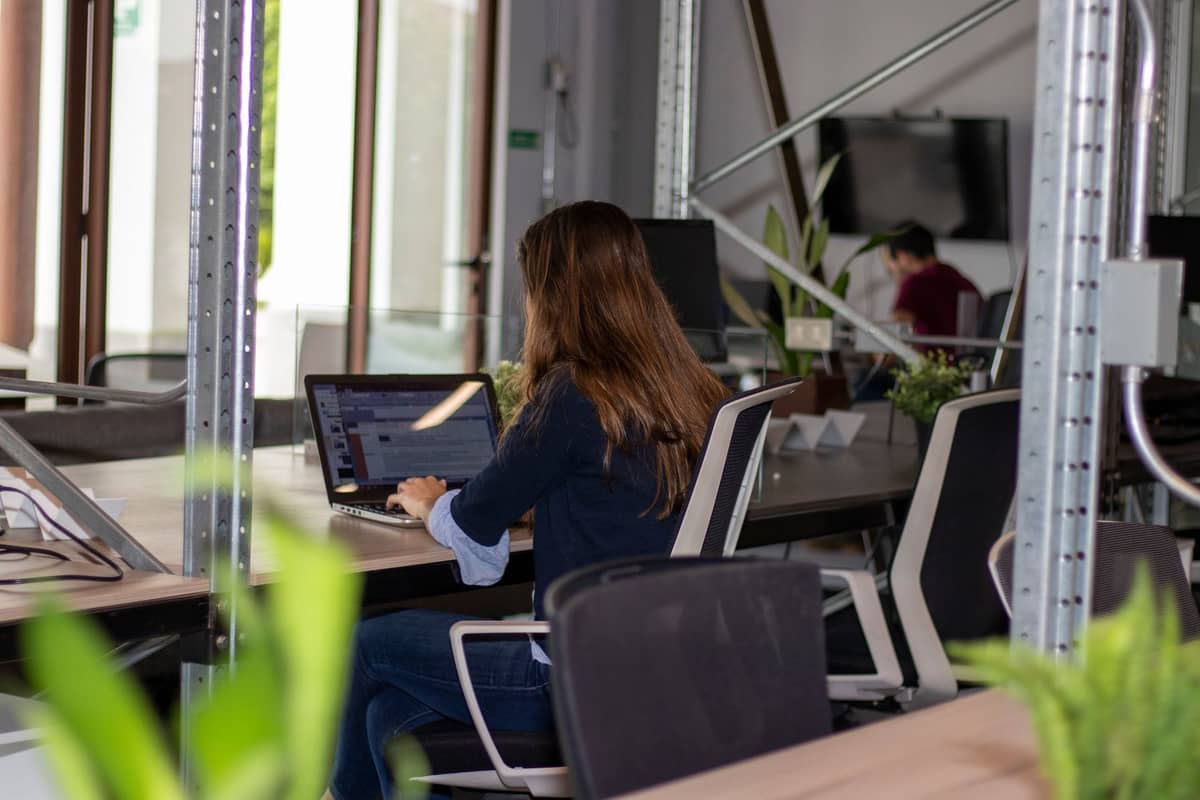
Internet reliability is one of the most common concerns nomads research before committing to a city. Guadalajara holds up reasonably well. Residential fiber connections in modern apartments in Colonia Americana and Providencia commonly reach 50–100 Mbps symmetrical. Older buildings may have slower or less stable connections, so always ask for a speed test or confirm fiber availability before signing a lease.
Laptop-friendly cafés like palReal, Café Correcto, and El Terrible Juan are frequently cited by nomads for their reliable Wi-Fi (typically 30–60 Mbps) and work-friendly atmosphere. These are not dedicated coworking spaces, so during peak hours on weekdays you may compete for seating. Most close by 9–10 PM. For serious video calls or client presentations, a dedicated coworking membership is worth the investment.
- WeWork Guadalajara Multiple locations in the metro area, including in Zapopan and near Zona Minerva. Global membership usable here. Reliable infrastructure, meeting rooms, and stable internet. Priced at the higher end of the local market.
- IOS Offices Mexican chain with several Guadalajara locations. Professional environment with flexible membership tiers. Popular with local freelancers and small companies.
- Metta Coworking (Calle Quito 1260) Smaller, community-oriented space. Hot desks and private offices. Reservations via their website or social media. Attracts a younger, creative professional crowd.
- Colabora (Av. Chapultepec Sur 480) Located in Colonia Americana, convenient for nomads based in that neighborhood. Community events and flexible daily or monthly rates.
✨ Pro tip
Before signing a monthly coworking contract, buy a day pass and test the actual internet speed from the desk you would use, not the advertised speed. Check specifically during mid-morning hours (10 AM–12 PM) when usage peaks. Also confirm whether meeting rooms are included or billed separately.
Visa Options: How Long Can You Stay?
Mexico's visa situation is favorable for most nomads. Citizens of the United States, Canada, European Union and Schengen Area countries, the United Kingdom, Japan, and many other nationalities enter Mexico visa-free for tourism purposes. On arrival, immigration officers issue a Forma Migratoria Múltiple (FMM) that can grant stays of up to 180 days, with the exact length determined by the officer. This is one of the most generous tourist entry windows in Latin America.
If you plan to stay longer than 180 days or want a more formal status, the Temporary Resident Visa is the most practical route for remote workers. Applicants generally need to demonstrate a monthly income of several thousand US dollars (the exact amount is tied to multiples of the Mexican daily minimum wage or UMA and varies by year and consulate) earned outside Mexico, sustained over the previous six months. Requirements and thresholds can vary by consulate, so verify directly with the Mexican consulate in your home country before applying. The Temporary Resident Visa can initially be issued for one year and renewed for up to four years total.
⚠️ What to skip
Working remotely for foreign clients on a tourist permit exists in a legal gray area in Mexico. The 180-day tourist entry is technically for tourism, not employment. Most nomads operate under it without issue, but if you plan to build a long-term base in Guadalajara, applying for Temporary Resident status gives you clearer legal footing and makes banking and formal contracts easier. Visa rules change: always verify current requirements with the Secretaría de Relaciones Exteriores (SRE) or your nearest Mexican consulate before traveling.
Getting Around and Day-to-Day Logistics
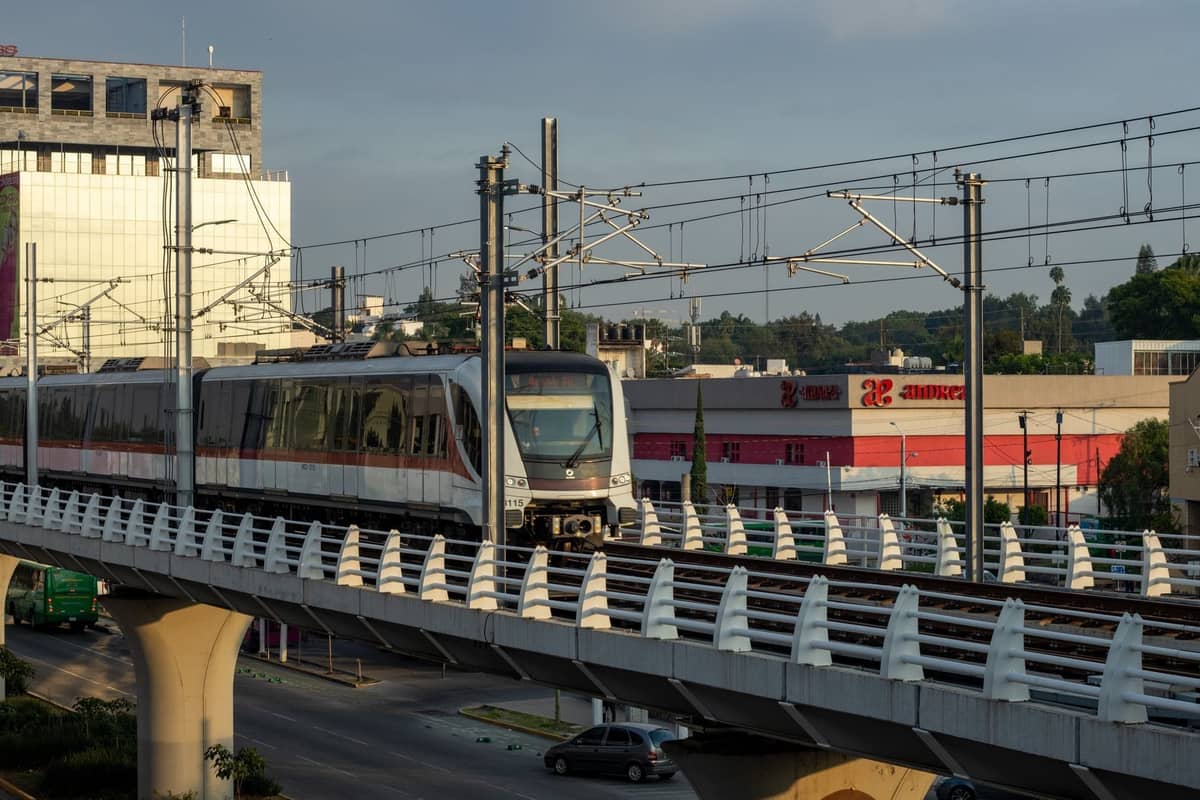
Guadalajara's public transport network is more developed than in most Mexican cities of similar size. The SITEUR light rail (metro) runs on three lines covering major north-south and east-west corridors through the city and into neighboring municipalities including Zapopan and Tlaquepaque, with a flat fare structure that keeps rides inexpensive. Fares are low and the system is clean and functional for regular use. The BRT network, Mi Macro Calzada and Mi Macro Periférico, extends coverage further. For detailed transit options, the getting around Guadalajara guide covers routes, fares, and practical tips.
Uber and DiDi are widely used and generally cheaper than taxis for on-demand trips within the city. Short rides within central neighborhoods typically cost MXN 50–100 (roughly US$3–6). MiBici, the city's bike-share system, works well for short trips in central areas and is worth registering for if you are based in Colonia Americana or Providencia. The area code for Guadalajara is 33; from abroad dial +52 33 followed by the local number. The city operates on Central Standard Time (CST, UTC-6) year-round; Mexico no longer observes daylight saving time.
Tap water in Guadalajara is not recommended for drinking without filtration or boiling, per local health authorities. Bottled and purified water is universally available and inexpensive. Most apartments have a garrafón (large 20-liter jug) delivery service. Electricity runs at 110–127V, 60Hz, using Type A and Type B plugs, the same as the US and Canada, so most North American devices work without adapters. European devices require adapters and possibly voltage converters.
Community, Safety, and Quality of Life
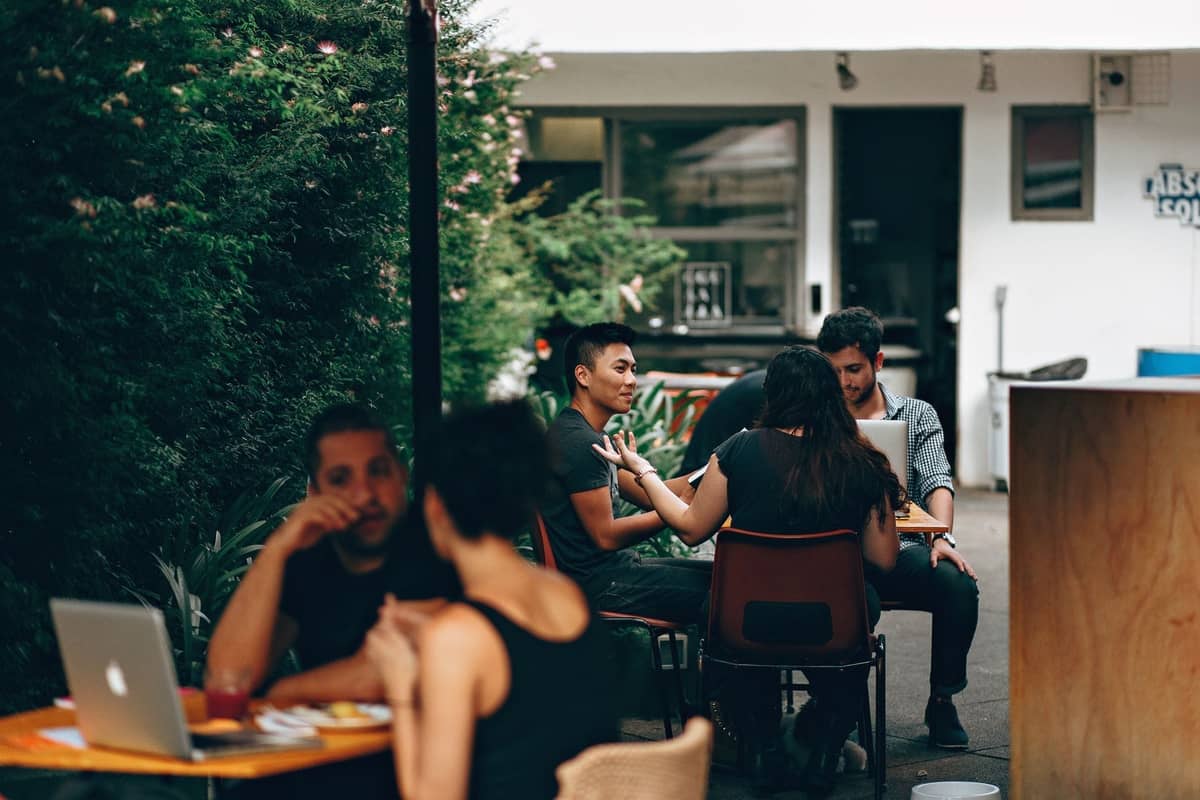
The nomad and expat community in Guadalajara is smaller and less visible than in Mexico City or Playa del Carmen, which some people consider a feature rather than a bug. Regular meetups include Coffee Connection Guadalajara (typically Wednesday mornings) and a Wednesday evening gathering at Gibbons Cervecería popular with entrepreneurs and remote workers. Facebook groups and Meetup.com are the main coordination channels. The community is real but not overwhelming, which keeps the city feeling like somewhere you are living rather than an extended hostel stay.
On safety: the neighborhoods most popular with nomads, particularly Colonia Americana and Providencia, are reported by long-term residents and remote workers as generally safe for day-to-day life with standard urban precautions. Petty theft happens, as it does in any major city. Avoid flashing expensive equipment in crowded markets, use Uber rather than hailing unmarked taxis, and stay aware at night in less familiar areas. For a fuller assessment of neighborhood-level safety, the is Guadalajara safe guide provides specific context by area.
Beyond work and logistics, Guadalajara has enough to keep you engaged for months. The food scene ranges from street tacos to serious restaurants, and the city's cantina culture is worth exploring. Day trips to the town of Tequila and Lake Chapala are both under two hours from the city center. On weekends, the Bosque Los Colomos and Bosque La Primavera offer green space and hiking within or just outside the city limits. For a structured introduction to the city's layout, a walking tour of Guadalajara is a practical first-day activity.
FAQ
How much does it cost to live in Guadalajara as a digital nomad?
A realistic monthly budget is US$1,200–2,200 depending on your lifestyle. This typically covers a furnished 1-bedroom apartment in Colonia Americana or Providencia (US$600–850), a coworking membership (US$150–180), groceries, and regular dining out at local spots. Budget nomads can get closer to US$1,000–1,200 by cooking more at home and using public transport.
Is the internet good enough for video calls and remote work in Guadalajara?
Yes, in modern apartments and dedicated coworking spaces. Fiber connections in Colonia Americana and Providencia commonly reach 50–100 Mbps. Laptop-friendly cafés generally provide 30–60 Mbps. Always test speeds in a specific apartment before committing to a lease, as older buildings can be slower.
Can I stay in Guadalajara long-term as a digital nomad without a visa?
Citizens of the US, Canada, EU, UK, and many other countries may receive up to 180 days on a tourist entry (FMM), with the exact number of days decided by the immigration officer, and no advance visa required. For stays beyond 180 days, the Temporary Resident Visa is the main formal route, requiring proof of income earned outside Mexico. Requirements vary by consulate, so verify with the Mexican Secretaría de Relaciones Exteriores (SRE) before applying.
Which neighborhood in Guadalajara is best for remote workers?
Colonia Americana is the most popular choice: central, walkable, dense with cafés and coworking options, and with reliable fiber internet in newer builds. Providencia offers a quieter residential alternative with similar infrastructure. Both are within the municipality of Guadalajara and well-served by Uber and the metro.
Is Guadalajara safe for digital nomads?
Central neighborhoods like Colonia Americana and Providencia are considered safe by long-term residents and nomads with standard urban precautions. Use ride-hailing apps rather than unmarked taxis, avoid displaying expensive gear in crowded areas, and stay aware at night in unfamiliar parts of the city. The overall safety picture is nuanced by neighborhood, so research specific areas before choosing where to live.