Is Guadalajara Safe? An Honest Safety Guide for Visitors
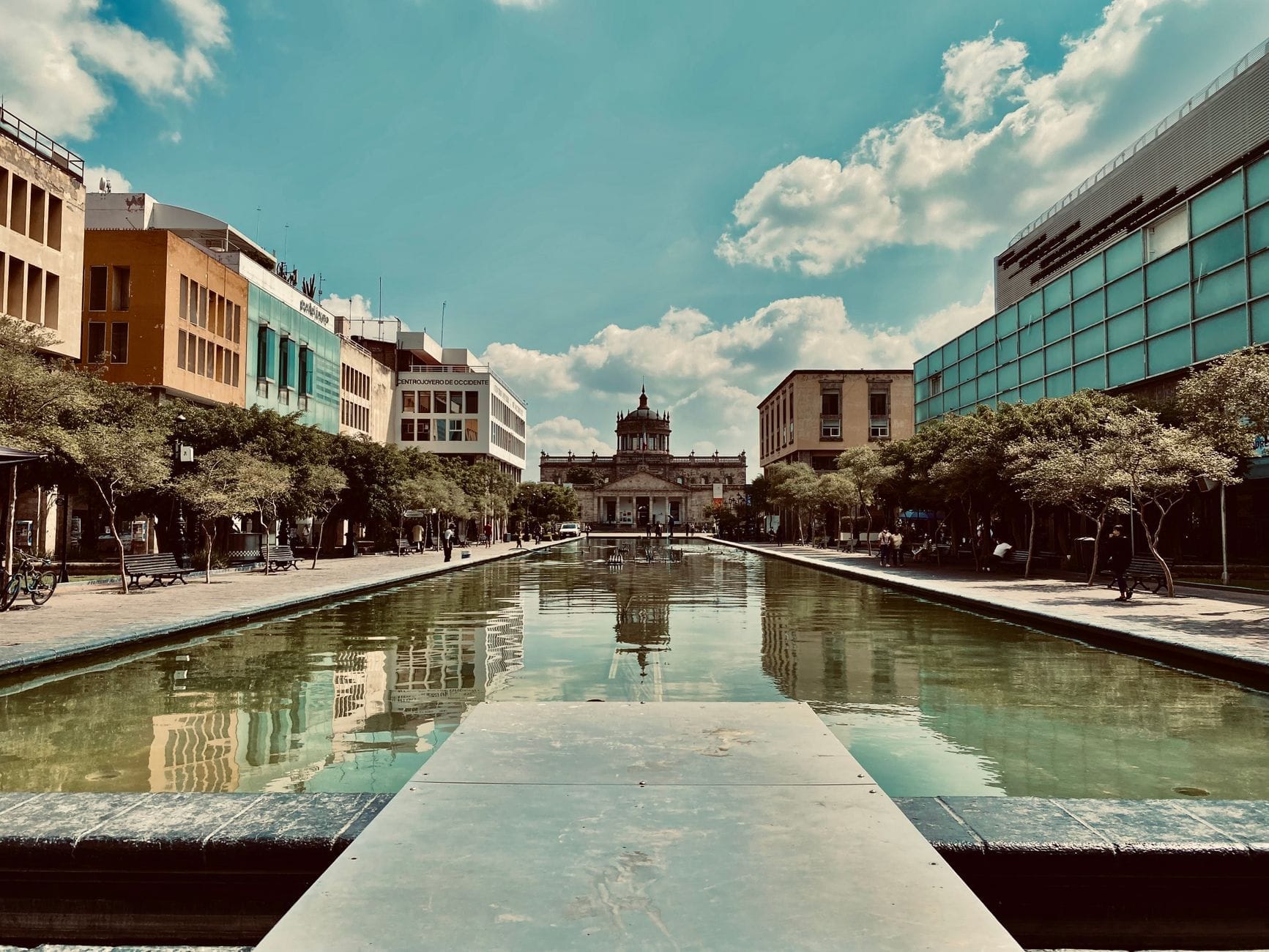
Guadalajara, Mexico is moderately safe for tourists who travel smart. This guide breaks down the real risks by neighborhood, time of day, and transport type, so you can plan your trip with accurate expectations rather than fear or false confidence.
Plan and book this trip
Tools from our partner Travelpayouts help you compare flights and hotels. If you book through them, we may earn a commission at no extra cost to you.
Flights
Hotels map
TL;DR
- Guadalajara is comparable in safety to other large Latin American cities: petty theft, taxi scams, and ATM fraud are the main risks for tourists, not cartel violence.
- Tourist-friendly zones including Centro Histórico, Colonia Americana, Chapultepec, Zapopan, and Providencia have relatively low violent crime.
- The U.S. State Department rates both Mexico overall and the state of Jalisco as Level 3 (Reconsider Travel), so the state does not currently carry a higher advisory level than the national rating. Read the detail before changing plans.
- Always use app-based rideshares (Uber or DiDi) rather than hailing street taxis. See the full getting around Guadalajara guide for transport logistics.
- Late nights near Chapultepec and Zona Minerva carry higher risk, especially for solo travelers or those who have been drinking.
The Honest Safety Picture: What the Data Actually Says
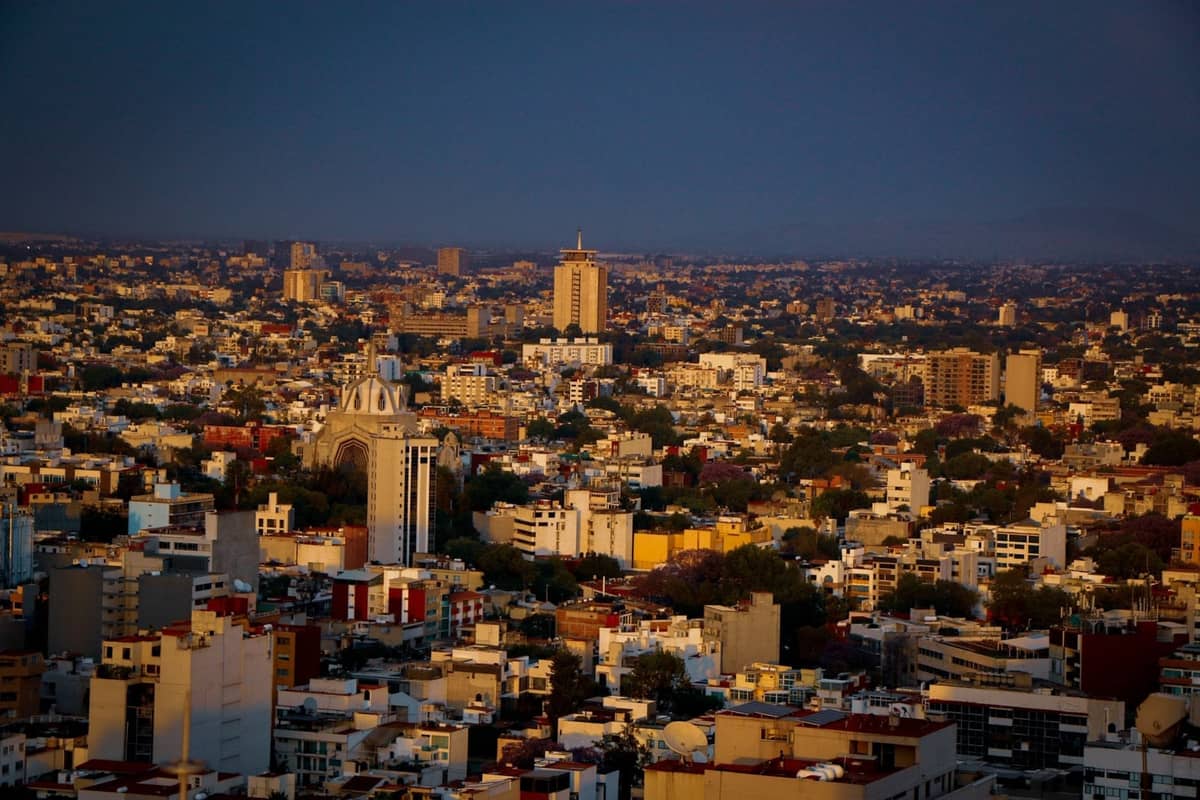
Guadalajara, Jalisco's capital and one of Mexico's largest metropolitan areas with over 5.2 million residents, sits in a complicated middle ground on safety. It is not the violent frontier that some travel warnings suggest, nor the uniformly safe destination that boosterish tourism content implies. The reality is more nuanced and more manageable.
Independent safety assessments place Guadalajara at around 6.5 to 6.8 out of 10, a score roughly comparable to Chicago or Barcelona. Recent annual state statistics record well over one hundred thousand crimes per year in Jalisco across all categories, with tens of thousands of robberies, and the homicide rate in Guadalajara municipality in recent years has been on the order of a few dozen per 100,000 residents rather than in the single digits. That number sounds alarming in isolation, but context matters: it is lower than several major U.S. cities and the vast majority of serious violence occurs outside the central tourist corridors, in peripheral districts with active organized crime disputes.
For a visitor staying in and around the historic center, Colonia Americana, Zapopan, or Chapultepec, the realistic day-to-day risk profile is dominated by opportunistic crime: pickpocketing in crowded markets, fraudulent taxi drivers, and ATM skimming. This is not a reason to cancel a trip. It is a reason to apply the same awareness you would in any large city.
ℹ️ Good to know
The U.S. State Department rates Jalisco as Level 3 (Reconsider Travel) due to crime and kidnapping. Mexico overall is currently classified at either Level 2 (Exercise Increased Caution) or Level 3 (Reconsider Travel) depending on the latest update of U.S. advisories and media summaries, so travelers should verify the current country‑wide level before departure. Canada advises a high degree of caution. These advisories apply to the entire state of Jalisco, not just tourist areas in Guadalajara city. Read the full advisory, not just the headline level.
Neighborhoods: Where It's Fine, Where to Be Careful
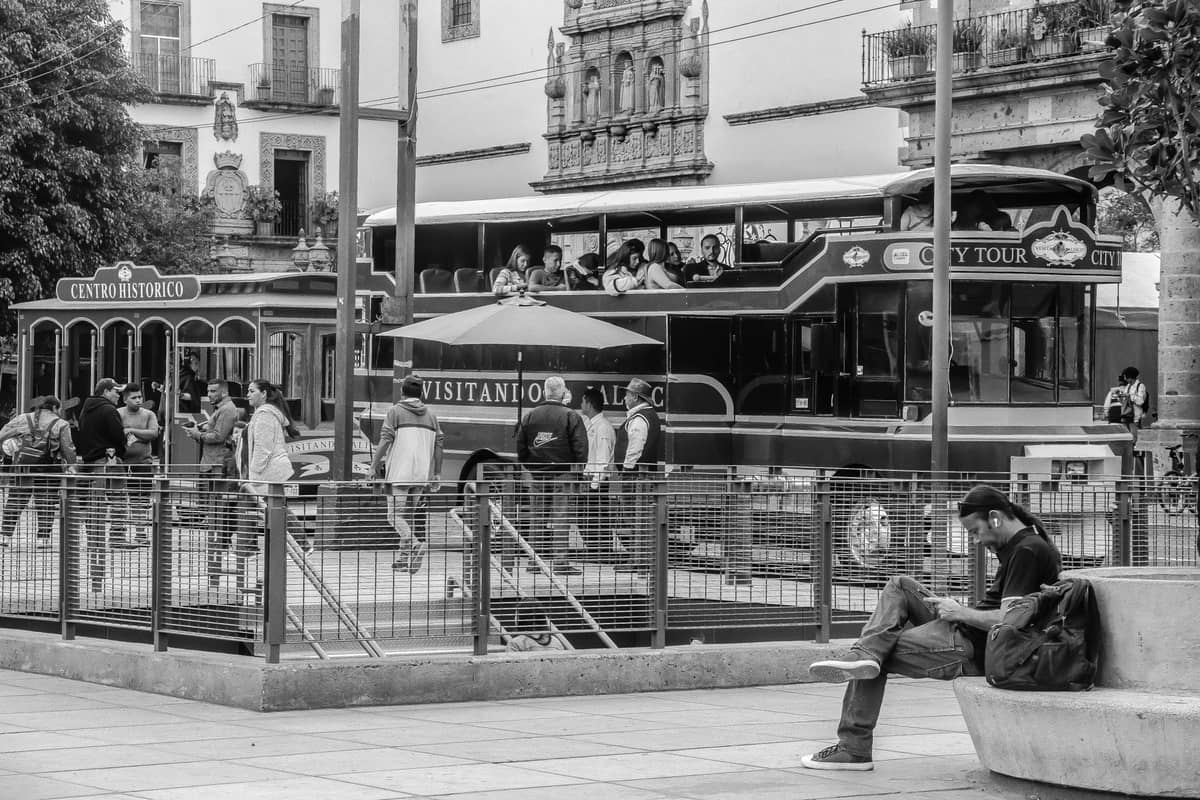
The safest zones for tourists broadly correspond with the most visited areas. Centro Histórico around the cathedral, Palacio de Gobierno, and major plazas is heavily policed and sees tourist foot traffic throughout the day. Daytime safety is generally good; after dark, avoid poorly lit side streets and be alert around ATMs.
Colonia Americana and the Chapultepec corridor are the city's most active nightlife areas and generally considered safe for dining and bar-hopping, particularly in groups. The risk increases meaningfully after midnight, especially for solo travelers. Zapopan, particularly around Andares and the Basílica de Zapopan, and the Providencia neighborhood both have upscale infrastructure and low reported street crime relative to the city average.
- Lower risk for tourists Centro Histórico (daytime), Colonia Americana, Chapultepec, Providencia, Zapopan (Andares area), Tlaquepaque artisan district, Tonalá markets
- Exercise more caution Centro Histórico after midnight, peripheral bus terminals, Calzada Independencia north of downtown, areas around Mercado San Juan de Dios late at night
- Avoid without local knowledge Huentitán, areas beyond the Barranca at night, eastern and southern industrial periphery, any neighborhood your hotel staff advises against
⚠️ What to skip
Cartel-related violence in Jalisco is real but geographically concentrated. Most incidents reported in international news occur in peripheral municipalities, not in central Guadalajara tourist districts. Do not let state-level headlines determine your assessment of your specific hotel neighborhood.
Transport Safety: The Taxi Problem and How to Avoid It
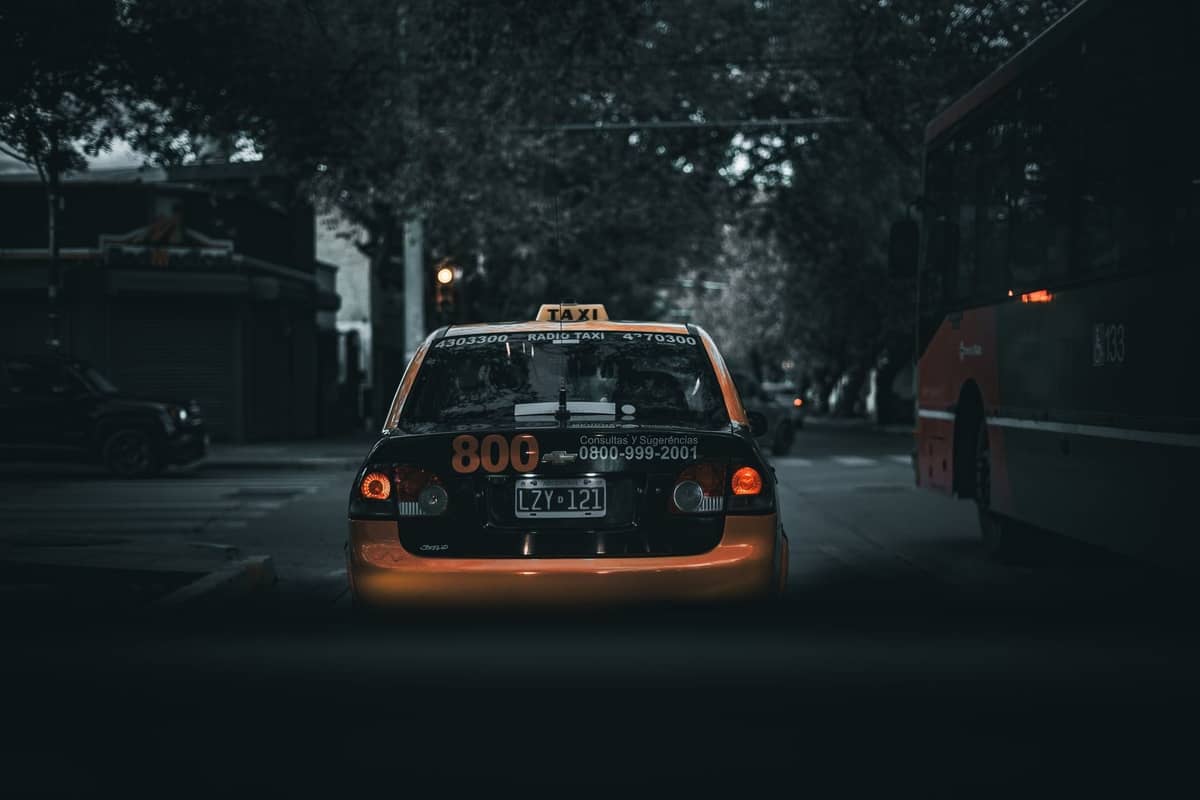
Transport is where most tourist safety incidents in Guadalajara actually originate. Express kidnappings, where a victim is forced to withdraw cash from multiple ATMs while held in a vehicle, are a documented risk in Mexican cities. They almost exclusively involve unregistered or informal taxis. The prevention is straightforward: never hail a taxi from the street.
Use Uber or DiDi for all trips. Both operate widely across Guadalajara's metro area. The app creates a record of your driver, route, and vehicle, which is both a deterrent and a safety net. If a driver ever asks you to cancel the app ride and pay cash instead, refuse and end the trip. At the airport, authorized taxi counters in the arrivals hall operate a zone-based pricing system, and recent traveler reports put typical fares to downtown at several hundred pesos, with app‑based ride‑hailing from the designated pickup area often somewhat cheaper but still variable depending on demand and destination.
The metro system (SITEUR, Lines 1, 2, and 3) covers major corridors and is generally safe during daytime and evening hours. Avoid near-empty carriages late at night. The BRT lines, Mi Macro Calzada and Mi Macro Periférico, are functional for getting across the city but pickpocketing occurs on crowded buses. Keep bags in front of you, not on your back.
✨ Pro tip
Download Uber and DiDi before you land. Airport Wi-Fi can be slow, and having both apps already installed means you can compare prices and availability the moment you clear customs. Always confirm the driver's name, photo, and plate number before getting in.
Everyday Risks: Petty Theft, ATMs, and Scams
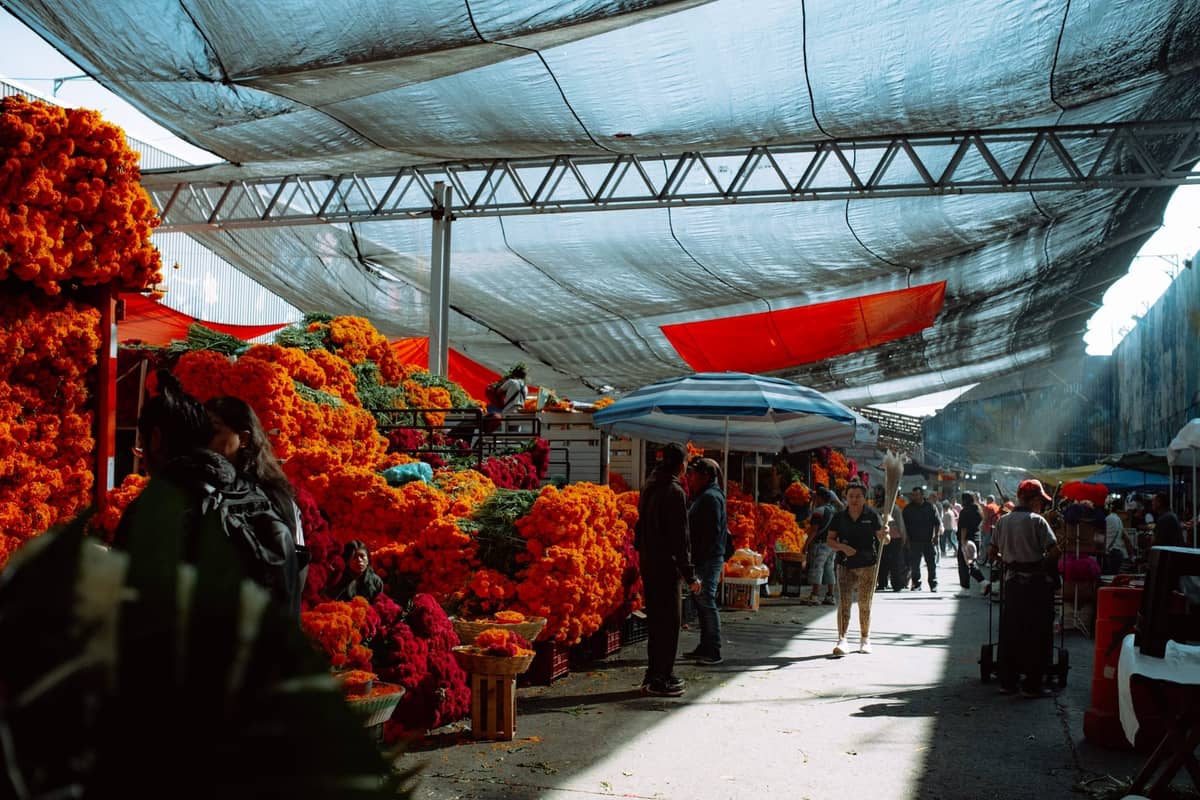
The most statistically likely safety issue a tourist will face in Guadalajara is opportunistic theft. Crowded spaces are the primary risk environment: Mercado San Juan de Dios, Plaza Tapatía, busy pedestrian corridors in Centro, and the tourist strips in Tlaquepaque all attract pickpockets. Use a front-pocket wallet or a money belt for cash and cards. Leave your passport in the hotel safe and carry a photo copy instead.
ATM fraud is a real concern. Use ATMs located inside bank branches or major supermarkets during business hours rather than standalone machines on side streets. Cover the keypad when entering your PIN. Avoid withdrawing large sums at night. Several traveler reports document skimming devices on street-facing ATMs near tourist attractions, so bank-branch machines are worth the extra two minutes of walking.
- Use app-based taxis (Uber, DiDi) for all rides, including from the airport
- Withdraw cash from ATMs inside bank branches, not standalone kiosks
- Keep bags zipped and in front of you in markets and on public transport
- Do not display expensive cameras, jewelry, or phones on the street unnecessarily
- Avoid walking alone in unfamiliar neighborhoods late at night, particularly after midnight
- Drink water from sealed bottles only; tap water is generally not recommended for drinking due to potential contamination in the distribution system
- Keep the Mexican emergency number 911 in your phone contacts
- Register with your country's travel notification system (e.g., U.S. STEP program)
Time of Day and Seasonal Patterns
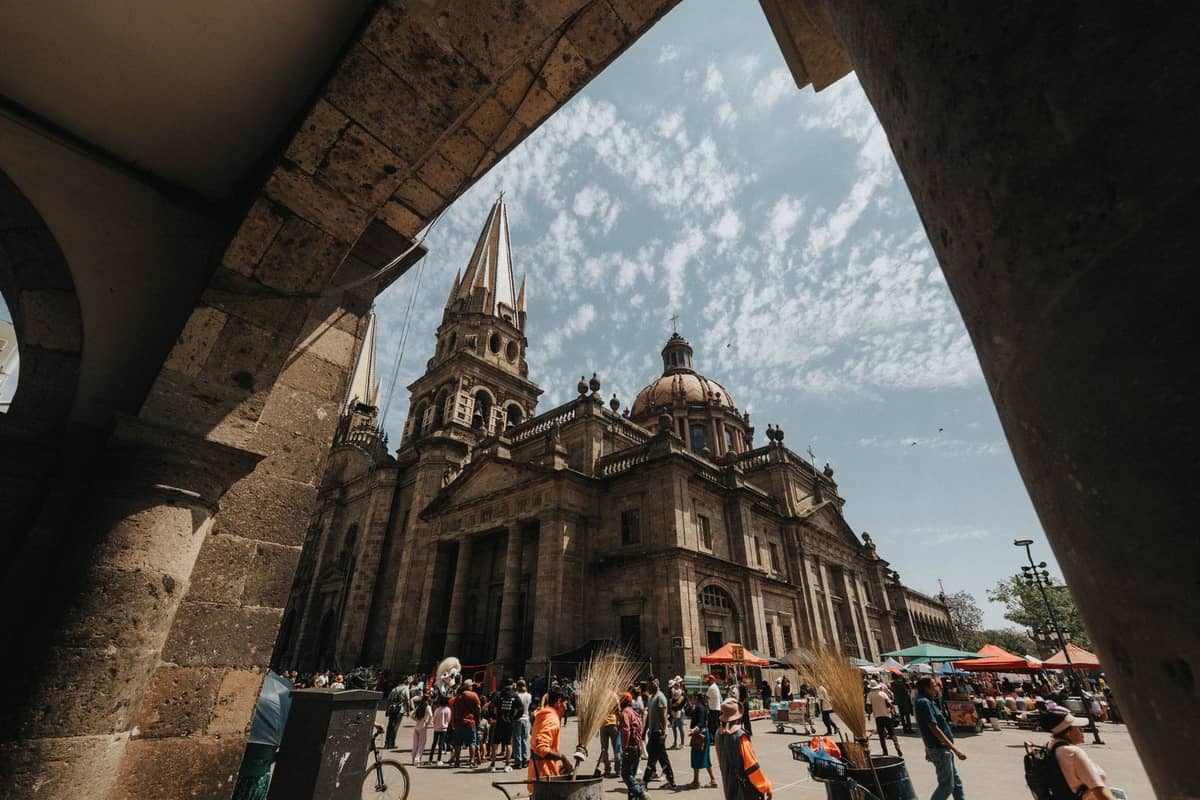
The gap between daytime and late-night risk in Guadalajara is significant. Between roughly 8 a.m. and 10 p.m., the main tourist areas function normally with street-level vendors, families, and commercial activity providing natural safety in numbers. After midnight, foot traffic drops sharply outside active bar zones, and street robbery risk increases. The 12 a.m. to 4 a.m. window near Chapultepec and Zona Minerva nightlife strips carries the highest concentration of incidents involving tourists.
Seasonally, Guadalajara's crime patterns do not shift dramatically with tourism peaks. The city's rainy season runs roughly June through September, and the drier, milder period from about November through April corresponds with higher tourist volume. Major festivals including FIL (the Guadalajara International Book Fair in late November) and events covered in the Guadalajara festivals and events guide bring extra crowds, which means extra vigilance around pickpocketing. Security presence also increases during large events.
Putting It in Perspective: Who Should and Should Not Go
Guadalajara receives hundreds of thousands of international visitors annually. Most complete trips to see the Hospicio Cabañas, explore Tlaquepaque, take the Tequila day trip, or eat their way through the city's food scene without any security incident. That is the statistically normal outcome.
That said, Guadalajara is not the right destination for travelers who are not comfortable with a moderate level of urban alertness, who plan to wander unfamiliar neighborhoods alone at 2 a.m. after heavy drinking, or who are not willing to adjust transportation habits away from street taxis. The city rewards prepared visitors and punishes complacent ones, which is true of most cities of this size anywhere in the world.
Families, couples, and solo travelers all visit successfully. The Guadalajara with kids guide and Guadalajara for couples guide cover specific logistics for those trip types. For first-time visitors, staying in Colonia Americana, Providencia, or near the historic center provides the best balance of access to attractions and manageable risk.
FAQ
Is Guadalajara safe for tourists?
Guadalajara is moderately safe for tourists who take standard urban precautions. The main risks are petty theft, taxi scams, and ATM fraud rather than violence. Tourist districts including Centro Histórico, Colonia Americana, Chapultepec, and Zapopan have relatively low rates of violent crime. Serious violence in Jalisco is real but concentrated in peripheral areas away from tourist zones.
What does the U.S. Level 3 travel advisory for Jalisco actually mean?
The U.S. State Department's Level 3 rating for Jalisco means 'Reconsider Travel' due to crime and kidnapping. This applies to the entire state, not just Guadalajara city. Crucially, the advisory itself notes that most violent crime does not target U.S. citizens and that tourist areas carry lower risk. Level 3 does not mean 'do not go' — that is Level 4. It means be informed, take precautions, and monitor conditions. Register with the STEP program before traveling.
Is it safe to take taxis in Guadalajara?
Only use app-based taxis: Uber and DiDi both operate throughout Guadalajara and provide a record of your driver and route. Never hail a taxi from the street. Express kidnapping incidents in Mexico almost exclusively involve unregistered informal taxis. At the airport, use official taxi counters in arrivals or the designated app-based pickup area.
Which neighborhoods in Guadalajara are safest for visitors?
Colonia Americana, Providencia, Chapultepec, Zapopan (near Andares and the Basílica), and Centro Histórico during daylight hours are the areas most consistently reported as safe for tourists. Tlaquepaque and Tonalá are also generally fine during daytime market hours. Avoid poorly-lit peripheral neighborhoods without local guidance, especially at night.
Is Guadalajara safe at night?
It depends on where and when. The main restaurant and bar zones in Colonia Americana and Chapultepec are reasonably active and safe until around midnight. After midnight, risk increases notably, particularly for solo travelers or those who have been drinking. Stick to app-based transport, travel with others if possible, and avoid unfamiliar side streets in the late-night window between midnight and 4 a.m.