Zapopan is a full municipality bordering Guadalajara to the northwest, home to one of Mexico's most revered pilgrimage sites, a world-class football stadium, and some of the metro area's most polished commercial districts. It functions more like a city-within-a-city than a single neighborhood, with distinct zones ranging from the colonial center around the Basilica to the glassy retail corridors of Andares.
Zapopan sits just northwest of Guadalajara's city limits and operates as a municipality in its own right, yet for most visitors it reads as a natural extension of the metro area rather than a separate destination. Its pull is specific: a 17th-century basilica that draws millions of pilgrims each year, a football stadium that commands its own pilgrimage on match days, and commercial districts that rival anything in the wider city.
Orientation
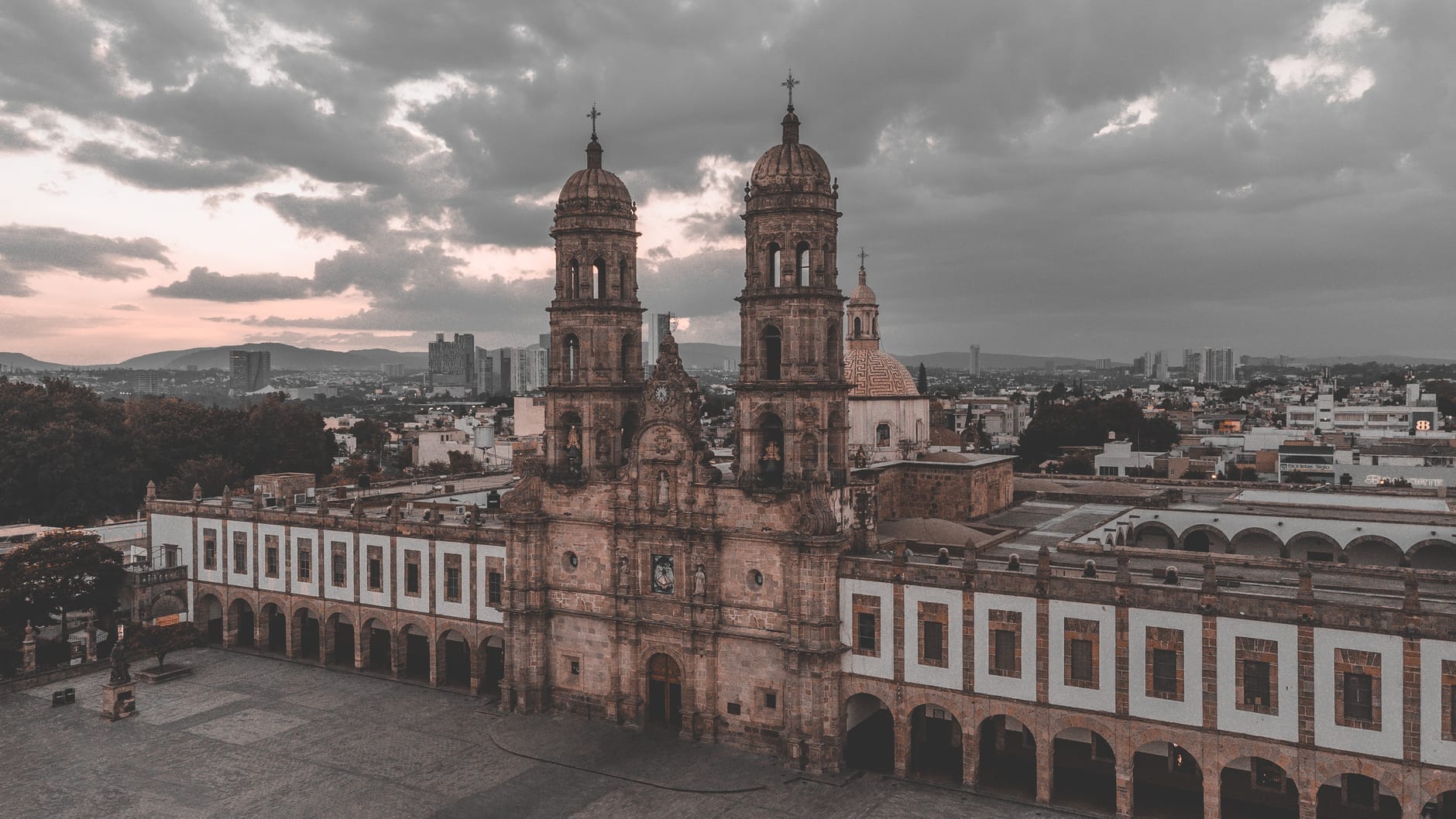
Zapopan is a municipio, not a colonia. That distinction matters for navigation because you are not dealing with a single walkable neighborhood but with a large administrative territory that stretches well beyond what most visitors will ever explore. The area most travelers mean when they say Zapopan is Zapopan Centro, the compact colonial core clustered around the Plaza de las Americas and the Basilica of Our Lady of Zapopan, roughly 7 to 8 kilometers northwest of Guadalajara's Centro Histórico.
The municipality borders Guadalajara to the south and east, Tlajomulco de Zúñiga to the southeast, and the Bosque la Primavera nature reserve to the west. Major arteries connecting Zapopan to central Guadalajara include Avenida Vallarta, which runs east-west and passes through the Zona Minerva before entering Zapopan territory, and Avenida Ávila Camacho, a divided boulevard that feeds directly into the Zapopan civic center. The Periférico ring road traces much of the municipality's southern boundary, making it relatively straightforward to reach by car or bus from other parts of the metro area.
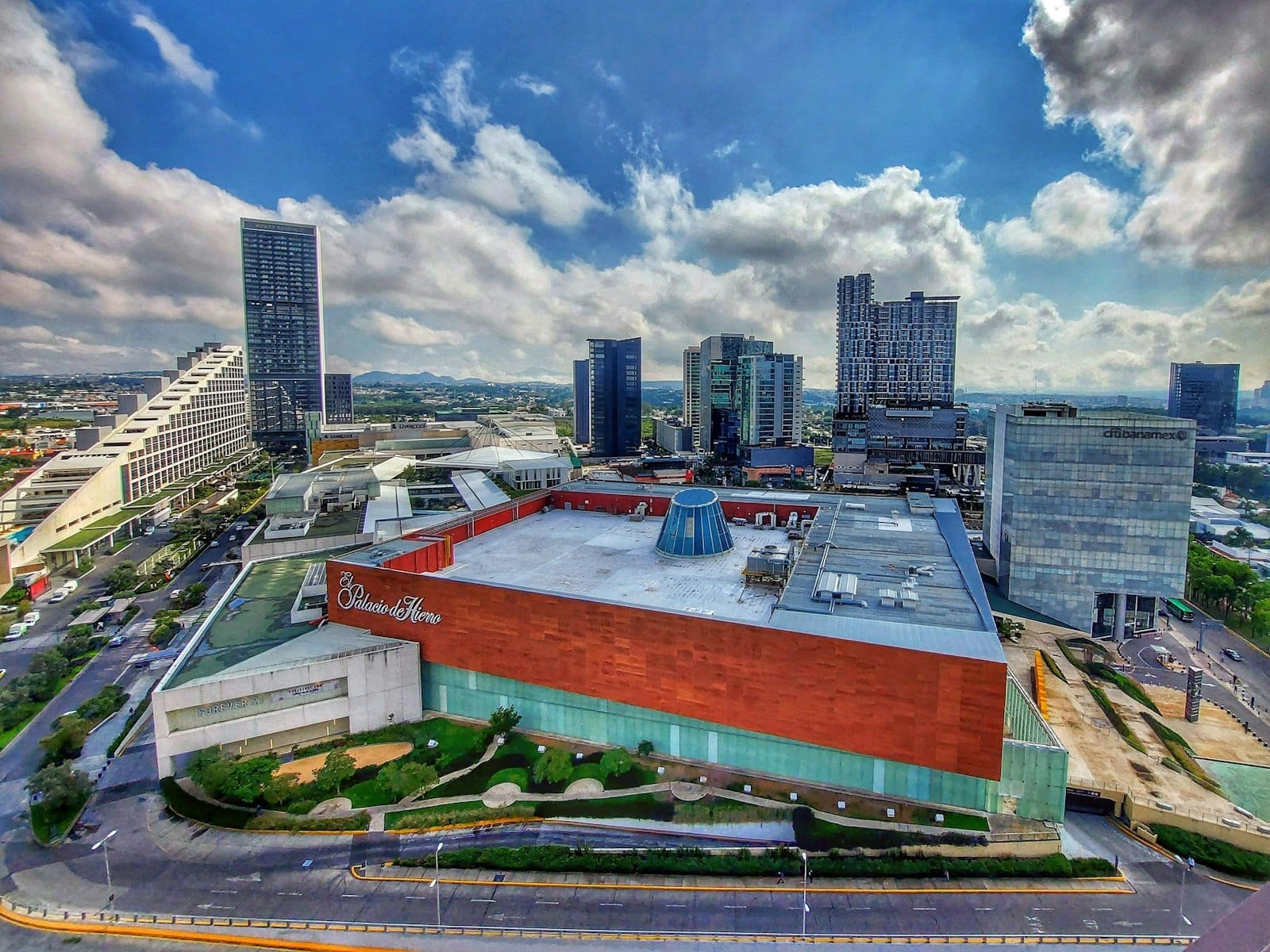
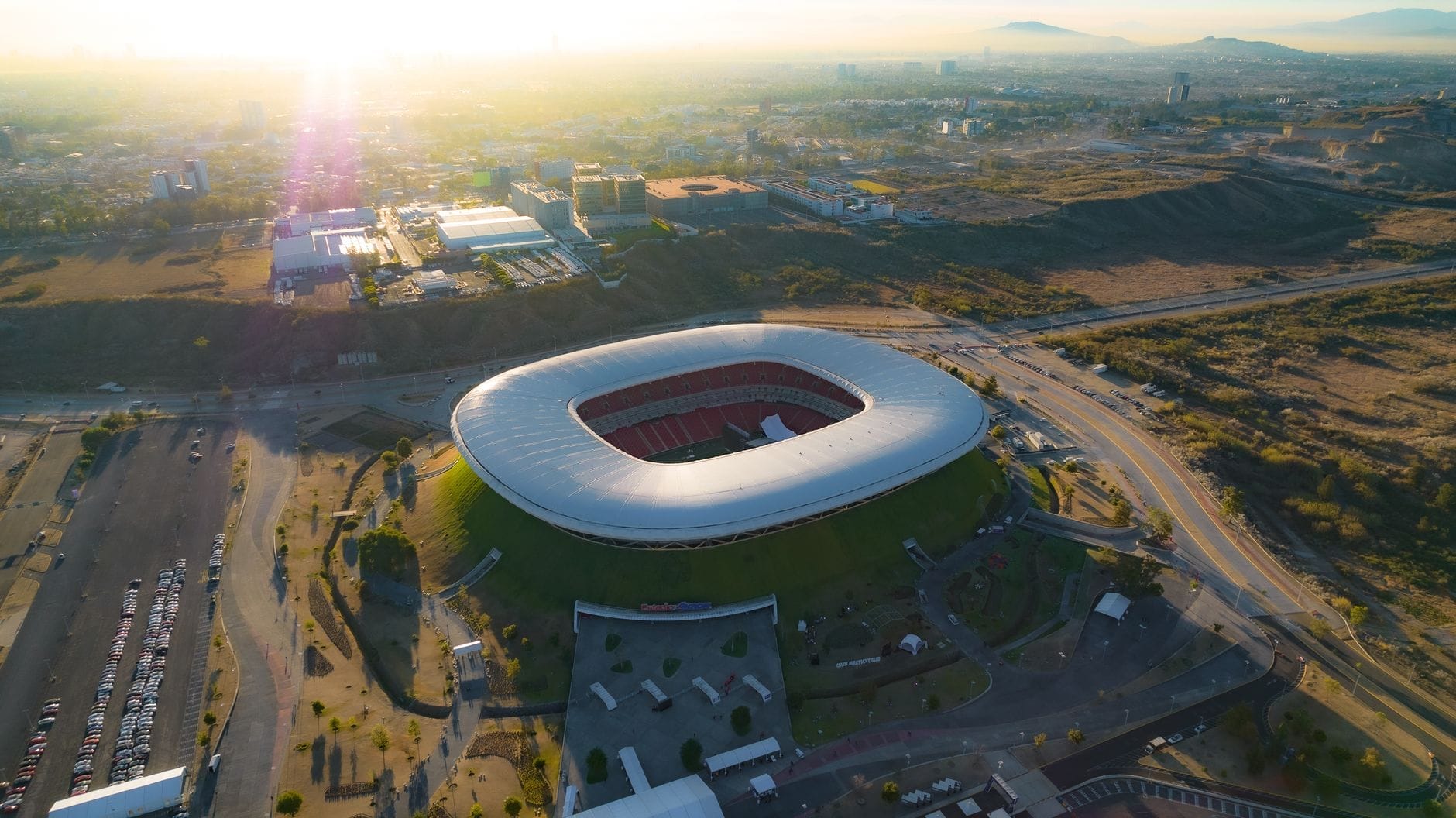
Within Zapopan, visitors tend to concentrate in two zones: Zapopan Centro around the Basilica, and the modern commercial corridor further north and west where you find Andares shopping mall and the area around Estadio Akron, home of Club Deportivo Guadalajara (Chivas). These two zones feel completely different from each other and are several kilometers apart, so treat them as separate excursions rather than a single stop.
ℹ️ Good to know
Zapopan is its own municipality within the Zona Metropolitana de Guadalajara, not a neighborhood of Guadalajara city. Addresses here carry Zapopan, Jalisco in the postal designation, not Guadalajara. Most GPS and mapping apps handle this correctly, but it is worth knowing when booking accommodation or giving directions.
Character and Atmosphere
Zapopan Centro operates on a rhythm dictated by religious life and civic routine more than tourism. On weekday mornings, the plaza in front of the Basilica is quiet enough that you can hear the pigeons and the echo of footsteps on the cobblestones. Local vendors set up around the periphery, selling everything from rosaries and devotional candles to fresh fruit. The church facade catches the morning light cleanly from around 9am, which is when the building reads best photographically.
By midday, particularly on weekends, the plaza fills with families. Outdoor seating at the cafes and restaurants lining the pedestrian precinct gets busy. The civic character of the area is reinforced by the municipal government buildings flanking the square: this is a place where administrative Zapopan and religious Zapopan exist side by side, and ordinary life unfolds between the two. Afternoons bring a slower pace; the heat in May and June can be significant at this elevation, and many locals disappear indoors between about 2pm and 5pm.
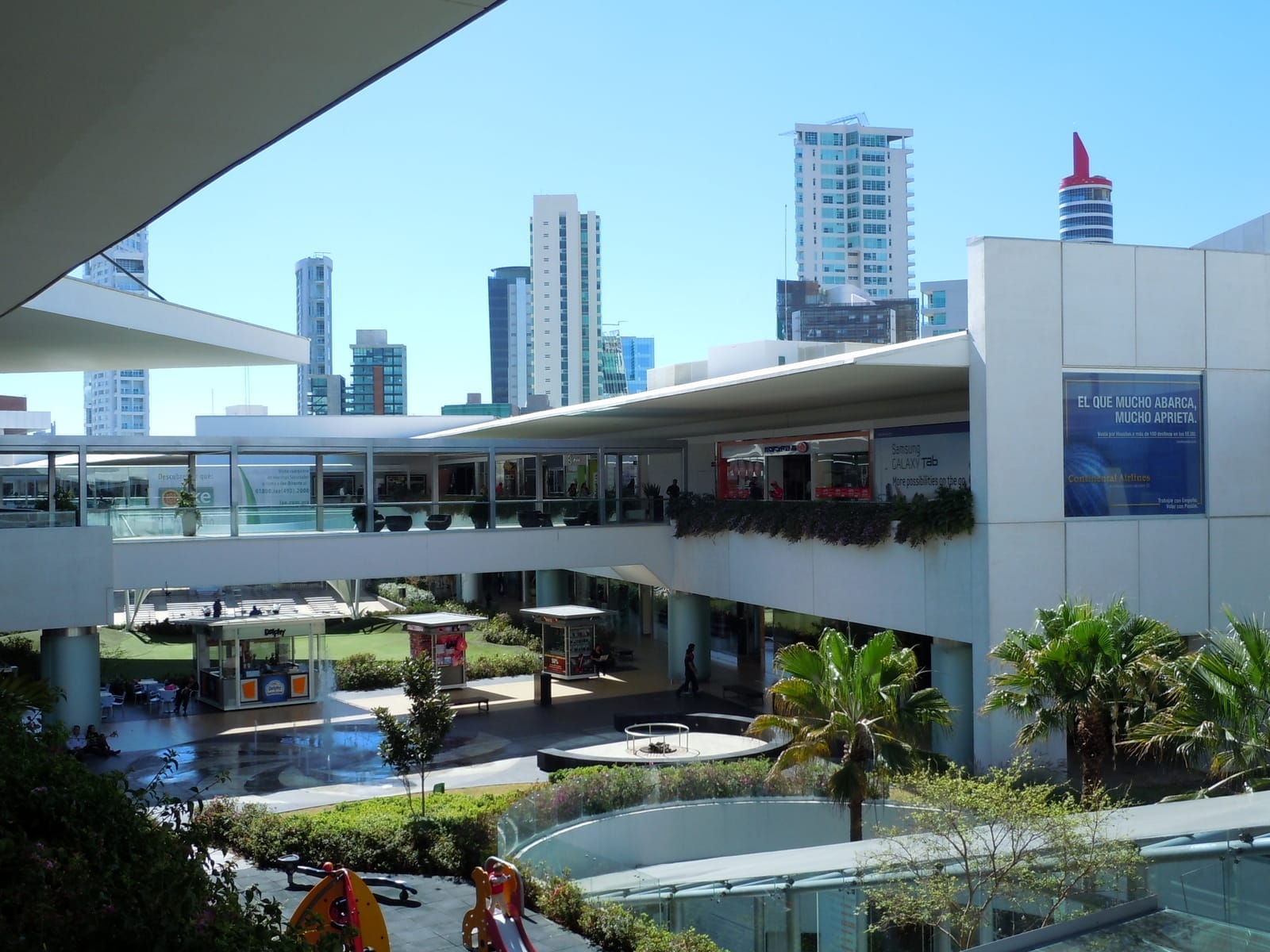
The Andares district, several kilometers to the northeast, feels like a different city entirely. It is polished, air-conditioned, and decidedly middle-to-upper-class. The streets around Andares mall are wider, newer, and far less atmospheric than Zapopan Centro, but they are also home to some of the metro area's better restaurants and a solid range of hotels. The area around Estadio Akron takes on a charged atmosphere on Chivas match days, when thousands of fans converge from across the city and the surrounding streets become an extension of the experience.
What to See and Do
The Basilica de Zapopan is the undisputed centerpiece of the municipality. Built in the late 17th century, the church houses a small figure of the Virgin of Zapopan that has been the focus of one of Mexico's most significant annual pilgrimages for centuries. Every 12 October, the figure is carried in procession from the Cathedral of Guadalajara back to Zapopan, drawing enormous crowds through the streets of the entire metro area. Outside of this date, the Basilica is open daily and is genuinely worth a visit for its architecture and the remarkable collection of milagros, the small ex-votos left by devotees that cover the walls of side chapels.
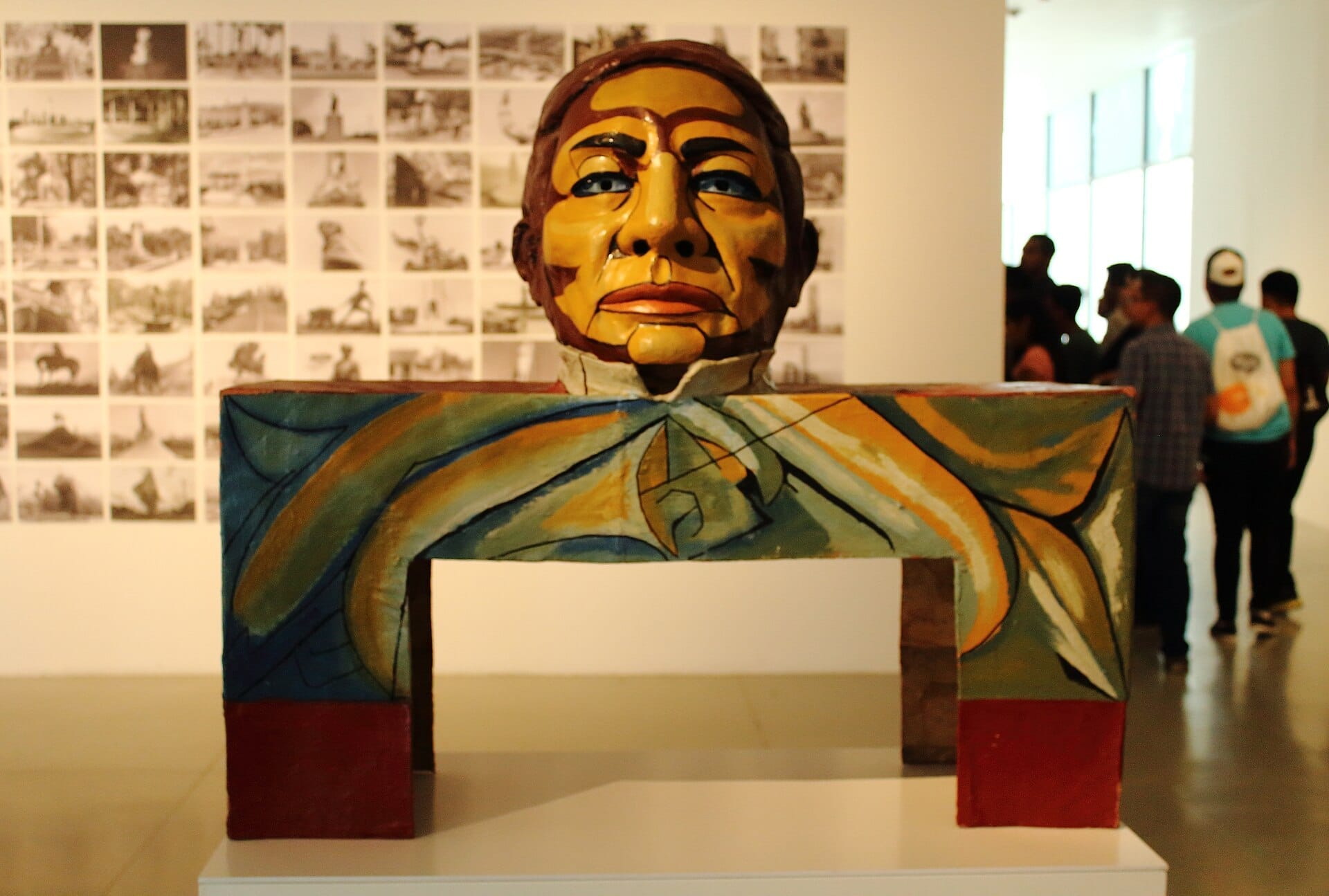
Adjacent to the Basilica, the Museo de Arte de Zapopan (MAZ) is one of the stronger contemporary art institutions in western Mexico. Its permanent and rotating collections focus on modern and contemporary Mexican and Latin American work, and the building itself, designed to complement the colonial surroundings without imitating them, is worth examining. You can see it listed among the best museums in Guadalajara for good reason: the quality of curation here is consistently high.
Estadio Akron, opened in 2010, is the home of Chivas and one of Latin America's better football venues in terms of design and atmosphere. Stadium tours are available on non-match days, and a Chivas home game is one of the more memorable experiences the metro area offers. The stadium sits within a larger entertainment and commercial complex, so even without a match, the surrounding area has restaurants and activity. Check the things to do in Guadalajara guide for current match schedules and tour availability.
On Zapopan's western edge, the Bosque la Primavera is a protected forested area of approximately 30,500 hectares. It is accessible by car from the municipality and draws hikers, cyclists, and day-trippers from across the metro. The forest sits at a higher elevation than the city and provides a noticeable drop in temperature. Entry requires coordination through designated access points, and it is not walkable from Zapopan Centro.
Basilica de Zapopan: colonial church and active pilgrimage site, free entry
Museo de Arte de Zapopan (MAZ): contemporary Latin American art, small admission fee
Estadio Akron: Chivas stadium tours and match days
Bosque la Primavera: forested nature reserve on the western fringe of the municipality
Andares shopping mall: high-end retail and dining in a modern open-air complex
Eating and Drinking
The food landscape in Zapopan varies considerably by zone. Around the Basilica and the historic plaza, you will find traditional Mexican cooking at mid-range and budget prices: pozole, birria, tortas ahogadas (Guadalajara's signature bread roll drowned in a chile sauce), and tacos de canasta. Several sit-down restaurants with terrace seating face the plaza and do a reliable lunch trade. Prices here are generally reasonable and reflect a local, not tourist-inflated market.
The Andares district operates at a different price point entirely. The mall and its surrounding streets host international restaurant chains alongside Mexican concepts with more contemporary menus. This is where you will find sushi, steakhouses, upscale mezcal bars, and the kind of brunch menus that would fit comfortably in any major Latin American city. Prices are significantly higher than in Zapopan Centro, and the clientele skews affluent and local rather than tourist.
For a deeper understanding of what Jalisco's food culture looks like across the wider metro area, the Guadalajara food guide covers regional specialties and the best markets in detail. In Zapopan specifically, the central market near the Basilica plaza is worth a morning visit for fresh produce and prepared food stalls, where the day's best eating tends to happen before noon.
💡 Local tip
If you are visiting the Basilica on a weekend morning, walk one or two blocks into the surrounding streets rather than eating immediately on the main plaza. The small fondas and market stalls a short distance from the tourist focal point tend to offer better value and more authentic cooking.
Getting There and Around
The most direct public transit connection between central Guadalajara and Zapopan Centro is Line 1 of the SITEUR metro system, which runs broadly north-south and terminates at Zapopan Centro station near the historic center. From downtown Guadalajara's Juárez or San Juan de Dios stations, the journey takes roughly 20 to 30 minutes. The metro is inexpensive and reliable during daylight hours, making it a practical option for a day visit to the Basilica area.
For the Andares district and Estadio Akron, the metro does not serve those zones directly. Ride-hailing apps including Uber and DiDi are the most practical options for reaching those areas from central Guadalajara or from Zapopan Centro. Fares within the metro area are generally affordable, though prices are dynamic and should be confirmed in the app before booking. For full details on navigating the city's transit network, the getting around Guadalajara guide covers all modes including metro, BRT, and ride-hailing.
Zapopan Centro itself is compact and walkable once you arrive. The plaza, Basilica, and museum are within a few minutes' walk of each other. Beyond that core, however, Zapopan spreads into a largely car-dependent urban fabric, and walking between the centro and the commercial districts to the northwest is not practical.
From Miguel Hidalgo y Costilla Guadalajara International Airport (GDL), Zapopan is actually closer than central Guadalajara for many travelers, as both are northwest of the airport's position in Tlajomulco de Zúñiga. A ride-hailing trip from the airport to Zapopan Centro takes around 25 to 35 minutes under normal traffic conditions, and to the Andares district slightly less. Verify current fare estimates in the app before departing, as prices fluctuate with demand.
⚠️ What to skip
Traffic congestion on Avenida Vallarta and Avenida Ávila Camacho during peak hours, roughly 7:30 to 9:30am and 6 to 8pm on weekdays, can significantly extend travel times between Zapopan and central Guadalajara by car or ride-hailing. The metro bypasses most of this congestion and is worth prioritizing for Zapopan Centro visits during busy periods.
Where to Stay
Zapopan is not the obvious base for first-time visitors to the metro area, but it makes practical sense for certain types of trips. The area around Andares mall has a concentration of international-brand hotels with modern facilities and reliable standards, which suits business travelers and those who prefer familiar chain properties. Staying here puts you close to the stadium and the commercial districts, but further from the historic and cultural core of Guadalajara. If your priority is the Centro Histórico, Colonia Americana, or the city's main cultural attractions, consider those areas first before committing to Zapopan. The where to stay in Guadalajara guide provides a full comparison of the metro area's accommodation zones.
For visitors whose main purpose is the Basilica pilgrimage or a Chivas match at Estadio Akron, staying in Zapopan removes the commute entirely and simplifies logistics. Budget accommodation options are limited in the municipality compared with central Guadalajara; the market here skews toward mid-range and above, particularly in the Andares corridor.
Zapopan in Context: How It Fits the Wider Metro
Understanding Zapopan requires accepting that the boundaries between it and Guadalajara are administratively real but visually invisible on the ground. Driving west along Avenida Vallarta from Glorieta Minerva you cross into Zapopan territory without any obvious urban change in character. The commercial ribbon continues, the street widths stay the same, and only the municipal signage tells you that you have left one city and entered another.
This continuity means that a well-planned day trip can combine Zapopan Centro with nearby areas of Guadalajara without much difficulty. Pairing the Basilica visit with a walk through Colonia Americana or the Centro Histórico in the afternoon covers both the religious heritage of the northwest and the civic grandeur of the historic core in a single day.
Zapopan also anchors the western end of a wider circuit that draws culturally curious travelers. The Tequila day trip from Guadalajara departs along the same western corridor, passing through Zapopan on the way. The municipality's proximity to Bosque la Primavera also makes it a useful base for nature excursions that cannot be done from the more central colonias.
TL;DR
Zapopan is a full municipality, not a single neighborhood: its main visitor zones (Zapopan Centro and the Andares/Estadio Akron corridor) are several kilometers apart and require separate trips.
The Basilica de Zapopan is a genuine cultural and religious landmark worth visiting on its own merits, not only during the October pilgrimage.
The Museo de Arte de Zapopan (MAZ) is one of the metro area's stronger contemporary art institutions and is often overlooked by visitors focused on the historic center.
Best suited for visitors who have already covered central Guadalajara's main sites, or those with a specific purpose such as a Chivas match, the Tequila corridor, or access to Bosque la Primavera.
Metro Line 1 is the most efficient way to reach Zapopan Centro from central Guadalajara; ride-hailing apps are necessary for the commercial and stadium zones further northwest.
Three days is enough to cover Guadalajara's colonial core, its craft-focused suburbs, and a day trip to the town that gave tequila its name. This itinerary is structured around walking distance, public transport, and realistic timing — not nierealnych oczekiwań.
Guadalajara is a stronger museum city than many visitors expect. From the UNESCO-listed Hospicio Cabañas to free contemporary art at MUSA, here are the best museums in Guadalajara, organized by theme so you can plan your time well.
Guadalajara's climate divides cleanly into a dry season and a rainy season, but the best time to visit depends on what you're after. This guide breaks down weather, festivals, crowds, and pricing by season so you can plan with confidence.
Guadalajara sits at the center of one of Mexico's richest regions for day tripping. Within about two hours in any direction you'll find UNESCO World Heritage sites, mountain Pueblos Mágicos, Mexico's largest freshwater lake, and ancient circular pyramids unlike anything else in the country.
Guadalajara rewards budget travelers more generously than almost any city in Mexico. Its historic plazas, colonial churches, world-class murals, urban forests, and street markets are largely free to enter, making it possible to spend days here without opening your wallet.
Guadalajara has one of the most practical urban transport networks in Mexico. This guide breaks down every option — from the MiTren metro to MiBici bike-share — with real prices, route logic, and clear guidance on what to skip.
Miguel Hidalgo y Costilla International Airport (GDL) is Mexico's third-busiest airport, handling over 17 million passengers a year. This guide covers every transfer option from the airport to Guadalajara city center, terminal layouts, facilities, and practical arrival tips so you know exactly what to expect before you land.
Guadalajara's architectural story spans five centuries, from the towering twin spires of its Metropolitan Cathedral to the clean geometric lines of Luis Barragán's early modernist houses. This guide covers the landmark buildings worth your time, how to visit them, and the historical context that makes each one matter.
Day of the Dead in Guadalajara is a multi-week affair that blends pre-Hispanic tradition, Catholic observance, and the city's own Fiestas de Octubre into something far bigger than a single night. This guide covers the best altar displays, cultural events, practical logistics, and common misconceptions so you can experience it properly.
Guadalajara, Jalisco is quietly becoming one of Latin America's most practical bases for remote workers. This guide covers monthly costs, coworking spaces, the best neighborhoods, visa options, internet reliability, and everything else you need to decide if Mexico's second-largest city is right for your nomad setup.
Guadalajara, Jalisco, Mexico hosts some of Latin America's most significant cultural events — a world-class film festival, the largest Spanish-language book fair, October-long celebrations, and a mariachi gathering with deep roots in Jalisco identity. This guide breaks down the full annual calendar with practical detail on timing, crowds, and what actually deserves your attention.
Guadalajara, Jalisco is one of Mexico's most important food cities, home to torta ahogada, birria, carne en su jugo, and jericalla. This guide covers every essential dish, where to find the best versions, what to pay, and how to eat like a local from breakfast through late-night cantina.
Guadalajara, Jalisco's capital, rewards couples with colonial plazas, candlelit Tlaquepaque galleries, agave-field train rides, and one of Mexico's most walkable lake shores. This guide covers the most genuinely romantic experiences in the city, with honest timing advice, neighborhood breakdowns, and booking details.
October is one of Guadalajara's most eventful months, with the citywide Fiestas de Octubre, the lead-up to Día de los Muertos, and weather that finally starts to ease off the rainy season. This guide covers what to expect, what to pack, how to book smart, and which events are worth your time.
Guadalajara, Jalisco, is the cultural capital of mariachi music. This guide covers the best places to hear live performances, how to hire a band, what the International Mariachi Festival involves, and what to expect as a first-time visitor — including honest notes on pricing, crowds, and common misconceptions.
Guadalajara has one of Mexico's most dynamic nightlife scenes, built around world-class tequila bars, craft cocktail lounges, and clubs that run until dawn. This guide covers the best neighborhoods, top venues by category, what things actually cost, and how to navigate the scene like a local.
Guadalajara, Jalisco, Mexico is one of the most affordable major cities in North America for travelers. This guide breaks down real costs for transport, accommodation, food, and attractions, plus timing tips to stretch your pesos further.
Guadalajara and Mexico City are both world-class destinations, but they offer very different experiences. This guide breaks down the key differences in size, cost, climate, culture, and logistics so you can make an informed choice — or plan both.
Guadalajara's Centro Histórico is one of Mexico's most walkable downtown cores, with a chain of linked plazas connecting colonial churches, world-class murals, and a UNESCO World Heritage site within roughly 5 kilometres. This guide gives you a practical route, landmark-by-landmark breakdown, opening hours, and the practical tips you need to do it right.
Guadalajara, Jalisco, Mexico packs a remarkable range of kid-friendly attractions into a compact, navigable city. This guide covers the top family activities, practical logistics, seasonal advice, and honest rankings to help you plan a trip your kids will actually enjoy.
Guadalajara is one of Mexico's largest metropolitan areas and one of the country's most culturally significant cities. But is it worth your trip? This guide cuts through the hype with a clear-eyed look at what the city actually offers, who it suits best, and what to watch out for.
Guadalajara, Mexico is moderately safe for tourists who travel smart. This guide breaks down the real risks by neighborhood, time of day, and transport type, so you can plan your trip with accurate expectations rather than fear or false confidence.
Mexico's largest freshwater lake sits just one hour from Guadalajara, making it one of the most rewarding day trips in Jalisco. This guide covers how to get there independently or on a guided tour, what to do in Chapala and the Pueblo Mágico of Ajijic, honest seasonal advice, and what the tourism brochures tend to leave out.
Guadalajara holds the greatest concentration of José Clemente Orozco murals in the world, anchored by the UNESCO-listed Hospicio Cabañas and the Palacio de Gobierno. This guide covers every major site, what to look for in each fresco cycle, practical visiting logistics, and clear guidance on what to skip.
Guadalajara, Jalisco, Mexico offers one of Mexico's most diverse shopping landscapes — from one of the country's largest indoor markets to artisan towns, high-end malls, and a major shoe district. This guide breaks down where to go, what to buy, and how to avoid overpaying.
The town of Tequila is 60–70 km northwest of Guadalajara and one of the most rewarding day trips in all of Mexico. This guide covers every transport option, the best distillery tours, what the Jose Cuervo Express train actually delivers, and how to avoid the most common tourist mistakes.
Guadalajara, the capital of Jalisco, is one of Mexico's most rewarding cities for travelers who look beyond the obvious. This guide covers the best things to do in Guadalajara, from the UNESCO-listed Hospicio Cabañas to craft markets in Tlaquepaque, with practical details on timing, pricing, and what to skip.
Choosing where to stay in Guadalajara, Jalisco shapes your entire trip. This guide breaks down the city's top neighbourhoods by travel style, with straightforward assessments of what each area delivers, what it lacks, and who it suits best.