Day of the Dead in Guadalajara: What to See, Where to Go & How to Plan Your Visit
Day of the Dead in Guadalajara is a multi-week affair that blends pre-Hispanic tradition, Catholic observance, and the city's own Fiestas de Octubre into something far bigger than a single night. This guide covers the best altar displays, cultural events, practical logistics, and common misconceptions so you can experience it properly.
Plan and book this trip
Tools from our partner Travelpayouts help you compare flights and hotels. If you book through them, we may earn a commission at no extra cost to you.
Flights
Hotels map
TL;DR
- Day of the Dead falls on November 1-2, but in Guadalajara celebrations run from early October through the first days of November, overlapping with the city's Fiestas de Octubre.
- The best altar displays are concentrated in Centro Histórico museums and cultural centers, plus Tlaquepaque, which adds night tours and legend walks.
- This is not Mexican Halloween: the focus is on honoring the dead through ofrendas (altars), marigold displays, cemetery visits, music, and food offerings, not costumes or scares.
- Book accommodation weeks in advance. Popular neighborhoods fill up fast in late October and the first days of November.
- Indicative museum entry fees have historically been low (around 23-30 MXN), but verify current prices directly with each venue before you go.
What Day of the Dead Actually Is (and What It Isn't)
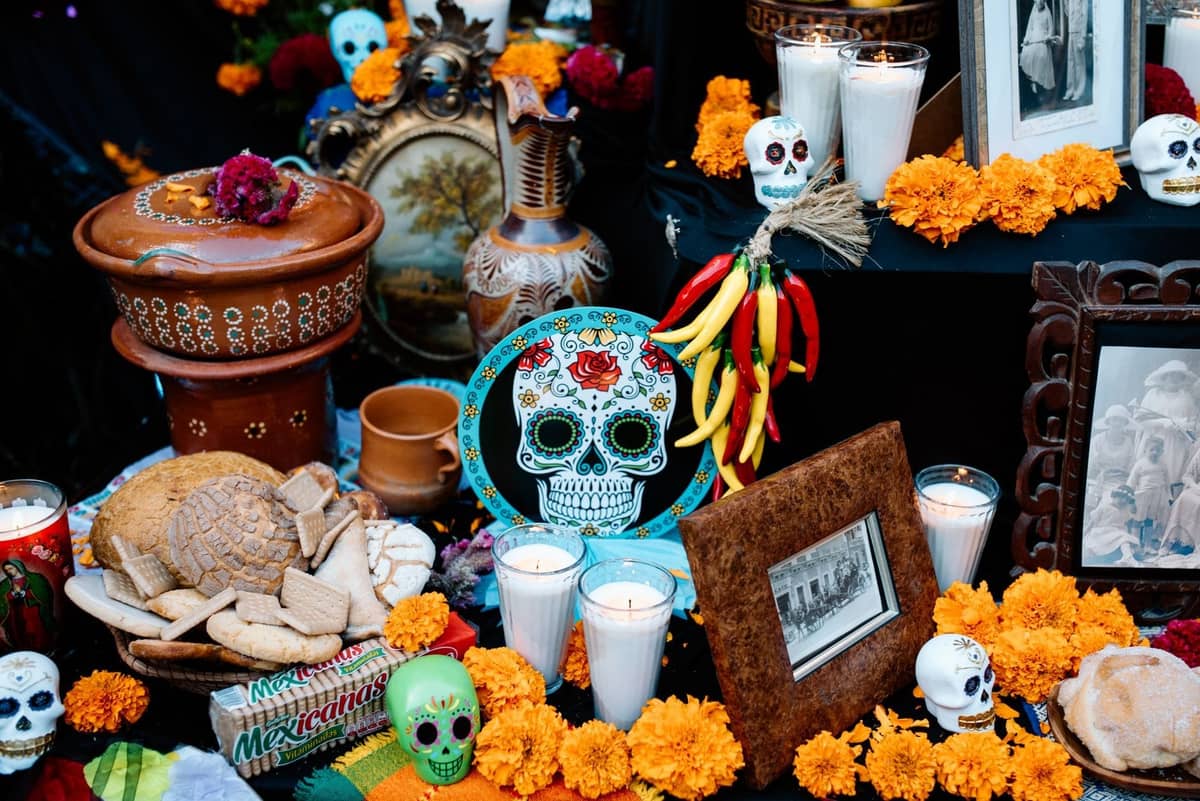
Día de Muertos is one of the most misrepresented celebrations in Mexican culture, largely because of how it gets packaged for international audiences. It is not a Mexican version of Halloween, and conflating the two frustrates locals. The tradition combines pre-Hispanic beliefs about death with Catholic feast days. November 1 (Todos los Santos) is associated with the spirits of deceased children, while November 2 (Fieles Difuntos or Día de Muertos proper) honors adults. Families build elaborate ofrendas loaded with photographs, marigold flowers (cempasúchil), food, water, candles, and objects the deceased loved in life, with the belief that spirits return briefly to enjoy these offerings.
The celebration is also not limited to a single night. In Guadalajara specifically, the season stretches across several weeks. The city's Fiestas de Octubre, which typically run from early October into early November, create a long run-up of concerts, parades, cultural events, and food fairs that eventually transition into Día de Muertos programming. Visitors who show up only on November 2 and expect a concentrated single-night spectacle often miss the broader rhythm of the celebration.
ℹ️ Good to know
Día de Muertos was inscribed on UNESCO's Representative List of Intangible Cultural Heritage of Humanity in 2008. The tradition is taken seriously as a living cultural practice, not a performance for tourists. Approach it with that in mind.
When to Visit: Timing the Celebration Right
The core dates are October 31 through November 2, but Guadalajara front-loads the season heavily. If you want to catch altar installations, themed museum programming, and cultural events without the most intense November 1-2 crowds, arriving by October 28-29 is a smart move. You get the full build-up, calmer streets for exploring, and still hit the main nights.
Late October in Guadalajara sits at the tail end of the rainy season. Daytime temperatures are comfortable, typically in the mid-20s Celsius, but evenings cool down noticeably, especially for outdoor events. Bring a light jacket if you plan to attend night activities in plazas or open-air venues. The weather is generally cooperative, but occasional evening showers are possible in late October.
- Late October (28-31) Best time to browse altar displays at museums without crushing crowds. Night events begin ramping up. Tlaquepaque legend tours run in the evenings.
- November 1 Todos los Santos. Cemetery visits by families, daytime altar viewing at cultural centers, evening atmosphere peaks in Centro.
- November 2 The main day. Parades, public celebrations, and cemetery gatherings. Centro Histórico and Tlaquepaque are at their most crowded. Book restaurant tables in advance.
- Fiestas de Octubre (early Oct to early Nov) Broader city festival with concerts, amusement rides, and nightly shows at Auditorio Benito Juárez. Overlaps with Day of the Dead programming.
⚠️ What to skip
Accommodation in Colonia Americana, Centro, and Tlaquepaque fills up weeks in advance for the October 31 to November 2 window. If you're visiting specifically for Day of the Dead, book your hotel as early as possible, ideally two months ahead.
Where to See Altars and Cultural Displays in Guadalajara
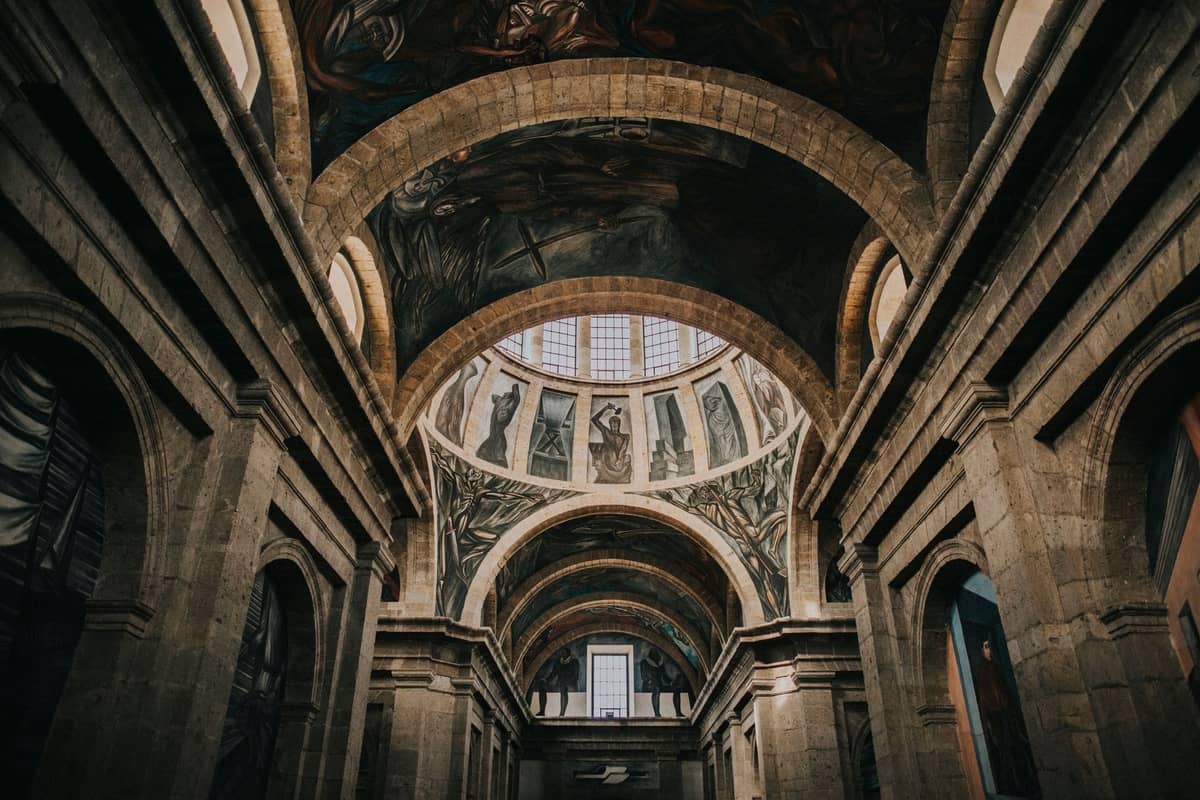
The single most atmospheric location for Day of the Dead in Guadalajara is the Instituto Cultural Cabañas, a UNESCO World Heritage Site in Centro that hosts themed programming including altar installations and cultural events around this period. It regularly appears on local listings as one of the anchor venues for the season. Check their official site or the Jalisco state cultural calendar for current year programming.
The Museo Panteón de Belén is perhaps the most unique destination on the list. It is a 19th-century cemetery-turned-museum with its own permanent connection to death and local legend. During Day of the Dead, it hosts altar displays and special programming. Entry has historically been around 23 MXN during past seasons, but verify current pricing and hours before your visit as fees change regularly.
- Museo Regional de Guadalajara One of the main state museums in Centro. Historically participates in altar competitions and Day of the Dead cultural events. Free or low-cost entry.
- Museo de la Ciudad Compact urban history museum that typically hosts ofrenda displays. Good for a focused 45-minute visit between larger sites.
- Ex Convento del Carmen Colonial-era convent in Centro with atmospheric architecture. Day of the Dead installations here tend to use the courtyard effectively.
- Museo de Paleontología Less obvious choice but historically part of the city's altar circuit. Worth checking if you want to avoid the busiest venues.
- Casa Museo López Portillo Historic house museum that joins the ofrenda route. Smaller scale, with a more intimate feel than the major institutions.
- Centro Cultural El Refugio (Tlaquepaque) The hub for Day of the Dead activity in Tlaquepaque. Night tours with local legends and ghost stories have historically run at 22:00 during the celebration period.
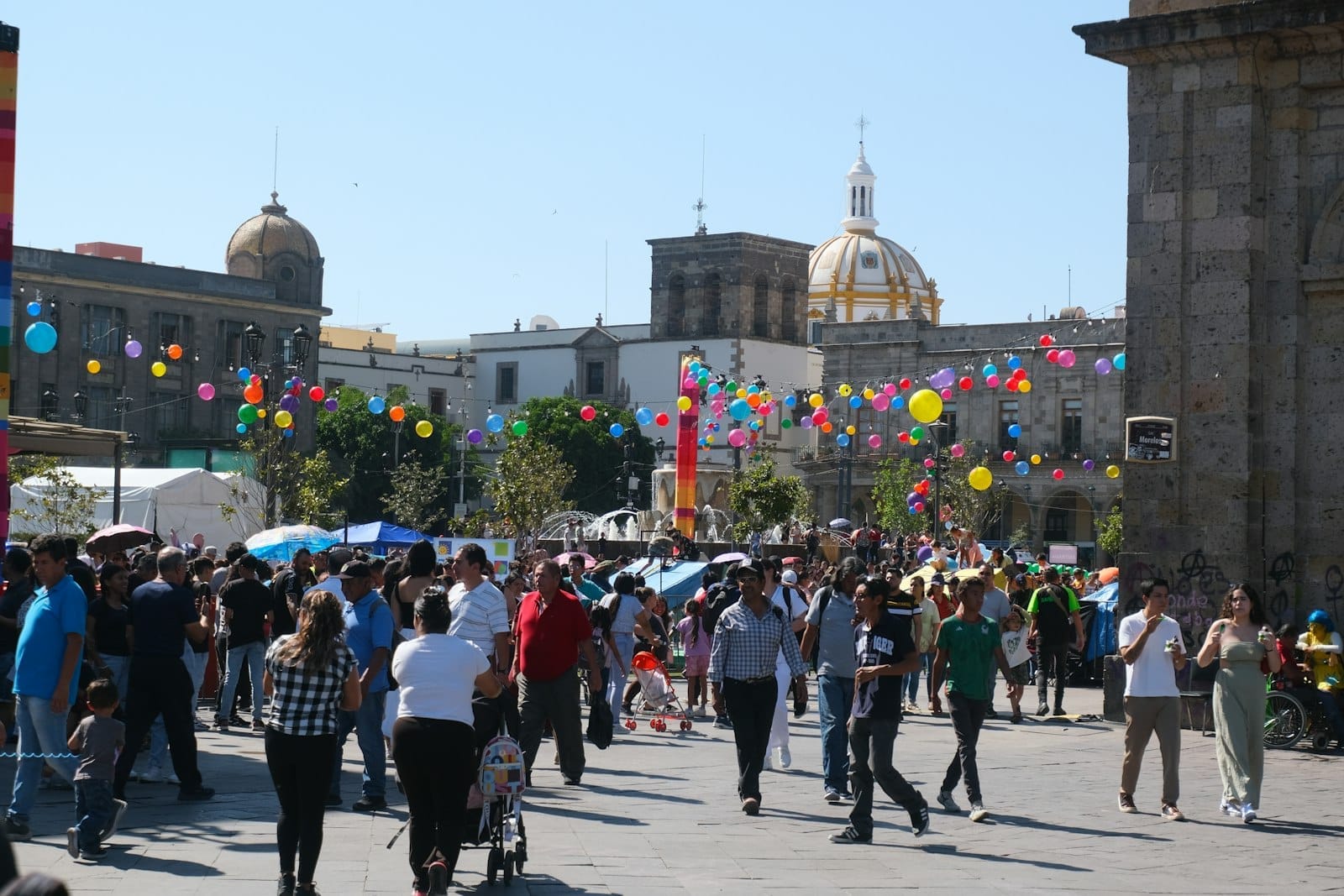
Beyond the museums, the streets of Centro Histórico fill with marigold arrangements, sugar skull vendors, and public altar installations in the days leading up to November 2. The area around Plaza Tapatía and Plaza de la Liberación often sees public displays and evening gatherings.
Day Trips and Nearby Celebrations Worth Considering
If you have an extra day to spare, the archaeological site of Guachimontones about an hour from Guadalajara toward the town of Tequila has hosted special Day of the Dead performances in past years, with entry fees historically around 30 MXN. The circular pyramid complex takes on a different character at dusk with cultural programming. Performances and schedules change annually, so confirm through official Jalisco cultural channels before planning around this.
Tlaquepaque deserves its own dedicated afternoon and evening. The Andador Independencia in the pedestrian center of Tlaquepaque transforms during Day of the Dead with altar displays in shops and restaurants, marigold-draped storefronts, and evening events. The night tours from Centro Cultural El Refugio, featuring local legends and cemetery-adjacent storytelling, have historically attracted both locals and visitors. If you go, aim to arrive by 20:00 to explore before the tour starts.
✨ Pro tip
Specialist Day of the Dead tour operators, including A Closer Look Tours and listings on platforms like Bookmundi, offer multi-day itineraries that sometimes incorporate Guadalajara. These can be useful if you want guided context for altar symbolism and cemetery etiquette rather than navigating it independently.
Practical Logistics: Getting Around, Costs, and What to Bring
Most of the key Day of the Dead venues in Guadalajara are concentrated in or near Centro Histórico, which makes them walkable from each other. The metro system (SITEUR Lines 1, 2, and 3) connects Centro with Zapopan and other parts of the metro area. For Tlaquepaque, ride-hailing apps Uber and DiDi are the most convenient option since the metro does not reach there directly. Check the getting around Guadalajara guide for full transport options.
Museum entry fees for Day of the Dead programming are generally low by any standard. Individual venues have historically charged 23-50 MXN for special events, with some free entirely. Budget more for food: mainstays of the season like pan de muerto (a soft, anise-flavored bread) and champurrado (a warm corn-based drink with chocolate) appear at street stalls and bakeries across the city. Trying both is non-negotiable.
- Wear comfortable shoes. A full Day of the Dead circuit through Centro museums and evening street events involves several kilometers of walking.
- Bring a light jacket or layer for evening events, especially outdoor programming in late October and early November when temperatures drop after dark.
- Carry cash in MXN. Many street vendors, small museums, and traditional market stalls do not accept cards.
- Drink bottled or filtered water. Tap water is not recommended for drinking in Guadalajara.
- Photography at altars is generally welcome in public spaces and museum displays, but be respectful at cemetery visits, which are family gatherings, not tourist events.
- If you plan to visit a cemetery on November 1-2, be aware that families are there to commemorate loved ones. Observe quietly, do not interrupt, and ask permission before photographing people.
If you are planning a full itinerary around the festival period, the Guadalajara festivals and events guide covers the broader calendar including Fiestas de Octubre, which runs concurrently and adds another layer of programming across the city.
Staying in Guadalajara for Day of the Dead
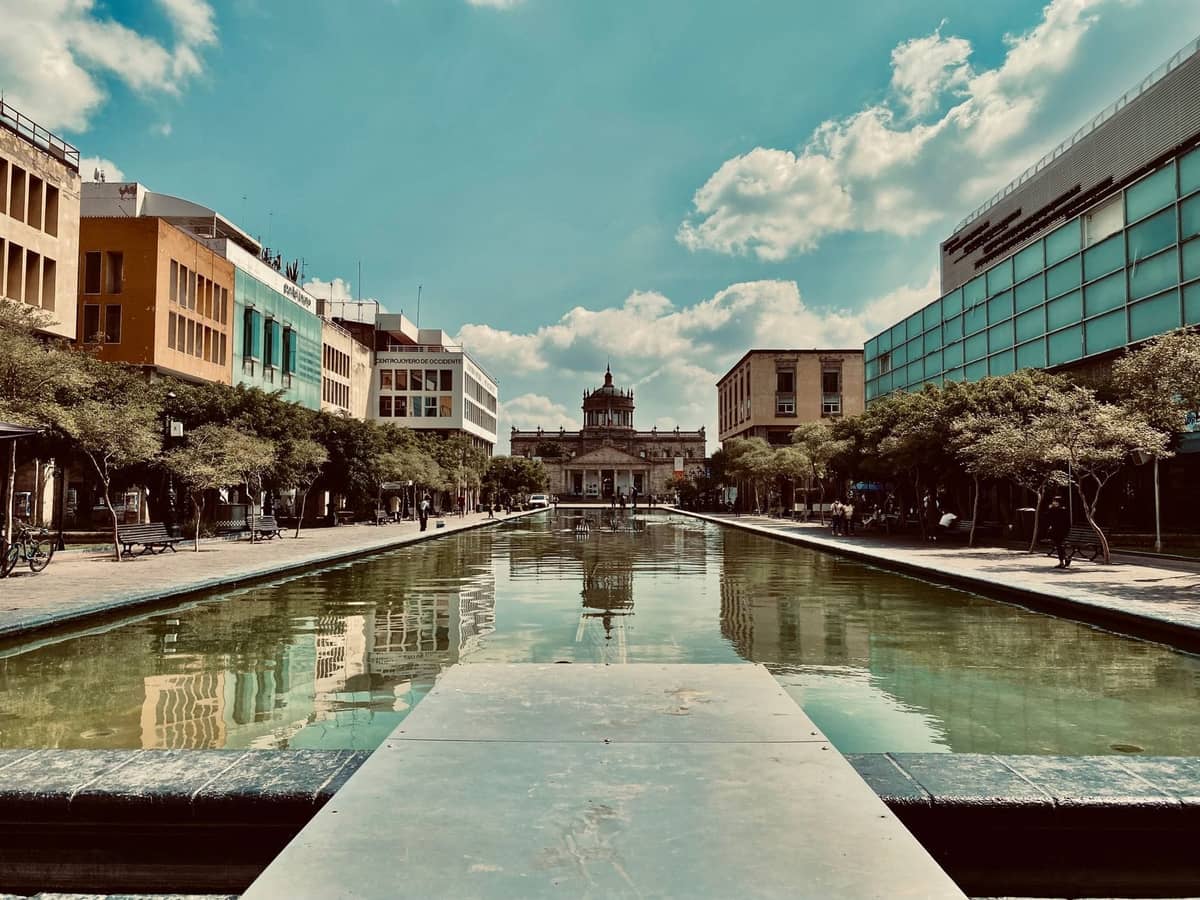
Location matters more than usual during this period. Staying in Centro Histórico puts you within walking distance of the main museum circuit, but it is also the loudest and most crowded neighborhood around November 1-2. Colonia Americana offers a quieter base with good transport links to Centro and its own collection of bars and restaurants for evening wind-downs after long days of cultural programming.
For a full breakdown of neighborhoods, price ranges, and hotel options, the where to stay in Guadalajara guide covers each district in detail. The key advice for this specific period: book early, confirm your dates are flexible if possible, and read cancellation policies carefully since the October-November window is a high-demand period.
FAQ
Is Day of the Dead celebrated in Guadalajara?
Yes, and it is a significant celebration. Guadalajara hosts altar displays across multiple museums and cultural centers, public installations in Centro Histórico, events in Tlaquepaque, and programming tied to Fiestas de Octubre, which runs through much of October into early November. The celebration spans several days, not just November 2.
Where is the best place to see Day of the Dead altars in Guadalajara?
The Instituto Cultural Cabañas and Museo Panteón de Belén are the most frequently cited venues. The broader Centro Histórico museum circuit, which includes the Museo Regional de Guadalajara, Ex Convento del Carmen, Museo de la Ciudad, and Casa Museo López Portillo, forms a walkable ofrenda trail. Tlaquepaque, about 20-30 minutes from Centro by ride-hail, adds night tours and additional altar displays.
Is Day of the Dead the same as Halloween in Mexico?
No. Día de Muertos is a separate tradition with pre-Hispanic and Catholic roots. It centers on building ofrendas to honor deceased relatives, visiting cemeteries, and sharing food and drink associated with the dead. It is not focused on costumes, tricks, or scares. In Guadalajara especially, it is treated as a serious cultural and family observance.
How many days do I need to experience Day of the Dead in Guadalajara?
Two to three days is enough to cover the main museum altars, evening events in Centro, and a half-day trip to Tlaquepaque. If you want to include Guachimontones or fully immerse in Fiestas de Octubre programming, add another day. Arriving by October 29-30 and leaving November 3 gives you the full experience without the worst of the crowds on November 2.
Is it appropriate for tourists to visit cemeteries during Day of the Dead in Guadalajara?
Technically yes, but with important caveats. Cemetery visits on November 1-2 are family observances. If you go, dress modestly, observe quietly, do not photograph families without permission, and do not intrude on graveside gatherings. The museum and public altar circuit is a far more accessible entry point for visitors who want to understand the tradition without navigating the sensitivities of a private family ritual in a cemetery setting.